
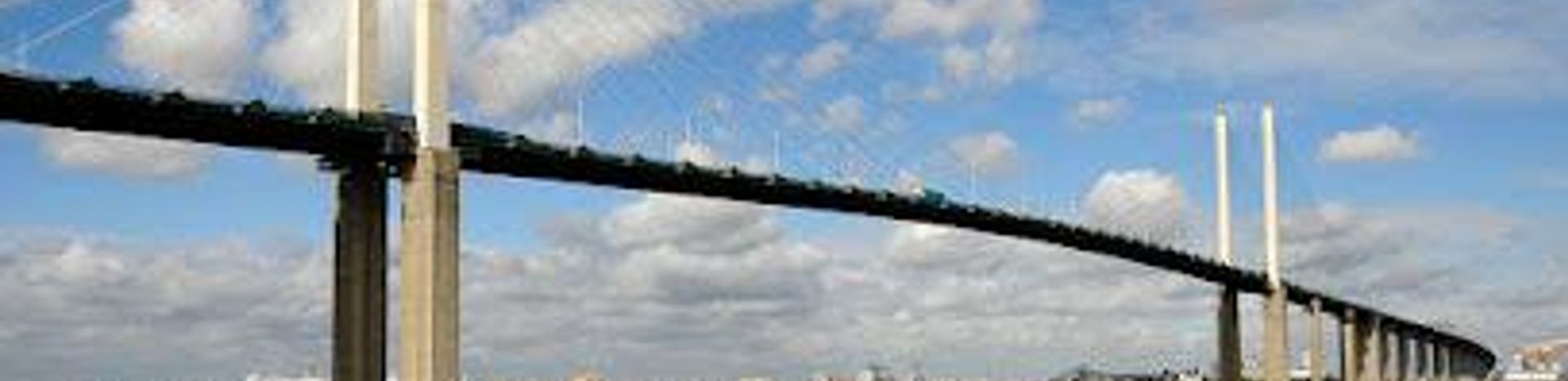
Dartford Crossing
Experience the engineering marvel of the Dartford Crossing, the busiest estuarial road crossing in the UK, linking Kent and Essex over the River Thames.
The Dartford Crossing is the busiest estuarial road crossing in the UK, linking Kent and Essex over the River Thames. It comprises two tunnels and the striking Queen Elizabeth II Bridge, forming a vital part of the M25 orbital route. While primarily a transport artery, its scale and engineering make it a notable landmark for travelers and road enthusiasts alike.
A brief summary to Dartford Crossing (Southbound)
- Dartford Crossing, Dartford, Purfleet-on-Thames, Dartford, GB
- Visit website
- Duration: 0.5 to 2 hours
- Free
-
 Outdoor
- Mobile reception: 5 out of 5
Local tips
- Check for bridge closures due to high winds or maintenance, as traffic may be rerouted through the tunnels.
- Plan your journey to avoid peak hours, as the crossing can experience heavy congestion, especially during rush periods.
- Use the Dart Charge system to pay the crossing fee online or by phone to avoid delays at the toll booths.

For the on-the-go comforts that matter to you
- Restrooms
- Drink Options
- Drinking Water
- Food Options
- Seating Areas
- Sheltered Areas
- Trash Bins
- Information Boards
Getting There
-
Car
Drive via the M25 motorway, following signs for the Dartford Crossing. The crossing is well signposted and accessible from both Kent and Essex. Expect variable traffic conditions, especially during peak hours.
-
Public Transport
Take a train to Dartford or Ebbsfleet International Station, then use local bus services or taxis to reach the crossing. The area is well connected by rail and bus networks.
Dartford Crossing (Southbound) location weather suitability
-
 Any Weather
-
 Clear Skies
-
 Mild Temperatures
Discover more about Dartford Crossing (Southbound)
Engineering Marvel Over the Thames
Spanning the River Thames between Dartford in Kent and Thurrock in Essex, the Dartford Crossing is a feat of modern British engineering. The crossing consists of two bored tunnels and the cable-stayed Queen Elizabeth II Bridge, which soars 137 meters above the water. Southbound traffic flows over the bridge, while northbound vehicles pass through the tunnels. Opened in stages between 1963 and 1991, the crossing was designed to handle the growing demands of regional and national traffic, and today it carries over 150,000 vehicles daily.Strategic Importance and Daily Life
As the only fixed road crossing of the Thames east of Greater London, the Dartford Crossing is a crucial link for both local commuters and long-distance freight. Its integration with the M25 motorway makes it a key node in the UK’s strategic road network. The crossing is equipped with advanced traffic management systems, including variable-message signs and lane control, to cope with congestion and ensure safety. Despite its utilitarian purpose, the crossing’s scale and constant movement create a unique atmosphere for those passing through.Design and Operation
The Queen Elizabeth II Bridge, with its main span of 450 meters, is a striking example of cable-stayed bridge architecture. The two tunnels, each over a mile long, were constructed to accommodate the heavy flow of vehicles. The crossing operates under a 50 mph speed limit and is managed by a dedicated team working around the clock. The bridge can be closed during high winds or maintenance, with traffic rerouted through the tunnels. This complex system reflects the challenges of maintaining a vital transport link in a busy region.Visitor Experience and Atmosphere
While not a traditional tourist destination, the Dartford Crossing offers a fascinating glimpse into the scale and complexity of modern infrastructure. The bridge’s height and the tunnels’ length provide a sense of the engineering effort involved. The crossing’s constant activity and the views of the Thames and surrounding landscape make it a memorable experience for those interested in transport and engineering. The area around the crossing is also home to nature reserves and parks, offering opportunities for relaxation and exploration.Historical Context and Future Developments
The idea for the Dartford Crossing was first proposed in the 1920s, with construction beginning in the 1930s. The crossing has evolved over the decades to meet the needs of a growing population and economy. Plans for the Lower Thames Crossing, a new crossing to the east, are underway to alleviate congestion and provide additional capacity. The Dartford Crossing remains a testament to the ongoing development of the UK’s transport infrastructure.Iconic landmarks you can’t miss

Falklands Island Monument
4.7 km
A solemn tribute in Grays honoring merchant seafarers who sacrificed their lives in the 1982 Falklands War.
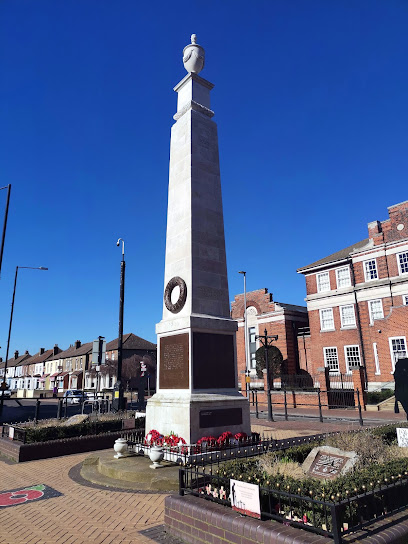
Laindon War Memorial
16.7 km
A solemn tribute in Basildon honoring Laindon's wartime heroes, blending history with community remembrance.
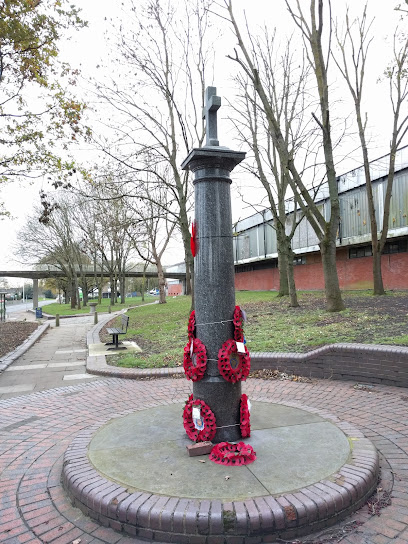
Anchor Iron Wharf
18.1 km
Historic riverside wharf in Greenwich marked by a large anchor sculpture, blending maritime heritage with stunning Thames views.
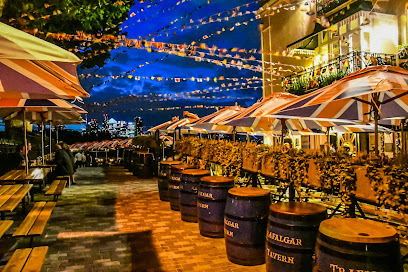
Trafalgar Tavern
18.3 km
Historic Greenwich riverside pub since 1837, famed for whitebait feasts, naval art, and Thames panoramas—perfect for pints, roasts, and celebrations.
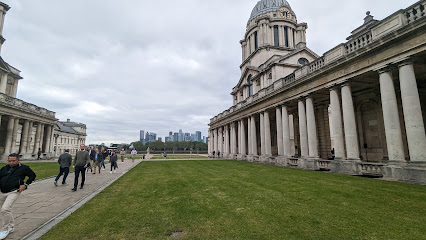
Painted Hall
18.5 km
Discover the breathtaking Painted Hall in Greenwich, a Baroque masterpiece showcasing stunning frescoes and rich British naval history, perfect for art lovers.
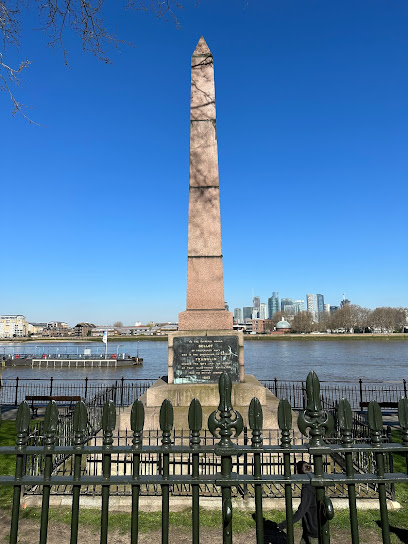
Bellot Memorial Greenwich
18.6 km
A solemn obelisk in Greenwich honoring Lieutenant Joseph René Bellot’s Arctic bravery and sacrifice during the Franklin rescue expeditions.
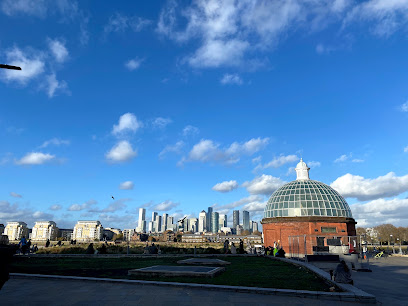
Cutty Sark Gardens
18.6 km
Explore Cutty Sark Gardens in London for a peaceful retreat filled with stunning river views and rich maritime history, a perfect escape from the city hustle.
Maritime Greenwich a World Heritage Site
18.6 km
Explore Maritime Greenwich, where royal heritage, maritime history, and the birthplace of Greenwich Mean Time converge in a stunning UNESCO World Heritage Site.
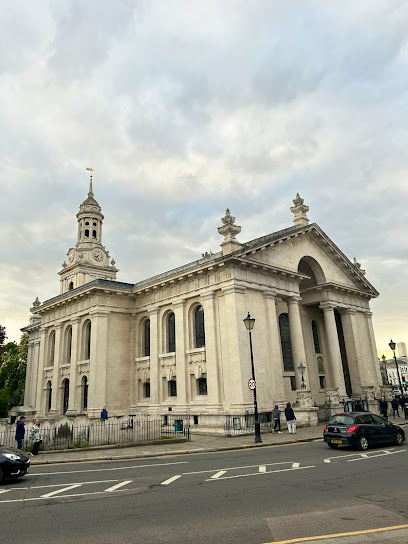
1 Greenwich Church St
18.7 km
Historic Greenwich Church Street blends medieval roots with vibrant shopping, dining, and cultural life in the heart of London’s Royal Borough of Greenwich.
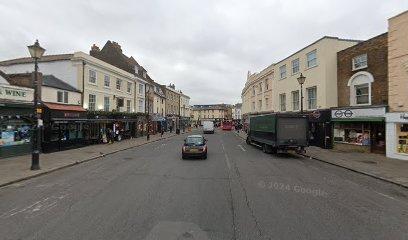
Cutty Sark
18.7 km
Explore the Cutty Sark, a historic maritime museum in Greenwich, London, showcasing the legacy of the legendary tea clipper and its adventures on the high seas.
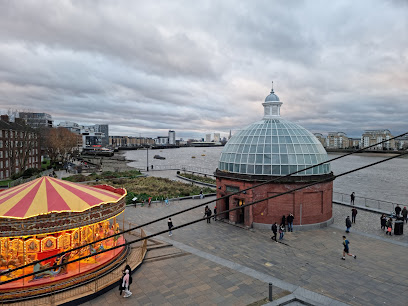
Hopefield Animal Sanctuary
18.7 km
Explore Hopefield Animal Sanctuary in Brentwood, a nurturing haven for rescued animals and a must-visit for nature-loving tourists seeking compassion and education.
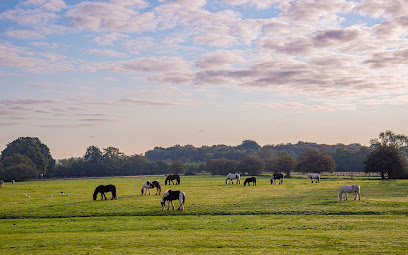
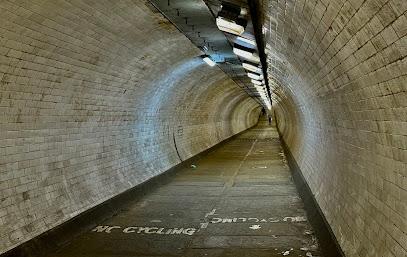
Greenwich Foot Tunnel North
18.7 km
Walk beneath the Thames through 200,000 white tiles in this 1902 engineering marvel.
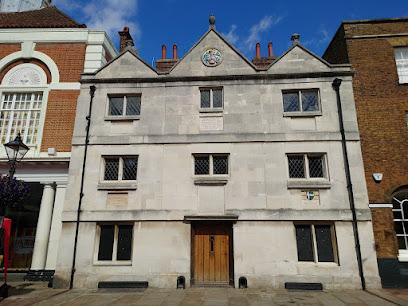
Six Poor Traveller House
19.0 km
Discover Rochester’s Tudor charity house that sheltered six poor travellers nightly, inspiring Dickens and preserving centuries of social history.
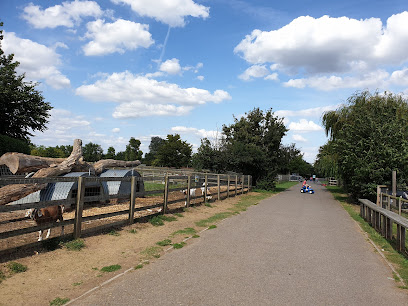
Barleylands Farm Park
20.1 km
Experience the charm of Barleylands Farm Park, where family fun meets educational adventures in the heart of the countryside.
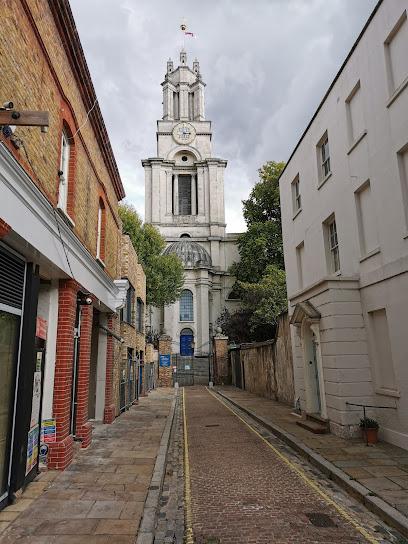
St Anne's Church, Limehouse
20.7 km
Discover St Anne's Church, Limehouse—an 18th-century Baroque maritime landmark with rich naval heritage and mysterious architectural features.
Unmissable attractions to see

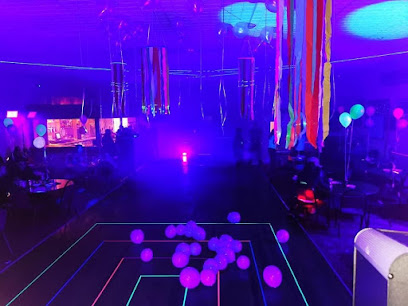
Funky Friday Over 30's Night
2.6 km
A monthly nostalgic dance party for over 30s featuring 80s and 90s classics at Greenhithe’s welcoming Royal British Legion.
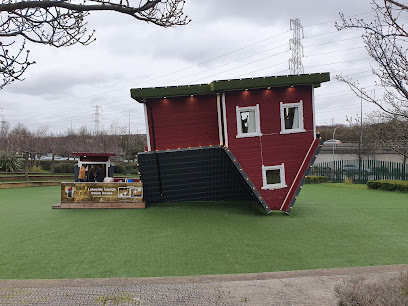
Upside Down House – Lakeside
3.0 km
Experience the UK's first upside-down house where gravity is flipped and fun is guaranteed in a vibrant, family-friendly setting at Lakeside.
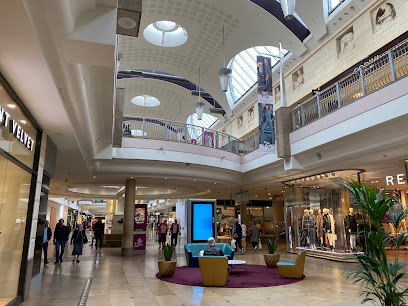
Bluewater Shopping Centre
3.0 km
Kent’s premier shopping and leisure destination with over 300 stores, diverse dining, and unique entertainment in a stunning natural setting.
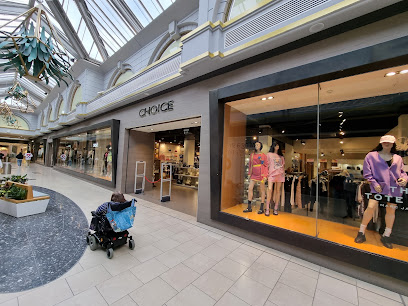
Lakeside Shopping Centre
3.1 km
Discover over 250 shops, dining, and family fun at Lakeside Shopping Centre—West Thurrock’s vibrant retail and leisure hub.
Belhus Woods Country Park
6.1 km
Explore ancient woodlands, tranquil lakes, and historic landscapes in this accessible South Essex country park rich with wildlife and heritage.
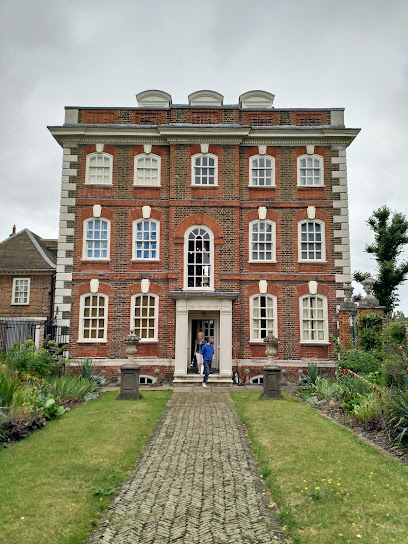
National Trust - Rainham Hall
7.6 km
Explore Rainham Hall, a stunning 1729 Georgian merchant’s house blending history, community gardens, and immersive exhibitions on London’s eastern edge.
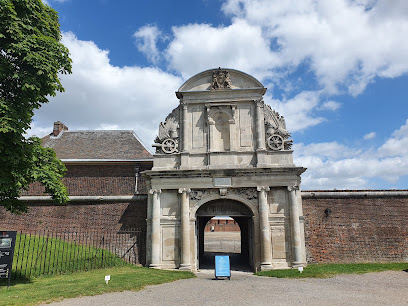
Tilbury Fort
8.1 km
Explore Tilbury Fort, a stunning 16th-century riverside fortress guarding London with star-shaped bastions, rich history, and scenic Thames views.
Eagle Heights Wildlife Foundation
11.5 km
Discover majestic birds of prey and engaging wildlife experiences in Kent’s award-winning sanctuary and family-friendly refuge.
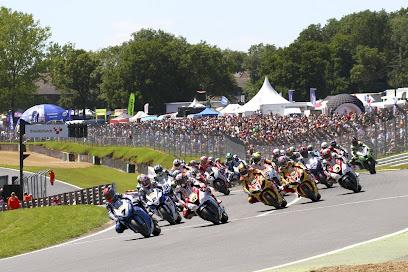
Brands Hatch
11.8 km
Experience the thrill and history of Brands Hatch, Kent’s iconic motor racing circuit with legendary corners and world-class events.
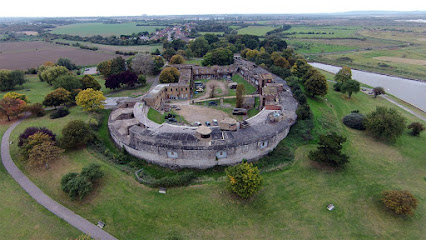
Coalhouse Fort Park
12.1 km
Explore a Victorian riverside fortress steeped in history, surrounded by tranquil parkland and sweeping Thames views.
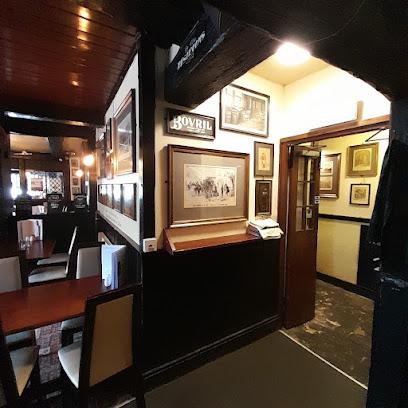
The Leather Bottle
12.7 km
Historic 17th-century pub in Cobham, beloved by Charles Dickens, offering seasonal local cuisine, a cocktail lounge, and expansive gardens.
St Mary Magdalene Church, Cobham
12.8 km
Discover Cobham’s medieval gem, St Mary Magdalene Church, famed for its stunning architecture and England’s finest collection of medieval brasses.

Barnards Miniature Railway
13.1 km
A charming 7¼ inch gauge miniature railway on a working farm near Brentwood, perfect for families and rail enthusiasts on select days from spring to winter.
Havering Museum Ltd
13.7 km
Discover the rich local history of Havering in the charming former Romford Brewery, where community heritage comes alive through engaging exhibits and stories.
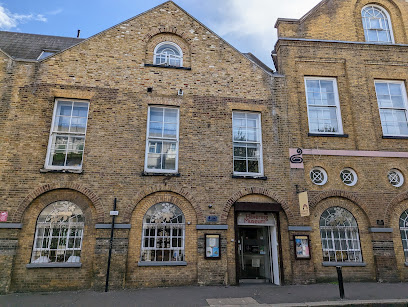
Langdon Nature Discovery Park
14.4 km
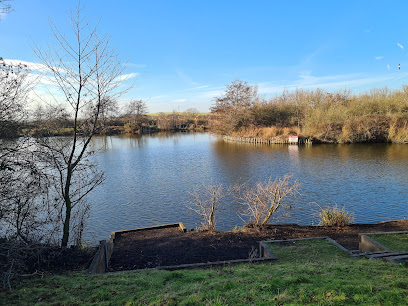
Explore Essex’s largest inland nature reserve with diverse wildlife, scenic trails, and a welcoming Nature Discovery Centre.
Essential places to dine

Sefa Restaurant
17.9 km
Savor authentic Turkish and Mediterranean dishes with generous portions and warm hospitality in the heart of Greenwich.
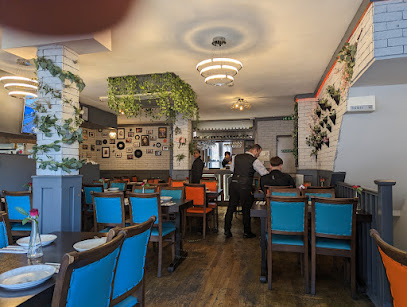
Midpoint Restaurant
18.1 km
Authentic Turkish and Mediterranean dining with riverside views and warm hospitality in London’s vibrant SE10 district.
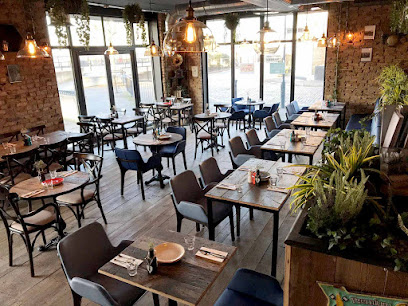
Pho Street
18.6 km
Authentic Vietnamese pho, banh mi, and bubble tea served in a lively Greenwich setting with fresh flavors and warm hospitality.
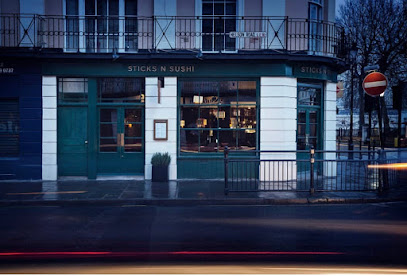
Sticks'n'Sushi Greenwich
18.6 km
Experience fresh sushi and Nordic-inspired grilled sticks in stylish Greenwich, where maritime history meets modern Japanese cuisine.
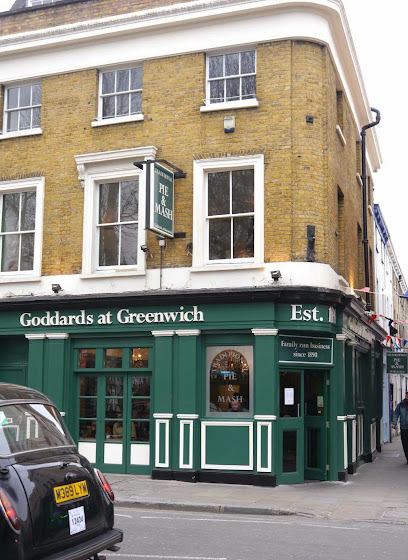
Goddards at Greenwich
18.6 km
Experience authentic British pie and mash at Goddards at Greenwich, a historic eatery serving traditional comfort food in a welcoming setting.
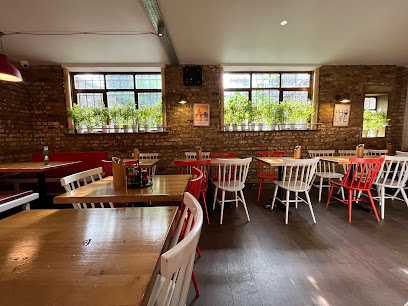
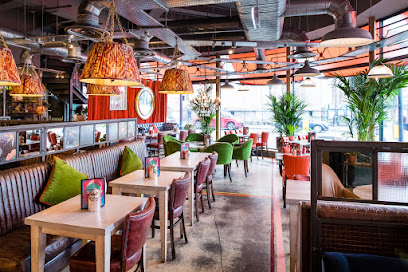
Bill's Greenwich Restaurant
18.6 km
A cozy British restaurant in Greenwich offering hearty dishes, friendly service, and a vibrant, family-friendly atmosphere from breakfast to late dinner.
The Prince of Greenwich Pub
18.6 km
A vibrant gastropub in Greenwich blending quirky museum charm, authentic Italian cuisine, and lively jazz in a historic London setting.
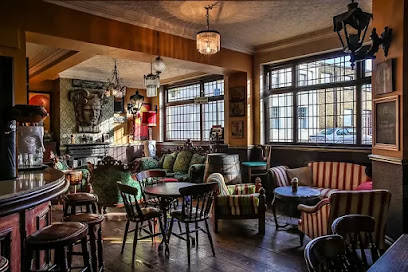
The Hill
18.7 km
A vibrant Mediterranean and Latin American fusion restaurant with a cozy garden setting in the heart of Greenwich.
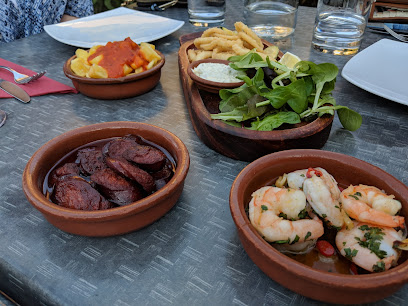
The Sail Loft, Greenwich
19.0 km
Stylish riverside dining in Greenwich with panoramic Thames views, modern British cuisine, and versatile event spaces.
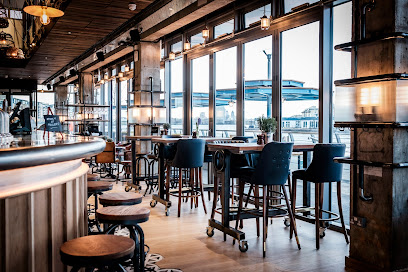
Dukes Head Billericay
19.3 km
A charming gastropub in Billericay blending traditional British fare with a warm, inviting atmosphere and scenic outdoor spaces.
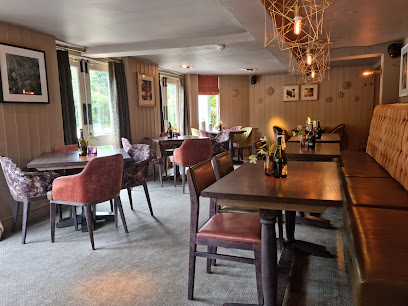
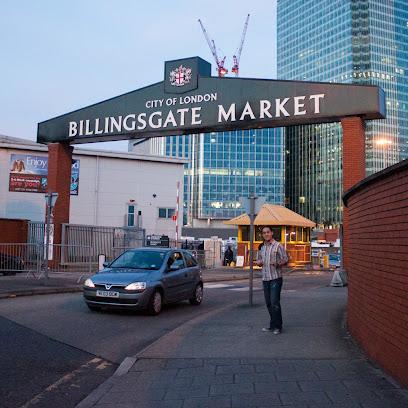
Billingsgate Market
19.4 km
Experience the bustling heart of London’s seafood trade at Billingsgate Market, a historic wholesale hub alive with tradition and fresh catches.
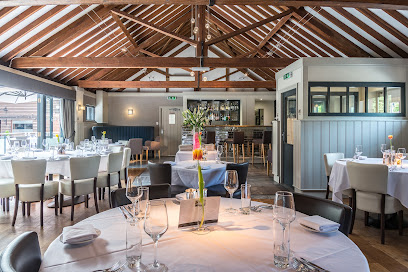
The Magic Mushroom
19.9 km
A stylish fine dining experience blending British and Mediterranean flavors in a charming converted barn on Billericay’s outskirts.
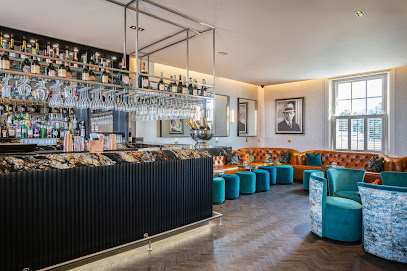
Alec's Restaurant
21.1 km
Alec's Restaurant in Brentwood offers exquisite seafood and fine dining in a beautifully restored historic setting with impeccable service.
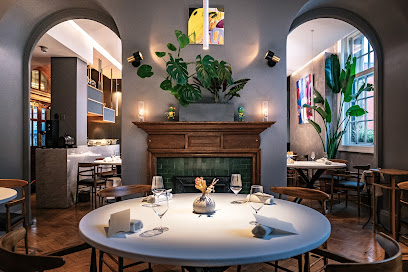
Da Terra Restaurant
23.0 km
Experience innovative two-Michelin-star Modern European cuisine with vibrant Brazilian influences in the heart of East London’s historic Bethnal Green.
Aspera
23.3 km
Experience authentic Mediterranean flavors with fresh, locally sourced ingredients in a stylish and welcoming setting in Benfleet.
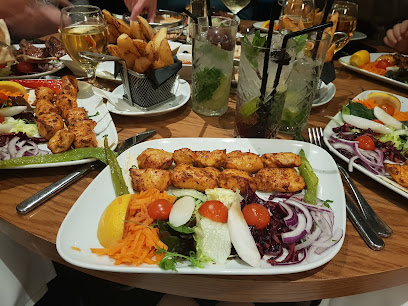
Markets, malls and hidden boutiques

Unique Store
13.5 km
Explore London's Unique Store: Your go-to convenience shop for local snacks, souvenirs, and essentials, right in the heart of the city.
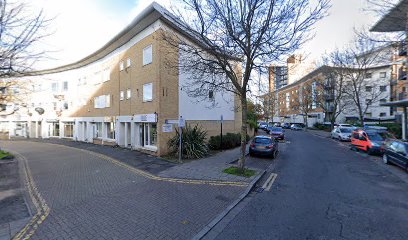
The Baytree Shopping Centre
17.4 km
A practical and accessible shopping centre at the heart of Brentwood, offering everyday essentials and local services.
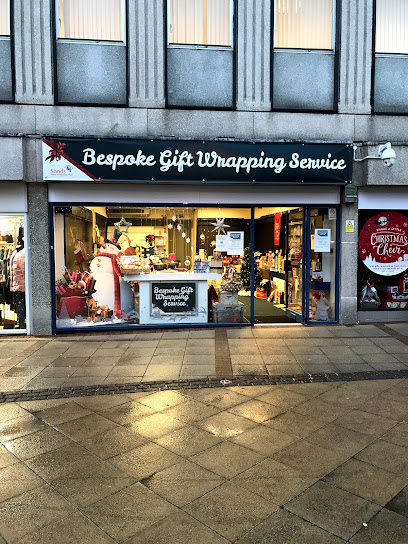
Minnie's Boutique
17.4 km
Discover unique styles and personalized service at Minnie's Boutique, a charming ladies' clothing shop in Brentwood, perfect for every fashion enthusiast.
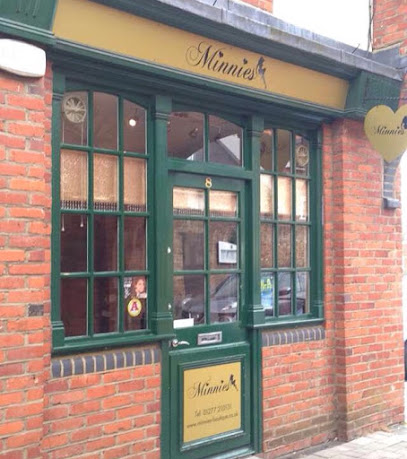
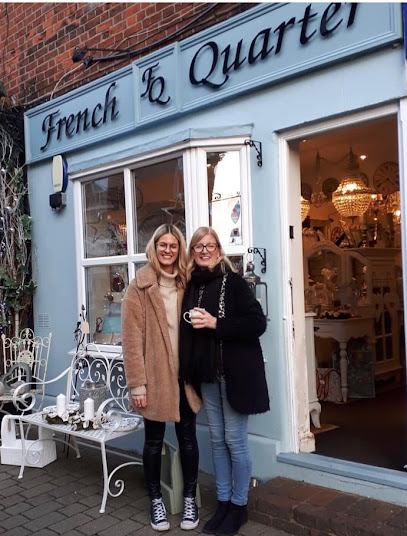
French Quarter
17.4 km
Discover unique gifts and artisan homewares in Brentwood’s welcoming French Quarter boutique.
Painted hall gift shop
18.4 km
Souvenirs and stories from Greenwich's naval heart—tote bags, books, and treasures evoking the Painted Hall's timeless splendor.
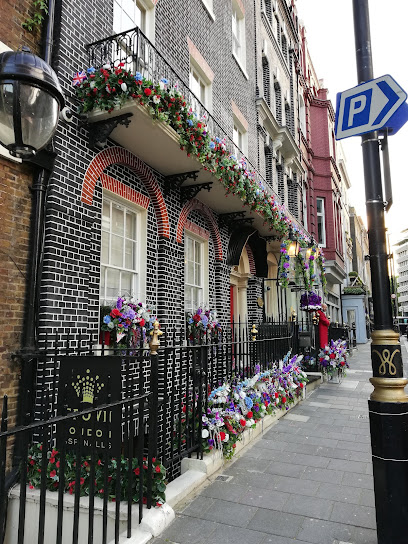
Arc Angel Boutique London
18.6 km
Elegant womenswear samples, striking accessories, and quirky gifts await in Greenwich Market's stylish haven, where fashion meets historic charm.
Joli Vintage Living
18.6 km
Discover timeless threads and retro treasures at Joli Vintage Living, Greenwich's gem for sustainable, era-spanning style on charming Nelson Road.
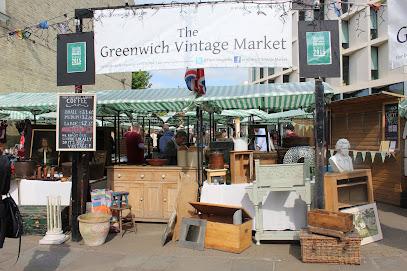
The Greenwich Vintage Market
18.6 km
Discover unique vintage treasures and handmade crafts in the heart of historic Greenwich’s vibrant market scene.
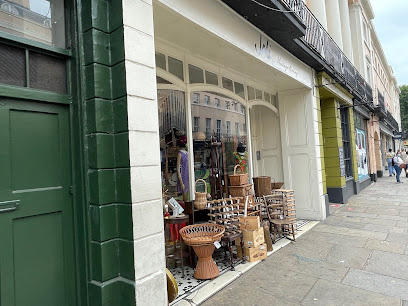
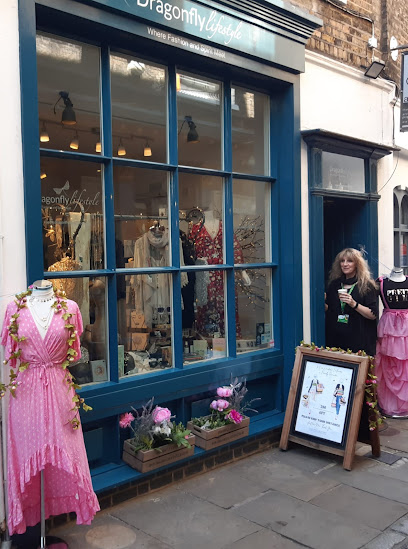
Dragonfly Lifestyle
18.6 km
A small Greenwich boutique blending mindful womenswear, handcrafted jewellery and wellbeing finds in a calm, curated shop environment.
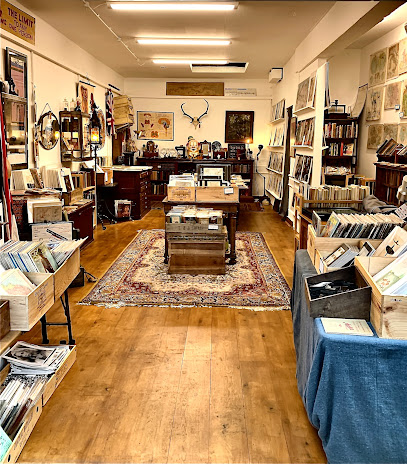
Rare Books & Curios
18.6 km
A compact Greenwich Market stall overflowing with rare and vintage books, maps and printed curios that reward slow, tactile browsing.
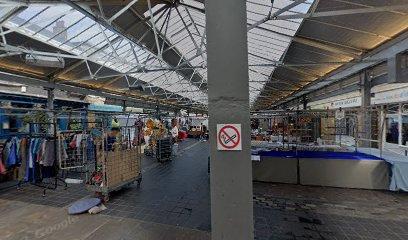
5b Greenwich Market
18.6 km
Historic covered market in London’s Greenwich with antiques, artisan crafts, and global street food in a vibrant World Heritage setting.
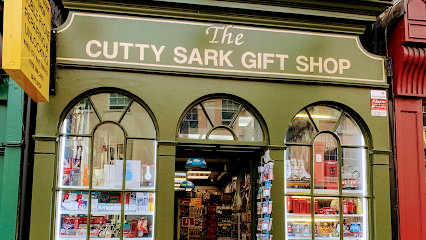
The Cutty Sark Gift Shop
18.7 km
Discover maritime magic and London keepsakes at this Greenwich gem, brimming with Cutty Sark-inspired treasures and souvenirs just steps from the historic clipper ship.
La Boutique Vintage
18.7 km
Unearth retro home treasures in Greenwich's cozy furniture nook—sustainable style with vintage soul.
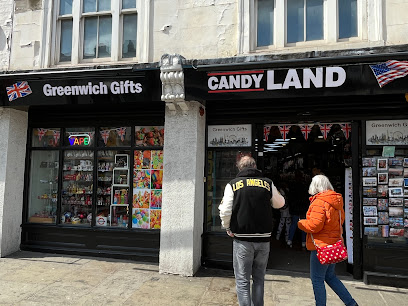
Greenwich Gifts Candy Land
18.7 km
Dive into a candy wonderland on Greenwich Church Street, where British classics and global sweets make perfect edible souvenirs in London's historic heart.
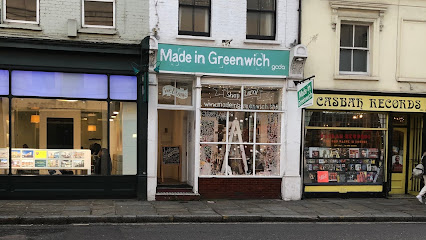
Made in Greenwich
18.7 km
Discover Greenwich's handmade heart: a not-for-profit haven where local makers' treasures shine, fueling community creativity one unique gift at a time.
Essential bars & hidden hideouts

Fête Lounge
10.2 km
Experience vibrant Caribbean-inspired cocktails and afternoon teas in a lively, welcoming lounge at Upminster’s Fête Lounge.
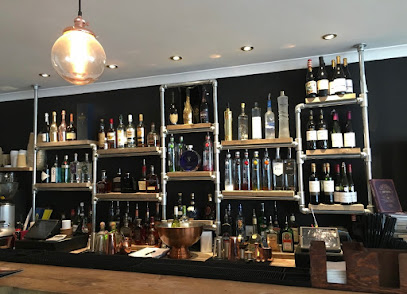
Vertigo
11.0 km
A lively multi-level bar and restaurant in Hornchurch, perfect for casual drinks, celebrations, and enjoying great music in a stylish setting.
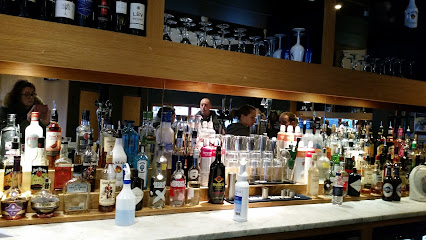
Ninety Seven Wine & Cocktail Bar
11.8 km
A stylish Sidcup bar blending expertly crafted cocktails with a warm, inviting atmosphere for memorable evenings.
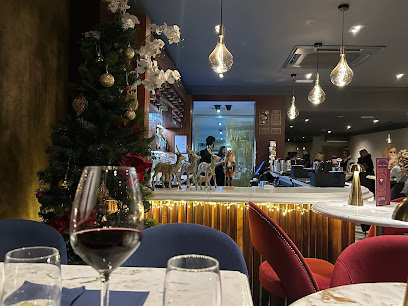
The Merchant Brentwood
17.5 km
A vibrant pub on Brentwood High Street serving artisan comfort food, lively sports, and spirited social gatherings from day to night.
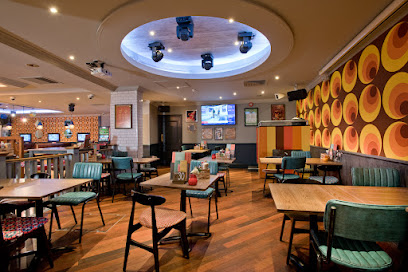
Greenwich Town Social Club
17.6 km
Cozy Greenwich social hub for cheap drinks, karaoke nights, and neighborhood camaraderie on Blackwall Lane.
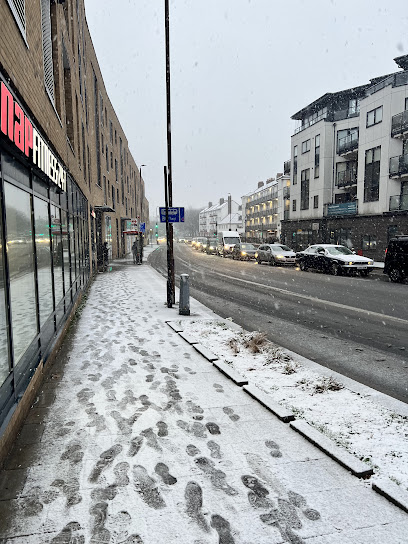
Td 338 Bar
17.9 km
Warehouse wonderland with epic sound, lush terraces, and non-stop beats—London's hidden rave escape on Greenwich Peninsula.
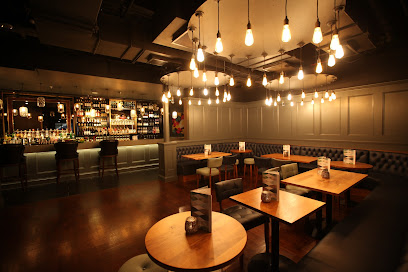
All Bar One Greenwich
18.1 km
Elevate your O2 experience at this multi-floor haven of wines, cocktails, and event-night energy—perfect for pre-show feasts and lively toasts amid London's entertainment epicenter.
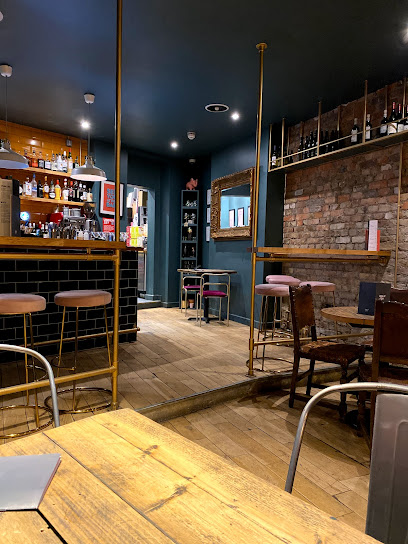
Drink At Bob's
18.4 km
Lively cocktail bar in Hither Green blending expertly crafted drinks, live music, and a welcoming vibe with vegan-friendly options.
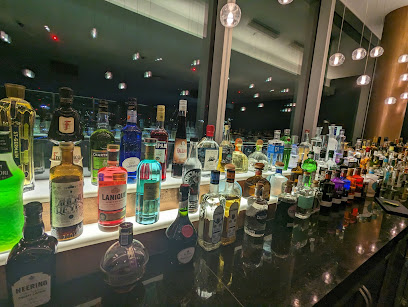
Eighteen Sky Bar
18.4 km
Elevate your evening with crafted cocktails and 360-degree skyline views from the 18th floor over Thames, Canary Wharf, and The O2.
Ye Olde Rose & Crown Greenwich
18.5 km
Traditional Greenwich pub pouring real ales and pub classics next to the theatre—perfect for families, dogs, and post-show pints in historic surrounds.
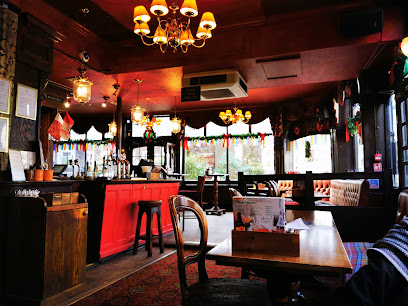
Kings Arms
18.6 km
Classic Greenwich pub with hearty grub, real ales, dog-friendly beer garden, and riverside vibes—perfect for post-sightseeing pints.
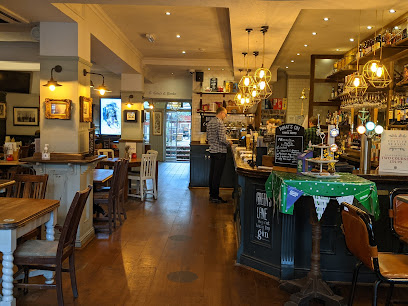
The Gipsy Moth
18.7 km
Historic Greenwich pub with Cutty Sark views, hearty grub, beer garden bliss, and live music vibes—perfect for nautical nostalgia and relaxed revelry.
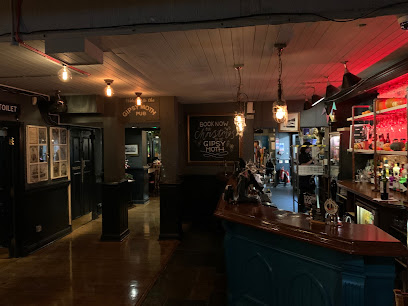
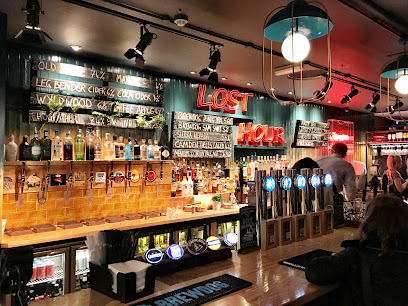
The Lost Hour
18.8 km
Greenwich's craft beer epicenter where sports, pub grub, and late-night vibes collide—lose yourself in the fun on High Road.
The Prim and Proper Cocktail Bar
18.8 km
Basildon’s premier mobile cocktail bar delivering expert mixology and stylish service to your private events and celebrations.

Top Oak Restaurant & Pub Essex Venue Hire Stapleford Abbotts
18.9 km
A charming Essex country pub blending rustic ambiance with contemporary comfort and classic British cuisine.
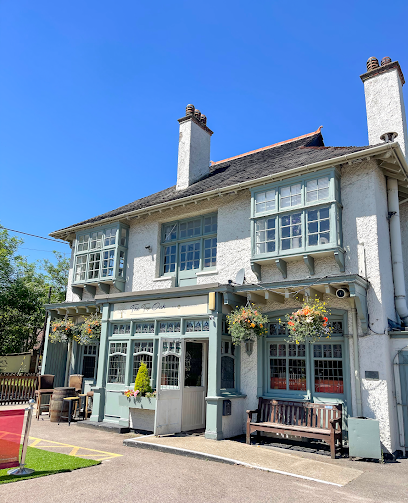
Nightclubs & after hour spots

Air & Breathe Nightclub
3.7 km
Vibrant dual-zone nightclub in Dartford blending youthful energy with plush exclusivity for over 25s.
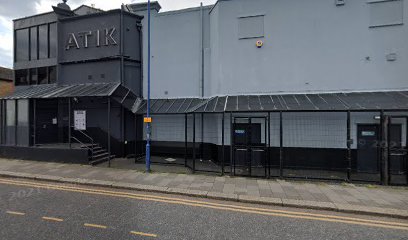
CQ LOUNGE
15.1 km
South London's Afrobeats epicenter: dance, shisha, cocktails, and culture until 5am in Woolwich's vibrant CQ Lounge.
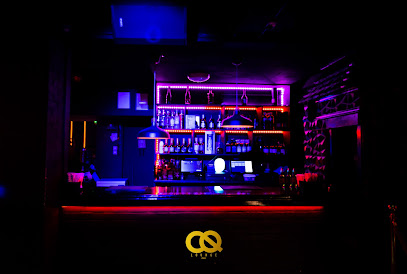
LA Lounge
17.3 km
London's top Afrobeats nightclub in Docklands: ethnic sophistication, VIP vibes, cocktails, and late-night dances until 4am on weekends.
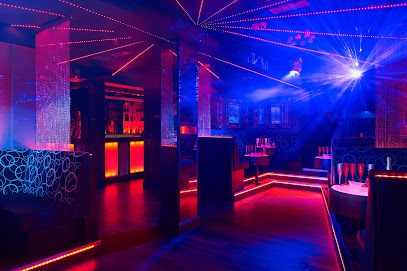
The Loft Basildon
17.9 km
Experience Basildon’s vibrant dance scene with energetic music nights, friendly staff, and a lively atmosphere at The Loft Basildon.
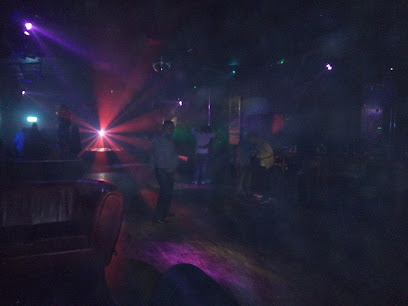
Faces NightClub
18.2 km
A stylish, vibrant nightclub in Gants Hill with immersive sound, dynamic visuals, and a versatile space for unforgettable nights and events.
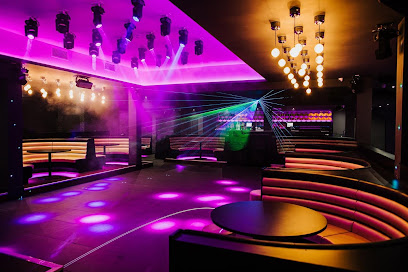
American Express Invites Lounge
18.2 km
A backstage‑inspired, Cardmember-only lounge at The O2 with distinct seating zones, crafted drinks and a complimentary welcome drink on event nights.
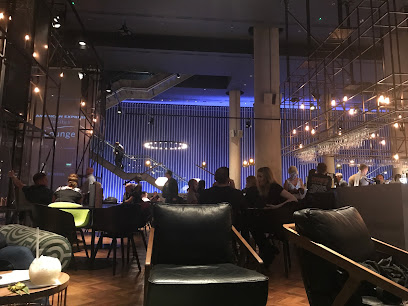
(Admin Office) The Mobile Nightclub
18.4 km
Discover the joy of nightlife on the move with The Mobile Nightclub in London, where the party comes to you!
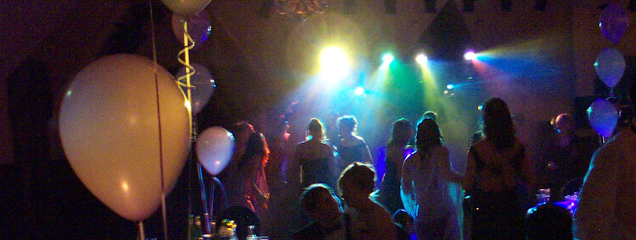
Oliver's Jazz Bar
18.5 km
Experience the soulful rhythms and vibrant atmosphere at Oliver's Jazz Bar, where great music meets delightful drinks in the heart of London.
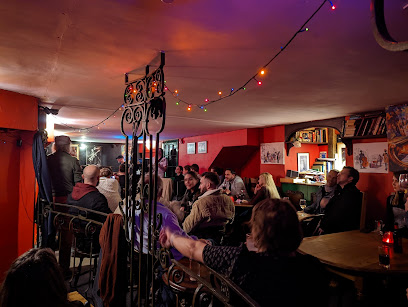
The Bunker
19.7 km
A compact, late-night basement club on Deptford Broadway offering affordable drinks, close-up atmosphere and energetic weekend sessions.
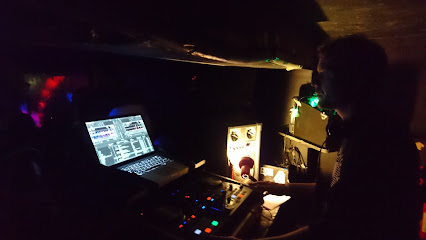
The Hatch Club
20.4 km
A late-night New Cross club with a roomy dancefloor, VIP sections and bass-forward DJ nights—built for parties and private events.

The Venue
20.5 km
A vibrant multi-room nightclub in New Cross, London, blending diverse music, cutting-edge sound, and a welcoming atmosphere since 1989.
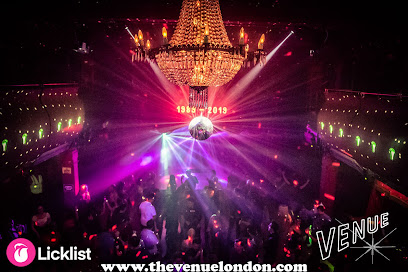
E1
22.7 km
Experience East London’s underground pulse with E1’s cutting-edge sound, immersive visuals, and vibrant club nights.
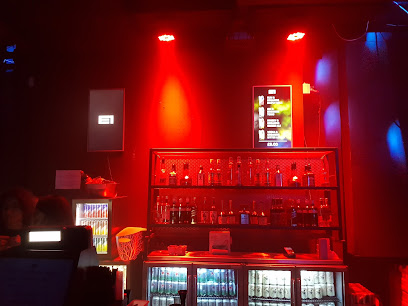
Club 701
22.8 km
Experience the vibrant nightlife and dynamic clubbing scene at Club 701, South London's energetic hotspot on Old Kent Road.
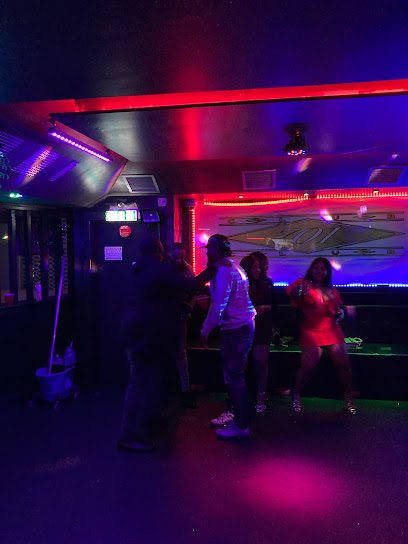
Basing House - Shoreditch
24.4 km
An intimate Shoreditch nightclub with top electronic beats, a Funktion One sound system, and a lively rooftop bar under the London skyline.
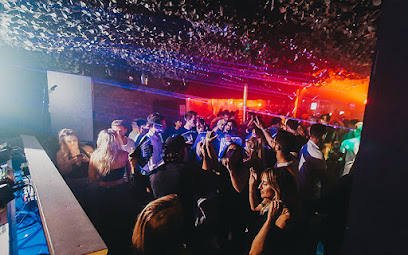
The Hoxton Pony
24.4 km
Edgy Shoreditch cocktail bar and nightclub blending vintage style with vibrant nightlife energy in East London.

For the vibe & atmosphere seeker
- Unique
- Scenic
- Lively
For the design and aesthetic lover
- Modern Designs
- Industrial Designs
For the architecture buff
- Landmarks
- Modern
- Heritage Neighborhoods
For the view chaser and sunset hunter
- Iconic Views
- Panoramas
- Waterfront
For the social media creator & influencer
- Photo Spots
- Architectural Shots
For the eco-conscious traveler
- Public-Transport Accessible
For the kind of experience you’re after
- Cultural Heritage
- Photowalk
- Roadtrip Stop
For how adventurous you want the journey to be
- Easy Access
Location Audience
- Family Friendly
- Senior Friendly
- Child Friendly
- Teen Friendly
- Wheelchair Access
- Pet Friendly
- Solo Friendly
- Couple Friendly
- Solo Female Friendly
- Business Friendly


