
St Anne's Church, Limehouse: A Maritime Baroque Masterpiece
Discover St Anne's Church, Limehouse—an 18th-century Baroque maritime landmark with rich naval heritage and mysterious architectural features.
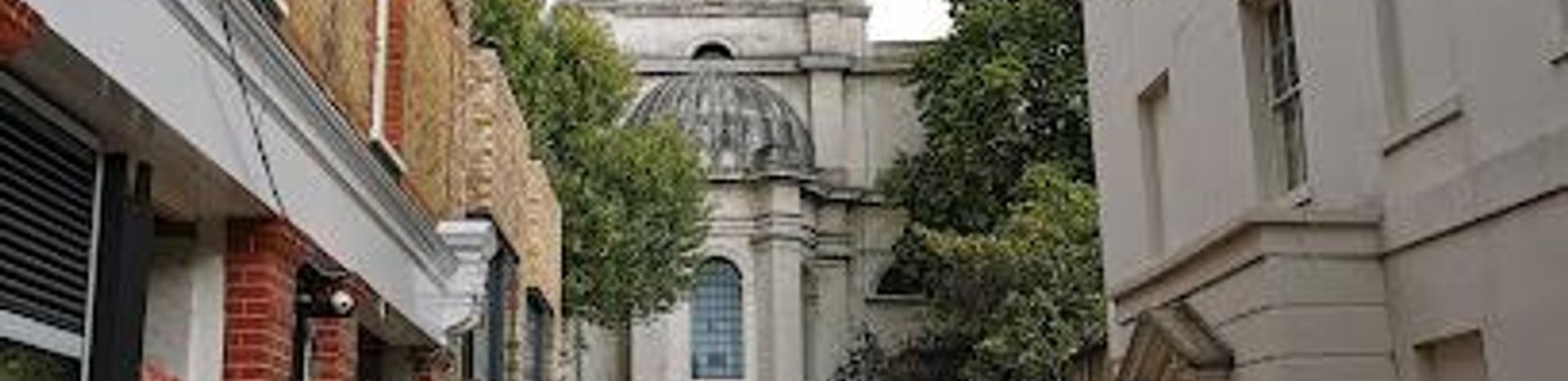
St Anne's Church in Limehouse, London, is a stunning example of English Baroque architecture designed by Nicholas Hawksmoor and consecrated in 1730. Known for its maritime heritage, the church features London's highest church clock tower, historically guiding ships on the Thames. It uniquely flies the Royal Navy's White Ensign year-round and houses a prize-winning 19th-century pipe organ. The church and its grounds include intriguing features like an enigmatic stone pyramid and a crypt once used as a WWII air shelter.
A brief summary to St Anne's Church, Limehouse
- St Anne's Church, Three Colt St, London, E14 8HH, GB
- +442079871502
- Visit website
- Duration: 0.5 to 2 hours
- Free
-
 Outdoor
- Mobile reception: 4 out of 5
Local tips
- Visit on Sunday mornings to experience the church’s traditional services and hear the historic pipe organ in action.
- Take time to explore the churchyard, especially the enigmatic stone pyramid and unique gravestones.
- Attend one of the classical concerts hosted in the church for an immersive cultural experience.
- Notice the White Ensign flying atop the tower, a rare privilege reflecting the church’s naval connections.

For the on-the-go comforts that matter to you
- Restrooms
- Information Boards
- Seating Areas
Getting There
-
Public Transport
Take the Docklands Light Railway (DLR) to Limehouse Station, approximately a 10-minute walk to St Anne's Church. Trains run frequently every 5-10 minutes during the day. Tickets cost around £2.50–£4.00 depending on the zone.
-
Bus
Bus routes 115 and D3 serve Three Colt Street near the church. Buses run every 10-20 minutes with journey times from central London of 30–45 minutes. Standard London bus fares apply, typically £1.75 with contactless payment.
-
Taxi or Rideshare
A taxi or rideshare from central London to St Anne's Church takes about 20–35 minutes depending on traffic. Fares typically range from £15 to £30. Note that parking near the church is limited.
St Anne's Church, Limehouse location weather suitability
-
 Any Weather
-
 Rain / Wet Weather
-
 Clear Skies
-
 Mild Temperatures
Discover more about St Anne's Church, Limehouse
Architectural Grandeur and Historical Foundations
St Anne's Church, Limehouse, stands as a remarkable English Baroque structure designed by Nicholas Hawksmoor between 1714 and 1727. Consecrated in 1730, it was one of the twelve churches built under the 1711 Act of Parliament to serve London's expanding population. Commissioned by Queen Anne, who funded its construction through a coal tax on the River Thames, the church was intended to serve the growing East London community and the maritime industry. Its design reflects Hawksmoor's mastery, with a distinctive tower that rises approximately 50 meters, crowned by a golden ball used as a navigational sea mark for ships on the Thames.Maritime Heritage and Naval Connections
The church’s proximity to the River Thames granted it a special role as a registry for sea captains to record vital events occurring at sea. By royal decree, St Anne's is permitted to fly the White Ensign, the second most senior flag of the Royal Navy, continuously throughout the year. The tower’s clock, the highest church clock in London, was originally designed to chime every 15 minutes to guide the 6,000 ships that moored daily in the nearby docks, underscoring the church’s integral role in London's maritime life. Today, the clock chimes every hour, maintaining its historic presence.Resilience and Restoration Through the Centuries
In 1850, the church was gutted by a devastating fire on Good Friday but was meticulously restored between 1851 and 1854 by architect Philip Hardwick, preserving much of Hawksmoor’s original vision. Further restoration efforts took place from 1983 to 1993, reinforcing the roof with steel trusses, and again between 1999 and 2009, which included the complete restoration of the organ and the churchyard. The church remains a Grade I listed building, reflecting its architectural and historic significance. Its interior houses a prized pipe organ built by John Gray and Frederick Davison, which won first prize at the Great Exhibition of 1851.Unique Features and Mysteries of the Churchyard
The churchyard contains an unusual eight-foot-tall limestone pyramid inscribed with the words "Wisdom of Solomon" in English and Hebrew. This pyramid, designed by Hawksmoor, is shrouded in mystery and linked to theories involving occult symbolism and Freemasonry. It was possibly intended as part of a pair of pyramids for the church’s eastern towers or as part of a symbolic map scattered across London. Beneath the pyramid lies a hole that has sparked local legends ranging from secret caverns to urban wildlife habitats.Community Role and Cultural Significance
St Anne’s remains an active parish church within the Diocese of London, serving a vibrant and diverse community. It hosts classical concerts and is the rehearsal venue for the Docklands Sinfonia. The church’s flexible horseshoe-shaped seating and 18th-century communion table reflect a blend of historic tradition and contemporary worship. Its rich history is celebrated in hymns and cultural references, and it has appeared in films and television, further cementing its place in London’s cultural landscape.Architectural Details and Artistic Highlights
The east window of St Anne’s is notable for its enamelled glass depicting the Crucifixion of Jesus Christ, rather than traditional stained glass, giving it a glowing effect despite some weathering and damage. The church’s clock tower, vestry, south porch, and staircase retain original elements from the early 18th century. The churchyard also features distinctive gravestones, including a rare two-sided gravestone with one side inscribed upside down. These details contribute to the church’s unique character and historic ambiance.Iconic landmarks you can’t miss

Execution Dock
1.5 km
A haunting riverside landmark where London’s maritime law was enforced through centuries of public executions.
King Henry’s Stairs (Execution Dock)
2.1 km
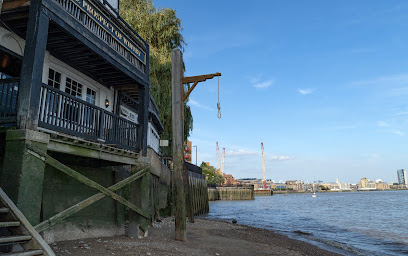
Historic Thames foreshore site where pirates and maritime criminals faced grim justice under Admiralty law for over 400 years.
The Captain Kidd
2.1 km
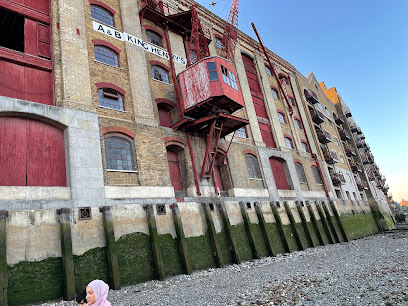
Historic riverside pub with authentic maritime charm, classic ales, and scenic Thames views in London’s Wapping district.
Execution Dock House
2.3 km
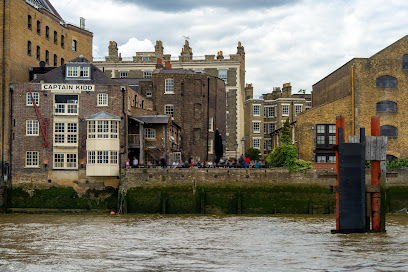
Historic riverside site where pirates and maritime criminals met justice in London’s centuries-old Admiralty executions.
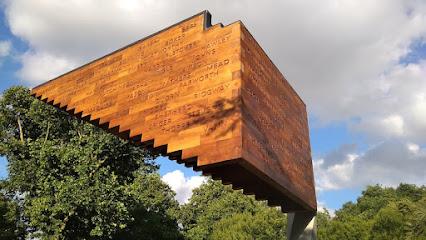
Stairway to Heaven, Bethnal Green Memorial
2.5 km
A powerful inverted staircase memorial in Bethnal Green Gardens, honouring the 173 civilians who died in the 1943 tube shelter disaster, the worst civilian loss of life in Britain during WWII.
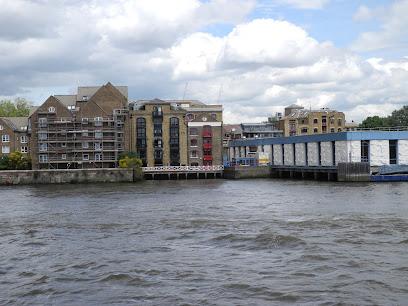
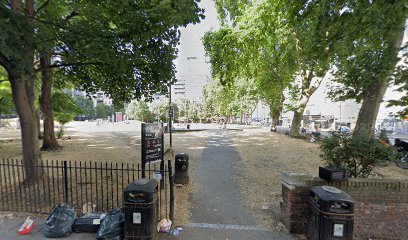
St Mary’s, Whitechapel (The White Chapel)
2.7 km
Historic site of St Mary’s Whitechapel, the iconic White Chapel that shaped East London’s identity and now commemorated as Altab Ali Park.
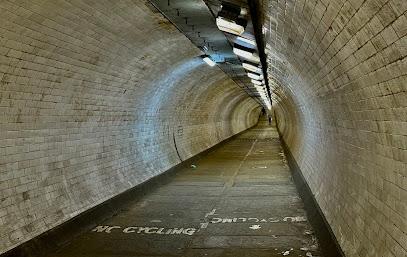
Greenwich Foot Tunnel North
3.1 km
Walk beneath the Thames through 200,000 white tiles in this 1902 engineering marvel.
Roman Wall of Londinium
3.2 km
Explore the towering Roman Wall at Tower Hill, a striking relic that shaped London’s ancient cityscape and echoes 2,000 years of history.
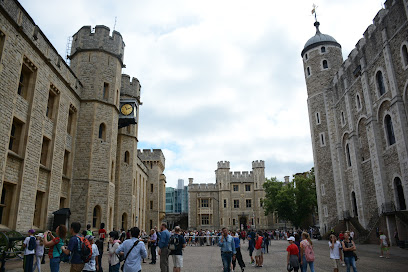
London Wall
3.2 km
Explore London Wall, an ancient Roman landmark revealing the rich history of Londinium amidst the modern cityscape of London.
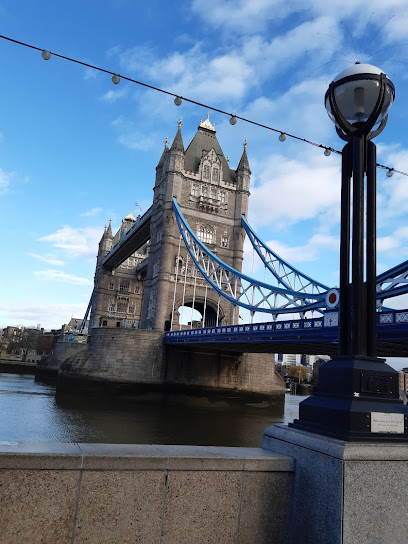
Tower Hill
3.2 km
Explore Tower Hill in London, where history meets stunning views and vibrant culture in the heart of the city.
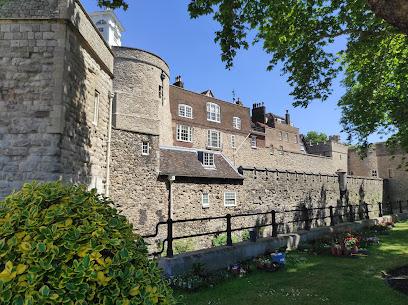
Tower of London
3.2 km
Explore the Tower of London, a historic castle filled with captivating stories, stunning architecture, and the dazzling Crown Jewels of Britain.
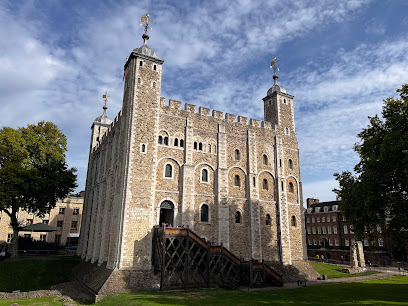
Tower Bridge
3.2 km
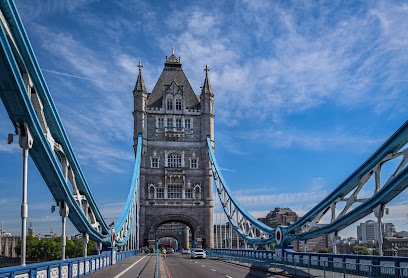
Experience the grandeur of Tower Bridge, a Victorian marvel combining stunning architecture and engineering, offering breathtaking views of London's skyline.
Sundial at the Tower Hill
3.2 km
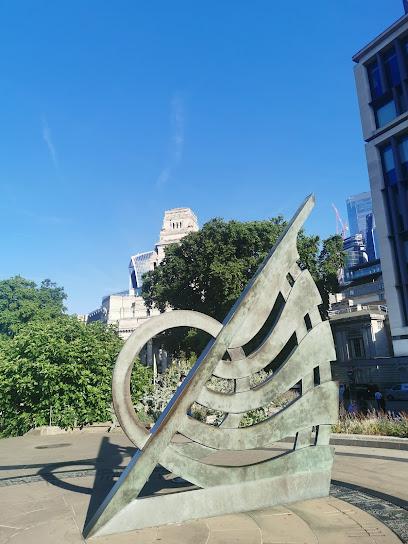
Discover the Sundial at Tower Hill, a picturesque spot in London where history and beauty meet, perfect for relaxation and photography.
Wakefield Tower
3.2 km
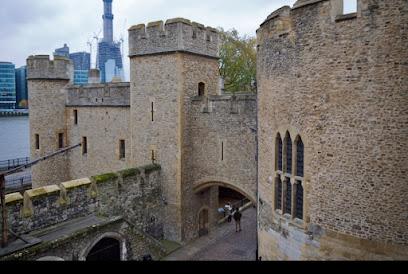
Medieval royal tower steeped in 13th-century splendor and tragic history within the Tower of London.
City Hall
3.3 km
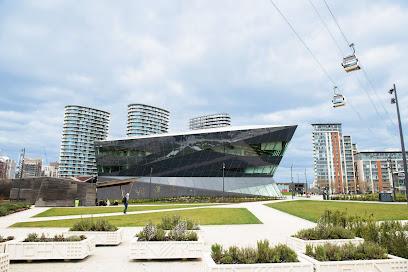
Discover London’s eco-friendly City Hall, a striking architectural landmark and vibrant hub of governance and public engagement on the Royal Docks waterfront.
Unmissable attractions to see

London Museum Docklands
0.6 km
Step into 400 years of London’s maritime history in a stunning riverside warehouse with interactive exhibits and free entry daily.
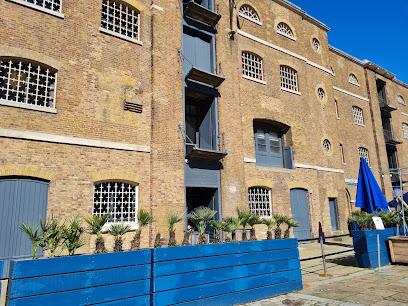
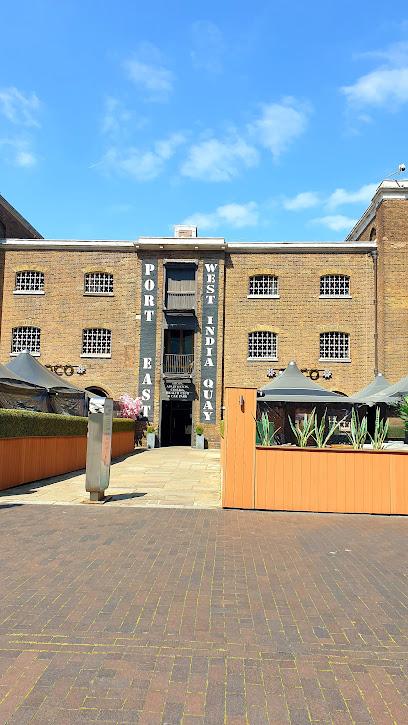
West India Quay
0.7 km
Where London’s maritime heritage meets vibrant waterfront dining, culture, and luxury living in the heart of the Docklands.
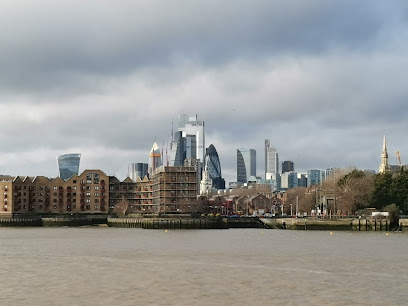
Ratcliff Beach
0.8 km
Discover Ratcliff Beach, a hidden pebble shore on the Thames with stunning Canary Wharf views and rich maritime history in East London.
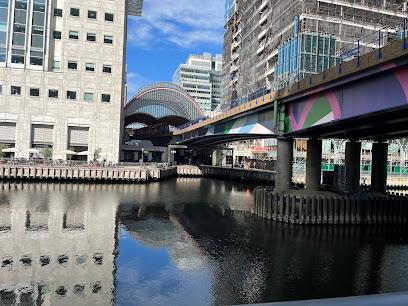
Canary Wharf
0.8 km
A striking blend of towering skyscrapers, rich history, and vibrant urban life at London’s premier financial district on the Isle of Dogs.
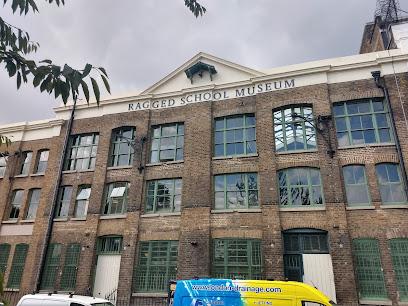
Ragged School Museum
0.9 km
Explore Victorian East End life and the pioneering free education movement at London’s Ragged School Museum, housed in historic canal warehouses.
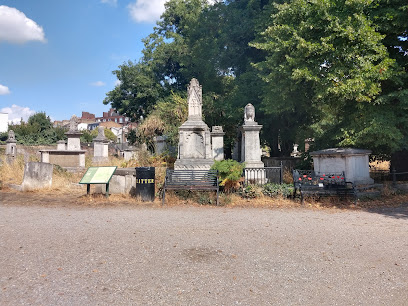
Tower Hamlets Cemetery Park
1.3 km
A historic Victorian cemetery transformed into a tranquil nature reserve and green sanctuary in East London’s heart.
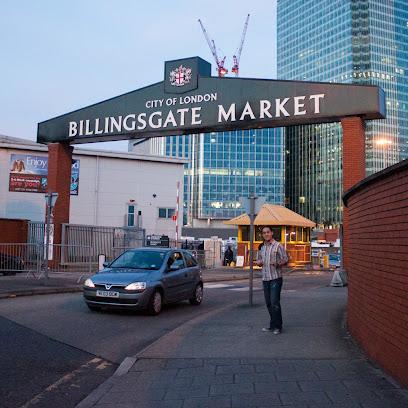
Billingsgate Market
1.3 km
Explore Billingsgate Market, London’s historic and largest inland fish market, bustling with fresh seafood and rich maritime heritage.
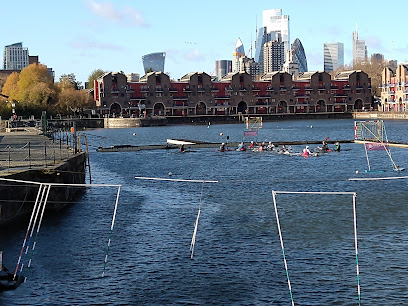
Shadwell Basin
1.5 km
Historic London dock transformed into a vibrant waterside community hub for leisure, water sports, and scenic urban living.
Prospect of Whitby
1.5 km
Step into London’s oldest riverside pub, where centuries of maritime history, pirate tales, and royal visits blend with stunning Thames views.
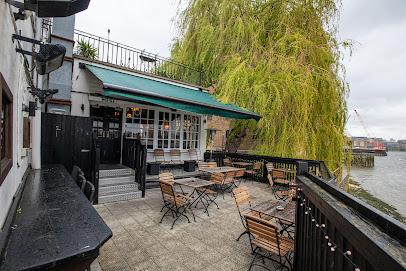
Shadwell Basin
1.7 km
Historic London dock turned vibrant waterside community offering scenic walks, water sports, and rich maritime heritage.
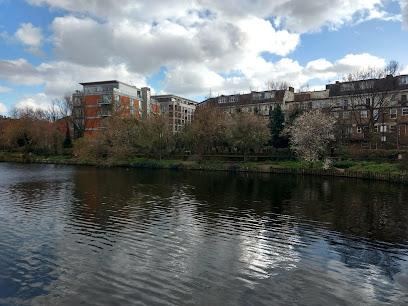
Mile End Park
1.8 km
A vibrant 32-hectare linear park blending nature, art, and sport along Regent’s Canal in East London.
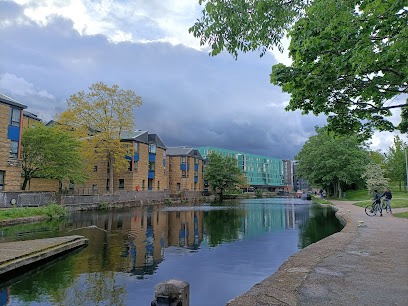
Brunel Museum
1.9 km
Discover the pioneering Thames Tunnel and Brunel family legacy in London’s historic Engine House museum.
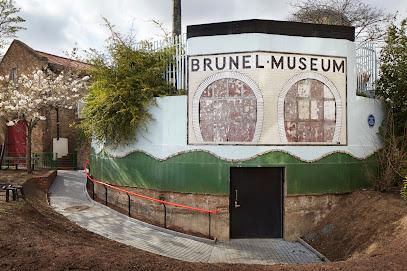
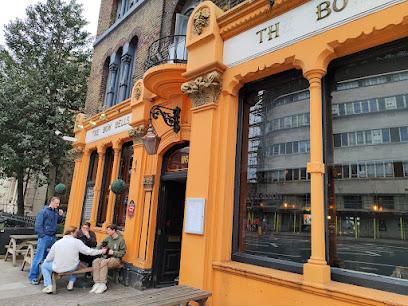
The Bow Bells
2.0 km
Historic East End pub with over 150 years of Cockney spirit, lively sports, and a warm, authentic atmosphere on Bow Road.
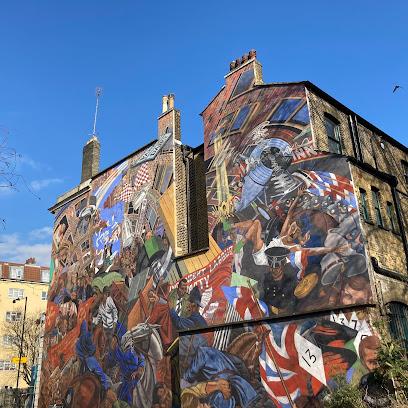
Cable Street Mural
2.0 km
A vivid, monumental mural in East London commemorating the 1936 Battle of Cable Street and the community’s defiant stand against fascism.
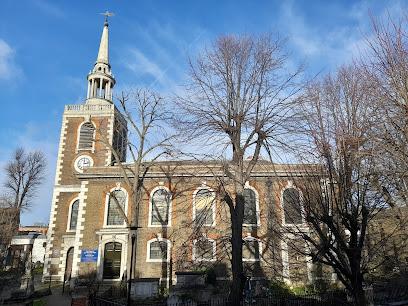
St Mary's Church, Rotherhithe
2.0 km
An 18th-century riverside church in Rotherhithe with deep maritime roots and Mayflower connections, offering quiet reflection and centuries of history by the Thames.
Essential places to dine

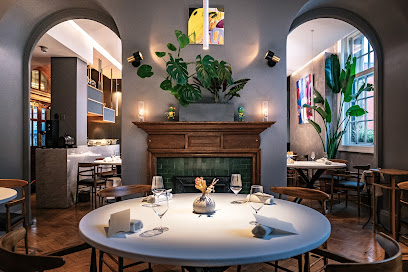
Da Terra Restaurant
2.8 km
Experience innovative two-Michelin-star Modern European cuisine with vibrant Brazilian influences in the heart of East London’s historic Bethnal Green.
Barcelona Tapas Bar & Restaurant
3.2 km
Authentic Spanish tapas and warm hospitality in the heart of London’s City since 1991.
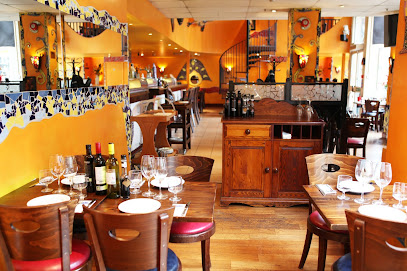
Mattarello Chiodo Bolognese Restaurant
3.2 km
Authentic Bolognese pasta and gluten-free Italian delights in the heart of London’s Middlesex Street.
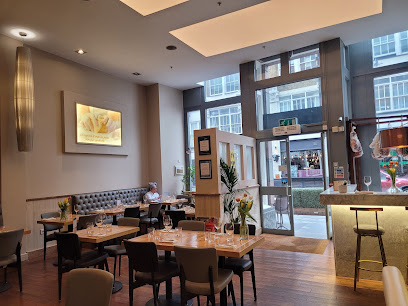
La Dame de Pic London
3.3 km
Discover refined French gastronomy and elegant dining in a historic London landmark with two Michelin stars and innovative cuisine.
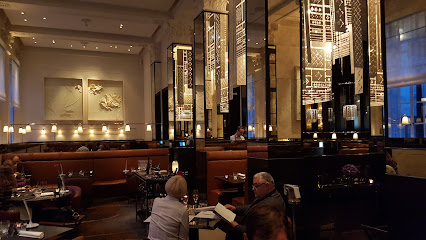
The Sail Loft, Greenwich
3.4 km
Stylish riverside dining in Greenwich with panoramic Thames views, modern British cuisine, and versatile event spaces.
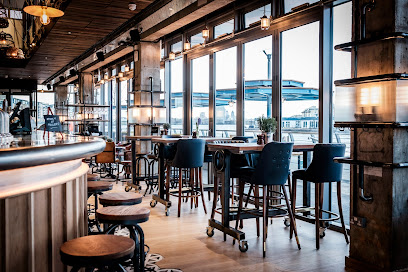
Brawn
3.4 km
Seasonal Mediterranean small plates and natural wines in a lively, vintage-inspired Shoreditch setting on Columbia Road.
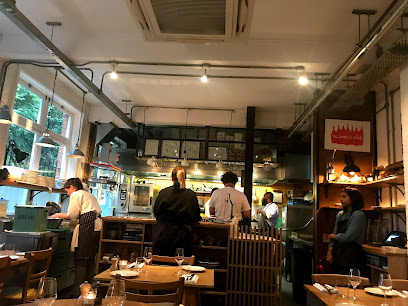
Marugame Udon Middlesex Street
3.4 km
Experience freshly handcrafted Japanese udon and crispy tempura in a lively open kitchen setting at Marugame Udon Middlesex Street, London’s authentic udon destination.
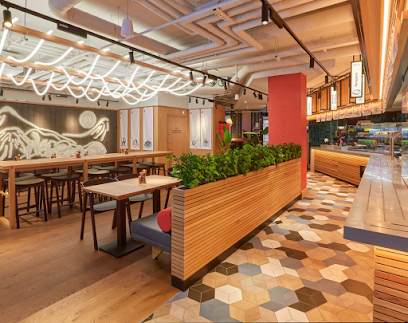
Restaurant Story
3.4 km
Experience a two Michelin-starred culinary journey where storytelling meets British fine dining in the heart of London Bridge.
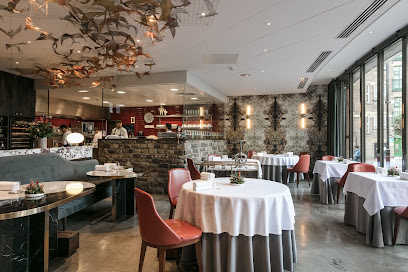
Lyle's
3.5 km
Michelin-starred Lyle's serves innovative, seasonal British cuisine in a minimalist Shoreditch setting with a relaxed, refined atmosphere.
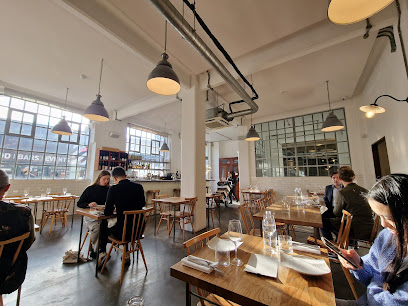
Midpoint Restaurant
3.5 km
Authentic Turkish and Mediterranean dining with riverside views and warm hospitality in London’s vibrant SE10 district.
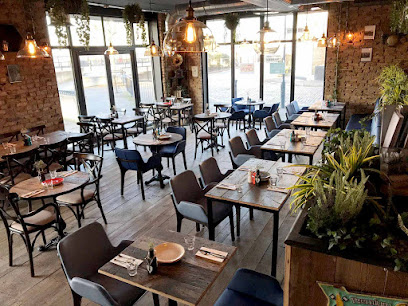
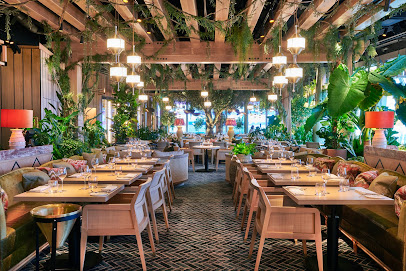
14 Hills
3.5 km
Experience modern British cuisine in a lush, sky-high garden with breathtaking panoramic views over London’s iconic skyline.
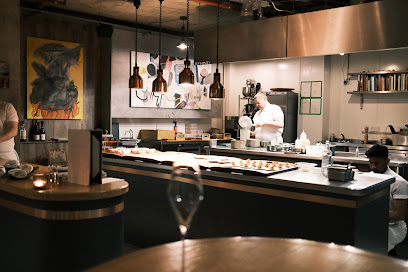
Behind Restaurant
3.6 km
An intimate Michelin-starred fish tasting restaurant in London Fields offering immersive chef-served seasonal menus in an open kitchen setting.
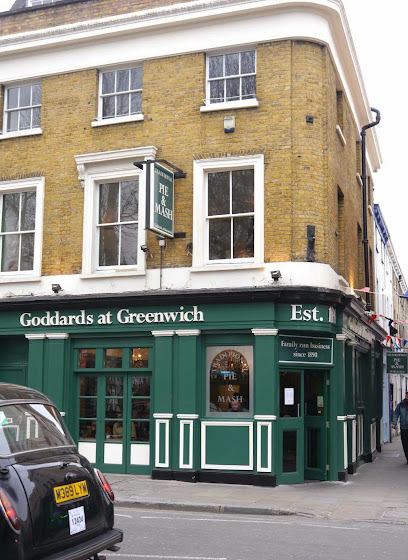
Goddards at Greenwich
3.7 km
Experience authentic British pie and mash at Goddards at Greenwich, a historic eatery serving traditional comfort food in a welcoming setting.
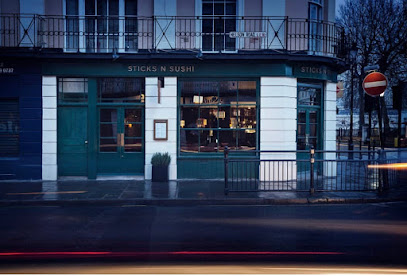
Sticks'n'Sushi Greenwich
3.7 km
Experience fresh sushi and Nordic-inspired grilled sticks in stylish Greenwich, where maritime history meets modern Japanese cuisine.
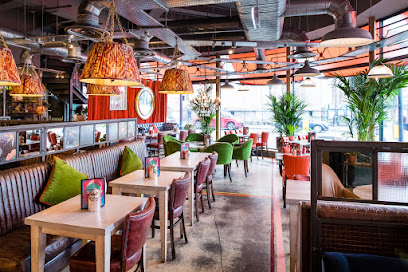
Bill's Greenwich Restaurant
3.7 km
A cozy British restaurant in Greenwich offering hearty dishes, friendly service, and a vibrant, family-friendly atmosphere from breakfast to late dinner.
Markets, malls and hidden boutiques

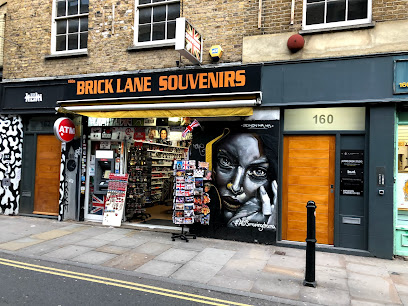
Brick Lane Souvenirs
3.1 km
Discover affordable, stylish London souvenirs and gifts in the heart of Brick Lane’s vibrant cultural scene.
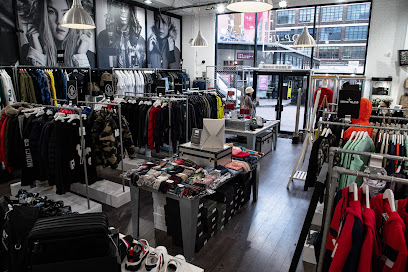
DPUS Designer Outlet
3.1 km
Authentic designer fashion outlet in Shoreditch’s historic Old Truman Brewery, blending luxury style with urban culture and unbeatable prices.
The Truman Brewery Markets
3.1 km
Historic brewery turned vibrant markets on Brick Lane, offering vintage treasures, global street food, and creative culture in East London.
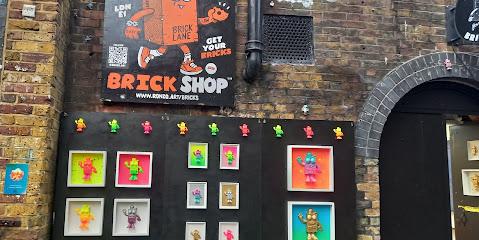
Commercial St
3.2 km
Historic East London artery blending industrial heritage, vibrant markets, and cultural landmarks in the heart of Spitalfields.
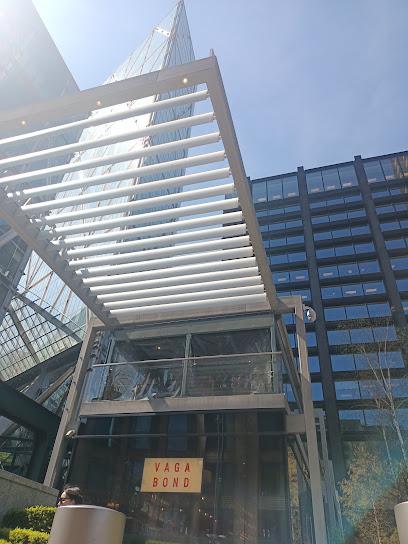
Sclater Street Market
3.2 km
Vintage treasures and eclectic finds in the heart of Shoreditch's bohemian marketplace.
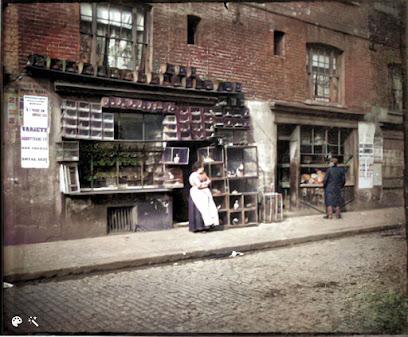
Petticoat Lane Market
3.2 km
London's historic street market where 370 years of commerce, migration, and East End character converge.
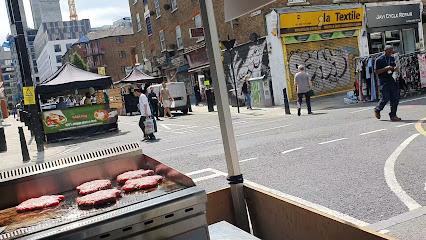
Middlesex Textiles
3.3 km
Discover London’s premier West African fabric store offering vibrant, high-quality textiles with unmatched variety and service since 1969.
Tower Bridge - Engine Rooms and Official Gift Shop
3.3 km
Explore the fascinating history of Tower Bridge at the Engine Rooms and shop for unique gifts at the Official Gift Shop.
Spitalfields Market
3.3 km
Historic yet vibrant, Spitalfields Market blends East London’s rich heritage with a lively mix of food, art, and shopping all week long.
Traders Gate
3.4 km
A long-standing family-run gift shop on Tower Hill, offering classic London souvenirs and local charm just steps from the Tower of London.
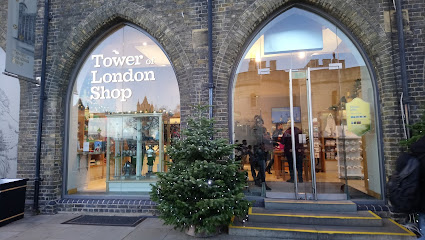
Tower of London Shop
3.4 km
Explore the Tower of London Shop for unique souvenirs that celebrate British heritage and history in the heart of London.
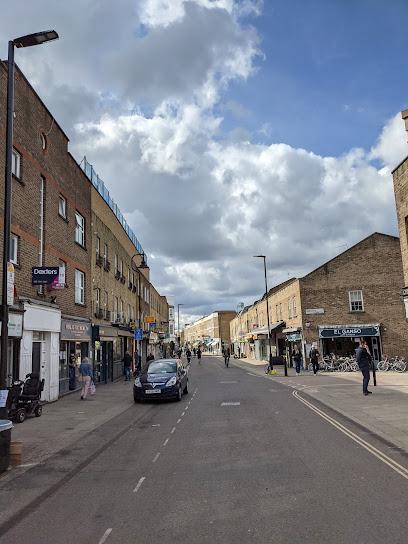
Broadway Market
3.5 km
A lively Victorian street market in East London offering global street food, unique crafts, and a vibrant community atmosphere every weekend.
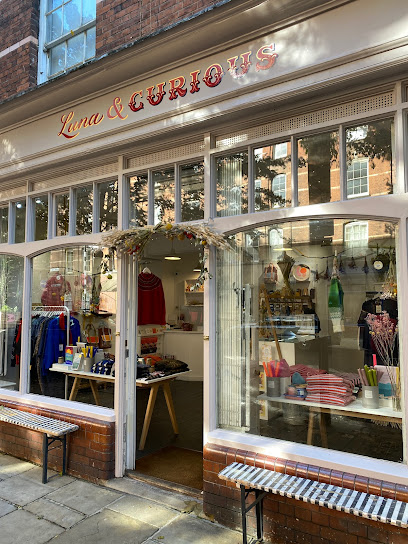
Luna & Curious
3.5 km
Discover Shoreditch’s curated boutique of British craftsmanship, quirky design, and independent retail at Luna & Curious.
Painted hall gift shop
3.6 km
Souvenirs and stories from Greenwich's naval heart—tote bags, books, and treasures evoking the Painted Hall's timeless splendor.
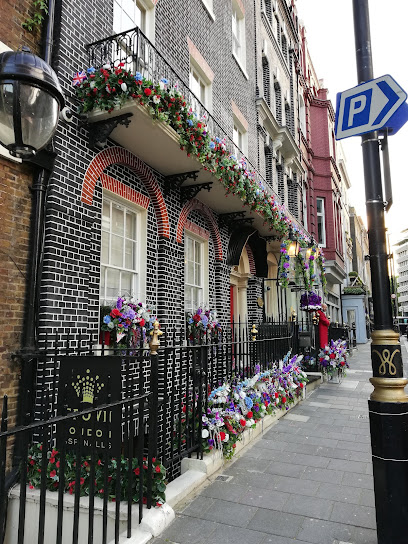
69b Boutique Sustainable Style
3.6 km
London’s first boutique dedicated to stylish, sustainable fashion with a focus on ethical brands and eco-friendly materials.

Essential bars & hidden hideouts

The Midnight Apothecary
1.9 km
Discover a magical rooftop bar blending botanical cocktails, fire pits, and historic tunnel tours atop London’s Brunel Museum.
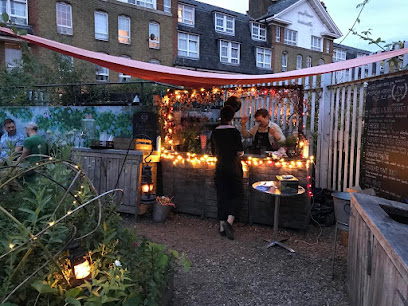
Eighteen Sky Bar
2.3 km
Elevate your evening with crafted cocktails and 360-degree skyline views from the 18th floor over Thames, Canary Wharf, and The O2.
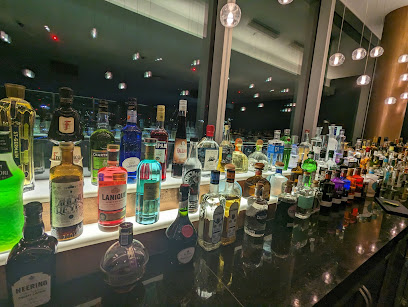
All Bar One Greenwich
2.6 km
Elevate your O2 experience at this multi-floor haven of wines, cocktails, and event-night energy—perfect for pre-show feasts and lively toasts amid London's entertainment epicenter.
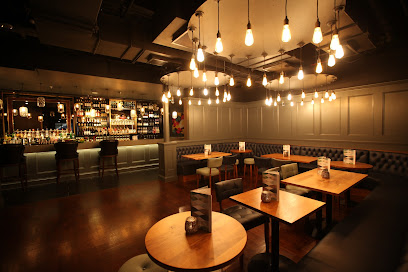
The Sun Tavern
2.6 km
Historic East End corner bar blending a vast Irish whiskey collection with lively live music and expertly crafted cocktails.
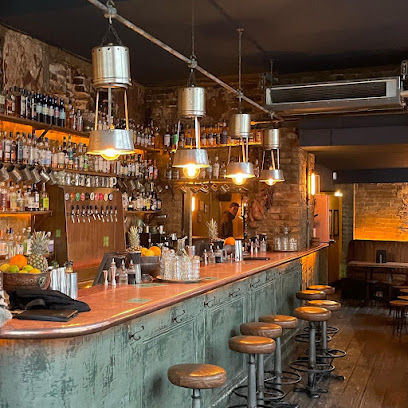
Satan's Whiskers
2.7 km
Discover East London's beloved cocktail bar where classic drinks meet hip-hop vibes and a quirky, intimate atmosphere.
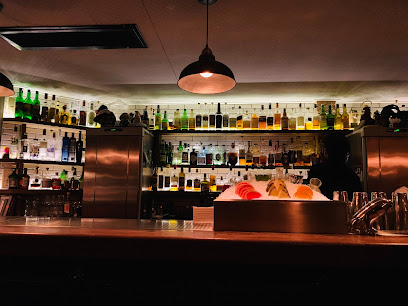
Apples & Pears Cocktail Bar
2.8 km
A vibrant East London cocktail bar blending creative drinks, lively DJs, and a welcoming atmosphere in the heart of Brick Lane.
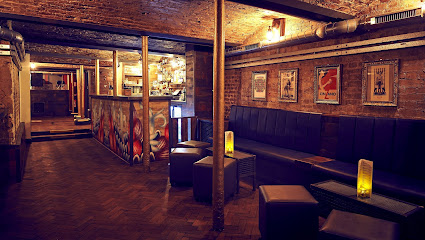
Td 338 Bar
3.0 km
Warehouse wonderland with epic sound, lush terraces, and non-stop beats—London's hidden rave escape on Greenwich Peninsula.
The Bell
3.2 km
A historic East End pub blending traditional charm and local spirit near Petticoat Lane Market.
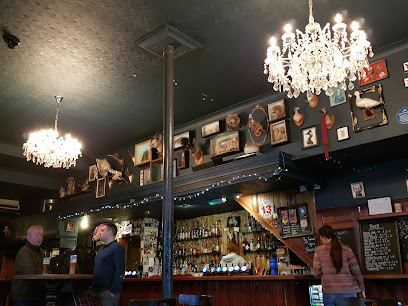
Discount Suit Company
3.2 km
Discover a hidden vintage cocktail bar beneath Spitalfields, blending bespoke drinks with a cozy speakeasy atmosphere in London’s historic tailoring district.
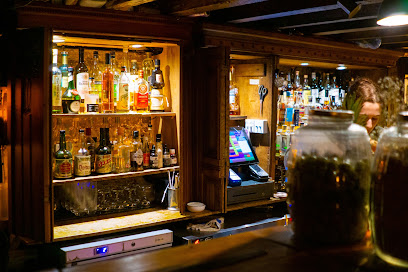
The Last Tuesday Society & Absinthe Parlour
3.2 km
Discover a unique blend of cocktail culture and museum curiosities at The Last Tuesday Society & Absinthe Parlour in London.
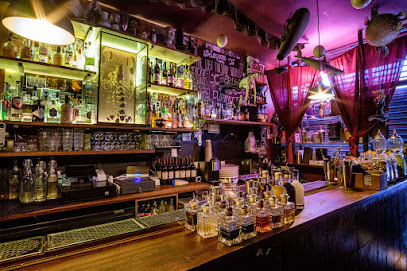
The Cocktail Trading Co. Shoreditch
3.2 km
Inventive cocktails and retro charm blend seamlessly in Shoreditch’s cozy and quirky Cocktail Trading Co.
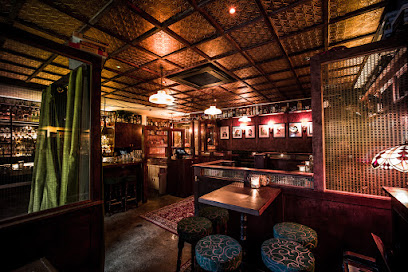
BrewDog Shoreditch
3.3 km
Craft beer haven in Shoreditch blending bold brews, lively atmosphere, and a welcoming beer garden in the heart of East London.
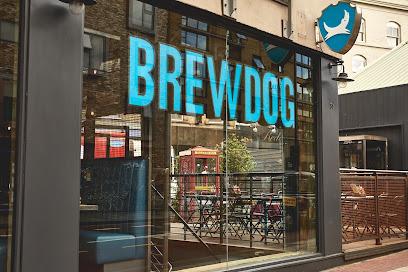
The Cocktail Club - Cocktail Bar in Shoreditch
3.3 km
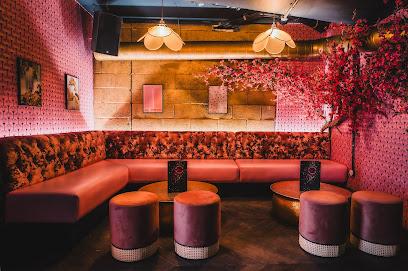
Experience East London's vibrant nightlife with inventive cocktails and bold Japanese-inspired art at The Cocktail Club Shoreditch.
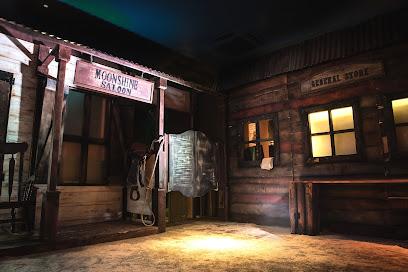
Moonshine Saloon
3.3 km
Step into London’s Moonshine Saloon for an immersive Wild West cocktail adventure with live actors, games, and bespoke drinks made from your own spirits.
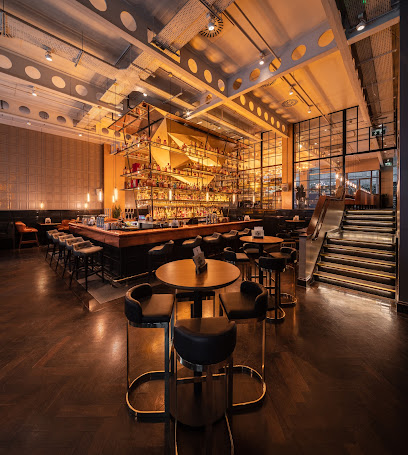
The Alchemist Bevis Marks
3.4 km
Experience London’s theatrical cocktail haven blending molecular mixology with Victorian charm and all-day dining in Aldgate.
Nightclubs & after hour spots

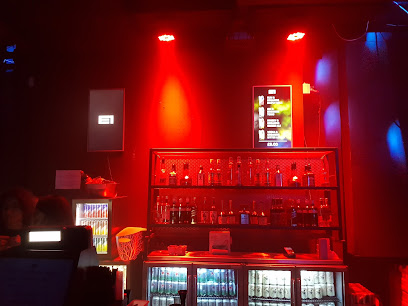
E1
2.2 km
Experience East London’s underground pulse with E1’s cutting-edge sound, immersive visuals, and vibrant club nights.
(Admin Office) The Mobile Nightclub
2.3 km
Discover the joy of nightlife on the move with The Mobile Nightclub in London, where the party comes to you!
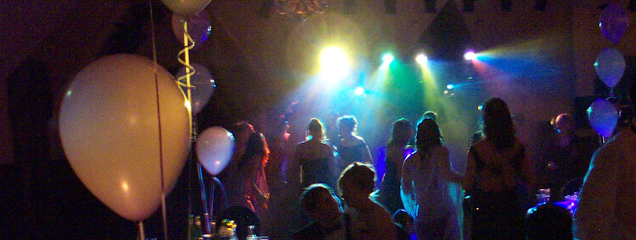
American Express Invites Lounge
2.5 km
A backstage‑inspired, Cardmember-only lounge at The O2 with distinct seating zones, crafted drinks and a complimentary welcome drink on event nights.
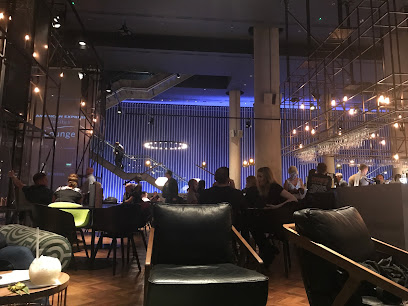
LA Lounge
3.4 km
London's top Afrobeats nightclub in Docklands: ethnic sophistication, VIP vibes, cocktails, and late-night dances until 4am on weekends.
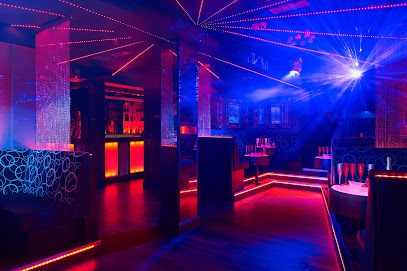
The Hoxton Pony
3.8 km
Edgy Shoreditch cocktail bar and nightclub blending vintage style with vibrant nightlife energy in East London.

Basing House - Shoreditch
3.8 km
An intimate Shoreditch nightclub with top electronic beats, a Funktion One sound system, and a lively rooftop bar under the London skyline.
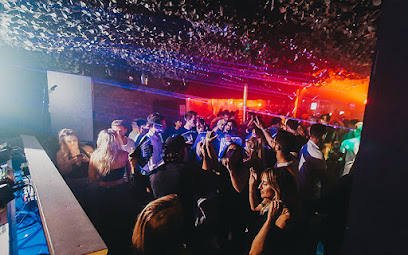
Oliver's Jazz Bar
3.9 km
Experience the soulful rhythms and vibrant atmosphere at Oliver's Jazz Bar, where great music meets delightful drinks in the heart of London.
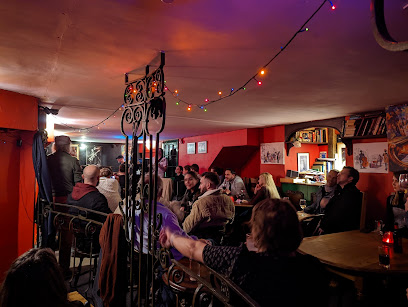
Trafik
3.9 km
Shoreditch’s dynamic nightclub with underground beats, two floors of dancing, and a late licence for unforgettable nights.

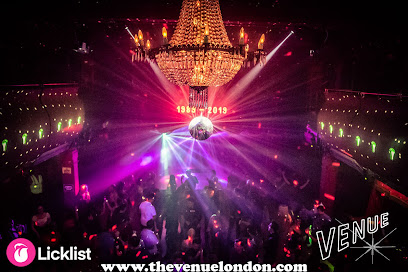
The Venue
4.0 km
A vibrant multi-room nightclub in New Cross, London, blending diverse music, cutting-edge sound, and a welcoming atmosphere since 1989.
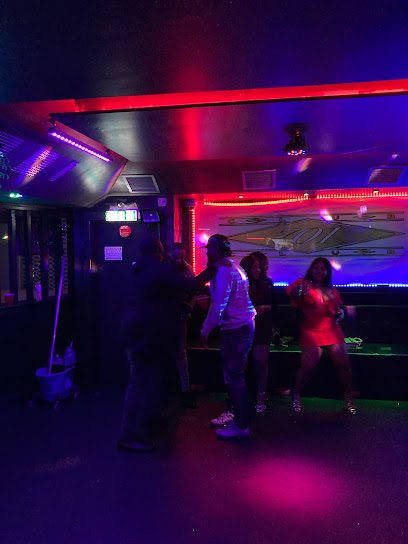
Club 701
4.0 km
Experience the vibrant nightlife and dynamic clubbing scene at Club 701, South London's energetic hotspot on Old Kent Road.
The Hatch Club
4.1 km
A late-night New Cross club with a roomy dancefloor, VIP sections and bass-forward DJ nights—built for parties and private events.

The Bunker
4.1 km
A compact, late-night basement club on Deptford Broadway offering affordable drinks, close-up atmosphere and energetic weekend sessions.
XOYO LONDON
4.1 km
Experience Shoreditch’s iconic XOYO, where cutting-edge DJs and vibrant nightlife create an unforgettable London clubbing atmosphere.

The Steel Yard
4.2 km
Experience London’s premier industrial-chic nightclub set in historic Victorian railway arches, with world-class sound and late-night energy until 6am.
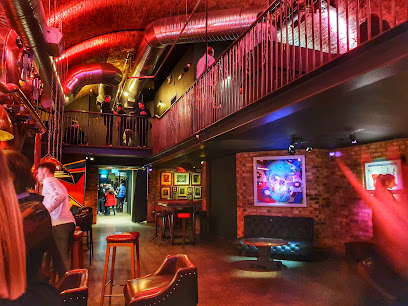
Ministry of Sound
5.1 km
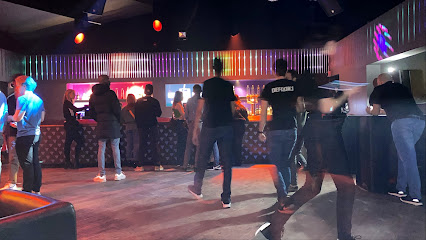
London's legendary dance music cathedral since 1991, where world-class sound systems and global DJs fuel euphoric nights across four pulsing rooms.
For the vibe & atmosphere seeker
- Historic
- Scenic
- Tranquil
- Unique
For the design and aesthetic lover
- Baroque Styles
For the architecture buff
- Historic
- Landmarks
For the view chaser and sunset hunter
- Iconic Views
- Panoramas
For the social media creator & influencer
- Instagrammable
- Photo Spots
For the eco-conscious traveler
- Public-Transport Accessible
- Locally Managed
For the kind of experience you’re after
- Cultural Heritage
- Photowalk
- Day Trip
For how adventurous you want the journey to be
- Easy Access
Location Audience
- Family Friendly
- Senior Friendly
- Child Friendly
- Couple Friendly
- Solo Friendly


