
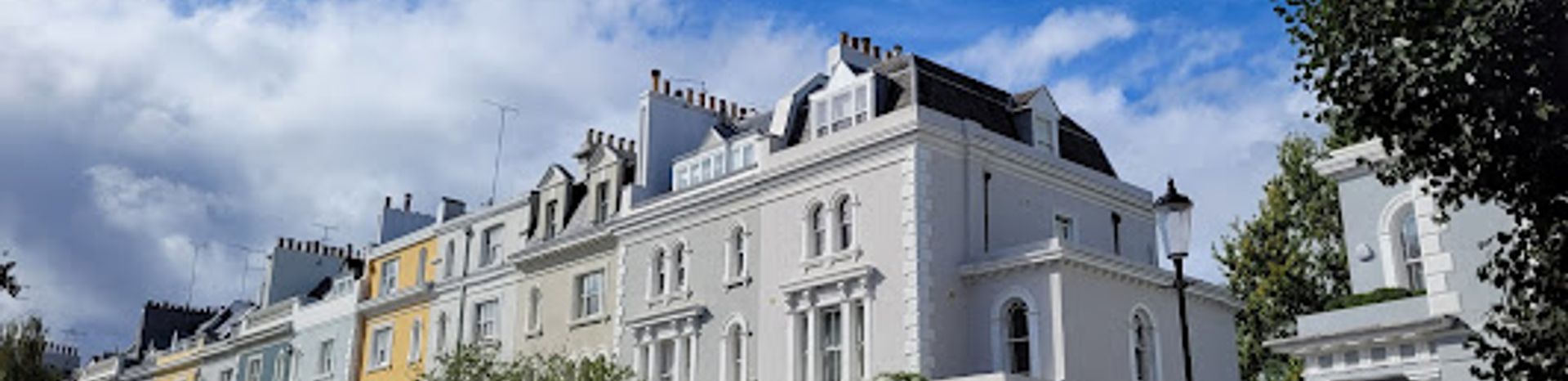
Notting Hill Gate Underground Station: A Historic London Transit Hub
Historic and vibrant Notting Hill Gate Underground Station links three Tube lines beneath a lively West London street.
Notting Hill Gate Underground Station is a key London Tube station serving the Central, Circle, and District lines. Opened in 1868 and rebuilt in the late 1950s, it links separate platforms beneath the bustling Notting Hill Gate street. The station features a Grade II listed glass roof and mosaic art columns, offering a blend of historic charm and modern convenience in the vibrant Notting Hill area.
A brief summary to Notting Hill Gate
- London, GB
- Visit website
- Duration: 0.5 to 2 hours
- Budget
-
 Indoor
- Mobile reception: 5 out of 5
Local tips
- Use the station to access the famous Portobello Road Market and explore Notting Hill's colorful streets.
- Note the unique stacked Central line platforms when navigating the station.
- Look for the mosaic columns at the southern entrance, a local public art highlight.
- Plan your visit around the Notting Hill Carnival when some nearby stations may have restricted access.

For the on-the-go comforts that matter to you
- Restrooms
- Drink Options
- Food Options
- Seating Areas
- Information Boards
- Visitor Center
Getting There
-
London Underground
Notting Hill Gate is served by the Central, Circle, and District lines with frequent trains every 2-5 minutes. Travel times to central London stations like Paddington or Oxford Circus range from 5 to 15 minutes. The station is in fare zones 1 and 2, and Oyster/contactless payment is accepted.
-
Bus Services
Multiple London bus routes serve Notting Hill Gate, including day and night services. Buses run approximately every 5-15 minutes, connecting to nearby neighborhoods and central London. A single bus fare costs around £2-3 with contactless payment.
-
Taxi
Taxis are readily available near the station. Typical journeys to central London take 15-30 minutes depending on traffic, with fares approximately £15-25. Taxi ranks are located outside the station entrances.
-
Walking
Notting Hill Gate is walkable from nearby stations such as Westbourne Park and Ladbroke Grove, taking 15-25 minutes on mostly flat urban terrain. Walking offers a scenic route through the Notting Hill neighborhood.
Notting Hill Gate location weather suitability
-
 Any Weather
Discover more about Notting Hill Gate
Historic Origins and Architectural Evolution
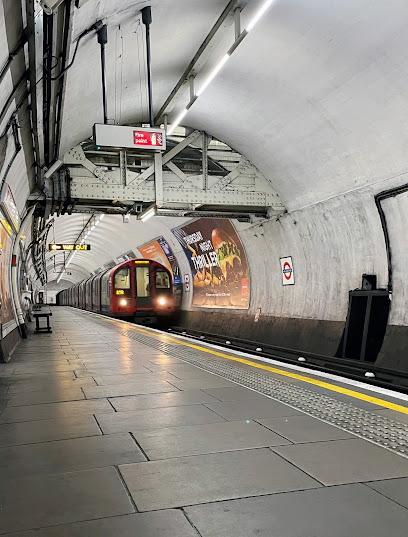
Notting Hill Gate Underground Station first opened on October 1, 1868, as part of the Metropolitan Railway's extension, serving the Circle and District lines. The Central line platforms were added later in 1900, designed by Harry Bell Measures. Originally, the station operated as two separate entities on opposite sides of Notting Hill Gate street, with distinct entrances and access methods, including lifts for the Central line platforms. In the late 1950s, the station underwent significant redevelopment to accommodate road widening and improve passenger interchange. The separate stations were unified beneath the street with a shared ticket hall and escalators, replacing the older lifts. This 1959 rebuild introduced the first metal-sided escalators on the London Underground and created a pedestrian subway under the widened road. The station's sub-surface platforms retain a rare partially glazed iron roof, a distinctive feature preserved as a Grade II listed structure since 1984.Design Features and Artistic Elements
The station's architecture reflects a blend of Victorian engineering and mid-20th-century modernism. The 'cut and cover' construction method is evident in the brick retaining walls and elliptical iron roof spanning nine bays. The Central line platforms are uniquely stacked vertically due to spatial constraints during construction, with the westbound platform above the eastbound. Artistic touches include mosaic columns at the southern entrance, installed in 2006 by local public art group Urban Eye, adding vibrant cultural flair. Though plans for street-level canopies were developed by Weston Williamson architects, these have not been realized, leaving the station entrances open to the urban environment.Connectivity and Surrounding Attractions
Notting Hill Gate station is a vital interchange within London's fare zones 1 and 2, connecting travelers to Holland Park, Queensway, High Street Kensington, and Bayswater stations. It is well-served by London buses and coach services, including the Oxford Tube. The station is a gateway to the iconic Notting Hill neighborhood, famed for its pastel-colored houses, Portobello Road Market, and cultural venues like the Gate Theatre and Coronet Theatre. Nearby attractions also include independent art galleries, bookshops, and vibrant street life that typifies this fashionable West London district.Passenger Experience and Facilities
The station offers modern amenities such as WiFi, escalators, ticket halls, and payphones, catering to daily commuters and tourists alike. Its design facilitates smooth interchange between the three lines, with clear signage and a spacious underground concourse. Despite its urban setting, the station maintains a cool, historic vibe appreciated by locals and visitors. The presence of mosaic art and preserved architectural elements provide a unique atmosphere compared to more utilitarian stations.Role in London's Transport Network
As a multi-line station, Notting Hill Gate plays a strategic role in London's Underground network, enabling efficient travel across central and west London. It supports frequent services on the Central, Circle, and District lines, with last trains running just after midnight. The station's location on the boundary of fare zones 1 and 2 makes it a popular access point for both inner-city residents and those coming from outer areas, blending convenience with the charm of the Notting Hill neighborhood.Preservation and Future Prospects
Notting Hill Gate's Grade II listing ensures the preservation of its distinctive architectural features, especially the historic platforms and roof structure. While modernization efforts continue across the London Underground, this station balances heritage with functionality. Future improvements may focus on accessibility and passenger flow, but the station's unique character as a historic transit hub remains central to its identity and appeal.Iconic landmarks you can’t miss

George Orwell Plaque
0.3 km
A literary landmark on vibrant Portobello Road celebrating George Orwell’s enduring legacy in London’s cultural heart.
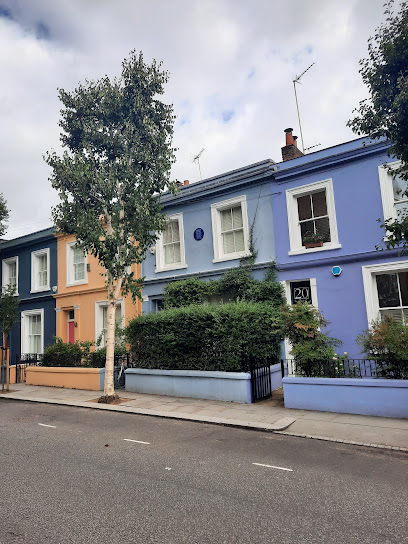
St Peter's Church, Notting Hill
0.6 km
A serene Victorian Anglican church blending classical architecture, rich history, and community spirit in the heart of Notting Hill.
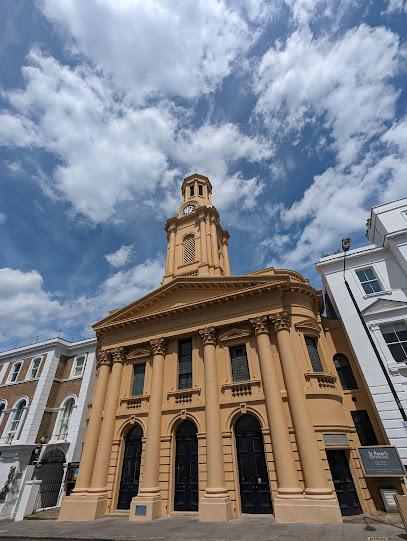
Space Apart Hotel
0.7 km
Modern serviced apartments in historic Kensington Gardens Square, offering stylish comfort and easy access to London’s top attractions.

Kensington War Memorial
0.9 km
A solemn gothic cross memorial honoring Kensington’s fallen soldiers, set beside the historic St Mary Abbots Church.
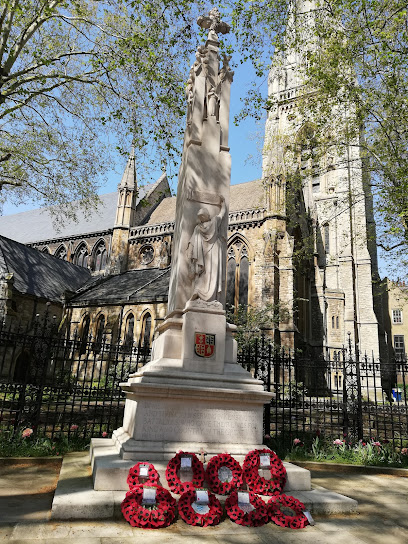
Howard Staunton Blue Plaque
0.9 km
Commemorating Howard Staunton, 19th-century chess master and organizer of the first international chess tournament, at his London blue plaque.
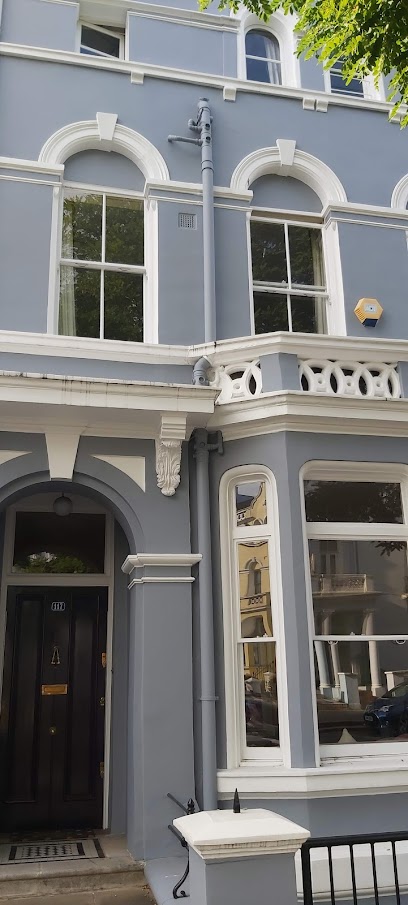
The Castle
1.1 km
Experience the charm of a traditional British pub at The Castle on Portobello Road, offering delicious food and a vibrant atmosphere in the heart of London.
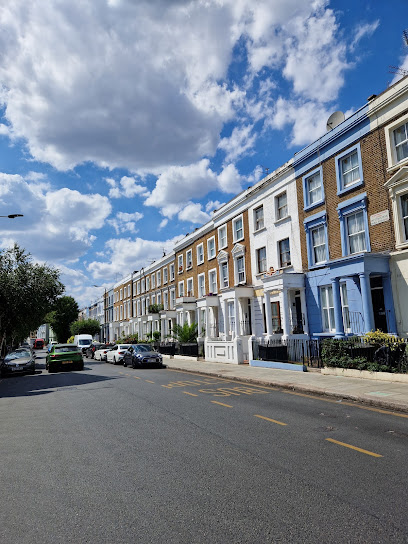
Speke Monument
1.2 km
A Victorian obelisk in Kensington Gardens honouring explorer John Hanning Speke, who identified Lake Victoria as the source of the Nile.
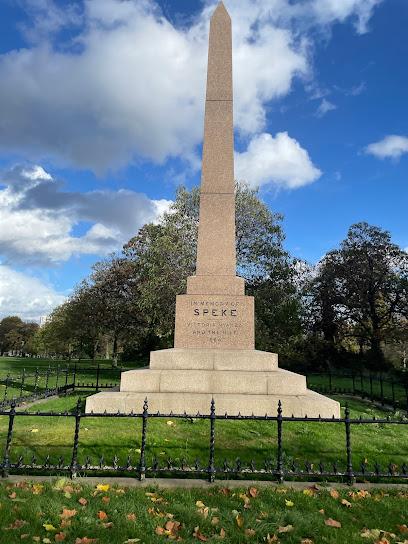
Edward Jenner Memorial
1.5 km
Victorian marble tribute to the physician who conquered smallpox and invented vaccination.
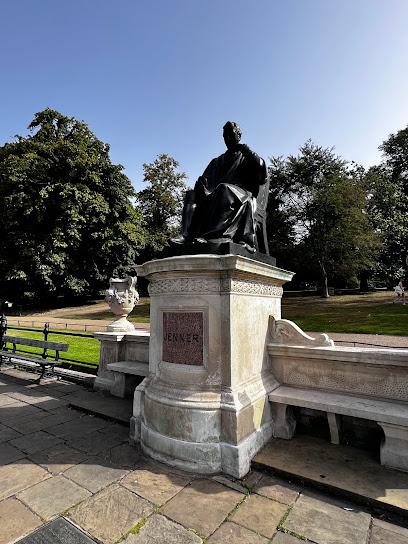
Queen Victoria Monument
1.5 km
A majestic tribute to Queen Victoria, blending imperial grandeur with rich symbolism in the heart of London’s royal landscape.

Sussex Gardens
1.5 km
A serene Victorian garden oasis nestled in the historic Tyburnia district, blending lush greenery with elegant architecture in central London.
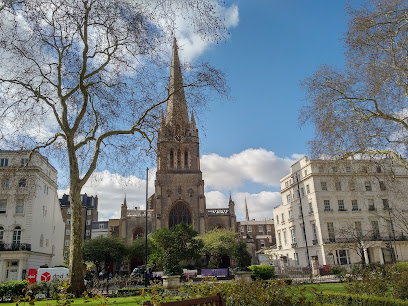
142 Cromwell Rd
1.7 km
Historic Victorian office building in prestigious South Kensington, steps from world-class museums and transport hubs.

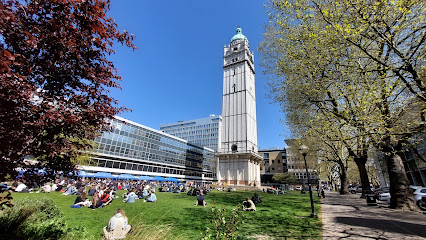
Queen's Tower
1.8 km
A towering neo-Renaissance landmark in South Kensington, the Queen's Tower stands as the historic heart of Imperial College London and a symbol of Victorian ambition.
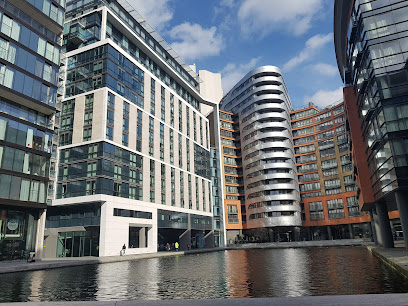
Paddington Basin
1.9 km
Explore the tranquil beauty of Paddington Basin, London's enchanting waterside destination filled with modern architecture and relaxing scenery.
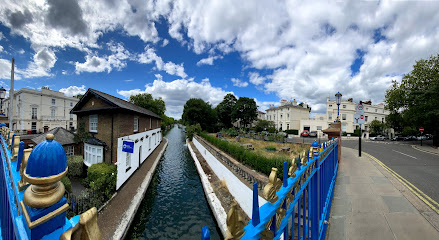
The Fan Bridge
2.0 km
Explore The Fan Bridge in Paddington Basin, London, a stunning architectural landmark offering unique views and a vibrant atmosphere for all visitors.
Norwegian War Memorial
2.1 km
A solemn granite tribute in Hyde Park honoring British-Norwegian friendship and support during World War II.

Unmissable attractions to see

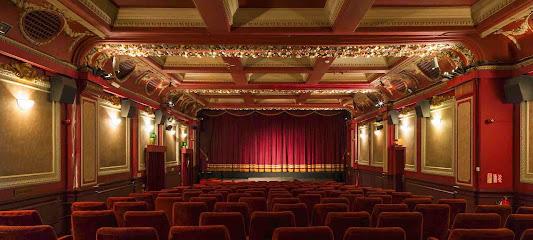
The Gate Picturehouse
0.1 km
Discover a century-old Edwardian cinema in Notting Hill with plush interiors, indie films, and a unique cultural atmosphere.
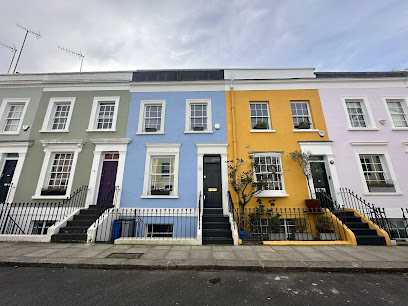
Notting Hill Hillgate Village
0.2 km
Discover Hillgate Village’s pastel charm, historic roots, and vibrant local life nestled in the heart of Notting Hill, London’s bohemian enclave.
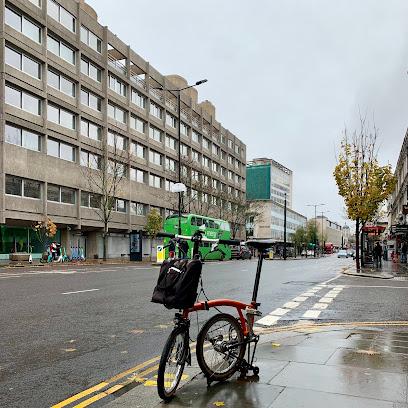
Clanricarde Gardens
0.2 km
Experience the tranquil beauty of Clanricarde Gardens, a hidden gem in London, perfect for relaxation and enjoying nature in the bustling city.
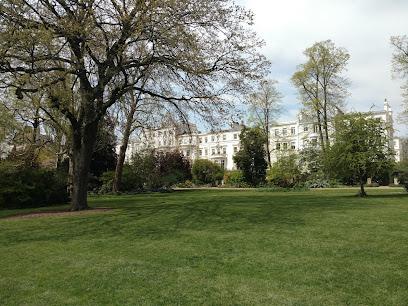
Ladbroke Square Garden
0.5 km
Historic Ladbroke Square Garden offers a tranquil, private green oasis in the heart of Notting Hill’s elegant 19th-century garden suburb.
Celebrity's Secret Door
0.5 km
Discover the enigmatic Celebrity's Secret Door, a hidden gem nestled in the heart of vibrant Portobello Road, London’s iconic market street.
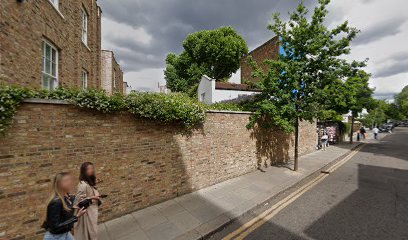
Пам'ятник Володимир Великий / Monument to Saint Volodomyr the Great
0.6 km
A powerful bronze tribute in London’s Holland Park honoring Saint Volodymyr, the 10th-century prince who Christianized Kievan Rus.

Diana Memorial Playground
0.6 km
A magical, inclusive Peter Pan-themed playground in Kensington Gardens, offering imaginative play and adventure for children of all abilities.
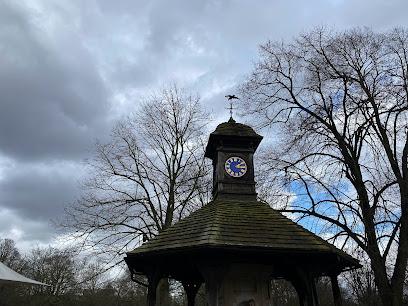
Melt Chocolates
0.6 km
Discover freshly handmade luxury chocolates in Notting Hill’s charming artisan boutique with eco-friendly values and immersive experiences.
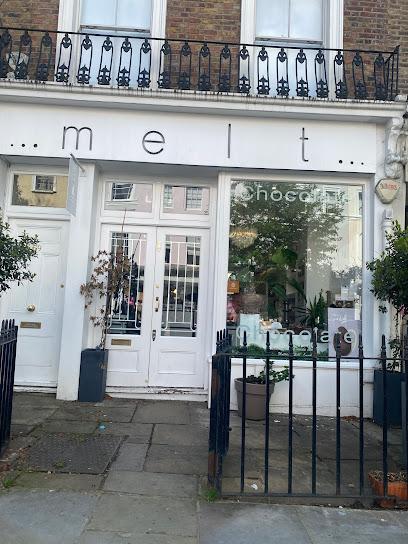
Notting Hill Bike tours
0.6 km
Discover London’s iconic sights and vibrant neighborhoods on a safe, fun, and engaging bike tour through Notting Hill and beyond.
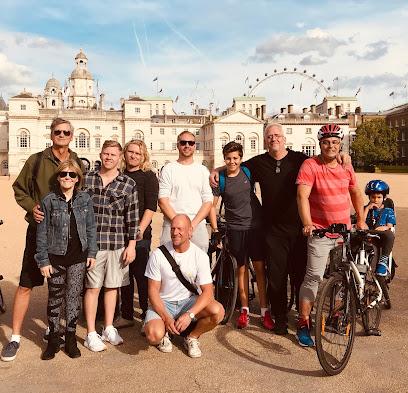
Westbourne Grove
0.6 km
Elegant Notting Hill shopping street blending independent boutiques, designer fashion, and acclaimed dining in refined London style.
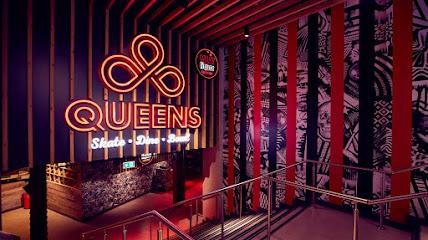
QUEENS skate dine bowl
0.6 km
London’s oldest year-round ice rink, bowling lanes, and vibrant dining combine for nonstop fun at QUEENS Skate Dine Bowl on Queensway.
Holland Park
0.7 km
Discover Holland Park’s blend of historic ruins, serene Japanese gardens, vibrant wildlife, and lively cultural events in the heart of West London.
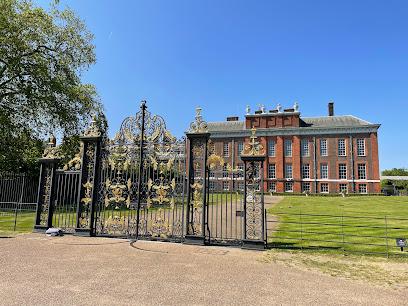
Kensington Palace
0.8 km
Discover centuries of royal history and serene gardens at Kensington Palace, a majestic London landmark and former home to British monarchs.
Kensington Palace Green
0.8 km
A peaceful royal garden oasis beside Kensington Palace, blending lush greenery with centuries of British history in central London.

Queen Victoria Statue
0.8 km
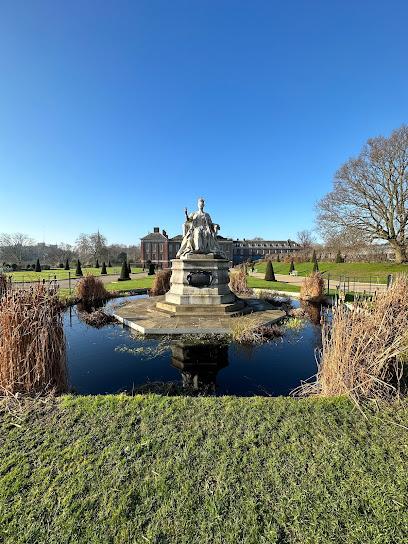
A majestic marble statue of Queen Victoria by her daughter, marking the birthplace and childhood home of one of Britain’s most iconic monarchs.
Essential places to dine

The Shed
0.2 km
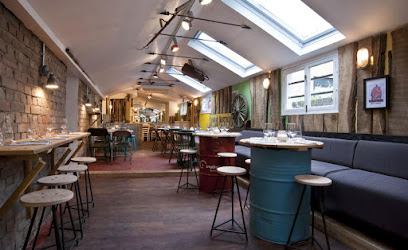
A rustic, family-run gem in Notting Hill serving sustainable, farm-to-table British cuisine with a warm, unpretentious atmosphere.
The Ladbroke Arms
0.5 km
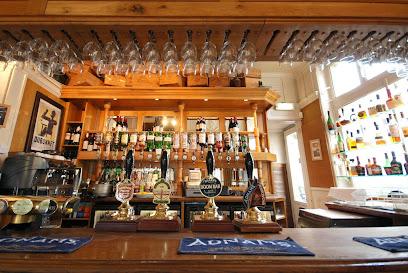
A charming gastropub in Notting Hill offering refined British cuisine, standout Sunday roasts, and a welcoming garden terrace.
Alexandrie Restaurant
0.6 km
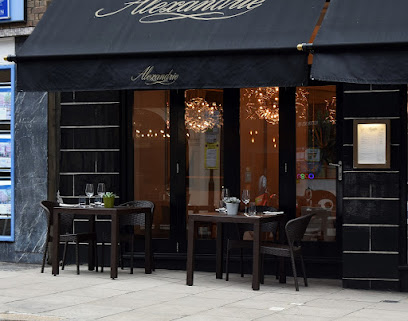
Experience authentic Egyptian flavors and elegant dining in the heart of Kensington with Alexandrie’s refined Mediterranean cuisine.
Granger and Co. Notting Hill
0.6 km
Experience vibrant Australian flavors all day in a sunny, welcoming setting at Granger and Co. Notting Hill on Westbourne Grove.
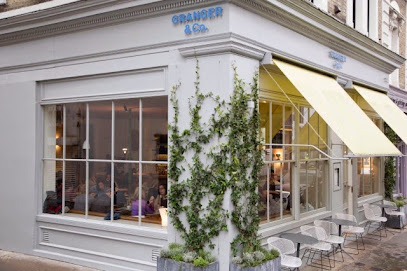
Gold
0.6 km
Stylish modern European dining with wood-roasted seasonal plates and inventive cocktails on iconic Portobello Road in vibrant Notting Hill.
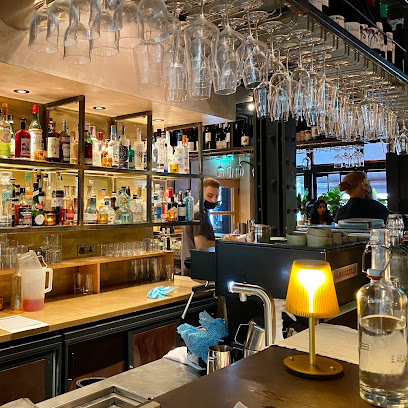
Core by Clare Smyth
0.6 km
Experience three-Michelin-starred modern British cuisine by Clare Smyth in an elegant Notting Hill setting, where sustainability meets culinary artistry.
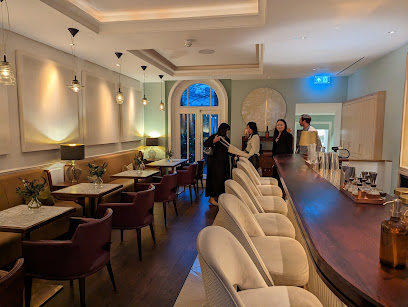
Cocotte Notting Hill
0.7 km
Experience authentic French rotisserie chicken in a cozy, farm-to-table setting on vibrant Westbourne Grove, Notting Hill.
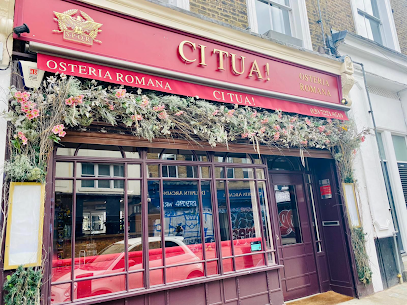
Ci Tua Osteria Romana
0.8 km
Experience authentic Roman cuisine and warm Italian hospitality in the heart of London’s vibrant Portobello Road.
The Ledbury
0.9 km
Experience world-class Modern European fine dining in Notting Hill at The Ledbury, a 3-Michelin-starred culinary gem blending British ingredients with French elegance.
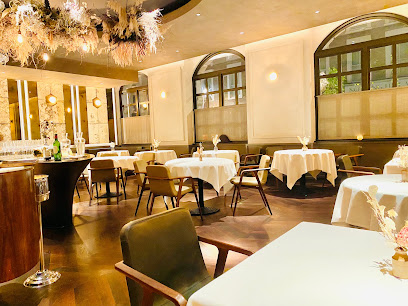
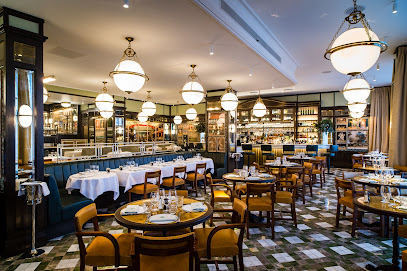
The Ivy Kensington Brasserie
0.9 km
Classic British brasserie charm meets lively Kensington atmosphere in this elegant all-day dining hotspot on High Street.
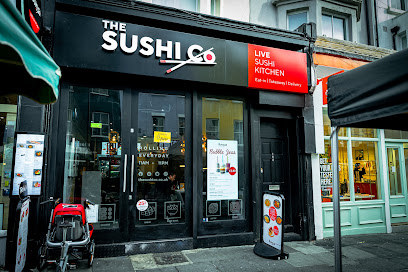
The Sushi Co - Notting Hill
0.9 km
Fresh, flavorful sushi and Asian dishes served late in a casual Portobello Road spot with friendly service and gluten-free options.
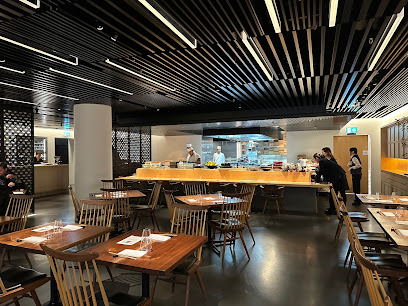
Akira Restaurant at Japan House London
0.9 km
Experience authentic Japanese elegance and exquisite omakase dining in the heart of Kensington at Akira Restaurant, Japan House London.
Zuaya London
0.9 km
Discover modern Latin American cuisine with vibrant flavors, stylish ambiance, and exceptional cocktails in the heart of Kensington.
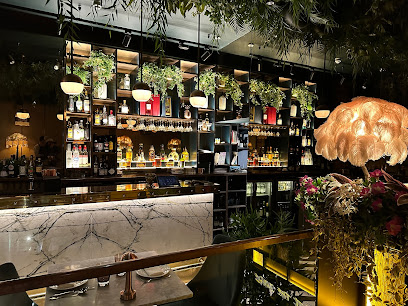
Prezzo Italian Restaurant London Kensington
0.9 km
Cozy Italian dining in the heart of Kensington with classic pasta, pizza, and family-friendly options in a stylish, relaxed setting.
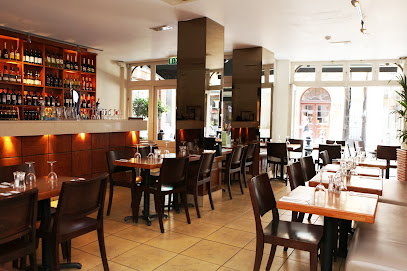
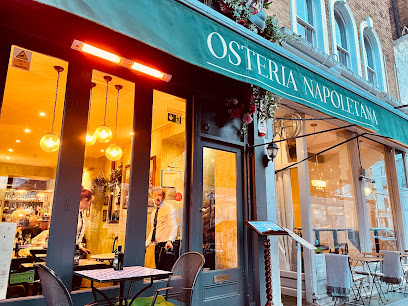
Osteria Napoletana
0.9 km
Cozy Neapolitan eatery in Notting Hill serving authentic southern Italian classics with warm hospitality and a lively atmosphere.
Markets, malls and hidden boutiques

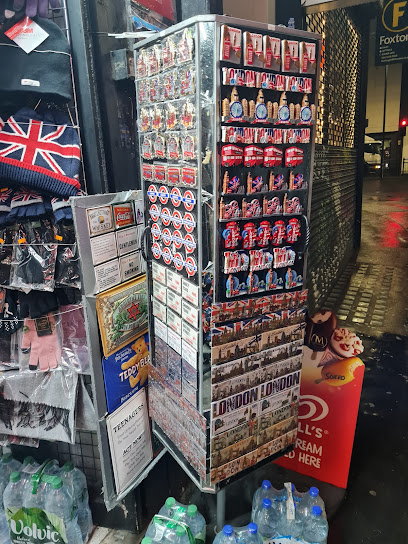
Notting hill store
0.0 km
Explore Notting Hill's local convenience store, your one-stop shop for groceries, unique souvenirs, and reliable luggage storage.
The gift store
0.2 km
Discover quirky handmade crafts and Notting Hill treasures at this vibrant Pembridge Road gem, where every shelf holds a unique story from London's creative heart.
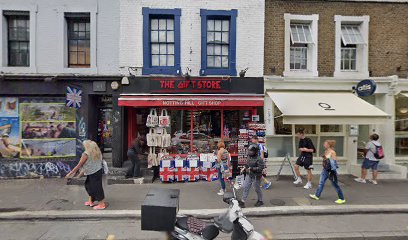
Appletree boutique
0.2 km
A small Notting Hill boutique specialising in retro‑inspired prints, colourful womenswear and standout accessories for playful, individual styling.

RETRO GIFTS RETAIL
0.5 km
Discover nostalgic treasures at Retro Gifts Retail on Portobello Road—retro charms, quirky novelties, and market magic in Notting Hill's vibrant heart.

Portobello Gifts Shop London
0.5 km
Retro souvenirs and nostalgic trinkets on Notting Hill's iconic Portobello Road—a treasure hunt for affordable London mementos amid market vibrancy.
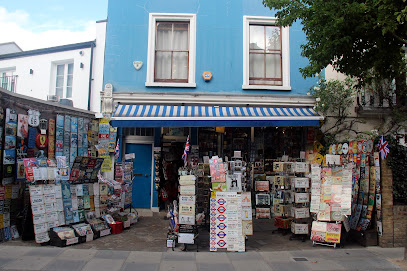
The London Shop
0.7 km
Friendly and affordable gift shop in vibrant Queensway, London, open daily with a welcoming atmosphere and great souvenirs.
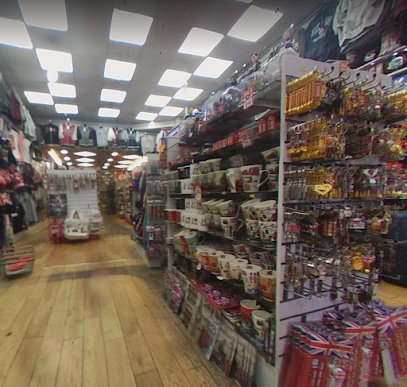
Good
0.7 km
Discover timeless designer vintage at Good, where Kensington Church Street's charm meets sustainable high fashion in a curated second-hand paradise.

Paul Smith - Notting Hill
0.7 km
Classic British tailoring meets playful innovation at Paul Smith's elegant Notting Hill flagship in historic Westbourne House.
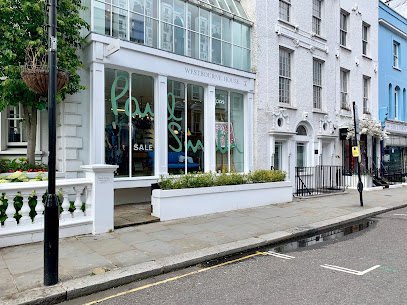
Kensington Palace Shop
0.7 km
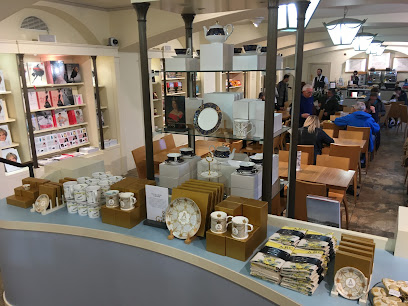
Discover regal treasures at Kensington Palace Shop: fine china, jewellery, and exclusive souvenirs inspired by centuries of royal elegance in London's premier palace grounds.
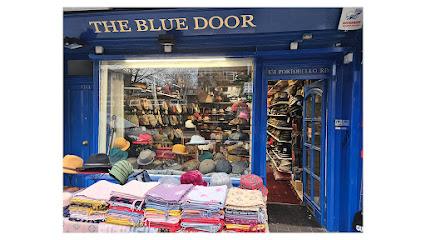
The Blue Door
0.8 km
Discover stylish clothing and unique hats at The Blue Door, a charming boutique nestled in the lively heart of Notting Hill’s Portobello Road.
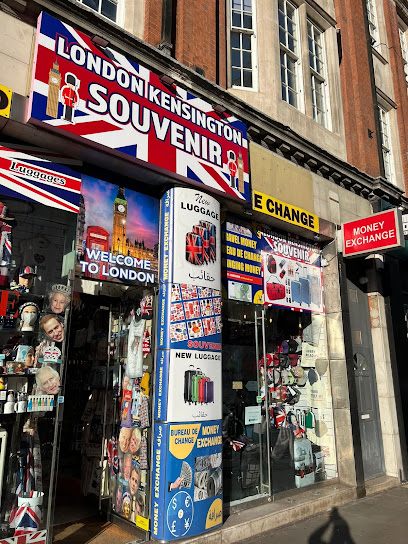
London Souvenir Kensington
0.9 km
Kensington High Street's go-to for authentic London souvenirs: red buses, royal trinkets, and Union Jack delights in a shopper's paradise.
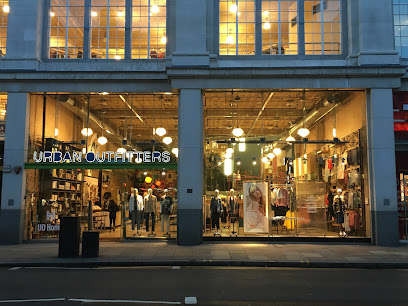
Urban Outfitters
0.9 km
Trendy threads and eclectic home vibes on London's iconic Kensington High Street – Urban Outfitters delivers boho-chic shopping with a creative edge.
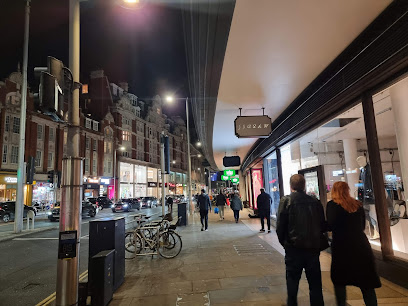
Jigsaw
0.9 km
Refined British womenswear on Kensington High Street, where timeless tailoring meets contemporary elegance in a stylish boutique haven.
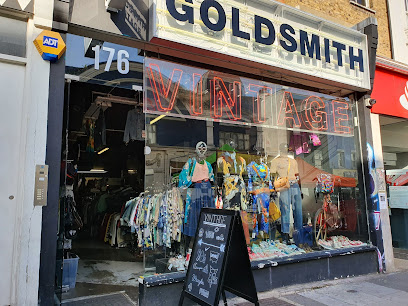
Goldsmith Vintage
0.9 km
Discover chic vintage treasures at Goldsmith Vintage on bustling Portobello Road, where timeless fashion meets Notting Hill's iconic market charm.
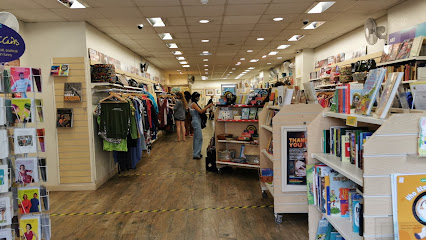
Oxfam Shop - Kensington High Street
1.1 km
Unearth ethical treasures on Kensington High Street at this vibrant Oxfam shop, where second-hand style funds global change amid London's posh shopping scene.
Essential bars & hidden hideouts

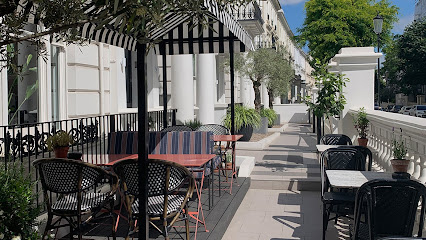
The Henderson Bar & Kitchen
0.1 km
Notting Hill's carnival-inspired bar serving twisted British classics from breakfast to cocktails on a sunny terrace—honoring Russ Henderson's legacy.
The Sun In Splendour
0.2 km
Historic Notting Hill pub with yellow charm, hearty fare, craft pours, and a secret garden haven on bustling Portobello Road.
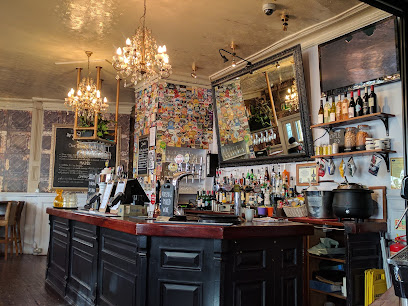
The Churchill Arms, Kensington
0.3 km
London's floral-festooned pub icon: Churchill memorabilia, pioneering Thai eats, and blooming facades since 1750 in vibrant Kensington.
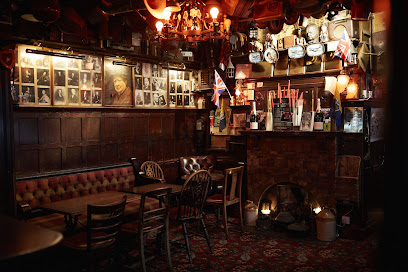
Naked & Famous Bar
0.6 km
A cozy, retro-styled Notting Hill basement bar focused on tequila and mezcal with bold, handcrafted cocktails.
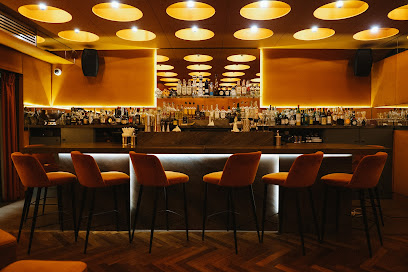
The Earl of Lonsdale
0.7 km
Step into Victorian Notting Hill pub charm at The Earl of Lonsdale, where etched glass, duck-under doors, and Yellow Earl lore create an unmissable Samuel Smith's haven amid Portobello buzz.
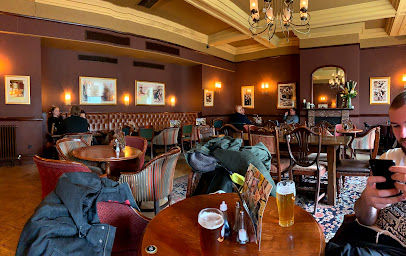
The Walmer Castle
0.7 km
Historic Notting Hill pub revived with cosy fires, seasonal British dishes, and a stellar drinks list – a true neighbourhood gem since 1845.
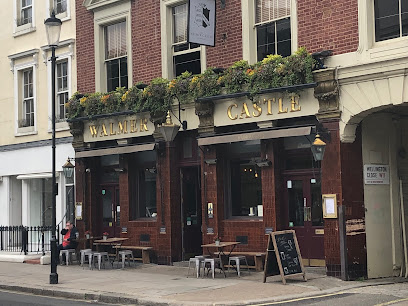
Portobello Star
0.8 km
Gin mastery on Portobello Road: vintage vibes, craft cocktails, and Notting Hill's electric market energy in one cozy retreat.
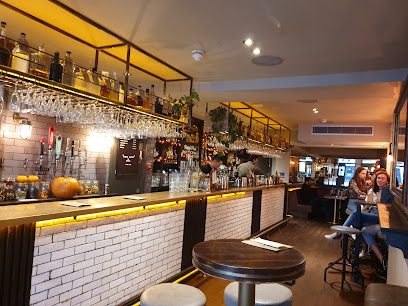
Prince of Wales
0.8 km
A cosy Kensington pub of warm wood, classic pints and a surprising Thai menu tucked behind a Victorian façade.
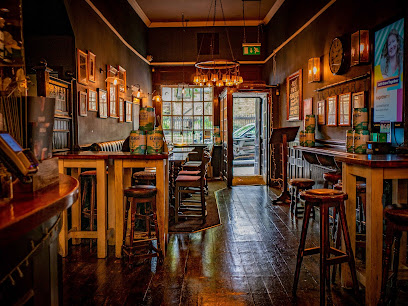
Trailer Happiness
0.9 km
Notting Hill's kitschy tiki basement bar pours rum-heavy daiquiris and tropical twists amid plush, indulgent vibes—prime for rowdy W11 nights.
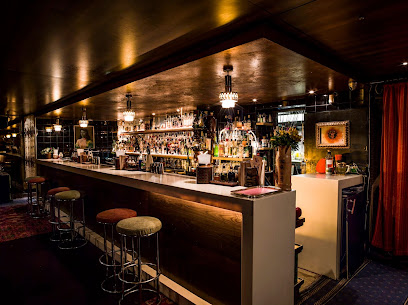
High Spirit Cocktail Bar
0.9 km
A friendly, compact cocktail bar on Kensington High Street serving well-made classics and creative seasonal drinks in a warm, music-led setting.
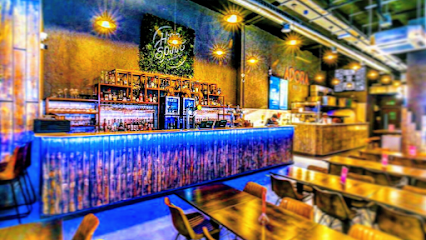
The Week
0.9 km
Cozy Notting Hill bar on Elgin Crescent, blending craft cocktails and warm vibes in West London's chicest corner. Ideal for intimate evenings amid Victorian charm.
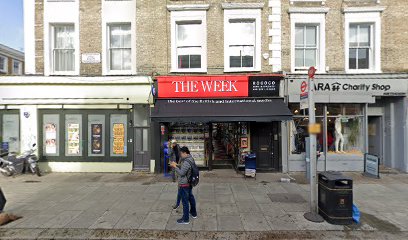
Piano Kensington
0.9 km
Live piano requests, cocktails and casual late-night bites in the Royal Garden Hotel — a music-led, relaxed Kensington night out.
AMARO BAR - London
1.0 km
Elegant Kensington cocktail bar blending Savoy mastery with inventive twists, vintage rarities, and intimate speakeasy charm on High Street.
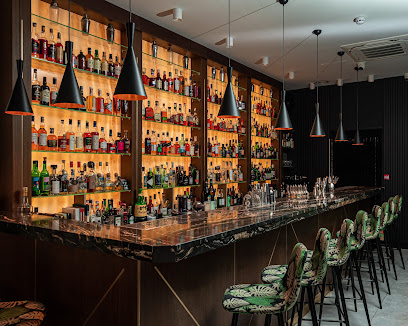
Stables Bar
1.0 km
Elegant Kensington cocktail haven in a former stable, blending equestrian heritage with inventive mixology and cosy conservatory vibes opposite lush gardens.
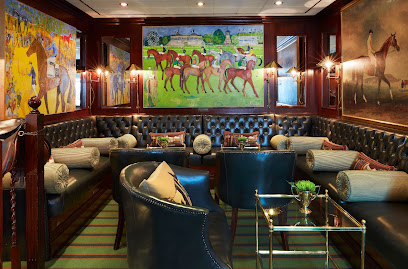
The Little Yellow Door
1.1 km
Notting Hill's quirky flatshare bar where cocktails flow from teacups, games spark laughs, and every night feels like a spontaneous house party in a colorful home.
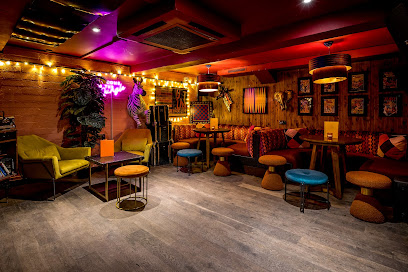
Nightclubs & after hour spots

Notting Hill Arts Club
0.1 km
West London's sweaty basement cradle of music legends since '97—coffee by day, live gigs and club nights till 2am in an intimate den of funk, jazz, and raw talent.
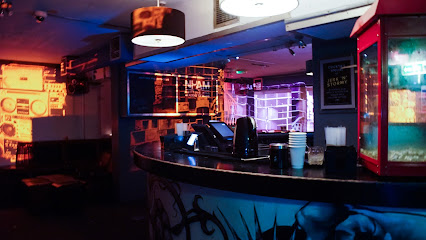
The Globe
0.9 km
Traditional London pub by day, lively late‑night bar and club by night—large, hireable rooms and a warm, characterful interior.
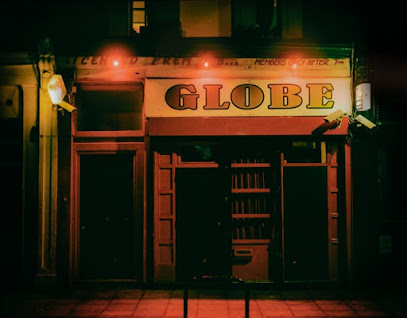
The Duke of Wellington
0.9 km
Historic Young's pub on Portobello Road: Victorian screens, market views, British roasts, and Notting Hill legends in every pint.
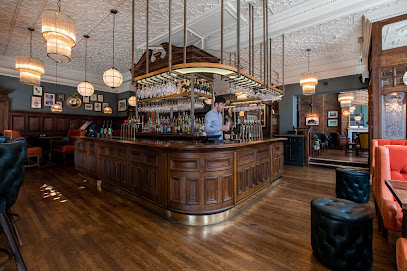
Electric House
0.9 km
Experience the vibrant social scene at Electric House, a chic social club in Notting Hill, London, blending style, comfort, and culinary delights.
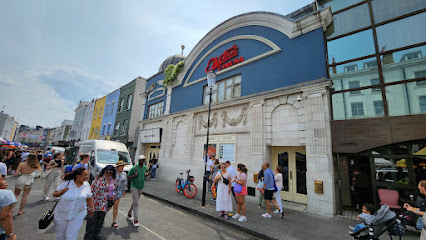
Subteranian
1.4 km
A compact underground club on Acklam Road delivering dense, DJ-led electronic nights with an intimate, bass-heavy atmosphere.
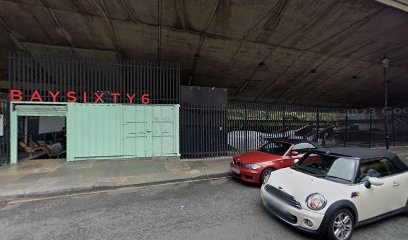
Ricco London
1.4 km
A plush, performance‑led lounge in Kensington Olympia where cocktails, Mediterranean sharers and cabaret create theatrical late‑night nights.
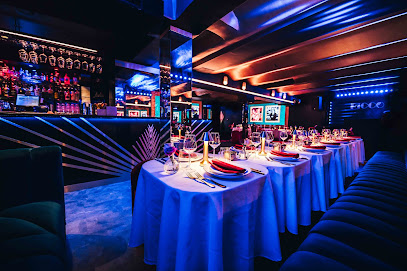
Privilege Entertainment Ltd
1.4 km
Discover the pulsating nightlife at Privilege Entertainment Ltd, London's premier entertainment agency and nightclub, where unforgettable experiences await.

Metric
1.6 km
A compact, collegiate nightclub beneath Imperial College’s Beit Quadrangle — lively student nights, intimate dancefloor and a campus-centred party vibe.
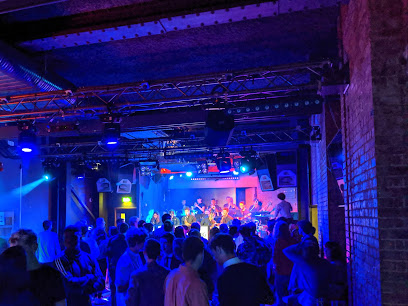
Dolce Night Club , London
2.2 km
Elite VIP nightclub in South Kensington blending luxurious design, R&B beats, and high-end cocktails for unforgettable weekend revelry.
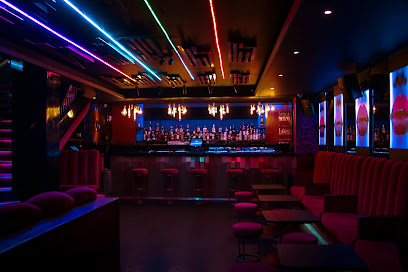
B London
2.3 km
Dive into South Kensington's electric nightlife at B London, where sophisticated beats and stylish crowds fuel unforgettable nights from 9pm till dawn.
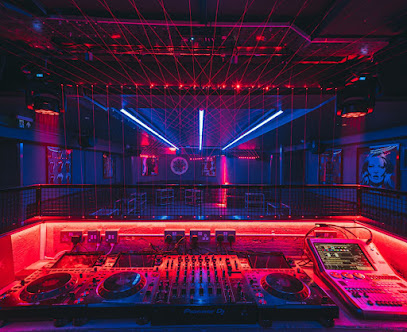
Lost In Disco
2.5 km
An intimate West London disco night celebrating 1970s–80s funk, soul and floor-filling classics with DJs, guest singers and a glittering dancefloor.
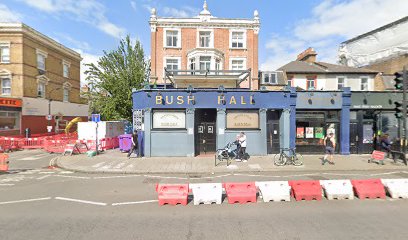
Carwash Nightclub
3.6 km
Europe's longest-running disco since 1989: sequins, funk beats, and joyful dancing in Mayfair's retro heart. Join the glitter-fueled party!
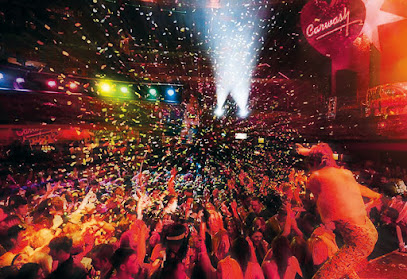
LUXX CLUB LONDON
3.7 km
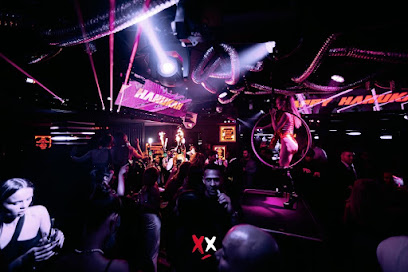
Experience Mayfair’s premier luxury nightclub with dazzling lights, top DJs, and exclusive VIP vibes at LUXX CLUB LONDON.
Tabu London
3.8 km
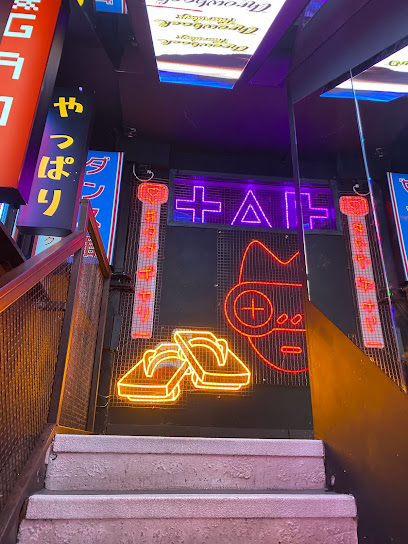
Escape Mayfair's polish for Tokyo's neon-lit Shinjuku alleys at Tabu London—retro gaming vibes, caged dancers, hip-hop beats, and upscale bites fuel epic nights.
The Cuckoo Club
4.0 km
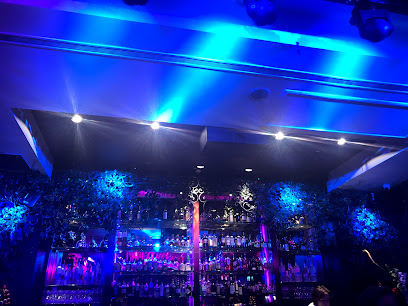
Exclusive Mayfair nightclub and restaurant blending glamorous design, contemporary cuisine, and vibrant nightlife in London’s upscale scene.
For the vibe & atmosphere seeker
- Lively
- Unique
- Casual
- Scenic
For the design and aesthetic lover
- Vintage Styles
- Modern Designs
For the architecture buff
- Historic
- Landmarks
- Art & Design
For the view chaser and sunset hunter
- Iconic Views
For the social media creator & influencer
- Instagrammable
- Photo Spots
- Architectural Shots
For the eco-conscious traveler
- Public-Transport Accessible
For the kind of experience you’re after
- Cultural Heritage
- Photowalk
- Day Trip
- Weekend Getaway
For how adventurous you want the journey to be
- Easy Access
Location Audience
- Family Friendly
- Senior Friendly
- Child Friendly
- Teen Friendly
- Wheelchair Access
- Pet Friendly
- Solo Friendly
- Couple Friendly
- Solo Female Friendly
- Vegetarian Friendly
- Vegan Friendly


