

Millers Dale Viaduct on the Monsal Trail
Historic Victorian railway viaduct spanning the River Wye, now a scenic highlight of the Monsal Trail in the Peak District.
Millers Dale Viaduct is a striking Grade II listed railway bridge in the Peak District, originally built in 1862-63 by the Midland Railway. It spans the River Wye and forms a key part of the Monsal Trail, an 8.5-mile walking and cycling route following a former railway line. The viaduct showcases Victorian engineering with its elegant arches and is surrounded by scenic limestone dales rich in industrial heritage. It underwent restoration and maintenance to preserve its structure for public enjoyment.
A brief summary to Millers Dale Viaduct
- Monsal Trail, Buxton, SK17 8SN, GB
- Duration: 1 to 3 hours
- Free
-
 Outdoor
- Mobile reception: 4 out of 5
Local tips
- Visit during spring or summer for the best weather and vibrant valley scenery.
- Bring a bike or walking shoes to explore the full Monsal Trail route.
- Check local updates for any maintenance work or temporary closures on the viaduct.
- Explore nearby historic villages and former mill sites along the trail.

For the on-the-go comforts that matter to you
- Restrooms
- Drink Options
- Seating Areas
- Information Boards
Getting There
-
Train and Bus Combination
Take a train to Buxton railway station from nearby cities such as Manchester or Derby (travel time 45–70 minutes). From Buxton, catch a local bus to Millers Dale (approximately 20 minutes). Bus services run hourly but may be limited on weekends. Tickets cost around £5–£10 GBP.
-
Car Travel
Drive from Buxton to Millers Dale via local roads, a journey of about 15 minutes covering roughly 8 km. Parking is limited near the Monsal Trail access points, especially on weekends and holidays. Some parking areas may charge a small fee of £2–£5 GBP. Narrow country lanes require careful driving.
-
Cycling
Cycle along the Monsal Trail from Buxton to Millers Dale, a scenic 5-mile ride on a mostly flat, traffic-free path. Suitable for all skill levels. Bike rentals are available in Buxton. The trail is wheelchair accessible and well maintained.
Millers Dale Viaduct location weather suitability
-
 Any Weather
-
 Clear Skies
-
 Mild Temperatures
-
 Rain / Wet Weather
Discover more about Millers Dale Viaduct
Engineering Marvel of the Victorian Era
The Millers Dale Viaduct was constructed between 1862 and 1863 by the Midland Railway as part of a strategic rail link connecting London to Manchester through the challenging terrain of the Peak District. This southern viaduct crosses the River Wye and originally carried two tracks. Due to increasing rail traffic, a parallel northern viaduct was added in 1905, expanding the line to four tracks. The southern viaduct is distinguished by its elegant arch design, contrasting with the box structure of the northern viaduct. Both structures exemplify Victorian engineering ingenuity and the industrial ambition of the era.Integration into the Monsal Trail
After the railway line’s closure in 1968, the viaduct and its trackbed were repurposed as part of the Monsal Trail, opened in 1981. This 8.5-mile trail follows the former railway route through the Wye Valley, connecting Buxton to Bakewell. The viaduct now serves walkers, cyclists, and nature lovers, offering panoramic views of the river and surrounding limestone dales. The trail passes through tunnels and past historic mills, revealing the area's rich industrial past and natural beauty.Historical and Cultural Significance
Millers Dale Viaduct is a Grade II listed structure, reflecting its architectural and historic importance. It played a vital role in the Midland Railway’s efforts to create a profitable London-Manchester route. The railway line was controversial at its inception, with critics like John Ruskin lamenting its impact on the natural landscape. Despite this, the viaduct stands today as an iconic symbol of the Peak District’s industrial heritage and Victorian railway legacy.Recent Preservation Efforts
The viaduct has undergone significant maintenance and restoration to ensure its safety and longevity. Works completed in the early 2020s included waterproofing, corrosion repairs, grit blasting, and repainting to protect the iron and masonry from weathering. These efforts preserve the viaduct not only as a functional part of the Monsal Trail but also as a historic landmark for future generations.Surrounding Landscape and Visitor Experience
Set within the dramatic limestone dales of the Peak District, the viaduct offers visitors stunning views of the River Wye and the valley’s natural scenery. The Monsal Trail provides a peaceful and scenic route for outdoor activities, with opportunities to explore nearby tunnels, old mills, and villages. The area’s blend of industrial history and natural beauty creates a unique atmosphere for visitors seeking both cultural insight and outdoor recreation.Legacy of the Railway Era
The Millers Dale Viaduct and the Monsal Trail stand as enduring reminders of the region’s railway past. The transformation from a busy rail corridor to a beloved recreational trail illustrates adaptive reuse of industrial infrastructure. Today, the viaduct continues to inspire admiration for Victorian engineering while supporting sustainable tourism and outdoor enjoyment in the Peak District National Park.Iconic landmarks you can’t miss

Peak District National Park Authority
8.8 km
Explore the breathtaking landscapes and rich heritage of Peak District National Park, a haven for outdoor enthusiasts and nature lovers.
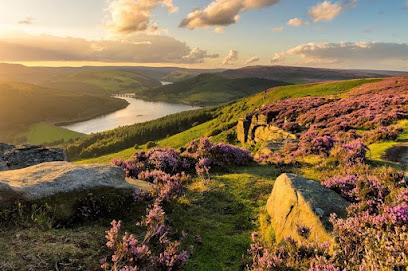
Baslow Edge
12.1 km
Experience stunning panoramas and serene walks at Baslow Edge in Peak District National Park, the perfect escape for nature lovers and photographers.
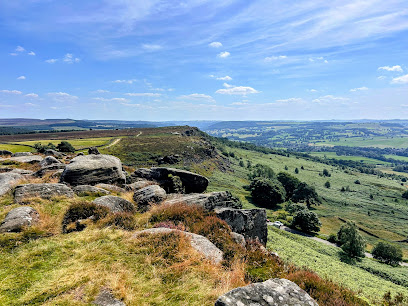
Bamford Edge
13.5 km
Bamford Edge offers stunning panoramic views of Ladybower Reservoir and Hope Valley, a must-visit gritstone escarpment in the Peak District.
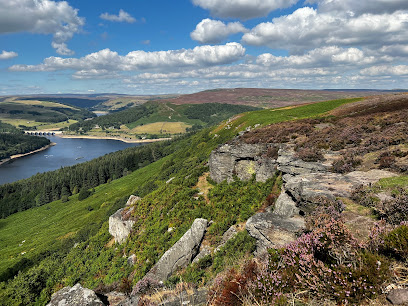
Carl Wark
14.6 km
Explore Carl Wark, an ancient Iron Age hillfort on a rugged Peak District promontory with sweeping moorland views and rich prehistoric heritage.
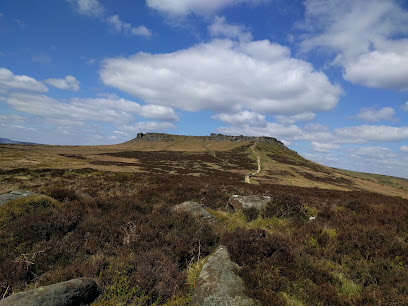
Nine Ladies Stone Circle
14.6 km
Explore the mystical Bronze Age Nine Ladies Stone Circle nestled in the scenic moorlands of Derbyshire’s Peak District.
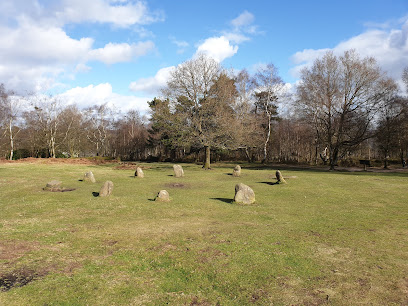
Stanton Moor
15.1 km
Explore the stunning landscapes and rich history of Stanton Moor, a perfect destination for nature lovers and adventure seekers alike.
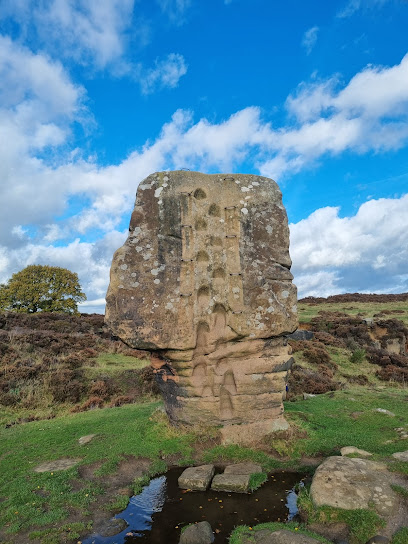
Hob Hurst's House
15.3 km
Explore the mystique of Hob Hurst's House, a captivating historical landmark set amidst the breathtaking landscapes of Beeley Moor.
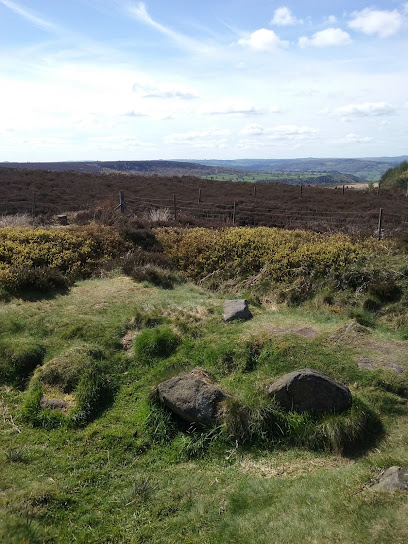
Lud's Church
17.0 km
Discover Lud's Church, a stunning natural chasm in the Peak District, perfect for hiking and immersing in nature's beauty.
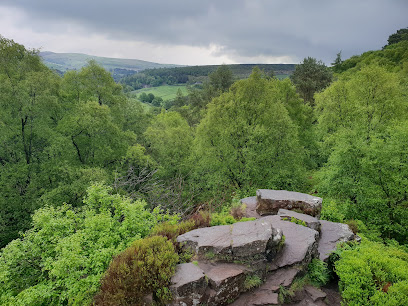
Snake Woodland- Forestry England
18.5 km
Explore the stunning landscapes and diverse wildlife of Snake Woodland, a hidden gem in the Peak District National Park, perfect for hiking and nature lovers.
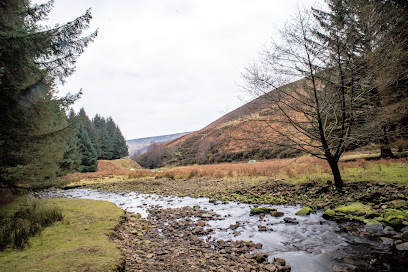
Thor's Cave
18.7 km
Explore the stunning Thor's Cave in the Peak District National Park, a natural marvel perfect for hiking and adventure amidst breathtaking scenery.
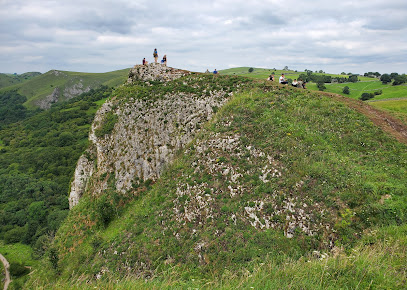
Tegg's Nose Country Park
18.9 km
Discover Tegg's Nose Country Park: A Scenic Retreat for Nature Enthusiasts and Adventure Seekers in Macclesfield.
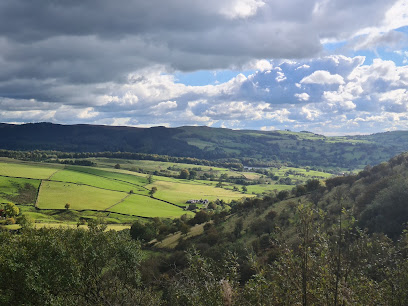
Forge Dam Park
20.2 km
Forge Dam Park - A peaceful retreat in Sheffield, offering scenic views, serene walks, and a delightful café amidst nature's beauty.
White Nancy
20.3 km
Historic hilltop folly offering sweeping Cheshire Plain views and a symbol of Bollington’s heritage and community spirit.
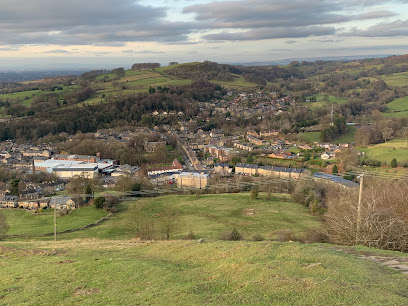
Abbeydale Industrial Hamlet
20.5 km
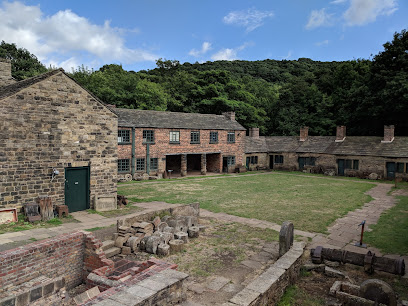
Explore the rich industrial heritage of Sheffield at Abbeydale Industrial Hamlet, where history comes to life in a beautifully preserved setting.
Pic Tor War Memorial
20.8 km
A solemn Celtic cross atop Pic Tor, offering panoramic views and heartfelt remembrance of Matlock’s war heroes.

Unmissable attractions to see

Abseiling Derbyshire
0.1 km
Experience thrilling abseiling adventures amid historic railway heritage and stunning Peak District landscapes at Millers Dale Station.
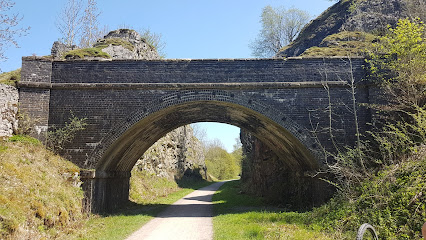
Chee Dale Stepping Stones
1.7 km
Hop across river stones in a hidden Peak District gorge, where woodland, limestone cliffs and the Monsal Trail tunnels create a magical riverside adventure.
Water-Cum-Jolly Dale
3.0 km
Discover Water-Cum-Jolly Dale’s peaceful river valley, historic railway viaduct, and thriving wildlife sanctuary in the heart of Derbyshire.
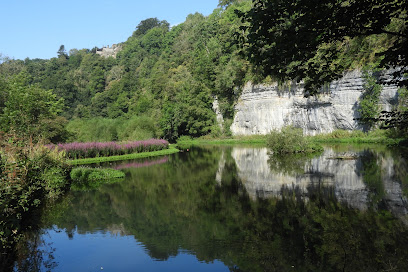
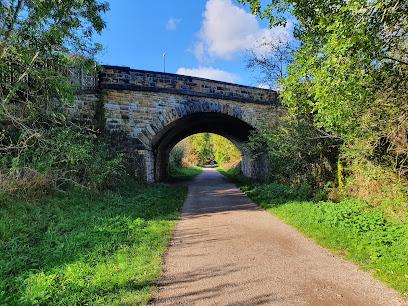
Monsal Trail
4.4 km
Explore 8.5 miles of scenic Peak District valleys, historic railway tunnels, and iconic viaducts on the accessible Monsal Trail.
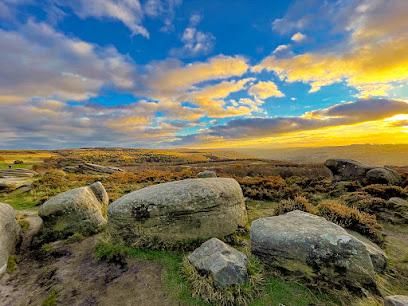
Peak District National Park
4.9 km
England’s first national park, a vast playground of moorlands, caves, and trails offering adventure, heritage, and breathtaking landscapes.
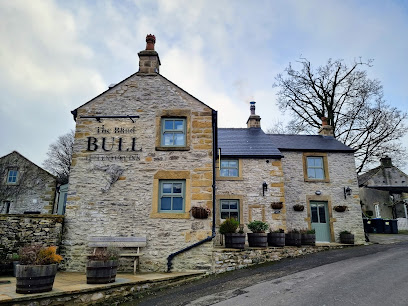
The Blind Bull
5.9 km
A charming Peak District gastropub offering seasonal British cuisine, cozy rooms, and warm countryside hospitality in Little Hucklow.
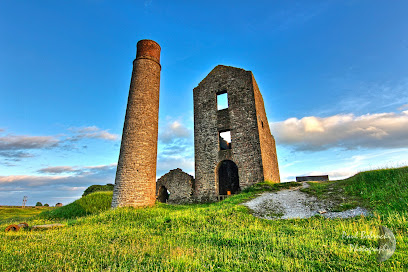
Magpie Mine
6.0 km
Explore Magpie Mine near Sheldon, Derbyshire — a hauntingly beautiful relic of England’s last working lead mine with over 200 years of rich industrial history.
Great Rocks Social Club
6.3 km
A friendly and lively social club in Peak Dale, offering live entertainment, dancing, and a welcoming atmosphere for all.
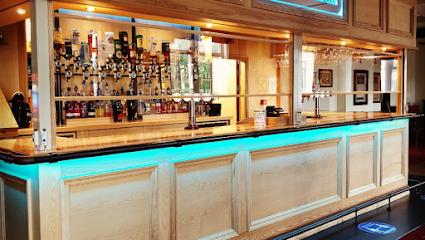
The Royal Oak | Peak District
7.4 km
A welcoming country pub and campsite in Hurdlow offering hearty English fare, cosy fires, and a perfect base for exploring the southern Peak District.
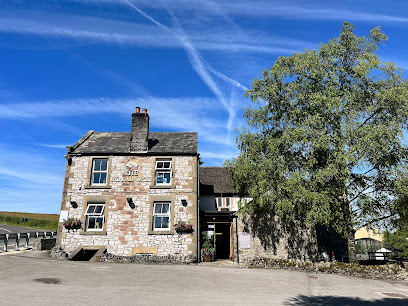
Eldon Hole
8.0 km
A legendary 55-metre pothole steeped in geology, folklore, and Peak District heritage.
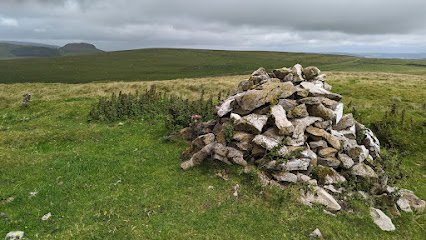
Cavendish Arcade
8.1 km
Explore Buxton’s charming Cavendish Arcade, a historic Victorian shopping arcade blending heritage architecture with unique independent shops.
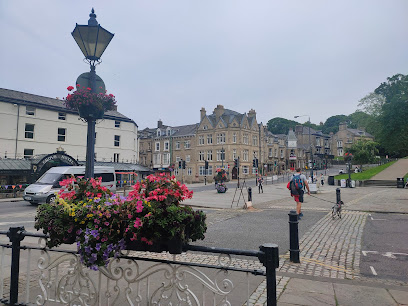
Buxton Visitor Centre & The Buxton Crescent Experience
8.1 km
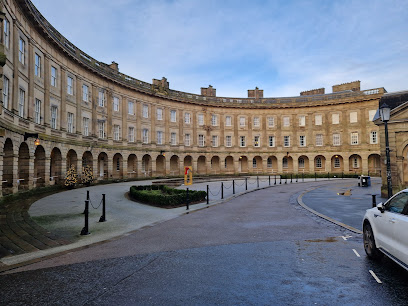
Explore Georgian elegance and spa heritage in nine immersive rooms within Buxton's iconic restored Crescent.
Eyam Museum
8.4 km
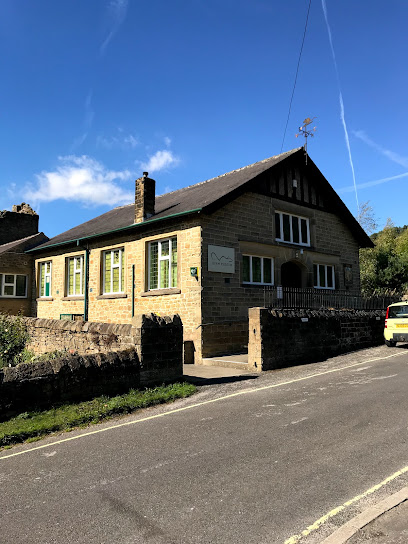
Discover Eyam Museum, where the story of a village’s brave self-quarantine during the 1665 plague comes vividly to life in the heart of the Peak District.
The Pavilion Gardens
8.4 km
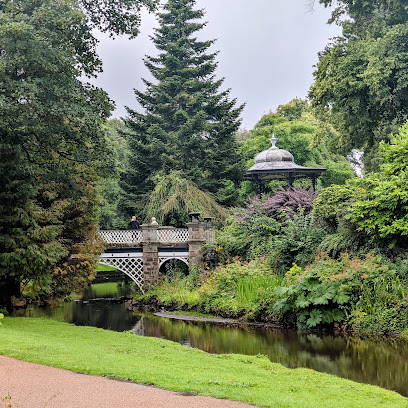
A beautifully landscaped Victorian park in Buxton, perfect for family days out, peaceful walks, and lively events in the heart of the Peak District.
Pavilion Gardens, Buxton
8.5 km
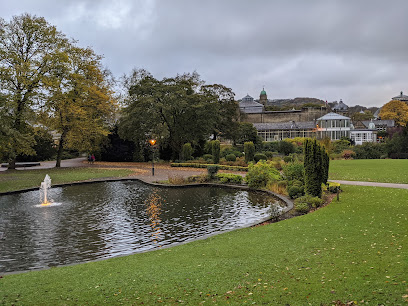
Explore Buxton’s Victorian jewel with 23 acres of landscaped gardens, historic architecture, family fun, and year-round cultural events.
Essential places to dine

The Horse & Jockey
2.5 km
A cozy, traditional village pub and B&B in Tideswell offering hearty meals, warm fires, and comfortable rooms in the Peak District.
The Merchant's Yard
2.9 km
A charming boutique hotel and award-winning restaurant in Tideswell, blending historic character with seasonal Peak District cuisine.
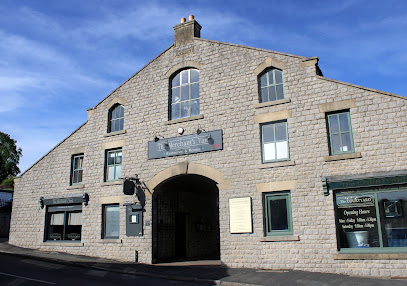
Derbyshire Eats
2.9 km
Experience refined dining and bespoke catering excellence in the charming village of Tideswell at Derbyshire Eats.
The Anchor Inn
3.7 km
A classic Peak District pub offering hearty meals, friendly service, and a welcoming atmosphere in the heart of Tideswell.
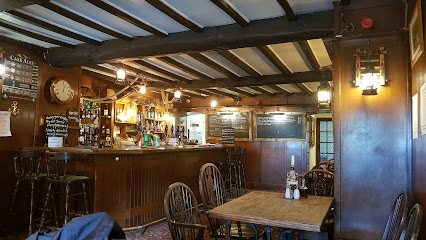
The Crispin
6.0 km
A welcoming traditional pub in Great Longstone offering hearty British fare and local ales in the heart of the Peak District.
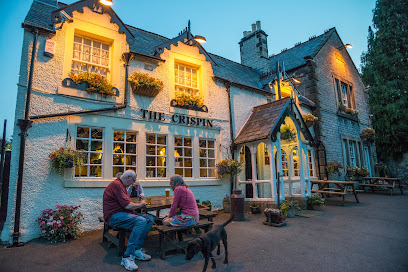
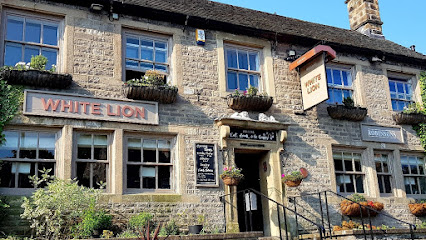
White Lion
6.2 km
A charming Peak District gastropub offering hearty British fare, warm welcomes, and a cozy village atmosphere in Great Longstone.
Riverside House Hotel
6.5 km
A 5-star riverside retreat blending historic charm with Michelin-starred dining in the heart of the Peak District.
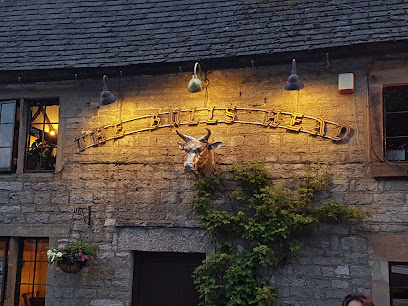
The Bulls Head
6.7 km
A beloved village pub in Monyash serving hearty British classics with generous portions in a warm, rustic setting.
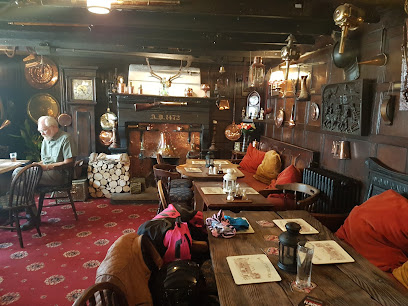
The Bull I' Th' Thorn Pub & Pizzeria | Peak District
6.8 km
Historic Peak District pub and pizzeria in Buxton, cherished for its heritage, lively atmosphere, and scenic countryside setting.
Piedaniel's
9.1 km
A charming family-run French restaurant in Bakewell offering refined cuisine, elegant ambiance, and impeccable service for memorable dining experiences.
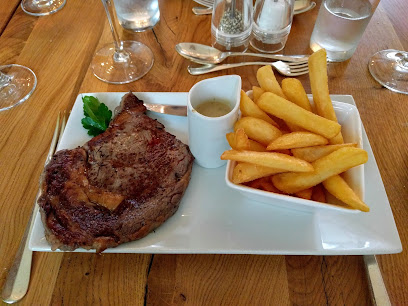
Restaurant Lovage by Lee Smith
9.1 km
Innovative modern English cuisine with Michelin-starred finesse in a cozy Bakewell setting, blending local heritage with contemporary elegance.
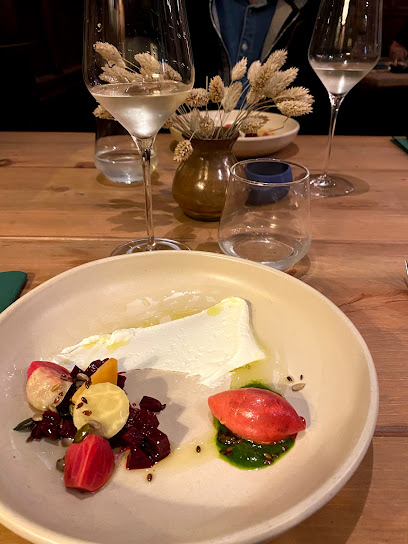
The Manners, Bakewell
9.3 km
Traditional Robinsons pub in Bakewell serving excellent local ales and renowned pub food, with dog-friendly rooms and a spacious beer garden.
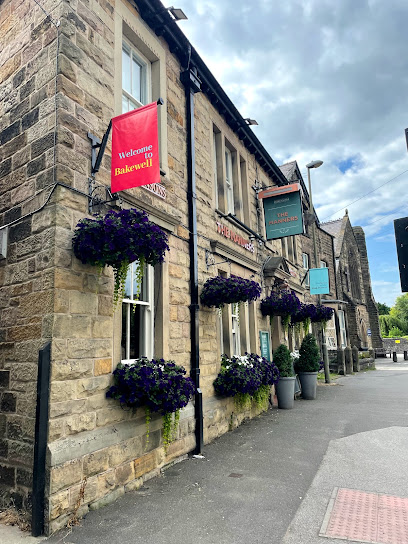
The Woodyard
9.3 km
Historic marble works turned vibrant restaurant with fresh homemade food and a scenic riverside beer garden in the heart of Bakewell.
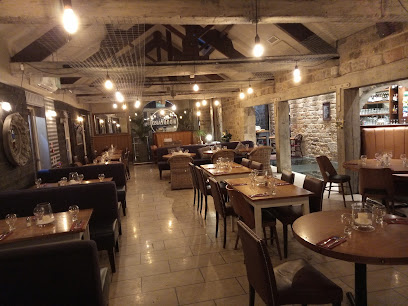
Ye Olde Nags Head
9.8 km
Historic 17th-century coaching inn in Castleton offering cozy pub vibes, hearty British fare, and a lively community atmosphere.
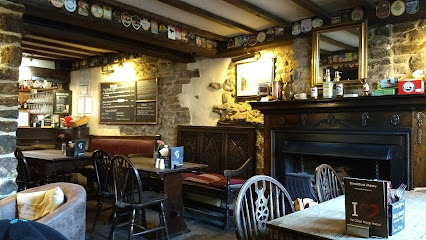
1530 The Restaurant
9.8 km
Charming Italian restaurant in Castleton offering fresh homemade dishes and vegan options in a cozy historic setting within the Peak District.
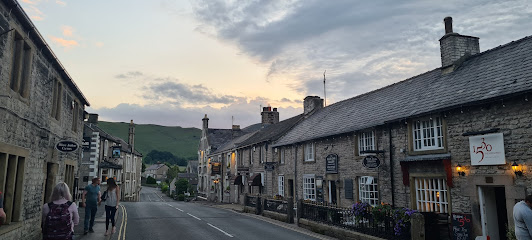
Markets, malls and hidden boutiques

Antique and Unique
3.3 km
Three decades of authentic antiques and vintage treasures in the heart of the Peak District.
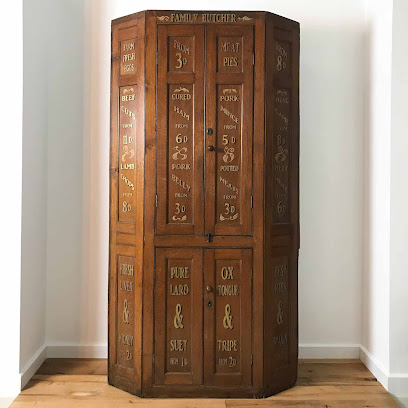
High Peak Bookstore and Cafe
6.3 km
A charming independent bookstore and cozy café nestled in the scenic Peak District near Buxton, perfect for book lovers and casual visitors alike.
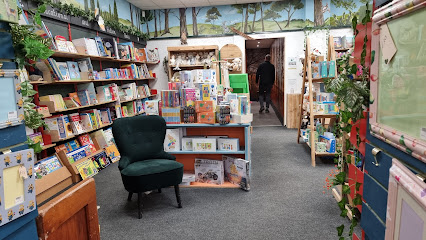
The Springs Shopping Centre
7.9 km
Buxton's central shopping hub with 450 parking spaces and popular high street chains.
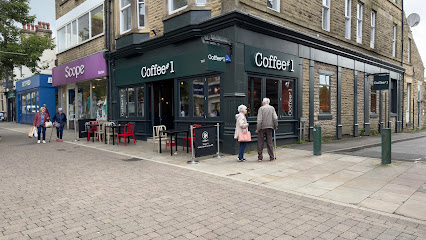
Atticusboo
8.1 km
Discover unique gifts and warm hospitality at Atticusboo, Buxton’s charming independent boutique in the historic Cavendish Arcade.
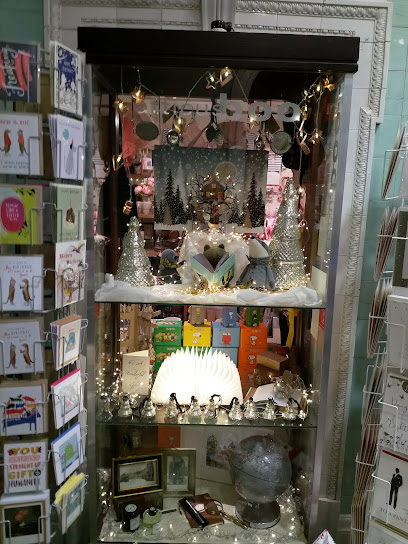
Jo Royle Outdoor
8.1 km
Discover quality outdoor gear and expert advice at Jo Royle Outdoor, Buxton’s beloved independent boutique for adventurers.
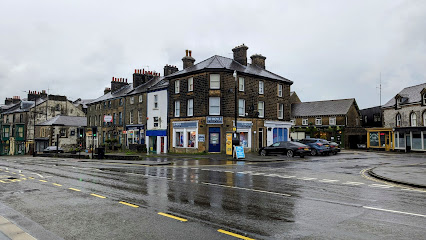
Decor Boutique
8.1 km
Discover unique gifts and stylish homewares in Buxton’s charming Decor Boutique, nestled in the historic Cavendish Arcade.
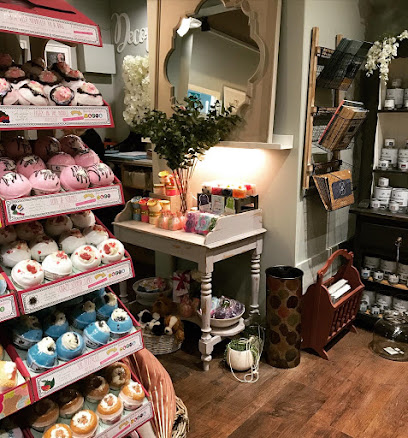
Fiveways Country Store
8.1 km
Charming family-owned shop in Buxton’s Market Place offering unique gifts and local artisan products in the heart of the Peak District.
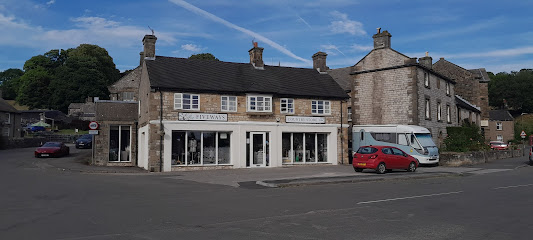
AWAKEN - Crystal & Spiritual Shop
8.2 km
Discover exquisite crystals and handcrafted spiritual jewellery at AWAKEN, Buxton’s premier metaphysical supply shop blending artistry with energy.
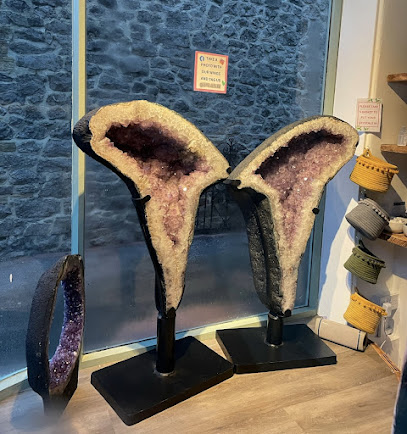
Delightful Living
8.3 km
Discover unique artisan gifts in the heart of Eyam’s historic craft centre, blending heritage with handcrafted charm.
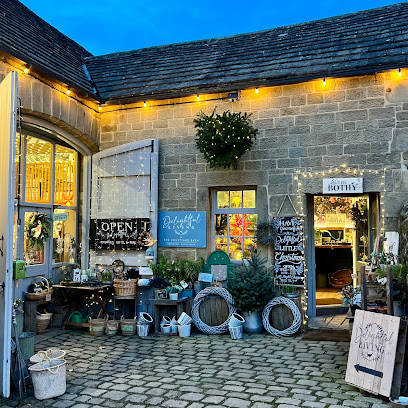
The Derbyshire Emporium
9.1 km
Local artisan gifts and homemade refreshments in the heart of Bakewell's charming town centre.
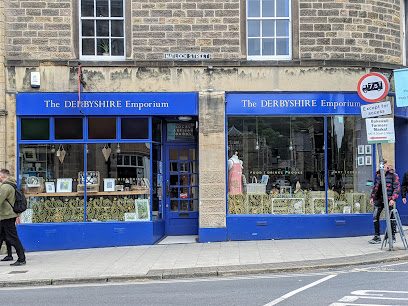
Edge of the World
9.1 km
Boutique clothing and accessories shop in Bakewell offering quality fashion with a welcoming atmosphere and expert service.
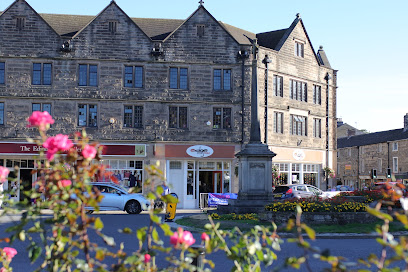
The British Emporium
9.1 km
Discover a refined collection of authentic British-made gifts and homewares in the heart of Bakewell’s historic market town.
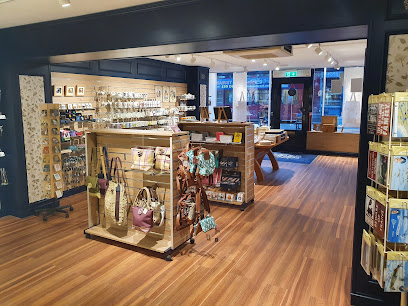
Bon Voyage Bakewell
9.1 km
Discover unique gifts and local charm at Bon Voyage Bakewell, nestled in the heart of Bakewell’s historic market town.
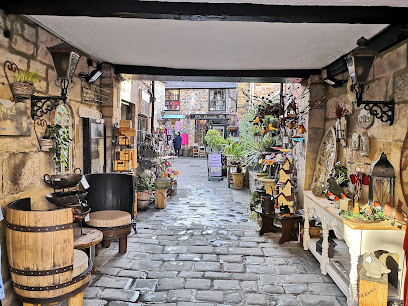
Mini Chic- clothing, gifts, and accessories for children and babies
9.2 km
Charming boutique offering stylish children’s clothing, gifts, and accessories in the heart of Bakewell’s historic town centre.
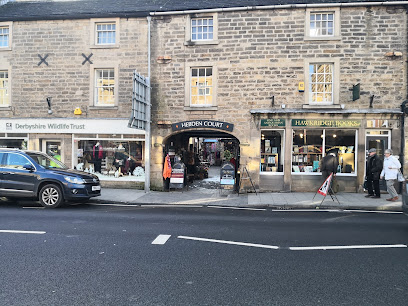
Perfect Gifts Bakewell
9.2 km
Discover unique local gifts and heartfelt treasures in the cozy charm of Perfect Gifts Bakewell, your go-to shop for thoughtful souvenirs.
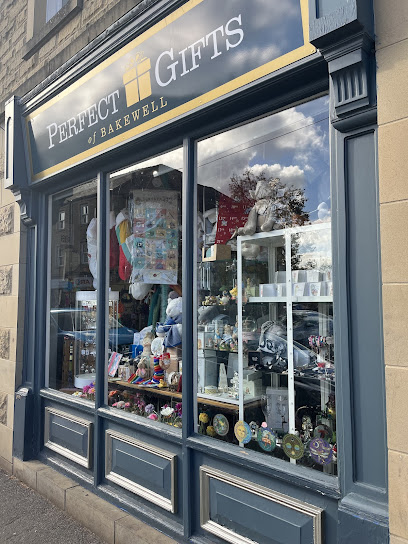
Essential bars & hidden hideouts

Anglers Rest
0.3 km
A cozy riverside pub in Millers Dale offering hearty home-cooked meals, local ales, and a tranquil garden in the heart of the Peak District.
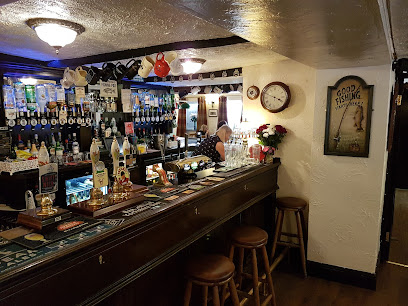
Star Inn
2.9 km
A classic Peak District pub in Tideswell offering hearty pies, real ales, and a warm, lively atmosphere in a charming village setting.
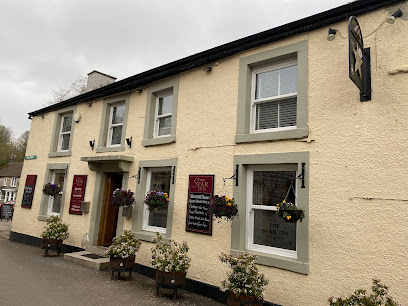
The George Inn
2.9 km
Traditional Peak District pub and cozy B&B in Tideswell offering hearty food, friendly service, and a warm village atmosphere.
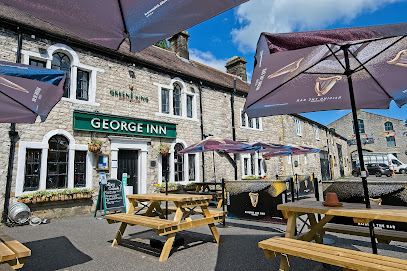
Red Lion Inn
3.1 km
A quintessential Peak District country pub offering hearty fare, real fires, and warm hospitality in the charming village of Litton.
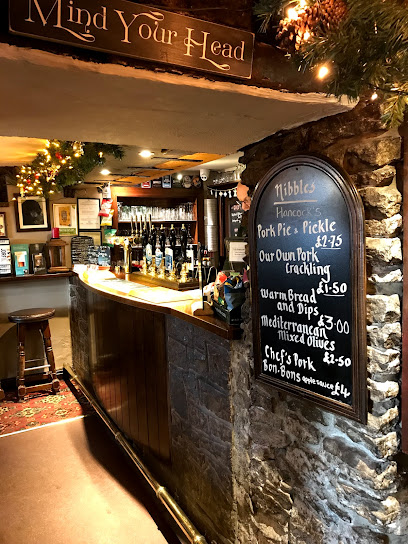
The Packhorse Inn
5.3 km
A cozy, traditional Peak District pub with warm fires, local ales, scenic views, and welcoming rooms near Bakewell.
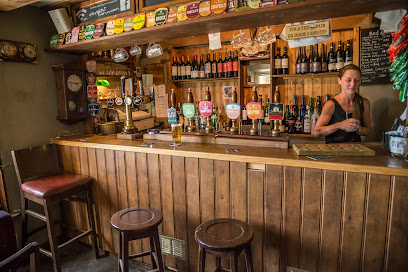
The Bull at Foolow
6.3 km
Historic Peak District pub and boutique inn offering cozy rooms, hearty fare, and scenic countryside charm in the village of Foolow.
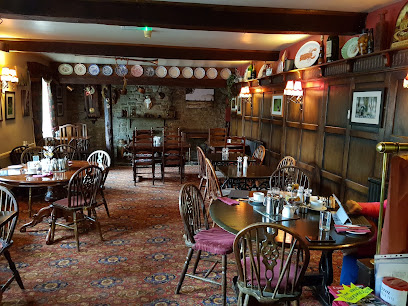
The Barrel Inn
7.7 km
Historic hilltop inn offering cozy rooms, excellent local cuisine, and breathtaking views over Hope Valley and the Peak District.
San Pedro (By Santiago)
8.1 km
A vibrant Spanish wine bar and cocktail lounge in Buxton offering authentic tapas, fine wines, and a lively atmosphere.
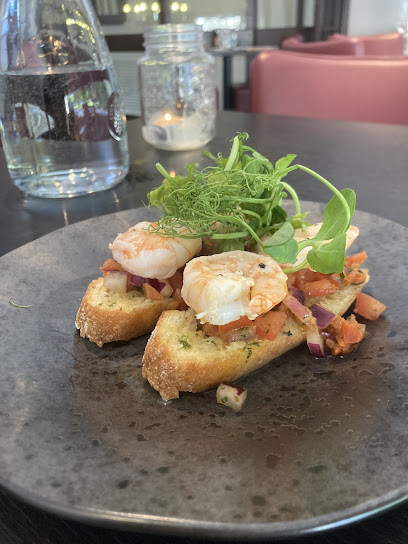
Buxton Brewery Tap House & Cellar Bar
8.2 km
Lively flagship brewery bar in Buxton’s historic heart, serving fresh local beers and seasonal dishes in a rustic, welcoming setting.
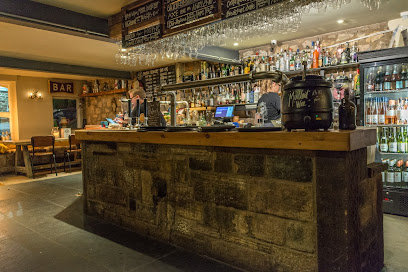
Wheatsheaf Pub and Pantry
9.1 km
Cozy Bakewell pub blending traditional charm with modern pantry dining, serving generous portions in a warm, dog- and child-friendly setting.
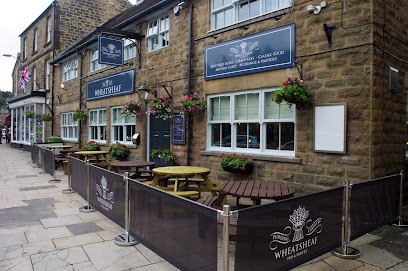
Castle
9.1 km
A classic Greene King pub in Bakewell serving hearty British fare in a warm, historic setting near the Peak District.
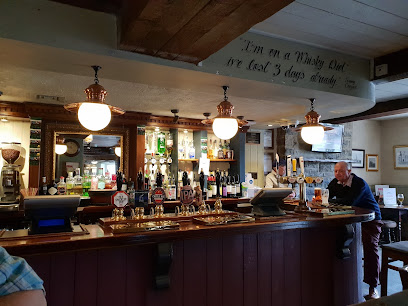
The George
9.7 km
Traditional British charm meets cozy comfort in Castleton’s welcoming pub with rooms, great food, and scenic Hope Valley views.
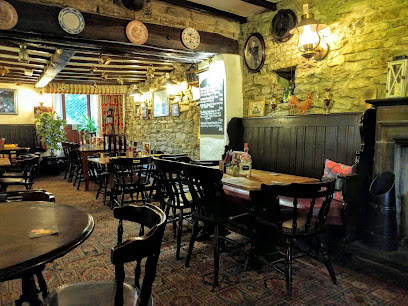
The Castle
9.7 km
A historic pub in Castleton offering hearty British fare, scenic views, and a warm, welcoming atmosphere in the heart of Hope Valley.
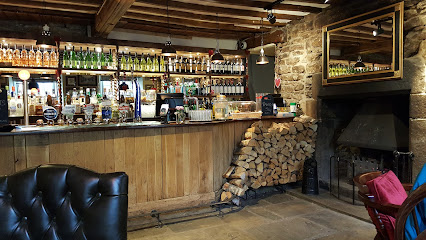
Bulls Head, Castleton
9.8 km
Historic pub and cozy inn in Castleton offering traditional British fare, comfortable rooms, and a welcoming atmosphere in the Peak District.
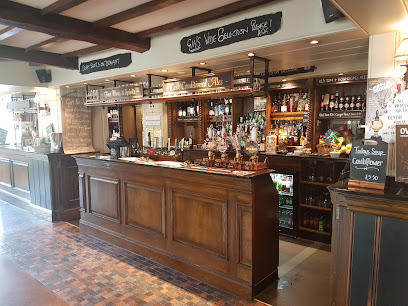
The Eyre Arms
10.1 km
A charming historic pub in Hope Valley offering hearty Derbyshire fare and warm hospitality in the heart of the Peak District.
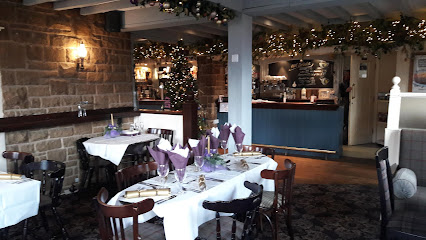
Nightclubs & after hour spots

Level 2
8.1 km
Buxton’s vibrant two-floor nightclub with diverse music, lively bars, and themed nights, perfect for an energetic night out.

The Loft
20.4 km
A vibrant, intimate nightclub in Matlock offering lively music, friendly service, and a cozy atmosphere in the town center.
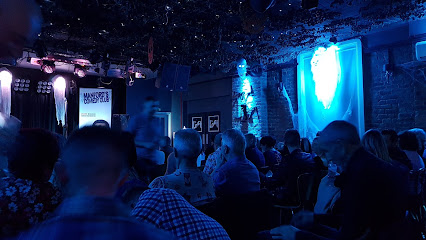
3D Leek - Bar & Nightclub Experiences
22.7 km
Experience Leek’s vibrant nightlife at 3D Leek, where lively music, great drinks, and dynamic events create unforgettable evenings.
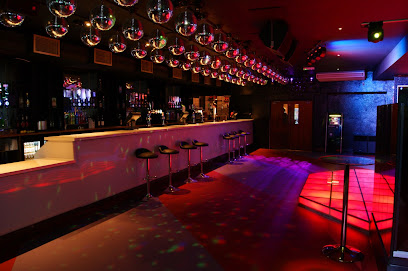
Base 95
22.8 km
Leek’s vibrant nightclub and bar at Market Place, Base 95 offers lively late-night entertainment for a diverse crowd every weekend.
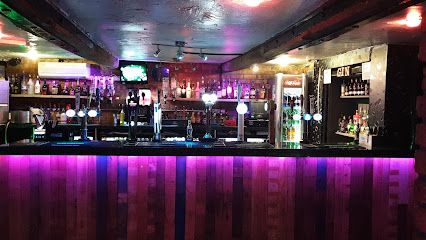
Waikiki Beach Bar
24.5 km
Experience the vibrant nightlife at Waikiki Beach Bar, Derbyshire's go-to destination for dancing, drinks, and unforgettable memories.
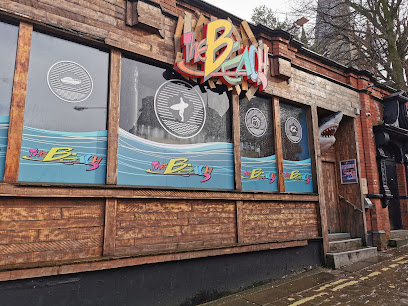
Dempseys Bar and Club
24.9 km
Sheffield's enduring gay bar and club: two floors of drinks, dances, karaoke, and late-night energy from noon till dawn in the city centre.

Corporation
25.0 km
Sheffield’s iconic nightclub with non-stop dance beats and an electric atmosphere in the heart of the city centre.
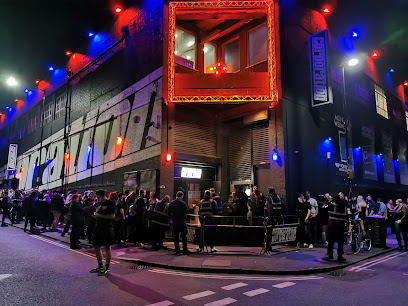
Fez Sheffield
25.2 km
Dive into Sheffield’s vibrant electronic dance scene at Fez, the city centre’s intimate nightclub with pulsating beats and dazzling laser shows.
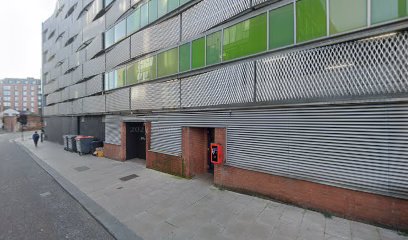
ONYX Nightclub Sheffield
25.2 km
Dive into Sheffield's raucous nightlife at ONYX, where neon quirks, bass-heavy beats, and cheap thrills fuel epic nights till dawn in the city centre.
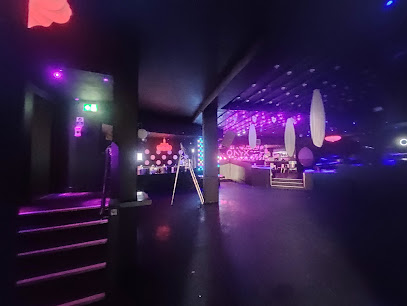
Code Sheffield
25.2 km
Sheffield's ultimate nightclub: massive dance floor, six bars, LED lights, and epic nights till 6am—student favorites and global DJs collide in city-centre chaos.

Popworld - Sheffield
25.3 km
A vibrant nightclub in Sheffield city centre, Popworld offers lively pop beats, affordable drinks, and a welcoming party atmosphere every weekend.
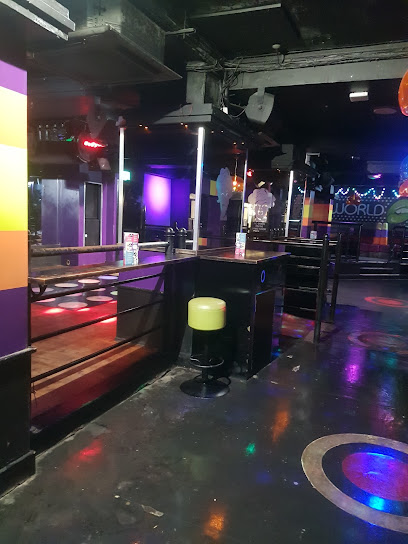
The Viper Rooms
25.3 km
Sheffield's stylish split-level nightclub: upscale cocktails on the terrace lounge, eclectic beats on the dancefloor—dress sharp for urban nights that pulse till dawn.
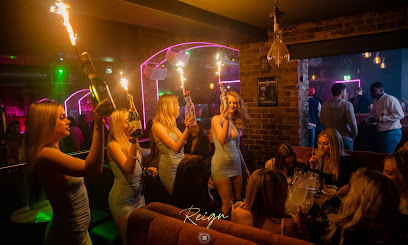
Temple Sheffield
25.4 km
Dive into Sheffield's underground heartbeat at Temple Nightclub, where beats thump till 6am, drinks flow affordably, and nights ignite with raw energy.
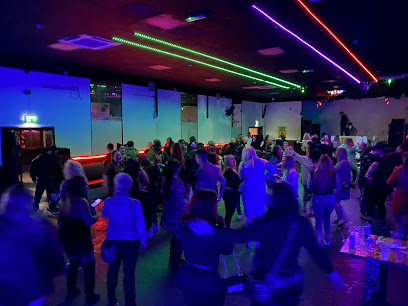
Al Ahsa Night Club
25.5 km
Dance the night away at Al Ahsa Night Club, Sheffield's premier disco destination for unforgettable nightlife experiences.
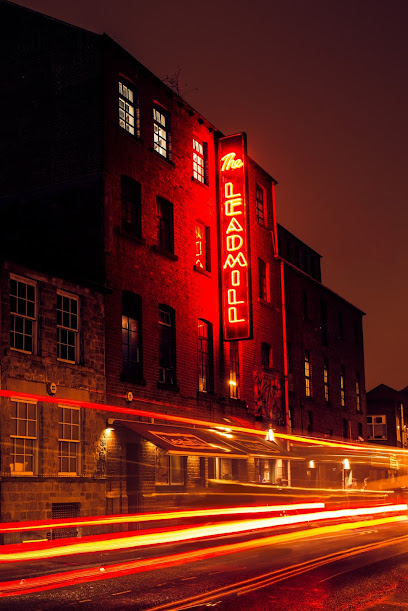
The Leadmill
25.5 km
Sheffield's 40-year heartbeat of live music, club nights, and comedy in a gritty, immersive venue near the station—where crowds roar and nights ignite.
For the vibe & atmosphere seeker
- Scenic
- Relaxing
- Tranquil
- Unique
For the design and aesthetic lover
- Vintage Styles
- Rustic Designs
For the architecture buff
- Historic
- Landmarks
For the view chaser and sunset hunter
- Iconic Views
- Panoramas
For the social media creator & influencer
- Instagrammable
- Photo Spots
- Selfie Spots
For the eco-conscious traveler
- Eco-Friendly
- Low Impact
- Public-Transport Accessible
- Leave-No-Trace Critical
For the kind of experience you’re after
- Cultural Heritage
- Photowalk
- Nature Escape
- Day Trip
- Weekend Getaway
For how adventurous you want the journey to be
- Easy Access
Location Audience
- Family Friendly
- Senior Friendly
- Child Friendly
- Teen Friendly
- Wheelchair Access
- Pet Friendly
- Couple Friendly
- Solo Friendly
- Solo Female Friendly
- Vegetarian Friendly
- Vegan Friendly


