Magpie Mine, Peak District Travel Guide
Explore Magpie Mine near Sheldon, Derbyshire — a hauntingly beautiful relic of England’s last working lead mine with over 200 years of rich industrial history.
Magpie Mine near Sheldon, Derbyshire, is a well-preserved historic lead mine with over 200 years of industrial heritage. Known for its dramatic history including deadly disputes and a legendary widow’s curse, it was the last working lead mine in the region, closing in 1958. Visitors can explore iconic 19th-century mining structures and peaceful surroundings that belie the turbulent past beneath.
A brief summary to Magpie Mine
- Magpie Mine Sheldon, Bakewell, DE45 1QU, GB
- Click to display
- Click to display
- Duration: 1 to 3 hours
- Free
-
 Outdoor
- Mobile reception: 3 out of 5
- Monday 11 am-4 pm
- Tuesday 11 am-4 pm
- Wednesday 11 am-4 pm
- Thursday 11 am-4 pm
- Friday 11 am-4 pm
- Saturday 11 am-4 pm
- Sunday 11 am-4 pm

Know before you go
Hi, I'm Eve. Here are a few practical things to know before exploring Magpie Mine.
- Wear sturdy footwear as the terrain around the mine ruins can be uneven and muddy after rain.
- Bring a camera to capture the striking industrial architecture and scenic Peak District surroundings.
- Visit during daylight hours between 11am and 4pm for the best visibility and safety.
- Respect the site’s heritage status by not climbing on fragile structures or entering fenced-off areas.
- Explore the nearby footpaths to enjoy peaceful walks and views of the surrounding countryside.
Do you manage this location?
Take control to get all the benefits, like improved information, better appearance, and stronger visibility across AI-powered discovery. Learn more about listing your business on Evendo
Activate your presenceOther nearby places you may find interesting
The closest places of the same kind, if this one is not quite what you had in mind.

Explore Magpie Mine on the Map
A handpicked selection of must-see spots near Magpie Mine, mapped for you.
Getting There
-
Car
Driving from Bakewell to Magpie Mine takes approximately 15-20 minutes via local roads. Parking is available roadside near the access track, but spaces are limited, so plan accordingly. Note that the access track is private, so visitors should park responsibly and walk the remaining distance.
-
Bus and Walking
Take a local bus from Bakewell to the village of Sheldon, a journey of about 20-30 minutes depending on service. From Sheldon, a 2-3 km walk along public footpaths leads to Magpie Mine, suitable for walkers with moderate fitness. Wear appropriate footwear for uneven terrain.
-
Walking
For those staying in Bakewell or nearby, a scenic 5 km walk to Magpie Mine follows public footpaths through the Peak District countryside. The route is moderately challenging with some uneven ground and is best undertaken in daylight hours. No special permits are required as the site is on open access land.
For the on-the-go comforts that matter to you
-
 Information Boards
-
 Seating Areas
-
 Trash Bins
Discover more about Magpie Mine
Enduring Industrial Heritage of Magpie Mine
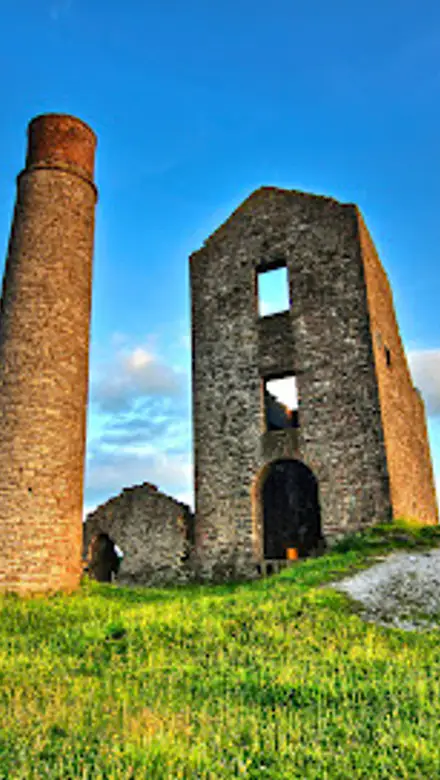
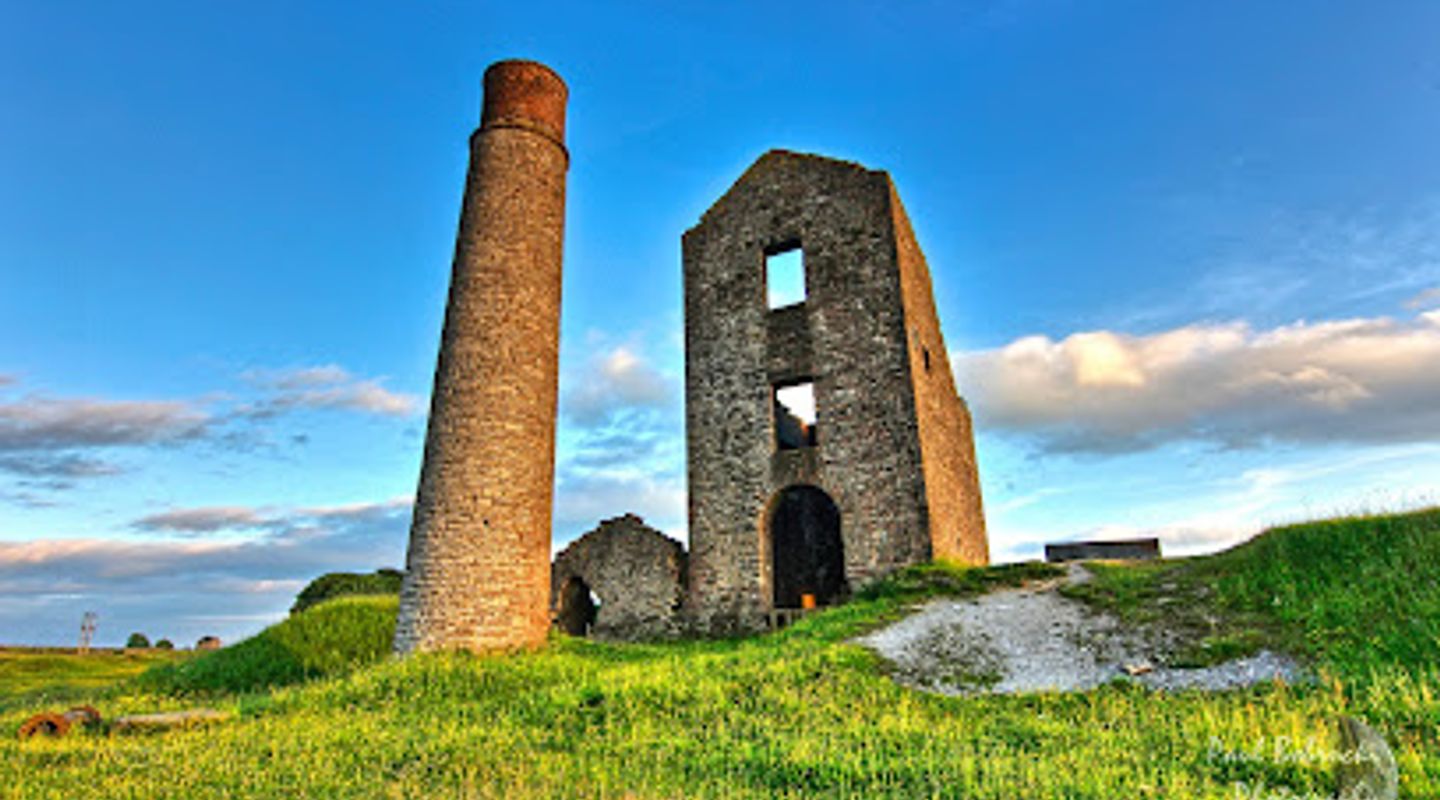
Magpie Mine, situated near the village of Sheldon about 5km west of Bakewell in Derbyshire, stands as one of the UK’s finest surviving examples of a 19th-century lead mine. With origins dating back to at least 1740, the mine operated intermittently for over two centuries, finally closing in 1958 as the last working lead mine in the Derbyshire ore field. The site includes a remarkable collection of limestone buildings and mining infrastructure, such as the restored square chimney and the Cornish engine house, which reflect the technological advancements introduced in the 19th century. The main shaft, sunk to over 200 meters, remains a striking feature marked by its steel headgear and winding cage from the mine’s final operational phase.Historic Conflicts and the Widows’ Curse
Magpie Mine’s history is marked by intense rivalries and tragedies, most famously the violent dispute with neighboring Maypitt Mine in 1833. Miners from both sides competed fiercely over lead veins, resorting to lighting underground fires to smoke each other out. This conflict resulted in the suffocation deaths of three Maypitt miners, leading to a high-profile murder trial in which 24 Magpie miners were accused but ultimately acquitted. The bereaved widows reportedly placed a curse on Magpie Mine, a legend that endures alongside tales of hauntings and misfortune. This curse is often linked to the mine’s financial struggles and accidents that plagued its later years.Engineering Innovations and Mining Techniques
Under the management of renowned Cornish engineer John Taylor from 1839, Magpie Mine saw significant modernization. Taylor introduced innovations such as steel borers, safety hats, iron winding ropes, and a more structured working regime. The installation of powerful steam-driven pumping engines was crucial to combat persistent flooding, a major challenge throughout the mine’s history. The construction of a drainage tunnel (sough) between 1873 and 1881, extending over two kilometers to the River Wye, was a monumental engineering feat that still functions today, discharging millions of gallons of water daily.Atmosphere and Visitor Experience Today
Today, Magpie Mine offers a tranquil yet evocative atmosphere where visitors can walk among well-preserved ruins and appreciate the contrast between the peaceful Peak District landscape and the turbulent industrial past. The site is accessible via public footpaths and open access land, allowing exploration of the mine’s buildings, including the powder house, engine houses, and the replica horse gin. The main shaft is covered by a grille, through which visitors can glimpse the flooded depths below. Wildflowers bloom around the site, softening the rugged industrial remains and enhancing the contemplative mood.Conservation and Cultural Significance
Magpie Mine is a legally protected Scheduled Monument managed by the Peak District Mines Historical Society, which has undertaken extensive restoration efforts, including the 2016 renovation of the square chimney. The site is a vital cultural heritage asset, illustrating the evolution of lead mining technology and the social history of mining communities in Derbyshire. Its stories of innovation, conflict, and resilience continue to captivate historians, industrial archaeologists, and visitors alike.Legacy of the Peak District Lead Mining
The mine is part of a broader landscape shaped by centuries of lead extraction, dating back to Roman times. The Peak District’s unique geology made it a center for lead mining, which profoundly influenced the region’s economy and environment. Magpie Mine encapsulates this legacy, symbolizing both the industrial prowess and the human cost of mining. Its preserved structures and haunting legends invite reflection on the complex relationship between industry, community, and nature in this iconic English landscape.












Your all‑in‑one travel companion app
Explore expert travel guides, compare and book tours, experiences, hotels, and more—all from the palm of your hand. Download now for seamless trip planning wherever your wanderlust takes you.


Explore More of Peak District
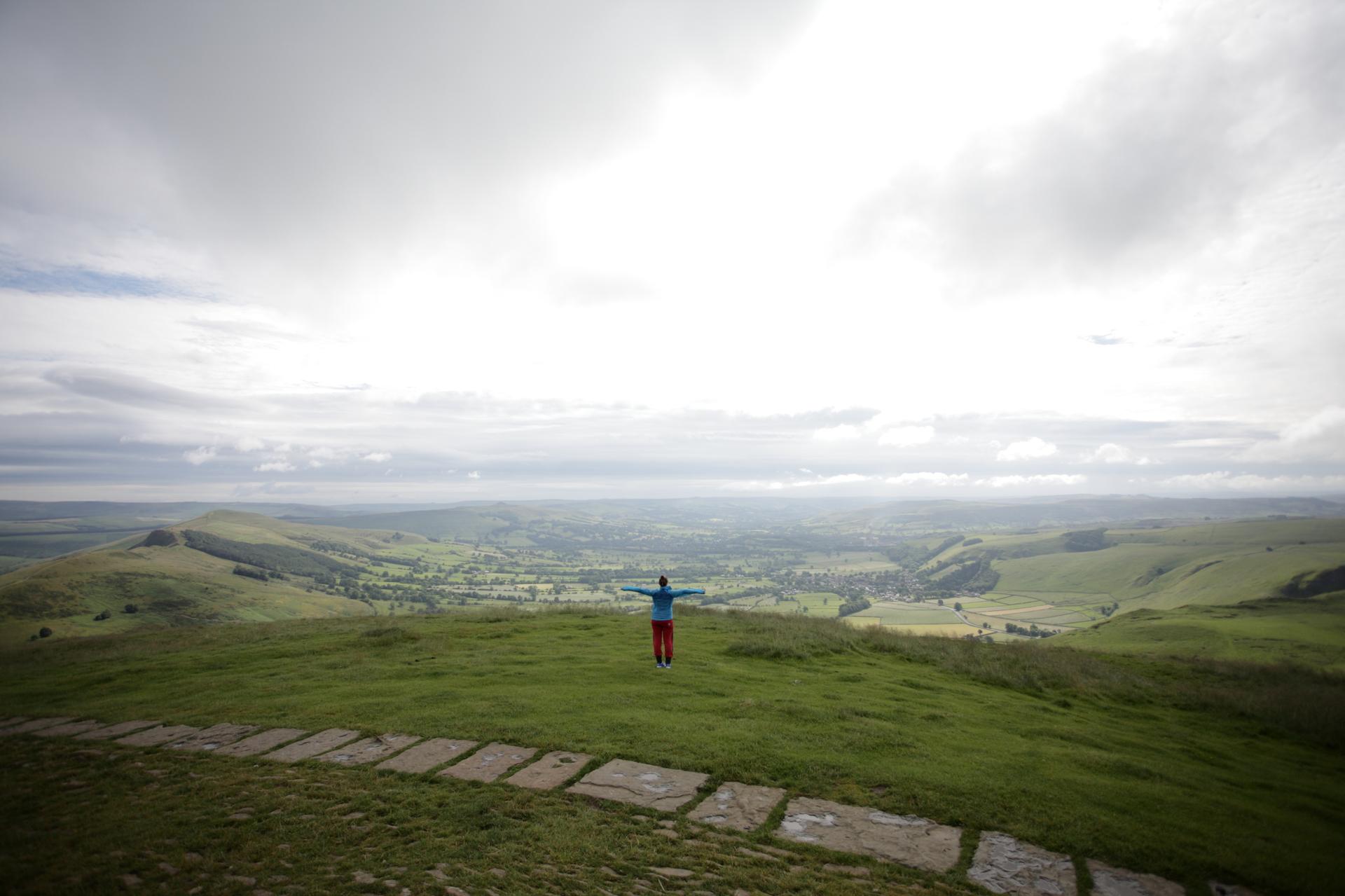
Looking beyond Magpie Mine? Discover Peak District for broader travel guides, local hot-spots, and regional highlights.
Explore Peak District
Award-winning farm shop offering fresh estate-reared produce, artisanal goods, and a seasonal café experience with stunning Chatsworth views.
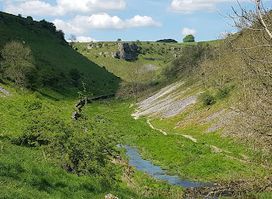
Discover the serene limestone valley of Lathkill Dale, where nature, history, and scenic beauty converge in the heart of the Peak District.