Carl Wark, Sheffield Travel Guide
Free Guide: Explore Carl Wark, an ancient Iron Age hillfort on a rugged Peak District promontory with sweeping moorland views and rich prehistoric heritage.


A brief summary of Carl Wark
Explore Carl Wark, an ancient Iron Age hillfort on a rugged Peak District promontory with sweeping moorland views and rich prehistoric heritage.
Carl Wark is a striking rocky promontory on Hathersage Moor in the Peak District National Park, known for its Iron Age hillfort remains. Surrounded by steep cliffs and protected by a prehistoric embankment, the site offers panoramic views across the moorland and Burbage Valley. Its origins are debated, with evidence suggesting use from the Neolithic through the Early Middle Ages. Today, Carl Wark is a popular destination for walkers seeking history, rugged gritstone landscapes, and sweeping vistas.
On-site amenities
 Restrooms
 Drink options
 Food options
 Seating areas
 Information boards
Opening hours
- Every dayOpen 24 hours
Opening hours as listed on the venue’s Google Business Profile. Hours can change for services and special events, so check with the venue before you go.
- Address
- Sheffield, Hope Valley S11 7TW
- Website
Getting there
Public Bus
Car
Walking
Discover more about Carl Wark
A Natural Fortress Shaped by Time
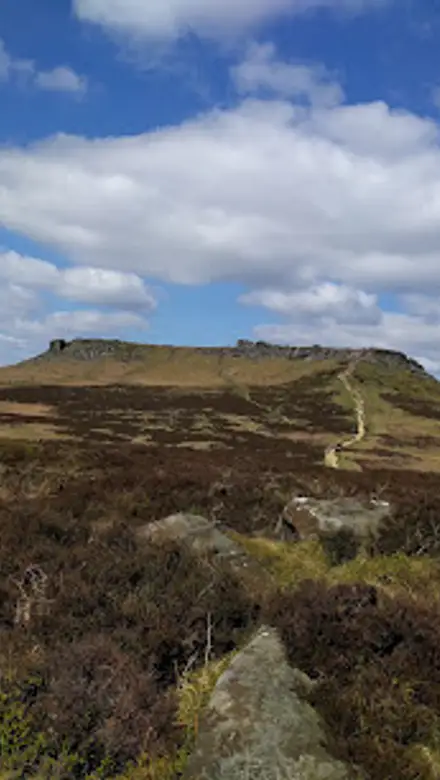
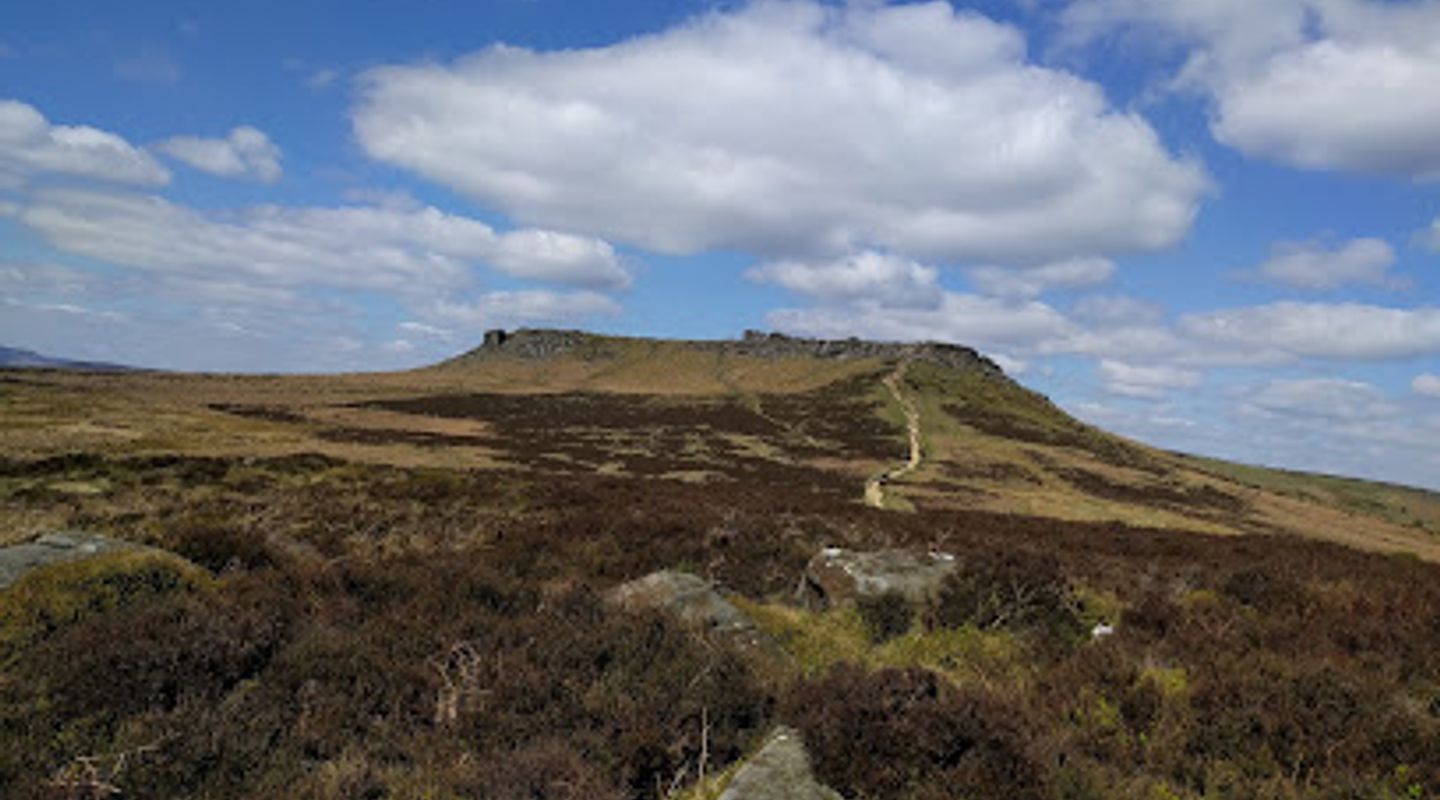
Carl Wark rises prominently on Hathersage Moor, just inside Sheffield’s boundary within the Peak District National Park. This rocky promontory is naturally defended by steep vertical cliffs on nearly all sides, with only one accessible approach protected by a substantial prehistoric embankment. This combination of natural and man-made defenses forms an enclosure widely interpreted as an Iron Age hillfort. The rampart, constructed from stone and turf, creates a dramatic barrier that once served both defensive and possibly ceremonial purposes. The site’s cliff faces are punctuated by a distinctive curved entrance passage, flanked by high stone walls, inviting visitors to imagine the ancient people who once guarded this stronghold.
Layers of History and Mystery
The exact date and purpose of Carl Wark’s ramparts remain uncertain, with scholarly debate spanning from the late Bronze Age through to the Early Middle Ages. Archaeological evidence suggests the site may have been used intermittently from the Neolithic period, evolving through various phases of construction and adaptation. Antiquarians in the 18th and 19th centuries speculated that the fort served sacred or judicial functions, while others proposed it was a refuge or military stronghold against Roman incursions. Excavations in the mid-20th century suggested the ramparts might date to the 5th or 6th centuries CE, possibly linked to post-Roman defensive efforts during the turbulent Dark Ages. The site is also entwined with local legends, including associations with Arthurian knights, adding to its enigmatic allure.
Stunning Moorland Setting and Geological Features
Carl Wark sits amid expansive heather moorland dotted with gritstone outcrops and millstone remnants, relics of historic quarrying activity in the area. The summit offers breathtaking panoramic views across Burbage Valley, Higger Tor, and the wider Peak District landscape. The rugged gritstone formations create a wild, windswept atmosphere that enhances the sense of stepping back into a prehistoric world. Nearby features such as the rock known as Mother Cap and the surrounding moorlands contribute to a rich tapestry of natural and cultural heritage, making the area a magnet for walkers and history enthusiasts alike.
Walking Routes and Visitor Experience
Visitors typically approach Carl Wark via moderate walks from nearby points such as Hathersage or the Longshaw Estate. These routes traverse varied terrain including moorland paths, rocky scrambles, and woodland sections. The walk to Carl Wark is often combined with visits to nearby landmarks like Higger Tor and Burbage Edge, forming rewarding circular routes of around 10 kilometers. The site’s accessibility and the captivating blend of history and landscape make it a favored destination for day-trippers and outdoor adventurers. Visitors are advised to wear sturdy footwear due to uneven and sometimes muddy paths.
Preservation and Cultural Significance
Carl Wark is a scheduled monument, recognized for its archaeological importance and its role within the prehistoric and early historic landscape of the Peak District. Its enigmatic origins and multi-period use reflect the complex human history of the region. The site’s dramatic setting and enduring mystery continue to inspire fascination, connecting modern visitors with the ancient peoples who shaped this remarkable place. Conservation efforts ensure that Carl Wark remains protected for future generations to explore and appreciate.
A Place of Legends and Landscape
Beyond its archaeological significance, Carl Wark is woven into local folklore and myth. Tales of ancient Britons, Celtic warriors, and Arthurian knights enrich the visitor experience, inviting reflection on the stories that landscapes hold. The alignment of nearby features with seasonal sunrises and sunsets hints at ritual significance, while the imposing presence of the hillfort commands respect and awe. Standing atop Carl Wark, surrounded by timeless moorland and stone, visitors can sense the deep connection between nature, history, and legend that defines this extraordinary Peak District landmark.
Evendo Review Centre
 Google
Guest reviews
Best time to go
Quietest: Jan, Feb & Dec · before 6am or at 10pm
Busy times are Evendo estimates for a typical year, to help you plan. Actual crowds vary with events, school holidays and the weather.
Explore Carl Wark on the map
A handpicked selection of must-see spots near Carl Wark, mapped for you.
Get your free copy of our complete guide to Carl Wark, delivered straight to you.
Everything on this page, from opening hours and how to get there to Eve’s tips and the best time to go, in one PDF you can read offline, print or share.
Already have an account? Sign in
Your Carl Wark guide is ready.
We'll send it to · Not you? Sign out

Getting your guide ready…
We are putting together a fresh copy of the Carl Wark guide. This can take up to a minute.
This can take a few moments. If your browser asks, choose Allow so the download can start. You'll find the guide in your Downloads folder.
Nothing happened? Download it again
Sorry, the guide is taking longer than usual. Please try again in a minute, or get it by email instead.
Other nearby places you may find interesting
The closest places of the same kind, if this one is not quite what you had in mind.
-
-
-
-
-


Swipe for more places
More to explore near Carl Wark

 Best experiences near Carl Wark
 Best hotels near Carl Wark
 Best landmarks near Carl Wark
 Best attractions near Carl Wark
 Best shops near Carl Wark
 Best restaurants near Carl Wark
 Best bars near Carl Wark
Do you manage this location?
Take control to get all the benefits, like improved information, better appearance, and stronger visibility across AI-powered discovery.
Explore more

Explore more of Sheffield
Discover Sheffield: A dynamic city where industrial heritage meets abundant green spaces, thriving culture, and culinary delights in the heart of the UK.
Explore Sheffield
Explore more of United Kingdom
Discover the United Kingdom: A blend of rich history, stunning landscapes, and vibrant cities, offering a unique travel experience for every visitor.
Explore United Kingdom