
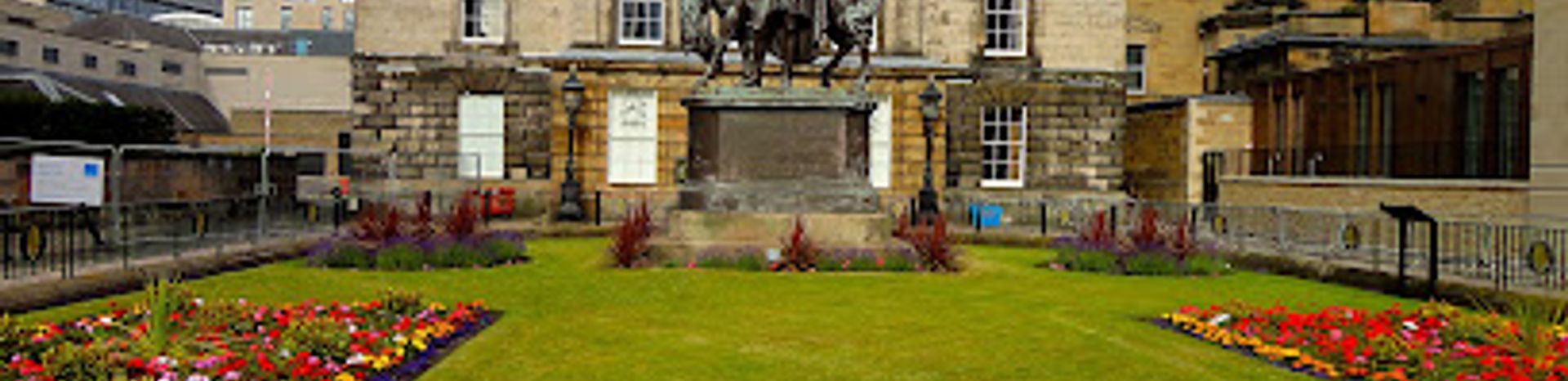
Earl of Hopetoun Statue at St Andrew Square, Edinburgh
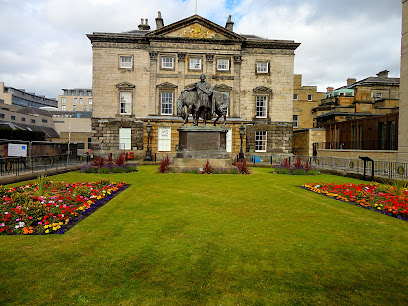
A distinguished bronze statue honoring John Hope, 4th Earl of Hopetoun, set amidst the elegant Georgian surroundings of Edinburgh’s St Andrew Square.
The Earl of Hopetoun Statue, located in the heart of Edinburgh’s St Andrew Square, is a striking bronze tribute to John Hope, the 4th Earl of Hopetoun. Depicted as a Roman consul clad in a toga and accompanied by a horse, the statue commemorates a prominent Scottish politician and British Army general. Positioned in front of Dundas House, the statue enriches the historic and elegant atmosphere of this Georgian square.
A brief summary to Earl of Hopetoun Statue
- 35 St Andrew Square, Edinburgh, EH2 2AD, GB
- Duration: 0.25 to 1 hours
- Free
-
 Outdoor
- Mobile reception: 5 out of 5
Local tips
- Visit during daylight hours to appreciate the statue’s detailed neoclassical features and the surrounding Georgian architecture.
- Combine your visit with a stroll around St Andrew Square’s gardens and nearby landmarks like the Melville Monument and Dundas House.
- Bring a camera to capture the statue’s striking pose and the elegant urban landscape of Edinburgh’s New Town.
- Enjoy a coffee or meal at one of the cafés lining St Andrew Square to soak in the local atmosphere after viewing the statue.

For the on-the-go comforts that matter to you
- Restrooms
- Drink Options
- Food Options
- Seating Areas
- Trash Bins
- Information Boards
Getting There
-
Bus
Take Lothian Buses routes 3, 27, or 34 from central Edinburgh locations to stops near St Andrew Square. Journey times range from 10 to 20 minutes depending on departure point. Buses run frequently throughout the day. Tickets cost approximately £1.80 to £2.50.
-
Tram
Use the Edinburgh Trams service to St Andrew Square tram stop, located adjacent to the square. Trams run every 7–10 minutes with a travel time of about 25 minutes from Edinburgh Airport. A single ticket costs around £6.
-
Walking
From Princes Street, it is a 10–15 minute walk along George Street and Queen Street Gardens to St Andrew Square. The route is paved and accessible, suitable for most visitors.
-
Taxi
Taxis and ride-hailing services are readily available in Edinburgh city center. Travel time to St Andrew Square from central locations is typically under 10 minutes, with fares starting around £5 depending on traffic.
Earl of Hopetoun Statue location weather suitability
-
 Any Weather
-
 Rain / Wet Weather
-
 Clear Skies
-
 Mild Temperatures
Discover more about Earl of Hopetoun Statue
A Tribute to a Scottish Statesman
The Earl of Hopetoun Statue honors John Hope, the 4th Earl of Hopetoun, a notable figure in Scottish political and military history. This bronze statue, commissioned in 1824 and sculpted by Thomas Campbell, portrays Hope in the classical guise of a Roman consul, wearing a toga and standing beside a horse. The statue symbolizes his stature and influence during his lifetime, including his role as Captain General of the Royal Company of Archers, the Sovereign’s bodyguard in Scotland.Placement within Edinburgh’s New Town
Situated prominently in St Andrew Square, the statue stands before Dundas House, the former Royal Bank of Scotland headquarters, linking the monument to the financial and social history of Edinburgh’s New Town. St Andrew Square itself is a key element of James Craig’s 18th-century urban plan, celebrated for its Georgian architecture and elegant public gardens. The square has evolved from a fashionable residential area to a vibrant commercial and cultural hub.Artistic and Historical Context
The statue’s classical style reflects the 19th-century neoclassical tastes prevalent in Edinburgh’s New Town. Its sculptor, Thomas Campbell, was a prominent Scottish artist of the period. The statue was originally placed elsewhere before being relocated to St Andrew Square in 1834, enhancing the square’s collection of monuments that celebrate Scotland’s influential figures. It complements other landmarks nearby, such as the Melville Monument and Dundas House.The Legacy of the Hopetoun Family
The Hope family has deep roots in Scottish history, with Hopetoun House serving as their ancestral seat for over 300 years. The 4th Earl’s legacy extends beyond this statue, including his contributions to military leadership and civic service. The family remains prominent, with ongoing ties to Scottish heritage and ceremonial traditions.St Andrew Square’s Role in Edinburgh Today
Today, St Andrew Square is a bustling center of commerce, culture, and leisure in Edinburgh’s New Town. The statue adds historical depth to the square’s tranquil gardens and neoclassical surroundings. Visitors can appreciate the blend of history and modern urban life, with the statue serving as a focal point that connects the past with the present.Visiting the Statue and Surroundings
The statue is accessible year-round in the public gardens of St Andrew Square. The square offers a peaceful retreat amidst the city’s energy, with nearby cafés, shops, and architectural highlights. The statue’s location provides a rich context for understanding Edinburgh’s political history and artistic heritage through a neoclassical lens.Iconic landmarks you can’t miss

Earl of Hopetoun Statue
0.0 km
A distinguished bronze statue honoring John Hope, 4th Earl of Hopetoun, set amidst the elegant Georgian surroundings of Edinburgh’s St Andrew Square.
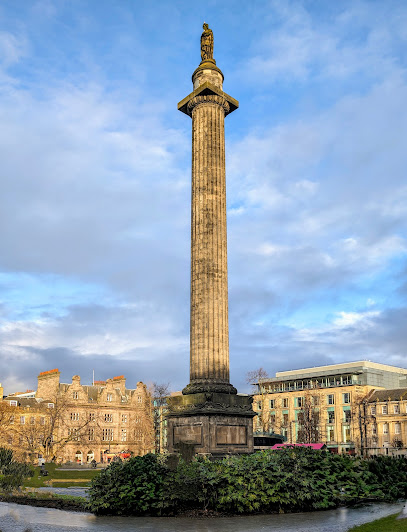
Melville Monument
0.1 km
A towering neoclassical column in Edinburgh’s New Town, commemorating Henry Dundas with rich history and architectural grandeur.
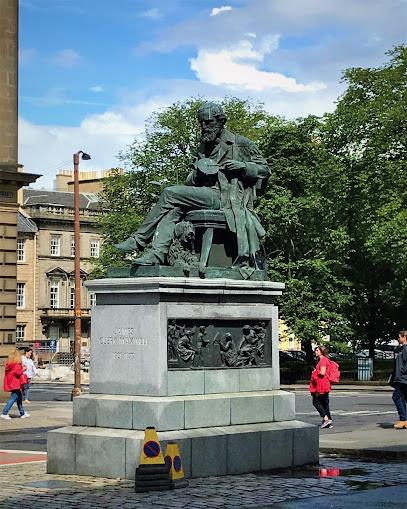
James Clerk Maxwell Statue
0.2 km
Celebrate the legacy of James Clerk Maxwell, the father of modern physics, with this evocative statue in Edinburgh’s historic New Town.
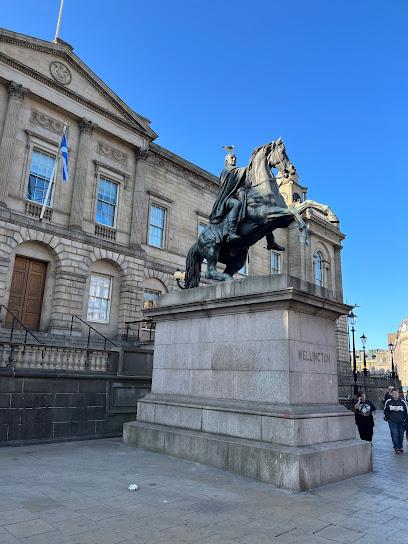
Duke of Wellington Equestrian statue
0.2 km
Historic bronze statue of the Duke of Wellington on horseback, a commanding symbol of British military triumph in the heart of Edinburgh.
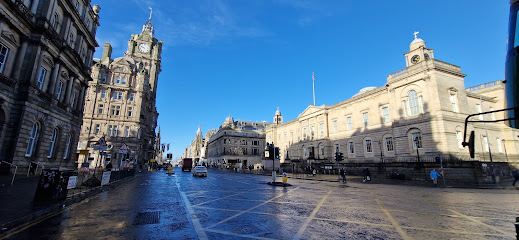
The Centre of Edinburgh
0.2 km
Historic Georgian landmark transformed into a modern, sustainable office hub in the heart of Edinburgh’s vibrant city centre.
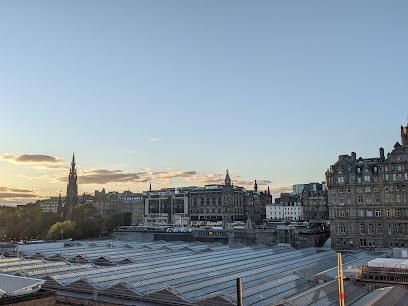
North Bridge
0.4 km
Historic North Bridge links Edinburgh’s Old and New Towns with stunning views and rich cultural heritage.
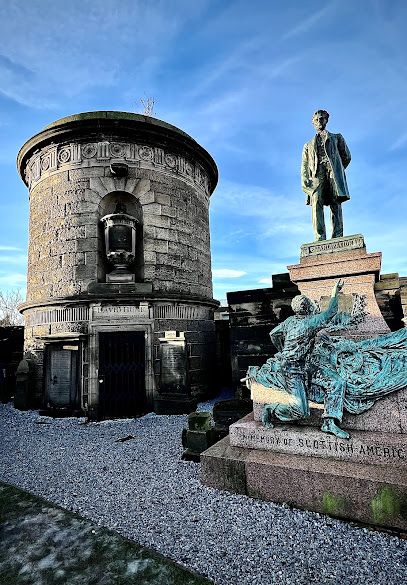
Scottish-American Soldiers Monument
0.4 km
A unique Edinburgh memorial honoring Scottish soldiers who fought in the American Civil War, symbolizing liberty and transatlantic heritage.
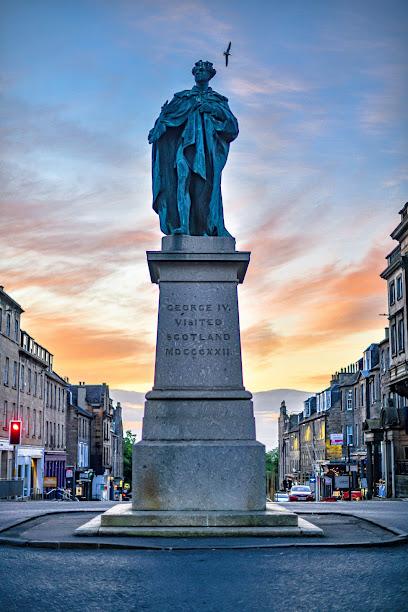
Statue of King George Ⅳ
0.4 km
A regal bronze tribute to King George IV’s historic 1822 visit, standing proudly at Edinburgh’s vibrant Hanover and George Street intersection.
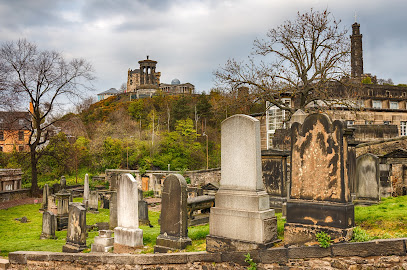
Martyrs of Reform Monument
0.4 km
A towering 27m obelisk in Edinburgh honoring five radical reformists who shaped Britain’s fight for democratic rights in the 18th century.
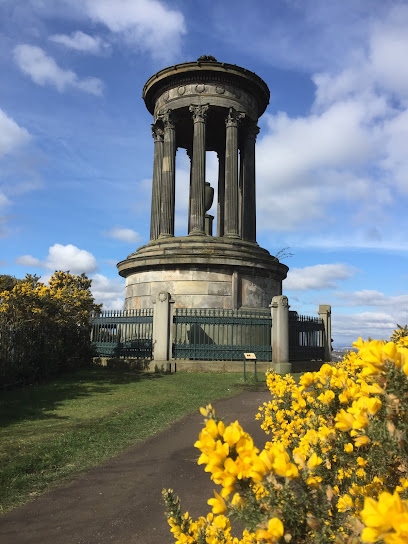
Dugald Stewart Monument
0.4 km
A neoclassical tribute to philosopher Dugald Stewart, offering iconic views over Edinburgh from historic Calton Hill.
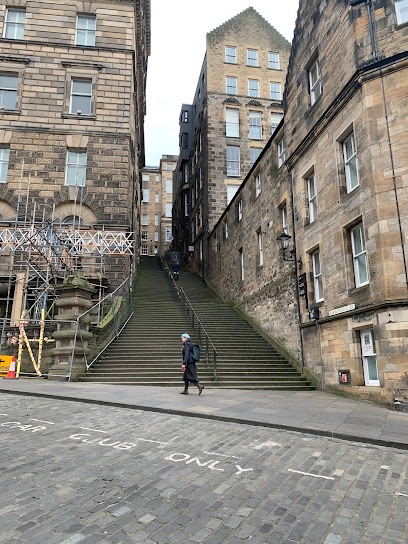
Warriston's Close Stairs
0.5 km
A widening staircase through medieval Edinburgh, where 120 steps transform from narrow lane to grand passage.
Museum Context
0.5 km
Explore a unique selection of Scottish gifts and homewares at Museum Context, Edinburgh's premier souvenir shop celebrating local artisans.
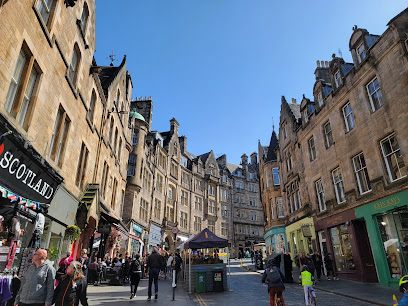
The Mound & Mound Place
0.5 km
Historic artificial slope linking Edinburgh’s Old and New Towns, home to iconic galleries, grand architecture, and vibrant cultural life.
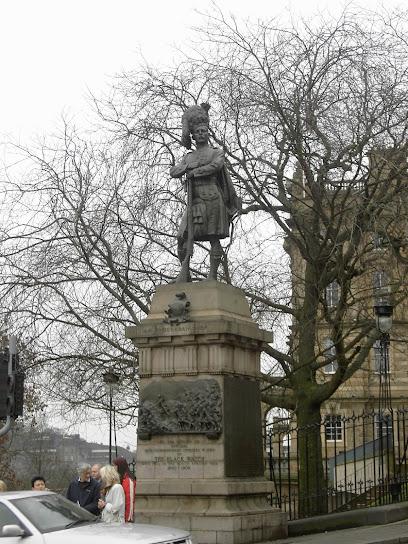
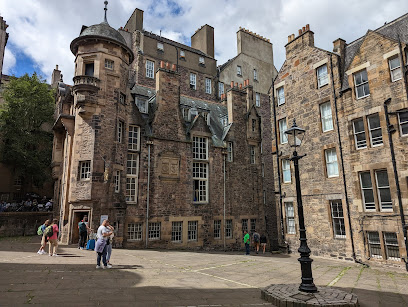
Lady Stair's Close
0.5 km
Discover Lady Stair's Close, a serene historic courtyard in Edinburgh's Old Town, home to the Writers' Museum and Scotland’s literary heritage.
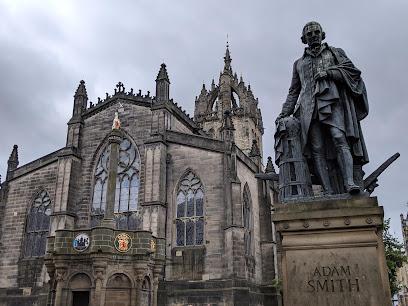
Adam Smith Statue
0.5 km
Bronze tribute to the father of modern economics on Edinburgh's historic Royal Mile.
Unmissable attractions to see

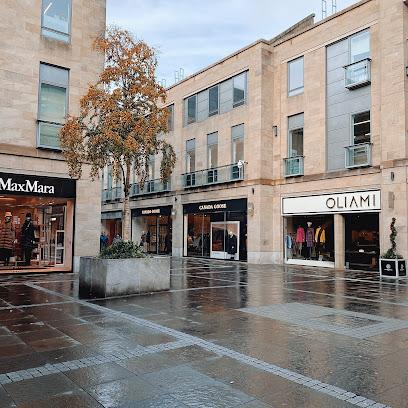
Multrees Walk
0.1 km
Edinburgh’s luxury shopping street, home to Scotland’s only Harvey Nichols, Louis Vuitton, Gucci, and more in a stylish pedestrian precinct.
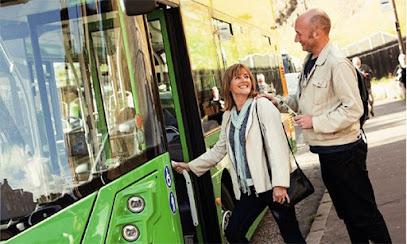
Edinburgh Bus Tours
0.1 km
Discover Edinburgh's rich history and stunning landscapes with convenient and informative bus tours, perfect for every traveler.
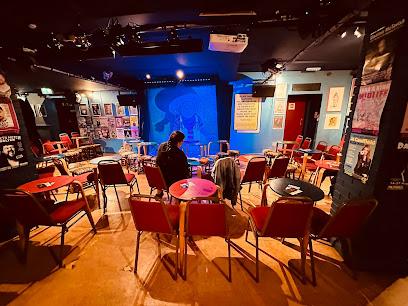
The Stand Comedy Club
0.1 km
Edinburgh’s iconic basement comedy club delivering lively stand-up shows with a warm, intimate atmosphere and a mix of top and emerging talent.
St Andrew Square & George St
0.2 km
Elegant Georgian square in Edinburgh’s New Town, blending historic grandeur, tranquil gardens, and vibrant cultural life.
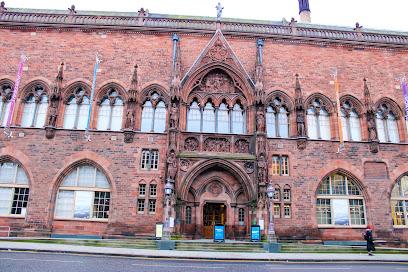
National Galleries of Scotland: Portrait
0.2 km
Discover Scotland’s rich history and culture through captivating portraits in a stunning Neo-Gothic gallery in Edinburgh’s New Town.
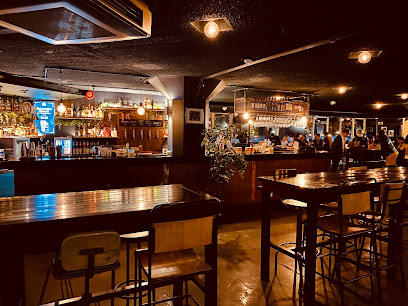
Cask
0.2 km
A lively Princes Street rooftop bar with panoramic Old Town views, Peruvian small plates and cosy heated domes for intimate cityside nights.
Waverley Steps
0.2 km
Waverley Steps: A modern, accessible gateway blending historic charm with panoramic views in Edinburgh’s city center.
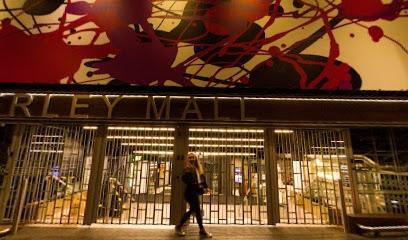
Waverley Market
0.2 km
Edinburgh’s central shopping destination blending historic charm with vibrant retail and dining experiences year-round.
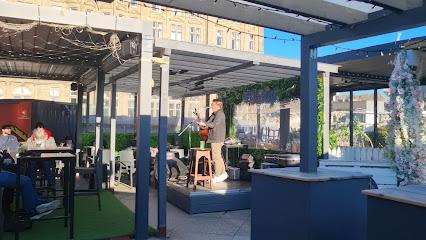
St James Quarter
0.2 km
Edinburgh’s largest retail and leisure district, blending shopping, dining, entertainment, and luxury stays in the city centre.
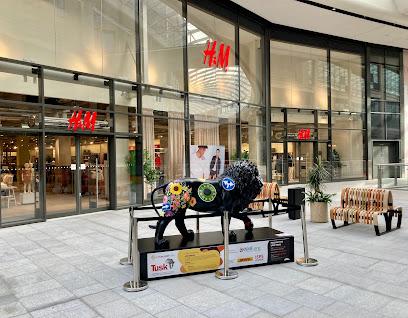
Edinburgh
0.3 km
Step aboard the Royal Yacht Britannia in Edinburgh, a majestic floating palace and iconic symbol of British royal history and maritime heritage.
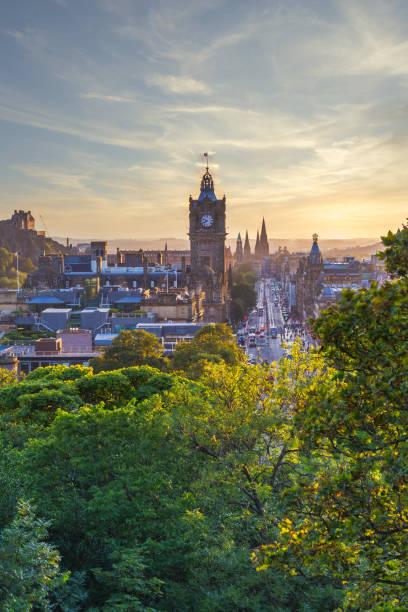
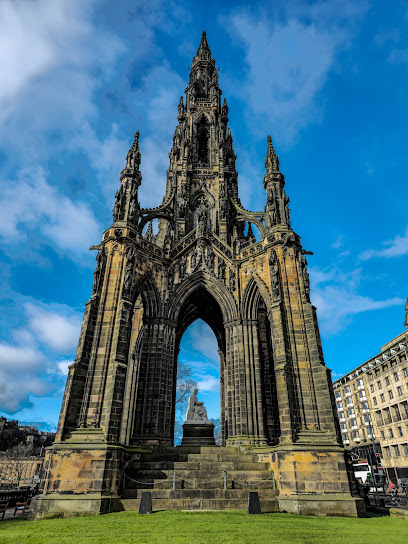
Scott Monument
0.3 km
Discover the stunning Scott Monument in Edinburgh's Princes Street Gardens, a Gothic tribute to Sir Walter Scott with breathtaking city views.
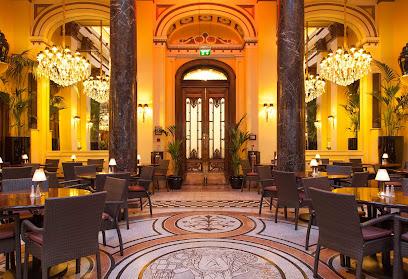
The Dome
0.3 km
Experience the elegance of The Dome in Edinburgh, where exquisite dining, vibrant cocktails, and afternoon tea await in a stunning Georgian setting.
Waterloo Pl
0.3 km
Waterloo Place: historic gateway bridging Edinburgh’s Old and New Towns with Georgian elegance and sweeping city views.
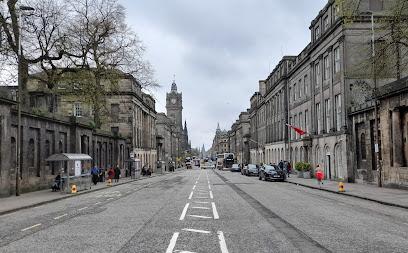
Roxy Lanes Edinburgh Rose Street
0.3 km
A vibrant city centre hotspot offering bowling, games, American-style eats, and lively entertainment on Edinburgh’s Rose Street.

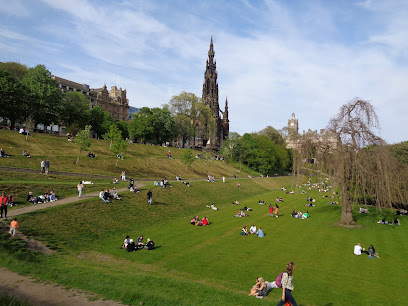
East Princes Street Gardens
0.3 km
A historic and vibrant green oasis in Edinburgh’s heart, offering iconic views, rich heritage, and festive events year-round.
Essential places to dine

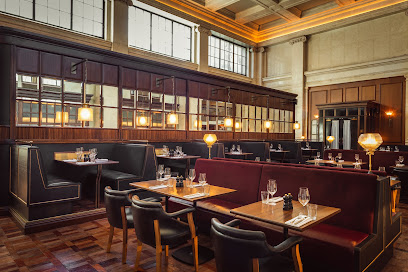
Hawksmoor Edinburgh
0.1 km
A grand art deco steakhouse in Edinburgh’s New Town, serving exceptional grass-fed beef and Scottish seafood in a relaxed yet sophisticated setting.
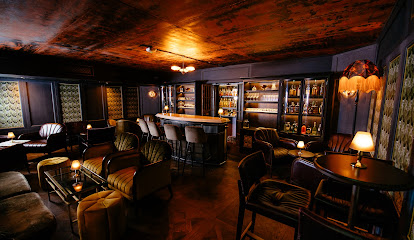
Lady Libertine
0.1 km
A chic Edinburgh hotspot blending inventive cocktails, Mediterranean mezze, and art deco vibes across two stylish floors.
Tattu Edinburgh
0.1 km
Experience modern Chinese cuisine in a stunning setting blending Edinburgh’s historic charm with contemporary elegance.
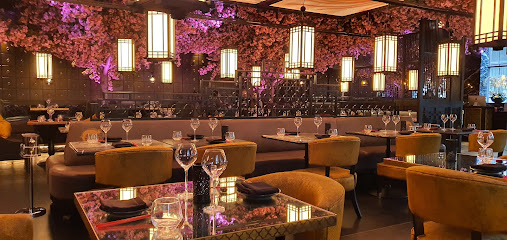
Dishoom Edinburgh
0.1 km
A vibrant Bombay-style café in Edinburgh’s New Town, serving all-day comfort food, bottomless chai and cocktails in a nostalgic, art-deco setting.
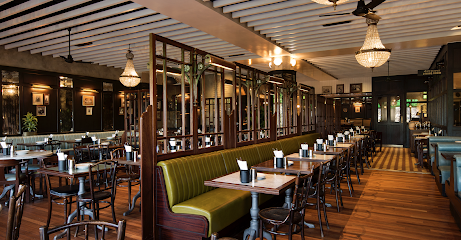
Gaucho Edinburgh
0.1 km
Experience authentic Argentinian steakhouse luxury with premium Pampas beef and elegant ambiance in Edinburgh’s vibrant city center.
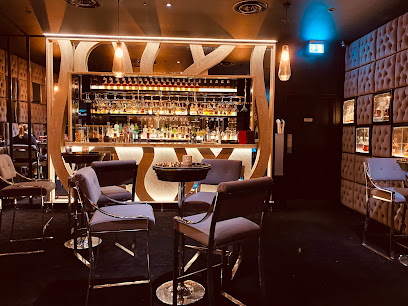
Bread Street Kitchen & Bar - Edinburgh
0.1 km
Experience Gordon Ramsay’s signature British dishes and vibrant bar scene in the heart of Edinburgh’s historic St Andrew Square.
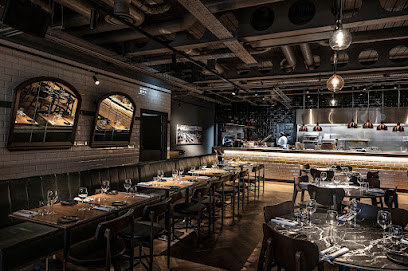
Twenty Princes Street
0.2 km
Experience refined Scottish cuisine with stunning city views at Twenty Princes Street, a stylish dining destination in Edinburgh’s heart.
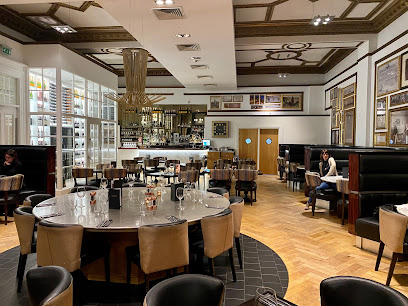
The Ivy On The Square Edinburgh
0.2 km
Elegant British brasserie with Scottish flair, inventive cocktails, and a vibrant atmosphere in Edinburgh’s St Andrew Square.
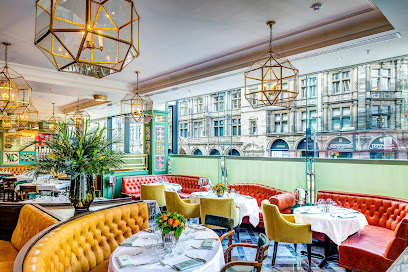
Amarone
0.2 km
Experience authentic Italian flavors and lively ambiance in the heart of Edinburgh’s New Town at Amarone, a bustling Italian restaurant with a rich menu.
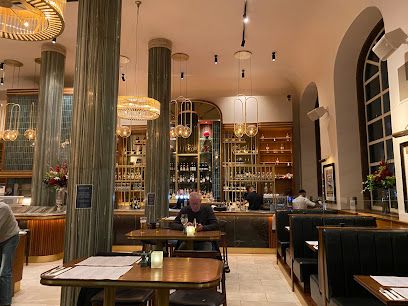
Number One
0.2 km
Experience modern Scottish fine dining with seasonal flair and impeccable service in the iconic Balmoral Hotel, Edinburgh.
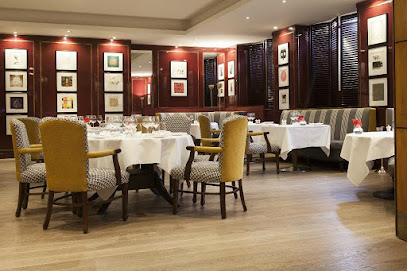
Duck & Waffle
0.2 km
A playful modern British restaurant in Edinburgh’s St James Quarter, famed for its signature duck and waffle and vibrant, Instagrammable atmosphere.
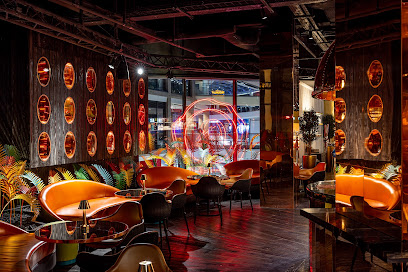
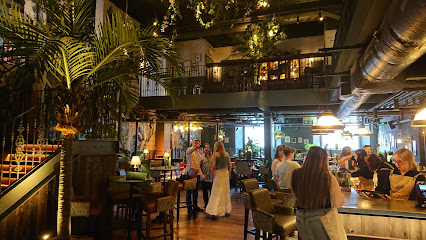
The Botanist Edinburgh
0.2 km
A lush botanical-themed bar and restaurant in Edinburgh’s New Town, offering creative cocktails, hearty British fare, and live music in a vibrant garden setting.
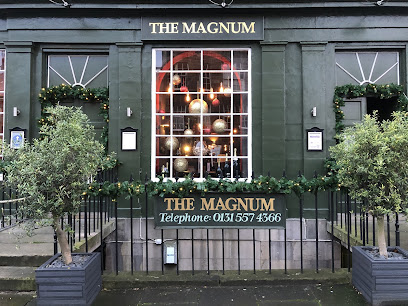
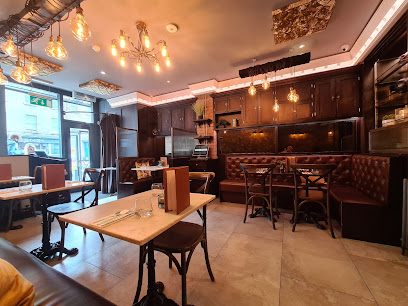
The Magnum
0.3 km
A cozy yet stylish Edinburgh restaurant blending classic Scottish flavors with creative modern cuisine and a lively bar atmosphere.
Six by Nico Edinburgh
0.4 km
Discover Edinburgh’s Six by Nico for innovative six-course tasting menus blending playful flavors and stylish ambiance in the city’s vibrant New Town.
Howies Restaurant
0.4 km
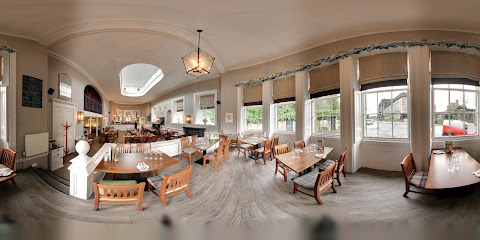
Experience authentic Scottish cuisine in a stunning Georgian dining hall at Howies Waterloo Place, Edinburgh’s beloved local gem.
Markets, malls and hidden boutiques

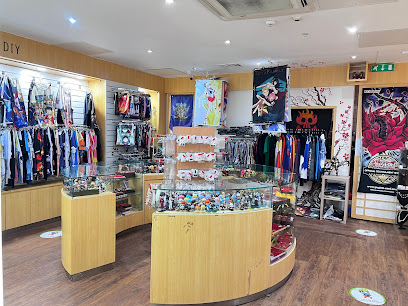
Anime Republic
0.2 km
Edinburgh’s vibrant anime gift shop and community hub offering collectibles, manga, and events for fans of all levels.
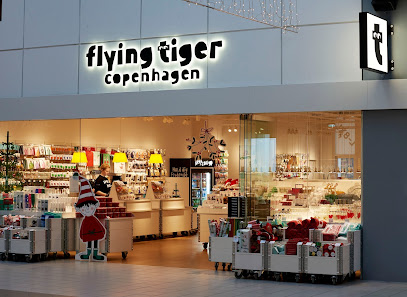
Flying Tiger Copenhagen
0.2 km
Discover quirky, affordable Danish design and everyday essentials in Edinburgh’s vibrant Waverley Mall store.
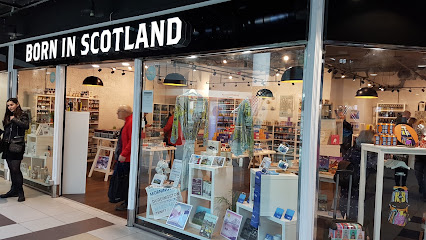
Born In Scotland - Edinburgh Waverly Mall
0.2 km
Authentic Scottish gifts blending tradition and playful modernity in Edinburgh’s Waverly Mall, perfect for meaningful keepsakes and souvenirs.
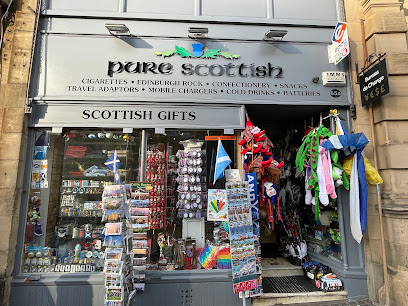
Pure Scottish
0.3 km
Authentic Scottish gifts and crafts in the heart of Edinburgh’s historic North Bridge district.
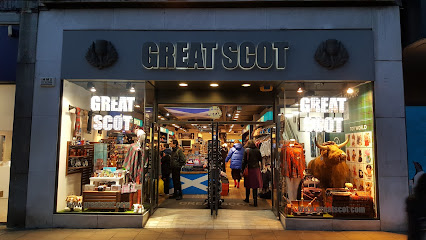
Great Scot
0.4 km
Discover authentic Scottish heritage and craftsmanship at Great Scot, a vibrant gift shop on Edinburgh’s iconic Princes Street.
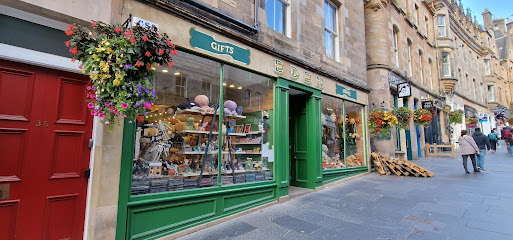
Eden
0.4 km
Discover authentic Scottish crafts and unique gifts in the heart of Edinburgh’s historic Cockburn Street at Eden.
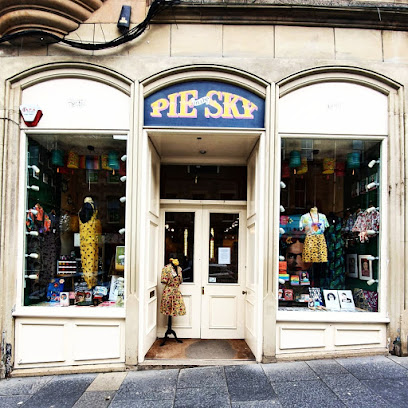
Pie In The Sky Ltd
0.4 km
Discover unique, creative clothing inspired by Scottish culture in the heart of Edinburgh’s historic Old Town.
Curiouser & Curiouser
0.5 km
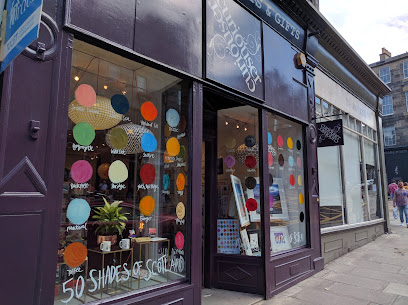
A design-led independent shop in Edinburgh, filled with art, cards, homewares, and unique gifts with a Scandinavian-inspired aesthetic.
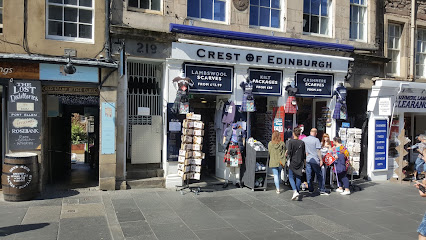
Crest Of Edinburgh
0.5 km
Discover authentic Scottish gifts, kilts, and fashion accessories in the heart of Edinburgh’s historic Royal Mile.
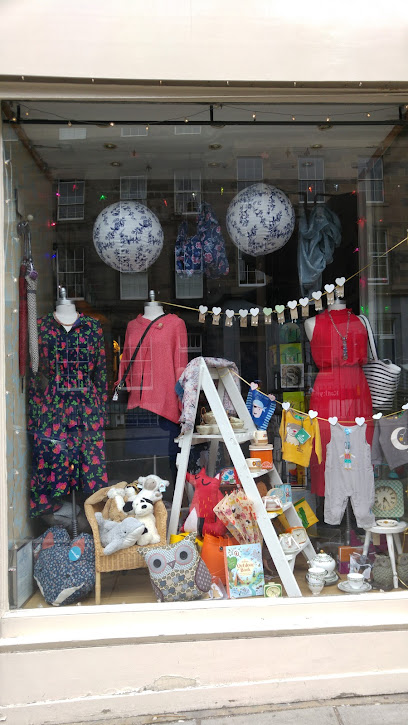
The Dragonfly
0.5 km
Discover unique gifts and local charm at The Dragonfly, a stylish boutique gift shop in Edinburgh’s vibrant Broughton Street.
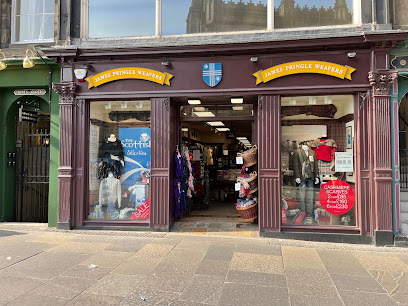
James Pringle Weavers of Inverness
0.5 km
Discover authentic Scottish textiles and menswear steeped in heritage on Edinburgh’s iconic Royal Mile.
I Love Scotland
0.5 km
Discover authentic Scottish gifts and souvenirs at I Love Scotland, a welcoming shop in the heart of Edinburgh’s historic center.
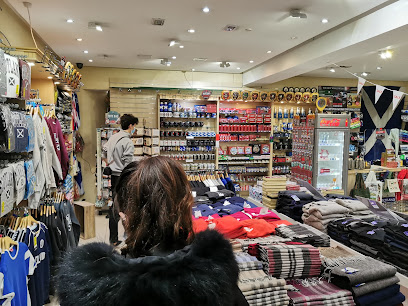
Greyfriars Art
0.5 km
A welcoming art supply haven in Edinburgh’s New Town, fostering creativity with quality materials and expert advice.
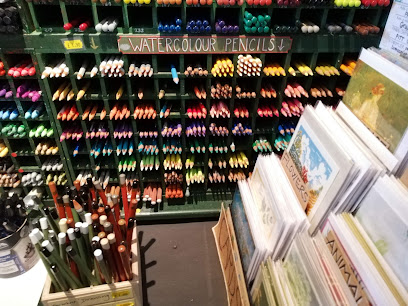
Fringe Shop
0.5 km
Official Edinburgh Festival Fringe Shop on the Royal Mile offering unique festival merchandise and cultural connection year-round.
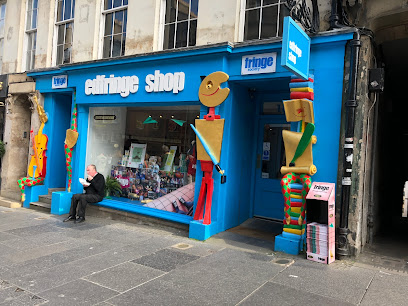
scottish experience cashmere place
0.6 km
Explore the finest cashmere souvenirs at Scottish Experience Cashmere Place, where tradition and quality meet in the heart of Edinburgh.
Essential bars & hidden hideouts

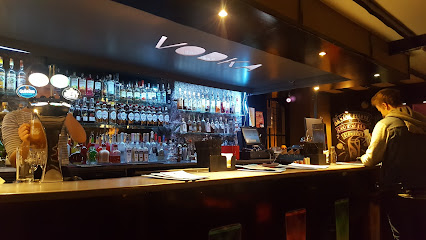
The Voodoo Rooms
0.1 km
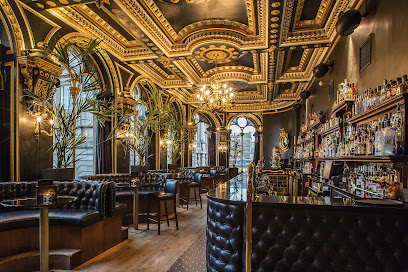
Edinburgh's clandestine Victorian lair of cocktails, cabaret, and live tunes in opulent, hidden chambers.
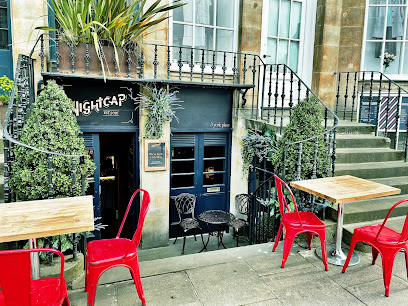
Nightcap
0.2 km
Intimate New Town speakeasy with whisky-led cocktails, reclaimed-wood warmth and attentive, bespoke service for relaxed late-night evenings.
The Alchemist
0.2 km
Theatrical cocktails that smoke and sparkle, inventive global dishes, and an alchemist's lair in Edinburgh's St James Quarter—pure mixology magic awaits.
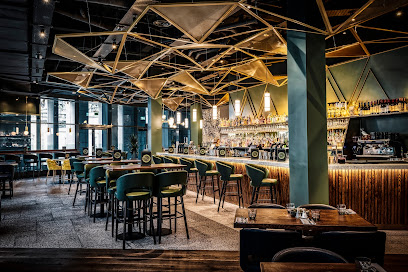
Grand Cru
0.4 km
Edinburgh's cocktail haven on Hanover Street, blending masterful drinks, modern European bites, and seamless day-to-night vibes in the heart of New Town.
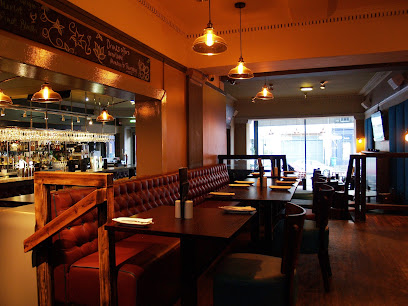
The Street
0.4 km
Casual cocktail bar by day, energetic late-night bar and small club by night — Picardy Place’s go-to spot for social evenings and weekend parties.
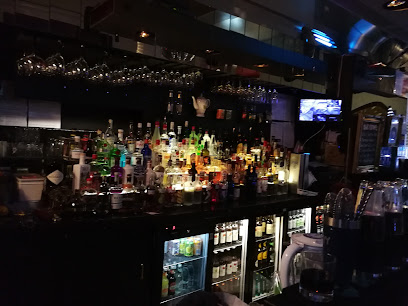
Hoot The Redeemer
0.4 km
A quirky, tarot-themed cocktail bar in Edinburgh offering inventive drinks, playful games, and a lively, intimate atmosphere.
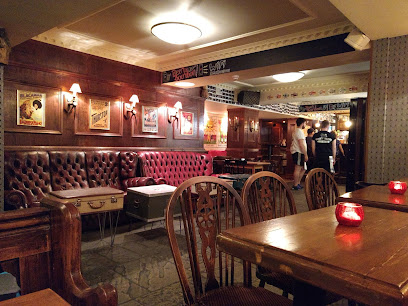
Bramble Bar
0.4 km
Edinburgh's speakeasy legend: masterful cocktails, dim-lit nooks, and beats that linger until 1am in a Queen Street basement hideaway.
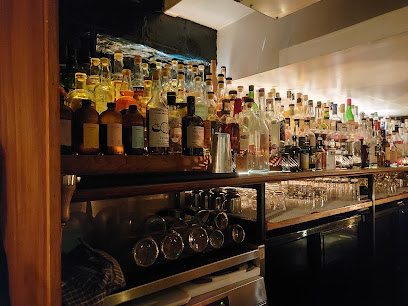
Thistle Street Bar
0.5 km
A cozy and authentic Scottish bar in Edinburgh’s Old Town, famed for superb ales, live traditional music, and warm local hospitality.
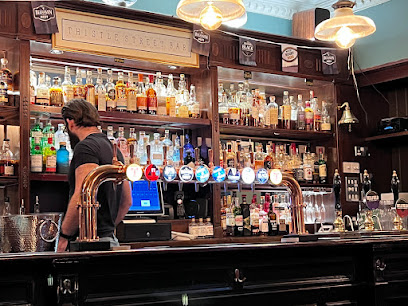
Arcade Bar Haggis & Whisky House, celebrating 20 years of serving The Best Haggis in Town!
0.5 km
Cozy Edinburgh bar serving renowned haggis and over 100 whiskies in a warm, traditional Scottish setting with hearty portions and friendly vibes.
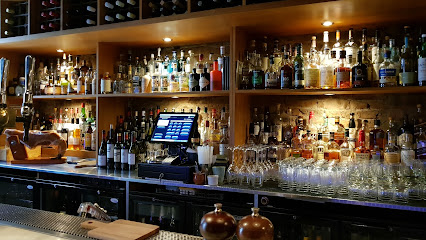
The Bon Vivant
0.5 km
Candlelit bistro haven on Thistle Street, pouring award-winning cocktails and serving local Scottish fare with French finesse since 2008.
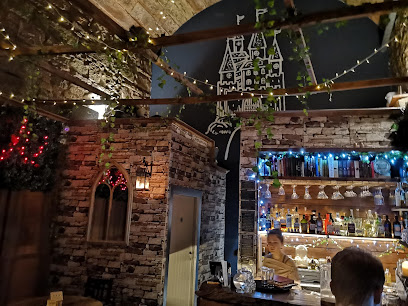
The Cocktail Geeks
0.5 km
Edinburgh's arch-hidden gem for themed cocktails, geeky immersions, and masterful mixology in a cozy, ever-changing vault.
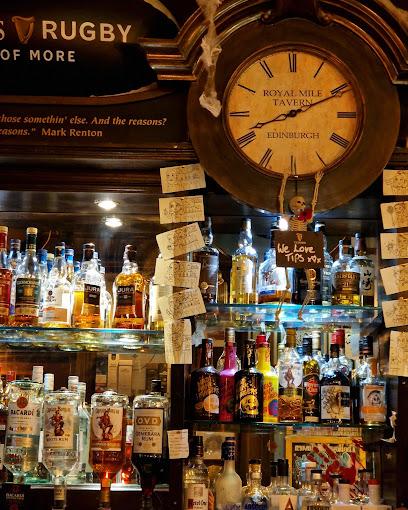
Royal Mile Tavern
0.5 km
Traditional Scottish pub on Edinburgh’s historic Royal Mile with over 100 whiskies, hearty fare, and nightly live music until 1am.
Copper Still
0.5 km
Cozy Royal Mile retreat dishing fresh Scottish eats and drams amid buskers and historic vibes – from breakfast brekkie to late-night cocktails.
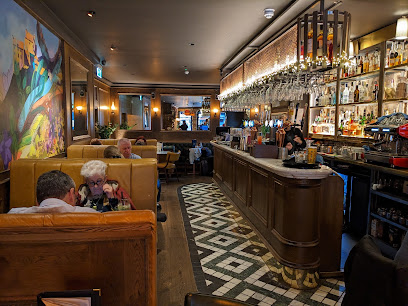
Whiski Bar & Restaurant
0.6 km
A cosy Royal Mile whisky bar with 300+ Scotch malts, hearty Scottish food and nightly live music in Edinburgh’s Old Town.
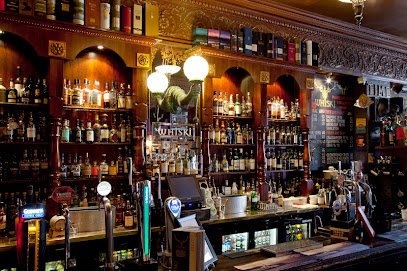
Deacon Brodies Tavern
0.6 km
Historic Royal Mile pub channeling Deacon Brodie's Jekyll-and-Hyde legacy with cask ales, hearty pies, and Old Town buzz—perfect for ale lovers and tale seekers.
Nightclubs & after hour spots

Why Not Nightclub
0.3 km
Edinburgh's multi-award-winning late-night haven with LED immersion, garden vibes, and non-stop beats on George Street.
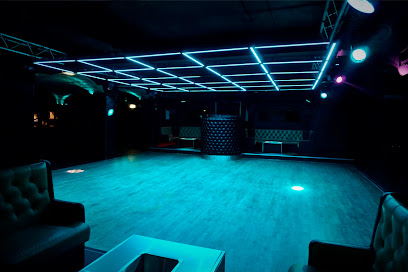
Shanghai Nightclub
0.3 km
Edinburgh's Oriental nightlife den: Asian decor, themed beats, VIP vibes, and non-stop energy on George Street.
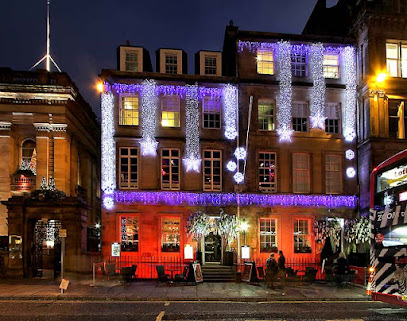
El Barrio Latino
0.4 km
Edinburgh's sizzling Latin nightclub where salsa beats pulse through New Town nights, drawing dancers to its vibrant Hanover Street heart until the early hours.
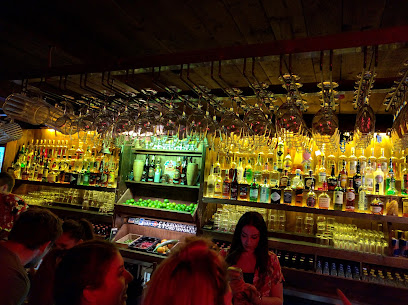
Garibaldi's
0.4 km
Edinburgh's tiniest nightclub packs the biggest late-night punch on Hanover Street, with killer margaritas and a dance floor that never quits till 3am.
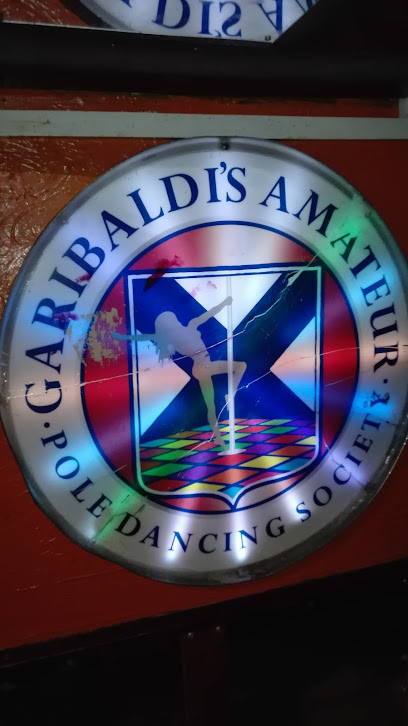
Opal Lounge
0.5 km
A stylish live music bar and nightclub in Edinburgh’s New Town, perfect for celebrations and vibrant nightlife.
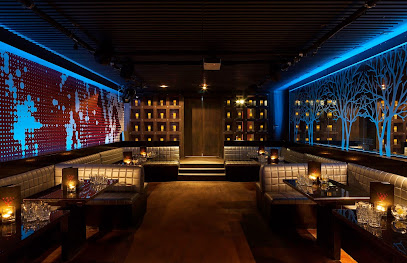
The Hive Nightclub & Venue
0.6 km
Edinburgh's gritty Cowgate nightclub: cheap drinks, multi-room beats, and non-stop energy until 3am in the heart of Old Town.
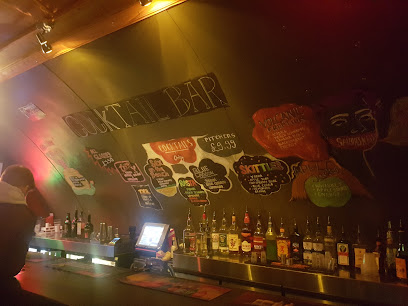
The Liquid Room
0.7 km
Edinburgh's multi-level nightlife gem: techno thumps, live gigs, and warehouse vibes on historic Victoria Street.
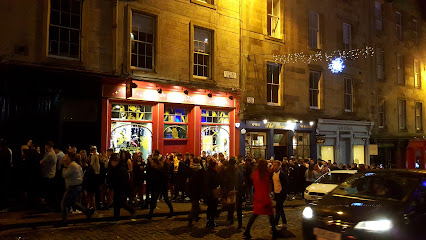
Cabaret Voltaire
0.7 km
Vaulted live-music rooms and a relaxed upstairs bar—Cabaret Voltaire is Edinburgh’s atmospheric hub for alternative gigs and late-night clubbing.
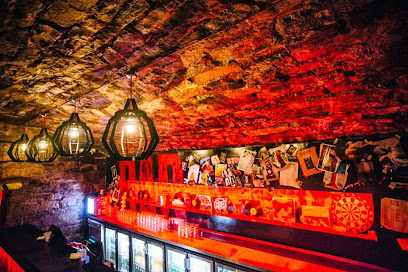
The Shack Retro Bar & Club
0.7 km
Edinburgh's retro dance den blasting 60s-90s hits amid quirky decor and sweaty dance floors—pure nostalgic escapism on Rose Street.
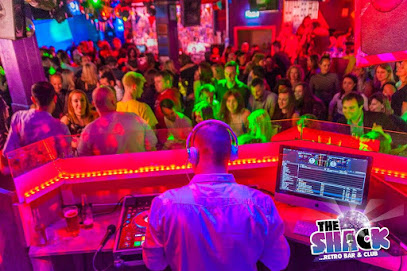
Sneaky Pete's
0.7 km
Intimate live music and club nights in Edinburgh’s Old Town, where emerging talent meets vibrant nightlife.
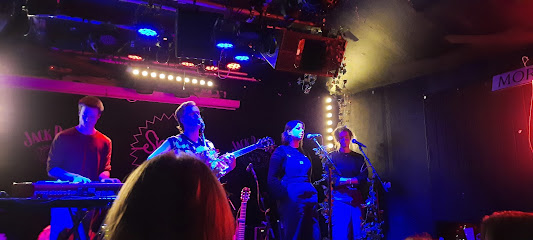
Legends
0.7 km
Edinburgh’s only 24/7 rock nightclub, Legends pulses with raw energy and live alternative music in the heart of Cowgate.
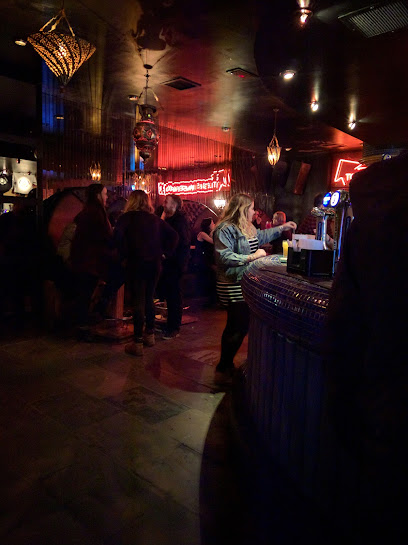
The Bongo Club
0.7 km
Edinburgh’s underground hotspot blending eclectic music, live art, and a vibrant late-night scene in the historic Old Town.

La Belle Angele
0.7 km
Edinburgh’s intimate nightclub and live music venue blending historic charm with vibrant themed nights and diverse performances.
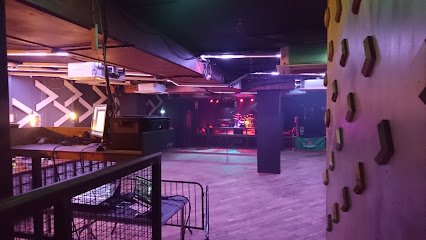
The Mash House
0.7 km
A vibrant Edinburgh nightclub and live music venue blending folk, electronic, and techno in a lively, casual setting.

Lulu Bar and Nightclub
0.9 km
Edinburgh's George Street gem: chic cocktails, thumping beats, and dance floors that ignite the night in upscale style.
For the vibe & atmosphere seeker
- Relaxing
- Tranquil
- Scenic
- Unique
- Casual
For the design and aesthetic lover
- Vintage Styles
- Art Deco Styles
For the architecture buff
- Historic
- Landmarks
- Parks & Gardens
- Heritage Neighborhoods
For the view chaser and sunset hunter
- Iconic Views
- Panoramas
For the social media creator & influencer
- Instagrammable
- Photo Spots
- Selfie Spots
- Architectural Shots
For the eco-conscious traveler
- Public-Transport Accessible
- Locally Managed
For the kind of experience you’re after
- Cultural Heritage
- Photowalk
- Day Trip
- Weekend Getaway
For how adventurous you want the journey to be
- Easy Access
Location Audience
- Family Friendly
- Senior Friendly
- Child Friendly
- Teen Friendly
- Wheelchair Access
- Solo Friendly
- Couple Friendly
- Solo Female Friendly


