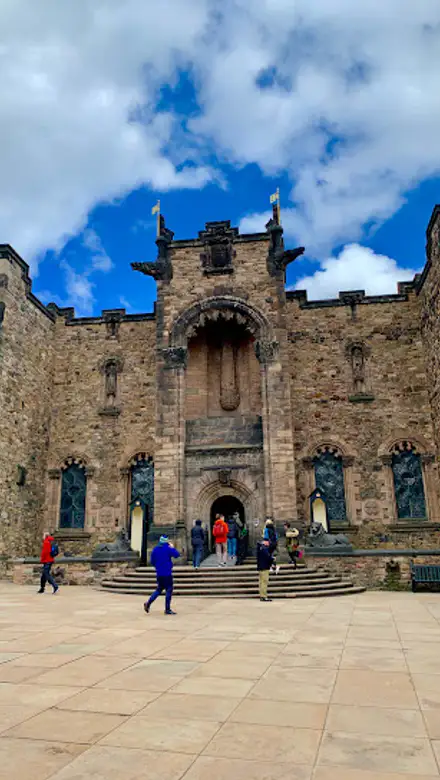
The Witches Well Travel Guide
Free Guide: A poignant cast iron memorial near Edinburgh Castle honoring the victims of Scotland’s historic witch hunts and their tragic legacy.


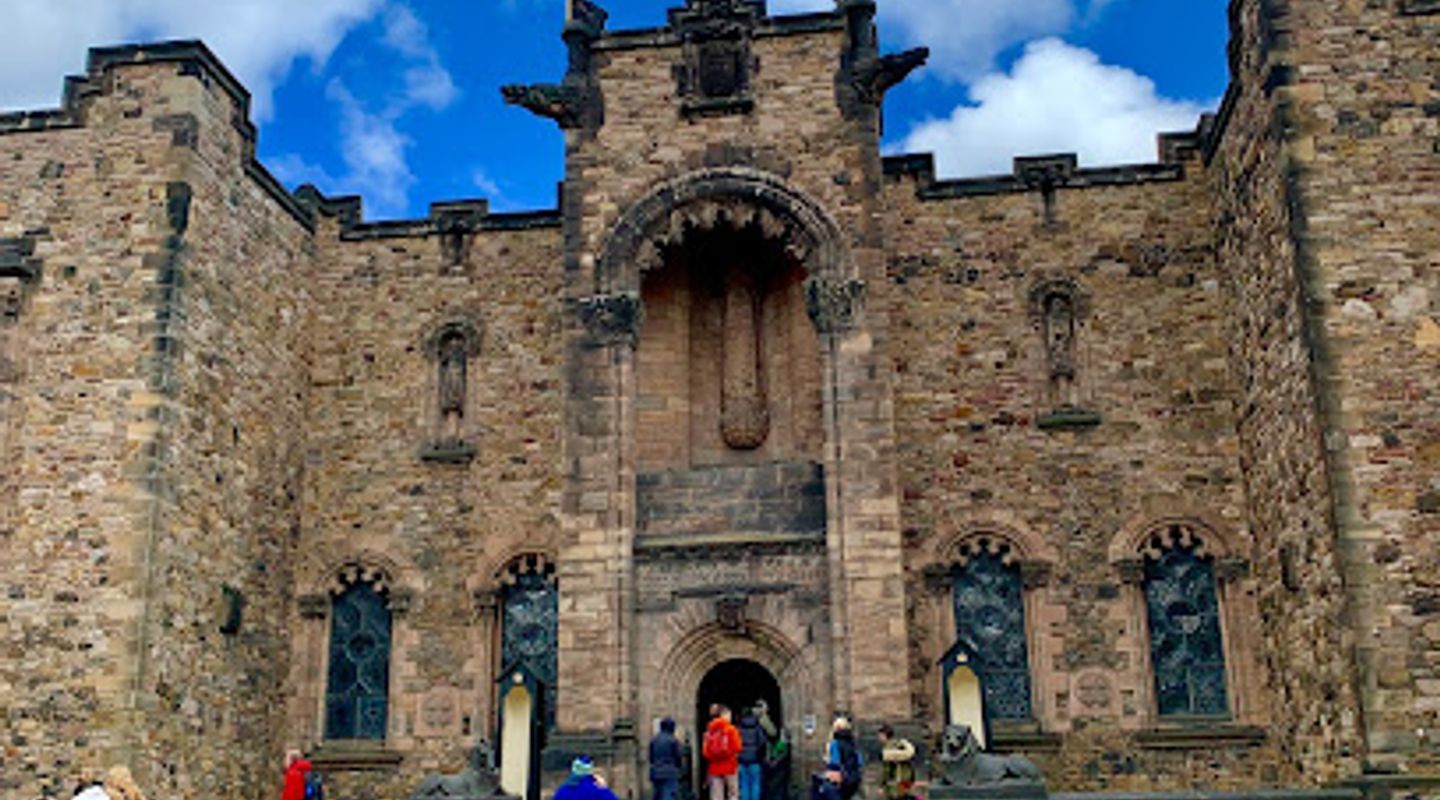
A brief summary of The Witches Well
A poignant cast iron memorial near Edinburgh Castle honoring the victims of Scotland’s historic witch hunts and their tragic legacy.
The Witches' Well is a cast iron memorial fountain located near Edinburgh Castle, commemorating the Scottish people, mostly women, accused of witchcraft and executed between the 15th and 18th centuries. Designed in 1894 by artist John Duncan and commissioned by Sir Patrick Geddes, it features symbolic carvings representing the dual nature of knowledge and the tragic history of witch hunts in Scotland. The site is a poignant reminder of a dark chapter in Scottish history, often overlooked amidst the bustle of the Royal Mile.
On-site amenities
 Information boards
 Seating areas
 Trash bins
Opening hours
- Every day10 am–6 pm
Opening hours as listed on the venue’s Google Business Profile. Hours can change for services and special events, so check with the venue before you go.
- Address
- Edinburgh EH1 2ND
Getting there
Bus
Walking
Taxi
Discover more about The Witches Well
A Somber Tribute Amidst Edinburgh's Historic Landscape
Nestled on the wall of the Tartan Weaving Mill building facing the esplanade of Edinburgh Castle, The Witches' Well is a modest yet profoundly significant monument. Commissioned in 1894 by philanthropist Sir Patrick Geddes and designed by his friend, artist John Duncan, this cast iron drinking fountain honors the thousands of people accused of witchcraft in Scotland, most of whom were women. It stands near the actual site where many accused witches were burned at the stake or hanged during the brutal witch hunts that spanned from the late 15th century to the early 18th century.
The Dark History of Witch Hunts in Scotland
Between 1479 and 1722, Scotland endured some of the most intense witch persecutions in Europe, with over 3,800 people tried and many executed. King James VI, who later became James I of Great Britain, was a key figure in fueling the witch hunts, driven by his belief that witchcraft was linked to Satanism and responsible for misfortunes such as storms that threatened his royal voyages. The accused were often marginalized individuals—herbalists, the mentally ill, or those caught in personal vendettas—who were subjected to horrific trials and executions. The Witches' Well commemorates this tragic history and the injustice suffered by those who were denied fair trials.
Symbolism and Artistic Details of the Monument
The fountain’s intricate bronze reliefs embody a dualistic theme of good versus evil. Central to the design is a serpent coiled around the heads of Hygeia, the Greek goddess of health, and her father Aesculapius, god of medicine, symbolizing wisdom and healing contrasted with malevolence. The fountain also features carvings of the foxglove plant, known for its medicinal and poisonous properties, and the Evil Eye, representing protection and misfortune. Roman numerals on the monument mark the years 1479 and 1722, highlighting the period of the most intense witch persecutions. Though once a functioning water spout beneath the serpent’s head, it is now dry, with the trough often adorned with flowers.
A Hidden Memorial in a Bustling City
Despite its historical importance, The Witches' Well is easy to overlook, tucked away beside the busy Royal Mile and overshadowed by the imposing Edinburgh Castle. Visitors drawn to the castle’s grandeur often miss this quiet memorial, which requires a deliberate moment of attention to appreciate its significance. Above the fountain, a bronze plaque installed in 1912 explains the symbolism and commemorates the victims. The monument serves as a solemn reminder of the dangers of superstition and mass hysteria, inviting reflection on past injustices.
Legacy and Contemporary Significance
The Witches' Well remains the only monument of its kind in Edinburgh, standing as a testament to the victims of witch hunts in Scotland. It also reflects the artistic and cultural revival of Celtic motifs in the late 19th century through John Duncan’s design. While there are plans to erect newer monuments to honor these victims, The Witches' Well continues to hold a unique place in Edinburgh’s historical landscape. It encourages visitors to remember a painful chapter in history and the human cost of fear and persecution.
Context Within Edinburgh’s Rich Heritage
Situated near other historic landmarks like the Tartan Weaving Mill and the Castle Esplanade, The Witches' Well forms part of a broader narrative of Edinburgh’s past, blending art, history, and memory. It complements the city’s storytelling of its medieval and early modern eras, offering a poignant counterpoint to the tales of royalty and battles. The monument’s presence enriches the cultural tapestry of Edinburgh, inviting visitors to explore beyond the obvious and engage with the city’s complex history.
Evendo Review Centre
 Google
Guest reviews
Best time to go
Quietest: Jan, Feb & Mar · before 6am or at 9pm
Busy times are Evendo estimates for a typical year, to help you plan. Actual crowds vary with events, school holidays and the weather.
Explore The Witches Well on the map
A handpicked selection of must-see spots near The Witches Well, mapped for you.
Get your free copy of our complete guide to The Witches Well, delivered straight to you.
Everything on this page, from opening hours and how to get there to Eve’s tips and the best time to go, in one PDF you can read offline, print or share.
Already have an account? Sign in
Your The Witches Well guide is ready.
We'll send it to · Not you? Sign out

Getting your guide ready…
We are putting together a fresh copy of the The Witches Well guide. This can take up to a minute.
This can take a few moments. If your browser asks, choose Allow so the download can start. You'll find the guide in your Downloads folder.
Nothing happened? Download it again
Sorry, the guide is taking longer than usual. Please try again in a minute, or get it by email instead.
Unlock the best of The Witches Well
Skip-the-line tickets, guided tours with entry, and walking tours of the area, booked in a few clicks.
 Tour with entry
Royal Mile, Edinburgh Walking Tour with Audioguide
from $10.65 Tour with entry
Edinburgh: Witches & Haunted History Walking Tour
from $22.70 Tour with entry
Edinburgh History and Photography Tour of the Royal Mile
from $25.22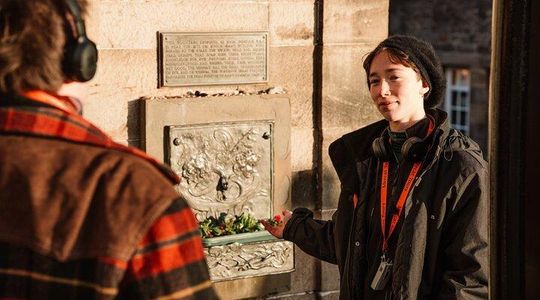 Tour with entry
Multi-Sensory Witches Trials & Truth Tour in Edinburgh
from $39.37


Other nearby places you may find interesting
The closest places of the same kind, if this one is not quite what you had in mind.
-
-
-
-
-


Swipe for more places
More to explore near The Witches Well

 Best experiences near The Witches Well
 Best hotels near The Witches Well
 Best landmarks near The Witches Well
 Best attractions near The Witches Well
 Best shops near The Witches Well
 Best restaurants near The Witches Well
 Best bars near The Witches Well
Do you manage this location?
Take control to get all the benefits, like improved information, better appearance, and stronger visibility across AI-powered discovery.
Explore more
Explore more of Midlothian
Discover Midlothian, Scotland's hidden gem, where history, nature, and culture blend seamlessly to offer a unique travel experience.
Explore Midlothian
Explore more of United Kingdom
Discover the United Kingdom: A blend of rich history, stunning landscapes, and vibrant cities, offering a unique travel experience for every visitor.
Explore United Kingdom