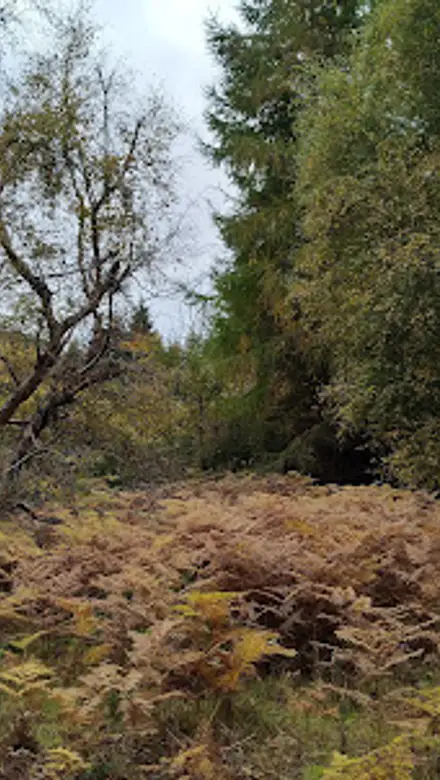
Maiden Castle Travel Guide
Free Guide: Explore the subtle earthworks and ancient mysteries of Maiden Castle, a prehistoric fortification nestled in the scenic Midlothian landscape.


A brief summary of Maiden Castle
Explore the subtle earthworks and ancient mysteries of Maiden Castle, a prehistoric fortification nestled in the scenic Midlothian landscape.
Maiden Castle in Lasswade, Midlothian, is a historic earthwork site likely dating from the late Bronze Age or Iron Age, featuring two low mounds separated by a ditch. Unlike the famous Dorset hillfort of the same name, this Scottish Maiden Castle is smaller and thought to be a defensive promontory fortification, possibly a motte and bailey or ceremonial site, with origins between 1000 BC and 200 AD. Today, only subtle earthworks remain, offering a glimpse into Scotland’s prehistoric past.
On-site amenities
 Information boards
- Address
- Lasswade EH20 9DB
- Website
Getting there
Car
Bus
Walking
Discover more about Maiden Castle
Ancient Origins and Archaeological Mystery
Maiden Castle in Lasswade is believed to have been occupied during the late Bronze Age or Iron Age, approximately between 1000 BC and 200 AD. The site consists primarily of two low earth mounds with an intervening ditch, situated on a promontory formed by a sharp meander of the River North Esk. Unlike larger and more famous hillforts, this Maiden Castle’s remains are subtle, and its precise function remains uncertain. Archaeologists debate whether it was a defensive fortification, a ceremonial enclosure, or even intermittently occupied, as no definitive structures survive above ground.
Debate Over Motte and Bailey Classification
Some sources suggest Maiden Castle may have been a motte and bailey, a type of Norman fortification introduced after the 11th century. However, this theory is contested because motte and bailey castles are rare in the Lothians region, where local lords often built stone castles instead. The earthworks at Maiden Castle do not clearly match typical motte and bailey features, and no bailey remains have been identified. The site’s origins likely predate Norman influence, making it more probable that Maiden Castle was an earlier hillfort or ceremonial site rather than a medieval castle.
Geographical Setting and Strategic Importance
The site’s location on a river promontory provided natural defensive advantages, with steep slopes on several sides and a man-made ditch cutting off access. This strategic positioning would have made it a stronghold or gathering place in prehistoric times. The surrounding landscape of Midlothian includes many ancient sites, indicating a rich cultural and tribal history. Maiden Castle’s earthworks, though modest today, hint at a community that valued defense and territorial control.
Legacy and Preservation
Today, Maiden Castle is a protected archaeological site within Midlothian. The visible earthworks offer visitors a chance to connect with Scotland’s distant past, though the site is quiet and understated compared to larger hillforts elsewhere. Its enigmatic nature invites reflection on the lives of early inhabitants and the evolving use of the landscape over millennia. Preservation efforts focus on maintaining the earthworks and preventing damage from modern development.
Historical Context Within the Region
Midlothian and East Lothian are home to numerous ancient sites, and Maiden Castle fits into this broader prehistoric landscape. Unlike the famous Maiden Castle in Dorset, England, which is a vast Iron Age hillfort, the Scottish Maiden Castle is smaller and less understood. Its name’s origin is unclear, and the site may have served multiple purposes across centuries, from defensive refuge to ceremonial ground.
Visitor Experience and Atmosphere
Visiting Maiden Castle offers a tranquil and contemplative experience amid gentle earthworks and natural surroundings. The site’s subtle features require imagination to appreciate the scale and significance it once held. Its riverside setting enhances the peaceful ambience, making it a quiet spot for history enthusiasts and those interested in Scotland’s ancient heritage.
Evendo Review Centre
 Google
Guest reviews
Best time to go
Quietest: Jan, Feb & Dec · before 7am or from 8pm
Busy times are Evendo estimates for a typical year, to help you plan. Actual crowds vary with events, school holidays and the weather.
Explore Maiden Castle on the map
A handpicked selection of must-see spots near Maiden Castle, mapped for you.
Get your free copy of our complete guide to Maiden Castle, delivered straight to you.
Everything on this page, from opening hours and how to get there to Eve’s tips and the best time to go, in one PDF you can read offline, print or share.
Already have an account? Sign in
Your Maiden Castle guide is ready.
We'll send it to · Not you? Sign out

Getting your guide ready…
We are putting together a fresh copy of the Maiden Castle guide. This can take up to a minute.
This can take a few moments. If your browser asks, choose Allow so the download can start. You'll find the guide in your Downloads folder.
Nothing happened? Download it again
Sorry, the guide is taking longer than usual. Please try again in a minute, or get it by email instead.
Other nearby places you may find interesting
The closest places of the same kind, if this one is not quite what you had in mind.
-
-
-
-
-


Swipe for more places
More to explore near Maiden Castle

 Best experiences near Maiden Castle
 Best hotels near Maiden Castle
 Best landmarks near Maiden Castle
 Best attractions near Maiden Castle
 Best shops near Maiden Castle
 Best restaurants near Maiden Castle
 Best bars near Maiden Castle
Do you manage this location?
Take control to get all the benefits, like improved information, better appearance, and stronger visibility across AI-powered discovery.
Explore more
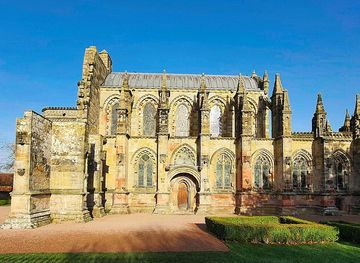
Explore more of Midlothian
Discover Midlothian, Scotland's hidden gem, where history, nature, and culture blend seamlessly to offer a unique travel experience.
Explore Midlothian
Explore more of United Kingdom
Discover the United Kingdom: A blend of rich history, stunning landscapes, and vibrant cities, offering a unique travel experience for every visitor.
Explore United Kingdom