
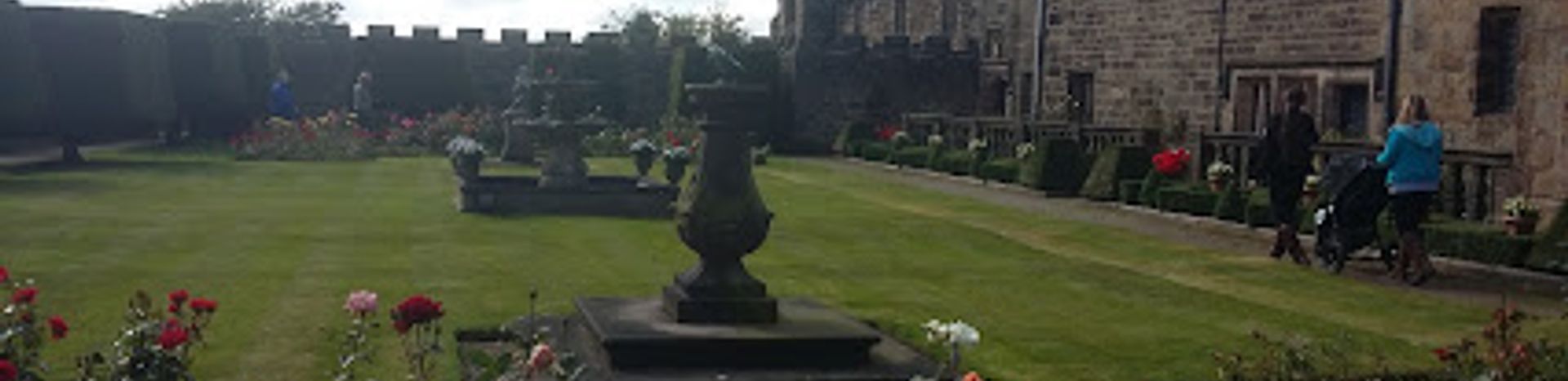
Hoghton Tower
Tudor fortress with royal connections, dramatic hilltop views, and nine centuries of aristocratic heritage.
Hoghton Tower is a Grade I listed fortified manor house perched on a hilltop near Preston, Lancashire, commanding sweeping views across the region. Built by Thomas Hoghton between 1560 and 1565 during the reign of Elizabeth I, this Tudor masterpiece has been home to the de Hoghton family for nearly nine centuries. The tower's dramatic hilltop setting, architectural significance, and rich tapestry of royal visits, Civil War drama, and literary connections make it one of Lancashire's most compelling historical destinations. Today, the house remains a family residence while welcoming visitors through guided tours and hosting events throughout the year.
A brief summary to Hoghton Tower
- Blackburn Old Rd, Preston, Hoghton, PR5 0SH, GB
- +441254852986
- Visit website
- Duration: 1.5 to 3.5 hours
- Mid ranged
-
 Outdoor
- Mobile reception: 4 out of 5
Local tips
- Visit by guided tour only to see the interior; tours provide essential historical context and access to rooms not visible from the grounds. Check opening hours in advance as the tower operates seasonally.
- Arrive early on weekends and during school holidays to avoid crowds and secure parking. The hilltop location offers excellent photo opportunities, especially from the grounds looking across the courtyards.
- Allow time to explore the grounds and gardens, including the Grade I listed Great Barn and the chapel with its medieval arch from Whalley Abbey. The views from the hilltop extend to the Lake District on clear days.
- Check the events calendar for seasonal activities, re-enactments, and exhibitions. The tower hosts regular events including battle of Preston re-enactments and theatrical performances that bring history to life.
- The tea room and gift shop on site offer refreshments and locally sourced items. Facilities are limited, so plan accordingly if visiting with young children or elderly relatives.

For the on-the-go comforts that matter to you
- Restrooms
- Drink Options
- Food Options
- Seating Areas
- Information Boards
- Visitor Center
Getting There
-
By Car from Preston City Centre
Travel east from Preston city centre on Blackburn Road for approximately 5 kilometres, following signs toward Hoghton village. The journey takes 10 to 15 minutes depending on traffic. Hoghton Tower has a dedicated car park on site with ample free parking. The final approach involves a steep uphill drive to the hilltop location. Postcode PR5 0SH provides accurate sat-nav directions.
-
By Bus from Preston
Local bus services operate from Preston town centre to Hoghton village, with the journey taking approximately 20 to 30 minutes depending on the route and service frequency. From the village bus stop, it is a 15 to 20 minute walk uphill to the tower entrance. Service frequency varies seasonally, so check local transport schedules in advance. Buses are less frequent on Sundays and bank holidays.
-
By Taxi or Ride-Share
Taxis and ride-share services from Preston city centre typically charge between £12 and £18 for the 5-kilometre journey, taking 10 to 15 minutes. This option is convenient if arriving with luggage or visiting with elderly relatives or young children, as it avoids the steep uphill walk from the village.
-
Walking from Hoghton Village
For those arriving by bus or staying locally, a scenic walking route from Hoghton village to the tower takes approximately 20 to 25 minutes. The final section involves a steep uphill climb on country lanes with limited pavement. The route offers countryside views but is not suitable for wheelchairs or those with mobility difficulties. Wear appropriate footwear for uneven terrain.
Hoghton Tower location weather suitability
-
 Any Weather
-
 Clear Skies
Discover more about Hoghton Tower
Nine Centuries of Aristocratic Heritage
Hoghton Tower's story begins long before the Tudor mansion visitors see today. The de Hoghton family has held this strategically positioned hilltop since at least the 12th century, with records suggesting their presence dates back to 1109. The family rose to prominence as members of the local landed gentry, serving as Knights of the Shire, Sheriffs of Lancaster, and Members of Parliament. Their medieval predecessors built a Pele Tower and manor house in the valley below before Thomas Hoghton, recognizing the hilltop's defensive and symbolic advantages, commissioned the construction of the present fortified manor between 1560 and 1565. Built from gritstone quarried from the surrounding parkland, the design reflected local architectural traditions while maintaining the fortified appearance necessary in an era when private disputes between neighbouring families still occasionally erupted into violence.Royal Patronage and the Visit of King James I
The tower's prominence extended beyond its physical elevation when Sir Richard Hoghton, who inherited the estate in the early 17th century, cultivated favour with the Stuart monarchy. Created a Baronet in 1611—a hereditary title the family retains to this day—Sir Richard leveraged his court connections to secure a Royal Concession from 1608 to 1629 to mine locally for alum, coal, copper, and slate. The pinnacle of his success came with the announcement that King James I would undertake a three-day royal visit to the tower. This honour reflected both the family's rising status and the tower's importance as a seat of power in Lancashire. The visit cemented Hoghton Tower's place in national history and added to the growing list of distinguished guests who would pass through its gates, a roster that would eventually include William III, Queen Mary, George V, and Queen Mary.Civil War Destruction and Restoration
When the English Civil War erupted, the de Hoghtons faced an impossible choice. Sir Richard supported King Charles I and trained men for the Royalist cause, participating in the battles of Blackburn and Preston. His loyalty proved costly. In February 1643, Parliamentary forces under Captain Nicholas Starkie besieged the tower, which held only 30 to 40 musketeers. During the assault, the powder magazine stored in the ancient Pele Tower—the medieval structure that had stood for centuries—caught fire and exploded with catastrophic force, killing over 100 Parliamentary soldiers. The Pele Tower was completely destroyed and never rebuilt, leaving a permanent scar on the building's fabric. The house itself fell into severe disrepair, and by the 18th century, the family had abandoned it, renting the property to weavers, spinners, and local farmers.Victorian Resurrection and Public Opening
In 1862, Sir Henry de Hoghton, the 9th Baronet, inherited the decaying estate and embarked on an ambitious restoration project. Working with architects Paley and Austin, he undertook a meticulous reconstruction that would occupy three generations. The restoration included rebuilding the gateway tower, redesigning the entrance lodge, creating new service corridors, constructing a modern kitchen, and carefully preserving medieval elements such as the chapel arch believed to originate from the dissolved Whalley Abbey. The family returned to occupy the restored house in 1880, and by 1901, the restoration was complete. The tower opened to the public in 1946, transforming from a private family seat into a shared cultural resource. Today, the de Hoghtons continue to live in the house while the Hoghton Tower Preservation Trust manages public access and maintains the building's Grade I listed status.Panoramic Views and Strategic Landscape
The tower's hilltop location, which made it strategically crucial for centuries, now rewards visitors with brilliant panoramic views stretching to the Lake District, the Irish Sea, and Wales. Standing at the highest point in the local area, the tower dominates the landscape much as it did when first built. The surrounding grounds include a Grade I listed Great Barn dated 1692 and several Grade II listed structures, all set within historic gardens that reflect the estate's long occupation. The property's commanding position has made it an ideal venue for events, re-enactments, and celebrations, with regular activities including battle of Preston re-enactments, seasonal performances, and exhibitions that bring the tower's dramatic history to life.Literary and Cultural Connections
Hoghton Tower's significance extends into the realm of literature and culture. Connections with William Shakespeare through Alexander Hoghton, who died in 1581, have been suggested by scholars, though these remain disputed. Charles Dickens visited the tower and famously added an 's' to its name in his writings. The Wesley brothers, John and Charles, are reputed to have preached in the Banqueting Hall during the 17th century, when Sir Richard's son converted to Presbyterianism and the tower became a centre for nonconformist worship. More recently, the tower has hosted contemporary visitors including actor Cillian Murphy. The house also contains a remarkable collection of over 80 dolls' houses, adding an unexpected layer of charm to this serious historical monument.Iconic landmarks you can’t miss

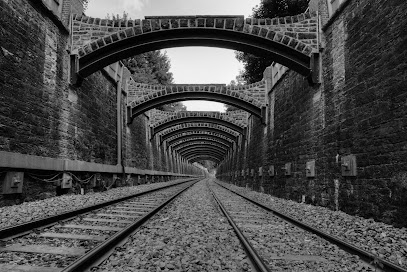
Chorley's Flying Arches
8.2 km
Discover Chorley’s rare Victorian Flying Arches, a unique blend of historic railway engineering and modern heritage preservation.
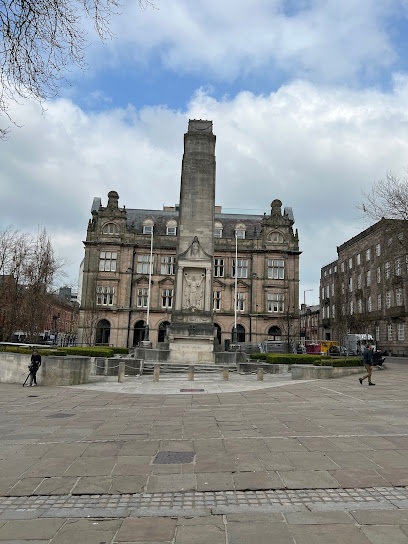
Harris Museum, Art Gallery & Library
8.7 km
Explore the rich history and vibrant artistry at the Harris Museum, Art Gallery & Library in Preston, a must-visit cultural hub for every traveler.
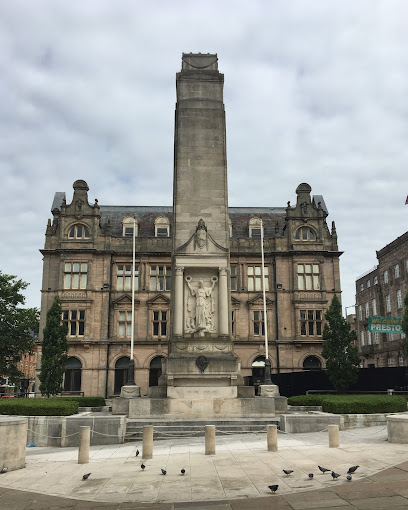
Preston Cenotaph
8.8 km
A dignified and beautifully restored memorial in Preston’s Central Park, honoring the city’s fallen soldiers with solemnity and grace.
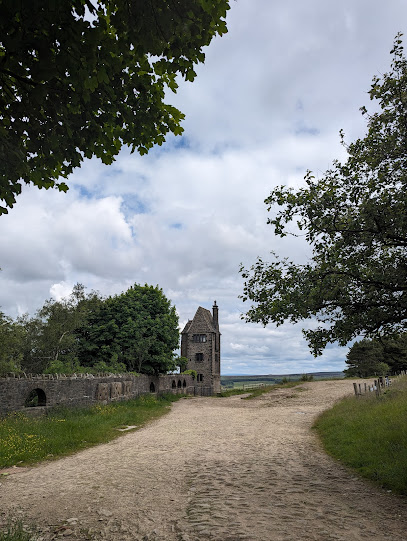
Rivington Pike
12.8 km
Discover the breathtaking views and rich history at Rivington Pike, a perfect hiking destination in Lancashire for nature lovers and adventurers alike.
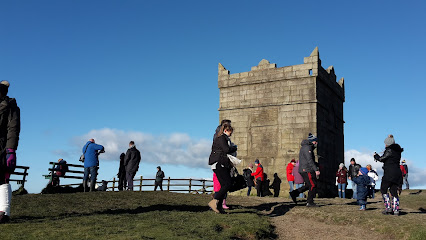
Rivington Pike Tower
12.8 km
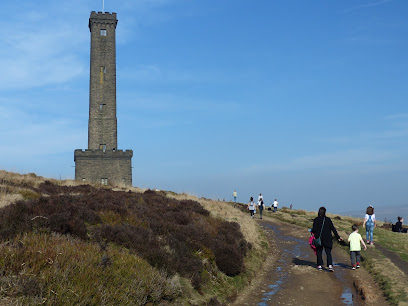
Historic 18th-century hunting lodge atop Rivington Pike offering panoramic Lancashire views and rich cultural heritage within scenic Lever Park.
Wayoh Reservoir
14.7 km
Discover the tranquil beauty of Wayoh Reservoir in Bolton, a perfect retreat for nature lovers and outdoor enthusiasts alike.
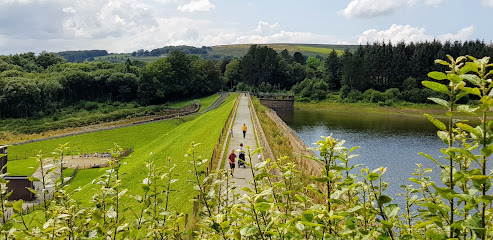
Lumb Viaduct
18.0 km
Discover the historic Victorian Lumb Viaduct, a stunning railway landmark offering scenic walks and cycling across Lancashire’s Rossendale Valley.
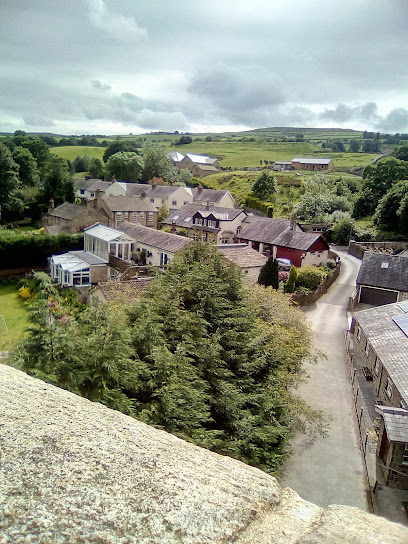
Peel Tower
18.4 km
Historic Peel Tower on Holcombe Hill offers panoramic views and a tribute to Sir Robert Peel’s legacy near Bury.
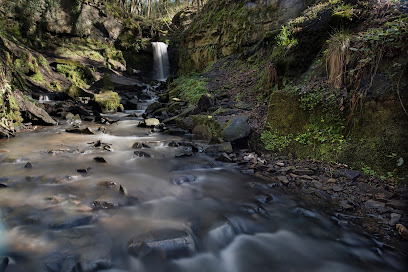
Fairy Glen
18.8 km
Experience the serene beauty of Fairy Glen in Wigan - a natural escape filled with enchanting landscapes and tranquil trails for every adventurer.
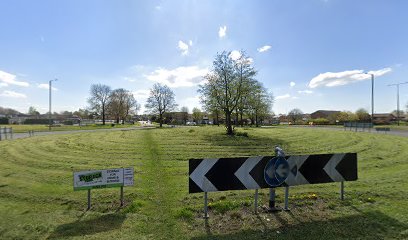
Sussex Close
21.9 km
Discover the charm of Wigan through Sussex Close, your essential bus stop to explore local attractions and immerse in the vibrant culture.

Robert Peel Statue
23.9 km
Honouring Bury’s most famous son: the 1851 bronze statue of Sir Robert Peel, twice Prime Minister and founder of the modern police force.

The Big Pipe
24.2 km
Explore The Big Pipe, a serene tourist attraction in Skelmersdale, blending history and nature for an unforgettable experience.

The Beautiful Roundabout
25.0 km
Explore The Beautiful Roundabout in Skelmersdale, a stunning landmark with vibrant floral displays and artistic landscaping, perfect for memorable photos and relaxation.
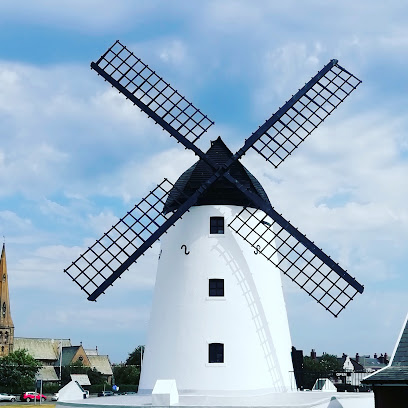
Lytham Windmill
25.1 km
Explore Lytham Windmill, a historic attraction that embodies the maritime heritage and scenic beauty of Lytham's coastline.
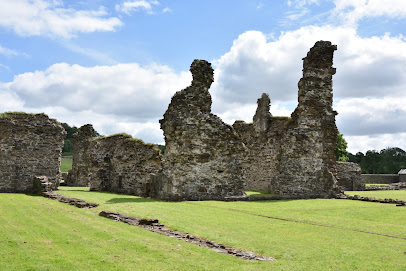
Sawley Abbey
25.2 km
Medieval Cistercian ruins beside the River Ribble, shaped by poverty, conflict, and defiant faith.
Unmissable attractions to see

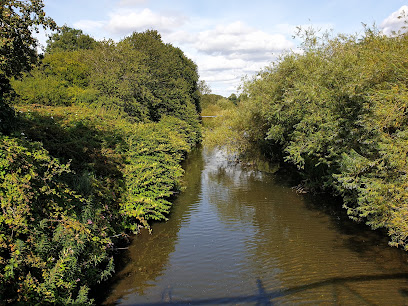
Witton Country Park
3.7 km
Explore 480 acres of woodlands, sports facilities, and heritage at Blackburn’s beloved Witton Country Park.
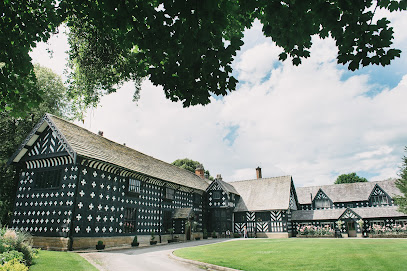
Samlesbury Hall
4.1 km
Explore 700 years of Tudor history and heritage at Samlesbury Hall, a captivating medieval manor near Preston with timeless charm.
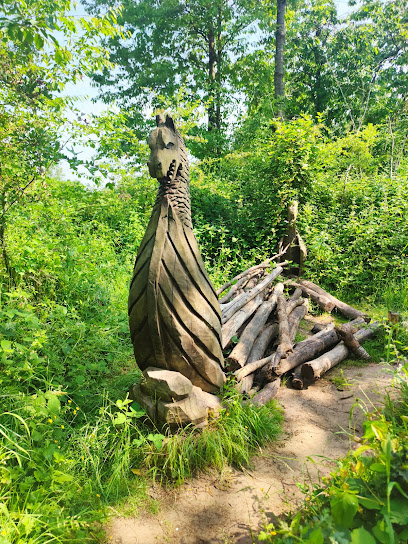
Viking Woodland
5.4 km
Discover the peaceful trails and rich Viking heritage of Preston’s serene Viking Woodland, a natural haven for wildlife and relaxation.
Hatch Brook Waterfall
5.4 km
Discover the tranquil charm of Hatch Brook Waterfall, a hidden natural gem nestled in Lancashire’s scenic woodlands near Chorley.

Brockholes
5.5 km
Explore Brockholes, Lancashire’s award-winning floating nature reserve blending innovation, wildlife, and family fun in a stunning riverside setting.
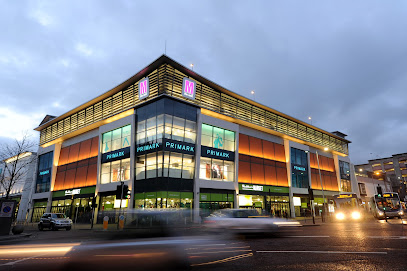
The Mall Blackburn
6.3 km
A vibrant shopping centre blending mainstream and independent stores in the heart of Blackburn’s town centre.
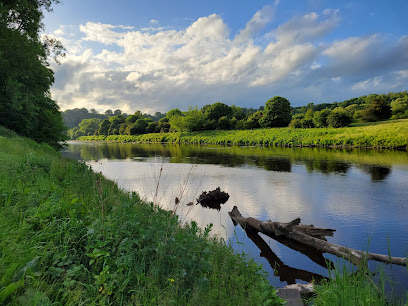
Cuerden Valley Park
6.4 km
Explore 650 acres of woodlands, meadows, and heritage gardens in this sustainable Lancashire country park, open year-round for all ages.
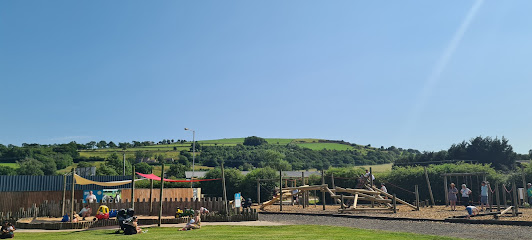
Mrs Dowsons Farm Park
6.7 km
Experience Lancashire’s beloved working farm with hands-on animal encounters, play areas, and farm-made ice cream for all ages.
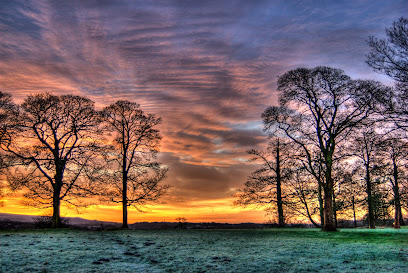
Queen's Park
7.6 km
A serene Victorian park where heritage charm meets family-friendly recreation in Blackburn's green heart.
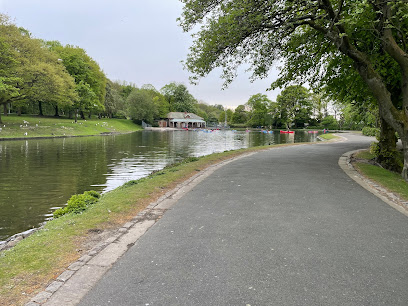
Lostock Hall Henge
7.9 km
Explore the tranquil ancient earthworks of Lostock Hall Henge, a prehistoric ceremonial site nestled in Preston's peaceful landscape.
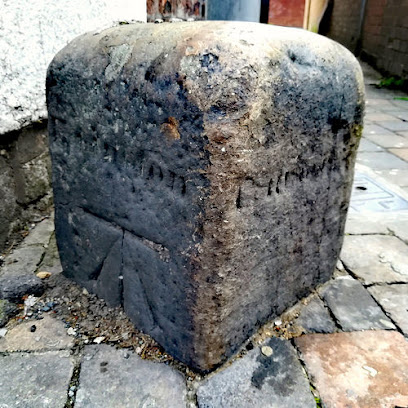
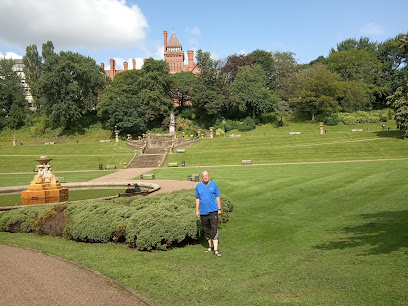
Avenham and Miller Park
8.8 km
Discover Preston’s Victorian riverside gem with tranquil gardens, scenic walks, and vibrant community charm along the River Ribble.
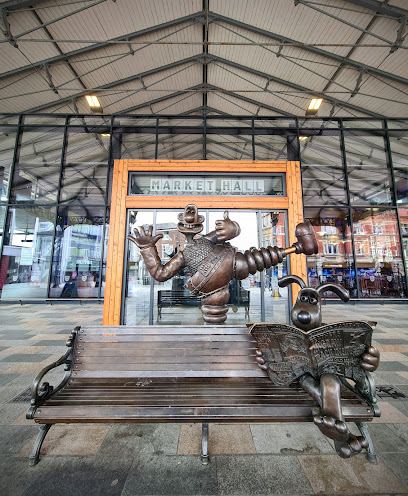
Wallace and Gromit Statue
8.9 km
Discover Preston’s whimsical tribute to Wallace and Gromit, a charming bronze statue celebrating the beloved claymation duo and their local creator.
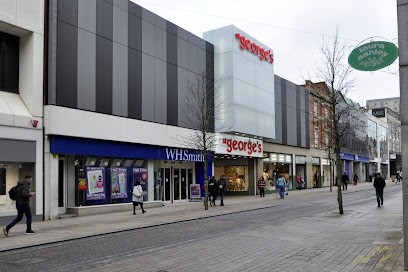
St George's Shopping Centre
8.9 km
A vibrant and accessible shopping hub in Preston, blending high street brands, independent stores, and family-friendly amenities.
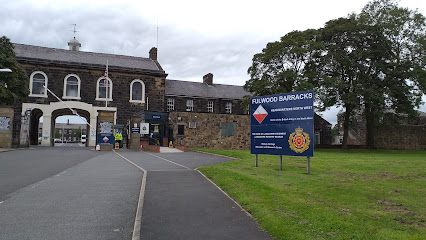
Lancashire Infantry Museum
9.0 km
Explore five centuries of Lancashire military heritage in one of England's largest regimental collections.
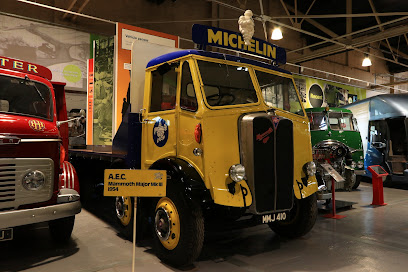
The British Commercial Vehicle Museum
9.0 km
Explore Britain’s rich commercial vehicle heritage in Leyland’s historic museum, from vintage trucks to the iconic Pope mobile.
Essential places to dine

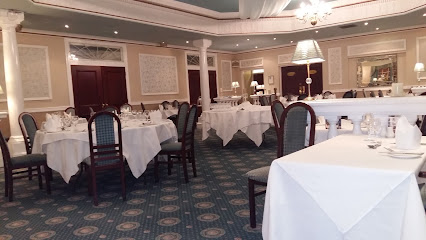
Vardons Restaurant at Shaw Hill
7.1 km
Elegant British dining with scenic golf course views at Shaw Hill’s Regency-style Vardons Restaurant.
The Bonny Inn
8.6 km
Contemporary British pub with fresh local cuisine, vegan options, and stunning Ribble Valley views in a welcoming, modern setting.
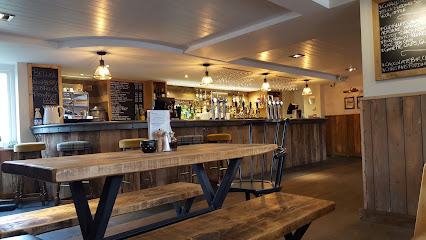
Tipsy Chef (Bar & Restaurant)
8.6 km
A vibrant American-inspired bar and restaurant in Preston, famed for inventive dishes and lively cocktails in a buzzing social setting.
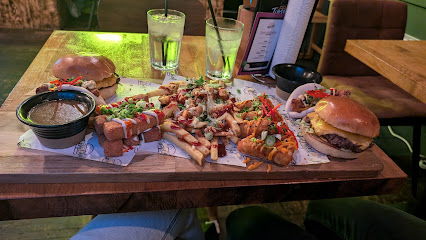
Aven Restaurant
8.7 km
Experience Preston’s finest with Aven Restaurant’s award-winning British cuisine, seasonal tasting menus, and warm, elegant ambiance.
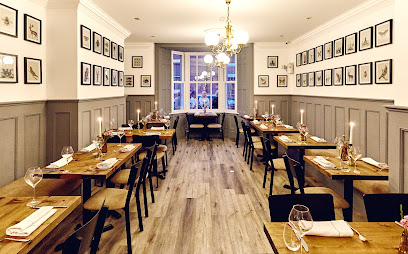
Charnock Farm Restaurant
8.7 km
Rustic country dining, comfortable motel stays, and charming event spaces nestled in the tranquil Lancashire countryside.
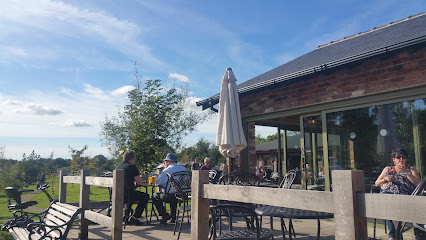
Encore Restaurant
9.7 km
Modern British cuisine and vibrant cocktails meet stylish celebrations in the heart of Chorley’s Brewers Print Building.
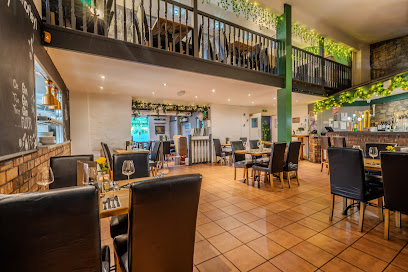
Angels Restaurant
10.7 km
Chic modern British dining in Ribchester’s Ribble Valley, blending seasonal local produce with elegant style and warm hospitality.
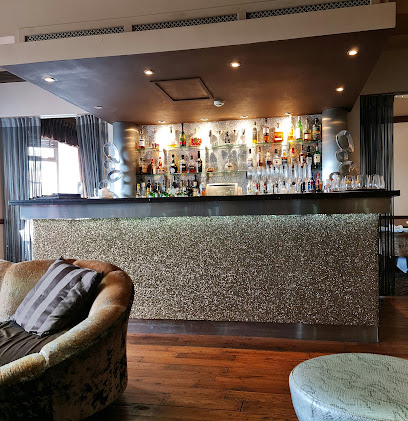
Northcote Hotel & Restaurant
11.9 km
Luxury country house hotel with Michelin-starred dining, elegant rooms, and tranquil Ribble Valley views for a refined countryside escape.
The Italian Orchard
12.3 km
Spacious and stylish Italian dining in Broughton, offering a vast menu and lively atmosphere for families and groups.
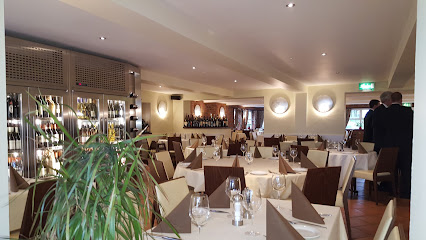
Artisan Ribble Valley
12.7 km
Experience Modern British cuisine in a stylish setting with local flavors, scenic terraces, and a vibrant cocktail bar in Billington, Clitheroe.
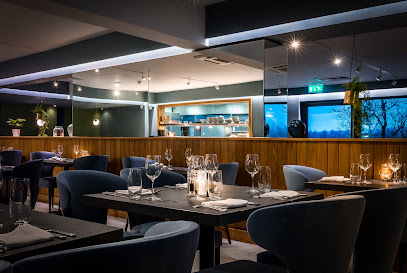
The Broughton Inn
13.1 km
Historic gastropub in Broughton offering classic British dishes and a cozy, welcoming atmosphere just north of Preston.
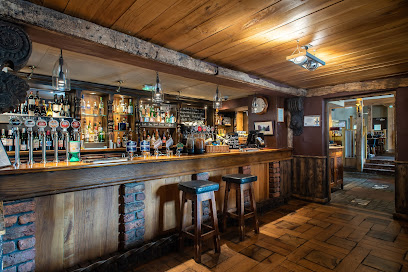
Retreat Adlington
13.4 km
A vibrant grill and cocktail bar in Adlington offering quality steaks, pizzas, and a welcoming atmosphere for all occasions.
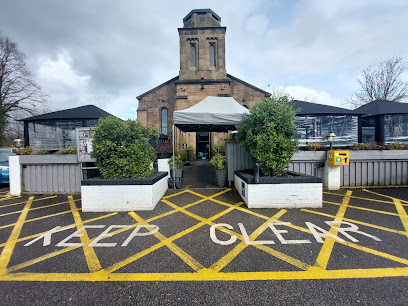
The Cherry Tree at Blackrod
14.6 km
A vibrant modern British gastropub in Bolton offering classic dishes, elegant events, and a welcoming atmosphere for all occasions.

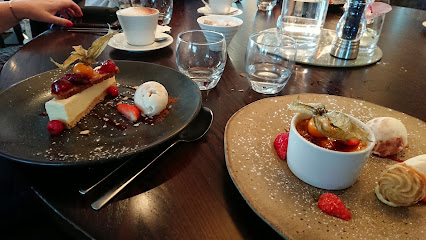
Lang's Restaurant
14.9 km
Experience contemporary English and international cuisine in a stylish Preston setting with exceptional wines and warm hospitality.
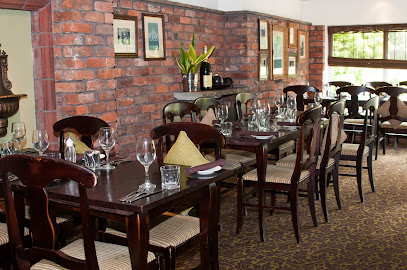
Walled Garden Restaurant
15.2 km
A stylish British bistro in Preston offering fresh, locally sourced dishes and renowned afternoon tea in a charming garden conservatory setting.
Markets, malls and hidden boutiques

Crissys Gifts For All Occasions
2.9 km
Explore Crissys Gifts For All Occasions in Blackburn for unique gifts and souvenirs that capture the essence of your visit.
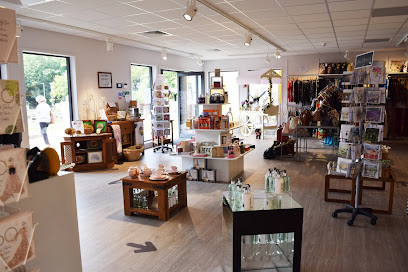
The Mill Shop
6.8 km
A welcoming gift shop in St Catherine’s Park, Lostock Hall, blending community spirit with unique local crafts and charitable support.
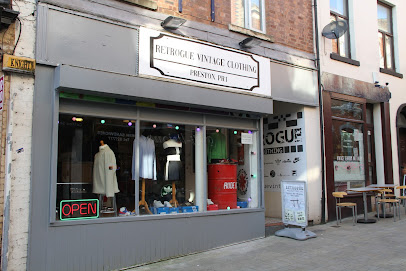
Retrogue Vintage Clothing
8.7 km
Discover unique vintage and designer secondhand fashion treasures in the heart of Preston at Retrogue Vintage Clothing.
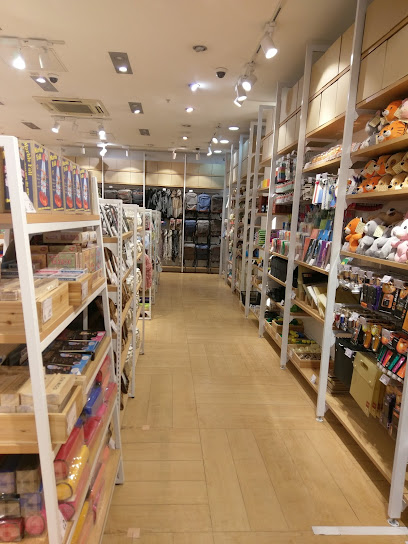
KENJI Preston
8.9 km
Discover an eclectic mix of unique gifts and general merchandise from Asia in Preston’s vibrant KENJI store within St George's Shopping Centre.
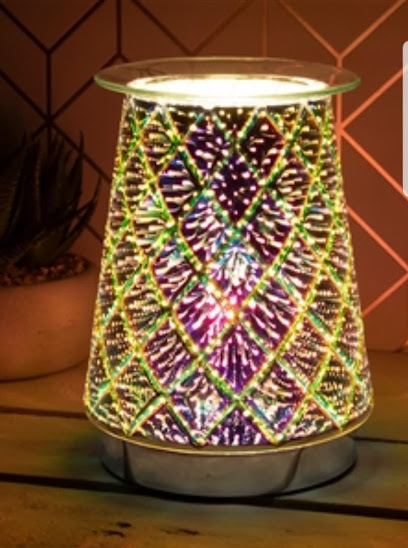
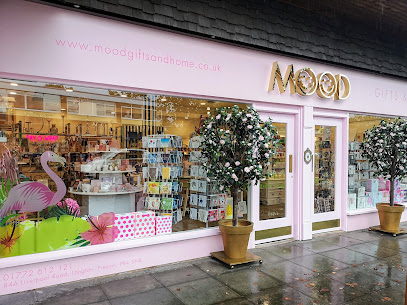
Mood Gifts & Home
13.8 km
Discover unique gifts and stylish home accessories in a warm, community-focused boutique in Longton, Preston.
Quirky Gifts
13.9 km
Explore Accrington's most charming gift shop for unique, whimsical treasures that capture the spirit of your travels.
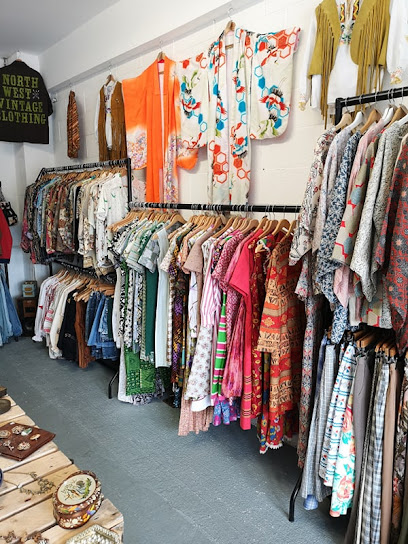
North West Vintage Clothing Company Ltd
14.0 km
Discover timeless vintage fashion treasures in the historic Bygone Times at Eccleston, where every piece tells a story of style and sustainability.
Freckle Boutique
14.4 km
Discover unique ladies' fashion and personalized service at Freckle Boutique, a charming shopping gem in Heskin, Chorley.
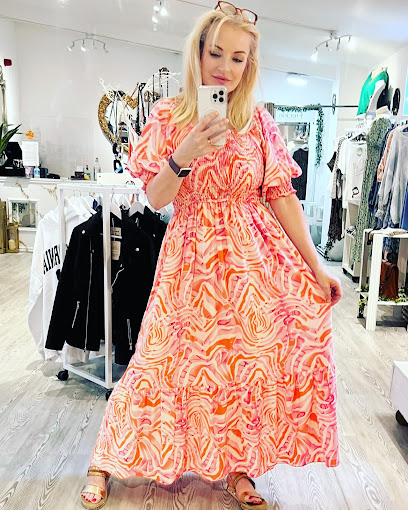
The Secret Closet
15.4 km
Curated Italian, Danish & Portuguese fashion with a commitment to responsible, sustainable retail.
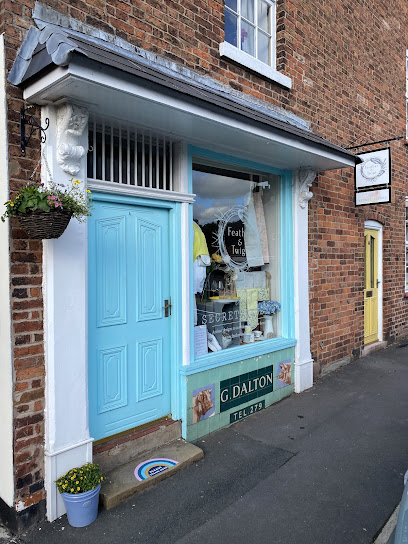
Cedar Farm
17.8 km
Discover Cedar Farm: Lancashire’s charming blend of boutique shopping, gourmet dining, and family-friendly farm fun in a scenic rural setting.
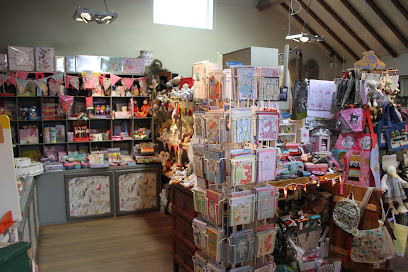
Rufford's Country Lifestyle
20.0 km
Discover premium British country wear and footwear at Rufford's, your stylish gateway to authentic country living near Preston.
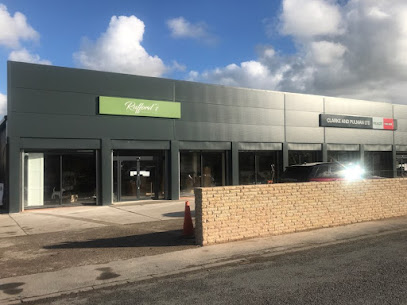
The Hive
22.8 km
Discover unique gifts and warm hospitality at The Hive, Garstang’s beloved local gift shop nestled in a charming historic setting.
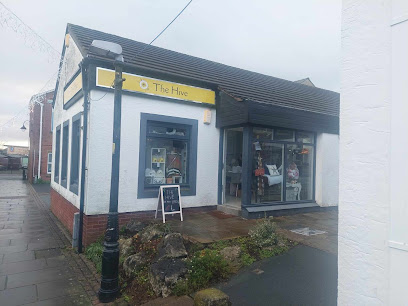
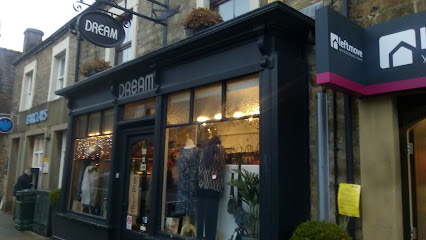
Dream
22.9 km
Distinctive gifts in the heart of Lancashire's historic market town.
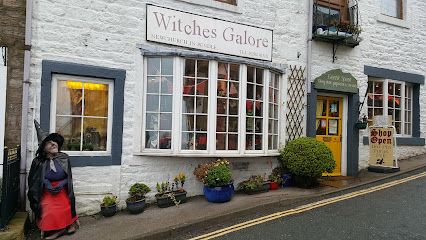
Witches Galore
23.9 km
A quirky, witch-themed gift shop in Newchurch-in-Pendle, packed with Pendle Witch memorabilia, magical curios and folklore souvenirs.
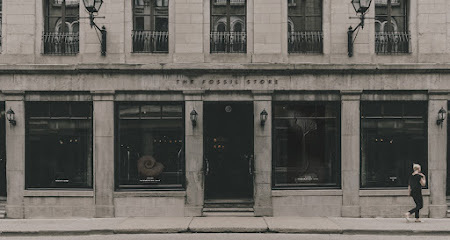
THE FOSSIL STORE
25.4 km
A unique design studio and shop in the Forest of Bowland, transforming rare fossils into bespoke art and jewellery.
Essential bars & hidden hideouts

The Dressers Arms | Pub & Rooms
5.5 km
Charming countryside pub and cozy rooms offering hearty food, local ales, and warm hospitality in scenic Wheelton, Chorley.

Blitz Venue & Nightclub
8.5 km
Experience Preston’s vibrant late-night scene with live DJs, affordable drinks, and an energetic club atmosphere at Blitz Venue & Nightclub.
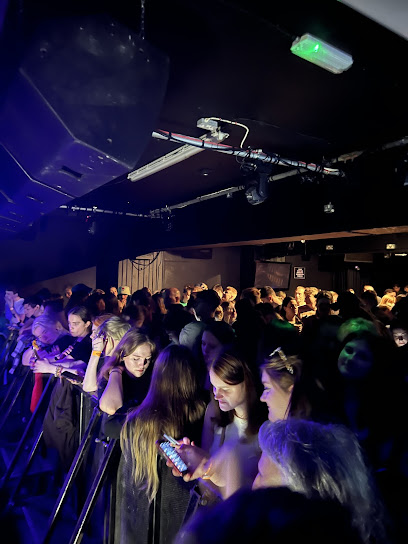
Hogarths
8.6 km
Historic Victorian gin palace in Preston city centre, famed for its vast gin selection, lively sports atmosphere, and vibrant community spirit.
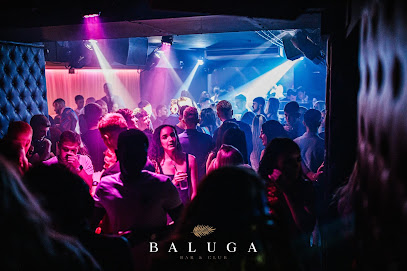
Baluga Bar & Club
8.6 km
Experience Preston's vibrant nightlife at Baluga Bar & Club, where stylish drinks meet a lively dance floor in the heart of the city.
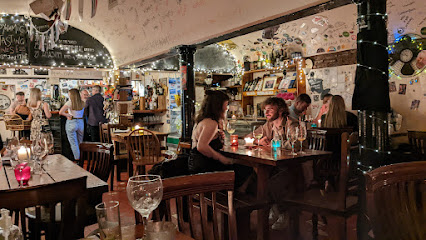
Winedown
8.6 km
Discover Winedown, Preston’s cozy underground wine bar with exceptional wines, artisan cheese boards, and a warm, inviting atmosphere.
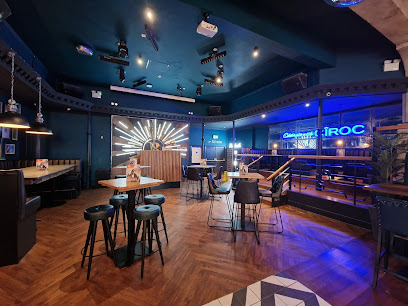
Revolution Preston
8.7 km
A vibrant four-level cocktail bar and restaurant in Preston city centre, perfect for dining, cocktails, and late-night partying.
Guild Ale House
8.7 km
Preston’s first micro pub, Guild Ale House serves exceptional local ales in a cozy, lively setting with a welcoming community vibe.
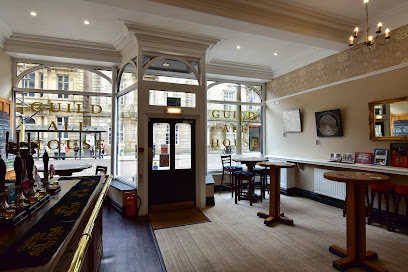
The Plough Grimsargh
8.8 km
A friendly village pub in Grimsargh serving classic British dishes, excellent beers, and hosting lively community events in a warm, welcoming atmosphere.
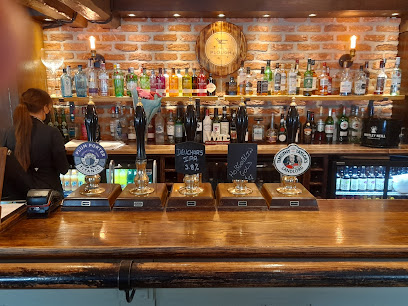
FORUM BAR & KITCHEN
8.9 km
A stylish bar and kitchen in Preston blending Mediterranean flavors, craft cocktails, and warm hospitality in a vibrant city-center setting.
Black Horse
8.9 km
Historic Black Horse Pub in Preston offers award-winning real ales, classic charm, and a welcoming atmosphere in the heart of the city.
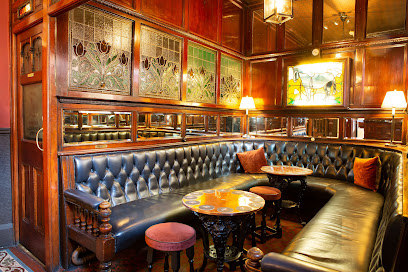
Hartleys Wine Bar
9.0 km
A vibrant and cosy wine bar in Preston city centre, perfect for unwinding with quality drinks and lively company.
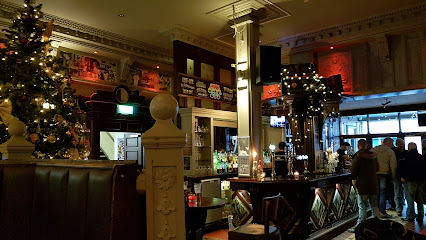
Plug & Taps
9.0 km
Discover Preston’s craft beer gem at Plug & Taps, a cozy micro pub blending modern vibes with a vibrant community spirit.
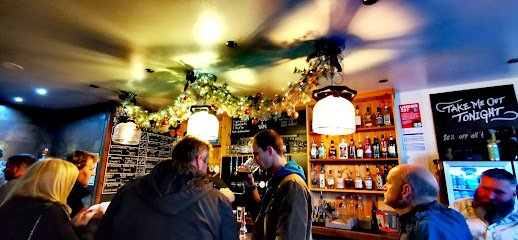
The Winter Lodge
9.1 km
A stylish, modern bar in Preston’s city centre, known for festive outdoor huts and a lively, welcoming atmosphere year-round.
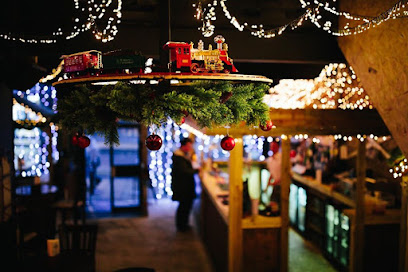
Plau Gin & Beer House
9.2 km
A vibrant multi-venue bar in Preston offering craft beers, cocktails, Spanish tapas, and a unique traditional atmosphere.
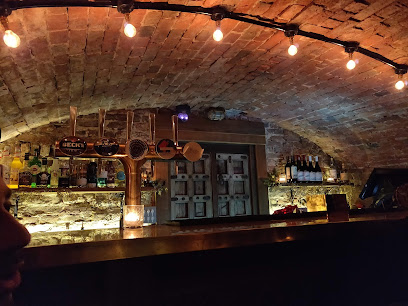
Ships and Giggles
9.4 km
A lively and affordable pub in Preston offering great drinks, casual dining, and a uniquely charming nightlife experience.
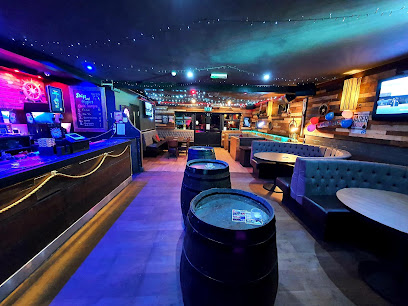
Nightclubs & after hour spots

The Warehouse
8.5 km
Three floors of diverse music and vibrant nightlife in Preston’s welcoming alternative club scene.
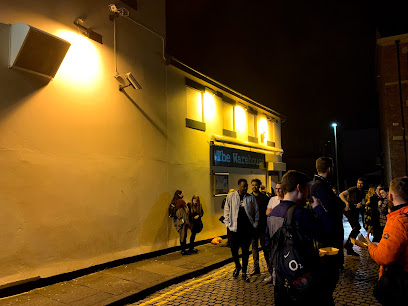
Popworld - Preston
8.6 km
Popworld Preston: Where cheesy pop tunes meet vibrant nightlife and unforgettable party vibes in the heart of the city.
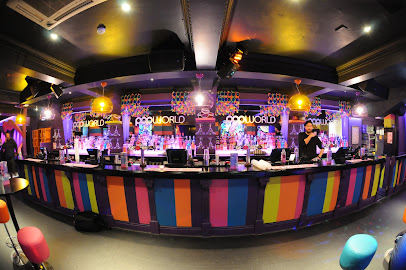
Switch Nightclub
8.9 km
Energetic and affordable nightlife hub in Preston, popular with a middle-aged crowd and known for its lively atmosphere.

Park Hall Nightclub
13.5 km
Experience the vibrant energy and nostalgic vibes of Park Hall Nightclub, Chorley’s premier rural nightlife destination.
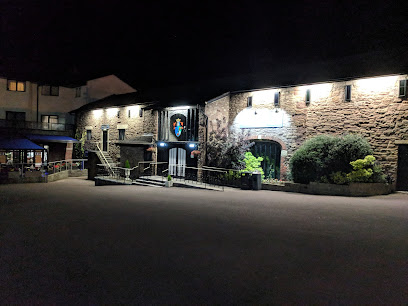
Rendezvous Nightclub & Resteraunt
14.8 km
Vibrant nightclub and restaurant in Whalley offering lively weekend events, diverse music, and friendly service in Ribble Valley’s heart.
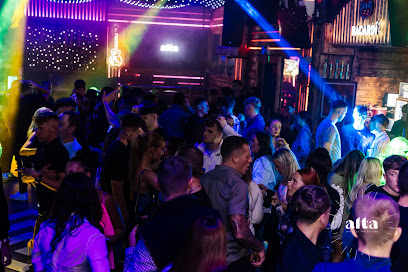
Level Nightclub
19.8 km
Experience Bolton’s vibrant nightlife at Level Nightclub, where dynamic music, affordable drinks, and lively atmosphere create unforgettable nights.
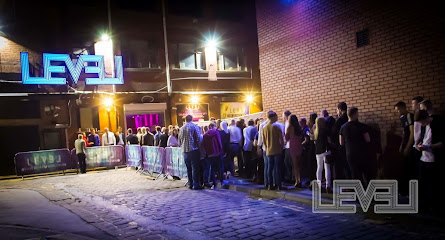
Pure Nightclub
21.2 km
Experience Wigan’s vibrant nightlife at Pure Nightclub, where energetic beats, stylish vibes, and unforgettable late-night memories come alive every Saturday.
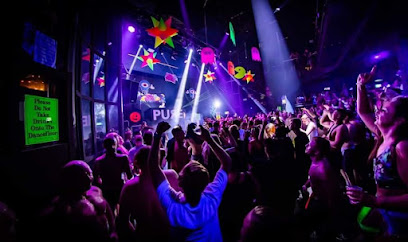
Ibiza Nightclub
21.3 km
Experience Wigan’s vibrant nightlife at Ibiza Nightclub, where music, dance, and unforgettable Saturday nights come alive until dawn.
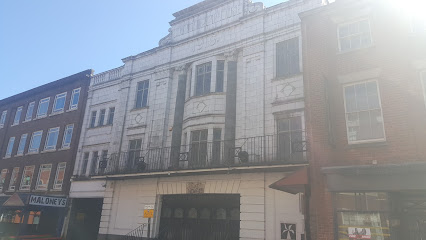
The Redroom Burnley
22.5 km
Experience Burnley’s vibrant nightlife with The Redroom’s lively music, diverse drinks, and late-night party atmosphere in the town centre.
Underground
23.6 km
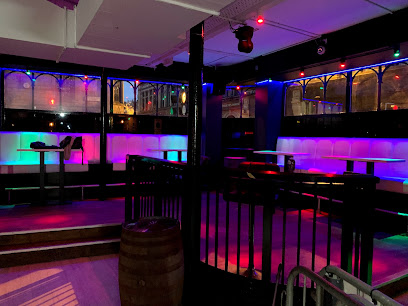
Experience classic rave vibes and late-night energy at Underground, Bolton’s intimate clubbing hotspot in Farnworth.
Banff
30.1 km
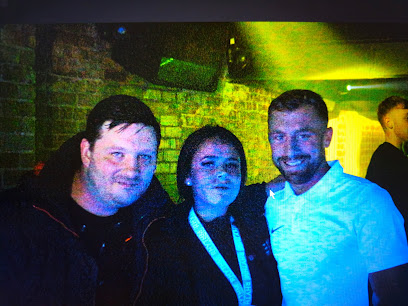
Experience Southport’s vibrant nightlife at Banff, a dynamic nightclub and bar on West Street offering late-night entertainment in the heart of town.
Club underground
32.8 km
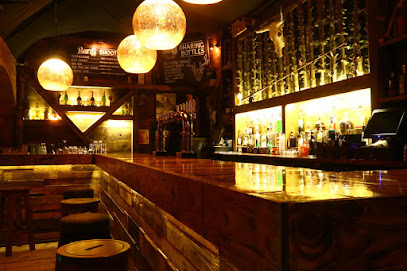
Experience Blackpool’s authentic old-school basement club with vibrant music, friendly crowds, and late-night energy on Talbot Road.
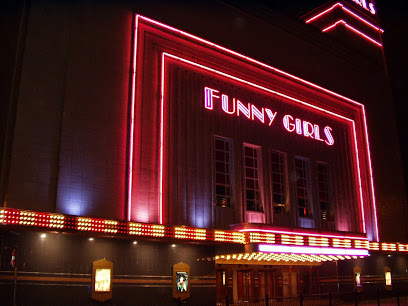
Funny Girls
32.9 km
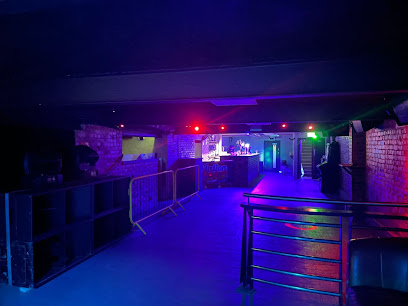
Discover the magic of Blackpool's Funny Girls, where dazzling performances meet delightful dining in an unforgettable night out.
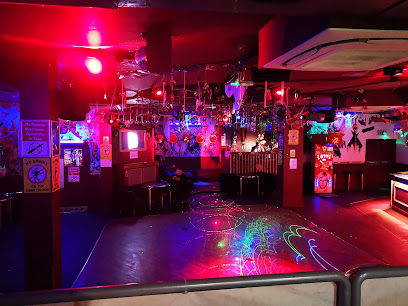
The Tache Rock Club
32.9 km
Blackpool’s spirited rock nightclub offering authentic music, friendly vibes, and late-night energy in a casual setting.
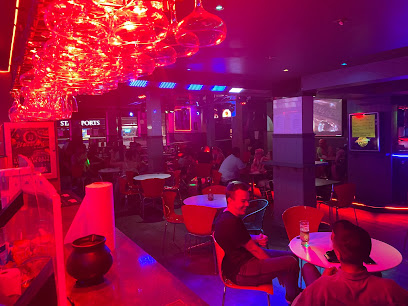
Hush Nightclub
33.0 km
Experience Blackpool’s vibrant RnB and Afrobeats nightlife at Hush Nightclub, where music, cocktails, and atmosphere come alive.
For the vibe & atmosphere seeker
- Romantic
- Scenic
- Unique
- Adventurous
For the design and aesthetic lover
- Historic
- Rustic Designs
For the architecture buff
- Historic
- Landmarks
- Heritage Neighborhoods
For the view chaser and sunset hunter
- Iconic Views
- Panoramas
- Viewpoints
For the social media creator & influencer
- Instagrammable
- Photo Spots
- Architectural Shots
For the eco-conscious traveler
- Protected Area
- Locally Managed
For the kind of experience you’re after
- Cultural Heritage
- Myth & Legends
- Photowalk
- Day Trip
For how adventurous you want the journey to be
- Easy Access
- Requires Hike
Location Audience
- Family Friendly
- Senior Friendly
- Child Friendly
- Solo Friendly
- Couple Friendly


