

Northampton Castle Postern Gate: Last Vestige of a Norman Stronghold
Discover the solitary Postern Gate, the last surviving gateway of Northampton Castle, echoing centuries of royal history and medieval intrigue.
The Northampton Castle Postern Gate is the sole surviving structure of the once-mighty Northampton Castle, a major Norman royal fortress near London. Dismantled and rebuilt in the 19th century near the railway station, this medieval gateway stands as a silent witness to centuries of English history, including royal parliaments, the trial of Thomas Becket, and the castle’s eventual demolition to make way for railway expansion.
A brief summary to Northampton Castle Postern Gate
- Northampton, Northampton, GB
- Visit website
- Duration: 0.5 to 1.5 hours
- Free
-
 Outdoor
- Mobile reception: 4 out of 5
Local tips
- Visit during daylight hours to fully appreciate the gate’s stonework and nearby heritage plaques.
- Combine your visit with a walk along the Northampton Heritage Trail to explore other historic sites nearby.
- Bring a camera for detailed shots of the medieval stonework integrated into the 19th-century boundary wall.
- Check local weather forecasts as the site is outdoors and exposed to the elements.

For the on-the-go comforts that matter to you
- Information Boards
- Seating Areas
- Trash Bins
Getting There
-
Train
Northampton Railway Station is the closest access point, located adjacent to the Postern Gate. Frequent train services connect Northampton to London and other major cities with journeys typically lasting 60–90 minutes. The station is well-equipped but parking is limited and can be busy during peak hours.
-
Bus
Local bus routes serve the Northampton town center and railway station area, with travel times from central Northampton around 10–20 minutes depending on the route. Buses run regularly but check schedules for evenings and weekends. Tickets are affordable, generally under £5.
-
Car
Driving to the site is possible with parking available in nearby public car parks. Expect a 10–15 minute drive from Northampton town center. Parking fees apply, typically £2–£5 for a few hours. Note that the area around the station can be congested during peak times.
-
Walking
For visitors staying in central Northampton, walking to the Postern Gate is feasible within 20–30 minutes via mostly flat urban terrain. The route is accessible and passes through parts of the heritage trail, offering an immersive historical experience.
Northampton Castle Postern Gate location weather suitability
-
 Any Weather
-
 Rain / Wet Weather
-
 Clear Skies
-
 Mild Temperatures
Discover more about Northampton Castle Postern Gate
A Royal Fortress of National Significance
Northampton Castle was established around 1084 by Simon de Senlis I and soon became one of the most important Norman castles in England. It was the first major Norman stronghold within a day’s ride of London and served as a favored residence for King John, who visited it over 30 times and even moved his royal treasury there in 1205. The castle hosted significant events such as medieval parliaments and the 1164 trial of Thomas Becket, Archbishop of Canterbury. Its strategic location was fortified by deep trenches and natural barriers like a branch of the River Nene, making it a formidable defensive site.The Postern Gate: A Fragment of the Past
Today, the only visible remnant of Northampton Castle is the Postern Gate, a small side entrance originally part of the castle’s western defenses. This gate was dismantled during the castle’s demolition in the late 19th century and carefully rebuilt into the boundary wall of the nearby railway station. The wall itself incorporates re-used castle stone, preserving a tangible connection to the medieval fortress. The gate’s modest size belies the grandeur of the royal residence it once served, standing as a poignant monument to the castle’s vanished grandeur.From Medieval Powerhouse to Industrial Demise
Northampton Castle’s fortunes declined after the medieval period. It was used as a garrison during the English Civil War but was deliberately slighted in 1662 by King Charles II as punishment for the town’s Parliamentary allegiance, rendering it militarily useless. Over subsequent centuries, the castle fell into ruin and was eventually cleared in 1879 to make way for the construction of Northampton Castle railway station. Archaeological excavations in the 1960s and again in 2012-2013 uncovered foundations, defensive earthworks, and artifacts that reveal the castle’s extensive history beneath the modern landscape.Archaeological Insights and Preservation Efforts
Excavations have revealed medieval stone foundations, sections of the motte and bailey structure, and defensive ditches up to 90 feet wide and 30 feet deep. Artifacts such as pottery fragments, animal bones, and metal objects provide insights into daily life at the castle. Despite much of the site being buried or built over, the remaining earthworks and the Postern Gate are protected as listed heritage features. Local groups advocate for further preservation and investigation, emphasizing the importance of this site in Northampton’s historical narrative.Legacy and Cultural Significance
Northampton Castle’s legacy extends into literature and local lore, famously linked to the mysterious death of Prince Arthur, nephew to King John, dramatized in Shakespeare’s "King John." The castle’s stones live on in local buildings, and the Postern Gate remains a focal point for visitors seeking to connect with Northampton’s medieval past. Informational plaques and heritage trails guide visitors through the layered history of the site, blending the echoes of royal power with the realities of urban development.Modern Context and Visitor Experience
Situated near Northampton railway station, the Postern Gate offers a quiet, reflective spot amid the bustle of modern transport. While the castle itself no longer stands, the gate and surrounding earthworks invite contemplation of the site’s historical importance. The area is accessible year-round and is integrated into the town’s heritage trail, with nearby amenities including seating and information boards. Visitors can appreciate the juxtaposition of medieval history against the backdrop of contemporary Northampton, making this a unique landmark for history enthusiasts and casual visitors alike.Iconic landmarks you can’t miss

Northampton Castle Postern Gate
0.0 km
Discover the solitary Postern Gate, the last surviving gateway of Northampton Castle, echoing centuries of royal history and medieval intrigue.
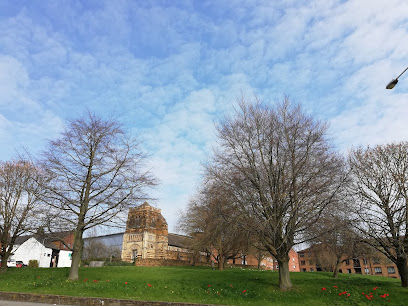
Rushton Triangular Lodge
24.1 km
Explore the architectural wonder of Rushton Triangular Lodge, a unique heritage building steeped in history and stunning design.
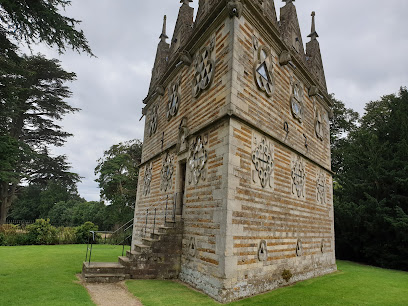
East Midlands Steam and Country Show
25.1 km
Experience the rich heritage and vibrant culture at the East Midlands Steam and Country Show, where steam engines meet delicious local food and crafts.
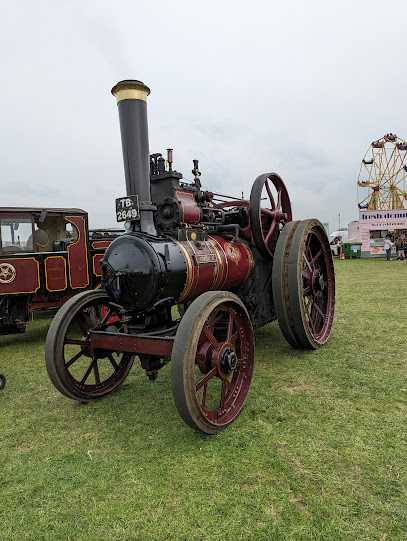
English Heritage - Bushmead Priory
36.6 km
England's finest surviving medieval priory refectory, where Augustinian canons once gathered to dine and pray.
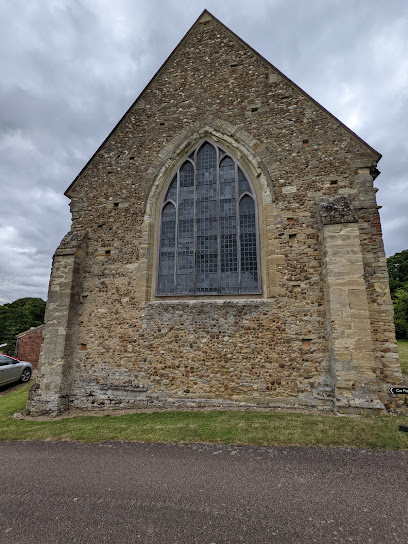
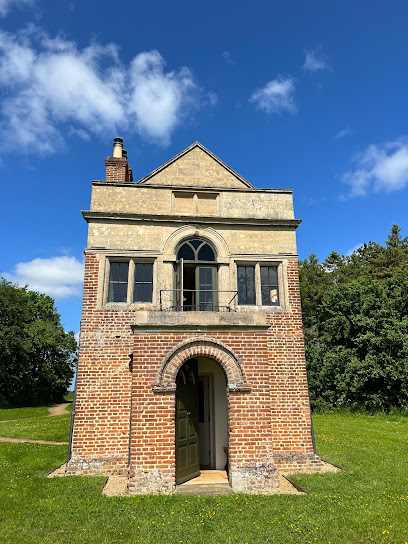
The Warren House
36.6 km
A rare 17th-century timber-framed warrener’s cottage offering historic charm and scenic views over Kimbolton Castle in tranquil rural surroundings.
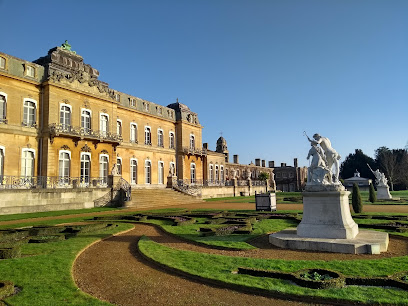
Wrest Park
42.2 km
Explore the enchanting Wrest Park in Bedfordshire, a historical landmark of stunning gardens and rich heritage, perfect for all nature and history enthusiasts.
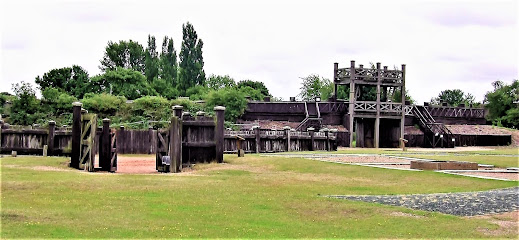
Lunt Roman Fort
42.9 km
Explore Lunt Roman Fort, a captivating heritage site that reveals the rich history of Roman military architecture and life in ancient Britain.
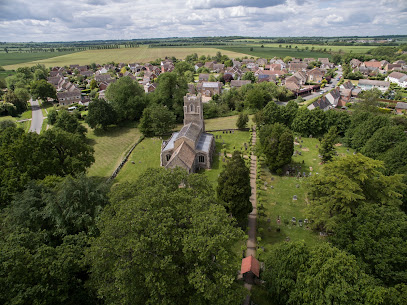
Things to do in Cambridge - The Online Guide
43.5 km
Discover the rich history of Buckden at Yew Tree House Museum, where local heritage comes to life through captivating exhibits and serene surroundings.
Hamerton Zoo Park
43.6 km
Explore Hamerton Zoo Park, a family-friendly destination with diverse wildlife, beautiful gardens, and educational experiences in the heart of Huntingdon.

Shady Lane Arboretum
43.7 km
Explore Shady Lane Arboretum in Leicester, a serene park filled with diverse flora, historical landmarks, and peaceful walking trails.
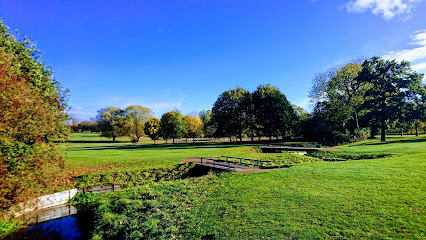
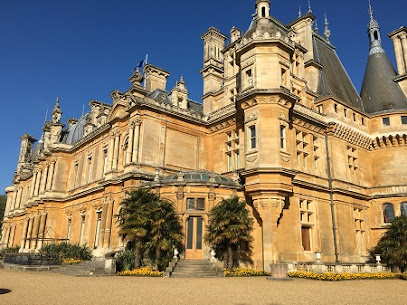
Waddesdon Manor
43.9 km
Explore the architectural grandeur, lush gardens, and rich art collection at Waddesdon Manor in Aylesbury, a historic gem of England.
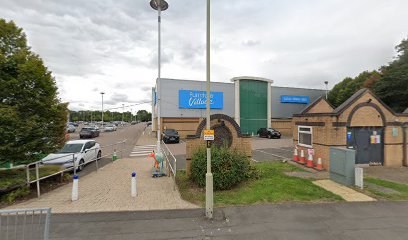
King Lear
44.0 km
Explore Leicester’s legendary ties to King Lear, where Roman ruins and medieval myths converge in a captivating historical landmark.
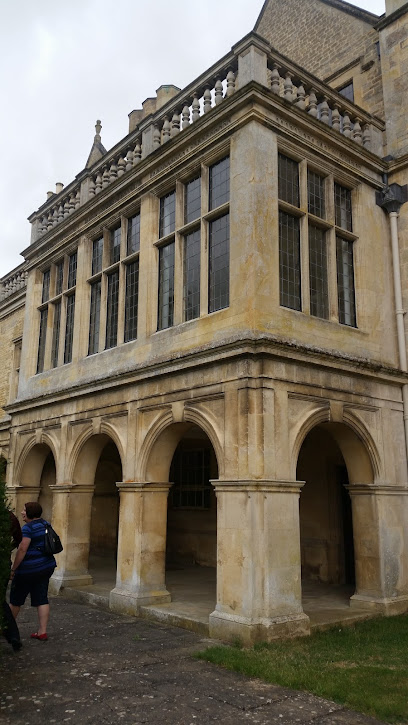
English Heritage - Apethorpe Palace
44.5 km
Explore the enchanting Apethorpe Palace, a historical landmark showcasing England's rich heritage and stunning Tudor architecture.
Buckden Towers
44.9 km
Uncover the rich history and serene beauty of Buckden Towers, a historical landmark that offers a glimpse into England's past.
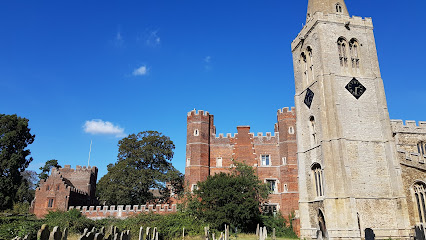
St Mary's Guildhall
45.1 km
Explore St Mary's Guildhall in Coventry - a stunning historical landmark blending rich heritage with modern amenities, perfect for history lovers and café enthusiasts.
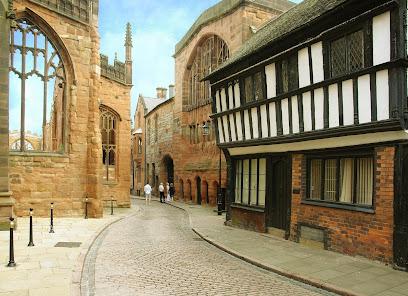
Unmissable attractions to see

0 Market Sq
0.6 km
Northampton Market Square: A vibrant historic market and community hub at the heart of Northampton since 1235.
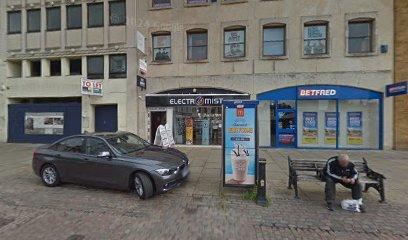
Grosvenor Shopping Northampton
0.7 km
A vibrant retail and social hub at Northampton’s heart, blending contemporary shopping with community spirit and dynamic regeneration.
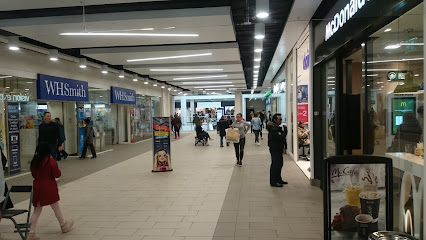
Northampton Museum and Art Gallery
0.7 km
Discover Northampton’s cultural heart with world-class shoe collections, dynamic exhibitions, and engaging events for all ages.
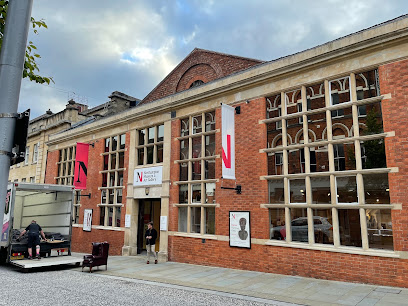
78 Derngate
1.1 km
Explore 78 Derngate, the only English home designed by Charles Rennie Mackintosh, blending historic charm with modern art and design in Northampton.
Queen Eleanor Cross
2.3 km
Discover the Queen Eleanor Cross in Northampton, a historical landmark celebrating love, loyalty, and medieval artistry.
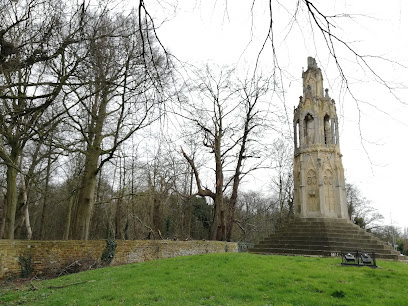
Hunsbury Hill
2.4 km
Explore ancient history, scenic trails, and industrial heritage at Hunsbury Hill Country Park, a tranquil green space on Northampton’s southern edge.
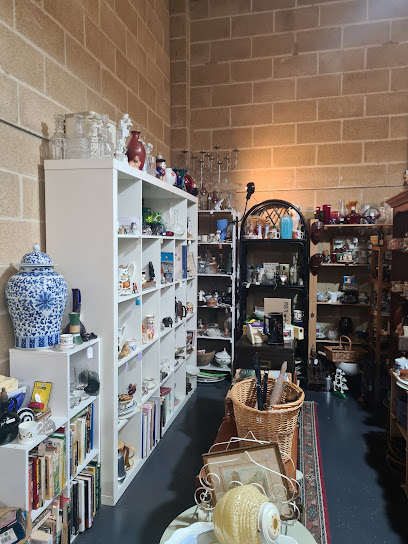
Click Antiques and Vintage
2.7 km
Discover timeless antiques and vintage gems with friendly service in Northampton’s welcoming Click Antiques and Vintage shop.
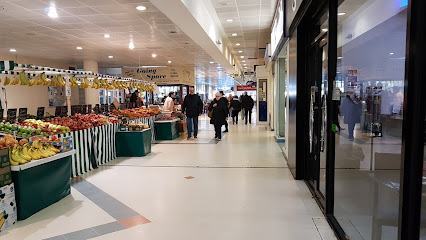
Weston Favell Shopping Centre
5.3 km
A bustling Northampton shopping centre offering diverse stores, essential services, and a welcoming community atmosphere with free parking.
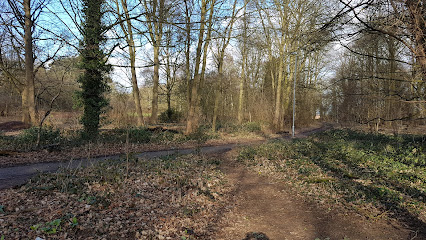
Lings Wood Nature Reserve
6.2 km
A tranquil 20-hectare nature reserve in Northampton offering diverse habitats, wildlife, and peaceful walking trails year-round.
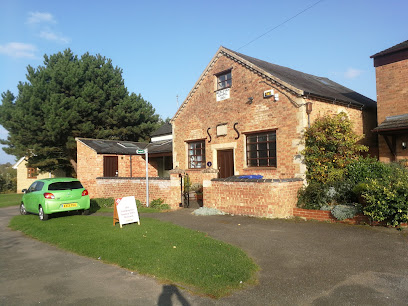
The Piddington Roman Villa Museum
8.1 km
Explore a captivating Roman villa excavation and museum nestled in a historic chapel, revealing centuries of ancient British life.
Althorp Estate
8.2 km
Explore Althorp Estate, the historic Spencer family home and childhood of Princess Diana, blending grand heritage with serene parklands.
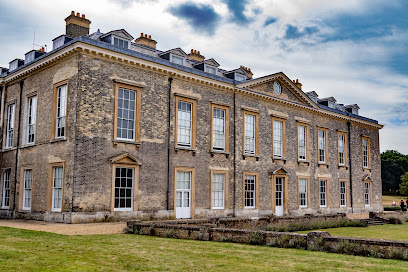
Icarus Falconry
9.2 km
Experience the thrill of falconry and meet majestic birds of prey in the historic grounds of Holdenby House near Northampton.
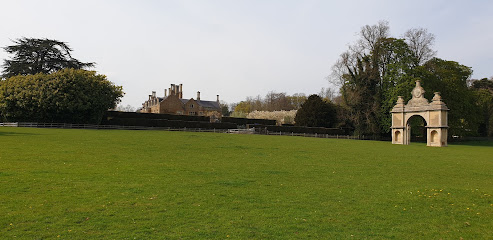
Holdenby House
9.2 km
Explore the grandeur of Tudor history, stunning gardens, and rare musical treasures at the majestic Holdenby House estate.
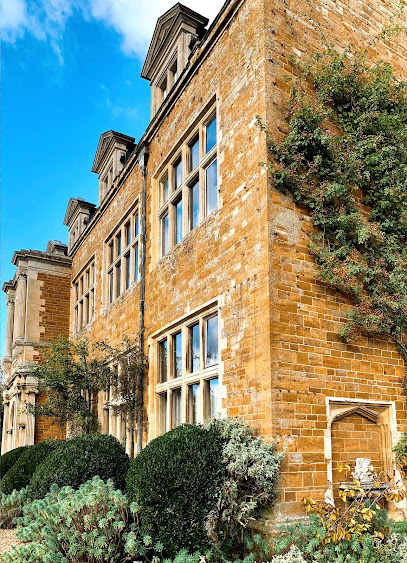
Sywell Country Park
9.7 km
A tranquil country park with woodland trails, a historic reservoir, and family-friendly play areas near Northampton.
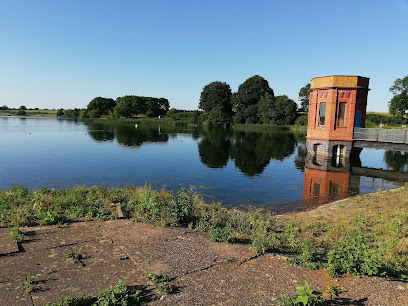
Castle Ashby Gardens
11.4 km
Discover historic elegance and family-friendly charm amid beautifully maintained gardens, a stunning orangery, and a delightful menagerie in Northamptonshire.
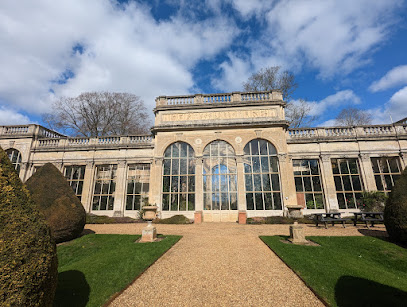
Essential places to dine

Sorrentino Restaurant in Northampton
0.3 km
Authentic Southern Italian dining in a cozy, modern setting at the heart of Northampton’s Gold Street.
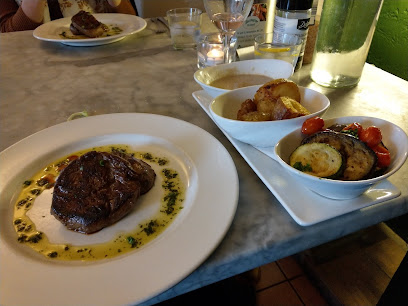
Clary's Restaurant
0.5 km
A welcoming restaurant inside Aspers Casino Northampton, known for hearty British classics, attentive service, and a relaxed atmosphere.
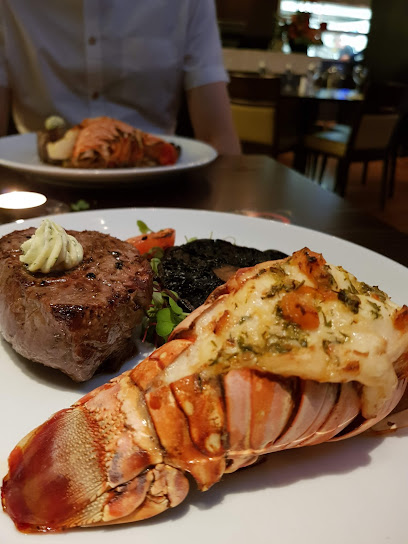
Turtle Bay Northampton
0.5 km
Experience vibrant Caribbean flavours and lively island vibes in the heart of Northampton with great food, cocktails, and reggae beats.
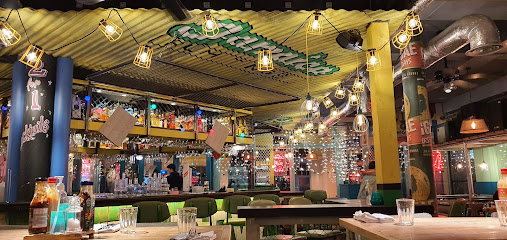
Sophia's Northampton
0.6 km
A cozy family-run Mediterranean gem in Northampton offering authentic Italian, French, Greek, and Spanish flavors with warm hospitality.
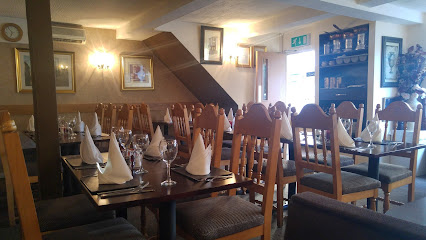
Marseille Restaurant
0.7 km
Cozy French bistro in Northampton serving authentic classics, superb coffee, and a welcoming atmosphere on Sheep Street.
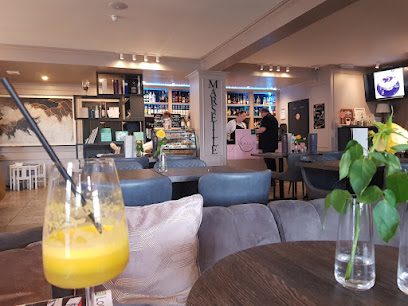
Saffron Restaurant
0.9 km
Experience vibrant Bangladeshi and Nepalese flavors with a modern twist in Northampton’s lively and welcoming Saffron Restaurant.
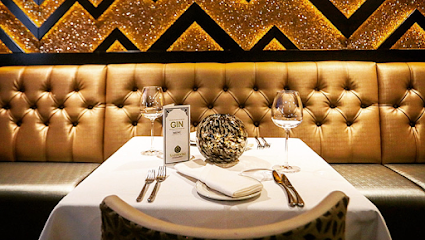
The Smoke Pit
0.9 km
Savor authentic American barbecue with generous portions and a lively atmosphere in the heart of Northampton.
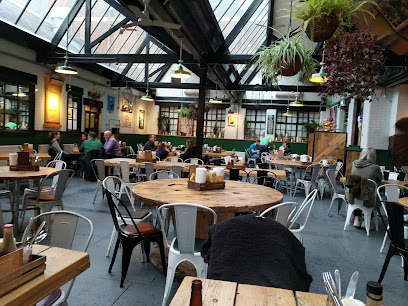
Pamukkale Turkish restaurant
0.9 km
Authentic Turkish flavors and warm hospitality in the heart of Northampton’s vibrant dining scene.
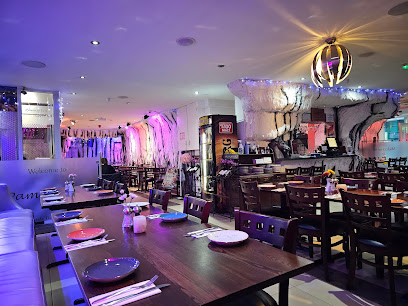
The Dining Room
1.1 km
Experience elegant home-cooked British and European cuisine with famous afternoon teas in a cozy Northampton setting.
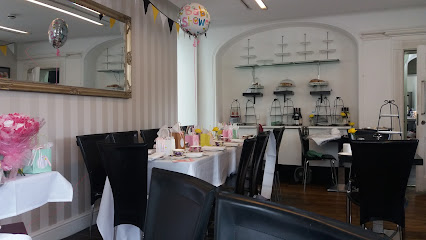
Nuovo Restaurant
1.1 km
Experience inventive Venetian cicchetti and contemporary Italian cuisine in a stylish, welcoming setting at Nuovo Restaurant in Northampton.
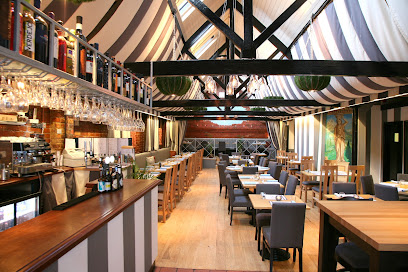
Hibiscus
1.8 km
Experience award-winning fine dining at Hibiscus, nestled within the historic and picturesque Delapré Abbey estate in Northampton.
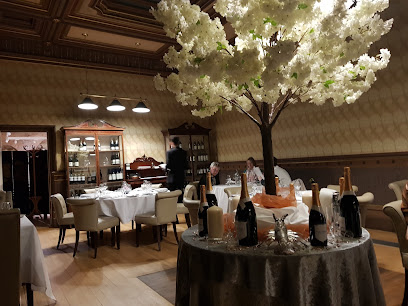
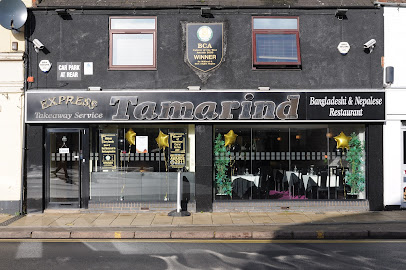
Tamarind Restaurant
1.8 km
Experience authentic Indian cuisine with exceptional service and a warm atmosphere at Tamarind Restaurant in Northampton.
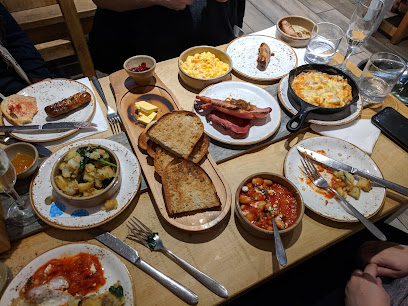
Bread And Pullet Takeaway
1.8 km
Discover modern British tapas with fresh, vibrant flavors in a casual, welcoming setting on Northampton’s Wellingborough Road.
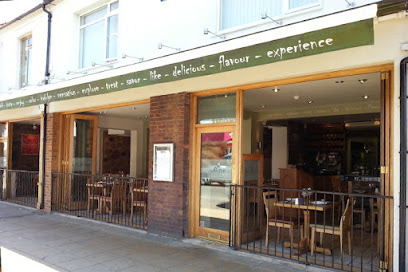
The Stuffed Olive
1.9 km
Stylish Mediterranean dining with creative martinis and fresh, locally sourced flavors in the heart of Northampton.
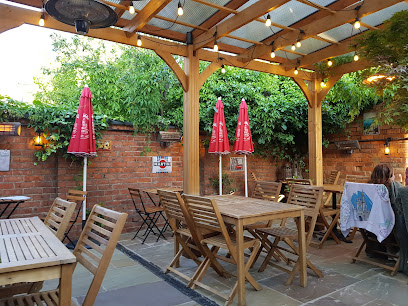
La Pazienza
2.2 km
Experience authentic Sicilian and Italian flavors in a warm, family-friendly setting with handmade pasta and traditional recipes in Northampton.
Markets, malls and hidden boutiques

St James Retail Park
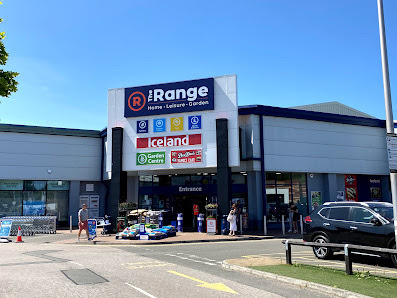
0.4 km
Convenient shopping with free parking and a variety of stores in Northampton’s St James Retail Park.
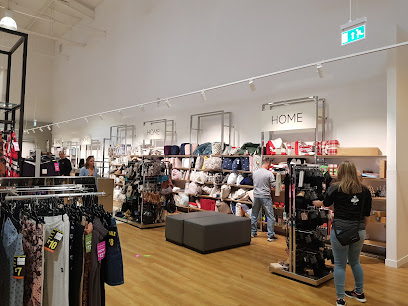
Next Outlet Northampton
0.4 km
Affordable fashion and homeware at Next Outlet Northampton, nestled in the vibrant St James Retail Park.
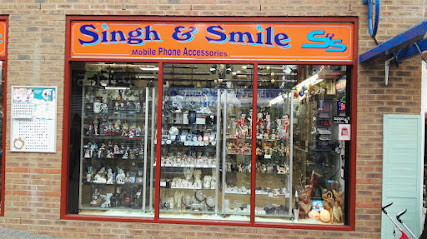
Singh & Smile
0.4 km
Discover personalized gifts, aromatherapy, and wellness treasures at Singh & Smile, Northampton’s charming boutique for joyful living.
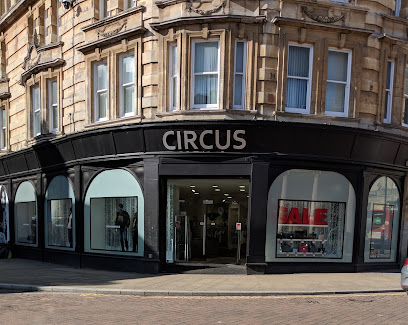
Circus
0.5 km
Contemporary men’s and women’s clothing store in Northampton’s lively Drapery shopping street.
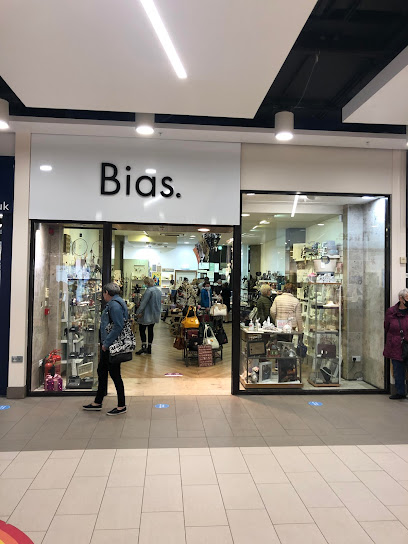
Bias Gift Shop
0.7 km
Discover unique gifts, stylish accessories, and charming homewares at Bias Gift Shop in Northampton’s Grosvenor Centre.
Next Home
0.7 km
A stylish and practical department store in Northampton offering fashion, footwear, and homewares under one roof with moderate prices.

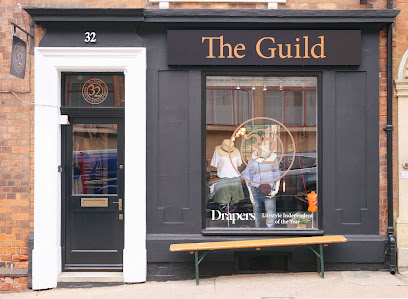
32 The Guild
0.8 km
Discover unique contemporary ladieswear and artisanal fashion in Northampton’s vibrant cultural quarter at 32 The Guild.
The Works
0.8 km
Discover affordable creativity at The Works Northampton, your go-to spot for books, crafts, toys, and stationery in the heart of the city.

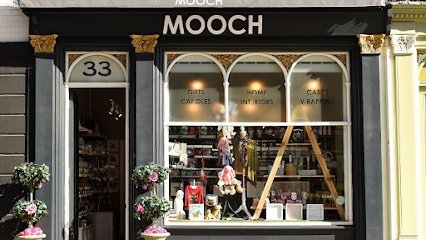
MOOCH on St Giles Street
0.9 km
Discover unique gifts and charming home accessories with friendly service at MOOCH on St Giles Street, Northampton’s beloved independent boutique.
Voni Blu
0.9 km
Explore unique fashion at Voni Blu, Northampton's top boutique for ladies' clothing and stylish accessories.

Vintage Guru Ltd
1.0 km
Discover unique vintage treasures and handmade gifts in the heart of Northampton’s St Giles at Vintage Guru Ltd.
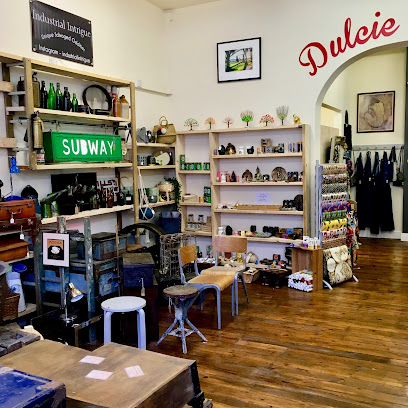
Its a Gift
2.5 km
Explore Its a Gift in Northampton for a unique selection of presents and cards that capture the spirit of thoughtful gifting.
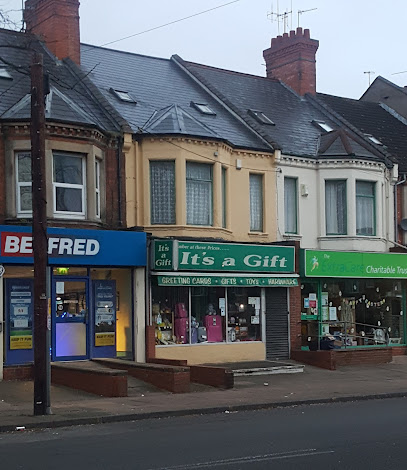
It's A Gift
3.1 km
A friendly local gift shop in Kingsthorpe offering household essentials and unique presents with welcoming service.
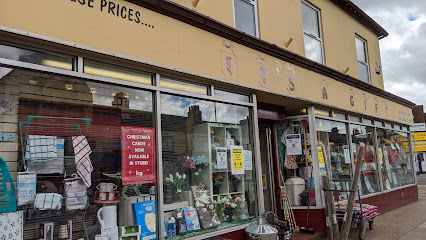
The Rural Shopping Yard at Castle Ashby
11.2 km
Discover unique gifts and crafts in charming converted farm buildings with delightful refreshments in Castle Ashby’s rural shopping haven.
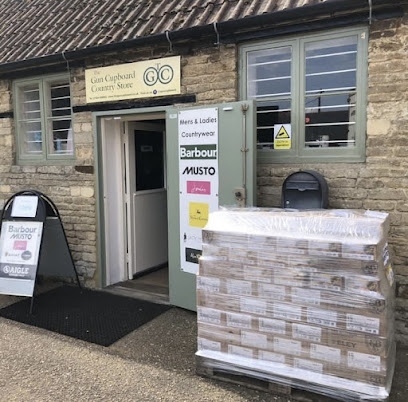
Limeblue
11.3 km
Explore Limeblue in Castle Ashby for unique gifts and local treasures that make perfect souvenirs for your travels.
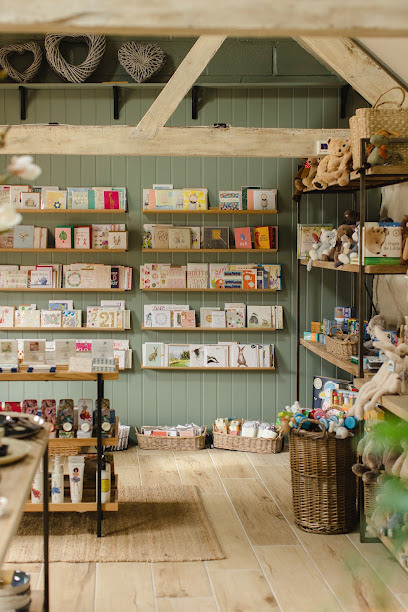
Essential bars & hidden hideouts

The Bear
0.6 km
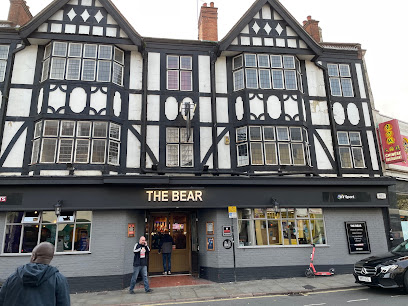
Experience the warmth and charm of The Bear, a beloved pub in Northampton, offering delicious food and drinks in a cozy atmosphere.
King Billy Rock Bar
0.6 km
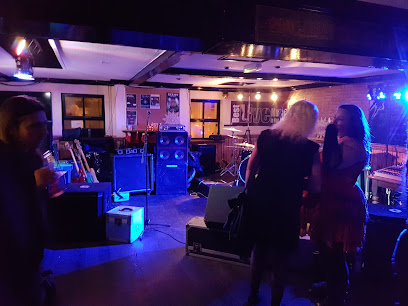
Northampton’s iconic biker pub and live music hotspot, King Billy Rock Bar pulses with rock energy and community spirit.
Shipmans
0.6 km
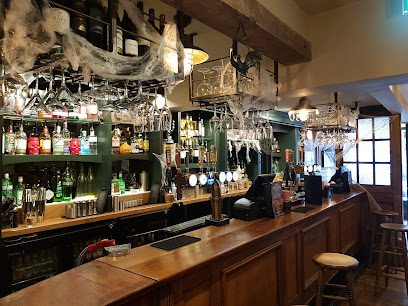
Historic Shipmans pub in Northampton offers timeless charm, premium drinks, and a refined dining experience in the town centre.
Zapato Lounge
0.7 km
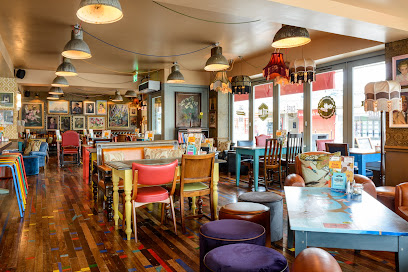
A vibrant, inclusive lounge in Northampton offering diverse British and vegan cuisine in a welcoming, family- and dog-friendly setting.
Old Bank
0.7 km
A vibrant, spacious pub in Northampton’s St Giles' Square, offering traditional ales, hearty food, and a lively social atmosphere.
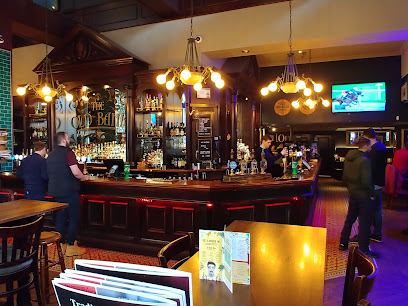
The Malt Shovel Tavern
0.7 km
Traditional English pub in Northampton famed for its real ales, hearty meals, and welcoming, dog-friendly atmosphere.
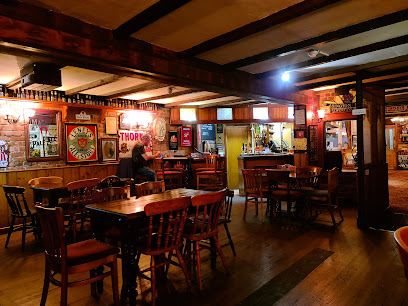
Edge of Town
0.8 km
Lively and affordable bar with friendly service, known for the best bar maid in town, open late in the heart of Northampton.
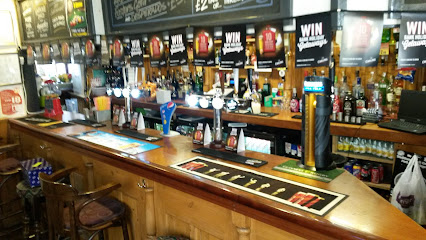
Mail Coach Northampton
0.8 km
Classic British pub charm meets lively social vibes with craft ales, hearty food, and live sports in Northampton’s welcoming Mail Coach.
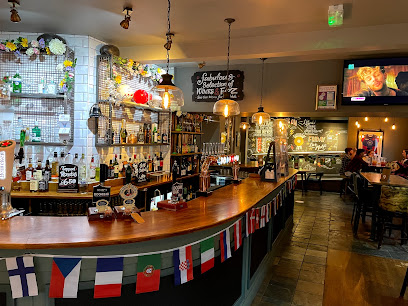
The Optimist
0.8 km
A vibrant Northampton pub blending stylish interiors, diverse food, lively entertainment, and a welcoming atmosphere in the city center.
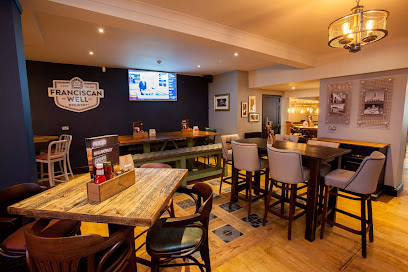
The Fish
0.8 km
A vibrant Northampton pub blending traditional British fare, live music, and a welcoming atmosphere on historic Fish Street.
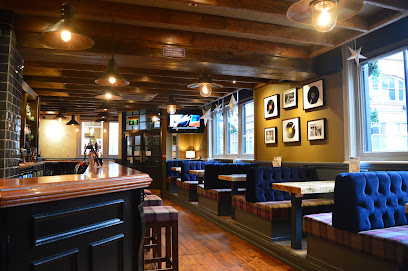
Velvet Room Northampton
0.8 km
Stylish tapas and inventive cocktails blend in a vibrant social hub at Northampton’s Velvet Room, perfect for sharing and late-night fun.
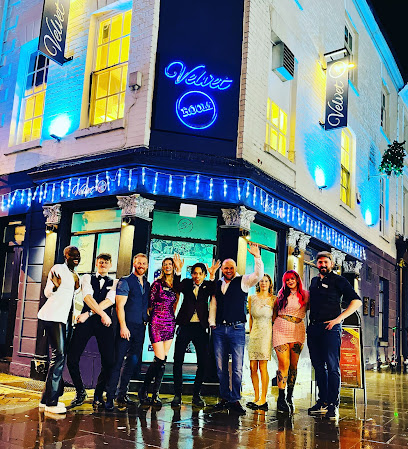
The Charles Bradlaugh
1.0 km
A stylish, welcoming pub in Northampton offering homemade food, lively events, and a vibrant community atmosphere in a historic setting.
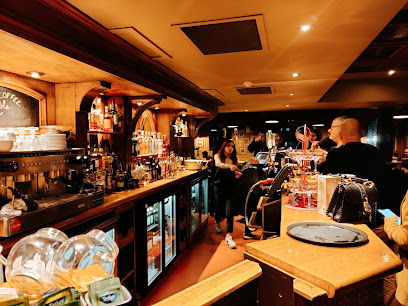
The Lamplighter
1.2 km
A welcoming Northampton pub renowned for its real ales, hearty British fare, and vibrant community spirit.
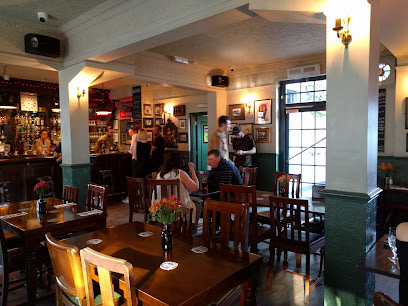
The Black Prince
1.2 km
A lively Northampton pub blending historic charm with vibrant live music and a welcoming beer garden for all to enjoy.
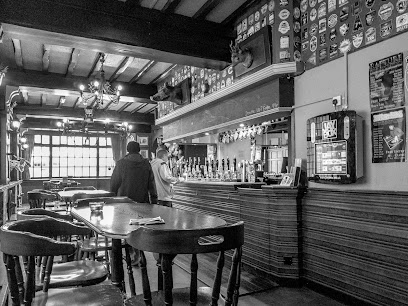
The Princess Alexandra Craft Beer Bar
1.2 km
A vibrant craft beer haven in Northampton blending modern style with an extensive selection of unique ales and cozy charm.
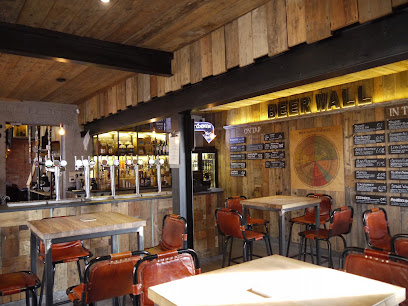
Nightclubs & after hour spots

Elysium
0.3 km
Northampton’s premier late-night nightclub for house, bass, and tech house music, famed as the city’s official after-party hotspot.
Club43
0.4 km
Northampton’s vibrant underground nightclub offering top electronic acts and a soulful, energetic nightlife experience.
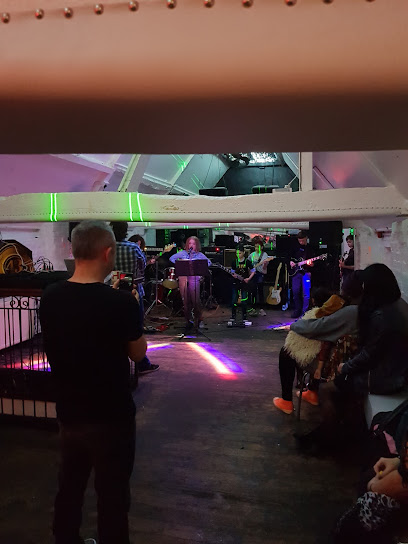
The Boston
0.5 km
Northampton’s welcoming LGBTQ+ nightclub and pub, The Boston offers lively music, themed nights, and a vibrant inclusive atmosphere.

NB's
0.6 km
Experience Northampton’s vibrant nightlife with NB's lively clubbing atmosphere, multiple rooms, and sociable outdoor bar area.
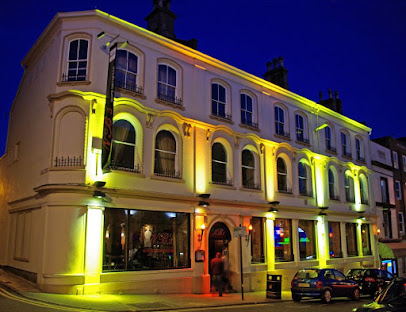
Stereo Bar and Club
0.6 km
Experience Northampton’s vibrant nightlife with eclectic music, lively dancing, and a welcoming atmosphere at Stereo Bar and Club.
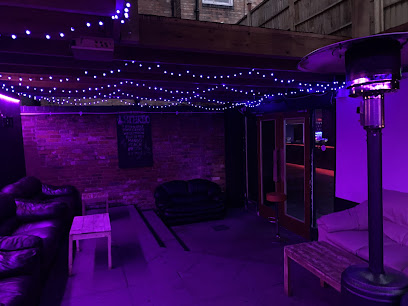
The Platform
0.6 km
Northampton’s vibrant nightclub and bar blending historic charm with lively music, drinks, and student-friendly events.
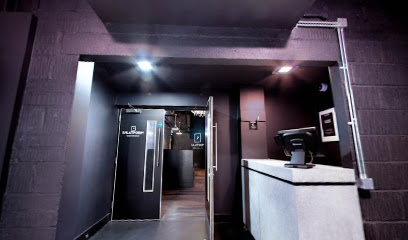
Club Bar X
1.7 km
Lively basement nightclub on Wellingborough Road, Northampton, offering late-night music, dancing, and a vibrant social scene Thursday to Saturday.
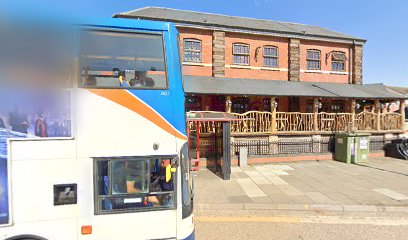
Club 145
1.7 km
Energetic nightclub on Wellingborough Road offering lively music, dancing, and a vibrant social scene in the heart of Northampton.
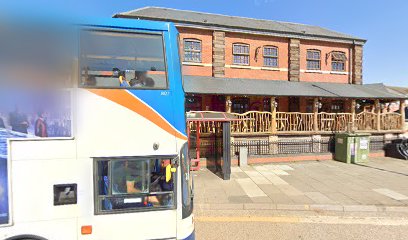
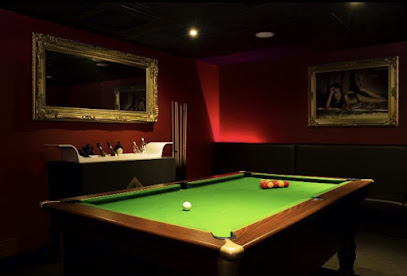
Garudaa
24.2 km
A spacious, welcoming gentlemen’s club in Milton Keynes offering VIP areas, game rooms, and late-night entertainment in a relaxed, darkly lit setting.
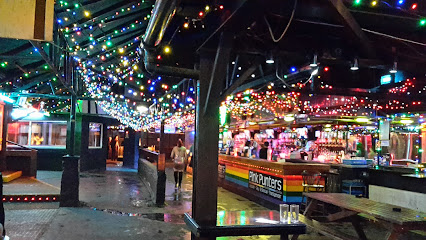
Pink Punters
29.7 km
Milton Keynes’ dynamic multi-room nightclub blending diverse music, vibrant crowds, and a lively late-night party atmosphere.
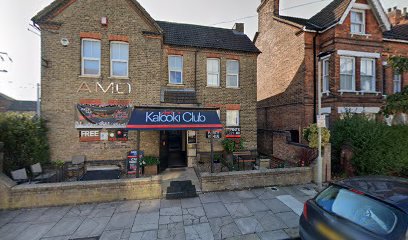
The Kalooki Club
30.8 km
A friendly and lively social club in Bedford offering great service, casual vibes, and a welcoming atmosphere for locals and visitors alike.
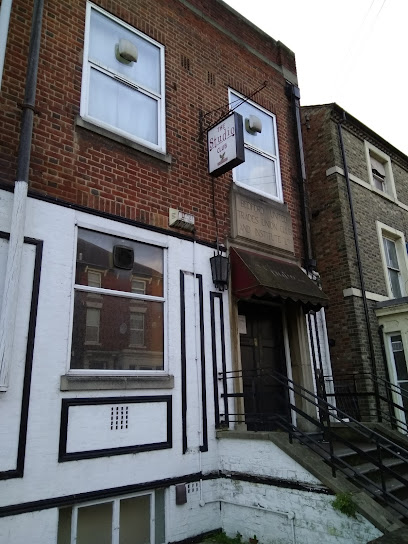
The Studio Club
31.3 km
A friendly, casual nightclub and bar in Bedford offering affordable drinks, pool tables, and live music in an intimate setting.
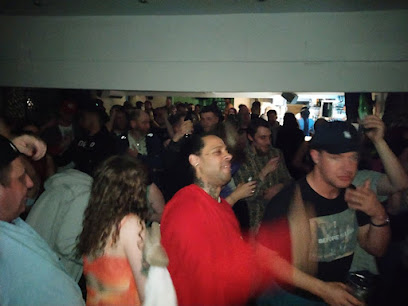
Six's Club
31.9 km
A lively community nightclub in Bedford offering soulful music, friendly vibes, and memorable nights from Thursday to Sunday.
Cubana Nightclub - Bedford
32.0 km
Bedford’s vibrant two-floor nightclub with live music, multiple bars, and VIP areas, offering an energetic dance and social experience on Mill Street.

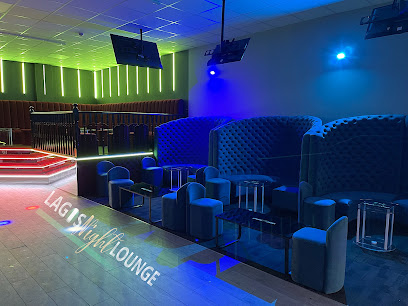
Lagos Night Lounge
33.1 km
Experience Bedford’s vibrant African-inspired nightlife with live music, themed events, and authentic cuisine at Lagos Night Lounge.
For the vibe & atmosphere seeker
- Tranquil
- Scenic
- Unique
- Casual
For the design and aesthetic lover
- Vintage Styles
- Rustic Designs
For the architecture buff
- Historic
- Landmarks
For the view chaser and sunset hunter
- Iconic Views
For the social media creator & influencer
- Photo Spots
- Selfie Spots
- Architectural Shots
For the eco-conscious traveler
- Public-Transport Accessible
- Locally Managed
For the kind of experience you’re after
- Cultural Heritage
- Photowalk
- Day Trip
- Weekend Getaway
For how adventurous you want the journey to be
- Easy Access
Location Audience
- Family Friendly
- Senior Friendly
- Child Friendly
- Teen Friendly
- Wheelchair Access
- Solo Friendly
- Couple Friendly
- Solo Female Friendly


