

King Lear, Leicestershire Travel Guide
Explore Leicester’s legendary ties to King Lear, where Roman ruins and medieval myths converge in a captivating historical landmark.
King Lear, the legendary British monarch immortalized by Shakespeare, is traditionally linked to Leicester, where archaeological finds reveal a rich history from Roman times to medieval legends. The site at 7 Everard Way, Leicester, encompasses remnants of Roman baths and the famed Jewry Wall, connecting myth with tangible heritage in this historic city.
A brief summary to King Lear
- 7 Everard Way, Leicester, LE19 1UT, GB
- Click to display
- Duration: 0.5 to 2 hours
- Free
-
 Outdoor
- Mobile reception: 4 out of 5

Know before you go
Hi, I'm Eve. Here are a few practical things to know before exploring King Lear.
- Visit the nearby Jewry Wall Museum to see Roman artifacts and learn about Leicester’s ancient past.
- Explore the site early in the day to enjoy a quieter atmosphere and better photo opportunities.
- Combine your visit with a walk along the River Soar to connect with the legend of King Lear’s burial place.
- Check local event listings for special exhibitions or talks about Leicester’s archaeological heritage.
Do you manage this location?
Take control to get all the benefits, like improved information, better appearance, and stronger visibility across AI-powered discovery. Learn more about listing your business on Evendo
Activate your presenceOther nearby places you may find interesting
The closest places of the same kind, if this one is not quite what you had in mind.
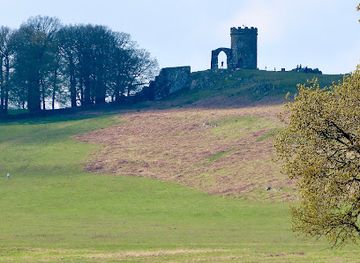
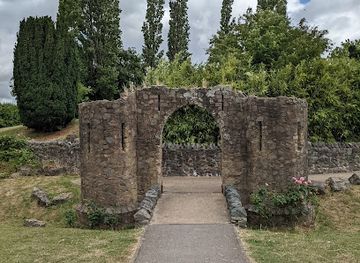
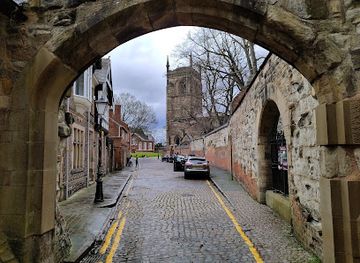
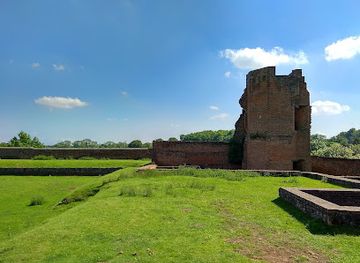

Explore King Lear on the Map
A handpicked selection of must-see spots near King Lear, mapped for you.
Getting There
-
Bus
Take local bus services from Leicester city center to the Everard Way area; travel time ranges from 10 to 20 minutes. Services run frequently during the day, but check schedules on weekends. Tickets cost approximately £2 to £4.
-
Taxi
A taxi ride from Leicester railway station to 7 Everard Way typically takes 10 minutes depending on traffic. Fares generally range from £7 to £12. This option offers direct and convenient access.
-
Walking
From Leicester city center, a 30-minute walk along mostly flat, paved routes will bring you to the site. Suitable for most visitors, with accessible paths and urban surroundings.
For the on-the-go comforts that matter to you
-
 Restrooms
-
 Information Boards
-
 Seating Areas
Discover more about King Lear
The Mythical Roots of King Lear in Leicester
King Lear, as recounted by Geoffrey of Monmouth in the 12th century, is a legendary king of the Britons said to have founded the city of Leicester around the 8th century BC. Though largely considered a medieval invention, the legend intertwines with the city's identity, with Lear portrayed as a ruler whose story inspired Shakespeare's tragedy. Geoffrey named Leicester Kaerleir, meaning "City of Leir," linking the ancient king to the locale and embedding his tale deeply into British cultural heritage.Archaeological Discoveries and Roman Heritage
Extensive archaeological excavations in Leicester reveal that the first permanent settlement dates to the 1st century BC, much later than the legendary founding date. This settlement, known as Ratae Corieltauvorum, was a significant Roman town with impressive structures such as public baths, parts of which survive as the Jewry Wall—the second largest Roman masonry remnant in Britain. The Jewry Wall area, near King Lear’s supposed burial site, offers insight into Roman urban life and the continuity of occupation through centuries.The Jewry Wall and Its Historical Significance
The Jewry Wall, once part of the Roman baths complex, stands as a monumental reminder of Leicester’s Roman past. During medieval times, the wall became part of the Jewish quarter, sheltering a community that was integral to the city’s history. The wall's name likely originates from folk beliefs about mysterious ruins, rather than direct Jewish connections. Beneath and around the Jewry Wall, archaeological work continues to uncover layers of Leicester’s past, including Roman artifacts and evidence of earlier settlements.King Lear’s Burial and the Temple of Janus
According to legend, King Lear was buried beneath the River Soar in a vault dedicated to the Roman god Janus, near the Jewry Wall. While this story is likely a medieval attempt to rationalize the Roman ruins, it enriches Leicester’s mythic landscape. The association with Janus, the god of beginnings and transitions, adds symbolic depth to Lear’s narrative and connects the city’s Roman and legendary pasts in a unique cultural fusion.Leicester’s Evolution Through Time
Leicester’s history spans Roman occupation, Anglo-Saxon and Danish control, and medieval development. The city’s fortifications, including walls rebuilt by Ethelfloeda in the 10th century, reflect its strategic importance. Over time, the city transformed from a Roman settlement to a medieval hub, with its layered history preserved in architecture and archaeological sites. King Lear’s legend, while fictional, remains a cultural touchstone that highlights Leicester’s long-standing royal and historical significance.Modern Recognition and Cultural Impact
Today, Leicester embraces its rich heritage through museums like the Jewry Wall Museum, which showcases Roman artifacts and educates visitors about the city’s ancient past. The King Lear story continues to inspire literary and historical interest, drawing visitors intrigued by the blend of myth and archaeology. Leicester’s identity as a city of kings and legends is celebrated alongside its vibrant modern culture, making it a compelling destination for history enthusiasts and travelers alike.












Your all‑in‑one travel companion app
Explore expert travel guides, compare and book tours, experiences, hotels, and more—all from the palm of your hand. Download now for seamless trip planning wherever your wanderlust takes you.


Explore More of Leicestershire
Looking beyond King Lear? Discover Leicestershire for broader travel guides, local hot-spots, and regional highlights.
Explore Leicestershire
A towering Gothic-revival memorial in Coalville honoring 354 fallen WWI soldiers with a commanding clock and rich community history.
Explore Leicester Castle, a Norman fortress with Britain’s oldest timber Great Hall, steeped in medieval history and royal legacy.
