

Harbottle Castle: Medieval Stronghold of Northumberland
Explore the evocative ruins of Harbottle Castle, a medieval fortress guarding Northumberland’s historic borderlands.
Harbottle Castle is a striking medieval ruin perched at the western edge of Harbottle village in Northumberland, England. Built around 1160 by the Umfraville family under King Henry II’s orders, it served as a strategic defense against Scottish incursions. Though largely in ruins today, the site retains earthworks and masonry remnants that reveal its turbulent history of sieges, restorations, and royal ownership. Managed by Northumberland National Park Authority, it offers visitors a glimpse into England’s border conflicts and medieval architecture.
A brief summary to Harbottle Castle
- Morpeth, Harbottle, GB
- Duration: 0.5 to 2 hours
- Free
-
 Outdoor
- Mobile reception: 3 out of 5
- Monday 12 am-12 am
- Tuesday 12 am-12 am
- Wednesday 12 am-12 am
- Thursday 12 am-12 am
- Friday 12 am-12 am
- Saturday 12 am-12 am
- Sunday 12 am-12 am
Local tips
- Visit during daylight hours to fully appreciate the castle ruins and surrounding landscape.
- Wear sturdy footwear as the terrain around the earthworks can be uneven and grassy.
- Combine your visit with a walk to nearby natural landmarks like the Drake Stone.
- Stop by the Star Inn in Harbottle village for local food and refreshments.

For the on-the-go comforts that matter to you
- Information Boards
- Seating Areas
- Restrooms
- Food Options
- Drink Options
Getting There
-
Bus
Take the local bus service from Morpeth to Harbottle, which runs several times daily. The journey takes approximately 45 to 60 minutes. Note that service frequency is limited on weekends and public holidays. Bus tickets cost around £5-£7 one way.
-
Car
Driving from Morpeth to Harbottle takes about 25 to 35 minutes via rural roads. Parking is available near the castle ruins but limited in capacity. The route involves narrow country lanes, so cautious driving is advised.
-
Walking
For the adventurous, a scenic 2-3 hour hike from Rothbury to Harbottle follows well-marked trails through Northumberland National Park. The terrain includes some uneven paths and gentle climbs, suitable for experienced walkers.
Harbottle Castle location weather suitability
-
 Any Weather
-
 Mild Temperatures
-
 Rain / Wet Weather
Discover more about Harbottle Castle
Origins and Early Construction
Harbottle Castle’s history dates back to the 12th century, initially established as a timber motte-and-bailey fortress. Around 1160, under King Henry II’s directive, the powerful Umfraville family replaced the wooden structure with a stone castle to fortify the northern border against Scottish threats. The castle’s location atop a mound possibly used since ancient Briton times underscores its long-standing strategic importance. Early stonework and earthworks remain visible, reflecting the castle’s original defensive design.Medieval Conflicts and Fortifications
Throughout the late 12th and 13th centuries, Harbottle Castle was repeatedly contested. It was captured by Scots in 1174 and later withstood a massive siege in 1296 by Robert de Ros and his forces. The castle changed hands multiple times, including capture by Robert the Bruce in the 1310s. These conflicts prompted several rebuilds and repairs, including significant restoration in 1336 and further fortifications in the 16th century. The castle’s defensive walls, gatehouse, and towers were enhanced to meet evolving military needs.Role in Border Governance and Decline
Harbottle Castle served as the residence of the Warden of the Middle Marches, a key official responsible for law and order along the Anglo-Scottish border. It also functioned as a prison during this period. Ownership passed to the Tailleboys family in the 15th century and later became royal property in 1546. Despite repairs supervised by Sir John Forster, the castle gradually fell into disrepair after the Union of the Crowns in 1603, as border conflicts diminished. By the early 18th century, it was largely ruinous, with much of its stone repurposed for local buildings.Present-Day Ruins and Surroundings
Today, visitors encounter earthworks and partial masonry remains that hint at the castle’s former grandeur. The site is a Scheduled Ancient Monument and Grade I listed building, protected for its historical significance. Nearby, a 19th-century mansion built on the manor site replaces earlier structures, designed by architect John Dobson. The castle overlooks the picturesque village of Harbottle and the River Coquet valley, offering scenic views and a peaceful atmosphere.Visitor Experience and Cultural Context
Harbottle Castle invites exploration of medieval military architecture and border history. The surrounding Northumberland National Park provides walking trails and natural beauty, with the village offering local amenities such as the Star Inn pub. The castle’s evocative ruins and landscape inspire reflection on centuries of Anglo-Scottish relations and the lives of those who guarded this frontier.Architectural Features and Archaeological Insights
Archaeological surveys reveal the castle’s original motte and kidney-shaped bailey, later divided by defensive walls. The surviving masonry includes remnants of 13th-century curtain walls, mural passages, and embrasures. A causeway and rampart approach the motte, suggesting a sophisticated defensive layout. These features provide valuable insights into medieval fortification techniques and the castle’s adaptation over time.Iconic landmarks you can’t miss

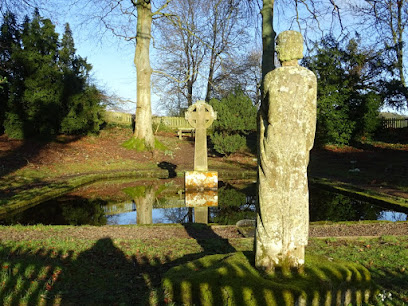
Lady's Well
2.8 km
Discover Lady's Well, a tranquil ancient spring steeped in Roman history and early Christian legend, nestled within Northumberland’s wild beauty.
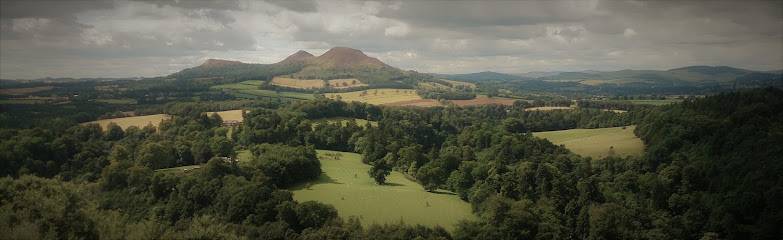
Border Memories
30.4 km
Discover your roots and explore your family's past at Border Memories, a premier genealogical service in a scenic setting.
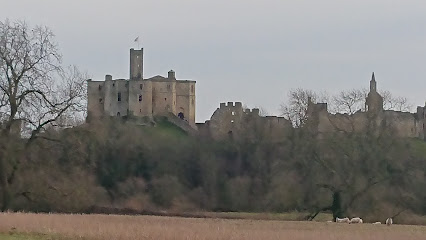
Warkworth Hermitage
30.9 km
A medieval chapel carved into riverside cliffs, accessible only by boat—where history and legend intertwine.
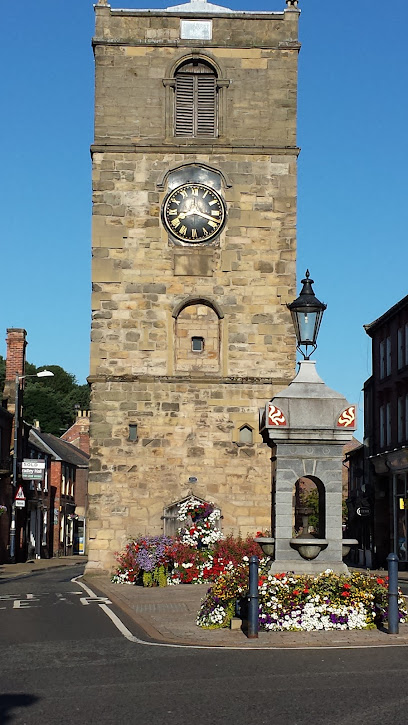
Morpeth Clock Tower
32.5 km
Historic 17th-century clock tower in Morpeth, crafted from medieval stone, featuring a storied belfry and iconic bells with deep local roots.
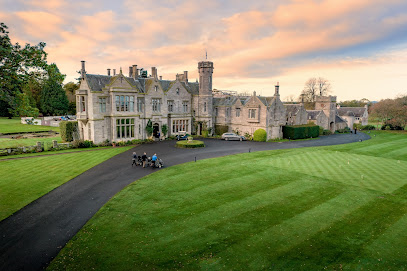
Schloss Roxburghe - Destination by Hyatt
33.5 km
A majestic Jacobean estate blending historic charm with modern luxury, set on 300 acres of scenic Scottish Borders countryside.
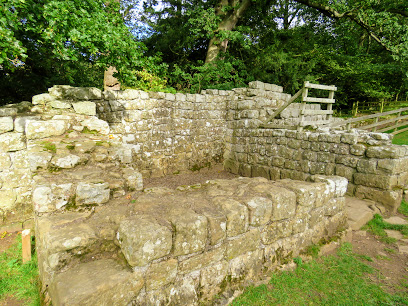
Brunton Turret - Hadrian's Wall
34.9 km
Discover Brunton Turret, a historical gem on Hadrian's Wall, where Roman history meets breathtaking landscapes in Northumberland.
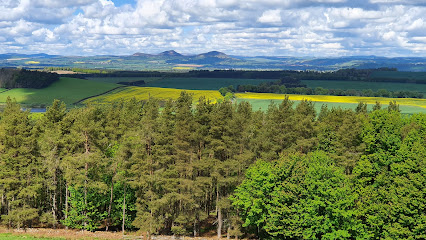
Waterloo Monument
35.1 km
A majestic 150-foot Doric column commemorating Wellington’s victory, set on a scenic Scottish Borders hill with sweeping panoramic views.
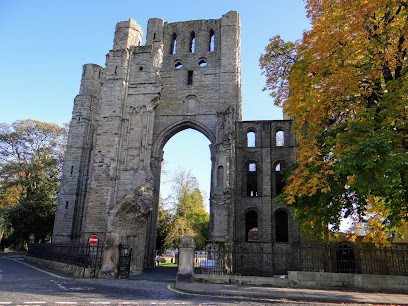
Kelso Abbey
35.4 km
Explore the historical marvel of Kelso Abbey, a magnificent testament to Scotland's medieval architecture nestled in the scenic Scottish Borders.
Kelso
35.6 km
Discover Kelso’s medieval charm and rich heritage nestled in the scenic Scottish Borders’ Tweed Valley.
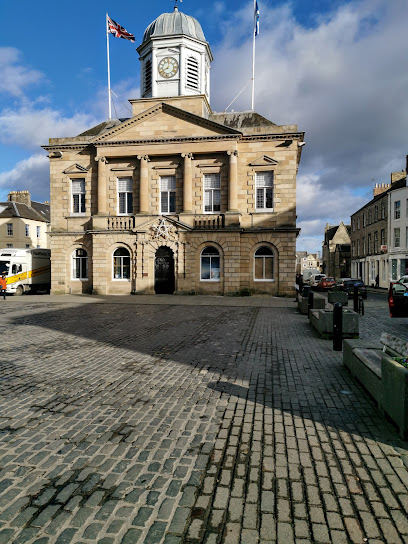
Northumberland Coast Path
35.7 km
Experience the stunning landscapes, rich wildlife, and historical treasures along the Northumberland Coast Path, a hiker's paradise on the UK's beautiful coastline.
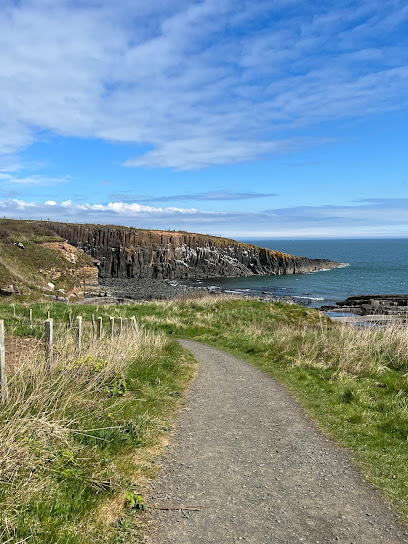
The Hirsel Estate
35.9 km
Discover the serene landscapes and rich history of The Hirsel Estate, a stunning park and garden perfect for nature lovers and history enthusiasts.
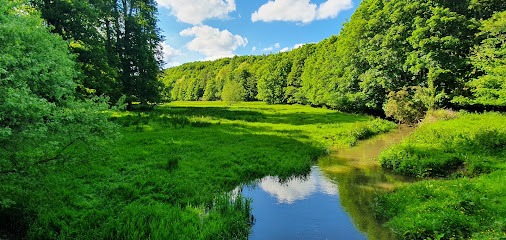
Coquet Island Lighthouse
36.0 km
A historic castellated lighthouse on a protected island sanctuary, home to rare seabirds and dramatic coastal views.
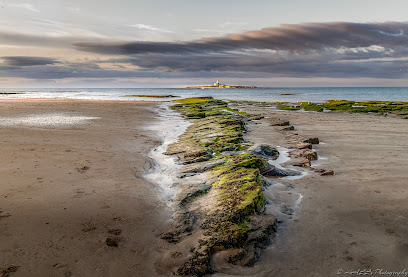
Scott/Douglas Mausoleum
36.0 km
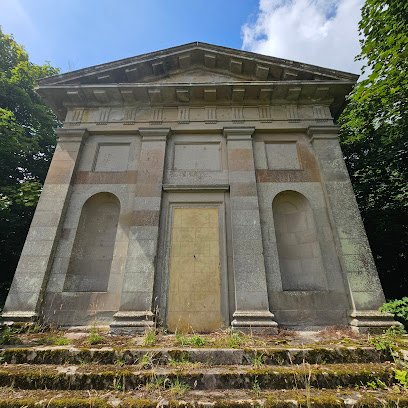
A neo-classical temple mausoleum in Kelso honoring the historic Scott and Douglas families amidst the serene Springwood estate.
Marjoribanks Monument
36.2 km
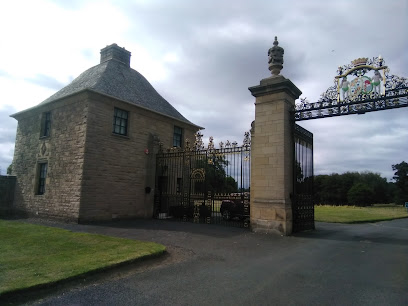
A towering tribute to Charles Marjoribanks offering stunning views and rich history at Coldstream’s eastern gateway.
Roxburgh Castle
36.3 km
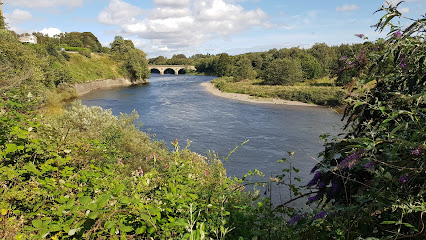
Discover the enchanting ruins of Roxburgh Castle, a historical landmark steeped in Scottish heritage, offering stunning views and rich stories.
Unmissable attractions to see

The Drake Stone
1.2 km
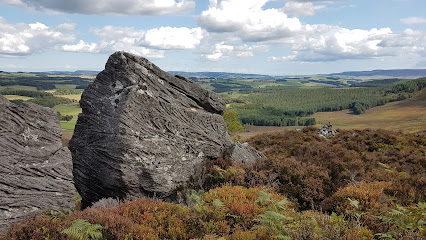
Discover Northumberland’s colossal Drake Stone, a legendary glacial boulder with panoramic views and rich local lore.
Woodhouses Bastle House
5.6 km
Explore Woodhouses Bastle, a fortified 17th-century farmhouse in Northumberland, embodying the resilience of border life and historic defense.
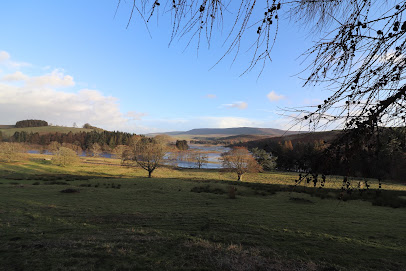
Northumberland National Park
9.7 km
Explore England’s northernmost wilderness where ancient history meets wild landscapes and rare wildlife in Northumberland National Park.
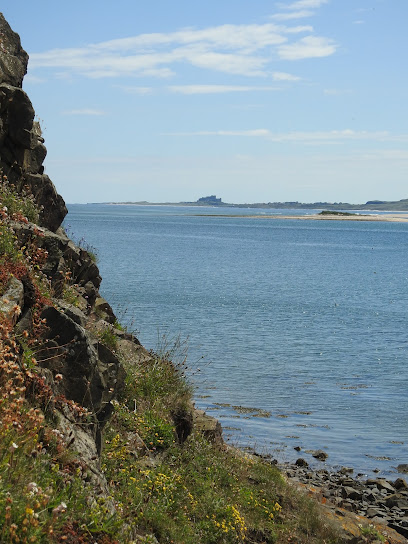
Simonside Hills
11.2 km
Explore the rugged Simonside Hills near Morpeth, where panoramic views, rich wildlife, and ancient legends await atop a distinctive sandstone ridge.
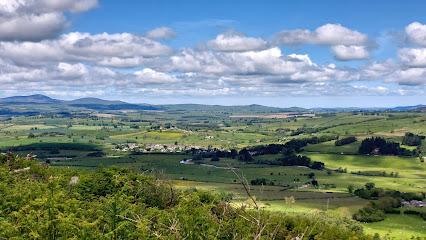
Davidson's Linn
11.9 km
Discover the tranquil double waterfall of Davidson's Linn, a hidden natural gem nestled deep in Northumberland's Cheviot Hills.
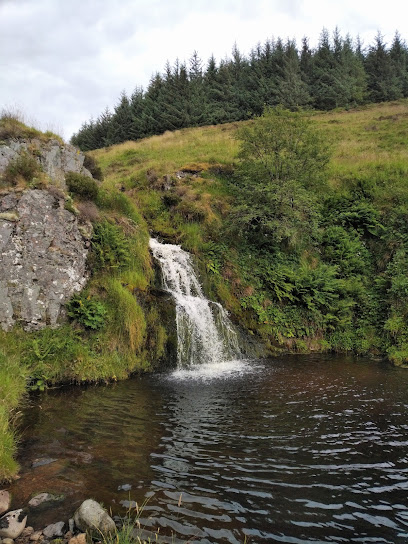
Linhope Spout Waterfall
12.6 km
Discover Linhope Spout, a breathtaking 18m waterfall nestled in Northumberland’s Cheviot Hills, perfect for scenic walks, wildlife, and tranquil picnics.
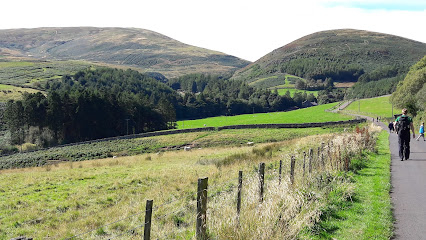
Lordenshaw Hill Fort
13.4 km
Explore Lordenshaw Hill Fort, a captivating 2,000-year-old Iron Age hillfort nestled in Northumberland’s serene National Park landscape.
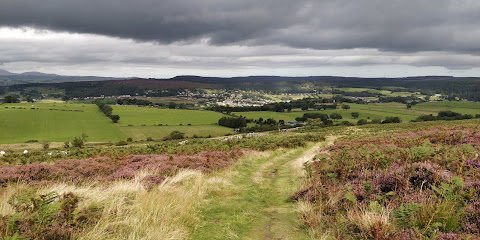
Cragside Formal Garden
14.0 km
Explore the enchanting three-tiered Victorian Formal Garden at Cragside, a historic estate famed for its innovative heritage and stunning rhododendron displays.
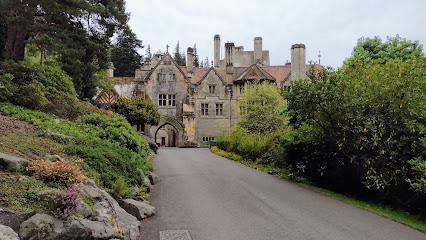
Winter's Gibbet
14.3 km
Discover the haunting history and stunning landscapes at Winter's Gibbet, an iconic landmark in Northumberland's Harwood region.
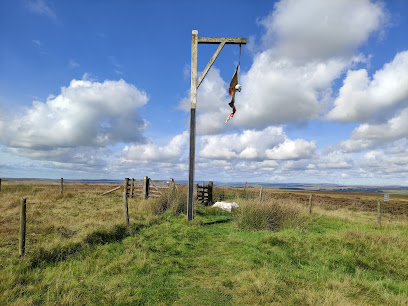
National Trust - Cragside
14.3 km
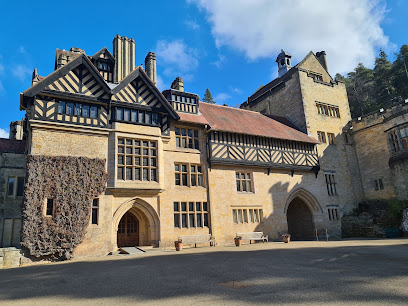
Discover Cragside, the Victorian inventor’s hydroelectric estate with grand gardens, woodland walks, and family adventures in Northumberland.
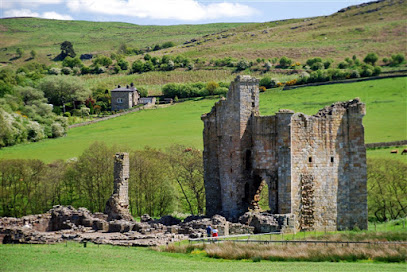
Edlingham Castle
18.8 km
Explore the evocative ruins of a 14th-century fortified manor house set in tranquil Northumberland countryside, free to visit year-round.
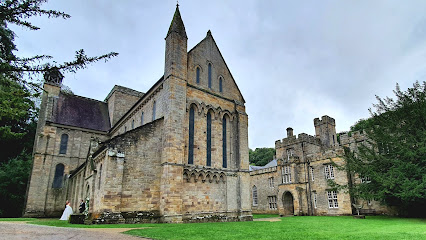
Brinkburn Priory and Manor House
19.5 km
Discover the serene beauty and medieval heritage of Brinkburn Priory, a restored 12th-century Gothic church nestled in Northumberland’s tranquil river valley.
Hareshaw Linn Walk
21.4 km
A magical woodland walk to a stunning nine-metre waterfall rich in rare plants and wildlife in Northumberland National Park.
Black Middens Bastle House
21.7 km
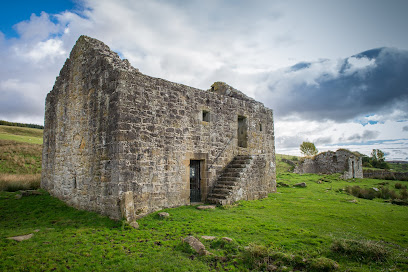
A 16th-century fortified farmhouse in Northumberland’s Tarset Valley, built to withstand border reiver raids and now a quiet, evocative ruin cared for by English Heritage.
National Trust - Wallington
22.7 km
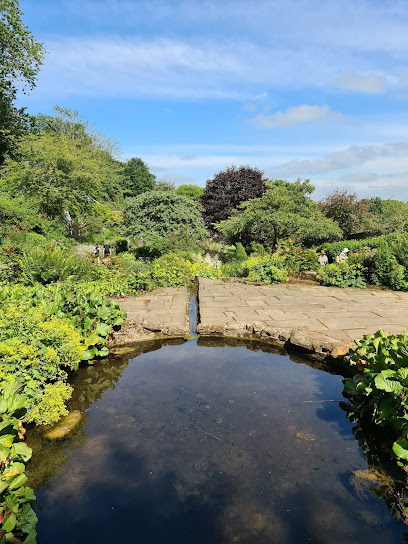
Explore Wallington’s historic house, vast woodlands, tranquil walled garden, and family-friendly trails in Northumberland’s scenic countryside.
Essential places to dine

The Three Wheat Heads Inn
9.9 km
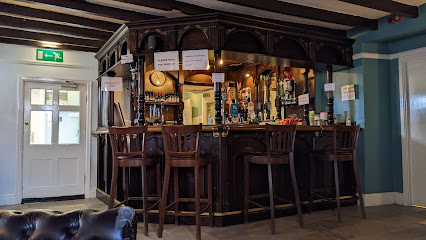
A warm, traditional Northumberland inn offering hearty local cuisine, cozy rooms, and stunning countryside views in the charming village of Thropton.
The Coach House
11.5 km
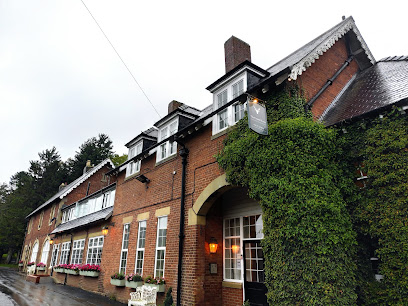
Historic British charm and hearty cuisine nestled in the tranquil deer park of Otterburn Hall estate.
The Bosk
16.1 km
Rustic British cuisine and cozy charm in Alnwick’s tranquil countryside, perfect for relaxed dining and special gatherings.
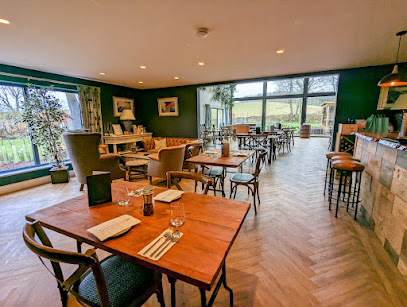
Dobson Restaurant
23.5 km
Experience refined British dining in a grand Georgian setting at Dobson Restaurant, Macdonald Linden Hall, nestled in scenic Northumberland.
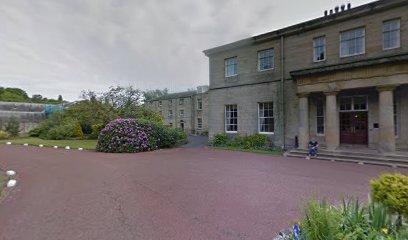
The Cook & Barker Inn
23.9 km
A warm, stylish country pub near Morpeth, serving excellent food and offering comfortable rooms in the heart of Northumberland.
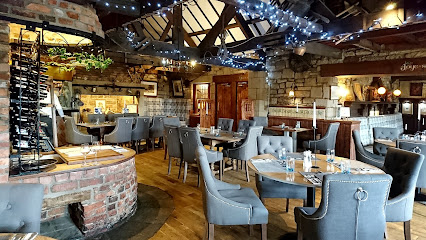
Milan Restaurant
24.0 km
Experience authentic Italian flavors and warm hospitality in the heart of Wooler at Milan Restaurant, where every meal is a celebration.
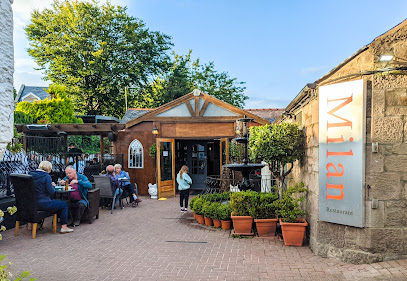
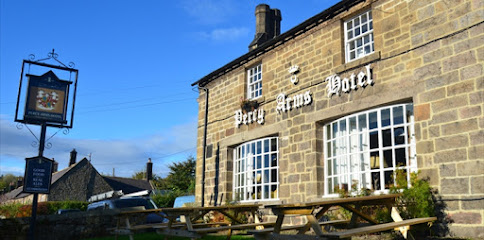
Percy Arms Hotel
26.6 km
Charming 3-star country inn in Chatton offering spacious dog-friendly rooms, hearty British cuisine, and a cosy rural atmosphere.
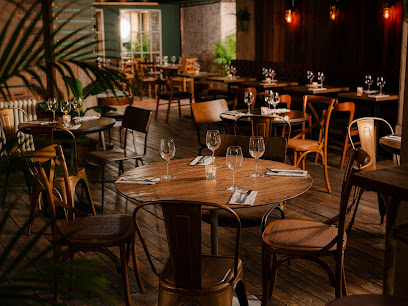
Adam and Eve
26.6 km
A stylish gastropub in Alnwick blending local seasonal produce with creative cocktails in a relaxed, welcoming setting.
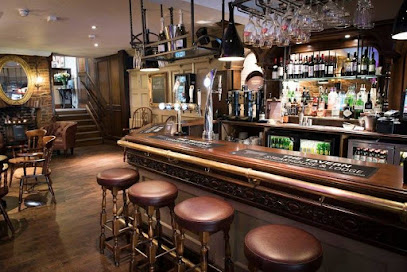
The Market Tavern, Steakhouse and Lodge
26.7 km
A beloved steakhouse and lodge in Alnwick’s heart, offering hearty local fare and warm hospitality near historic landmarks.
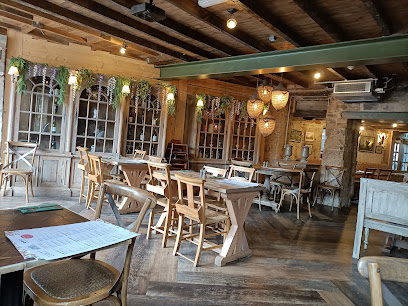
The Dirty Bottles
26.7 km
A charming historic pub, cocktail bar, and boutique hotel in Alnwick blending local character with cozy comfort and hearty fare.
Sonnet Restaurant
26.9 km
A 14-course poetic journey through Northumberland’s finest produce, served in an intimate, literary-inspired Alnwick dining room.
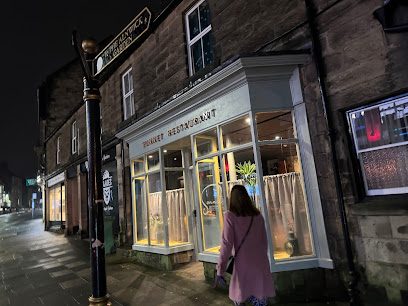
The Treehouse Restaurant
27.3 km
Dine enchanted in the treetops of The Alnwick Garden, where local British flavors meet magical woodland charm and handcrafted rustic elegance.
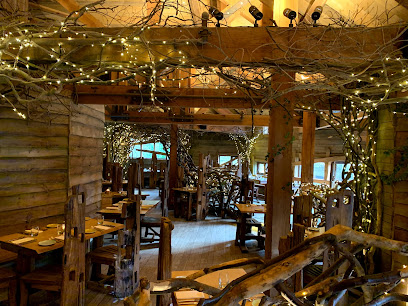
Battlesteads Hotel & Restaurant
28.8 km
Charming rural hotel blending cozy comfort, gourmet dining, and magical stargazing in Northumberland’s serene countryside.
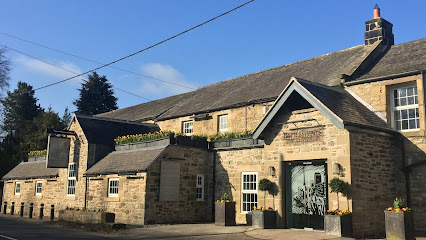
The Whittling House
31.8 km
A cosy boutique hotel and acclaimed seafood restaurant in Alnmouth, blending rustic charm with coastal elegance and warm hospitality.
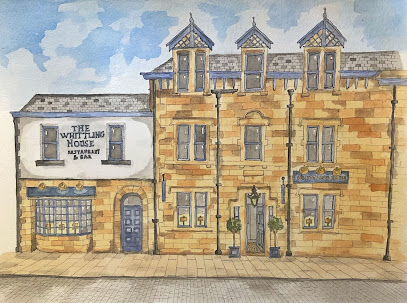
Bistro 23
31.8 km
Intimate family-run bistro in scenic Alnmouth serving fresh, local seafood and Northumberland specialties with warm hospitality.
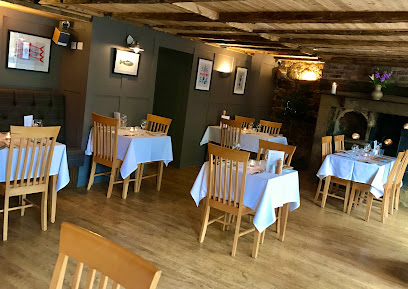
Markets, malls and hidden boutiques

Otterburn Mill Shop and Café, Otterburn
12.8 km
Historic mill shop and cozy café nestled in Northumberland’s scenic Otterburn, blending outdoor gear, homemade food, and tranquil picnic grounds.
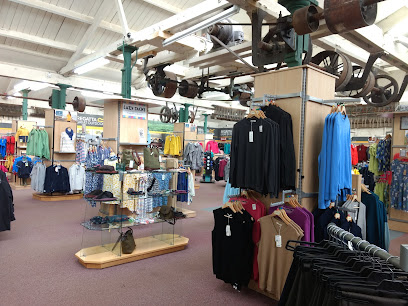
Otterburn Mill Shop, Rothbury
12.9 km
Discover quality walking apparel at Otterburn Mill Shop, Rothbury’s trusted destination for outdoor clothing in Northumberland’s scenic market town.

Elements Art & Craft Gallery
12.9 km
Discover unique handcrafted treasures and local artistry at Elements Art & Craft Gallery in the heart of Rothbury, Northumberland.
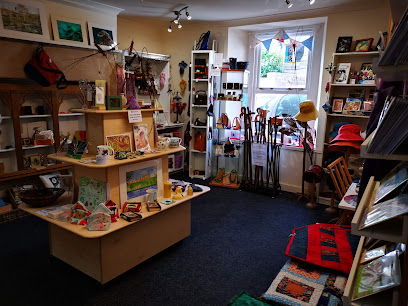
Natural Northumberland
23.4 km
Discover unique local crafts and heartfelt gifts reflecting Northumberland’s rich heritage at this charming Bellingham boutique.
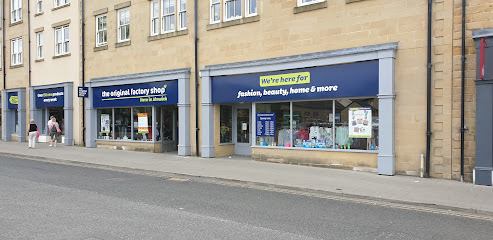
The Original Factory Shop (Alnwick)
26.6 km
Affordable brand-name fashion, footwear, and homeware bargains in the heart of Alnwick’s shopping district.
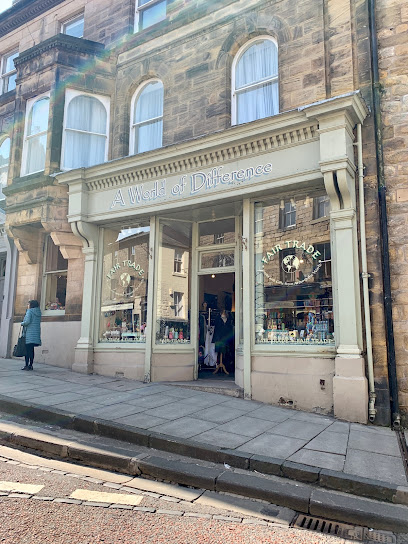
A World Of Difference
26.7 km
Discover fair trade gifts and organic health foods in Alnwick’s welcoming shop committed to sustainability and ethical shopping.
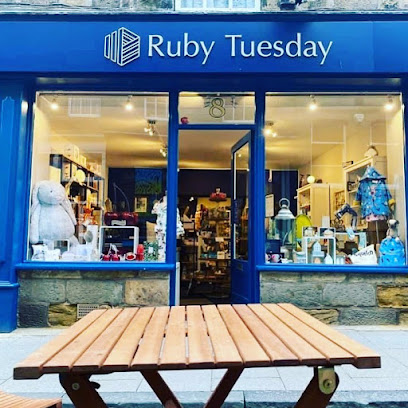
Ruby Tuesday Alnwick
26.7 km
Discover unique, high-quality gifts from small businesses at Ruby Tuesday Alnwick, a charming boutique in the heart of historic Alnwick.
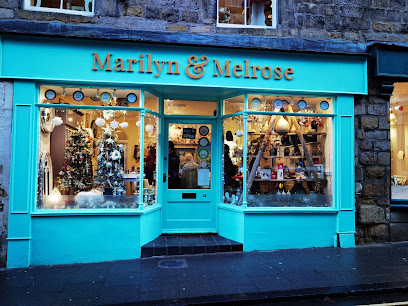
Marilyn & Melrose
26.7 km
Discover unique gifts, restored furniture, and creative workshops at Alnwick’s charming Marilyn & Melrose boutique.
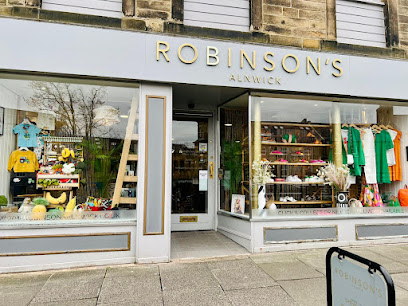
Robinson's
26.8 km
A charming department and gift shop in Alnwick’s historic center offering quality apparel, home furnishings, and friendly service.
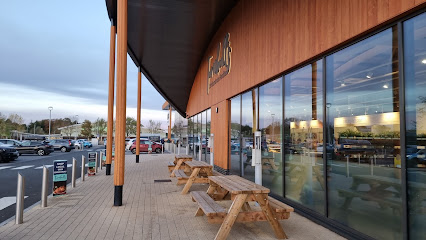
Willowburn Retail Park
27.2 km
A convenient and diverse retail hub in Alnwick offering national brands and local specialties with ample parking and easy A1 access.
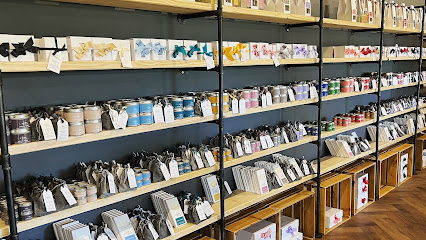
Notes of Northumberland
27.3 km
Experience the enchanting world of handcrafted candles at Notes of Northumberland in Alnwick, where every scent tells a story.
Gray's Northumberland Ltd
31.4 km
A charming fashion accessories shop in the historic Northumberland village of Warkworth, perfect for scarves, jewellery, bags and thoughtful gifts.
Jane & Harry
31.8 km
Discover unique gifts and local charm at Jane & Harry, Alnmouth’s welcoming treasure trove on Northumberland Street.
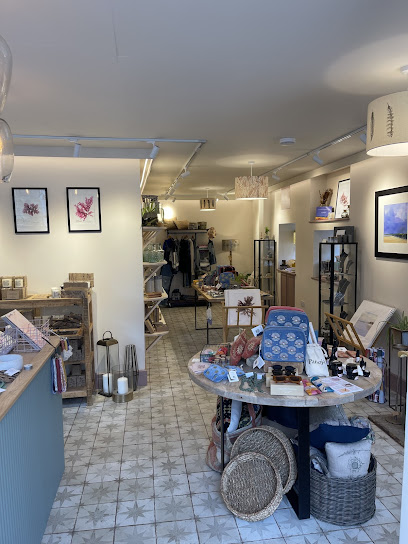
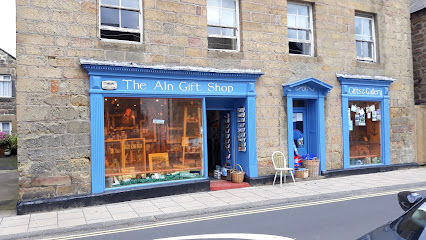
Aln Gift Shop
31.8 km
Discover unique gifts and local charm at Aln Gift Shop, a cozy boutique nestled in the scenic village of Alnmouth, Northumberland.
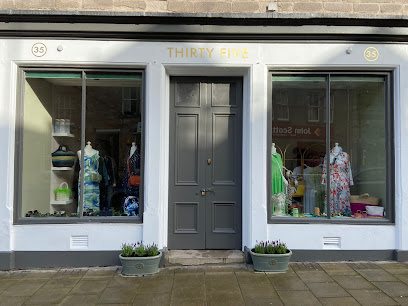
Thirty Five
32.2 km
A stylish boutique on Jedburgh’s historic High Street offering unique finds and personalized shopping in a welcoming setting.
Essential bars & hidden hideouts

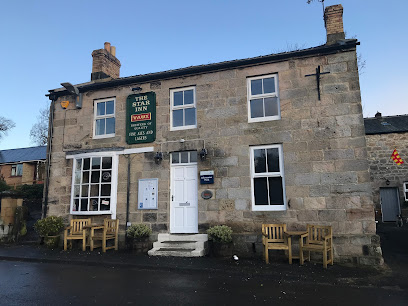
The Star Inn
0.2 km
Historic 14th-century pub in Harbottle offering cozy rooms, excellent food, and a warm community atmosphere in Northumberland’s scenic countryside.
The Turks Head
12.7 km
Historic 16th-century coaching inn in Rothbury offering cozy rooms, local cuisine, and a welcoming pub atmosphere in Northumberland.

The Granby Inn
20.2 km
A welcoming historic village inn in Northumberland offering cozy rooms, hearty food, and classic pub charm in a tranquil countryside setting.
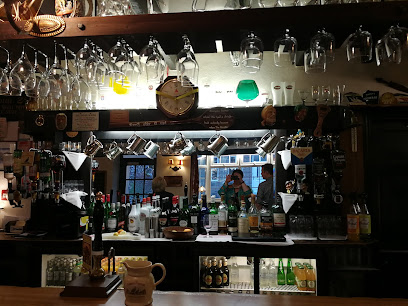
Anglers Arms
21.4 km
A charming four-star country inn in Northumberland offering cozy rooms, hearty cuisine, and warm hospitality in a tranquil rural setting.
Coast & Country
22.9 km
A tranquil bar and shop nestled in Northumberland’s Percy Wood Golf and Country Club, perfect for relaxing with a drink after outdoor adventures.
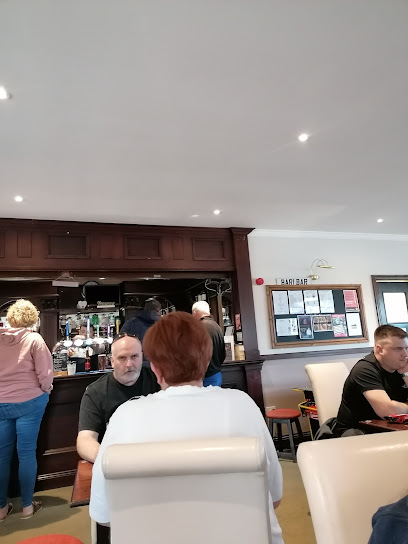
The Foxes Den
25.6 km
A cozy, dog-friendly micro pub in Felton’s riverside basement, famed for real ales and friendly local charm.
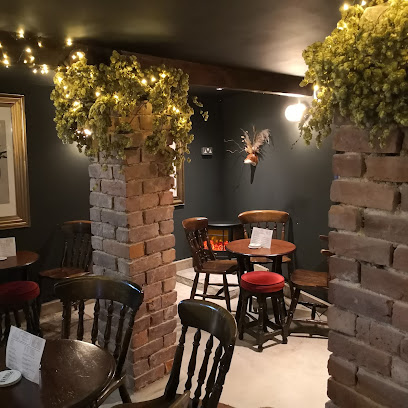
The Northumberland Arms
25.6 km
Charming country pub and boutique hotel in Felton offering fresh local cuisine, luxury rooms, and a warm, welcoming atmosphere.
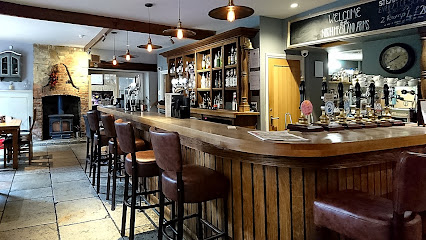
Crazy Horse Saloon n Grill
26.1 km
A lively Wild West-themed bar and grill in Morpeth offering casual dining, sports entertainment, and a pet-friendly atmosphere within Felmoor Holiday Park.
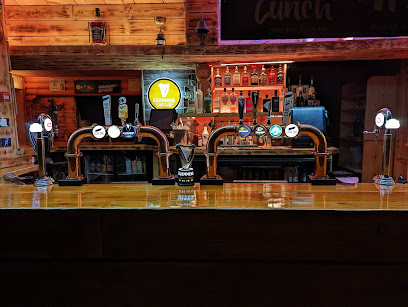
Black Swan Alnwick
26.7 km
Historic charm meets cozy comfort at The Black Swan Alnwick, a welcoming pub and bed & breakfast in the heart of town.
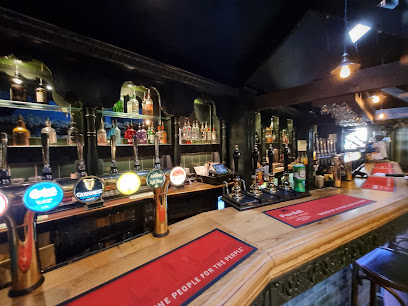
The Queens Head
26.7 km
A welcoming historic pub and hotel in Alnwick, blending traditional charm with modern comfort near Alnwick Castle.
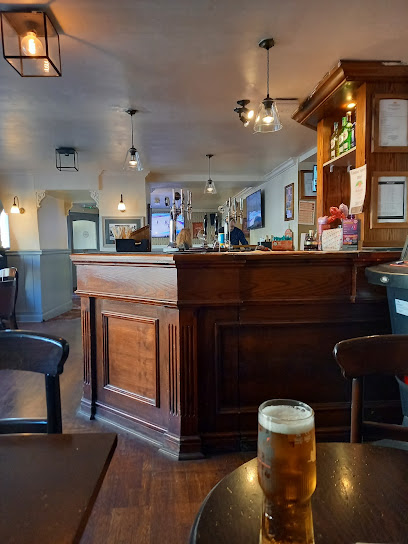
Harry's Bar
26.7 km
A cozy micropub in Alnwick’s historic Narrowgate, offering craft ales, whiskies, and a friendly, quirky atmosphere with a nod to local history.
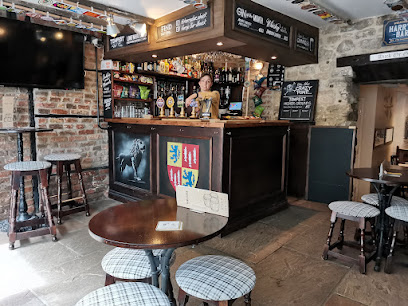
Tanners Arms Alnwick
26.8 km
A cozy, historic pub in Alnwick offering well-kept local ales, friendly vibes, and a true taste of Northumberland hospitality.
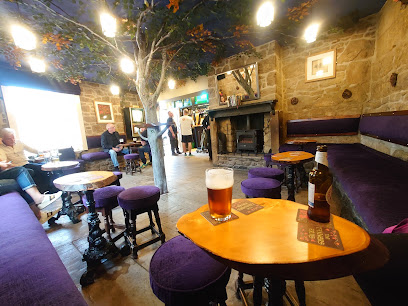
The Beresford Arms
30.5 km
Historic coaching inn turned award-winning pub, restaurant, and B&B offering warm hospitality and countryside charm in Whalton, Northumberland.
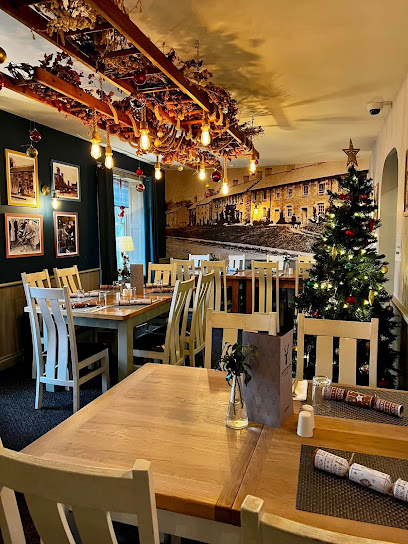
The Sun Inn
31.8 km
A cozy 3-star inn and lively pub in Alnmouth offering local charm, hearty food, and a welcoming atmosphere by the Northumberland coast.
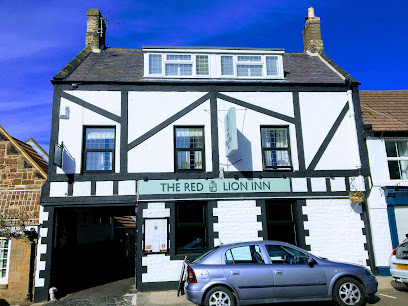
The Red Lion Inn
31.8 km
Charming coastal pub and cozy B&B in Alnmouth, famed for wood-fired pizzas, local ales, and warm hospitality just steps from the beach.
Nightclubs & after hour spots

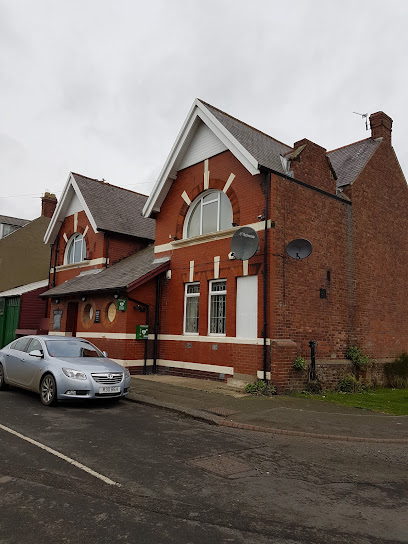
The Brick Club, Red Row Working Mens Club
32.5 km
A welcoming traditional working men's club in Morpeth offering authentic local atmosphere, classic ales, and a strong community spirit.
Knightrider Discos
33.5 km
Experience Morpeth’s vibrant nightlife at Knightrider Discos, where dynamic beats and lively crowds create unforgettable nights.
The Royal British Legion
35.8 km
Discover community, camaraderie, and local entertainment at The Royal British Legion in Kelso - a vibrant hub for visitors and locals.
Dance Delicious
38.3 km
Experience vibrant nightlife and modern vibes at Dance Delicious, Ashington’s premier spot for dancing and social fun.
The Border Club
43.8 km
Experience the vibrant local culture at The Border Club, a friendly social hub in Hawick, Scotland, perfect for travelers seeking community spirit.

Base Nightclub
43.9 km
Experience Hawick’s energetic nightlife at Base Nightclub, where vibrant music and lively crowds create unforgettable Friday nights.
Square One
44.0 km
Vibrant Hawick nightclub with dynamic music floors and a welcoming atmosphere at the heart of Drumlanrig Square.

Nothing
44.5 km
Experience immersive alternative rock concerts by Nothing in the intimate, historic setting of London’s Moth Club.
Morven
45.6 km
Discover the electrifying nightlife at Morven Nightclub in Oxnam, near Melrose, where great music, vibrant atmosphere, and unforgettable memories await.
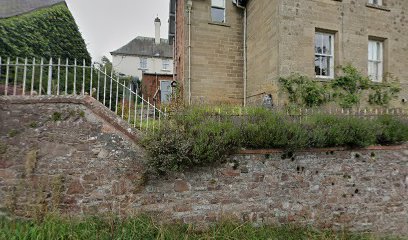
BedRocks
48.6 km
Discover the vibrant nightlife of Berwick-upon-Tweed at BedRocks, a lively nightclub and bar known for its energetic atmosphere and affordable drinks.
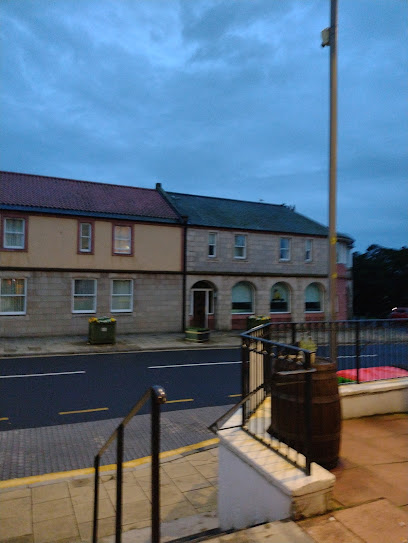
GREEN HOUSE | Berwick Upon Tweed
48.6 km
Berwick-upon-Tweed’s vibrant late-night hotspot offering lively music and dancing in the heart of the historic town.

Cosmic Ballroom
51.0 km
Newcastle's longest-running underground club: two floors of electronic beats, guest DJs, and non-stop dancing till dawn in an intimate Stowell Street hideaway.

Sinners
51.2 km
Dive into sinfully themed nights at this affordable Newcastle nightclub, where red lights, bold art, and cheap drinks fuel the city's unbeatable party spirit.

Powerhouse
51.3 km
Newcastle’s iconic four-floor nightclub blending rich LGBTQ+ history with vibrant, inclusive nightlife and dynamic music scenes.

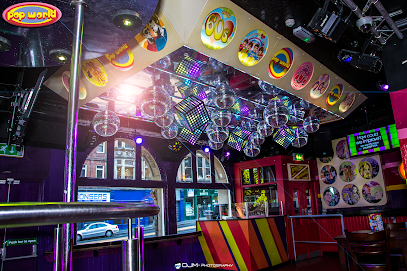
Popworld - Newcastle
51.4 km
A neon-soaked pop party on Newcastle’s Bigg Market—cheap drinks, nostalgic anthems and a packed dancefloor for late-night revelry.
For the vibe & atmosphere seeker
- Scenic
- Tranquil
- Historic
- Relaxing
For the design and aesthetic lover
- Rustic Designs
- Vintage Styles
For the architecture buff
- Historic
- Landmarks
- Heritage Neighborhoods
For the view chaser and sunset hunter
- Iconic Views
- Panoramas
For the social media creator & influencer
- Instagrammable
- Photo Spots
For the eco-conscious traveler
- Protected Area
- Public-Transport Accessible
- Locally Managed
For the kind of experience you’re after
- Cultural Heritage
- Photowalk
- Nature Escape
- Day Trip
- Weekend Getaway
For how adventurous you want the journey to be
- Easy Access
Location Audience
- Family Friendly
- Senior Friendly
- Child Friendly
- Solo Friendly
- Couple Friendly
- Pet Friendly


