
Lordenshaw Hill Fort: Ancient Iron Age Stronghold in Northumberland National Park
Explore Lordenshaw Hill Fort, a captivating 2,000-year-old Iron Age hillfort nestled in Northumberland’s serene National Park landscape.
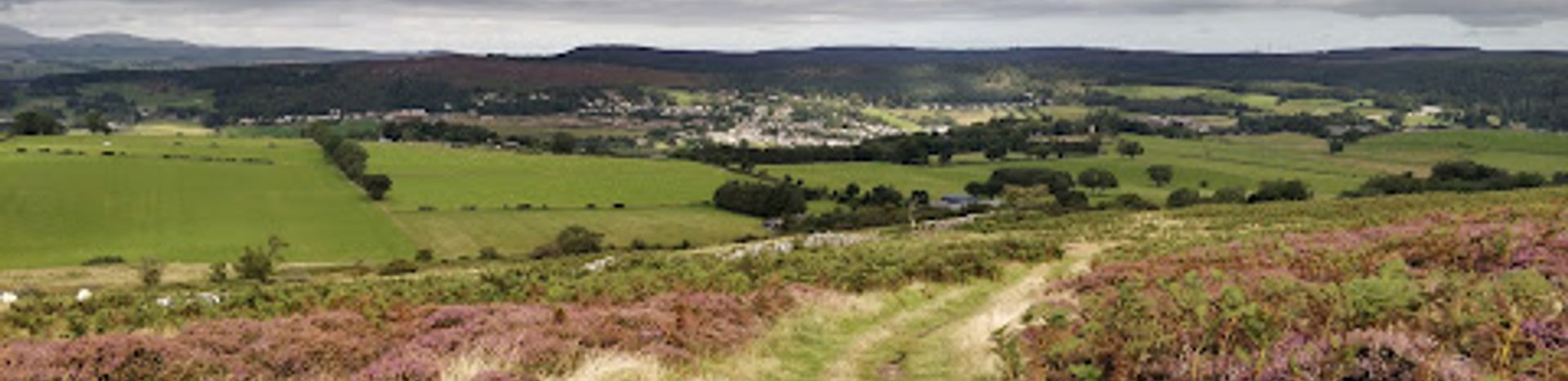
Lordenshaw Hill Fort is a remarkably well-preserved Iron Age hillfort located within Northumberland National Park near Morpeth. Dating back around 2,000 years, this circular fort features double ramparts, defensive ditches, and remains of stone roundhouses. Surrounded by prehistoric rock art and burial cairns, it offers visitors a glimpse into ancient community life amid tranquil, scenic landscapes at the foot of the Simonside Hills.
A brief summary to Lordenshaw Hill Fort
- Northumberland National Park, Morpeth, NE46 1BS, GB
- Duration: 1 to 2 hours
- Free
-
 Outdoor
- Mobile reception: 4 out of 5
- Monday 12 am-12 am
- Tuesday 12 am-12 am
- Wednesday 12 am-12 am
- Thursday 12 am-12 am
- Friday 12 am-12 am
- Saturday 12 am-12 am
- Sunday 12 am-12 am
Local tips
- Visit in late autumn or winter for the best visibility of earthworks and rock carvings, when low vegetation and angled sunlight reveal subtle features.
- Wear sturdy walking shoes for the gentle climb from the nearby car park and to comfortably explore uneven ground within the fort.
- Bring binoculars or a camera to capture panoramic views of the Simonside Hills and Cheviot landscape surrounding the fort.
- Combine your visit with a walk on the nearby Simonside Hills for a rewarding outdoor experience with rich historical context.

For the on-the-go comforts that matter to you
- Restrooms
- Seating Areas
- Information Boards
- Visitor Center
- Picnic Areas
- Trash Bins
Getting There
-
Car
Drive to Lordenshaw Hill Fort via the B6342 south of Rothbury; parking is available near the site with easy access. The journey from Morpeth takes approximately 30-40 minutes. Parking is free but limited, so plan accordingly during peak times.
-
Bus and Walk
Take a regional bus from Morpeth to Rothbury, which runs several times daily; from Rothbury, the fort is about a 5 km walk or a short local taxi ride. The walk includes gentle terrain but is not suitable for wheelchairs. Bus fares range from £5 to £10 one way.
-
Walking
For hiking enthusiasts, access the fort via the Lordenshaws Loop trail starting at the nearby car park. The walk is approximately 2 km with gentle slopes, suitable for most fitness levels and offering scenic views of the surrounding hills.
Lordenshaw Hill Fort location weather suitability
-
 Any Weather
-
 Clear Skies
-
 Mild Temperatures
-
 Rain / Wet Weather
Discover more about Lordenshaw Hill Fort
A Window into Iron Age Life
Lordenshaw Hill Fort stands as a testament to the ingenuity and resilience of Iron Age communities in Britain, dating back roughly 2,000 years. This roughly circular fortification, about 140 meters in diameter, was designed to protect a settlement of approximately 100 people. Its outermost defensive ditch, once up to 2.5 meters deep and 9 meters wide, remains one of the best-preserved features, encircling the site with imposing earthworks. The fort has two main entrances facing east and west, with the eastern entrance still showing standing facing stones up to 0.8 meters high.Archaeological Features and Structures
Inside the fort, the inhabited area spans roughly 70 meters in diameter and is divided by a natural scarp into two levels. Visitors can explore the remains of several stone roundhouses, including a prominent 5.3-meter diameter hut with walls standing about one meter high. Four smaller circular features along the southern edge suggest additional structures or activity areas, although their exact purpose remains uncertain. Outside the western entrance lies a large rectangular enclosure with medieval ridge and furrow plough marks, indicating the site's continued agricultural use long after its original occupation.Surrounding Prehistoric Landscape
Lordenshaw Hill Fort is enveloped by a rich archaeological landscape that includes ancient trackways, burial cairns, and some of the region’s most spectacular examples of prehistoric rock art, notably cup-and-ring marks carved into stones. These enigmatic petroglyphs hint at ritualistic or ceremonial practices dating back to the Neolithic and Bronze Age periods, adding layers of cultural significance to the site. The fort’s location at the foot of the Simonside Hills affords stunning panoramic views over Rothbury and the Cheviot Hills, enhancing its historical ambiance.Accessibility and Visitor Experience
The fort is easily accessible, situated just 400 meters from a well-maintained car park along a good road, making the gentle climb to the site suitable for most visitors. The path leads from the western entrance into the southern part of the fort, allowing exploration of the earthworks and stone structures. Seasonal conditions affect visibility of some features, with low vegetation in summer sometimes obscuring lower ground details, while snow and low-angle sunlight in winter can dramatically highlight the topography and rock carvings.Integration within Northumberland National Park
As part of the expansive and tranquil Northumberland National Park, Lordenshaw Hill Fort offers a unique blend of natural beauty and deep historical roots. The park is renowned for its unspoiled landscapes, dark skies, and rich heritage, including Roman sites and medieval remains. Nearby visitor centers provide resources and information to enrich the experience, while the park’s extensive walking and cycling routes invite visitors to immerse themselves in the region’s cultural and natural tapestry.Preservation and Cultural Significance
Lordenshaw Hill Fort is a protected archaeological site that provides invaluable insights into prehistoric defensive architecture and community organization. Its well-preserved earthworks and stone remains make it a key landmark for understanding Iron Age Britain. The surrounding rock art and burial sites deepen its importance as a cultural heritage site, illustrating the continuity of human presence and spiritual expression in this part of Northumberland for thousands of years.Iconic landmarks you can’t miss

Lady's Well
10.8 km
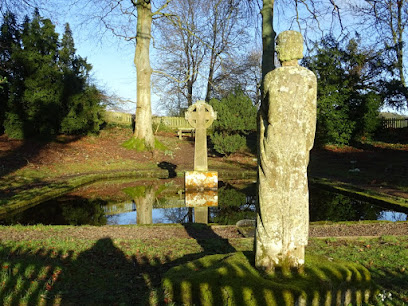
Discover Lady's Well, a tranquil ancient spring steeped in Roman history and early Christian legend, nestled within Northumberland’s wild beauty.
Morpeth Clock Tower
19.5 km
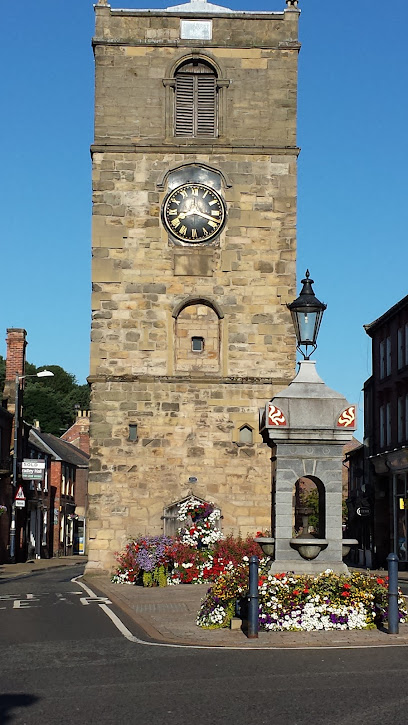
Historic 17th-century clock tower in Morpeth, crafted from medieval stone, featuring a storied belfry and iconic bells with deep local roots.
Warkworth Hermitage
19.8 km
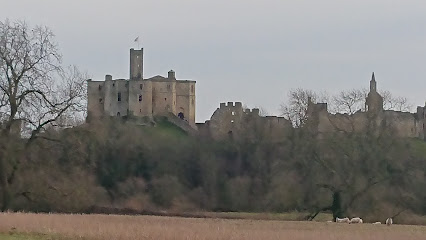
A medieval chapel carved into riverside cliffs, accessible only by boat—where history and legend intertwine.
Search Northumberland, Things to do in Northumberland
24.7 km
Discover the enchanting landscapes, rich heritage, and vibrant culture of Northumberland, the perfect destination for adventure and relaxation.
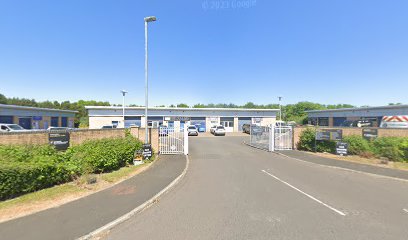
Hunkleton stone
28.0 km
A majestic glacial erratic on Newbiggin Beach, symbolizing natural history and community spirit in Northumberland’s coastal town.
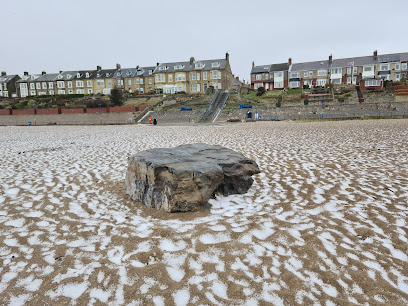
Westmorland Way
30.3 km
Explore Cramlington from Westmorland Way, your convenient bus stop for seamless access to local attractions and amenities.

Hole in The Wall
32.7 km
Historic coastal landmark in Blyth featuring a unique hole framing stunning beach views and easy beach access.
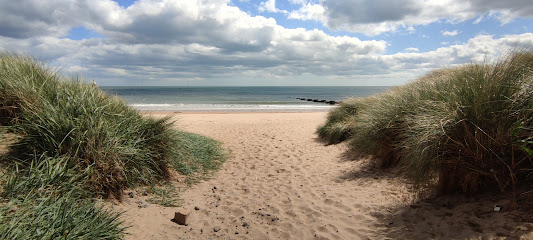
Gefrin
33.7 km
Explore the rich history and stunning landscapes of Gefrin, an archaeological site near Wooler, revealing the ancient past of Northumberland.
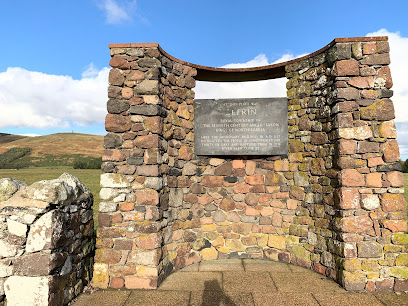
Beadnell Harbour
34.5 km
Historic 18th-century harbour with unique west-facing entrance, scenic sandy bay, and preserved lime kilns on Northumberland’s coast.
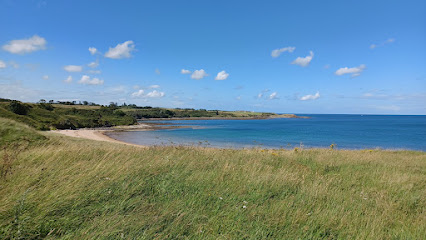
Seaton Delaval Hall
35.0 km
Explore the historic Seaton Delaval Hall, a breathtaking blend of heritage architecture and stunning gardens, perfect for a delightful day out.
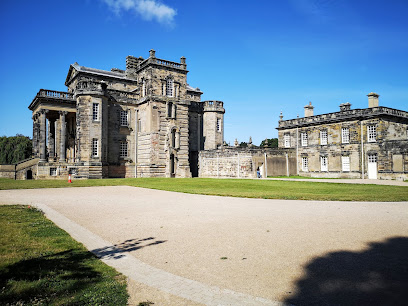
National Trust - St Cuthbert's Cave
36.0 km
Experience the natural beauty and rich history of St Cuthbert's Cave, a must-visit hiking destination in Northumberland's stunning countryside.
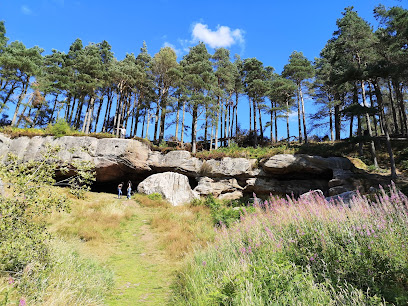
Denton Hall Turret - Hadrian's Wall
36.6 km
Explore Denton Hall Turret, a Roman watchtower on Hadrian’s Wall, revealing ancient frontier defense in Newcastle’s historic suburbs.
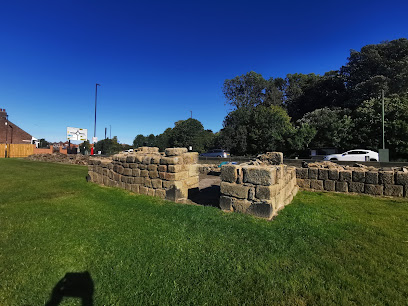
Villages in Time Guided Walks no longer functions
37.0 km
Explore the enchanting history of local villages with Villages in Time Guided Walks, where every step uncovers stories from the past.
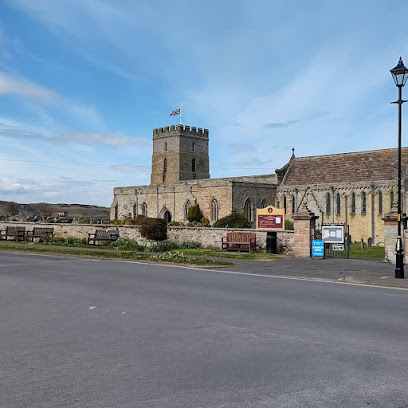
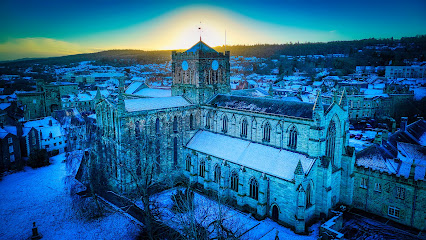
Hexham Abbey
37.1 km
Explore Hexham Abbey: A breathtaking historical landmark blending stunning architecture with rich heritage in the heart of Hexham, England.
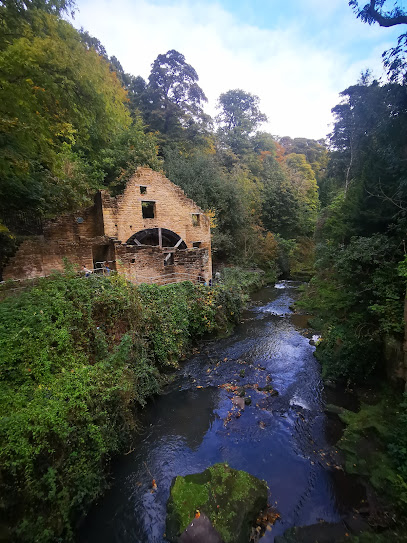
Jesmond Dene Quarry
37.3 km
Explore the tranquil beauty of Jesmond Dene Quarry in Newcastle upon Tyne - a perfect retreat for nature lovers and photographers alike.
Unmissable attractions to see

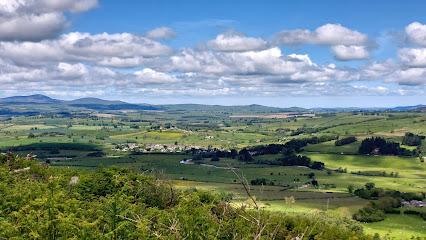
Simonside Hills
3.0 km
Explore the rugged Simonside Hills near Morpeth, where panoramic views, rich wildlife, and ancient legends await atop a distinctive sandstone ridge.
Cragside Formal Garden
3.2 km
Explore the enchanting three-tiered Victorian Formal Garden at Cragside, a historic estate famed for its innovative heritage and stunning rhododendron displays.
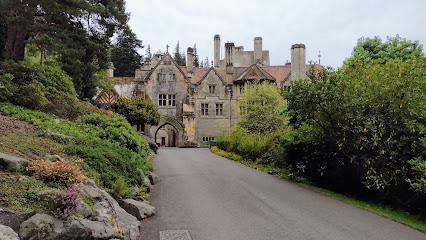
National Trust - Cragside
3.5 km
Discover Cragside, the Victorian inventor’s hydroelectric estate with grand gardens, woodland walks, and family adventures in Northumberland.
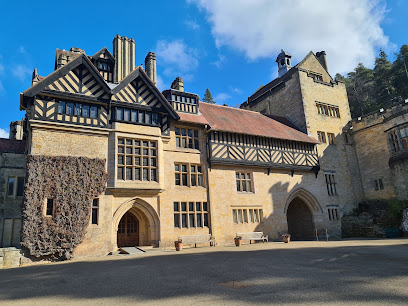
Brinkburn Priory and Manor House
6.4 km
Discover the serene beauty and medieval heritage of Brinkburn Priory, a restored 12th-century Gothic church nestled in Northumberland’s tranquil river valley.
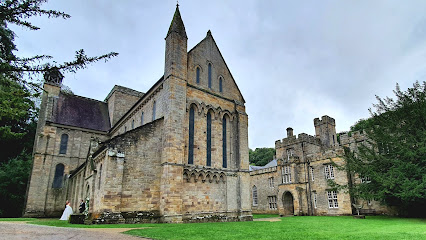
Woodhouses Bastle House
8.9 km
Explore Woodhouses Bastle, a fortified 17th-century farmhouse in Northumberland, embodying the resilience of border life and historic defense.
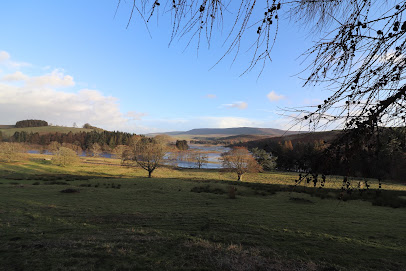
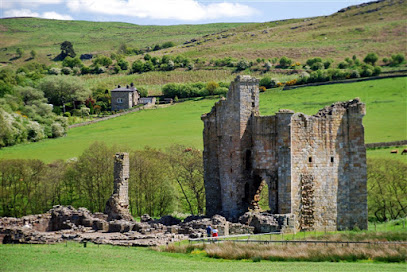
Edlingham Castle
11.7 km
Explore the evocative ruins of a 14th-century fortified manor house set in tranquil Northumberland countryside, free to visit year-round.
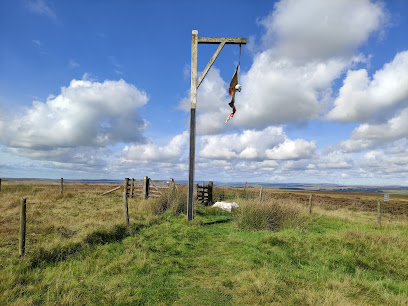
Winter's Gibbet
12.5 km
Discover the haunting history and stunning landscapes at Winter's Gibbet, an iconic landmark in Northumberland's Harwood region.
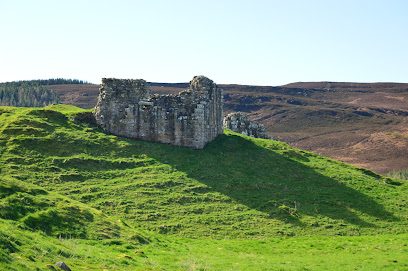
Harbottle Castle
13.4 km
Explore the evocative ruins of Harbottle Castle, a 12th-century fortress overlooking the serene River Coquet valley in Northumberland.
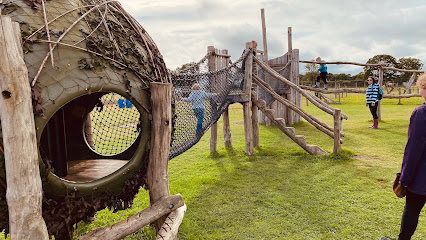
Northumberland Zoo
13.7 km
Discover Northumberland Zoo’s family-run wildlife sanctuary with rare species, immersive keeper talks, and scenic rural charm near Morpeth.
The Drake Stone
14.4 km
Discover Northumberland’s colossal Drake Stone, a legendary glacial boulder with panoramic views and rich local lore.
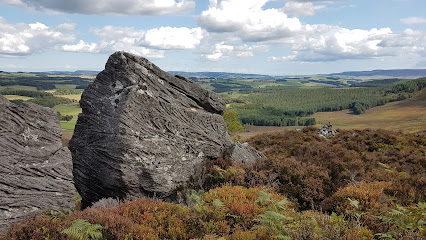
National Trust - Wallington
15.2 km
Explore Wallington’s historic house, vast woodlands, tranquil walled garden, and family-friendly trails in Northumberland’s scenic countryside.
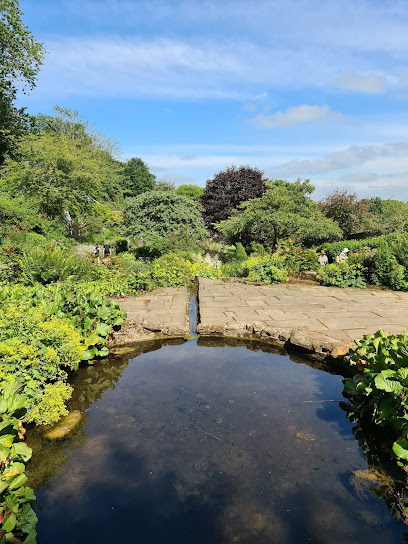
Bolam Lake Country Park
17.5 km
A tranquil Northumberland haven with accessible lakeside trails, abundant wildlife, and a welcoming visitor centre for all ages and abilities.
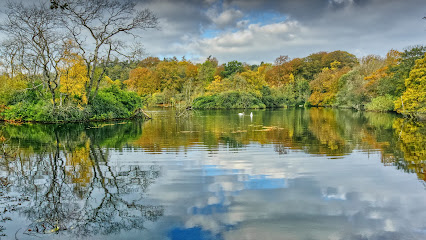
Shaftoe crags
17.6 km
Explore the rugged sandstone heights of Shaftoe Crags with panoramic views, historic stones, and timeless Northumberland landscapes.
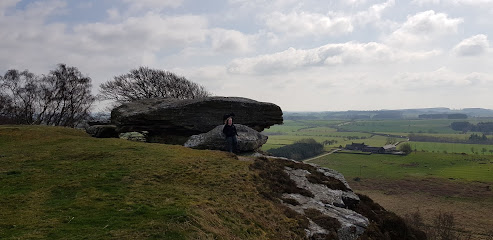
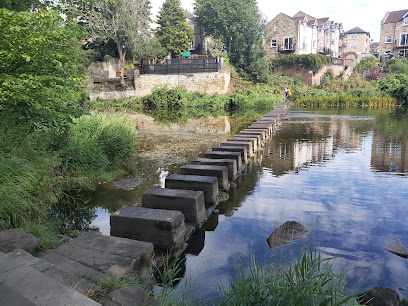
The Stepping Stones
19.2 km
Charming Victorian B&B in Morpeth’s heart with riverside views and warm hospitality near shops and historic sites.
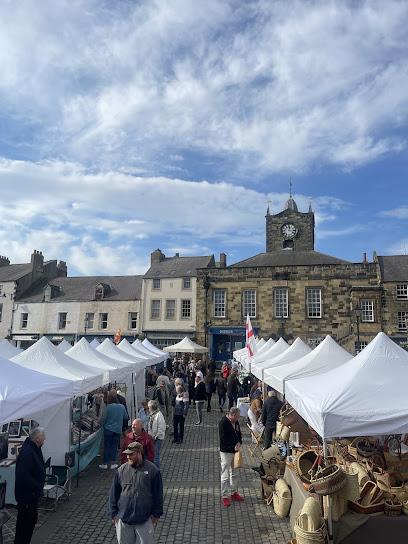
Alnwick Market
19.2 km
Experience the vibrant heart of Alnwick with its historic market offering local crafts, fresh produce, and a lively community atmosphere.
Essential places to dine

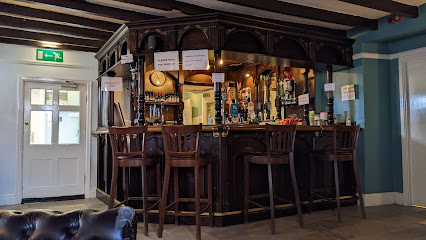
The Three Wheat Heads Inn
4.0 km
A warm, traditional Northumberland inn offering hearty local cuisine, cozy rooms, and stunning countryside views in the charming village of Thropton.
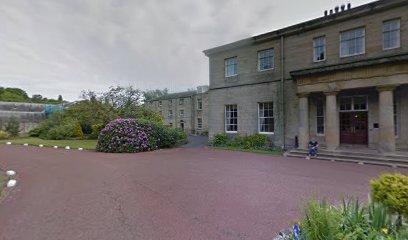
Dobson Restaurant
10.2 km
Experience refined British dining in a grand Georgian setting at Dobson Restaurant, Macdonald Linden Hall, nestled in scenic Northumberland.
The Cook & Barker Inn
13.2 km
A warm, stylish country pub near Morpeth, serving excellent food and offering comfortable rooms in the heart of Northumberland.
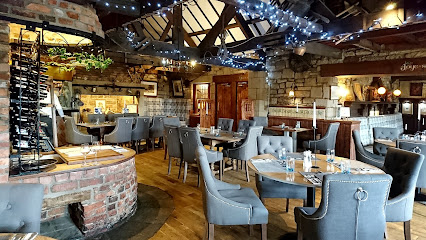
The Bosk
17.1 km
Rustic British cuisine and cozy charm in Alnwick’s tranquil countryside, perfect for relaxed dining and special gatherings.
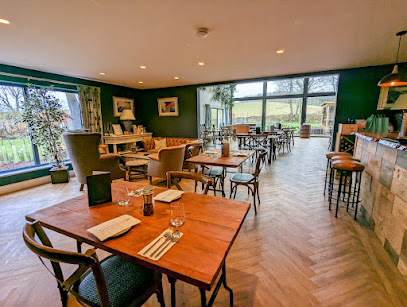
The Coach House
17.8 km
Historic British charm and hearty cuisine nestled in the tranquil deer park of Otterburn Hall estate.
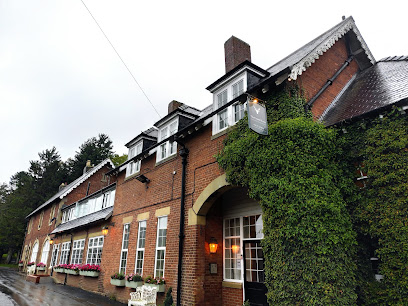
Adam and Eve
19.1 km
A stylish gastropub in Alnwick blending local seasonal produce with creative cocktails in a relaxed, welcoming setting.
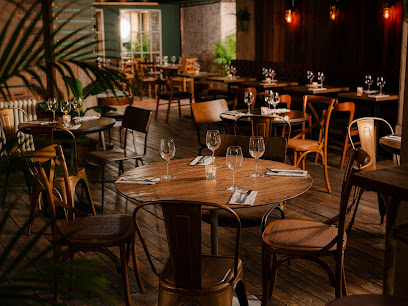
The Market Tavern, Steakhouse and Lodge
19.2 km
A beloved steakhouse and lodge in Alnwick’s heart, offering hearty local fare and warm hospitality near historic landmarks.
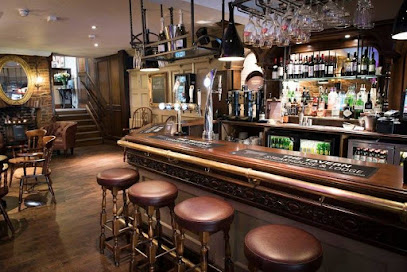
The Dirty Bottles
19.3 km
A charming historic pub, cocktail bar, and boutique hotel in Alnwick blending local character with cozy comfort and hearty fare.
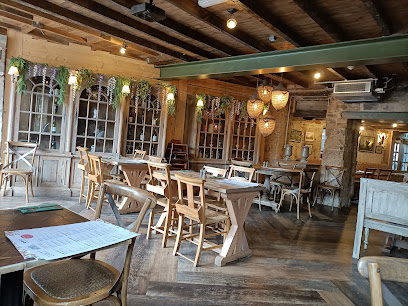
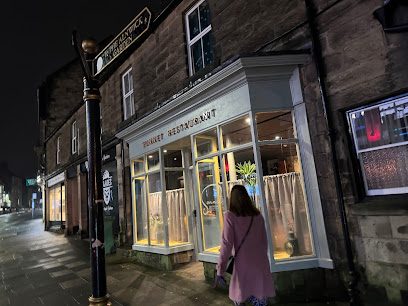
Sonnet Restaurant
19.3 km
A 14-course poetic journey through Northumberland’s finest produce, served in an intimate, literary-inspired Alnwick dining room.
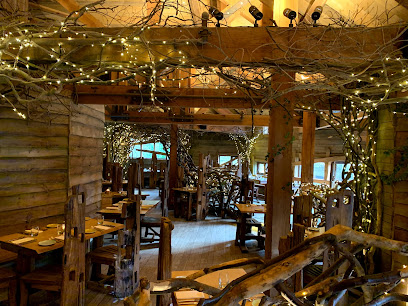
The Treehouse Restaurant
19.7 km
Dine enchanted in the treetops of The Alnwick Garden, where local British flavors meet magical woodland charm and handcrafted rustic elegance.
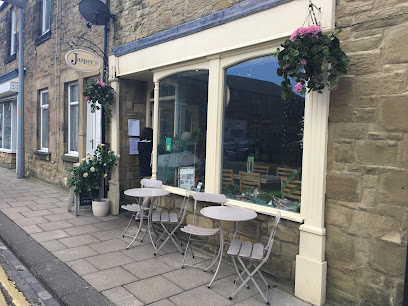
JASPERS BISTRO
21.7 km
A cozy seafood haven in Amble delivering exquisite, locally sourced dishes with personal service and refined charm.
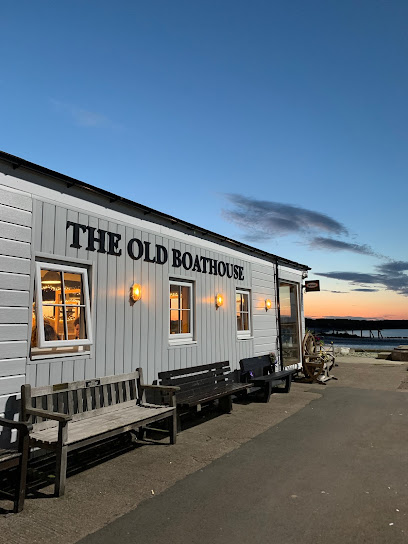
The Old Boathouse
21.9 km
Fresh Northumberland seafood served with stunning coastal views in a charming maritime setting.
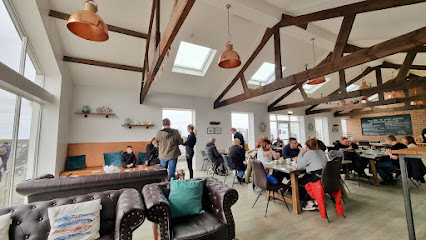
Lilly’s Landing
21.9 km
Savor fresh seafood and stunning harbor views at Lilly’s Landing, Amble’s charming coastal restaurant with a warm, welcoming atmosphere.
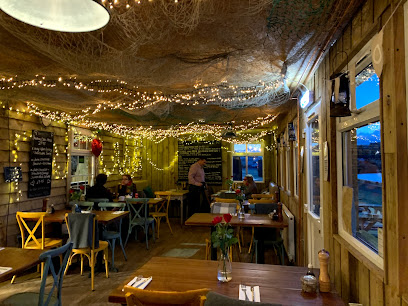
The Fish Shack
22.1 km
Rustic seafood dining on Amble’s harbour, serving fresh local catch with stunning views and cozy charm.
Bistro 23
22.2 km
Intimate family-run bistro in scenic Alnmouth serving fresh, local seafood and Northumberland specialties with warm hospitality.
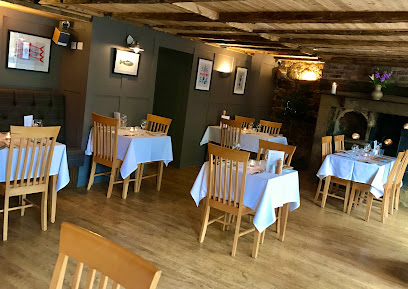
Markets, malls and hidden boutiques

Elements Art & Craft Gallery
2.5 km
Discover unique handcrafted treasures and local artistry at Elements Art & Craft Gallery in the heart of Rothbury, Northumberland.
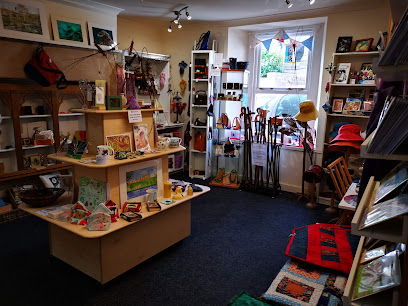
Otterburn Mill Shop, Rothbury
2.6 km
Discover quality walking apparel at Otterburn Mill Shop, Rothbury’s trusted destination for outdoor clothing in Northumberland’s scenic market town.

Otterburn Mill Shop and Café, Otterburn
17.9 km
Historic mill shop and cozy café nestled in Northumberland’s scenic Otterburn, blending outdoor gear, homemade food, and tranquil picnic grounds.
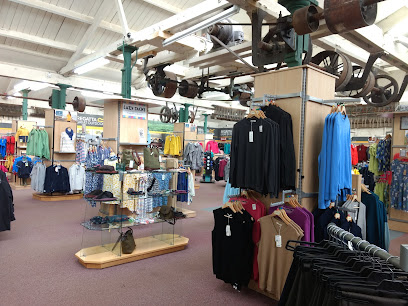
Willowburn Retail Park
18.9 km
A convenient and diverse retail hub in Alnwick offering national brands and local specialties with ample parking and easy A1 access.
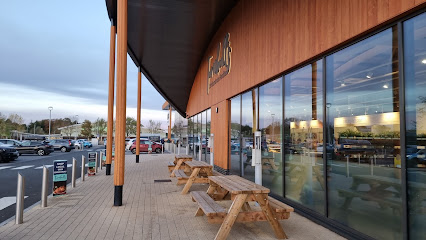
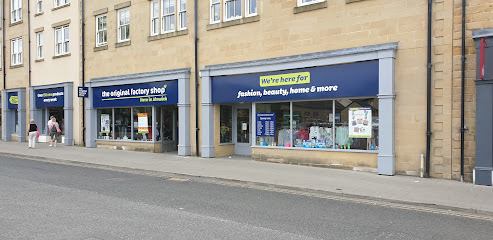
The Original Factory Shop (Alnwick)
19.1 km
Affordable brand-name fashion, footwear, and homeware bargains in the heart of Alnwick’s shopping district.
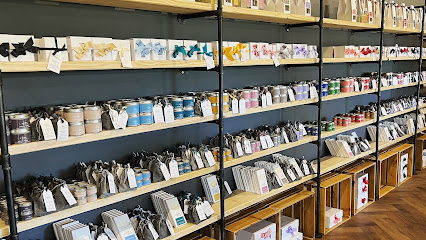
Notes of Northumberland
19.2 km
Experience the enchanting world of handcrafted candles at Notes of Northumberland in Alnwick, where every scent tells a story.
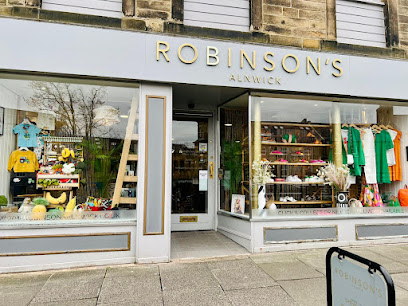
Robinson's
19.3 km
A charming department and gift shop in Alnwick’s historic center offering quality apparel, home furnishings, and friendly service.
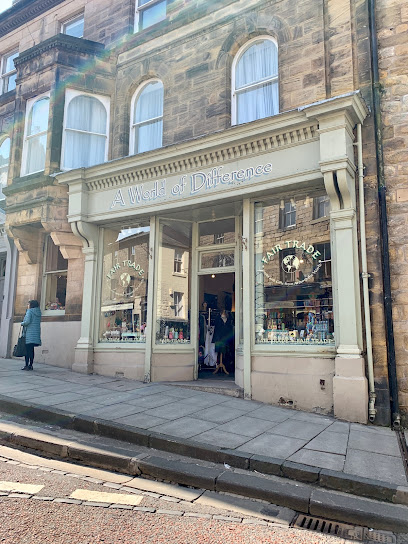
A World Of Difference
19.3 km
Discover fair trade gifts and organic health foods in Alnwick’s welcoming shop committed to sustainability and ethical shopping.
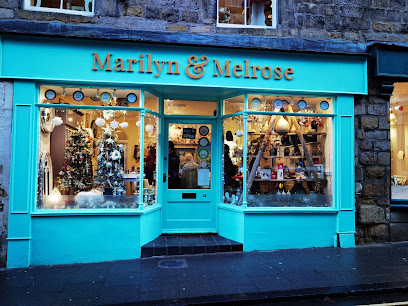
Marilyn & Melrose
19.3 km
Discover unique gifts, restored furniture, and creative workshops at Alnwick’s charming Marilyn & Melrose boutique.
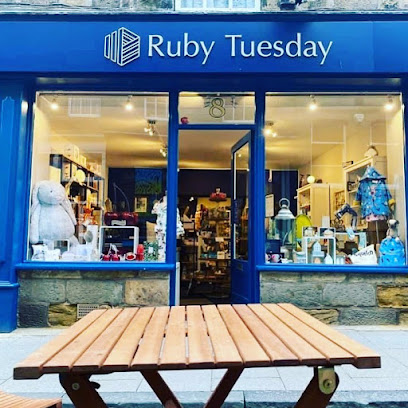
Ruby Tuesday Alnwick
19.3 km
Discover unique, high-quality gifts from small businesses at Ruby Tuesday Alnwick, a charming boutique in the heart of historic Alnwick.
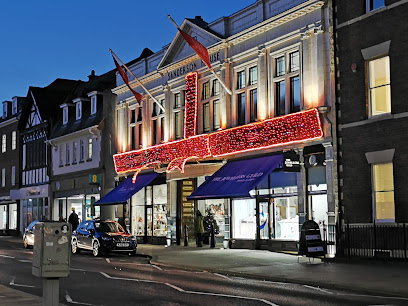
Sanderson Arcade
19.5 km
A vibrant shopping centre in Morpeth blending popular brands with unique local boutiques and a welcoming atmosphere.
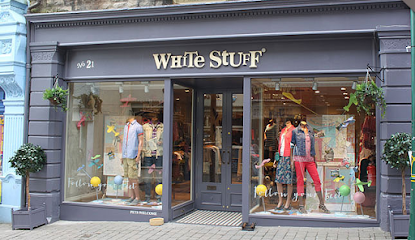
White Stuff Morpeth
19.5 km
Discover stylish, quality clothing and accessories for the whole family at White Stuff Morpeth, where fashion meets friendly service in a charming market town setting.
Gray's Northumberland Ltd
20.3 km
A charming fashion accessories shop in the historic Northumberland village of Warkworth, perfect for scarves, jewellery, bags and thoughtful gifts.
Raggy Dolls Limited
21.5 km
Discover unique ladies' fashion and personalized service at Raggy Dolls Limited, a beloved boutique in the heart of Amble.
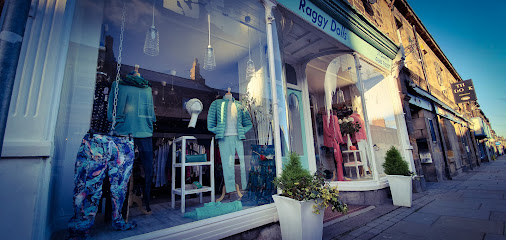
Glamble Gifts & Accessories
21.8 km
Discover exquisite cosmetics and charming accessories in the scenic setting of Amble Harbour Village’s boutique gem.
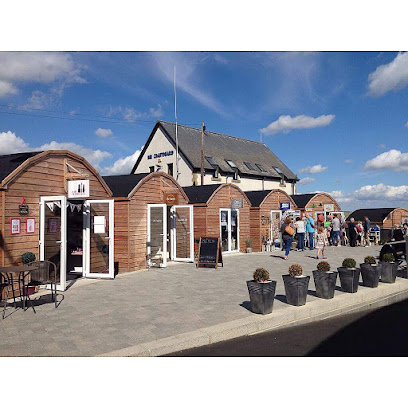
Essential bars & hidden hideouts

The Turks Head
2.5 km
Historic 16th-century coaching inn in Rothbury offering cozy rooms, local cuisine, and a welcoming pub atmosphere in Northumberland.
The Granby Inn
7.9 km
A welcoming historic village inn in Northumberland offering cozy rooms, hearty food, and classic pub charm in a tranquil countryside setting.
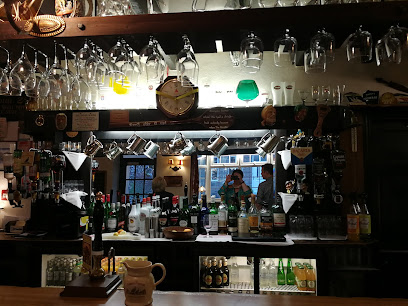
Anglers Arms
8.2 km
A charming four-star country inn in Northumberland offering cozy rooms, hearty cuisine, and warm hospitality in a tranquil rural setting.
Coast & Country
11.4 km
A tranquil bar and shop nestled in Northumberland’s Percy Wood Golf and Country Club, perfect for relaxing with a drink after outdoor adventures.
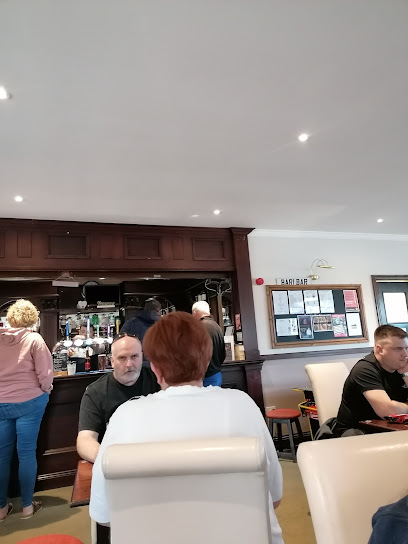
Crazy Horse Saloon n Grill
12.9 km
A lively Wild West-themed bar and grill in Morpeth offering casual dining, sports entertainment, and a pet-friendly atmosphere within Felmoor Holiday Park.
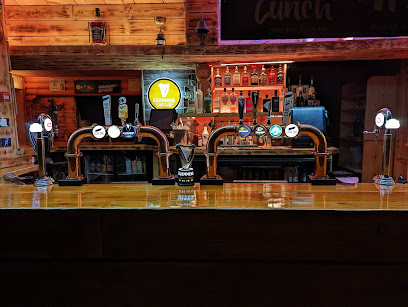
The Northumberland Arms
13.0 km
Charming country pub and boutique hotel in Felton offering fresh local cuisine, luxury rooms, and a warm, welcoming atmosphere.
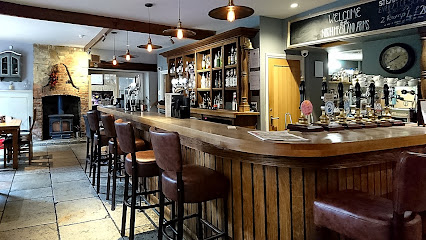
The Foxes Den
13.0 km
A cozy, dog-friendly micro pub in Felton’s riverside basement, famed for real ales and friendly local charm.
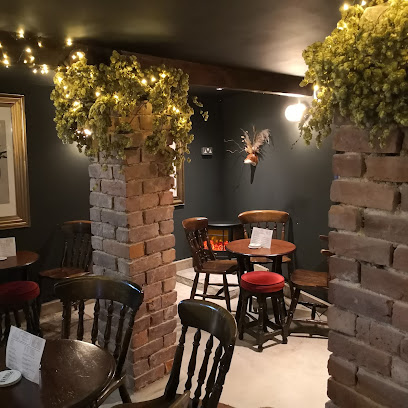
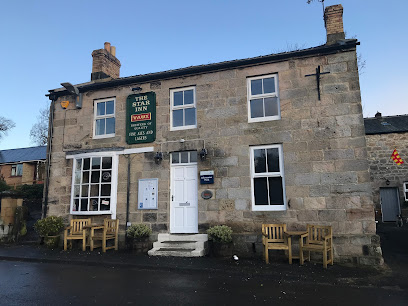
The Star Inn
13.2 km
Historic 14th-century pub in Harbottle offering cozy rooms, excellent food, and a warm community atmosphere in Northumberland’s scenic countryside.
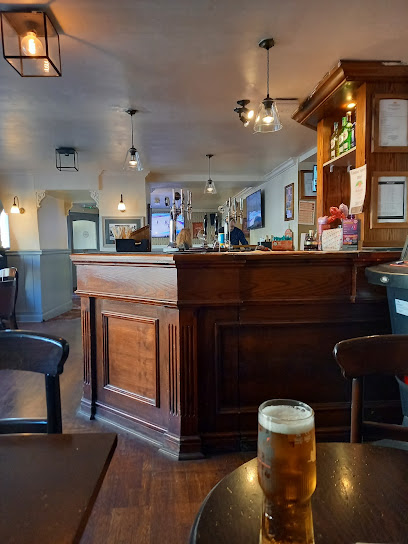
The Queens Head
19.2 km
A welcoming historic pub and hotel in Alnwick, blending traditional charm with modern comfort near Alnwick Castle.
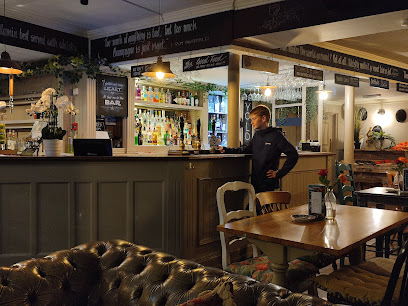
The Black & Grey Morpeth
19.2 km
A lively, dog-friendly bar and pub in Morpeth’s historic centre offering vibrant atmosphere, hearty meals, and welcoming service.
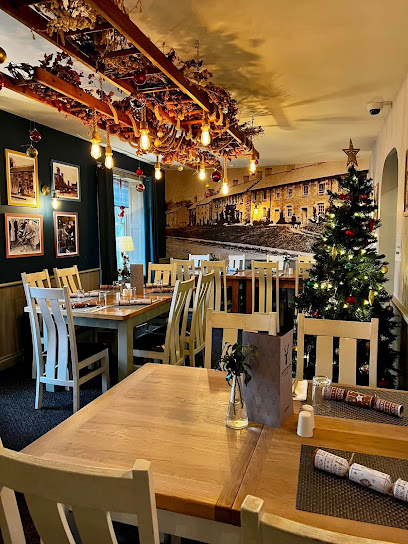
The Beresford Arms
19.2 km
Historic coaching inn turned award-winning pub, restaurant, and B&B offering warm hospitality and countryside charm in Whalton, Northumberland.
Tanners Arms Alnwick
19.2 km
A cozy, historic pub in Alnwick offering well-kept local ales, friendly vibes, and a true taste of Northumberland hospitality.
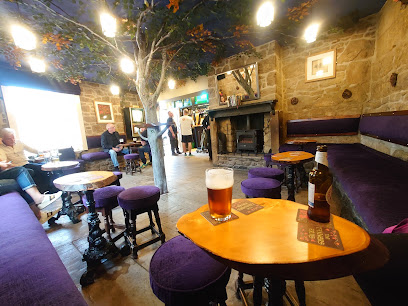
Harry's Bar
19.3 km
A cozy micropub in Alnwick’s historic Narrowgate, offering craft ales, whiskies, and a friendly, quirky atmosphere with a nod to local history.
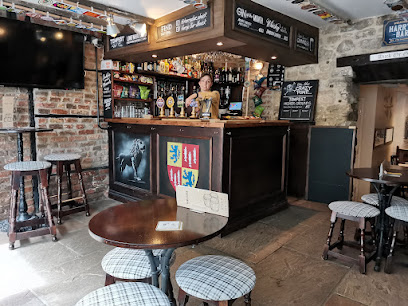
Black Swan Alnwick
19.3 km
Historic charm meets cozy comfort at The Black Swan Alnwick, a welcoming pub and bed & breakfast in the heart of town.
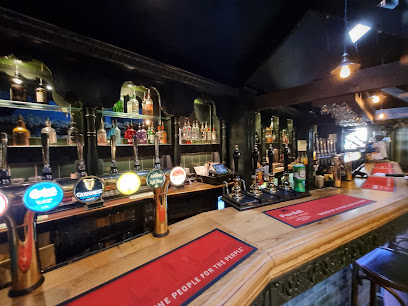
Tap & Spile
19.3 km
A cozy traditional pub in Morpeth with a welcoming fire, six real ales, and a lively community atmosphere.
Nightclubs & after hour spots

The Brick Club, Red Row Working Mens Club
19.8 km
A welcoming traditional working men's club in Morpeth offering authentic local atmosphere, classic ales, and a strong community spirit.
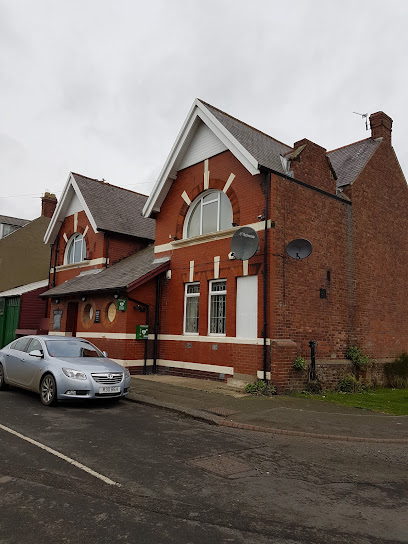
Knightrider Discos
20.7 km
Experience Morpeth’s vibrant nightlife at Knightrider Discos, where dynamic beats and lively crowds create unforgettable nights.
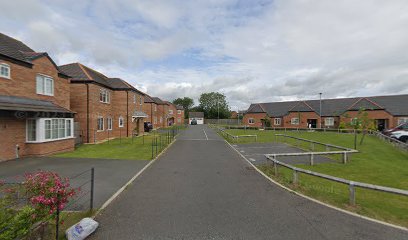
Dance Delicious
24.9 km
Experience vibrant nightlife and modern vibes at Dance Delicious, Ashington’s premier spot for dancing and social fun.
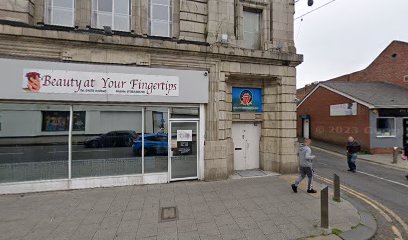
Cosmic Ballroom
39.7 km
Newcastle's longest-running underground club: two floors of electronic beats, guest DJs, and non-stop dancing till dawn in an intimate Stowell Street hideaway.
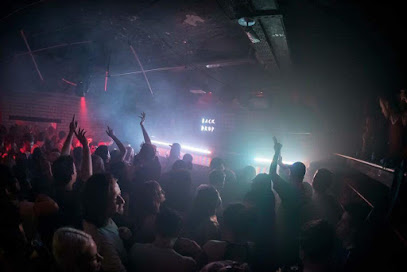
Sinners
39.8 km
Dive into sinfully themed nights at this affordable Newcastle nightclub, where red lights, bold art, and cheap drinks fuel the city's unbeatable party spirit.
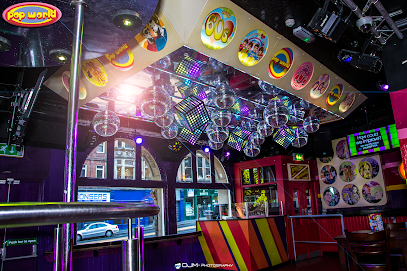
Popworld - Newcastle
40.0 km
A neon-soaked pop party on Newcastle’s Bigg Market—cheap drinks, nostalgic anthems and a packed dancefloor for late-night revelry.
World HQ
40.0 km
A multi‑level warehouse club and arts hub in Curtis Mayfield House with a heavy sound, creative studios above and a grassroots nightlife spirit.
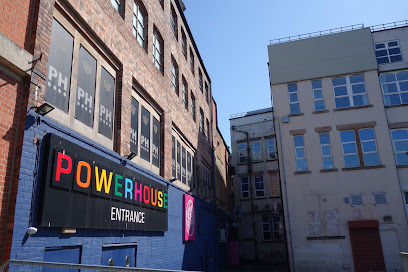
Powerhouse
40.0 km
Newcastle’s iconic four-floor nightclub blending rich LGBTQ+ history with vibrant, inclusive nightlife and dynamic music scenes.
Greys Club
40.1 km
Experience Newcastle’s iconic nightlife at Greys Club, where vibrant music, a stylish terrace, and lively crowds create unforgettable late-night memories.
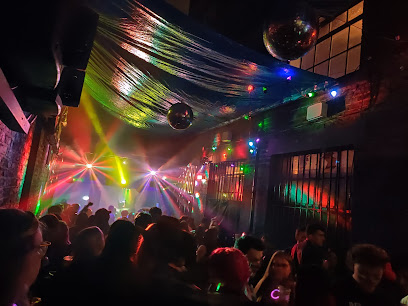
Loca Loca | Newcastle
40.1 km
A compact, neon-lit nightclub on Groat Market serving late-night dance, chart and urban sets in an intimate city-centre setting.

TROPICANA NEWCASTLE
40.1 km
Experience Newcastle’s vibrant nightlife at Tropicana, a lively nightclub blending cocktail sophistication with energetic club beats in the city’s heart.

Flares - Newcastle
40.1 km
Newcastle's ultimate retro disco den: neon grooves, cheesy anthems, and non-stop dancing from 70s to 00s in the heart of the nightlife scene.
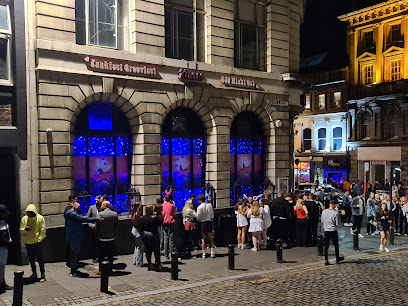
SOHO ROOMS | Newcastle
40.1 km
Four floors of late‑night music and cocktails in the heart of Newcastle’s city‑centre party district, favoured by students and night owls.
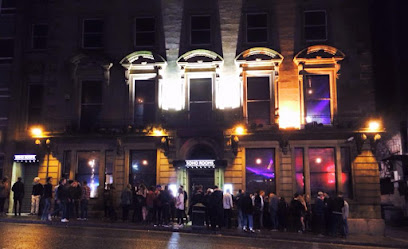
Bohemia Newcastle
40.1 km
Neon-lit cocktail bar and compact club with graffiti murals, a mezzanine dance space and a sheltered courtyard terrace for late-night socialising.
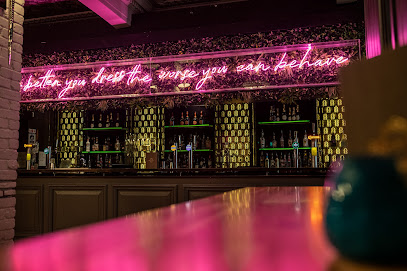
The Social Club
40.1 km
Experience Newcastle’s vibrant nightlife at The Social Club, where music, cocktails, and dancing come alive until the early hours.
For the vibe & atmosphere seeker
- Tranquil
- Scenic
- Unique
- Relaxing
For the design and aesthetic lover
- Rustic Designs
For the architecture buff
- Historic
- Landmarks
For the view chaser and sunset hunter
- Iconic Views
- Panoramas
- Sunrise Spots
- Sunset Spots
For the social media creator & influencer
- Instagrammable
- Photo Spots
- Selfie Spots
For the eco-conscious traveler
- Eco-Friendly
- Protected Area
- Public-Transport Accessible
- Leave-No-Trace Critical
- Locally Managed
For the kind of experience you’re after
- Cultural Heritage
- Photowalk
- Nature Escape
- Day Trip
- Weekend Getaway
- Myth & Legends
For how adventurous you want the journey to be
- Easy Access
Location Audience
- Family Friendly
- Senior Friendly
- Child Friendly
- Teen Friendly
- Wheelchair Access
- Solo Friendly
- Couple Friendly
- Solo Female Friendly
- Vegetarian Friendly
- Vegan Friendly


