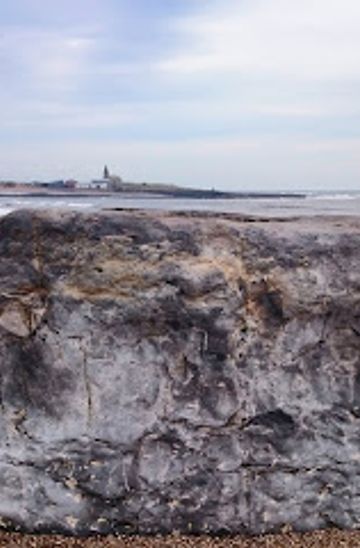
Hunkleton Stone: The Glacial Giant of Newbiggin-by-the-Sea
Discover the ancient glacial giant of Newbiggin-by-the-Sea, a striking symbol of nature’s power and community resilience.
The Hunkleton Stone is a massive glacial erratic rock resting on the sands of Newbiggin Bay in Northumberland. Transported during the last Ice Age on ice rafts, this imposing stone symbolizes the natural history and resilient spirit of the local community. It stands as a unique landmark on the beach, connecting visitors to the ancient geological forces that shaped the region.
A brief summary to Hunkleton stone
- Newbiggin-by-the-Sea, GB
- Duration: 0.5 to 2 hours
- Free
-
 Outdoor
- Mobile reception: 4 out of 5
- Monday 12 am-12 am
- Tuesday 12 am-12 am
- Wednesday 12 am-12 am
- Thursday 12 am-12 am
- Friday 12 am-12 am
- Saturday 12 am-12 am
- Sunday 12 am-12 am

Know before you go
Hi, I'm Eve. Here are a few practical things to know before exploring Hunkleton stone.
- Visit during low tide for the best views and photo opportunities of the stone against the exposed beach.
- Bring sturdy footwear if you plan to explore the beach around the stone, as the terrain can be sandy and uneven.
- Check local weather forecasts; clear skies enhance the scenic backdrop for photography.
- Combine your visit with a walk along Newbiggin’s coastline to experience more of the area’s natural beauty.
Do you manage this location?
Take control to get all the benefits, like improved information, better appearance, and stronger visibility across AI-powered discovery. Learn more
Activate your presence

Getting There
-
Bus
Local bus services connect Newbiggin-by-the-Sea with nearby towns such as Ashington and Alnwick. Travel times range from 20 to 40 minutes depending on the route. Buses run regularly but check schedules for weekend service frequency. A single fare costs approximately £3–£5.
-
Train
The nearest train station is at Ashington, about 7 km from Newbiggin. From there, a local taxi or bus can reach the beach in 15–20 minutes. Train journeys from Newcastle take around 30 minutes, with fares starting at £6. Accessibility may vary on weekends.
-
Car
Driving to Newbiggin-by-the-Sea is straightforward via the A189 and A1068 roads. Parking is available near the beach but can be limited during peak times. Travel times from Newcastle are approximately 40 minutes. No parking fees apply, but spaces fill quickly on sunny days.
For the on-the-go comforts that matter to you
-
 Seating Areas
-
 Trash Bins
-
 Information Boards
Discover more about Hunkleton stone
A Geological Marvel from the Ice Age
The Hunkleton Stone is an extraordinary example of a glacial erratic—a large rock carried and deposited far from its origin by glacial ice during the last Ice Age. This colossal stone was transported across ancient glacial waters on ice rafts before coming to rest on the sandy shores of Newbiggin Bay. Its presence offers a tangible connection to the dramatic climatic and geological changes that sculpted the landscape of Northumberland thousands of years ago.A Symbol of Community and Cultural Identity
Beyond its geological significance, the Hunkleton Stone has become a cultural emblem for the town of Newbiggin-by-the-Sea. It stands as a silent witness to the resilience and spirit of the local community, embodying a sense of place and continuity. The stone’s imposing size and solitary stance on the beach make it a natural meeting point and a symbol of local heritage, inspiring stories and pride among residents and visitors alike.Setting and Atmosphere on Newbiggin Beach
Situated directly on the beach, the Hunkleton Stone dominates the coastal landscape with its rugged, weathered surface. The surrounding sands and sea provide a scenic backdrop that changes with the tides and seasons, offering visitors a tranquil yet powerful natural setting. The sound of waves mingling with seabirds and the salty sea breeze enhance the sensory experience, making the stone a memorable focal point for beachgoers and nature enthusiasts.Exploring the Natural and Historical Context
The stone’s location in Newbiggin Bay places it within a broader environment rich in natural beauty and history. The bay itself is part of a dynamic coastal ecosystem, hosting diverse wildlife and serving as a gateway to the Northumberland coastline’s broader geological story. Visitors can reflect on the ancient forces that brought the stone here while enjoying the expansive views of the North Sea and the surrounding shoreline.Preservation and Visitor Experience
As a natural landmark, the Hunkleton Stone is accessible year-round and remains an open-air monument without formal barriers or facilities. Its accessibility allows visitors to approach closely, touch its textured surface, and appreciate its scale firsthand. While there are no entrance fees or formal tours, the stone’s presence enriches the visitor experience by adding depth and context to a day spent exploring the beach and nearby town.Photographic and Educational Opportunities
The Hunkleton Stone is a favored subject for photographers due to its striking contrast against the sandy beach and changing skies. It also serves as an educational resource for those interested in geology, glaciology, and local history, providing a concrete example of Ice Age phenomena. Interpretive signage nearby helps contextualize the stone’s origins and significance, enhancing understanding and appreciation for this natural wonder.Explore the best of what Hunkleton stone has to offer















More about North East England
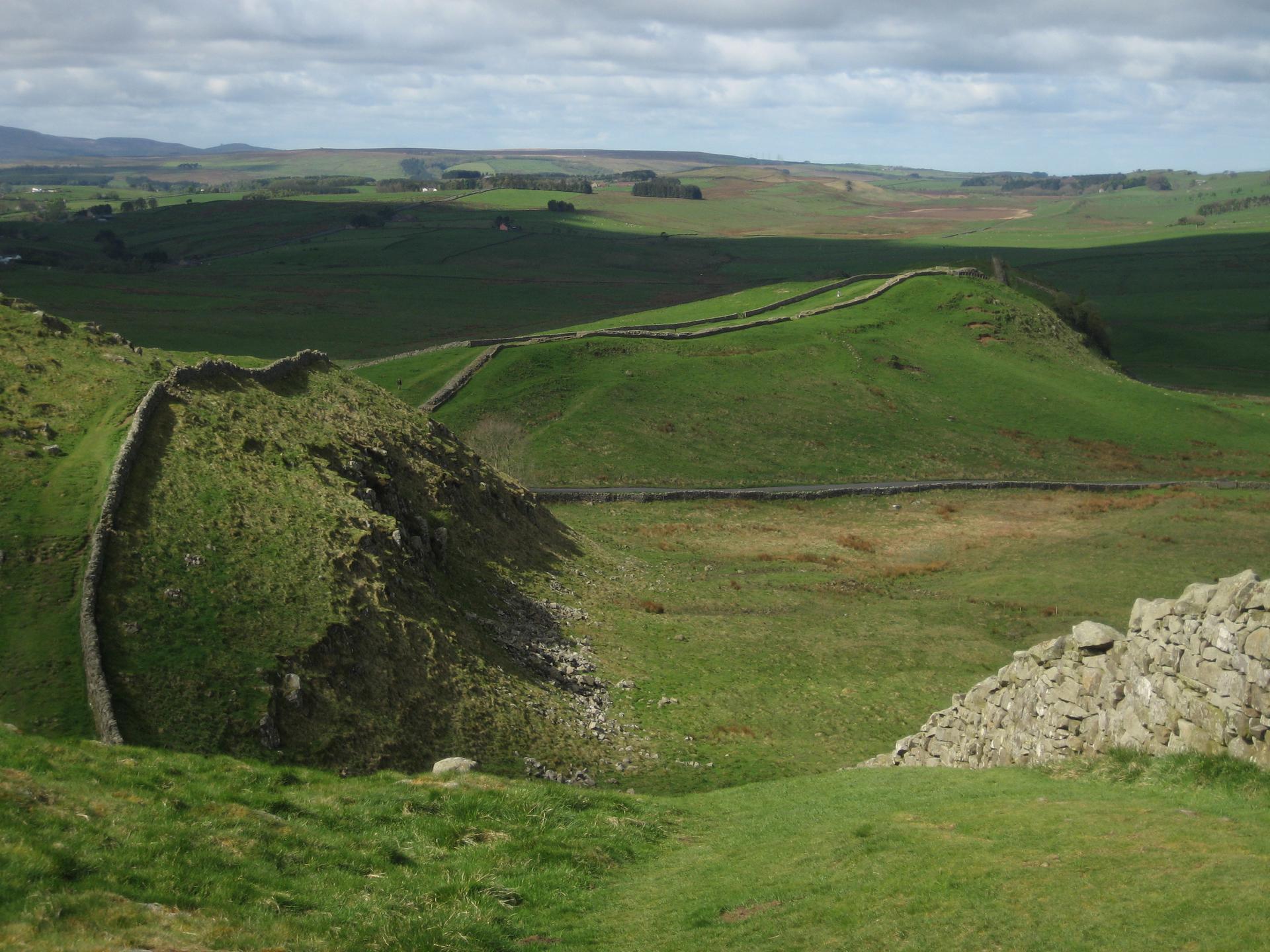
Explore North East England: From Roman Walls to Majestic Cathedrals and Scenic Coastlines, Discover a Region Rich in History and Natural Beauty.
Tell me more about North East England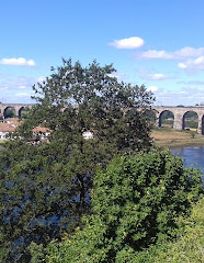
A 1920s reinforced concrete arch bridge spanning the River Tweed, blending engineering innovation with scenic river views in historic Berwick-upon-Tweed.
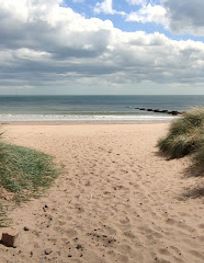
Historic coastal landmark in Blyth featuring a unique hole framing stunning beach views and easy beach access.