

Dunstanburgh Castle, Northumberland Travel Guide
Explore the evocative ruins of Dunstanburgh Castle, a majestic 14th-century fortress set against Northumberland’s stunning coastal landscape.
Dunstanburgh Castle is a dramatic 14th-century fortress ruin perched on a remote headland along Northumberland's rugged coastline. Built by Earl Thomas of Lancaster between 1313 and 1322, the castle's massive gatehouse, curtain walls, and towers offer panoramic views of the North Sea and surrounding cliffs. Accessible via a scenic 1.3-mile coastal walk from Craster village, the site combines rich medieval history, stunning natural scenery, and abundant wildlife, making it a captivating destination for history enthusiasts and nature lovers alike.
A brief summary to Dunstanburgh Castle
- Dunstanburgh Rd, Alnwick, Craster, NE66 3TT, GB
- Click to display
- Click to display
- Duration: 2 to 3 hours
- Mid ranged
-
 Outdoor
- Mobile reception: 4 out of 5
- Monday 10 am-5 pm
- Tuesday 10 am-5 pm
- Wednesday 10 am-5 pm
- Thursday 10 am-5 pm
- Friday 10 am-5 pm
- Saturday 10 am-5 pm
- Sunday 10 am-5 pm

Know before you go
Hi, I'm Eve. Here are a few practical things to know before exploring Dunstanburgh Castle.
- Book tickets online in advance to secure entry and save on admission fees.
- Wear sturdy footwear for the 1.3-mile coastal walk from Craster, which includes some uneven terrain.
- Bring binoculars to spot seabirds and other wildlife around the castle and along the coast.
- Visit during early morning or late afternoon for dramatic lighting and fewer crowds.
- Dogs are welcome but must be kept on leads to protect local wildlife and livestock.
Do you manage this location?
Take control to get all the benefits, like improved information, better appearance, and stronger visibility across AI-powered discovery. Learn more about listing your business on Evendo
Activate your presenceOther nearby places you may find interesting
The closest places of the same kind, if this one is not quite what you had in mind.

Explore Dunstanburgh Castle on the Map
A handpicked selection of must-see spots near Dunstanburgh Castle, mapped for you.
Getting There
-
Bus
Take an Arriva bus from Alnwick or Newcastle to Craster village, with journey times ranging from 40 to 70 minutes depending on origin. Buses run several times daily but check schedules in advance. From Craster, a 1.3-mile walk along the coastal path leads to the castle entrance.
-
Car
Drive to Craster village where parking is available in a council car park with about 60 spaces; parking fees apply. From the car park, expect a 20-30 minute walk on a mostly flat but uneven coastal path to the castle. The road and parking can be busy during peak season.
-
Train and Walk
Take a train to Alnmouth station (7 miles from Craster) or Chathill station (5 miles from Embleton). From either station, use local bus or taxi services to reach Craster village, then walk 1.3 miles along the coastal path to the castle. This option suits travelers combining rail travel with scenic walking.
For the on-the-go comforts that matter to you
-
 Restrooms
-
 Food Options
-
 Drink Options
-
 Seating Areas
-
 Trash Bins
-
 Information Boards
Discover more about Dunstanburgh Castle
Origins and Historical Significance of Dunstanburgh Castle
Dunstanburgh Castle was constructed in the early 14th century by Earl Thomas of Lancaster, a powerful baron and cousin to King Edward II. Its imposing twin-towered gatehouse and extensive curtain walls were designed to assert the Earl's defiance against the Crown during a period of intense political rivalry. The castle occupies the site of an earlier Iron Age fort, utilizing natural defenses provided by the surrounding cliffs and coastline. Over centuries, it witnessed sieges and battles, including during the Wars of the Roses, before falling into ruin. Today, the castle remains one of Northern England’s largest and most evocative medieval fortresses.Architectural Features and Ruins to Explore
Visitors can explore the castle’s dramatic ruins, including the Great Gatehouse with its twin drum-shaped towers rising approximately 79 feet high, connected by a first-floor bridge. The curtain walls stretch along the headland, offering sweeping views and a sense of the castle’s formidable defenses. The Constable’s Tower, once the constable’s residence, is well preserved, while the chapel’s foundations hint at the spiritual life once maintained here. The castle grounds also feature garden paths where visitors can observe local flora and fauna, enhancing the historical ambiance with natural beauty.A Scenic Coastal Walk and Wildlife Encounters
Dunstanburgh Castle is reached by a scenic 1.3-mile coastal walk from the nearby village of Craster. The mostly flat trail crosses farmland and rugged terrain, offering stunning vistas of the North Sea, cliffs, and sandy beaches. Along the way and within the castle grounds, visitors can spot seabirds such as kittiwakes, oystercatchers, and redshanks, as well as rockpool creatures during low tide. The surrounding landscape also supports grazing sheep and cattle, enriching the rural atmosphere.Visitor Experience and Facilities
The castle is managed by English Heritage and open daily from 10:00 to 17:00, with last entry one hour before closing. Entry is free for English Heritage and National Trust members; non-members pay a moderate fee. Facilities near the castle include toilets, a small shop offering guidebooks and souvenirs, and nearby parking in Craster village. The site is family-friendly and dog-friendly (dogs on leads). Visitors are encouraged to bring binoculars for wildlife spotting and enjoy picnics while taking in the panoramic coastal views.Legends, Stories, and Cultural Heritage
Dunstanburgh Castle’s ruins are steeped in legend and medieval lore, including tales of knights, queens, and a friendly ghost known as Sir Guy the Seeker. The nearby Queen Margaret’s Cove is linked to the escape of Margaret of Anjou during the 15th century. These stories add a layer of mystique to the site, inviting visitors to imagine the castle’s vibrant past amid its evocative ruins and dramatic setting.Preservation and Natural Setting
The castle and its grounds are carefully preserved as a protected historical site, balancing conservation with public access. The coastal environment provides a striking backdrop, with rugged cliffs and the ever-changing sea enhancing the visitor’s sense of stepping back in time. The site encourages respectful exploration, following countryside codes to protect both heritage and wildlife.












Your all‑in‑one travel companion app
Explore expert travel guides, compare and book tours, experiences, hotels, and more—all from the palm of your hand. Download now for seamless trip planning wherever your wanderlust takes you.


Explore More of Northumberland
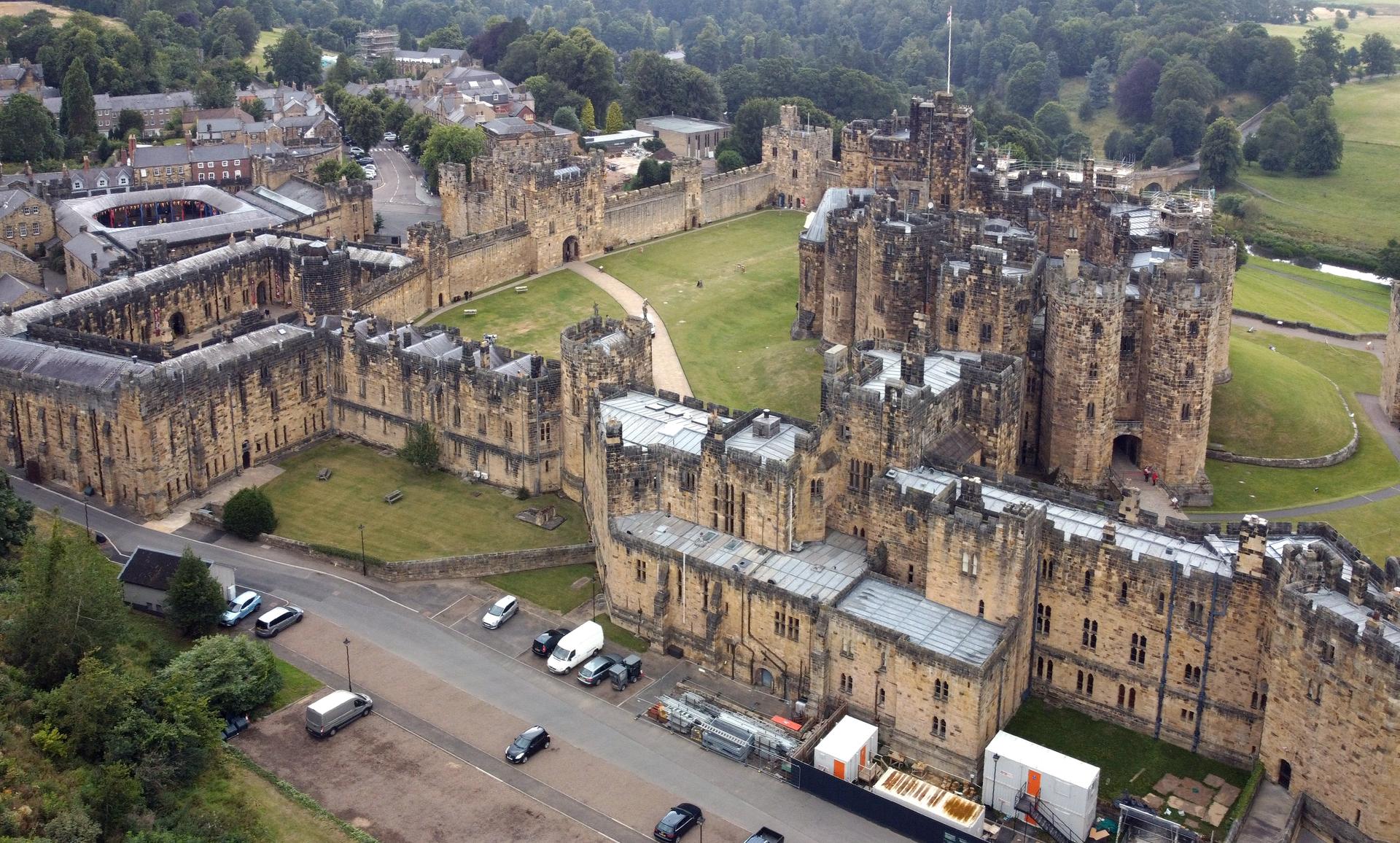
Looking beyond Dunstanburgh Castle? Discover Northumberland for broader travel guides, local hot-spots, and regional highlights.
Explore Northumberland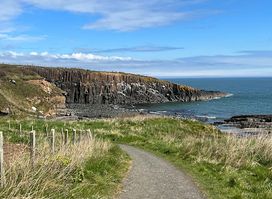
Explore the wild beauty and historic castles of England’s breathtaking Northumberland Coast on this iconic hiking trail.
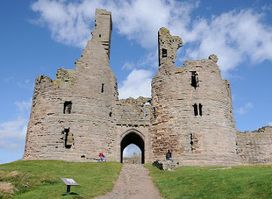
Explore the dramatic ruins of Dunstanburgh Castle, a majestic medieval fortress set against Northumberland’s stunning coastal backdrop.
