

Coxon's Tower Travel Guide
Free Guide: Explore Coxon's Tower, a medieval sentinel transformed through centuries guarding Berwick-upon-Tweed’s iconic Elizabethan walls and river estuary.


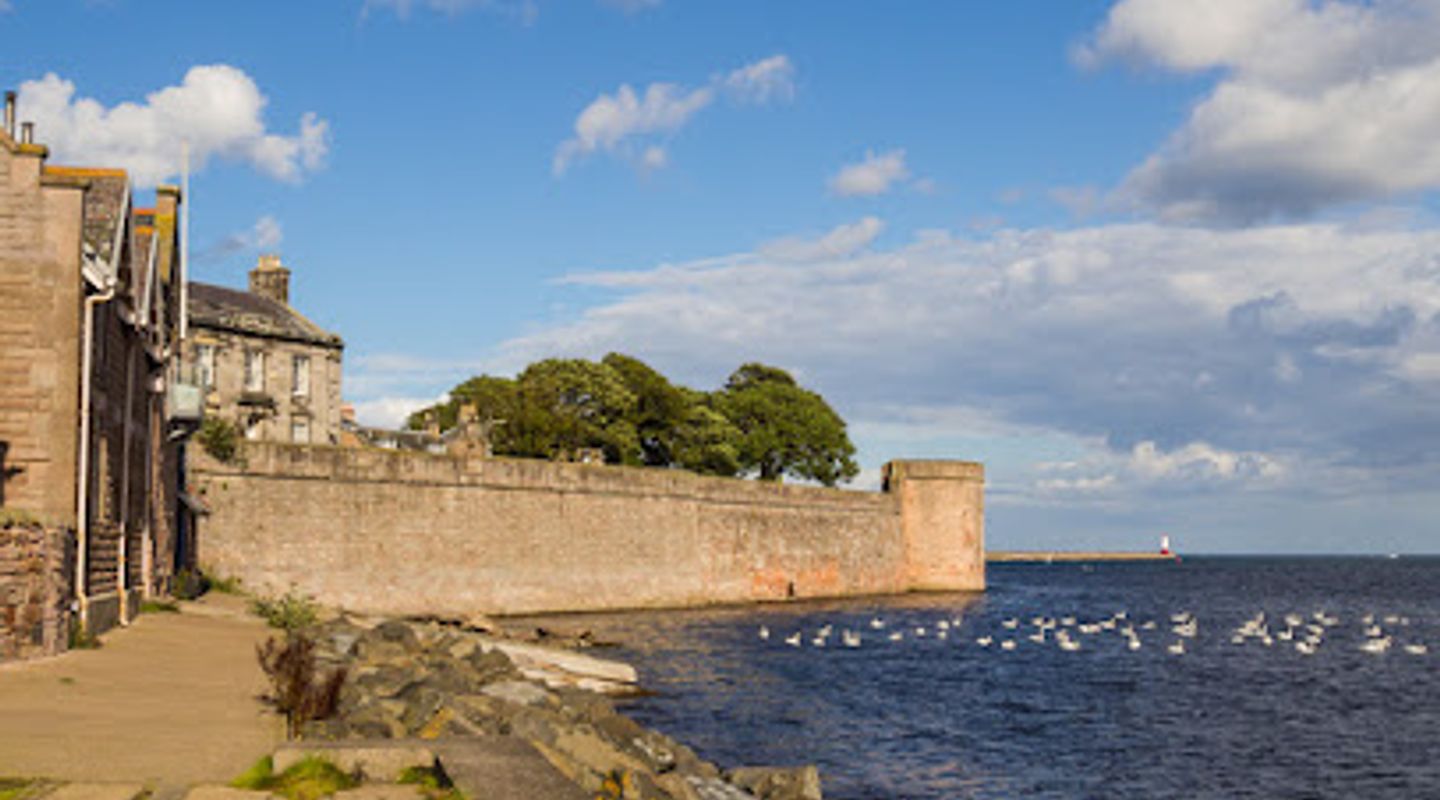
A brief summary of Coxon's Tower
Explore Coxon's Tower, a medieval sentinel transformed through centuries guarding Berwick-upon-Tweed’s iconic Elizabethan walls and river estuary.
Coxon's Tower is one of the last remaining medieval towers on Berwick-upon-Tweed's famous Elizabethan town walls. Originally a tall medieval fortification, it was transformed in the 16th and 18th centuries into a gun platform guarding the river estuary. The tower offers a fascinating glimpse into Berwick’s turbulent history, with surviving vaulted ceilings and casemates reflecting layers of military architecture from medieval to early modern times.
On-site amenities
 Restrooms
 Drink options
 Food options
 Seating areas
 Information boards
Opening hours
- Every dayOpen 24 hours
Opening hours as listed on the venue’s Google Business Profile. Hours can change for services and special events, so check with the venue before you go.
- Address
- 9 Palace St, Berwick-upon-Tweed TD15 1HN
- Website
Getting there
Train and Walk
Bus and Walk
Car and Walk
Discover more about Coxon's Tower
Medieval Origins and Strategic Importance
Coxon's Tower stands as a significant relic of Berwick-upon-Tweed’s medieval fortifications, one of only two original towers left on the town’s famous walls. The tower’s origins date back to the late Middle Ages when Berwick was a fiercely contested border town between England and Scotland. Its original tall structure was designed to provide a commanding defensive position overlooking the River Tweed estuary, a vital strategic point for controlling access and trade.
Transformations Through Centuries of Conflict
In the early 16th century, Coxon's Tower underwent substantial modifications to adapt to evolving military technologies. The tall medieval tower was lowered and converted into a two-storey gun platform, known as the 'Bulwark in the Sands,' to accommodate artillery and improve defense against riverborne threats. Later in the 18th century, the tower’s top level was further altered to include an infantry parapet, reflecting its continued military use during periods of tension such as the Jacobite uprisings and Napoleonic Wars.
Architectural Features and Defensive Role
The tower’s surviving vaulted ceilings and casemates reveal its robust construction and layered history. These casemates served as protected gun chambers, while the parapet allowed infantry to defend the river approach effectively. Coxon's Tower was part of a broader network of fortifications including bastions and ramparts, designed to defend Berwick with the latest artillery techniques of their times. Its position on the river wall made it less vulnerable to sea damage, a tactical advantage in coastal defense.
Berwick’s Elizabethan Walls and Military Heritage
Coxon's Tower is integrated into Berwick's renowned Elizabethan town walls, built from 1558 onwards under the guidance of military engineers like Sir Richard Lee. These walls represent the only bastioned town defenses in Britain and are among the best-preserved in Europe. They replaced earlier medieval defenses and were designed to withstand artillery attacks, featuring wide ditches, stone bastions, and artillery platforms. Coxon's Tower’s evolution mirrors the broader military architectural advancements embodied by these walls.
Modern Significance and Visitor Experience
Today, Coxon's Tower offers visitors a tangible connection to Berwick’s rich military past. Though not usually open to the public, special heritage events occasionally allow access to explore its interior features. Informative boards around the site enhance understanding of its historical context. The tower also provides scenic views over the River Tweed and the surrounding landscapes, enriching the visitor experience with both history and natural beauty.
Preservation and Cultural Legacy
As one of the last medieval towers on Berwick’s fortifications, Coxon's Tower is a protected historical landmark. Its preservation contributes to Berwick-upon-Tweed’s reputation as one of Europe’s most important fortified towns, reflecting centuries of Anglo-Scottish conflict and architectural innovation. The tower stands as a testament to the town’s resilience and strategic significance through the ages.
Evendo Review Centre
 Google
Guest reviews
Best time to go
Quietest: Jan, Feb & Dec · before 6am or at 10pm
Busy times are Evendo estimates for a typical year, to help you plan. Actual crowds vary with events, school holidays and the weather.
Explore Coxon's Tower on the map
A handpicked selection of must-see spots near Coxon's Tower, mapped for you.
Get your free copy of our complete guide to Coxon's Tower, delivered straight to you.
Everything on this page, from opening hours and how to get there to Eve’s tips and the best time to go, in one PDF you can read offline, print or share.
Already have an account? Sign in
Your Coxon's Tower guide is ready.
We'll send it to · Not you? Sign out

Getting your guide ready…
We are putting together a fresh copy of the Coxon's Tower guide. This can take up to a minute.
This can take a few moments. If your browser asks, choose Allow so the download can start. You'll find the guide in your Downloads folder.
Nothing happened? Download it again
Sorry, the guide is taking longer than usual. Please try again in a minute, or get it by email instead.
Other nearby places you may find interesting
The closest places of the same kind, if this one is not quite what you had in mind.
-
-
-
-
-


Swipe for more places
More to explore near Coxon's Tower

 Best experiences near Coxon's Tower
 Best hotels near Coxon's Tower
 Best landmarks near Coxon's Tower
 Best attractions near Coxon's Tower
 Best shops near Coxon's Tower
 Best restaurants near Coxon's Tower
 Best bars near Coxon's Tower
Do you manage this location?
Take control to get all the benefits, like improved information, better appearance, and stronger visibility across AI-powered discovery.
Explore more
Explore more of Roxburghshire
Discover the enchanting landscapes and rich history of Roxburghshire, a picturesque region in the Scottish Borders known for its ancient castles, scenic hills, and vibrant market towns.
Explore Roxburghshire
Explore more of United Kingdom
Discover the United Kingdom: A blend of rich history, stunning landscapes, and vibrant cities, offering a unique travel experience for every visitor.
Explore United Kingdom
