
Vindolanda, Northumberland Travel Guide
Explore Vindolanda, a captivating Roman fort and museum with live excavations, ancient writing tablets, and rich artefacts near Hadrian's Wall.
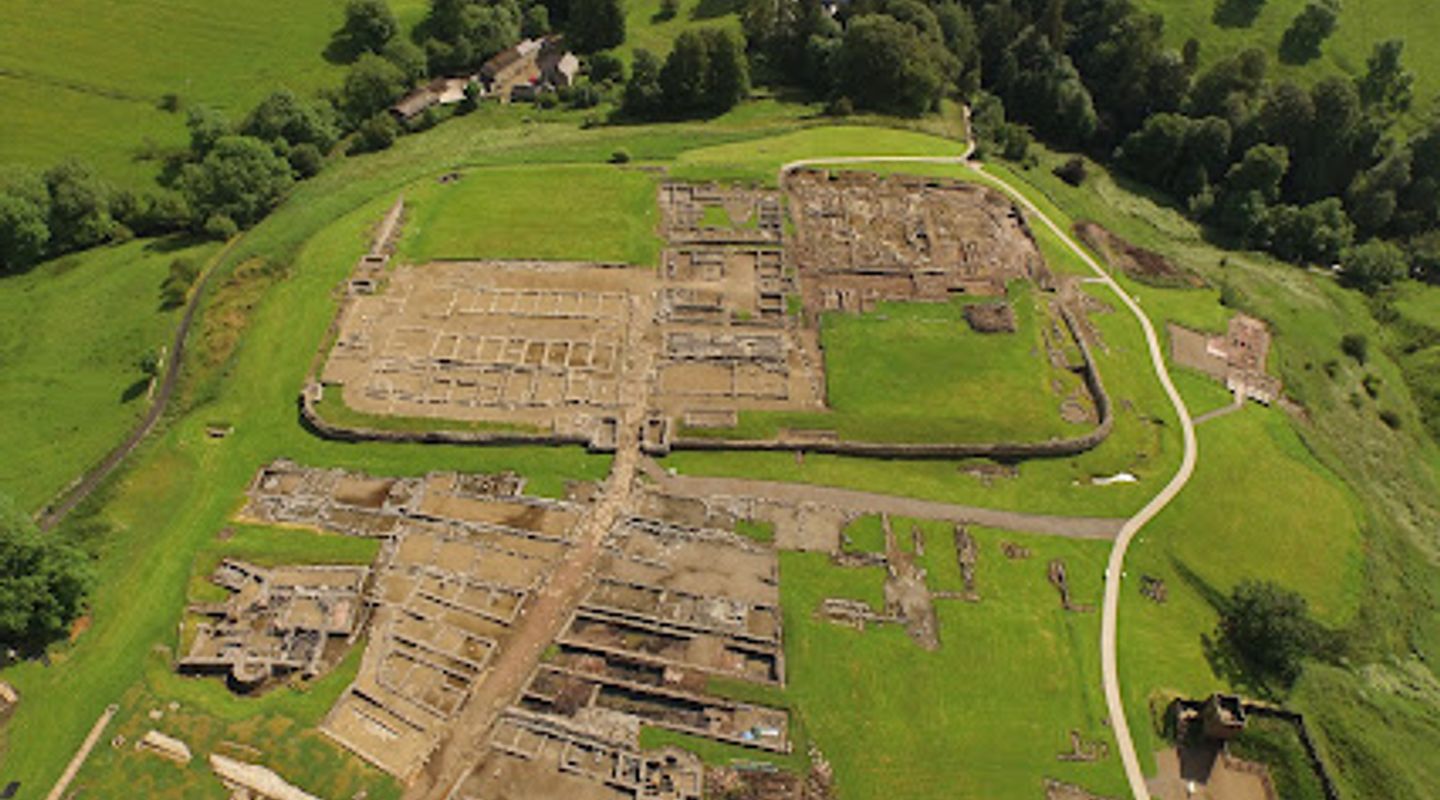
Vindolanda is a renowned Roman archaeological site and museum near Hadrian's Wall in Northumberland, England. It features a well-preserved Roman auxiliary fort, a modern museum housing remarkable artefacts like the Vindolanda Writing Tablets, and ongoing live excavations revealing insights into Roman military and civilian life from 85 AD to 370 AD. Visitors can explore ancient fort remains, a reconstructed settlement, and discover Britain’s oldest handwritten documents in a scenic historic setting.
A brief summary to Vindolanda
- Hexham, NE47 7JN, GB
- Click to display
- Click to display
- Duration: 2 to 3 hours
- Mid ranged
-
 Outdoor
- Mobile reception: 4 out of 5
- Monday 9:30 am-5 pm
- Tuesday 9:30 am-5 pm
- Wednesday 9:30 am-5 pm
- Thursday 9:30 am-5 pm
- Friday 9:30 am-5 pm
- Saturday 9:30 am-5 pm
- Sunday 9:30 am-5 pm

Know before you go
Hi, I'm Eve. Here are a few practical things to know before exploring Vindolanda.
- Join one of the free 45-minute guided tours to gain deeper insights into the fort’s history and archaeological highlights.
- Visit during excavation season (April to September) to see live digs and archaeologists at work.
- Wear sturdy footwear as the site includes outdoor ruins and uneven terrain.
- Combine your visit with the nearby Roman Army Museum for a fuller Roman military experience.
- Check seasonal opening hours before visiting, as the museum closes at 5pm daily.
Do you manage this location?
Take control to get all the benefits, like improved information, better appearance, and stronger visibility across AI-powered discovery. Learn more about listing your business on Evendo
Activate your presenceOther nearby places you may find interesting
The closest places of the same kind, if this one is not quite what you had in mind.

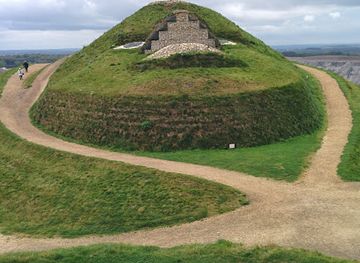
Explore Vindolanda on the Map
A handpicked selection of must-see spots near Vindolanda, mapped for you.
Unlock the Best of Vindolanda
Buy tickets
-
No tickets available
Book tours with entry


Getting There
-
Car
Driving from Hexham to Vindolanda takes approximately 25-35 minutes via the A69 and B6318 roads. Parking is available on-site, but spaces can be limited during peak season. There is no parking fee. The roads are rural with some narrow sections.
-
Bus
Seasonal bus service AD122 connects Hexham with Vindolanda during the spring and summer months. The journey takes about 40-50 minutes. Service frequency is limited to a few runs per day, so check the timetable in advance. Tickets cost around £5-£7 one way.
-
Walking
For the adventurous, a scenic 3-hour walk along Hadrian’s Wall Path from the Roman Army Museum to Vindolanda covers about 7.7 miles. The terrain is undulating and suitable for experienced walkers with good footwear. No special permits are required.
-
Cycling
Cycling along Hadrian’s Cycleway (National Cycle Route 72) offers a 1-hour ride to Vindolanda from nearby Bardon Mill. The route is on mixed surfaces, mostly off-road, and suitable for moderately experienced cyclists. Bike rental is available in Hexham.
For the on-the-go comforts that matter to you
-
 Restrooms
-
 Drink Options
-
 Food Options
-
 Seating Areas
-
 Information Boards
-
 Visitor Center
Discover more about Vindolanda
Ancient Military Frontier and Strategic Importance
Vindolanda was a Roman auxiliary fort established around 85 AD, predating Hadrian's Wall by several decades. Located just south of the Wall along the Stanegate Road, it served as a crucial northern frontier post guarding the Roman Empire’s boundary in Britain. Over 300 years, nine successive forts were built here, mostly timber and turf constructions, layered atop one another. The site reveals the evolution of Roman military architecture and frontier defense strategies, with remains of barracks, headquarters, and a commanding officer’s house visible today.Exceptional Archaeological Discoveries
Vindolanda is famed for its extraordinary preservation conditions, thanks to waterlogged, oxygen-free soil that has conserved organic materials rarely found elsewhere. Among the most significant finds are the Vindolanda Writing Tablets—thin wooden leaf-tablets inscribed with ink, representing the oldest surviving handwritten documents in Britain. These provide unparalleled insights into everyday Roman life, including personal letters, military reports, and social invitations. The site also boasts the largest collection of Roman leather goods in the empire, including shoes, bags, and military equipment, alongside pottery, jewellery, and religious artefacts.Living History Through Active Excavations
What sets Vindolanda apart is its ongoing live archaeological digs, conducted annually from April to September. Visitors can witness archaeologists and volunteers uncovering new layers of the fort and settlement, offering a dynamic and immersive experience of history in the making. These excavations continually expand knowledge about the mixed community of soldiers, families, and traders who inhabited Vindolanda, bringing Roman Britain vividly to life.Modern Museum and Visitor Experience
The on-site museum, recently refurbished, showcases a world-class collection of artefacts found exclusively at Vindolanda. Interactive displays and cutting-edge interpretation techniques narrate the stories behind the objects and the people who lived here. Visitors can explore exhibits on Roman military life, domestic activities, and the cultural diversity of the fort’s inhabitants. The museum complements the outdoor ruins, providing a comprehensive understanding of this unique archaeological treasure.Setting and Surroundings
Vindolanda is set in the picturesque landscape of Hadrian’s Wall Country near Hexham, Northumberland. The site offers scenic views of the surrounding countryside and a tranquil atmosphere that contrasts with the bustling life of the ancient fort. The location’s natural beauty enhances the visitor experience, making it a perfect destination for history enthusiasts and nature lovers alike.Significance and Legacy
Vindolanda is regarded as one of Europe’s most important Roman archaeological sites, providing unmatched insights into frontier life during the Roman occupation of Britain. Its discoveries have reshaped understanding of Roman military and civilian interactions, literacy, and daily routines. The site’s ongoing research and public engagement continue to inspire interest in archaeology and ancient history, preserving this heritage for future generations.












Your all‑in‑one travel companion app
Explore expert travel guides, compare and book tours, experiences, hotels, and more—all from the palm of your hand. Download now for seamless trip planning wherever your wanderlust takes you.


Explore More of Northumberland
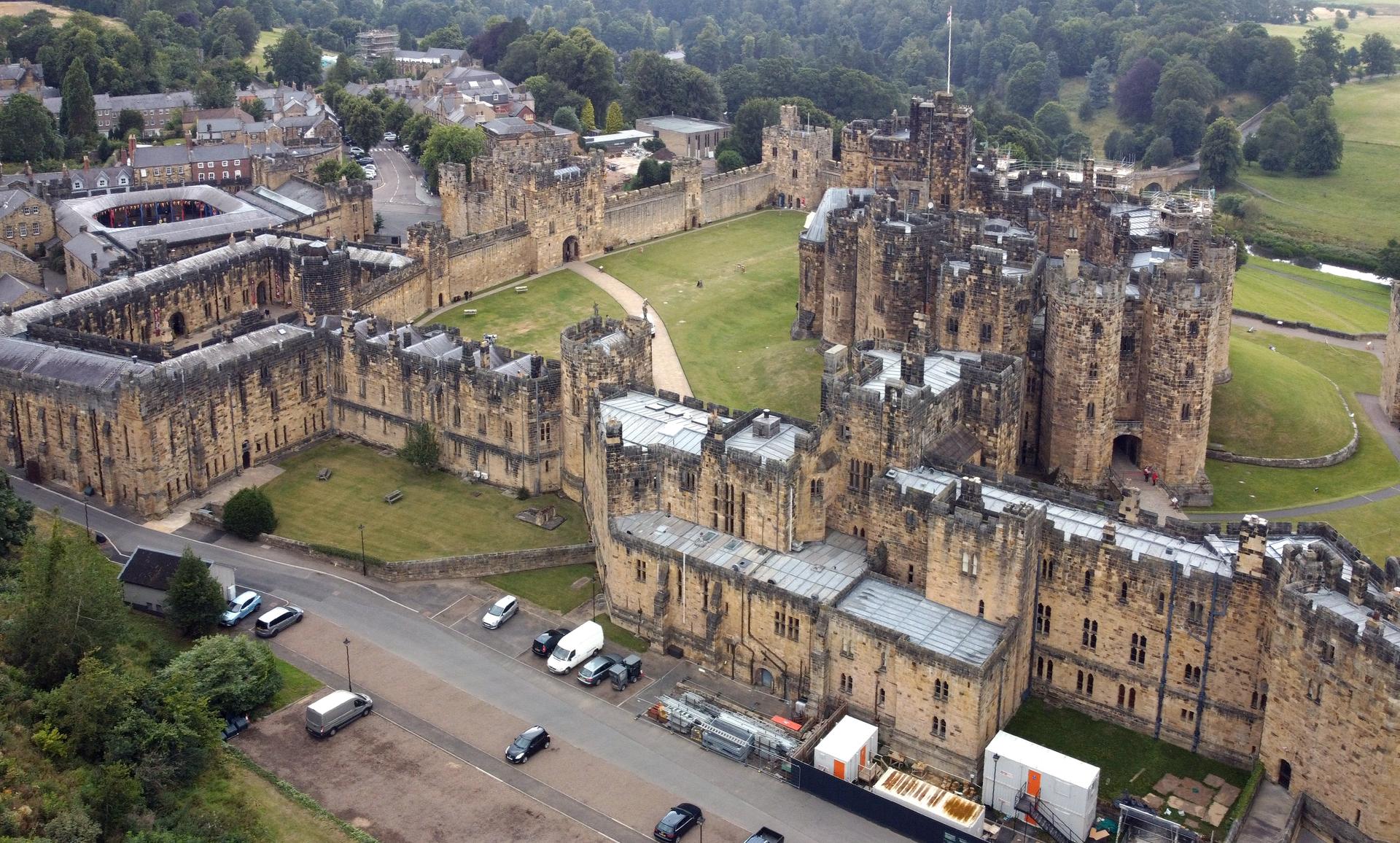
Looking beyond Vindolanda? Discover Northumberland for broader travel guides, local hot-spots, and regional highlights.
Explore Northumberland
Explore ancient Roman history and tranquil nature at Walltown Quarry Country Park, where Hadrian’s Wall meets scenic Northumberland landscapes.

Explore Britain’s best-preserved Roman fort with panoramic views, ancient ruins, and immersive history on Hadrian’s Wall.
