

Climbing Tree, Nottingham Travel Guide
Historic Camellia House gardens meet natural adventure at Nottingham’s charming Climbing Tree.
The Climbing Tree at Camellia House in Nottingham offers a unique natural attraction nestled within the historic gardens of Wollaton Park. Known for its striking cast-iron and glass architecture, the Camellia House is one of the earliest greenhouses in the UK, housing rare camellia plants. The Climbing Tree itself provides a fun and adventurous spot for visitors, blending natural beauty with the heritage charm of this Grade II listed site.
A brief summary to Climbing Tree
- Camellia House, Nottingham, NG8 2AE, GB
- Duration: 0.5 to 2 hours
- Free
-
 Outdoor
- Mobile reception: 4 out of 5

Know before you go
Hi, I'm Eve. Here are a few practical things to know before exploring Climbing Tree.
- Visit during late winter or early spring to see the camellias in full bloom inside the Camellia House.
- Wear sturdy shoes if you plan to climb the tree or explore the surrounding park grounds.
- Check local weather conditions as the outdoor climbing tree experience is best enjoyed in mild, dry weather.
- Combine your visit with a walk around Wollaton Park to enjoy its broader natural and historic attractions.
Do you manage this location?
Take control to get all the benefits, like improved information, better appearance, and stronger visibility across AI-powered discovery. Learn more about listing your business on Evendo
Activate your presenceOther nearby places you may find interesting
The closest places of the same kind, if this one is not quite what you had in mind.


Explore Climbing Tree on the Map
A handpicked selection of must-see spots near Climbing Tree, mapped for you.
Getting There
-
Bus
From Nottingham city centre, take a bus to Wollaton Park or nearby stops; journey time ranges from 20 to 30 minutes. Buses run regularly but check schedules for weekend or holiday variations. A single ticket costs approximately £2-£3.
-
Car
Driving from Nottingham city centre to Camellia House takes about 15-20 minutes depending on traffic. Limited parking is available near Wollaton Park; some areas may require payment. Accessibility is good but expect some walking on park paths.
-
Walking
For those nearby, walking to the Camellia House from Wollaton Hall or park entrances takes 15-25 minutes over mostly flat terrain with paved and natural paths. Suitable for most fitness levels and wheelchair accessible on main routes.
For the on-the-go comforts that matter to you
-
 Restrooms
-
 Seating Areas
-
 Information Boards
Discover more about Climbing Tree
A Historic Setting in Wollaton Park
The Climbing Tree is located within the grounds of the Camellia House, a remarkable structure in Wollaton Park, Nottingham. The Camellia House, built in 1823, is one of the earliest cast-iron framed glasshouses in the country and is Grade II listed. It features slender cast-iron Doric columns that ingeniously double as rainwater downpipes, showcasing early 19th-century greenhouse innovation. The house was designed to shelter and nurture rare camellia plants, some of which are over a century old, making the site a botanical treasure.Natural Adventure Amid Heritage
The Climbing Tree itself adds an adventurous element to the site, inviting visitors to engage physically with nature in a historic garden setting. The tree offers a playful escape for families and outdoor enthusiasts, blending seamlessly with the tranquil and scenic environment of Wollaton Park. This combination of natural and architectural heritage creates a unique atmosphere where visitors can appreciate both the beauty of the living plants and the craftsmanship of the historic glasshouse.Botanical Significance and Conservation
The camellias housed in the Camellia House are notable for their rarity and age, with some specimens dating back over 100 years. These flowering shrubs bloom in winter and early spring, thriving in the carefully controlled environment of the glasshouse, which protects them from harsh winds and frost. The site is actively maintained to preserve these botanical specimens, reflecting a commitment to conservation and horticultural heritage.Community Engagement and Accessibility
The area around the Camellia House and the Climbing Tree serves as a community hub within Wollaton Park. The site is accessible to a broad range of visitors, including families and nature lovers, offering a welcoming space for relaxation and exploration. The combination of heritage, nature, and recreational opportunity makes it a valuable asset for local residents and tourists alike.Architectural and Environmental Harmony
The Camellia House exemplifies a harmonious blend of architecture and environment. Its glazed walls and roof, supported by elegant cast-iron columns, create a light-filled sanctuary for plants while complementing the surrounding park landscape. The Climbing Tree nearby enhances this harmony by providing a natural focal point that encourages interaction with the outdoors in a historic setting.Preserving a Unique Experience
Visitors to the Climbing Tree and Camellia House experience a rare combination of history, nature, and adventure. The site stands as a testament to early greenhouse design and botanical preservation, enriched by the playful presence of the Climbing Tree. This blend of cultural heritage and natural beauty ensures the location remains a cherished destination for those seeking both education and enjoyment.












Your all‑in‑one travel companion app
Explore expert travel guides, compare and book tours, experiences, hotels, and more—all from the palm of your hand. Download now for seamless trip planning wherever your wanderlust takes you.


Explore More of Nottingham
Looking beyond Climbing Tree? Discover Nottingham for broader travel guides, local hot-spots, and regional highlights.
Explore Nottingham
Explore 250,000 years of regional archaeology at the University of Nottingham’s award-winning museum, set within the vibrant Lakeside Arts Centre.
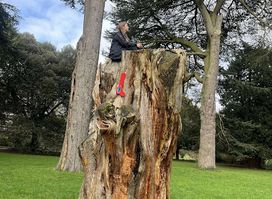
Adventure and tranquility blend seamlessly at Nottingham’s Climbing Tree, nestled beside the historic Camellia House in scenic Wollaton Park.
