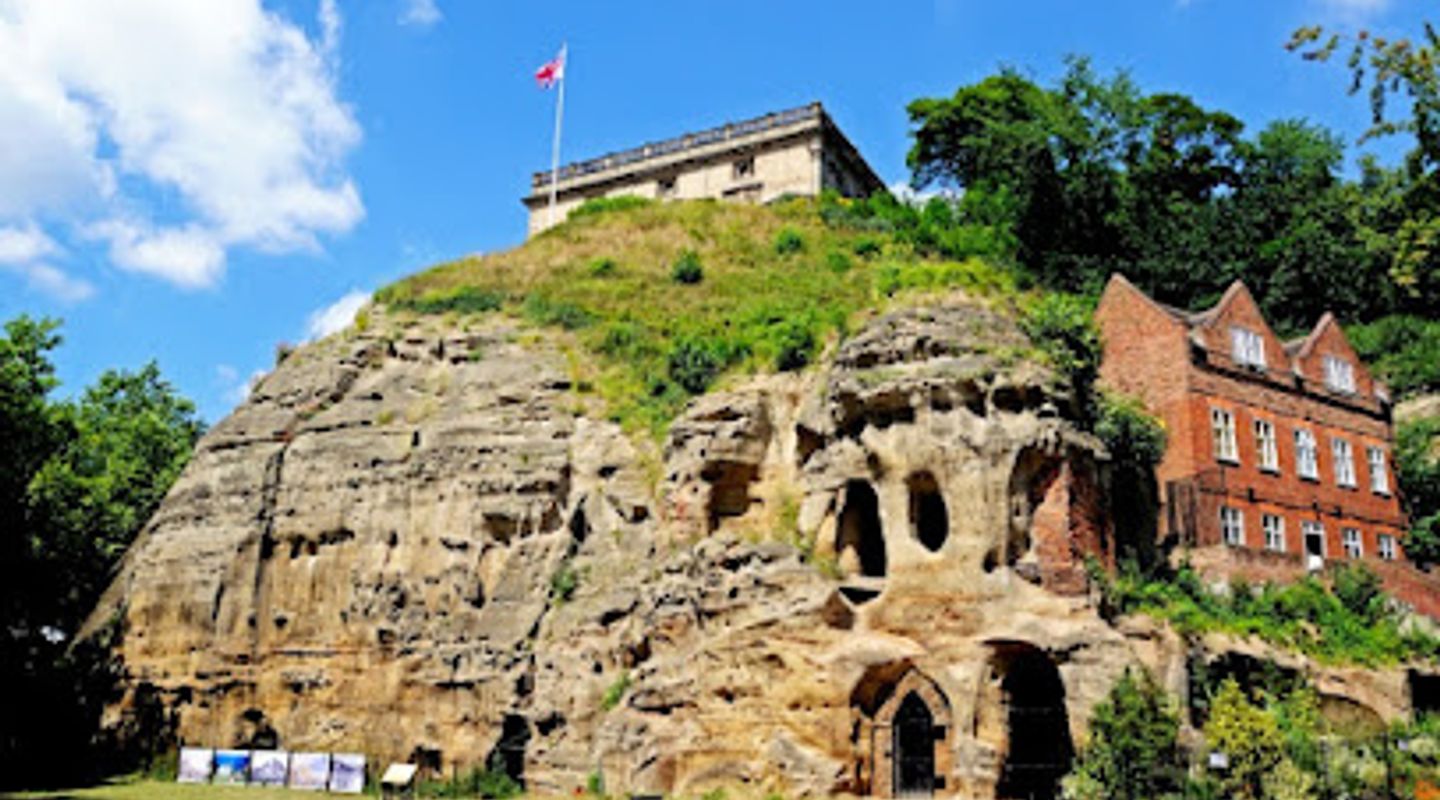
Mortimer’s hole, Nottinghamshire Travel Guide
Explore Mortimer’s Hole, a secret medieval tunnel beneath Nottingham Castle steeped in history and mystery.
Mortimer’s Hole is a fascinating medieval sandstone tunnel beneath Nottingham Castle, linked to dramatic 14th-century history. Named after Sir Roger Mortimer, it served as a secret passage used in a royal coup and is now accessible via guided tours from Brewhouse Yard Museum. The tunnel and surrounding caves reveal Nottingham’s extensive subterranean network, carved into soft sandstone, offering a unique glimpse into the city’s layered past.
A brief summary to Mortimer’s hole
- Brewhouse Yard Museum (Stop LE43, Nottingham, NG7 1FT, GB
- Duration: 1 to 2 hours
- Mid ranged
-
 Mixed
Mixed
- Mobile reception: 4 out of 5

Know before you go
Hi, I'm Eve. Here are a few practical things to know before exploring Mortimer’s hole.
- Book guided cave tours in advance, especially on weekends and holidays when the Museum of Nottingham Life is open.
- Wear sturdy footwear suitable for uneven, steep steps and narrow passages during the underground tour.
- Combine your visit with the Museum of Nottingham Life at Brewhouse Yard to explore the historic cottages and textile exhibits.
- Check the museum’s opening hours before visiting, as it is open mainly on weekends, bank holidays, and school holidays.
Do you manage this location?
Take control to get all the benefits, like improved information, better appearance, and stronger visibility across AI-powered discovery. Learn more about listing your business on Evendo
Activate your presenceOther nearby places you may find interesting
The closest places of the same kind, if this one is not quite what you had in mind.
Explore Mortimer’s hole on the Map
A handpicked selection of must-see spots near Mortimer’s hole, mapped for you.
Unlock the Best of Mortimer’s hole
Buy tickets
-
No tickets available
Book tours with entry
-
No tours available
Book tours without entry

Getting There
-
Public Transport
Take the Nottingham Express Transit tram from the city center to the Castle stop, then walk approximately 10 minutes to Brewhouse Yard Museum. Tram tickets cost around £2.50–£4.00, with frequent service every 7–15 minutes.
-
Bus
Several city buses serve stops near Nottingham Castle and Brewhouse Yard, including routes 35 and 36. Travel time from the city center is about 15–20 minutes. Single fares typically cost £2–£3.50. Note that service frequency varies on weekends.
-
Walking
From Nottingham city center, a walk to Brewhouse Yard takes roughly 20–25 minutes over mostly flat urban terrain. The route passes historic landmarks and is suitable for most fitness levels.
For the on-the-go comforts that matter to you
-
 Restrooms
-
 Drink Options
-
 Food Options
-
 Seating Areas
-
 Information Boards
-
 Visitor Center
Discover more about Mortimer’s hole
Ancient Origins and Geological Setting
Mortimer’s Hole is part of Nottingham’s extensive cave network carved into the region’s soft sandstone geology. Nottingham sits atop a ridge of easily excavated sandstone, which has allowed for the creation of over 800 caves, tunnels, and passages beneath the city. These subterranean spaces have been used for centuries for various purposes, from medieval dwellings and industrial uses to wartime shelters. The tunnel known as Mortimer’s Hole connects Nottingham Castle to Brewhouse Yard, illustrating the strategic use of these caves in the city’s history.The Dramatic Tale of Sir Roger Mortimer
The tunnel is named after Sir Roger Mortimer, a powerful nobleman and lover of Queen Isabella in the early 14th century. Mortimer’s Hole is famously linked to the 1330 royal coup led by the young King Edward III. Under cover of darkness, Edward and his allies used this secret passage to enter Nottingham Castle undetected, arrest Mortimer, and end his regency. Mortimer was subsequently taken to London and executed. The tunnel’s association with this gripping episode of medieval intrigue adds a rich historical dimension to the site.Connection to Nottingham Castle and Brewhouse Yard
Mortimer’s Hole runs beneath Nottingham Castle, a historic site originally established as a Norman fortress in 1068 and rebuilt extensively over the centuries. The castle sits atop Castle Rock, a natural promontory with steep sandstone cliffs. The tunnel descends from the castle grounds to Brewhouse Yard, an area with 17th-century cottages and a museum dedicated to Nottingham’s social and industrial history. The Brewhouse Yard Museum offers access to the tunnel and the caves, allowing visitors to explore the underground world that shaped the city’s development.Exploring the Underground Labyrinth
Visitors to Mortimer’s Hole can take guided tours that reveal the tunnel’s structure and its connection to other cave systems beneath Nottingham. The tours highlight the medieval craftsmanship involved in carving these passages and the varied uses of the caves over time, including maltings, tanneries, and air raid shelters during World War II. The experience immerses visitors in the atmospheric underground environment, with its narrow, uneven passages and historical narratives.Historical and Cultural Significance
Mortimer’s Hole is more than a physical tunnel; it embodies Nottingham’s layered history of power struggles, industry, and community life. The tunnel and caves symbolize the city’s unique relationship with its geology and the way inhabitants adapted their environment for survival and strategic advantage. Tales of Mortimer’s ghost haunting the tunnel add a folkloric element, enriching the cultural tapestry of Nottingham’s subterranean heritage.Modern Preservation and Visitor Experience
Today, Mortimer’s Hole is preserved as part of Nottingham’s heritage and is accessible through the Museum of Nottingham Life at Brewhouse Yard. The museum itself is housed in historic cottages and features exhibits on local textile industries and daily life over centuries. The cave tours are carefully managed to protect the fragile sandstone environment while providing educational and engaging visitor experiences. Accessibility is limited by the tunnel’s historic nature, with steep steps and uneven terrain, making the tours suitable for those comfortable with moderate physical activity.












Your all‑in‑one travel companion app
Explore expert travel guides, compare and book tours, experiences, hotels, and more—all from the palm of your hand. Download now for seamless trip planning wherever your wanderlust takes you.


Explore More of Nottinghamshire
Looking beyond Mortimer’s hole? Discover Nottinghamshire for broader travel guides, local hot-spots, and regional highlights.
Explore Nottinghamshire
Explore cutting-edge contemporary art in Nottingham’s iconic sandstone gallery with free exhibitions, lively events, and a vibrant café.
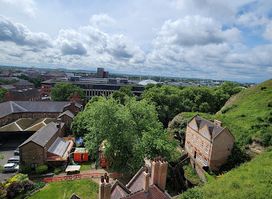
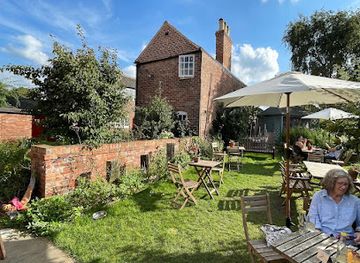
Step back 300 years in Nottingham’s historic cottages and caves, where everyday life and industry come vividly to life beneath the castle.