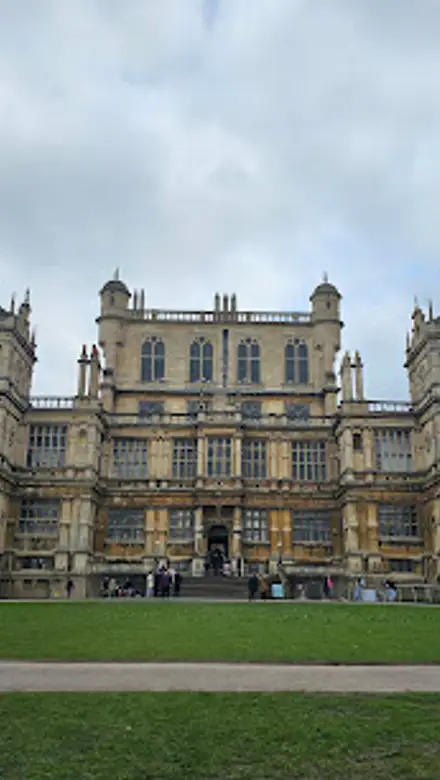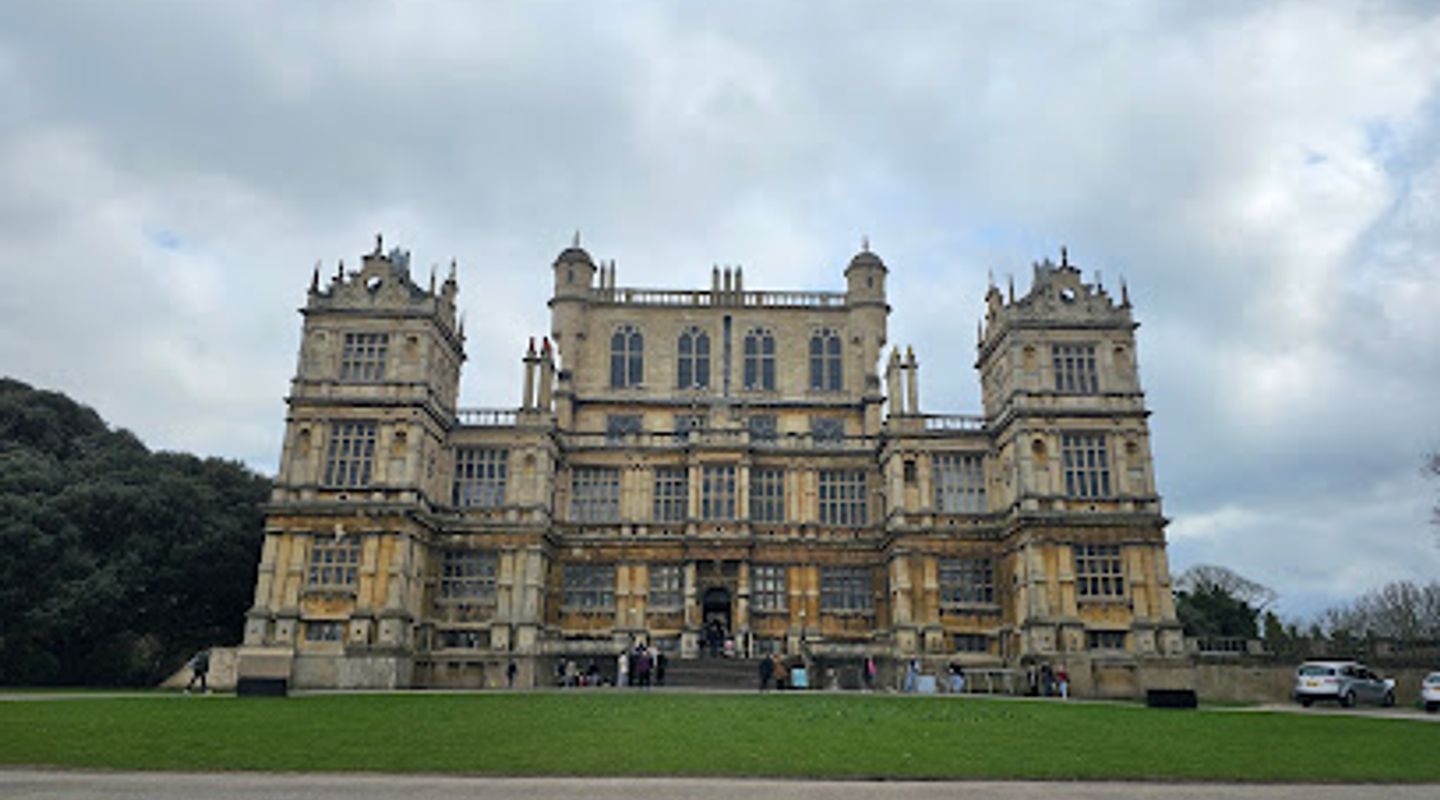
Nottingham Industrial Museum, Nottingham Travel Guide
Volunteer-run industrial museum with working steam engines inside Wollaton Hall’s historic stable block.
Housed in the historic stable block of Wollaton Hall, this volunteer-run museum showcases Nottingham’s industrial past through working steam engines, rare lace machinery, bicycles, motorcycles and local company collections. Visitors explore five themed galleries including the Steam Hall with its Basford Beam Engine, a Transport Gallery and Textiles Gallery. On monthly Steaming Days engines run and demonstrations bring the collection to life. The compact site sits within the 500-acre deer park, making it an easy add-on to a park visit rather than a standalone destination.
A brief summary to Nottingham Industrial Museum
- Wollaton Hall, Gardens and Deer Park The Courtyard, Nottingham, NG8 2AE, GB
- Click to display
- Duration: 0.75 to 2 hours
- Budget
-
 Mixed
Mixed
- Mobile reception: 4 out of 5
- Thursday 10 am-3 pm
- Saturday 11 am-4 pm
- Sunday 11 am-4 pm

Know before you go
Hi, I'm Eve. Here are a few practical things to know before exploring Nottingham Industrial Museum.
- Visit on the last Sunday of the month for Steaming Days when engines operate.
- Allow 1–2 hours for the galleries; combine with a walk in the deer park.
- Set sat-nav to Wollaton Hall and Deer Park, NG8 2AE; the museum shares the stable courtyard with the café.
Do you manage this location?
Take control to get all the benefits, like improved information, better appearance, and stronger visibility across AI-powered discovery. Learn more about listing your business on Evendo
Activate your presenceOther nearby places you may find interesting
The closest places of the same kind, if this one is not quite what you had in mind.


Explore Nottingham Industrial Museum on the Map
A handpicked selection of must-see spots near Nottingham Industrial Museum, mapped for you.
Getting There
-
Car
Drive to Wollaton Hall main entrance; nearest car park is at the end of the tree-lined drive. Parking charged separately by the Hall.
-
Bus
NCT 30 to Wollaton Road park gates or NCT 35/36 to Derby Road gates; short walk to courtyard.
-
Cycle
Cycle paths connect central Nottingham to the park; racks available near the courtyard.
For the on-the-go comforts that matter to you
-
 Restrooms
-
 Seating Areas
-
 Sheltered Areas
-
 Information Boards
Discover more about Nottingham Industrial Museum
Industrial Heritage in Historic Stables
Nottingham Industrial Museum occupies the stable and riding-school buildings of Wollaton Hall, a 1580s mansion whose early wealth came from coal. The courtyard complex now holds the city’s only dedicated industrial museum, interpreting lace, textiles, engineering, mining, pharmaceuticals and printing through machinery and artefacts from firms such as Raleigh, Brough, Boots and Players.Steam Hall and Working Engines
The purpose-built Steam Hall centres on the Basford Beam Engine, restored and first steamed publicly in 1977. A model railway runs beneath the high roof. On the last Sunday of most months, plus occasional Bank Holidays, several steam and diesel engines operate, barn engines and tractors are demonstrated, and the Victorian kitchen may offer historic food samples.Textiles and Transport Galleries
The Textiles Gallery displays nationally important lace machines, including Heathcoat and Leavers examples. The Transport Gallery features cycles and motorcycles, notably rare Brough Superior models. Small interactive elements such as Morse code are available, and volunteer interpreters often share direct knowledge of the industries represented.Local Industries and Gin Yard
Additional spaces cover communications, clocks and printing. Outside, the Gin Yard contains a living wagon, coal truck on rails and former piggeries now housing barn engines. The yard also interprets early horse-gins linked to Wollaton’s coal history.Atmosphere and Visit Style
The museum is informal and enthusiast-led. Ordinary opening days are quiet with static displays; Steaming Days are busier and noisier. Most visitors combine the site with the deer park, courtyard café and, separately, Wollaton Hall itself. Admission remains low-cost, with accompanied children free on ordinary days.History of the Collection
Local engineers began assembling artefacts in 1964. The museum opened in 1971, closed in 2009 due to funding cuts, and reopened in 2012 under volunteer management. The lace collection received Arts Council designation in 2014. The museum became a registered charity in 2016.More to explore near Nottingham Industrial Museum













Your all‑in‑one travel companion app
Explore expert travel guides, compare and book tours, experiences, hotels, and more—all from the palm of your hand. Download now for seamless trip planning wherever your wanderlust takes you.


Explore More of Nottingham
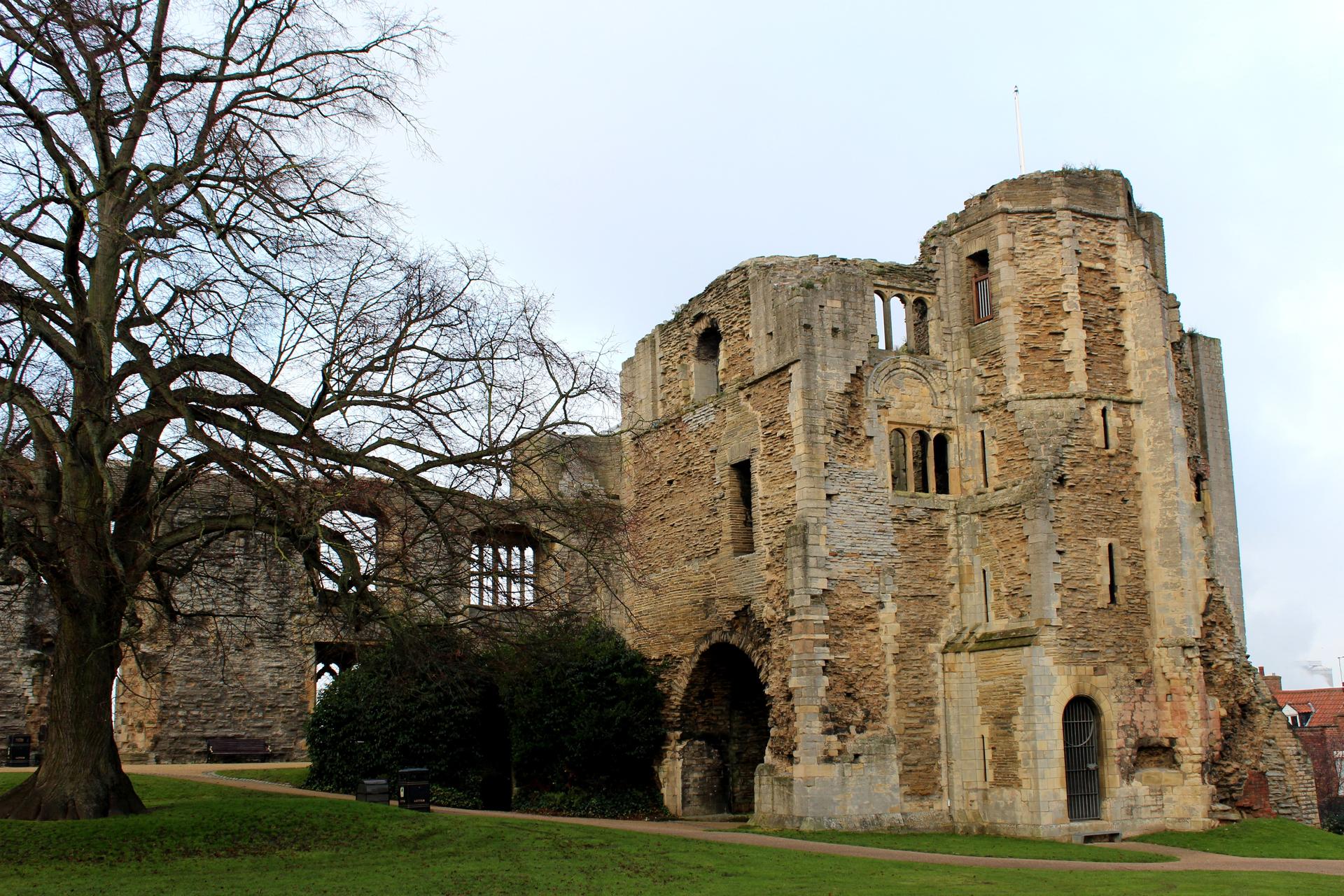
Looking beyond Nottingham Industrial Museum? Discover Nottingham for broader travel guides, local hot-spots, and regional highlights.
Explore Nottingham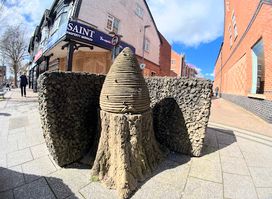
A lifesize tribute to Beeston’s bee heritage, this serene beekeeper statue blends nature and urban life on High Road.

Explore Nottingham’s industrial heritage through working engines, historic machinery, and captivating exhibits in a charming 17th-century setting.