Curbar Edge, Peak District Travel Guide
Gritstone escarpment offering world-class climbing, panoramic Peak District views, and accessible moorland walks.
Curbar Edge is a striking gritstone escarpment in the Peak District National Park, Derbyshire, England, rising 292 metres above the village of Curbar. This moorland landmark offers panoramic views across the Hope Valley and is renowned internationally as a premier rock climbing destination with over 150 established routes. The site features wide, well-maintained paths suitable for walkers of varying abilities, making it accessible to both adventurous climbers and casual visitors seeking spectacular Peak District scenery.
A brief summary to Curbar Edge
- Hope Valley, Curbar, Calver, S32 3YR, GB
- Duration: 1.5 to 3.5 hours
- Free
-
 Outdoor
- Mobile reception: 4 out of 5

Know before you go
Hi, I'm Eve. Here are a few practical things to know before exploring Curbar Edge.
- Visit during clear weather for optimal panoramic views across the Hope Valley and Derwent Valley. Early morning or late afternoon light provides the best photography conditions.
- Wear sturdy walking boots with good grip; paths can be steep and stony in sections, and moorland terrain becomes slippery when wet.
- Start the circular walk early to avoid afternoon crowds, particularly during weekends and school holidays. The route takes 2.5 to 3 hours to complete.
- Bring water and snacks; the Grouse Inn offers refreshment halfway through the walk, but facilities are limited on the moorland itself.
- Check weather conditions before visiting; moorland exposure means rapid weather changes. Mist can obscure views and reduce visibility on navigation.
Do you manage this location?
Take control to get all the benefits, like improved information, better appearance, and stronger visibility across AI-powered discovery. Learn more about listing your business on Evendo
Activate your presenceOther nearby places you may find interesting
The closest places of the same kind, if this one is not quite what you had in mind.

Explore Curbar Edge on the Map
A handpicked selection of must-see spots near Curbar Edge, mapped for you.
Getting There
-
By Car
From Junction 29 on the M1 motorway, follow the A617 towards Chesterfield, then take the A619 to Baslow. Turn north onto the A623, then right at the Bridge Inn in Calver, continuing through Curbar village to reach the car park at the top of the hill. The main car park is located at Clodhall Lane, Curbar, Hope Valley, S32 3YR. Parking is available close to the main viewpoints and walking routes. Journey time from Sheffield is approximately 45 minutes; from Manchester approximately 75 minutes.
-
By Train and Walk
Grindleford station, served by hourly train services between Manchester and Sheffield, is located 4.8 kilometres from Curbar Gap car park. From the station, allow approximately 20 to 30 minutes walking time to reach the main car park, with some steep sections on the approach. This option works well for visitors without access to a car, though the walk from the station adds to the overall visit duration.
-
By Bus
Multiple bus services connect to nearby villages. Service 214 runs from Sheffield to Calver; service 66 connects Chesterfield to Baslow and Calver; service 170 runs from Bakewell to Baslow; and service 175 connects Bakewell to Calver. From these villages, walking approaches are available, though some sections involve steep terrain. Journey times vary depending on starting point and service frequency, typically ranging from 60 to 90 minutes from major towns.
-
By Bicycle
The route from Baslow to Curbar Gap follows a bridleway accessible to mountain bikes, offering a scenic cycling approach for those preferring not to use roads. The bridleway provides a more gradual ascent than road-based routes. Journey time from Baslow is approximately 30 to 45 minutes depending on fitness level and terrain conditions.
For the on-the-go comforts that matter to you
-
 Seating Areas
-
 Picnic Areas
-
 Trash Bins
-
 Information Boards
Discover more about Curbar Edge
A Gritstone Icon of the Peak District
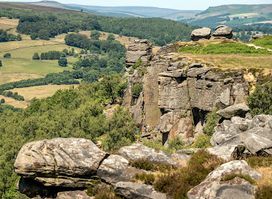
Curbar Edge stands as one of the most distinctive natural landmarks within the Peak District National Park, a gritstone moorland escarpment that rises dramatically above the small village of Curbar in Derbyshire. At 292 metres elevation, this west-facing outcrop forms part of the Eastern Grit, a series of interconnected gritstone cliffs that characterise the Dark Peak landscape. The Edge's rugged beauty and commanding position have made it a focal point for visitors seeking both natural grandeur and outdoor adventure, attracting walkers, climbers, and photographers from across the region and beyond.The geology of Curbar Edge reveals layers of gritstone and sandstone, ancient materials shaped by millions of years of erosion and weathering. This hard, crystalline rock has proven ideal for the development of climbing routes, while its weathered surfaces and natural formations create the dramatic visual character that defines the site. The moorland setting, with its open vistas and sparse vegetation, contrasts sharply with the wooded valleys that surround it, offering visitors a sense of exposure and expansive perspective.The Climbing Heritage and International Reputation
Curbar Edge holds a place of profound significance in the history of British rock climbing. First ascended in the early 1900s, the site has evolved into a world-renowned climbing destination with over 150 named traditional rock climbing routes established across its faces and adjacent boulders. The climbing community recognises Curbar Edge as a location of both historical importance and contemporary vitality, where generations of climbers have tested their skills on challenging pitches. The absence of sport climbing routes reflects local ethics and policies upheld by the British Mountaineering Council and the Peak District National Park Authority, preserving the traditional climbing character of the site.Bouldering enthusiasts find abundant opportunities on the Edge itself and on scattered boulders throughout the area, with countless problem routes offering challenges for climbers of all abilities. The rock quality, varied angles, and natural features have made Curbar Edge a training ground for aspiring climbers and a proving ground for experienced mountaineers. This climbing heritage continues to draw specialists from across Europe and internationally, cementing the site's reputation as a destination of genuine climbing importance.Panoramic Views and Valley Perspectives
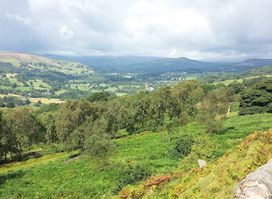
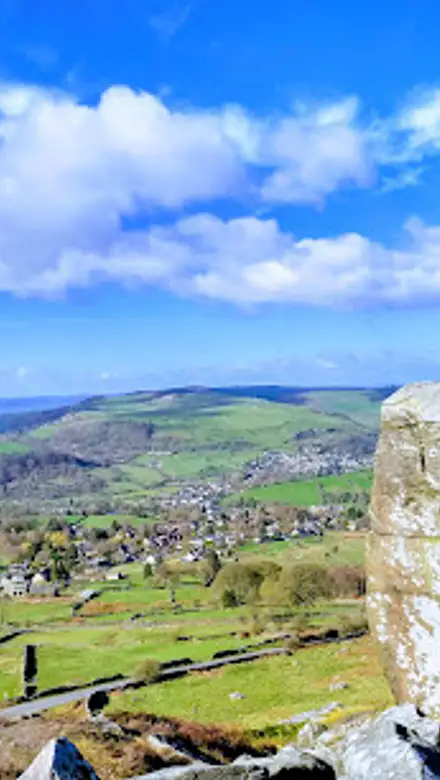
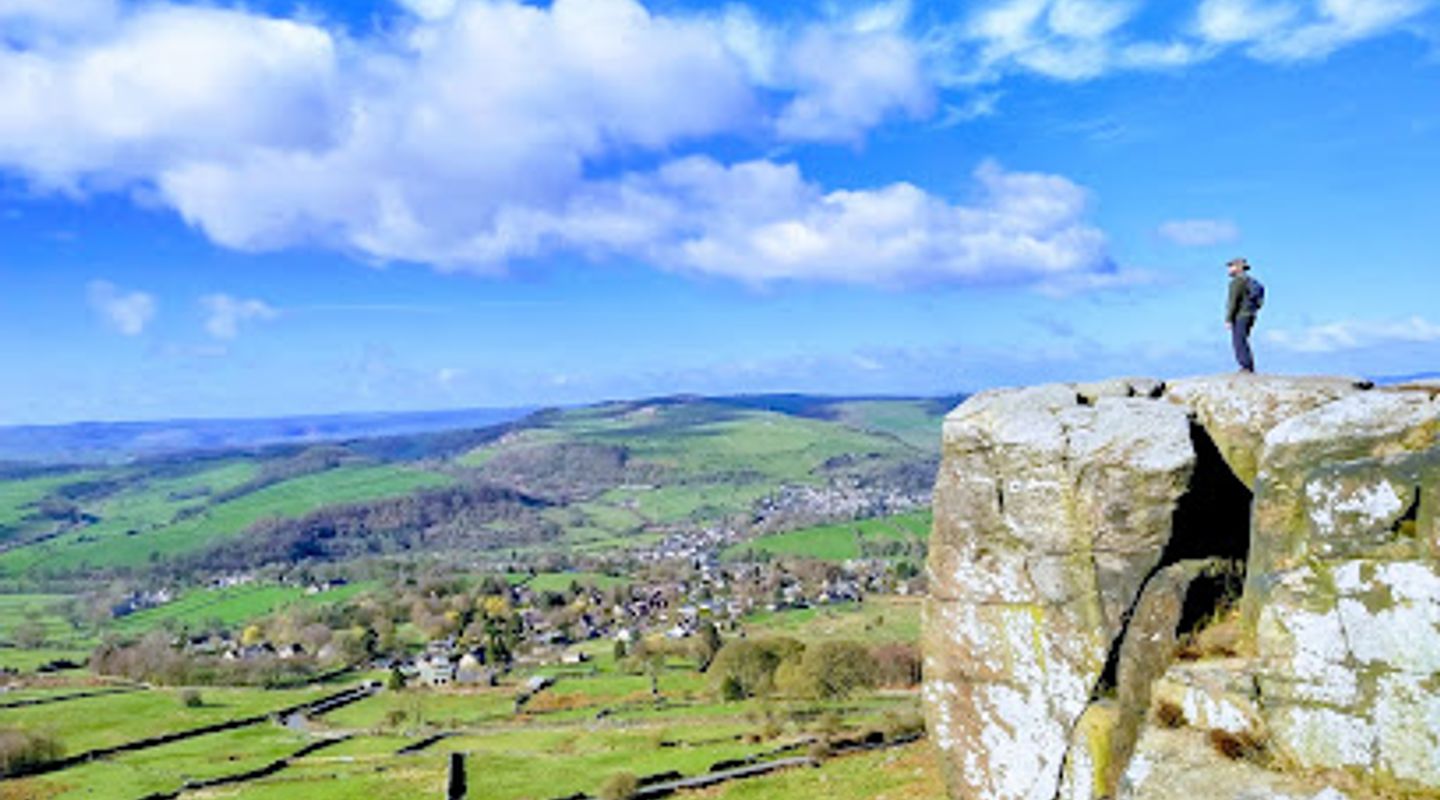
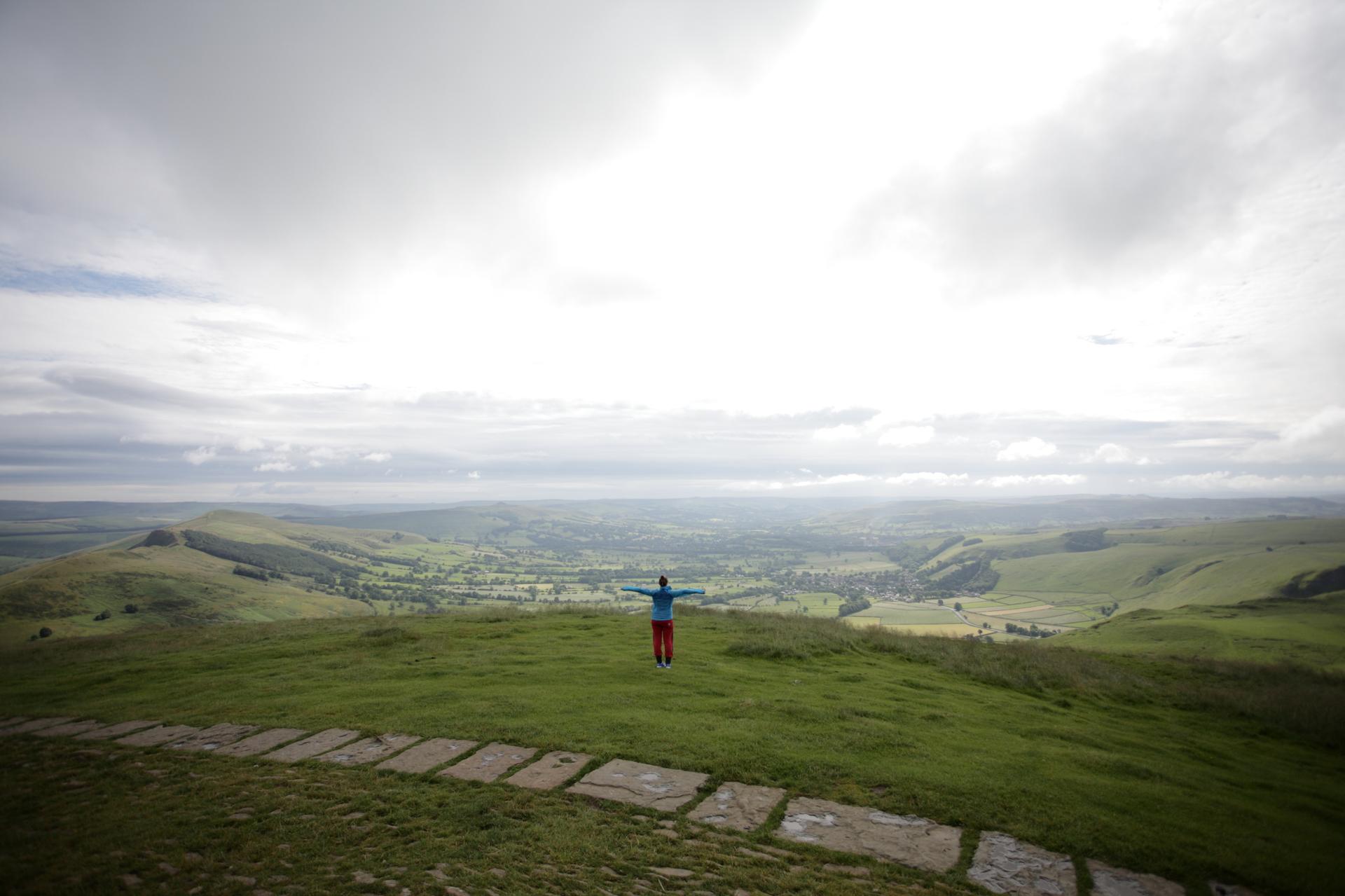
From the top of Curbar Edge, visitors encounter some of the most compelling views in the Peak District. The panoramic vistas sweep across both sides of the Hope Valley, with the Derwent Valley visible in the distance and the limestone formations of the White Peak visible to the east. On clear days, the views extend for miles across moorland and woodland, revealing the layered geography of the region. The open grass areas and natural rock outcrops provide numerous vantage points for photography, contemplation, and rest, with ample space for visitors to find their own quiet spot along the escarpment.The seasonal changes in vegetation and light dramatically alter the character of these views throughout the year. In late summer, heather flowers blanket the moorland in purple hues, while autumn brings rich golden tones to the landscape. Winter reveals the skeletal structure of the moorland, offering clarity and definition to distant features. These shifting perspectives ensure that repeat visits offer fresh visual experiences and photography opportunities.Walking Routes and Accessibility
Curbar Edge serves as the centrepiece of several walking routes that explore the interconnected moorland landscape. The most popular circuit links Curbar Edge with neighbouring Froggatt Edge and White Edge, forming a six-mile circular walk that takes between 2.5 and 3 hours to complete. This moorland walk features wide, clearly marked paths that remain generally firm underfoot even after rain, making it accessible to walkers with moderate fitness levels. The route incorporates some steep, stony sections and gains elevation gradually, but the well-maintained paths and open terrain reduce technical difficulty.The walking experience encompasses diverse landscapes, from open moorland to woodland sections and field passages. Walkers encounter historic features including ancient stone circles, dry-stone walls, and remnants of millstone quarrying that once characterised the area. The Grouse Inn, positioned conveniently along the route, offers refreshment and shelter. The variety of terrain and the manageable distance make the walk suitable for families, solo visitors, and groups seeking a half-day Peak District experience without requiring specialist climbing equipment or technical skills.Natural Heritage and Environmental Character
Curbar Edge exists within a landscape of significant ecological and geological importance. The moorland environment supports specialised plant communities adapted to acidic soils and exposure, while the gritstone outcrops provide habitat for rock-specialist species. The site forms part of the Peak District National Park, a protected landscape where conservation principles guide management decisions. Visitors are encouraged to follow Leave-No-Trace principles, carrying away all litter and respecting the fragile moorland environment. Barbecues and campfires are prohibited to prevent wildfire risk and protect the landscape.The area's geological significance extends beyond climbing interest; the gritstone formations represent important records of ancient depositional environments and tectonic history. The moorland itself, maintained through centuries of grazing and management, represents a cultural landscape shaped by human activity. This combination of natural and cultural heritage makes Curbar Edge a site of multifaceted importance, valued equally by geologists, ecologists, historians, and outdoor enthusiasts.












Your all‑in‑one travel companion app
Explore expert travel guides, compare and book tours, experiences, hotels, and more—all from the palm of your hand. Download now for seamless trip planning wherever your wanderlust takes you.


Explore More of Peak District
Looking beyond Curbar Edge? Discover Peak District for broader travel guides, local hot-spots, and regional highlights.
Explore Peak District