Mompesson's Well Travel Guide
Free Guide: Historic boundary well where Eyam villagers left disinfected coins to contain the 1665 plague, symbolizing sacrifice and resilience in Derbyshire’s Peak District.


A brief summary of Mompesson's Well
Historic boundary well where Eyam villagers left disinfected coins to contain the 1665 plague, symbolizing sacrifice and resilience in Derbyshire’s Peak District.
Mompesson's Well in Eyam, Derbyshire, is a poignant 17th-century landmark tied to the village's heroic quarantine during the 1665–1666 Great Plague. Named after Reverend William Mompesson, the well marks a boundary where villagers left coins disinfected with vinegar in exchange for food and medicine, helping to contain the plague within Eyam and save surrounding communities. It stands as a testament to sacrifice and communal resilience.
On-site amenities
 Information boards
 Seating areas
 Trash bins
Opening hours
- Every dayOpen 24 hours
Opening hours as listed on the venue’s Google Business Profile. Hours can change for services and special events, so check with the venue before you go.
- Address
- Eyam, Hope Valley S32 5QN
Getting there
Bus
Car
Walking
Discover more about Mompesson's Well
A Symbol of Sacrifice in Eyam's Plague History
Mompesson's Well is a historic water well located on the outskirts of the village of Eyam in Derbyshire, England. It is named after Reverend William Mompesson, the Church of England priest who led the village during one of its darkest chapters—the Great Plague of 1665–1666. This well served as a critical boundary point during the village’s voluntary quarantine, where villagers left money soaked in vinegar to pay for provisions left by neighboring communities. This practice was part of a carefully managed effort to prevent the deadly bubonic plague from spreading beyond Eyam.
The Plague Outbreak and Quarantine Measures
The plague reached Eyam in late summer 1665 through a flea-infested bundle of cloth sent from London to the local tailor. The tailor’s assistant, George Viccars, was the first victim after opening the damp cloth. As the disease spread rapidly, Reverend Mompesson, alongside his predecessor Thomas Stanley, persuaded the villagers to impose a strict quarantine, isolating themselves for 14 months. The villagers agreed to stay within the village boundaries, with no one allowed to enter or leave, a radical measure that likely saved many lives in surrounding areas.
The Role of Mompesson's Well in Containing the Plague
Mompesson's Well became a crucial exchange point during the quarantine. Food, medicine, and other essentials were left by neighbors at the well’s edge, while villagers deposited coins in vinegar-filled holes in the stone to disinfect the money. This innovative method reflected the limited understanding of disease transmission at the time but proved effective in curbing contagion. The well remains a powerful symbol of the village’s collective courage and self-sacrifice.
The Village’s Endurance and Legacy
Despite the quarantine, the plague claimed approximately 260 lives—about one-third of Eyam’s population at the time. Families were devastated, and the rector’s own wife died during the outbreak. Yet, the villagers’ decision to isolate themselves prevented the spread of the plague to the wider Derbyshire region. Today, Mompesson's Well stands as a Grade II listed structure, commemorating Eyam’s unique place in history and its contribution to early public health practices.
Visiting Mompesson's Well Today
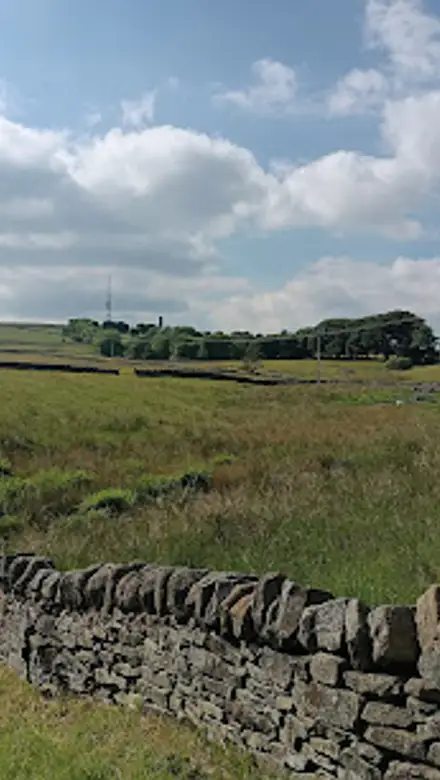
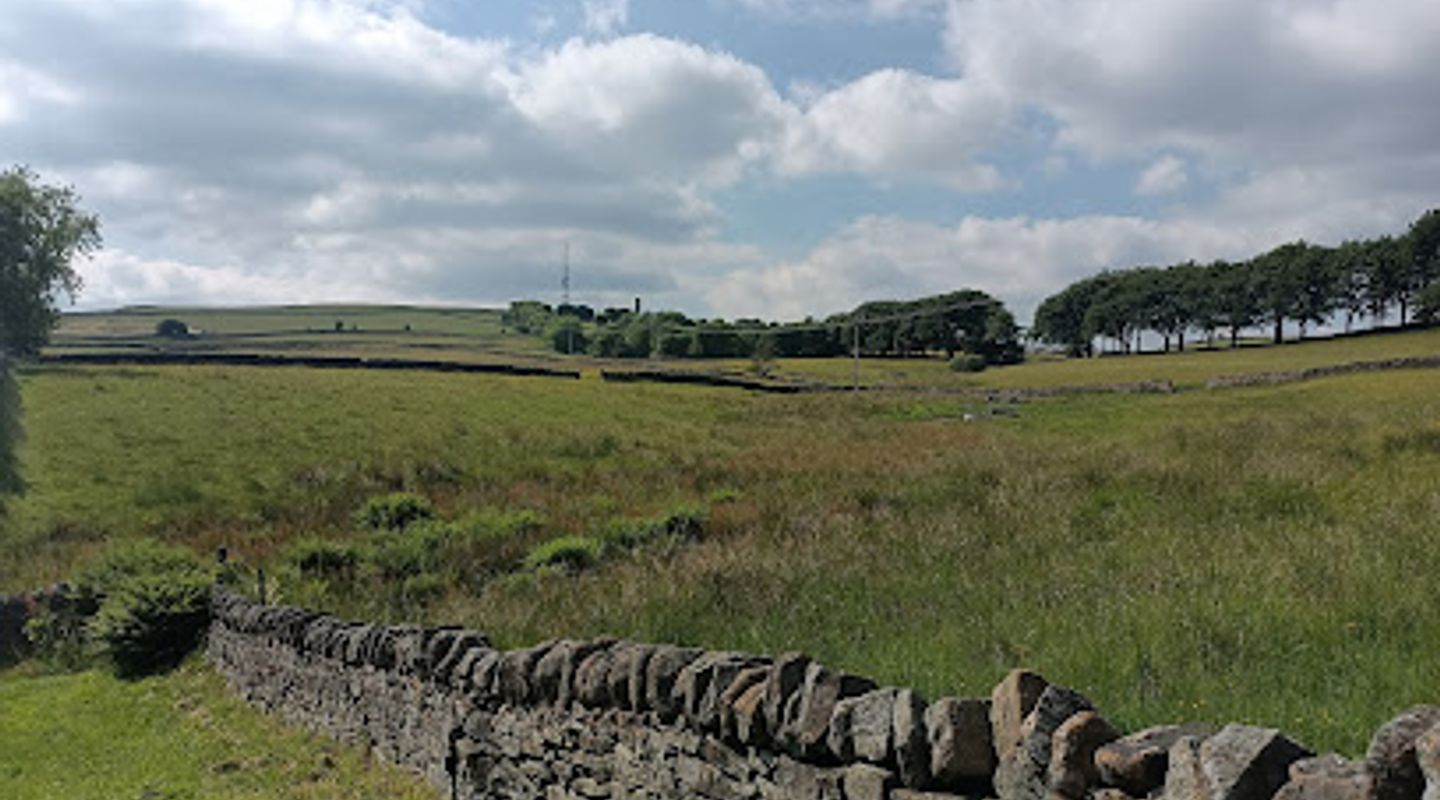
Visitors to Eyam can see the well nestled in a tranquil rural setting, surrounded by scenic Peak District landscapes. The site invites reflection on the human cost of the plague and the remarkable solidarity shown by the villagers. Nearby, boundary stones and memorials further mark the limits of the quarantine zone, offering a tangible connection to this extraordinary episode of community resilience.
Continuing Remembrance and Cultural Impact
Eyam holds an annual memorial service known as Plague Sunday to honor those who suffered and died. The story of Mompesson's Well and the village’s quarantine has inspired historians, medical researchers, and visitors worldwide, highlighting themes of sacrifice, leadership, and the social response to epidemic disease. The well remains a poignant reminder of the power of collective action in the face of crisis.
Evendo Review Centre
 Google
Guest reviews
Best time to go
Quietest: Jan, Feb & Dec · before 6am or at 9pm
Busy times are Evendo estimates for a typical year, to help you plan. Actual crowds vary with events, school holidays and the weather.
Explore Mompesson's Well on the map
A handpicked selection of must-see spots near Mompesson's Well, mapped for you.
Get your free copy of our complete guide to Mompesson's Well, delivered straight to you.
Everything on this page, from opening hours and how to get there to Eve’s tips and the best time to go, in one PDF you can read offline, print or share.
Already have an account? Sign in
Your Mompesson's Well guide is ready.
We'll send it to · Not you? Sign out

Getting your guide ready…
We are putting together a fresh copy of the Mompesson's Well guide. This can take up to a minute.
This can take a few moments. If your browser asks, choose Allow so the download can start. You'll find the guide in your Downloads folder.
Nothing happened? Download it again
Sorry, the guide is taking longer than usual. Please try again in a minute, or get it by email instead.
Other nearby places you may find interesting
The closest places of the same kind, if this one is not quite what you had in mind.
-
-
-
-

-


Swipe for more places
More to explore near Mompesson's Well

 Best experiences near Mompesson's Well
 Best hotels near Mompesson's Well
 Best landmarks near Mompesson's Well
 Best attractions near Mompesson's Well
 Best shops near Mompesson's Well
 Best restaurants near Mompesson's Well
 Best bars near Mompesson's Well
Do you manage this location?
Take control to get all the benefits, like improved information, better appearance, and stronger visibility across AI-powered discovery.
Explore more

Explore more of Peak District
Discover the breathtaking beauty and rich heritage of the Peak District, the UK's first national park, where adventure and tranquility await amidst stunning landscapes.
Explore Peak District
Explore more of United Kingdom
Discover the United Kingdom: A blend of rich history, stunning landscapes, and vibrant cities, offering a unique travel experience for every visitor.
Explore United Kingdom