Froggatt Edge, Peak District Travel Guide
Dramatic gritstone escarpment with sweeping moorland views, classic climbs, and rich Peak District heritage in Derbyshire.
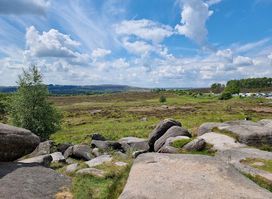
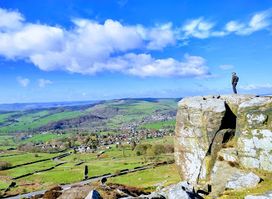
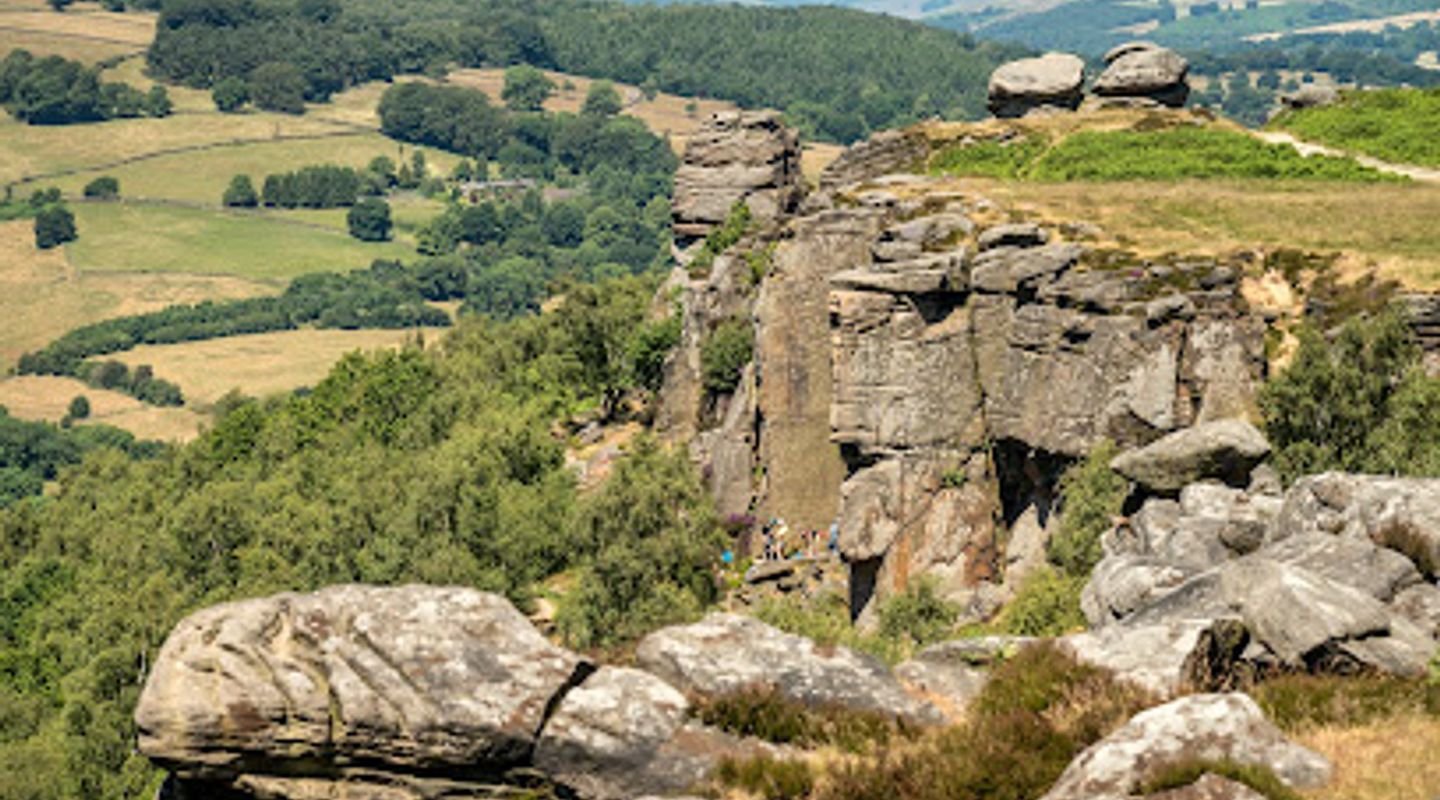
Froggatt Edge is a striking gritstone escarpment located in the Dark Peak area of the Peak District National Park, Derbyshire, England. Renowned for its dramatic rocky crags and expansive moorland views, it offers excellent walking and climbing opportunities. The edge forms the eastern rim of the River Derwent valley and features a managed heather moor atop, birch forests below, and historic millstone remnants. It is easily accessible and popular for outdoor enthusiasts seeking scenic landscapes and classic gritstone climbing routes.
A brief summary to Froggatt Edge
- Derbyshire, Hope Valley, GB
- Click to display
- Duration: 1 to 4 hours
- Free
-
 Outdoor
- Mobile reception: 4 out of 5

Know before you go
Hi, I'm Eve. Here are a few practical things to know before exploring Froggatt Edge.
- Wear sturdy footwear as paths along the gritstone can be uneven and slippery when wet.
- Visit in late summer to see the heather moorland in full purple bloom.
- Bring climbing gear if you plan to try classic routes like Sunset Slab or Downhill Racer.
- Respect fire restrictions and take all litter home to protect the sensitive moorland environment.
- Combine your visit with nearby Curbar Edge for extended walks and varied scenery.
Do you manage this location?
Take control to get all the benefits, like improved information, better appearance, and stronger visibility across AI-powered discovery. Learn more about listing your business on Evendo
Activate your presenceOther nearby places you may find interesting
The closest places of the same kind, if this one is not quite what you had in mind.

Explore Froggatt Edge on the Map
A handpicked selection of must-see spots near Froggatt Edge, mapped for you.
Getting There
-
By Car
Driving from Sheffield, take the A6187 towards Hathersage and then the B6045 to Froggatt village. Parking is available near the Grouse Inn and in nearby lay-bys. Travel time is approximately 30-40 minutes depending on traffic. Note that parking can be limited during weekends and holidays.
-
By Train and Taxi
Take a train to Hathersage station, located about 3 miles from Froggatt Edge. From there, taxis are available to reach the edge within 10-15 minutes. Train services run regularly from Sheffield and Manchester, with fares typically between £5-£15.
-
By Bus
Local bus services connect Sheffield to Hathersage and Hope Valley with stops near Froggatt village. Bus travel time ranges from 45 to 60 minutes. Check local timetables as service frequency varies, especially on weekends.
For the on-the-go comforts that matter to you
-
 Restrooms
-
 Drink Options
-
 Food Options
-
 Seating Areas
-
 Trash Bins
-
 Information Boards
Discover more about Froggatt Edge
Distinctive Geological and Natural Features
Froggatt Edge is a prominent gritstone escarpment that marks the eastern boundary of the River Derwent valley in Derbyshire's Peak District National Park. The escarpment's rugged cliffs rise to approximately 263 meters (862 feet), presenting dramatic rocky crags that stand out against the skyline when viewed from the valley below. Atop the edge lies a managed heather moor, which bursts into vibrant purple hues during late summer bloom. This moorland is actively maintained through controlled burning to prevent reforestation and encourage fresh heather growth, supporting a unique upland ecosystem.Beneath the escarpment, the valley slopes are cloaked in birch woodland, creating a striking contrast to the open moorland above. The gritstone rock is often exposed along the paths, worn smooth by countless footsteps, producing a characteristic warm-colored sand unique to this region. Remnants of millstone production, including half-finished millstones, can be found scattered at the base of Froggatt Edge, highlighting the area's industrial heritage.Historical and Cultural Significance
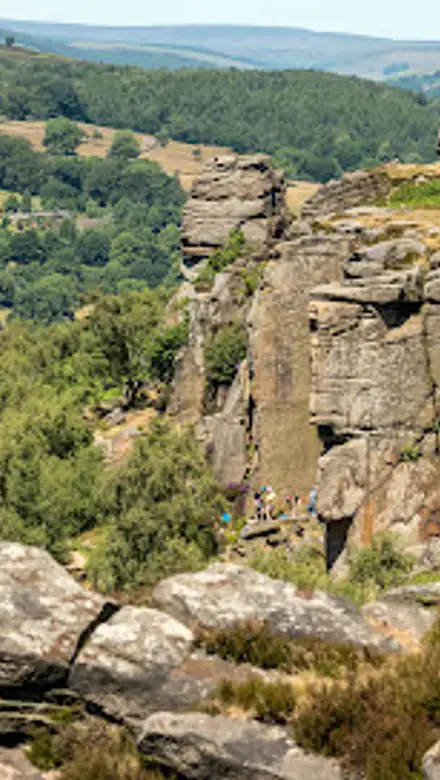
Historically, Froggatt Edge was a valuable source of millstone grit, used extensively in the manufacture of millstones for grinding grain. This industrial past is still visible in the scattered unfinished stones and quarry sites along the edge. The area also gained prominence in the climbing world during the mid-20th century, notably through Joe Brown, who popularized classic routes such as Sunset Slab and Three Pebble Slab. These climbs, while not technically extreme, demand respect due to the risk of injury from falls on the near-vertical slabs.Froggatt Edge forms part of a trio of well-known gritstone edges in the region, alongside Curbar Edge and Baslow Edge, each offering distinct landscapes and climbing challenges. The escarpment’s position shelters it from the harshest weather, making it a favored destination year-round.Outdoor Recreation and Visitor Experience
Froggatt Edge is a magnet for walkers, hikers, and climbers. The walking trails along the top of the edge provide panoramic views across the Derwent valley and the surrounding moorland, with opportunities to spot wildlife such as red deer on Big Moor. The paths vary from gentle strolls to more challenging hikes, with well-trodden routes that reveal the gritstone’s textured surfaces.Climbing enthusiasts find Froggatt Edge appealing for its extensive slab climbs and crack routes, totaling over 470 climbs. The rock’s coarse texture offers excellent grip, and the edge’s west-facing aspect ensures good sun exposure. Two main access points exist: one near the Grouse Inn on the B6045 road and another from a lay-by below the Chequer Inn, both providing convenient starting points for exploration.Conservation and Environmental Management
The moorland atop Froggatt Edge is part of a carefully managed landscape aimed at preserving its natural heritage and biodiversity. Controlled heather burning is employed to maintain the heathland habitat, preventing tree encroachment and supporting species dependent on open moorland. Visitors are encouraged to respect fire restrictions, avoid littering, and keep dogs on leads to protect the sensitive environment and wildlife.The area benefits from National Trust stewardship and local conservation partnerships that balance public access with habitat protection. These efforts ensure that Froggatt Edge remains a sustainable destination for future generations.Scenic Highlights and Photographic Appeal
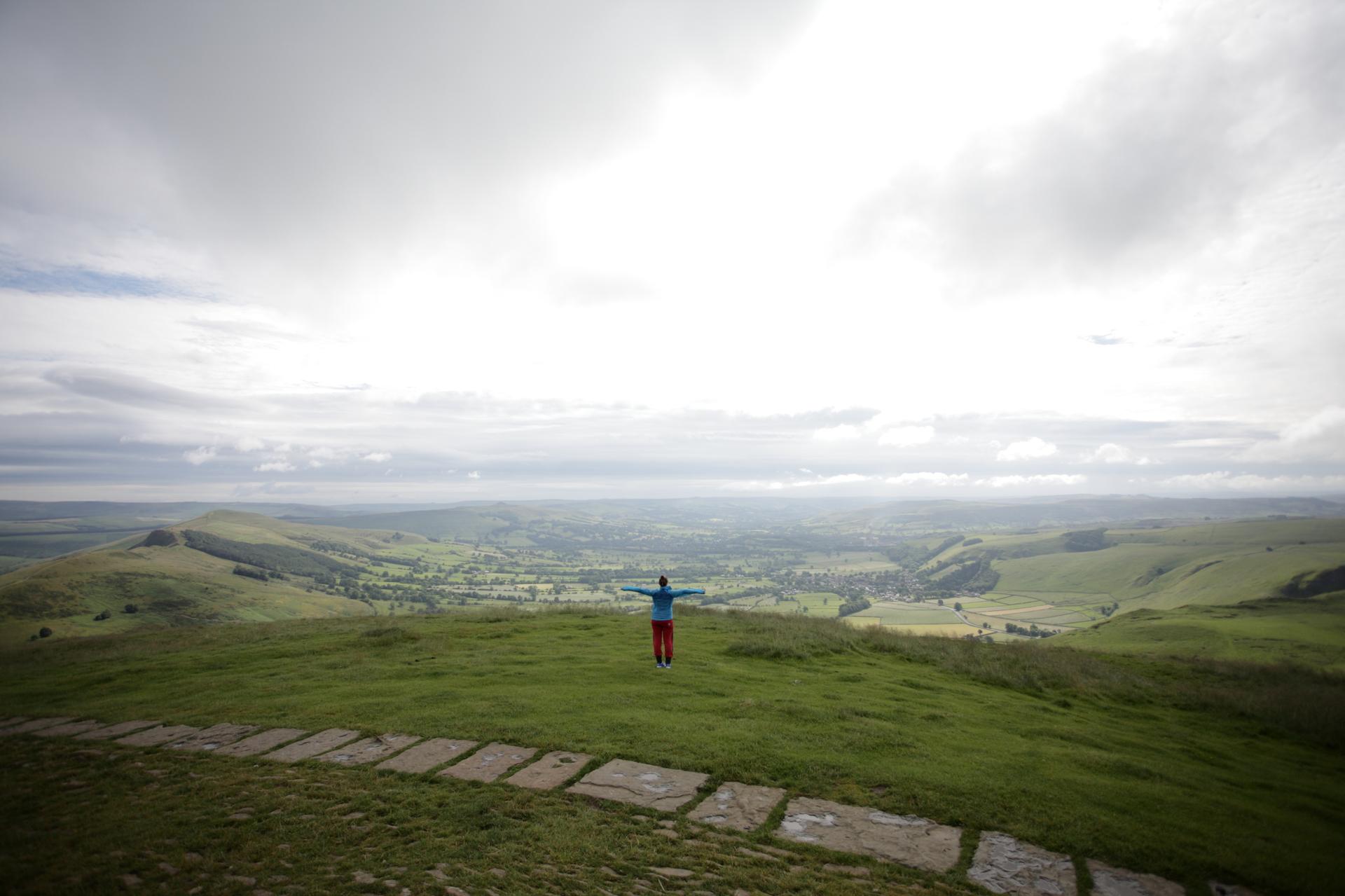
The escarpment’s dramatic cliffs and sweeping views make Froggatt Edge a favored spot for photographers and nature lovers. From the edge, visitors can gaze across the Derwent valley with its patchwork of fields, woodland, and moorland, framed by the distant hills of the Peak District. The vibrant purple heather in late summer adds a splash of color, while the exposed gritstone slabs offer textured foregrounds for striking landscape compositions.Sunrise and sunset cast warm light over the crags, enhancing the natural beauty and creating memorable vistas. The edge’s accessibility and scenic variety make it a rewarding destination for day trips and weekend getaways.Local Amenities and Surrounding Attractions
Froggatt Edge is situated near the village of Froggatt and close to other popular edges like Curbar and Baslow, allowing visitors to combine multiple scenic walks. Nearby amenities include pubs such as the Grouse Inn, which provide refreshments and a welcoming atmosphere after outdoor activities.Parking is available near the Grouse Inn and at lay-bys, though spaces can be limited during peak times. The area is well served by footpaths and trails that connect to broader networks across the Peak District, facilitating extended exploration. Public transport options are limited, so private vehicles or taxis are recommended for access.Overall, Froggatt Edge offers a blend of natural beauty, outdoor adventure, and cultural history, making it a quintessential Peak District experience.












Your all‑in‑one travel companion app
Explore expert travel guides, compare and book tours, experiences, hotels, and more—all from the palm of your hand. Download now for seamless trip planning wherever your wanderlust takes you.


Explore More of Peak District
Looking beyond Froggatt Edge? Discover Peak District for broader travel guides, local hot-spots, and regional highlights.
Explore Peak District