Inchcolm Abbey Travel Guide
Free Guide: Explore Inchcolm Abbey, Scotland’s remarkably preserved 12th-century monastery nestled on a scenic island rich in history, wildlife, and wartime heritage.


A brief summary of Inchcolm Abbey
Explore Inchcolm Abbey, Scotland’s remarkably preserved 12th-century monastery nestled on a scenic island rich in history, wildlife, and wartime heritage.
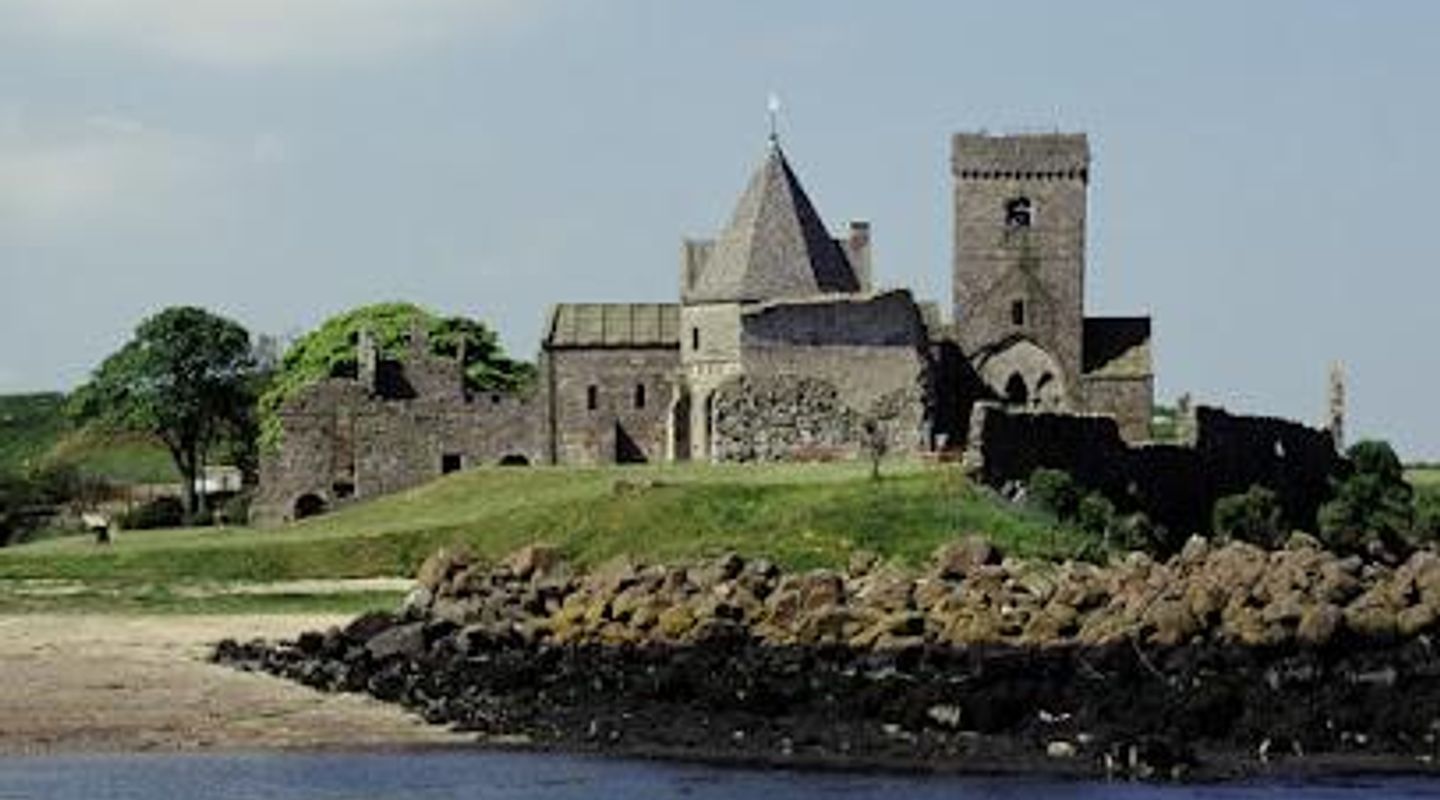
Inchcolm Abbey, located on Inchcolm Island in the Firth of Forth near Aberdour, Scotland, is one of the best-preserved medieval monastic complexes in the country. Founded in the 12th century by King David I, the abbey features remarkably intact cloisters, a chapter house, dormitory, and rare medieval frescoes. The island also offers rich wildlife, including seals and seabirds, and remnants of coastal defenses from both World Wars, making it a captivating destination for history and nature enthusiasts alike.
On-site amenities
 Restrooms
 Drink options
 Food options
 Seating areas
 Information boards
- Address
- Aberdour KY3 0XR
- Phone
- Website
Getting there
Ferry
Bus and Ferry Combination
Car and Ferry
Discover more about Inchcolm Abbey
Origins Rooted in Royal Promise and Early Monastic Life
Inchcolm Abbey's origins trace back to the early 12th century, inspired by King Alexander I of Scotland, who, after being shipwrecked on Inchcolm Island during a storm in 1123, vowed to establish a monastery in gratitude for his survival. Though Alexander died before fulfilling this promise, his brother David I invited Augustinian canons to settle on the island, founding a priory around 1147–1169. The priory was elevated to abbey status in 1235, marking Inchcolm as a significant religious site within the Diocese of Dunkeld. The abbey's early years were marked by spiritual growth and architectural expansion, including the addition of a chapter house and enlargement of the chancel in the 13th century.
Architectural Marvels and Artistic Treasures
Inchcolm Abbey stands out for its exceptional preservation, offering visitors a vivid glimpse into medieval monastic life. The cloister remains largely roofed, providing a rare sense of enclosure, while the octagonal chapter house impresses with its vaulted ceiling. The dormitory and refectory halls are also well-preserved, showcasing the daily life of the Augustinian canons. Among the abbey’s treasures is a rare 13th-century medieval fresco depicting a funeral procession, one of the few surviving wall paintings of its kind in Scotland. The bell tower contains medieval stone screens, rare survivals of ecclesiastical fixtures, adding to the abbey’s unique historical fabric.
Strategic Island Location and Military History
Situated in the Firth of Forth, Inchcolm Island’s strategic position made the abbey vulnerable to repeated English naval raids from the late 13th century through the 16th century. The abbey was sacked multiple times, and its library was lost during these conflicts. Following the Scottish Reformation in 1560, monastic life ceased, and the abbey buildings were partially dismantled, with stone repurposed for Edinburgh’s Tolbooth. Subsequently, the island was fortified for defense during the Napoleonic Wars and both World Wars, with remnants of gun batteries, tunnels, and concrete defenses still visible today, adding a layer of military heritage to the site.
Natural Beauty and Wildlife Haven
Beyond its historical significance, Inchcolm Island offers a tranquil natural environment. The island’s coastline is a sanctuary for wildlife, including grey seals basking on the rocks and seabirds such as puffins during the spring season. The peaceful beaches and scenic views across the Firth of Forth provide a relaxing atmosphere for visitors. The island’s relatively small size and isolation contribute to its serene ambience, making it a perfect spot for nature lovers and those seeking a quiet retreat steeped in history.
Visitor Experience and Conservation Efforts
Access to Inchcolm Abbey is exclusively by boat, with ferries departing from South Queensferry. The visitor experience includes exploring the abbey’s interiors, cloisters, and surrounding grounds, though some areas like the hermit's cell and walled garden may be temporarily closed for conservation. The site offers information boards to enrich understanding of monastic life and the island’s layered history. Facilities include a small shop and sheltered areas, with picnic spots overlooking the beach. The abbey is accessible on the ground floor for visitors with mobility challenges, though upper floors require stair access. Conservation efforts continue to preserve the abbey’s remarkable structures and rare artworks for future generations.
Legacy and Cultural Significance
Inchcolm Abbey holds a special place in Scotland’s cultural heritage. It was home to Abbot Walter Bower in the 15th century, who authored the Scotichronicon, a key medieval history of Scotland. The abbey’s Latin inscription above its entrance and the Inchcolm Antiphoner manuscript reflect its spiritual and scholarly importance. Today, the site is managed by Historic Environment Scotland, inviting visitors to step back in time and experience a rare, atmospheric connection to Scotland’s medieval ecclesiastical past and its enduring natural beauty.
Evendo Review Centre
 Google
Guest reviews
Best time to go
Quietest: Jan, Feb & Dec · before 6am or at 10pm
Busy times are Evendo estimates for a typical year, to help you plan. Actual crowds vary with events, school holidays and the weather.
Explore Inchcolm Abbey on the map
A handpicked selection of must-see spots near Inchcolm Abbey, mapped for you.
Get your free copy of our complete guide to Inchcolm Abbey, delivered straight to you.
Everything on this page, from opening hours and how to get there to Eve’s tips and the best time to go, in one PDF you can read offline, print or share.
Already have an account? Sign in
Your Inchcolm Abbey guide is ready.
We'll send it to · Not you? Sign out

Getting your guide ready…
We are putting together a fresh copy of the Inchcolm Abbey guide. This can take up to a minute.
This can take a few moments. If your browser asks, choose Allow so the download can start. You'll find the guide in your Downloads folder.
Nothing happened? Download it again
Sorry, the guide is taking longer than usual. Please try again in a minute, or get it by email instead.
Unlock the best of Inchcolm Abbey
Skip-the-line tickets, guided tours with entry, and walking tours of the area, booked in a few clicks.

Other nearby places you may find interesting
The closest places of the same kind, if this one is not quite what you had in mind.
-
-
-
-
-


Swipe for more places
More to explore near Inchcolm Abbey

 Best experiences near Inchcolm Abbey
 Best hotels near Inchcolm Abbey
 Best landmarks near Inchcolm Abbey
 Best attractions near Inchcolm Abbey
 Best shops near Inchcolm Abbey
 Best restaurants near Inchcolm Abbey
 Best bars near Inchcolm Abbey
Do you manage this location?
Take control to get all the benefits, like improved information, better appearance, and stronger visibility across AI-powered discovery.
Explore more

Explore more of Peeblesshire
Discover the serene beauty of Peeblesshire in the Scottish Borders, where history, nature, and local charm come together for an unforgettable experience.
Explore Peeblesshire
Explore more of United Kingdom
Discover the United Kingdom: A blend of rich history, stunning landscapes, and vibrant cities, offering a unique travel experience for every visitor.
Explore United Kingdom