Cramond, Edinburgh Travel Guide
Free Guide: Historic riverside village and coastal retreat with ancient roots, scenic walks, and a charming harbour just northwest of Edinburgh.


A brief summary of Cramond
Historic riverside village and coastal retreat with ancient roots, scenic walks, and a charming harbour just northwest of Edinburgh.
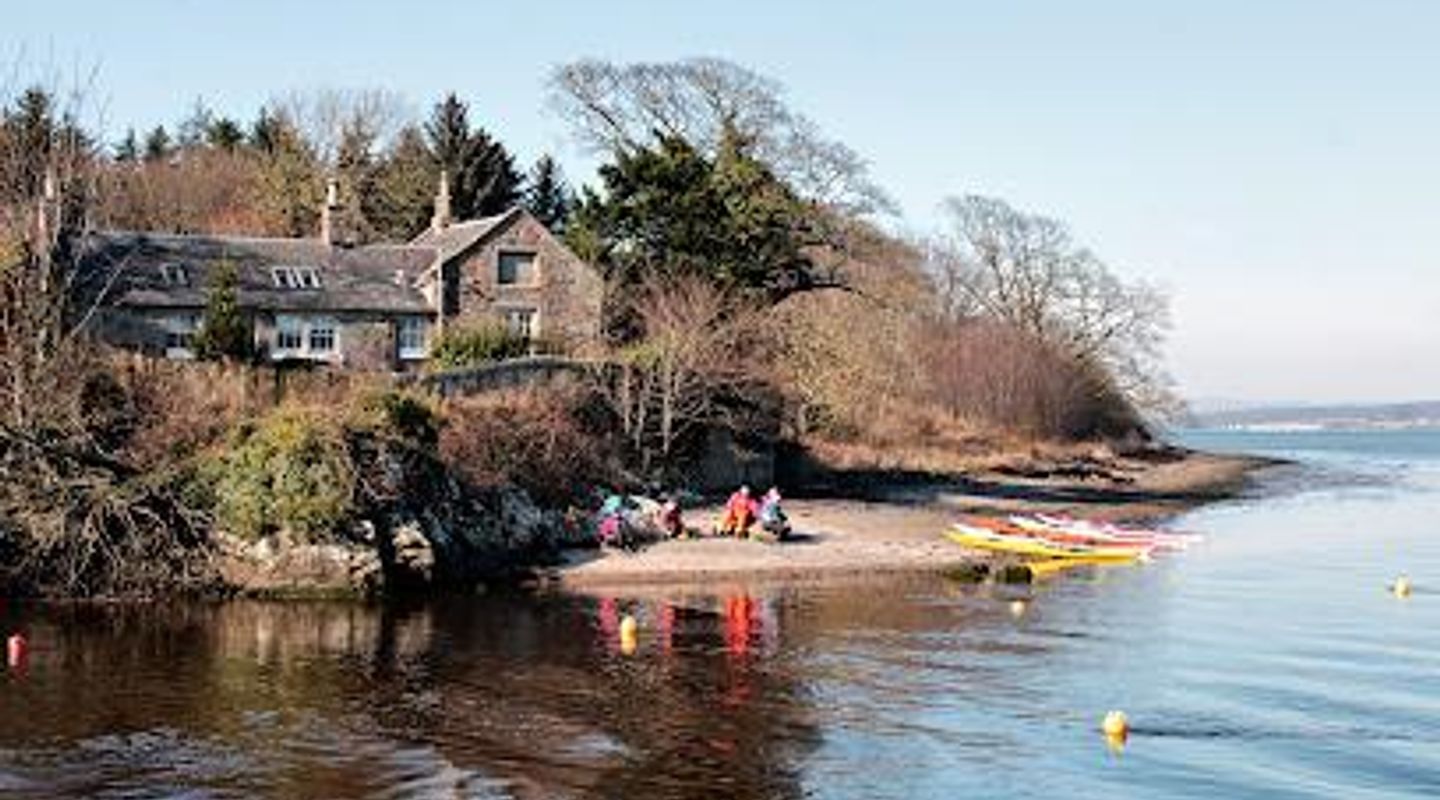
Cramond is a picturesque village and suburb in northwest Edinburgh, located where the River Almond meets the Firth of Forth. Known for its rich history dating back to Mesolithic times, it features a Roman fort, medieval church, sandy beach, harbour, and a tidal causeway to Cramond Island. A tranquil yet vibrant spot, Cramond offers scenic walks, historic sites, and charming village life just five miles from Edinburgh city centre.
On-site amenities
 Restrooms
 Drink options
 Food options
 Seating areas
 Information boards
- Address
- Edinburgh
Getting there
Bus
Car
Walking and Cycling
Discover more about Cramond
Ancient Roots and Archaeological Significance
Cramond holds a unique place in Scotland’s history as one of its earliest known sites of human settlement. Archaeological evidence reveals Mesolithic hunter-gatherer camps dating back to around 8500 BC, making it the oldest known inhabited site in Scotland. The Romans established a fort here in the 2nd century AD, remnants of which still mark the landscape. This layering of history continues with medieval structures such as the 15th-century Cramond Tower and the 17th-century Cramond Kirk, which incorporates parts of the original Roman fort’s western tower.
Village Character and Waterfront Charm
Today, Cramond retains the feel of a quaint fishing village with whitewashed houses cascading down to the harbour. The small sandy beach and waterfront promenade invite visitors and locals alike for leisurely walks, cycling, and family outings. The harbour is home to moored yachts and swans, enhancing the peaceful maritime atmosphere. Nearby, the Maltings exhibition centre offers insights into the village’s rich past, while pubs and cafes, including the historic Cramond Inn, provide convivial spots to relax.
Natural Beauty and Coastal Exploration
The village’s location at the mouth of the River Almond where it flows into the Firth of Forth offers stunning views across the estuary and towards Fife. A highlight is the tidal causeway leading to Cramond Island, accessible at low tide. The island features remnants of World War II submarine defenses and panoramic coastal vistas. Visitors must heed tide times carefully to avoid being stranded. The surrounding shoreline and nearby Dalmeny Woods provide scenic walking routes and opportunities to enjoy the natural environment.
Historical Layers and Industrial Heritage
Beyond its ancient and medieval heritage, Cramond also played roles in Scotland’s industrial past. The River Almond valley hosted corn and iron mills, some converted to early ironworks, whose ruins can still be explored along riverside trails. The village evolved from a mill settlement into a desirable residential suburb by the late 19th century, blending historic charm with modern living.
Community and Cultural Significance
Cramond's community spirit is reflected in its preservation of heritage and local stories. The village was incorporated into Edinburgh in 1920 but maintains a distinct identity. The church and manse have ties to notable historical figures, and the area continues to celebrate its cultural legacy through exhibitions and guided walks. Its proximity to Edinburgh makes it a popular yet peaceful retreat for city dwellers and visitors seeking a blend of history, nature, and seaside ambience.
Visitor Experience and Activities
Visitors to Cramond can enjoy a variety of activities including exploring the Roman fort ruins, visiting Cramond Tower and Kirk, strolling along the beach promenade, and walking or cycling to nearby Silverknowes and Granton. The village’s cafes, pubs, and shops add to its welcoming atmosphere. The combination of historical intrigue, natural beauty, and village charm makes Cramond a memorable destination within easy reach of Edinburgh’s urban core.
Evendo Review Centre
 Google
Guest reviews
Best time to go
Quietest: Jan, Feb & Dec · before 6am or at 10pm
Busy times are Evendo estimates for a typical year, to help you plan. Actual crowds vary with events, school holidays and the weather.
Explore Cramond on the map
A handpicked selection of must-see spots near Cramond, mapped for you.
Get your free copy of our complete guide to Cramond, delivered straight to you.
Everything on this page, from opening hours and how to get there to Eve’s tips and the best time to go, in one PDF you can read offline, print or share.
Already have an account? Sign in
Your Cramond guide is ready.
We'll send it to · Not you? Sign out

Getting your guide ready…
We are putting together a fresh copy of the Cramond guide. This can take up to a minute.
This can take a few moments. If your browser asks, choose Allow so the download can start. You'll find the guide in your Downloads folder.
Nothing happened? Download it again
Sorry, the guide is taking longer than usual. Please try again in a minute, or get it by email instead.
Unlock the best of Cramond
Skip-the-line tickets, guided tours with entry, and walking tours of the area, booked in a few clicks.



Other nearby places you may find interesting
The closest places of the same kind, if this one is not quite what you had in mind.
-
-
-
-
-


Swipe for more places
More to explore near Cramond

 Best experiences near Cramond
 Best hotels near Cramond
 Best landmarks near Cramond
 Best attractions near Cramond
 Best shops near Cramond
 Best restaurants near Cramond
 Best bars near Cramond
Do you manage this location?
Take control to get all the benefits, like improved information, better appearance, and stronger visibility across AI-powered discovery.
Explore more

Explore more of Edinburgh
Discover the enchanting blend of history, culture, and natural beauty in Edinburgh, Scotland's captivating capital city.
Explore Edinburgh
Explore more of United Kingdom
Discover the United Kingdom: A blend of rich history, stunning landscapes, and vibrant cities, offering a unique travel experience for every visitor.
Explore United Kingdom