
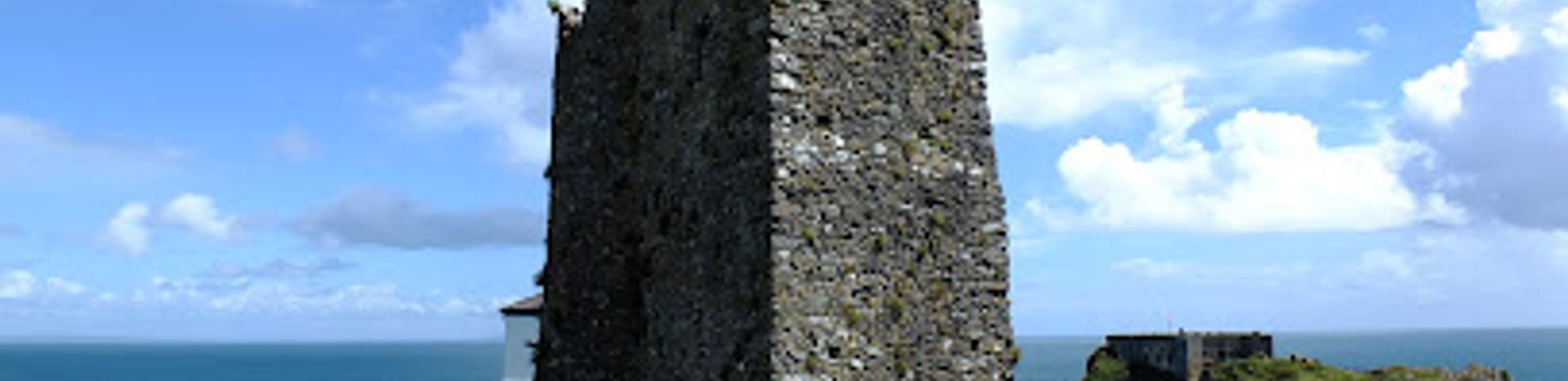
Tenby Castle: Norman Fortress and Coastal Sentinel
Explore the evocative ruins of a 12th-century Norman castle perched on Tenby’s headland, offering breathtaking coastal views and rich medieval history.
Tenby Castle is a Norman-era fortress perched on a rocky promontory overlooking the Pembrokeshire coast in Wales. Founded in the 12th century, the castle’s ruins, including a surviving tower and curtain walls, offer panoramic views of Tenby Harbour and the sea. Once a strategic defensive site, it witnessed sieges, destruction, and restoration through medieval and civil war conflicts. Today, the castle grounds are freely accessible, inviting visitors to explore its historic remains and stunning coastal vistas.
A brief summary to Tenby Castle
- Bridge St, Tenby, SA70 7BP, GB
- Duration: 0.5 to 2 hours
- Free
-
 Outdoor
- Mobile reception: 4 out of 5
- Monday 12 am-12 am
- Tuesday 12 am-12 am
- Wednesday 12 am-12 am
- Thursday 12 am-12 am
- Friday 12 am-12 am
- Saturday 12 am-12 am
- Sunday 12 am-12 am
Local tips
- Visit in late afternoon to enjoy spectacular sunsets over the Pembrokeshire coast from the castle’s vantage points.
- The castle grounds are open and free to explore at any time, with no entrance fee or ticket required.
- Be cautious of strong currents if you plan to visit Castle Beach below; swim only between flagged areas.
- Bring a camera to capture stunning views of the castle ruins, Tenby Harbour, and nearby St. Catherine’s Island.

For the on-the-go comforts that matter to you
- Seating Areas
- Information Boards
- Restrooms
- Trash Bins
Getting There
-
Train and Bus
Travelers can take a train to Tenby railway station from major cities like Cardiff or Swansea, with journey times ranging from 2 to 3 hours. From the station, local buses or a 15-minute walk lead to Tenby Castle. Train fares typically range from £15 to £30 depending on the departure point.
-
Car
Driving to Tenby Castle is convenient via the A478 road. Parking is available in nearby town car parks about a 10-minute walk from the castle. Parking fees range from £3 to £6 per day. Note that the castle itself has no dedicated parking and the surrounding streets may be busy during peak seasons.
-
Local Bus
Local bus services connect Tenby town center with surrounding Pembrokeshire villages and attractions. Bus routes run frequently during the day with fares around £2 to £5. The castle is accessible by foot from the town center.
Tenby Castle location weather suitability
-
 Any Weather
-
 Clear Skies
-
 Mild Temperatures
-
 Rain / Wet Weather
Discover more about Tenby Castle
Origins and Strategic Importance of Tenby Castle
Tenby Castle was established by the Normans in the 12th century during their invasion of West Wales, strategically sited on a rocky headland separated from the town by a narrow isthmus. The castle’s stone tower was built atop the highest point of Castle Hill, surrounded by a curtain wall with gateways and smaller towers facing the landward side, while a lesser sea wall protected the beach area. Its position allowed control over the harbour and town below, making it a key defensive stronghold in medieval Pembrokeshire.Conflict and Decline Through the Centuries
The castle’s turbulent history includes its capture and destruction by Welsh forces in 1153, followed by further sieges in 1187 and attacks during Llywelyn ap Gruffudd’s campaigns in 1260. Despite these assaults, the castle endured, although by the late 13th century its military significance waned as the town of Tenby was fortified with extensive walls and towers under the Marcher Lordship of Pembroke. These town walls, completed by the early 14th century, overshadowed the castle’s defensive role, leading to its gradual abandonment and disrepair.Refurbishment and Military Role in Later Periods
In 1457, Jasper Tudor, half-brother to King Henry VI, initiated repairs and enhancements to Tenby’s defenses, including widening the dry ditch, raising wall heights, and adding turret towers. The castle saw renewed military use during the English Civil War; in 1648 Royalist forces held it for ten weeks before surrendering to Parliamentarians. Despite these efforts, the castle eventually fell out of use and much of it became ruinous.Present-Day Ruins and Visitor Experience
Today, only fragments of the medieval castle remain, including a small tower and sections of curtain walls with arrow slits and wall-walks. The site offers spectacular panoramic views of the Pembrokeshire coast, St. Catherine’s Island, and Tenby Harbour. Visitors can freely explore the open grounds, which provide a peaceful setting to imagine the castle’s storied past while enjoying coastal vistas and sunset spectacles.Architectural Features and Surrounding Landscape
The surviving castle masonry primarily dates from the 13th century, featuring defensive elements such as the D-shaped barbican and towers added in the 14th century. The castle’s position on the headland offers dramatic cliffs and natural protection, with the adjacent beach and sea walls enhancing its maritime defenses. Nearby, the well-preserved medieval town walls of Tenby complement the castle’s historical narrative, illustrating the evolution of local fortifications.Legacy and Cultural Significance
Tenby Castle stands as a Grade II* listed building, emblematic of Norman military architecture and Welsh medieval history. Its ruins are a tangible link to the region’s past conflicts, shifting power dynamics, and coastal heritage. The castle continues to captivate visitors with its blend of historical intrigue and natural beauty, making it a cherished landmark in Pembrokeshire.Iconic landmarks you can’t miss

Imperial Hotel, Tenby
0.4 km
Historic hotel on Tenby’s ancient walls with stunning sea views, modern comforts, and a vibrant seaside dining experience.

Tenby Town walls
0.5 km
Explore Tenby’s medieval town walls, a stunning coastal fortress that tells the story of centuries-old Welsh defense and heritage.
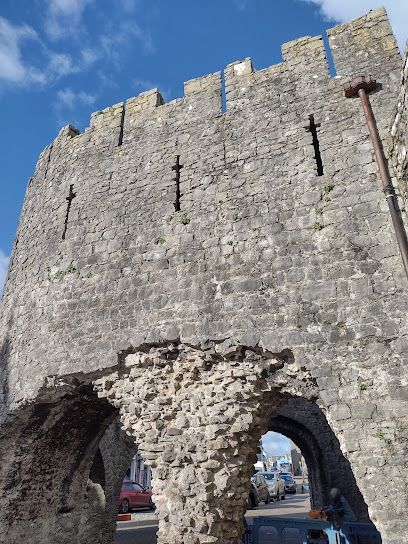
William Marshal Statue
15.7 km
Medieval England's greatest knight, immortalized in bronze below his castle stronghold.

St Clears Castle
20.6 km
Explore the earthwork remains of St Clears Castle, a Norman motte-and-bailey fortress steeped in medieval Welsh history at the rivers’ confluence.
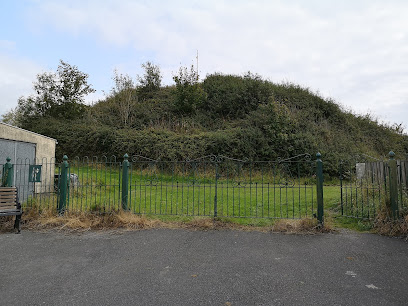
Tŷ Milford Waterfront
24.3 km
Modern nautical charm meets stunning marina views at Tŷ Milford Waterfront, a stylish family-friendly hotel in scenic Milford Haven.
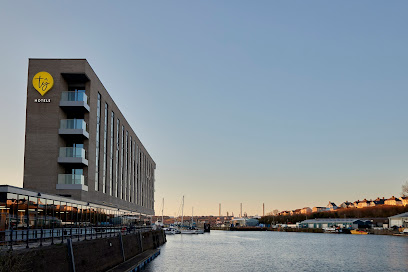
Hubberston Fort
25.2 km
Discover the captivating Hubberston Fort in Milford Haven, a historical landmark showcasing military architecture and stunning coastal views.
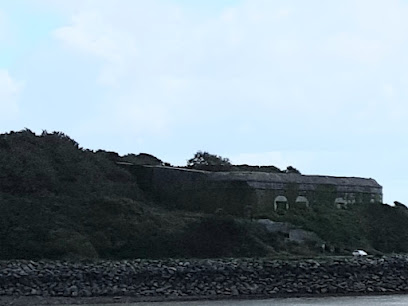
Gwal y Filiast
25.3 km
Explore Gwal y Filiast, a mysterious Neolithic burial chamber steeped in Welsh legend and ancient history near Whitland.
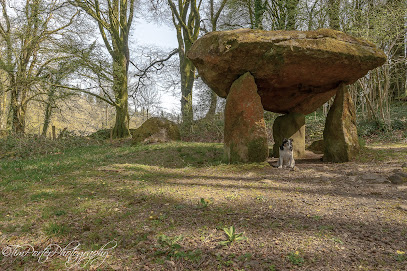
Scolton Manor
26.1 km
Explore Scolton Manor, a stunning country park and museum in Pembrokeshire, where nature meets history in a breathtaking setting.

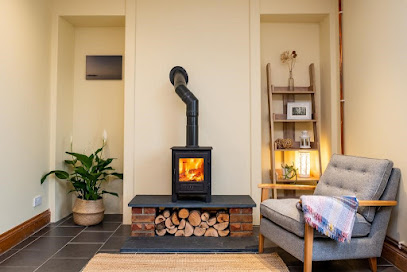
Dyfed Chimneys
26.4 km
Discover expert chimney sweeping and stove building at Dyfed Chimneys in Carmarthen, where safety meets craftsmanship in the heart of Wales.
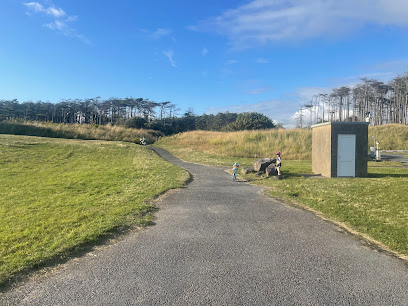
Pembrey Country Park
26.5 km
Explore the vast beauty of Pembrey Country Park with its stunning beaches, rich history, and endless outdoor activities for all ages.
Burry Holms
27.3 km
Explore Burry Holms, a serene island of natural beauty near Swansea, offering stunning landscapes, rich wildlife, and a peaceful retreat from the everyday hustle.
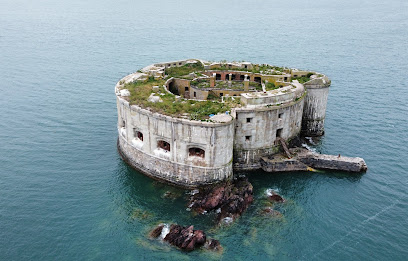
Stack Rock Fort
27.6 km
A formidable 19th-century island fortress guarding Wales’ Milford Haven, blending military history with rugged coastal beauty.
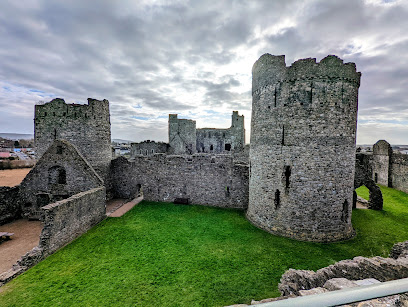
Castell Cydweli / Kidwelly Castle
27.8 km
Explore the enchanting Kidwelly Castle, a historic gem in Wales showcasing medieval architecture and rich heritage amidst stunning landscapes.
Unmissable attractions to see

National Trust - Tudor Merchant's House
0.3 km
Explore the rich history of a prosperous Tudor merchant’s home in the heart of historic Tenby, Wales.
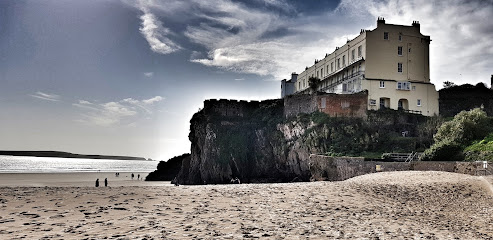
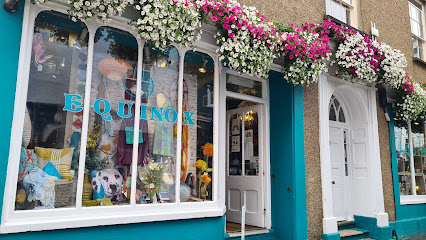
Equinox
0.3 km
Discover Tenby’s vibrant gift shop blending global artistry with unique treasures on St Julian’s Street.
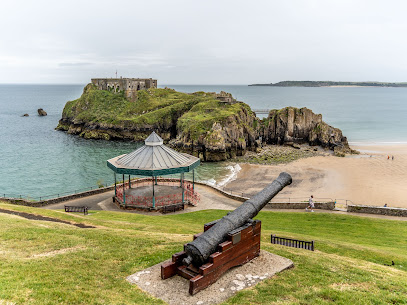
St. Catherines Island and fort
0.3 km
A historic tidal island fortress with panoramic views, rich wildlife, and a captivating blend of nature and Victorian heritage.
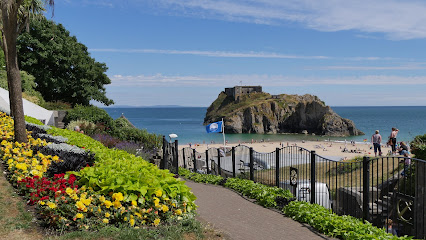
St. Catherine's Island
0.3 km
Explore the historic Napoleonic fort and tidal island charm of St Catherine's Island, where history meets stunning coastal views.
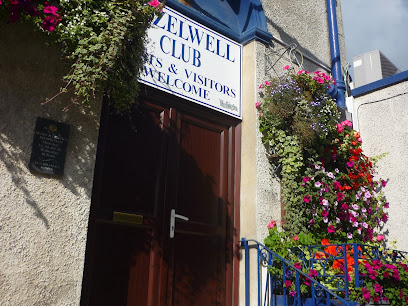
Hazewell Club
0.5 km
A cozy sports club in Tenby offering fresh beers, warm atmosphere, and a friendly community spirit near scenic coastal gardens.
Caldey Abbey
3.9 km
Discover Caldey Abbey, a serene monastic sanctuary on Caldey Island blending ancient Celtic heritage with tranquil island beauty.
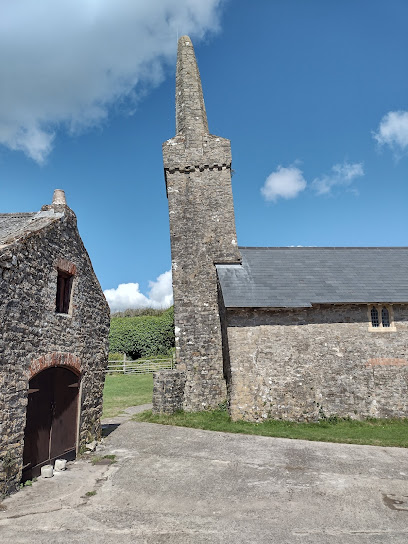
The Dinosaur Park Tenby
4.1 km
Explore prehistoric adventures and family fun at The Dinosaur Park Tenby, where dinosaurs come alive amidst thrilling rides and interactive trails.
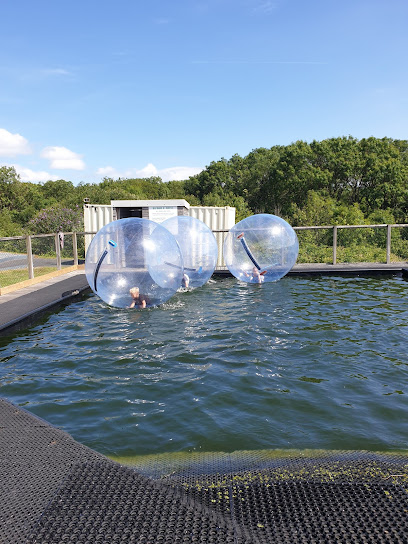
Great Wedlock Farm & Deer Park
4.3 km
Discover Pembrokeshire’s eco-friendly deer sanctuary with immersive buggy safaris, family fun, and tranquil countryside walks.

Boho Beach House
4.3 km
Eclectic bohemian gift shop by Saundersfoot beach offering unique handcrafted treasures in a vibrant seaside setting.

Christkindl
4.4 km
Discover unique gifts and festive treasures at Christkindl, Saundersfoot’s charming High Street boutique.

Caldey Island Lighthouse
4.6 km
Historic lighthouse guiding ships through Pembrokeshire’s rugged seas with timeless maritime heritage and stunning island views.
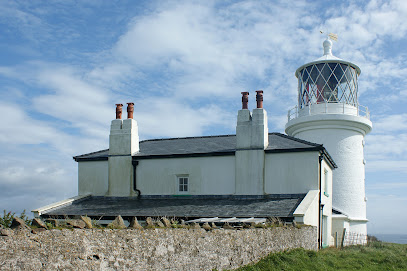
Heatherton World of Activities
5.1 km
A vibrant adventure park near Tenby offering over 25 activities from go-karting to escape rooms for all ages in scenic Pembrokeshire.
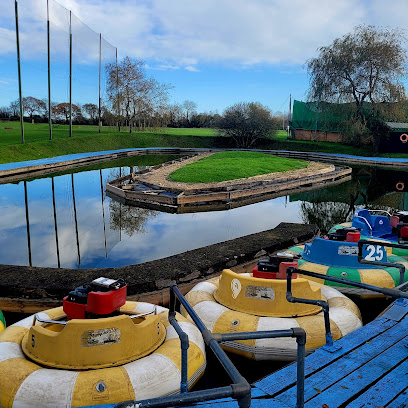
Manor Wildlife Park
5.1 km
Discover Wales's only walking safari with immersive animal encounters and family-friendly fun in the scenic surroundings of St Florence.

National Trust - Colby Woodland Garden
7.8 km
Explore Colby Woodland Garden’s tranquil woodlands, vibrant meadows, and charming walled garden near Narberth in Pembrokeshire.
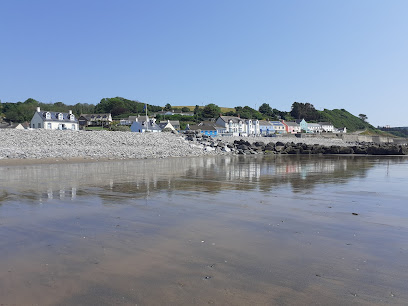
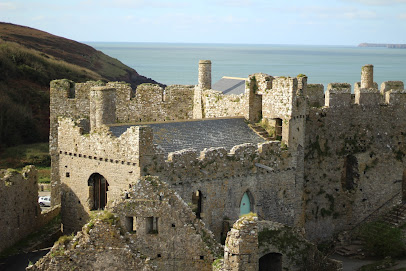
Manorbier Castle
7.8 km
Discover Manorbier Castle, a stunning 11th-century Norman fortress perched on cliffs with breathtaking sea views and rich Welsh history.
Essential places to dine

Billycan
0.4 km
A stylish restaurant and boutique hotel in Tenby offering generous portions, fresh flavors, and a welcoming atmosphere near the beach.
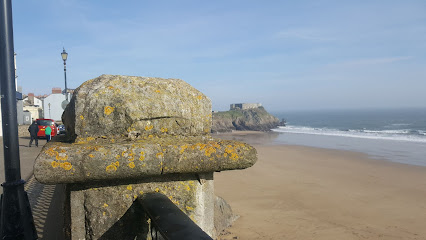
Stables Restaurant
0.5 km
Historic charm meets vibrant British seafood cuisine in Tenby’s beloved Stables Restaurant, where simple food is beautifully prepared.
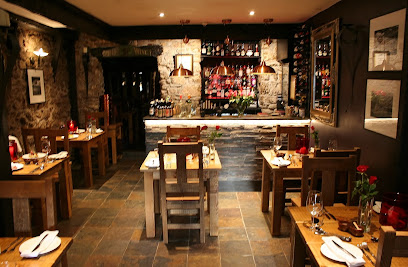
Heywood Marigold
1.7 km
Experience exquisite Pan-Asian and British cuisine in a stylish, relaxed setting at Heywood Marigold, Tenby’s premier hotel restaurant.
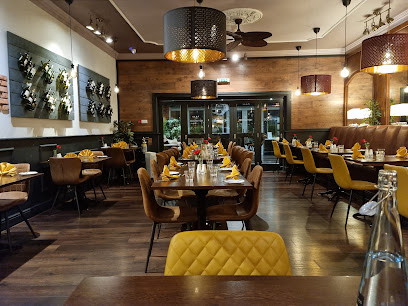
Rhosyn Restaurant at Penally Abbey
2.4 km
Experience refined modern British tapas in the historic elegance of Penally Abbey’s charming Rhosyn Restaurant.
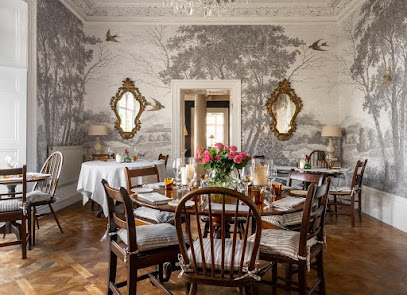
Penally Abbey
2.4 km
Historic country house hotel and restaurant with stunning Carmarthen Bay views, blending rich heritage and boutique luxury near Tenby.
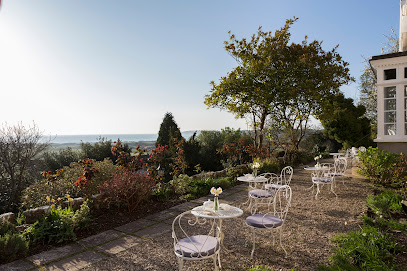
The Mulberry Restaurant
4.2 km
A refined coastal dining experience in Saundersfoot, serving seasonal British cuisine in a warm, intimate setting near the harbour.
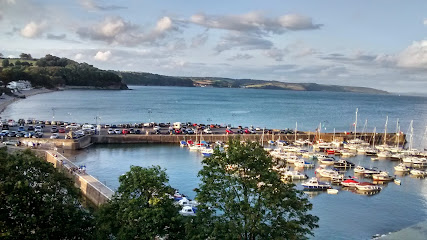
The Stone Crab
4.2 km
Renowned seafood excellence with stunning harbour views in Saundersfoot, offering award-winning dishes and warm Welsh hospitality.
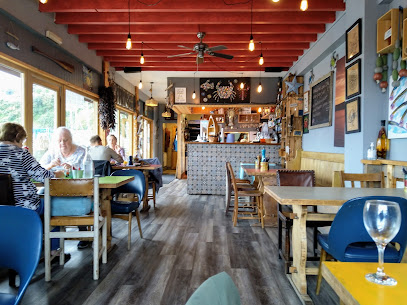
The BoatHouse
4.3 km
Family-run British restaurant in Saundersfoot serving fresh local produce and hearty coastal dishes in a welcoming seaside setting.
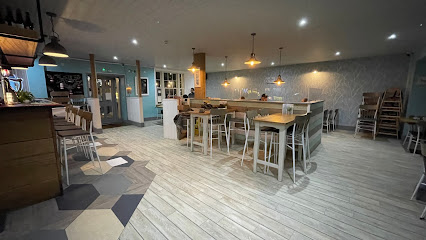
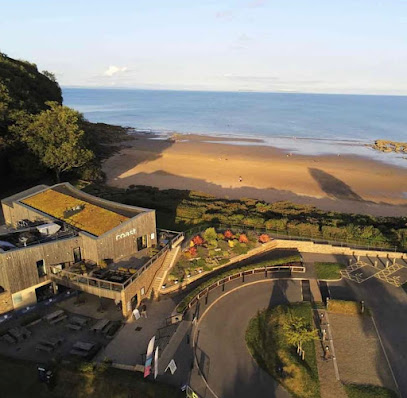
Lan y Môr Restaurant Saundersfoot
4.9 km
Welsh coastal dining with panoramic bay views and locally sourced culinary excellence
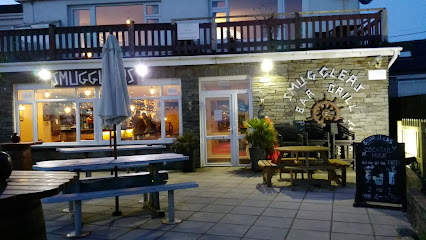
The Smugglers
6.9 km
Seaside dining with fresh grilled flavors, family fun, and stunning views on Amroth’s scenic sea front.
The Freshwater Inn
11.9 km
A relaxed coastal pub near Freshwater East beach, serving hearty local food, sea views, and a warm welcome to dogs and families alike.
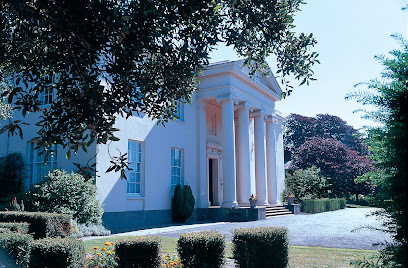
Best Western Lamphey Court Hotel & Spa
12.0 km
Elegant Georgian country house hotel with spa, pool, and tennis courts set in the Pembrokeshire Coast National Park’s stunning natural surroundings.
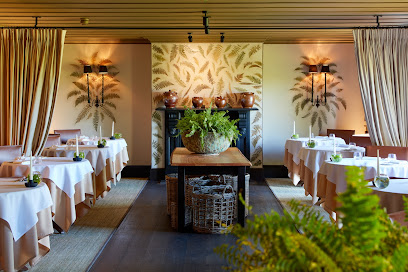
Fernery Restaurant
13.2 km
Intimate Welsh fine dining where seasonal produce and bold creativity converge in a 34-seat sanctuary.
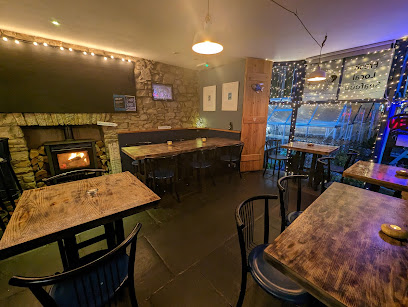
Madtom Land & Sea
14.4 km
Savor fresh seafood and local flavors in a cozy, rustic setting at Madtom Land & Sea, Narberth’s beloved coastal dining spot.
Annwn
14.4 km
Discover Annwn, a Michelin Guide restaurant in Narberth offering an intimate, sustainable dining experience with locally foraged Welsh flavors.
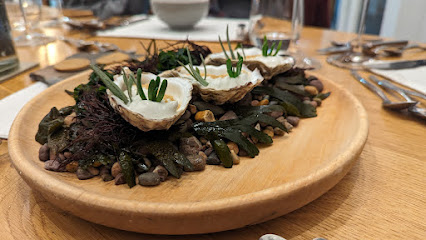
Markets, malls and hidden boutiques

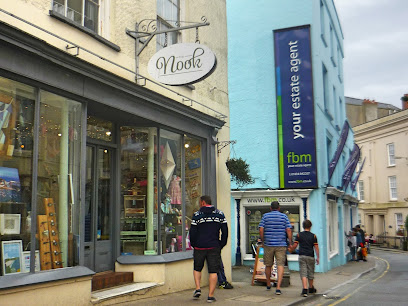
The Nook
0.2 km
Discover handcrafted treasures and unique gifts in Tenby’s charming boutique, The Nook, where local artistry meets coastal inspiration.
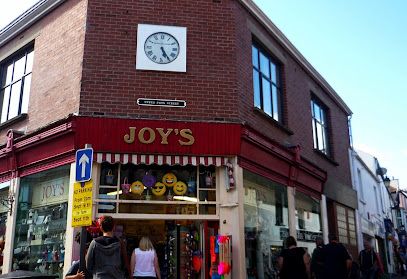
Joys Of Tenby
0.4 km
Explore Joys Of Tenby, a charming gift shop offering unique souvenirs that capture the essence of this beautiful coastal town.
The Welsh Gift Shop
0.4 km
Discover authentic Welsh crafts and heritage treasures in the heart of Tenby at The Welsh Gift Shop.

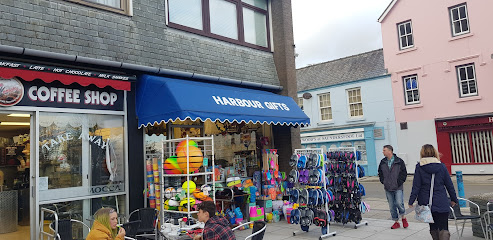
Harbour Gifts
4.3 km
Discover unique local crafts and coastal treasures at Harbour Gifts, Saundersfoot’s charming boutique for memorable souvenirs.
Mermaid Gift Shop
4.3 km
Discover unique local crafts and charming gifts at Mermaid Gift Shop, a cozy seaside treasure in Saundersfoot’s vibrant coastal village.
Elements of Pembrokeshire
4.4 km
Discover unique local crafts and heartfelt souvenirs at Elements of Pembrokeshire, nestled in the charming seaside village of Saundersfoot.
The Outlet
4.4 km
Discover stylish bargains and coastal charm at The Outlet, Saundersfoot’s premier clothing shop on The Strand.

Useful & Beautiful Things
14.4 km
Explore the charming antique shop, Useful & Beautiful Things, in Narberth for unique vintage treasures and rich history.
The Welsh Farmhouse Company
14.4 km
Authentic Welsh outerwear and timeless farmhouse-inspired fashion in the heart of Narberth’s historic High Street.

Bazaar
14.7 km
Discover vintage charm and rustic elegance at Bazaar Home & Garden, Narberth’s premier destination for unique, sustainable furnishings and décor.
The Room
14.9 km
Discover unique local crafts and heartfelt stories at The Room, Pembroke’s charming boutique gift shop on Main Street.

The Chapel Emporium
15.0 km
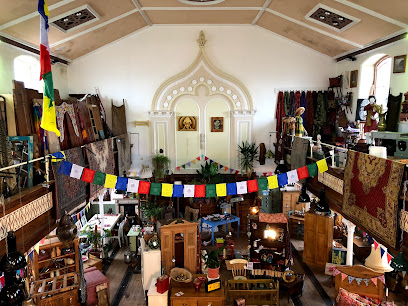
Explore Pembroke’s charming Chapel Emporium, a vintage lover’s paradise filled with antiques, retro fashion, and artisanal crafts in a historic setting.
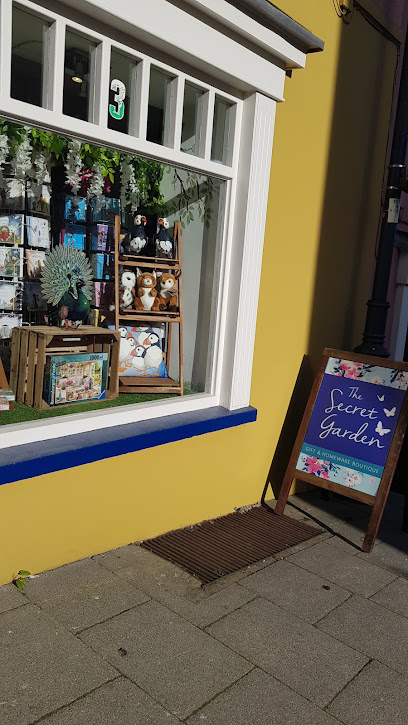
The Secret Garden Home & Gift Boutique
15.5 km
Discover unique gifts and homewares in a charming boutique nestled in the historic heart of Pembroke, Wales.
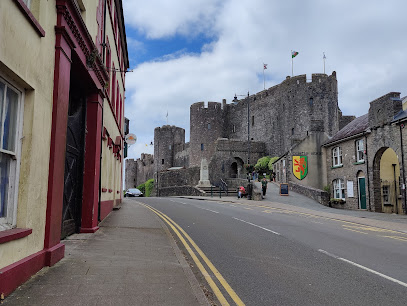
Pembroke Castle Shop Ltd
15.5 km
Discover unique local gifts and enjoy refreshments within the historic Pembroke Castle grounds at Pembroke Castle Shop Ltd.
Pembrokeshire Retail Park
16.6 km
A convenient and well-equipped retail hub in Pembroke Dock offering diverse shops and ample parking for locals and visitors alike.

Essential bars & hidden hideouts

The Lifeboat Tavern Tenby
0.3 km
Experience Tenby’s maritime charm at The Lifeboat Tavern, a quirky pub with a lifeboat bar and welcoming atmosphere in the heart of the seaside town.
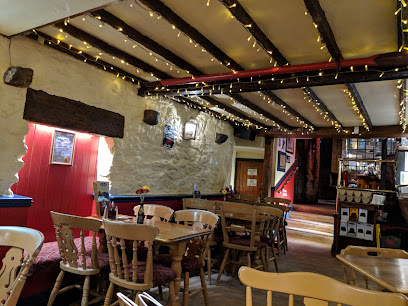
Bar 10
0.4 km
Lively coastal bar in Tenby offering wood-fired pizzas, vibrant atmosphere, and a welcoming spot near historic beaches and harbor.
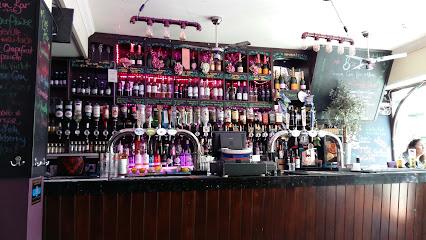
The Cove
0.4 km
A vibrant gastropub in Tenby offering quality food, lively events, and a welcoming atmosphere on the historic High Street.
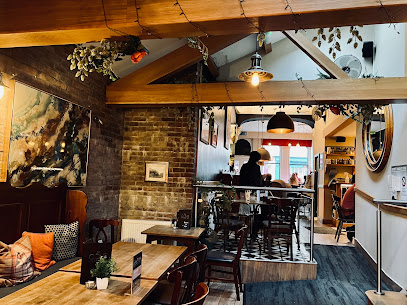
The Five Arches Tavern
0.4 km
Traditional Welsh pub with a roaring fire, hearty fare, live music, and a welcoming atmosphere in the heart of historic Tenby.
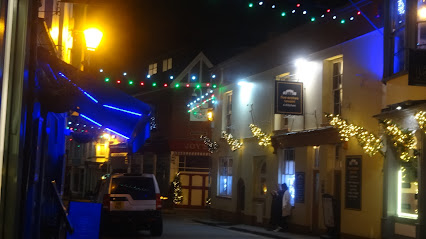
The Bush Inn
0.4 km
A cozy, historic pub nestled in Tenby’s medieval walls, offering friendly vibes, local ales, and a genuine Welsh drinking experience.
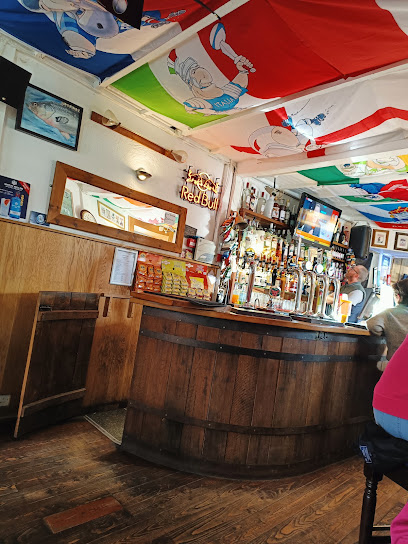
Twisted Shamrock
0.5 km
A lively Irish pub in Tenby’s Town Wall Arcade, offering karaoke, cocktails, and a fun night out in a cozy, spirited setting.
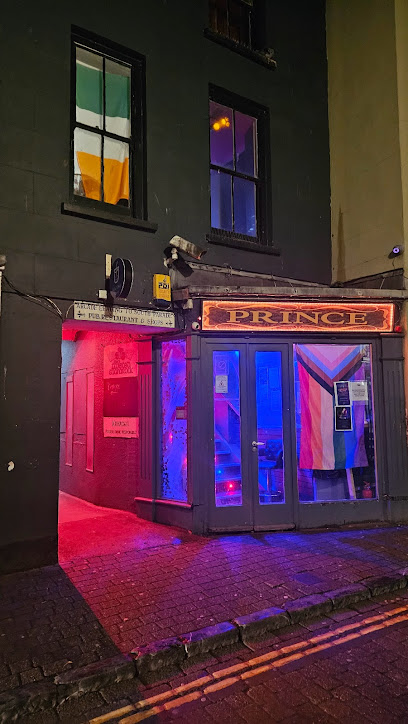
Stage Door Bar
0.5 km
A quirky, movie-themed bar in Tenby offering friendly service, great music, and a cozy atmosphere filled with cinematic memorabilia.
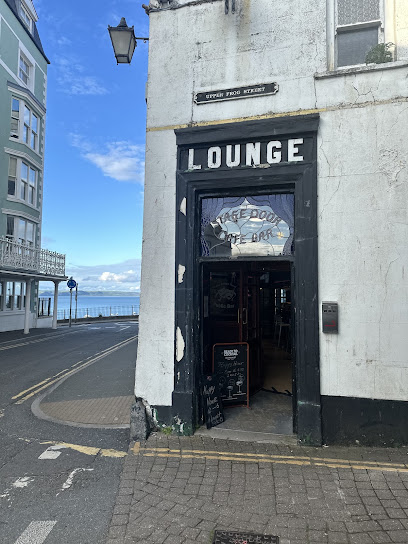
Cross Inn
2.5 km
Cozy Welsh pub in Penally offering hearty meals, friendly service, dog-friendly spaces, and scenic outdoor views near Tenby.
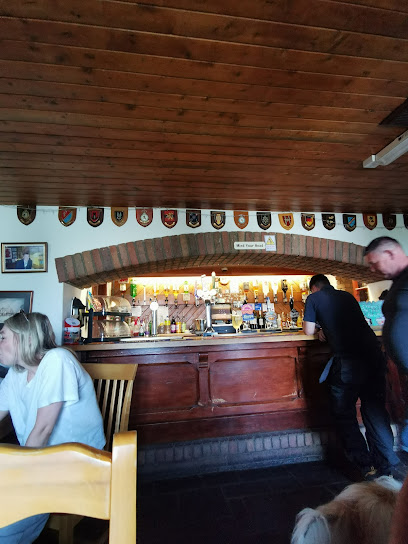
HARBWR Bar & Kitchen
4.4 km
Relaxed coastal dining with award-winning local ales and stunning harbour views in the heart of Saundersfoot.
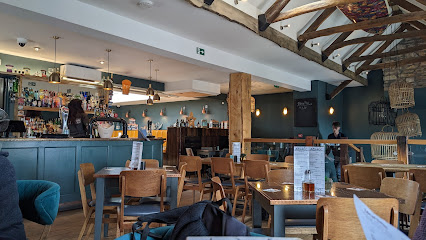
The Old Chemist Inn
4.4 km
Seaside charm meets hearty pub fare at The Old Chemist Inn, a friendly Saundersfoot spot with beach views and a welcoming atmosphere.
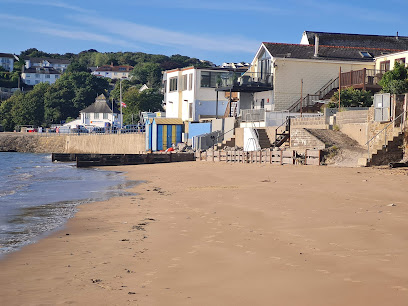
Wisemans Bridge Inn
5.8 km
Traditional Welsh coastal inn with a unique sitting room bar, beachside charm, and warm hospitality in the heart of Wisemans Bridge.
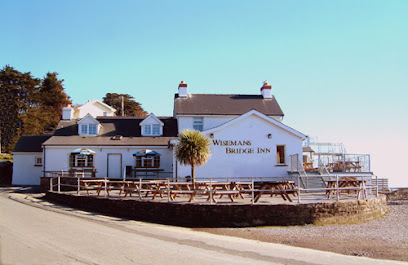
Templebar Inn
6.9 km
Charming seaside gastropub in Amroth offering hearty meals, stunning sea views, and a warm, dog-friendly atmosphere.
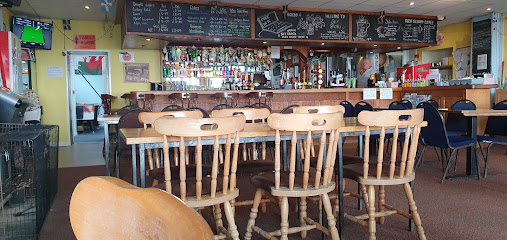
Amroth Arms
7.0 km
Charming seaside pub in Amroth with stunning coastal views, hearty local fare, and warm Welsh hospitality.
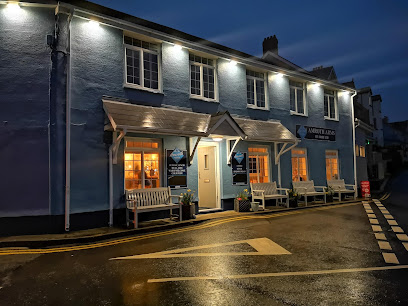
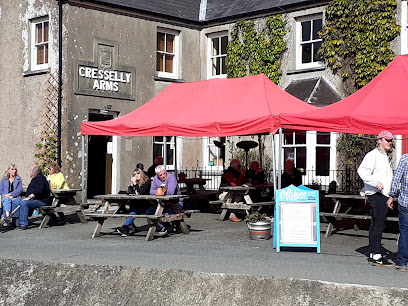
Cresselly Arms
10.7 km
A charming waterside pub in Cresswell Quay offering hearty fare and scenic estuary views in a relaxed, rustic setting.
Hwb
14.6 km
Lively bar in Narberth with vibrant art, quality drinks, and a warm, casual atmosphere reflecting Pembrokeshire’s community spirit.

Nightclubs & after hour spots

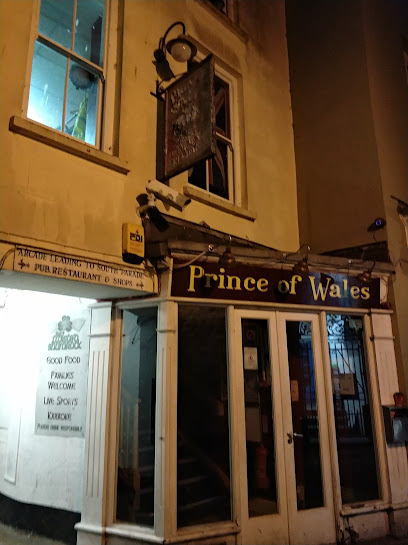
Prince Of Wales
0.5 km
Tenby’s iconic late-night nightclub blending lively music, classic charm, and a spirited atmosphere in the heart of Town Wall Arcade.
Sands Nightclub
4.3 km
Saundersfoot’s lively nightclub with dance, drinks, and a vibrant atmosphere near the beach.

Comlongon
5.7 km
Experience vibrant nightlife in the charming village of St Florence with Comlongon, Tenby’s energetic nightclub gem.
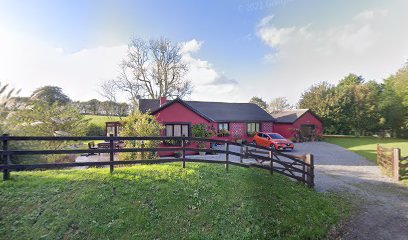
Paddles
15.4 km
Experience Pembroke’s vibrant nightlife at Paddles, the go-to nightclub for late-night music, drinks, and social energy in the town center.

Eddie Rocks
23.7 km
A vibrant multi-floor nightclub in Haverfordwest offering energetic nights, diverse music, and a welcoming atmosphere by the waterfront.

Boulevard Show Bar
24.1 km
Experience vibrant cabaret, live shows, and lively nightlife at Boulevard Show Bar, Milford Haven’s premier entertainment venue.
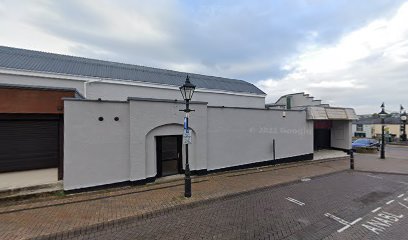
The Basement
24.2 km
Discover the energetic nightlife of Milford Haven at The Basement, where music, dancing, and vibrant gatherings create unforgettable experiences.
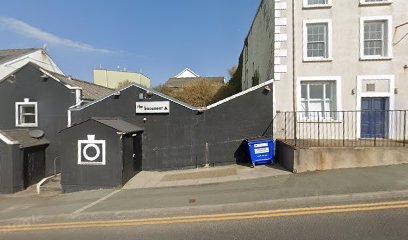
Savannah's Night Club
33.3 km
Experience Carmarthen’s vibrant nightlife at Savannah's Night Club—where music, dance, and stylish vibes create unforgettable Saturday nights.

Lucifer's Nightlife
33.7 km
Experience Carmarthen's vibrant nightlife and fast food fusion at Lucifer's Nightlife, where music, dancing, and late-night bites come alive on Queen Street.

Albion Aberteifi
45.4 km
Discover the charm of Albion Aberteifi, where historic ambiance meets modern hospitality along the beautiful River Teifi.
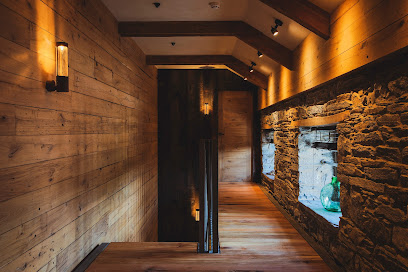
The Rainbow Rooms Bar & Club
45.5 km
Experience lively nights and vibrant music at The Rainbow Rooms Bar & Club, Gorseinon’s premier destination for unforgettable nightlife.

The Grosvenor
45.5 km
Traditional Welsh pub with riverside views, hearty food, and a welcoming atmosphere in the heart of Cardigan town centre.

The Cellar
45.6 km
Discover the heart of Cardigan's music scene at The Cellar – where live performances and local culture collide.
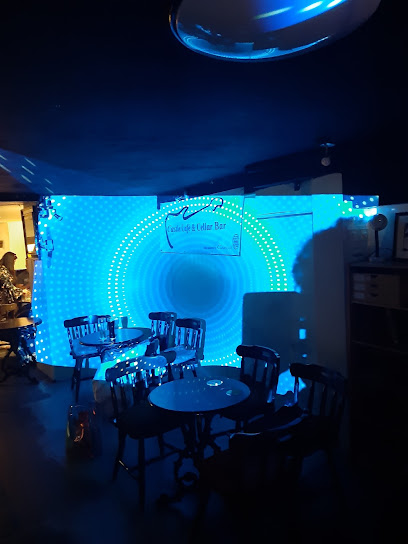
Bar 45
45.6 km
Discover the vibrant atmosphere of Bar 45 in Cardigan, where local ales, cocktails, and live music create unforgettable experiences.

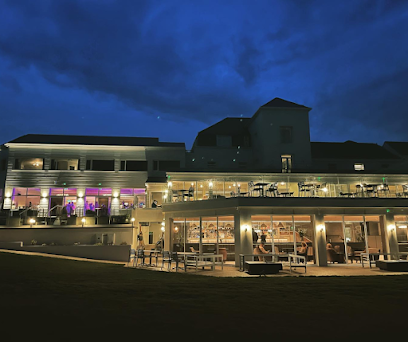
The Cliff Hotel & Spa
49.6 km
Discover unparalleled relaxation and coastal beauty at The Cliff Hotel & Spa, where luxury meets adventure in Cardigan, Wales.
For the vibe & atmosphere seeker
- Scenic
- Relaxing
- Tranquil
- Historic
- Unique
For the design and aesthetic lover
- Rustic Designs
For the architecture buff
- Historic
- Landmarks
For the view chaser and sunset hunter
- Iconic Views
- Panoramas
- Sunset Spots
For the social media creator & influencer
- Instagrammable
- Photo Spots
- Selfie Spots
For the eco-conscious traveler
- Public-Transport Accessible
- Low Impact
For the kind of experience you’re after
- Cultural Heritage
- Photowalk
- Nature Escape
- Day Trip
- Weekend Getaway
For how adventurous you want the journey to be
- Easy Access
Location Audience
- Family Friendly
- Senior Friendly
- Child Friendly
- Couple Friendly
- Solo Friendly
- Teen Friendly


