

Llawhaden Castle
Medieval bishop's palace with commanding views over the Eastern Cleddau valley.
Perched on elevated terrain above the Eastern Cleddau valley, Llawhaden Castle is a striking fortified bishop's palace rather than a traditional castle. Built in the 14th century by Bishop David Martin of St Davids, this atmospheric ruin features an impressive gatehouse still standing to full height, private apartments, guest lodgings, and garrison quarters. The site offers peaceful countryside surroundings with wonderful views across the Vale, making it an ideal stop for history enthusiasts exploring Pembrokeshire's medieval heritage.
A brief summary to Llawhaden Castle
- Tal-Y-Bont Hill, Narberth, Llawhaden, SA67 8HL, GB
- Visit website
- Duration: 1 to 2.5 hours
- Free
-
 Outdoor
- Mobile reception: 3 out of 5
Local tips
- Visit during clear weather to fully appreciate the panoramic views across the Vale of the Eastern Cleddau. The elevated position offers exceptional vistas, particularly in late afternoon light.
- Bring a picnic and allow time to explore the grounds thoroughly. With no on-site facilities, packing refreshments lets you relax and absorb the peaceful countryside atmosphere.
- Wear sturdy footwear with good grip. The uneven historic bedrock paths and modern steel steps can be slippery, especially after rain or during wet weather.
- Arrive early in the day to avoid crowds and enjoy the site in quieter conditions. The peaceful setting is best experienced when fewer visitors are present.
- Check weather conditions before visiting, particularly regarding potential flooding in the outer grounds during heavy rain or poor weather periods.

For the on-the-go comforts that matter to you
- Picnic Areas
- Trash Bins
- Information Boards
Getting There
-
By Car
From Narberth town centre, take the A40 northwest for approximately 3 miles (4.8 kilometres). Follow signs toward Llawhaden village and turn off the A40 onto the local road leading to the castle. The final approach is via a tarmaced lane. Travel time from Narberth is approximately 10–15 minutes. Limited parking with 5 spaces is available within 250 metres of the castle entrance. The route is straightforward and suitable for standard vehicles.
-
By Bicycle
National Cycle Network Route 440 passes within 1.5 miles (2.4 kilometres) of the castle, making it accessible for cyclists exploring the wider Pembrokeshire cycling network. From the NCN route, follow local roads toward Llawhaden village and the castle entrance. Journey time varies depending on starting point but typically ranges from 30–60 minutes from nearby towns. The final approach involves some uneven terrain.
-
By Train and Taxi
The nearest railway station is Clynderwen, located 4.5 miles (7.2 kilometres) from the castle. Journey time from Clynderwen by taxi is approximately 15–20 minutes. For rail information, contact Traveline Cymru on 0800 464 0000 or National Rail Enquiries on 03457 48 49 50. This option is practical for visitors without personal transport.
-
Walking from Nearby Villages
Llawhaden village is within walking distance of the castle. The terrain is rural countryside with country lanes and field paths. Walking from Narberth town centre takes approximately 45–60 minutes depending on route chosen. The final approach to the castle involves a short incline along an uneven path. This option suits visitors seeking a countryside walk experience.
Llawhaden Castle location weather suitability
-
 Clear Skies
-
 Mild Temperatures
-
 Any Weather
Discover more about Llawhaden Castle
A Bishop's Fortress in the Welsh Countryside
Llawhaden Castle stands as a remarkable testament to medieval ecclesiastical power and architectural ambition. Rather than a traditional military fortress, this site represents a fortified bishop's palace—a residence designed to reflect the wealth and authority of the Bishops of St Davids. Constructed primarily in the 14th century under the direction of Bishop David Martin, the castle was rebuilt and reorganized along its present lines to serve as both a comfortable dwelling and a defensible stronghold. The site's elevated position overlooking the serene Eastern Cleddau valley provided both strategic advantage and scenic grandeur, allowing the bishops to command views across the Vale while maintaining a commanding presence in the landscape.Architectural Splendor and Medieval Design
The most striking feature of Llawhaden Castle is its impressive gatehouse, added during the later 14th century and still standing to its full height today. This imposing structure serves as a visual anchor for the entire complex and demonstrates the sophisticated architectural knowledge of medieval Welsh builders. Beyond the gatehouse, the castle contained a carefully planned arrangement of private apartments, a central courtyard, comfortable lodgings for visiting guests, and dedicated quarters for a permanent garrison. This combination of domestic comfort and military readiness reflects the dual nature of the site—a place where ecclesiastical authority could be exercised with both hospitality and strength. The castle's layout reveals how medieval bishops lived: with access to fine accommodations, space for entertaining important visitors, and sufficient defensive capability to protect their considerable wealth and influence.Setting and Landscape Character
The castle's location on high ground creates a distinctive sense of place within the Pembrokeshire countryside. The elevated terrain provides sweeping views across the Vale of the Eastern Cleddau, offering visitors a panoramic perspective of the surrounding landscape. The site itself is predominantly grassed, with most areas at ground level remaining relatively flat and accessible. The terrain is classified as Level 2—Easy—making it suitable for visitors of varying abilities. However, the approach involves a short incline along an uneven path that can become slippery when wet, as it follows historic bedrock. The outer grounds can experience flooding during poor weather, with deep water pooling in certain areas, so visitors should exercise caution during wet conditions. The peaceful, rural setting creates an atmosphere of tranquility, allowing visitors to experience the castle within a landscape that has remained largely unchanged for centuries.Visitor Experience and Practical Considerations
The castle is managed by Cadw, the Welsh heritage organization, and operates as an open-air historical site. Visitors can explore the ruins at their own pace, discovering the various chambers, passages, and defensive features that remain. The site features a mix of historic stone structures and modern steel step infrastructure installed for safety; both can be slippery when wet, and handrails are provided where necessary. Guardrails have been strategically installed to prevent access to dangerous areas and to protect visitors from potential falls. The site welcomes dogs on short leads to ground floor levels, making it accessible for visitors traveling with pets. A limited car park with five spaces is available within 250 metres of the castle, accessed via a tarmaced lane. The castle offers no on-site facilities such as shops, cafes, or toilets, so visitors should plan accordingly and consider bringing refreshments if they intend to spend extended time exploring the ruins and enjoying the views.Iconic landmarks you can’t miss

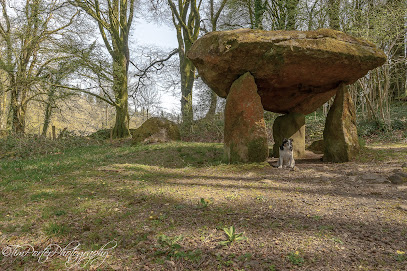
Gwal y Filiast
12.7 km
Explore Gwal y Filiast, a mysterious Neolithic burial chamber steeped in Welsh legend and ancient history near Whitland.
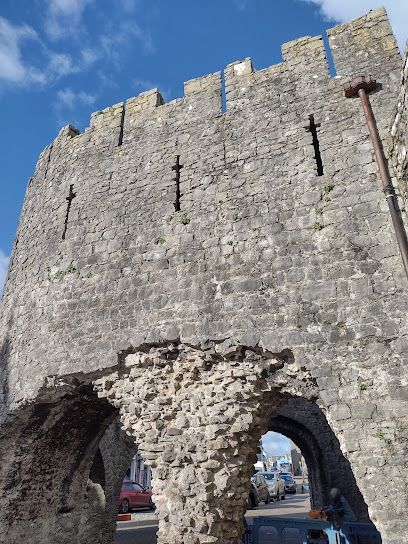
Tenby Town walls
17.9 km
Explore Tenby’s medieval town walls, a stunning coastal fortress that tells the story of centuries-old Welsh defense and heritage.
Imperial Hotel, Tenby
18.3 km
Historic hotel on Tenby’s ancient walls with stunning sea views, modern comforts, and a vibrant seaside dining experience.

William Marshal Statue
18.4 km
Medieval England's greatest knight, immortalized in bronze below his castle stronghold.

Tŷ Milford Waterfront
20.7 km
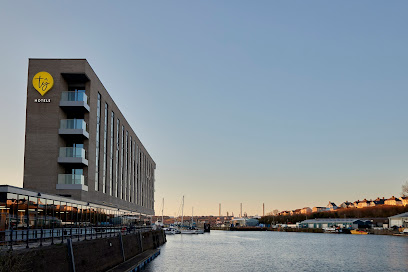
Modern nautical charm meets stunning marina views at Tŷ Milford Waterfront, a stylish family-friendly hotel in scenic Milford Haven.
St Clears Castle
20.8 km
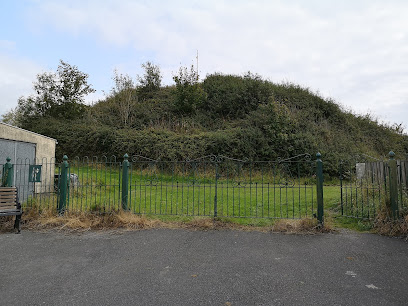
Explore the earthwork remains of St Clears Castle, a Norman motte-and-bailey fortress steeped in medieval Welsh history at the rivers’ confluence.
Caldey Abbey
21.9 km
Experience the serene beauty and spiritual tranquility of Caldey Abbey on Caldey Island, a captivating monastery and tourist attraction.
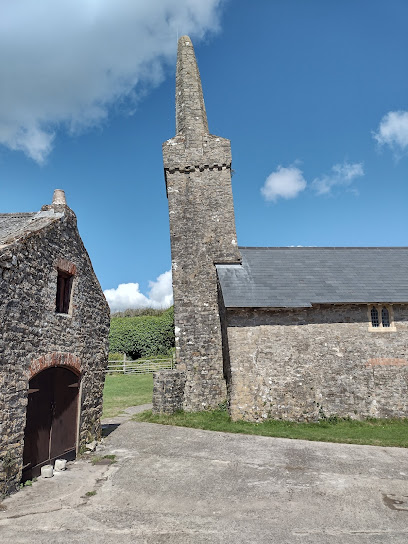
Castell Henllys Iron Age Village
22.0 km
Explore the enchanting Castell Henllys Iron Age Village, where history, culture, and nature unite for an unforgettable experience in Pembrokeshire.
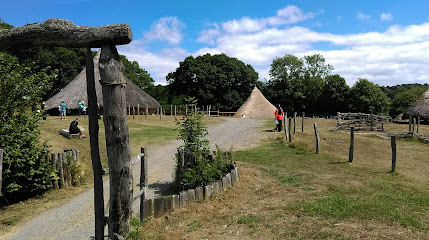
Dyfed Chimneys
22.0 km
Discover expert chimney sweeping and stove building at Dyfed Chimneys in Carmarthen, where safety meets craftsmanship in the heart of Wales.
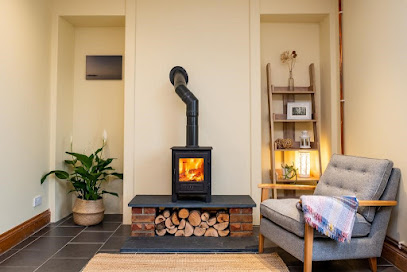
National Trust - The Point
22.1 km
Explore The Point at National Trust in Pembrokeshire, where stunning coastal views and serene walking paths await every traveler.
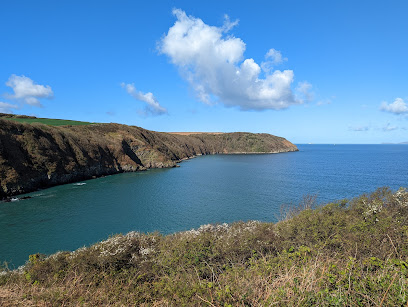
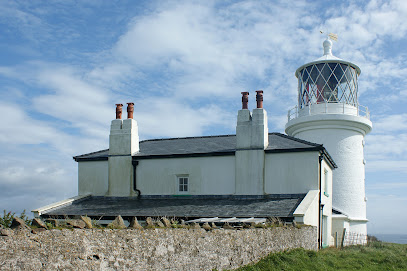
Caldey Island Lighthouse
22.6 km
Explore Caldey Island Lighthouse, a historic treasure nestled in the breathtaking scenery of Tenby, Wales, offering rich maritime history and stunning views.
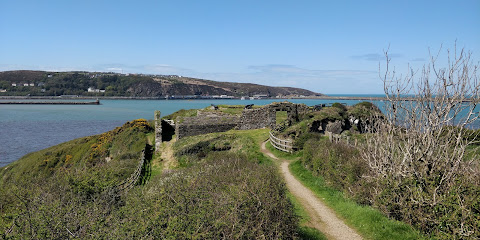
Fishguard Fort
23.1 km
Discover the historic Fishguard Fort, a magnificent fortress with stunning coastal views and rich military history in Pembrokeshire, Wales.
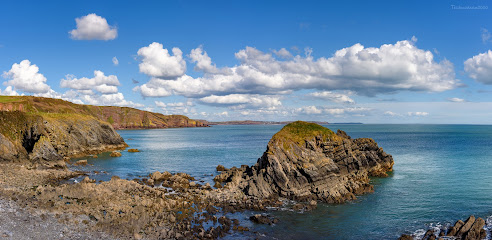
Stackpole Quay
23.2 km
Experience the breathtaking scenery and rich wildlife of Stackpole Quay along the iconic Pembrokeshire Coast Path in Wales.
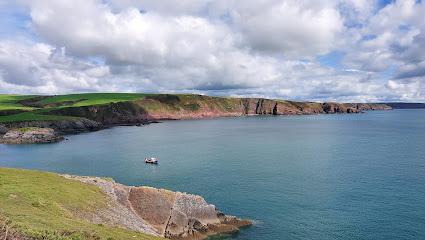
National Trust - Stackpole
23.4 km
Explore the stunning landscapes, wildlife, and rich history of Stackpole, a National Trust park along Pembrokeshire's breathtaking coastline.
Pwllgwaelod Beach
23.5 km
Discover the tranquil beauty of Pwllgwaelod Beach, a hidden gem along Pembrokeshire's stunning coastline, perfect for relaxation and adventure.
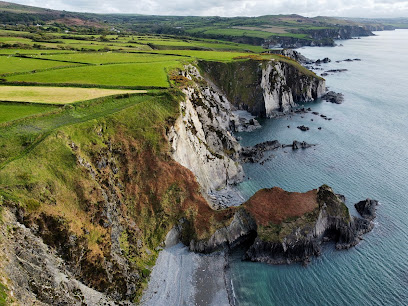
Unmissable attractions to see

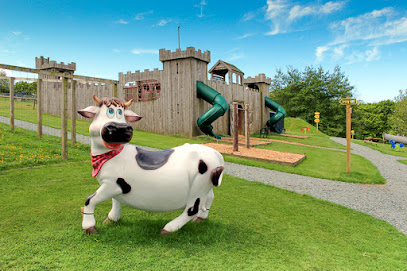
Clerkenhill Adventure Farm & Frizbee Golf Course
3.6 km
A vibrant family farm adventure with frisbee golf, crazy golf, and playful animal encounters in picturesque Pembrokeshire countryside.
Bluestone Resort
4.3 km
Luxury lodges and family adventures await in Pembrokeshire’s scenic Bluestone National Park Resort, a vibrant village retreat set in 500 acres of countryside.
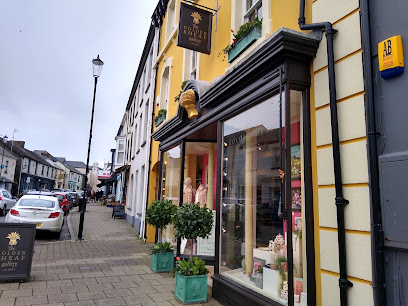
The Golden Sheaf Gallery
4.6 km
Discover unique art and quality gifts celebrating heritage and contemporary creativity in the heart of Narberth.
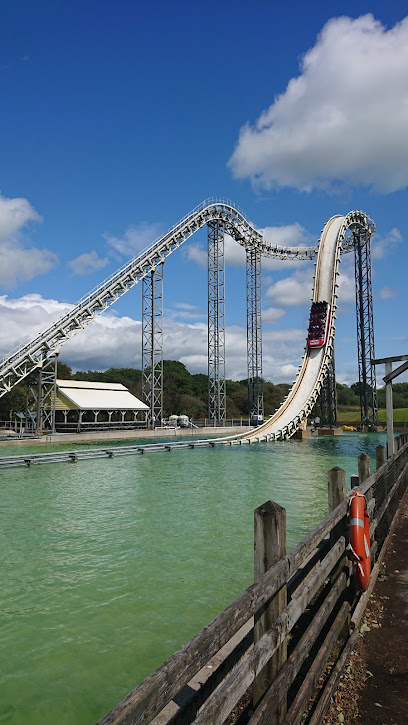
Oakwood Theme Park
5.0 km
Thrilling rides and family fun in scenic Pembrokeshire — Oakwood Theme Park, a cherished Welsh adventure destination.
Wiston Castle
5.1 km
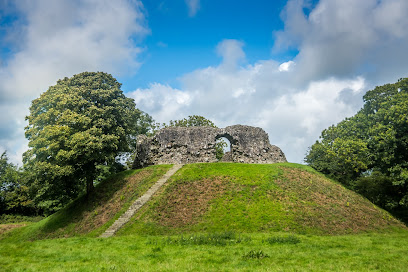
Explore Wiston Castle, a remarkable 12th-century motte-and-bailey fortress founded by Flemish settlers on Wales’ historic Norman-Welsh frontier.
The Boars Head
7.3 km
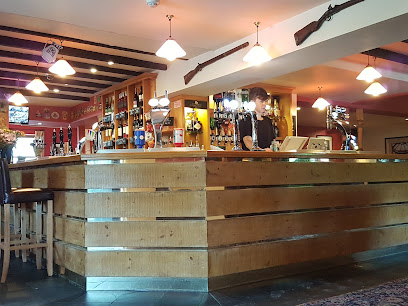
A welcoming gastropub in Templeton serving fresh, locally sourced meals with hearty portions and a cozy, family-friendly atmosphere.
Picton Castle
7.3 km
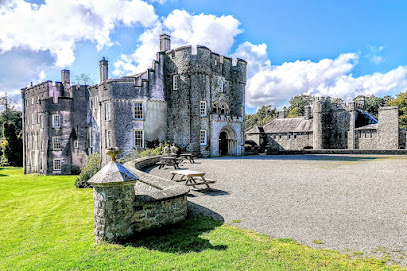
Explore a medieval castle with Georgian charm set amidst 50 acres of stunning gardens and family-friendly adventures in Pembrokeshire.
Picton Castle Gardens
7.3 km
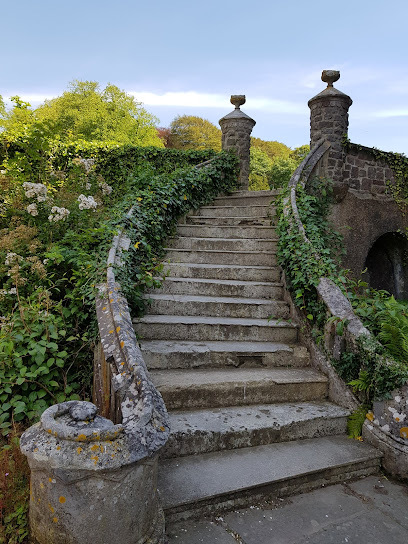
Explore 50 acres of enchanting gardens and a medieval castle with Georgian charm in the heart of Pembrokeshire Coast National Park.
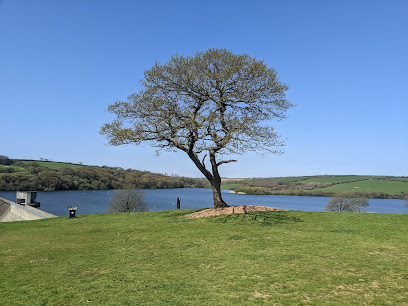
Llys-y-fran Reservoir
7.7 km
Explore Pembrokeshire’s scenic Llys-y-frân Reservoir with watersports, mountain biking, fishing, and a vibrant visitor centre.
Pembrokeshire Llama Sanctuary
8.2 km
Walk with llamas through peaceful Welsh valleys at the family-run sanctuary dedicated to animal welfare and immersive countryside adventures.

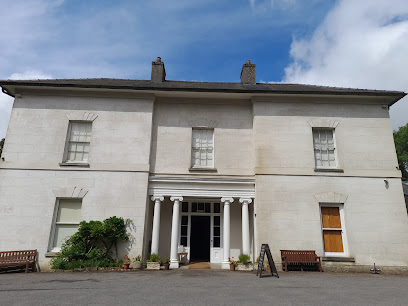
Scolton Manor
9.5 km
Explore a beautifully restored Victorian manor and tranquil country park with family-friendly trails, gardens, and historic exhibits in Pembrokeshire.
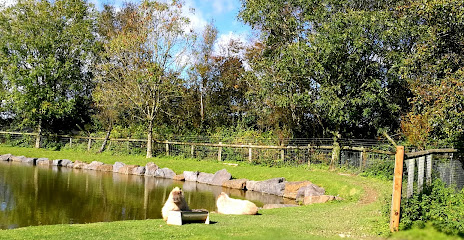
Folly Farm Adventure Park and Zoo
9.8 km
Explore 120 acres of award-winning family fun with exotic animals, vintage rides, and adventure playgrounds in the heart of Pembrokeshire.
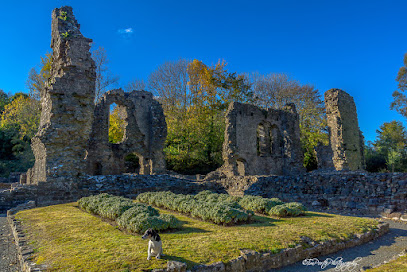
Haverfordwest Priory
11.8 km
Discover the tranquil ruins and unique medieval garden of the 13th-century Haverfordwest Priory by the peaceful River Cleddau.
Hangar 5
11.9 km
Wales’ first trampoline park offering thrilling indoor fun, soft play, and a cozy cafe near Haverfordwest.
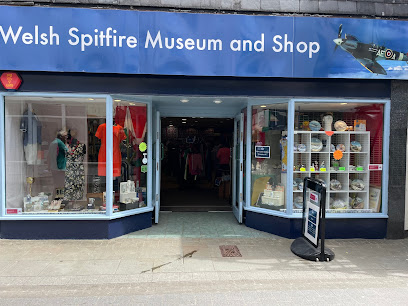
Welsh Spitfire Museum
12.0 km
Discover the iconic Spitfire and its restoration journey in a unique, volunteer-run museum nestled behind a charity shop in Haverfordwest.
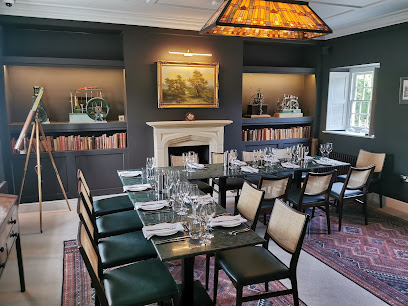
Essential places to dine

Black Pool Mill Restaurant
3.2 km
Historic mill turned charming restaurant offering fresh local fare and serene Pembrokeshire views in Narberth’s countryside.
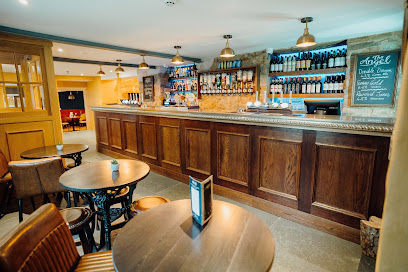
The Angel Narberth
4.5 km
Experience warm Welsh hospitality and fresh local flavors in the heart of Narberth at The Angel, a beloved restaurant and bar with historic charm.
Madtom Land & Sea
4.6 km
Savor fresh seafood and local flavors in a cozy, rustic setting at Madtom Land & Sea, Narberth’s beloved coastal dining spot.
Annwn
4.6 km
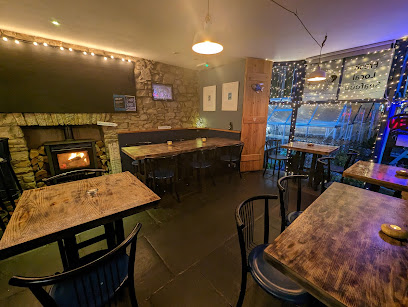
Discover Annwn, a Michelin Guide restaurant in Narberth offering an intimate, sustainable dining experience with locally foraged Welsh flavors.
Fernery Restaurant
5.0 km
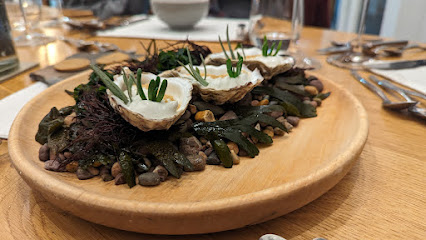
Intimate Welsh fine dining where seasonal produce and bold creativity converge in a 34-seat sanctuary.
The George's
12.2 km
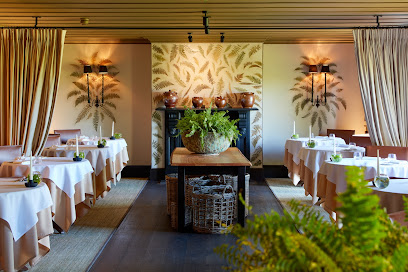
A unique all-day dining and shopping experience in the heart of historic Haverfordwest with a tranquil walled garden retreat.
SEED Restaurant & Coffee Shop
13.1 km
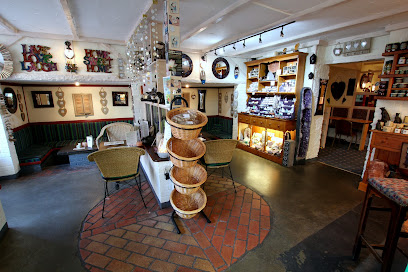
Experience fresh, expertly crafted meals by hospitality students in a welcoming college restaurant with seasonal menus and themed evenings.

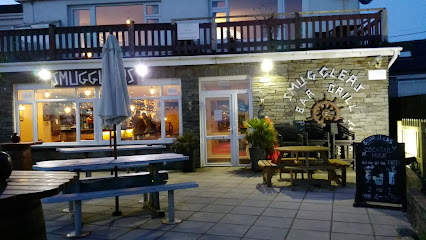
The Smugglers
13.7 km
Seaside dining with fresh grilled flavors, family fun, and stunning views on Amroth’s scenic sea front.
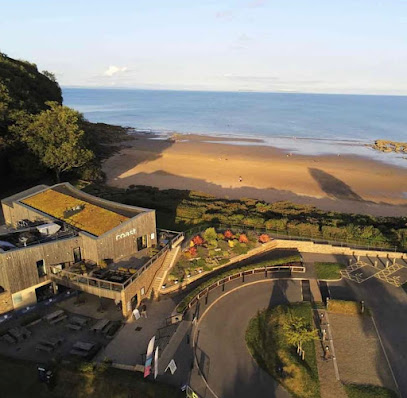
Lan y Môr Restaurant Saundersfoot
13.8 km
Welsh coastal dining with panoramic bay views and locally sourced culinary excellence
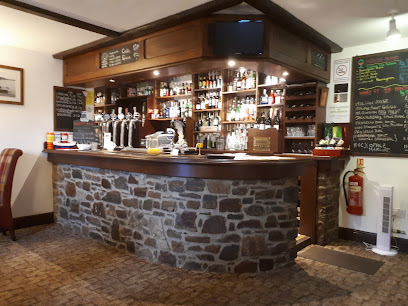
The Rising Sun Inn
13.9 km
Charming countryside pub and restaurant in Pelcomb Bridge offering hearty meals, warm hospitality, and a welcoming caravan park in scenic Pembrokeshire.
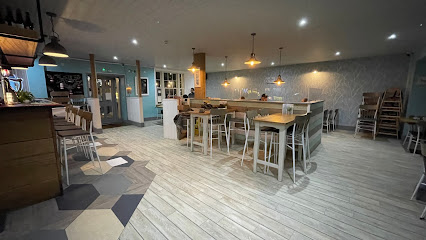
The BoatHouse
14.1 km
Family-run British restaurant in Saundersfoot serving fresh local produce and hearty coastal dishes in a welcoming seaside setting.
The Stone Crab
14.2 km
Renowned seafood excellence with stunning harbour views in Saundersfoot, offering award-winning dishes and warm Welsh hospitality.
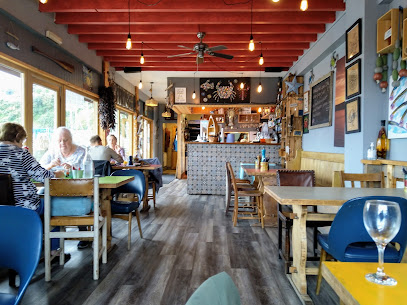
The Mulberry Restaurant
14.2 km
A refined coastal dining experience in Saundersfoot, serving seasonal British cuisine in a warm, intimate setting near the harbour.
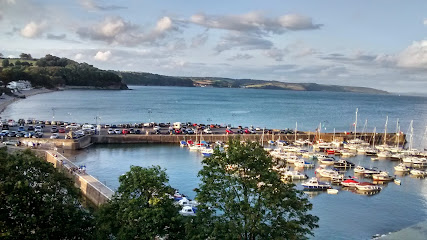
The Wolfe Inn Wolfscastle
14.5 km
A welcoming country inn where Welsh hospitality meets modern comfort in rural Pembrokeshire.
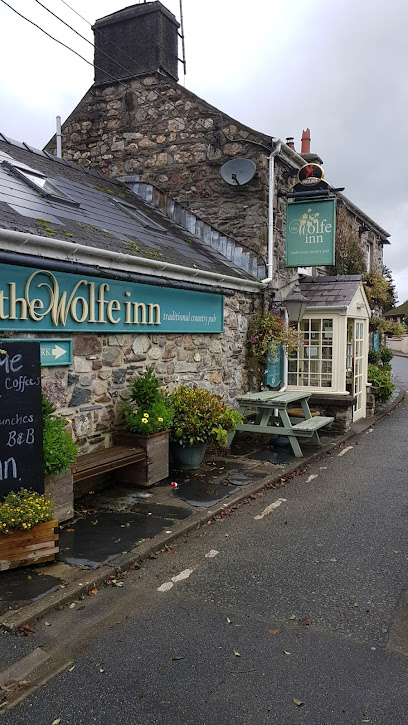
Jolly Sailor
15.5 km
Historic riverside pub with stunning estuary views, hearty British fare, family-friendly spaces, and a welcoming atmosphere in Milford Haven.
Markets, malls and hidden boutiques

Bazaar
4.4 km
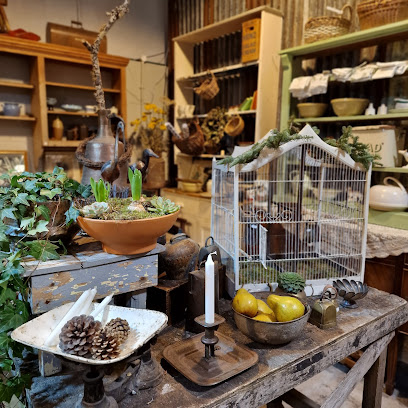
Discover vintage charm and rustic elegance at Bazaar Home & Garden, Narberth’s premier destination for unique, sustainable furnishings and décor.
The Welsh Farmhouse Company
4.6 km
Authentic Welsh outerwear and timeless farmhouse-inspired fashion in the heart of Narberth’s historic High Street.

Useful & Beautiful Things
4.7 km
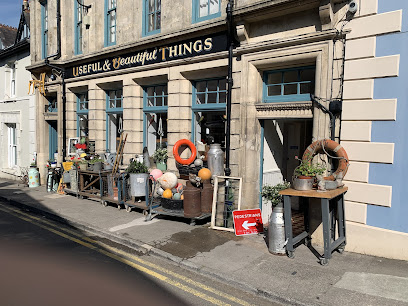
Explore the charming antique shop, Useful & Beautiful Things, in Narberth for unique vintage treasures and rich history.
Springfield Retail Park
11.4 km
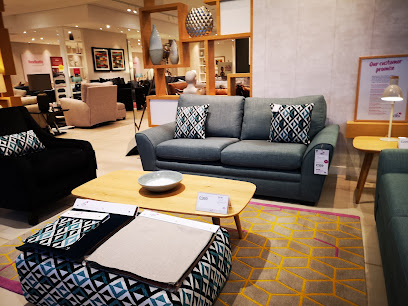
A vibrant shopping and dining hub in Haverfordwest offering diverse stores, ample parking, and a lively atmosphere for locals and visitors alike.
Mountain Warehouse Haverfordwest
11.6 km
Your essential outdoor gear destination for Pembrokeshire adventures and Welsh wilderness exploration.
Withybush Retail Park
11.6 km
A modern retail park in Haverfordwest offering diverse shopping, dining, and free parking for a convenient and lively local experience.

Next
11.6 km
A family-friendly fashion hub in Haverfordwest offering stylish clothing, shoes, and accessories for all ages at moderate prices.

Vincent Davies
11.6 km
A versatile department store in Haverfordwest blending home goods, garden supplies, dining, and friendly service under one welcoming roof.
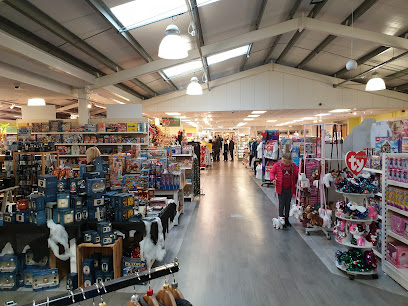
Riverside Shopping Centre
11.9 km
A practical shopping destination in Haverfordwest offering familiar brands, local markets, and essential services in Pembrokeshire’s county town.
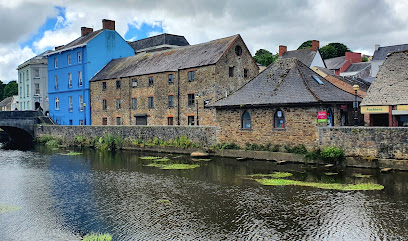
5 Quay Street
12.0 km
Discover unique gifts, elegant homewares, and exquisite perfumes in the heart of historic Haverfordwest at 5 Quay Street.
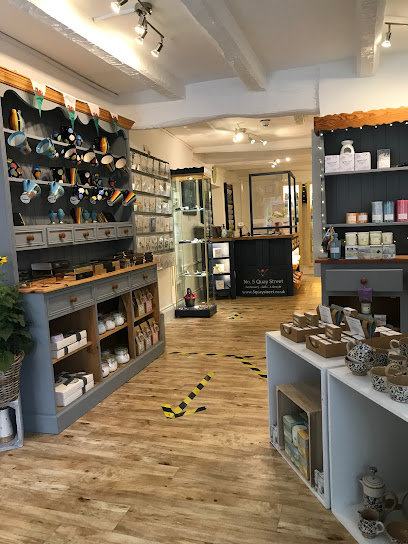
The Sheep Shop
12.0 km
Quirky Welsh gift shop celebrating sheep culture, lovespoons, and local Pembrokeshire treasures.
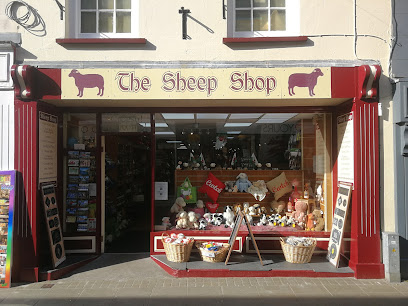
Bonkers
12.1 km
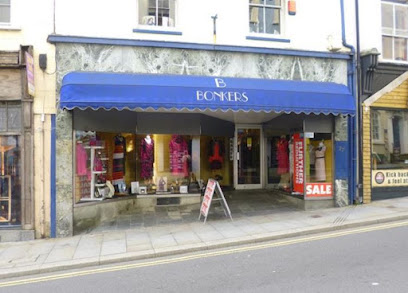
Discover unique fashion and accessories at Bonkers, Haverfordwest’s charming boutique on High Street.
Pinkcatshop.Com
12.1 km
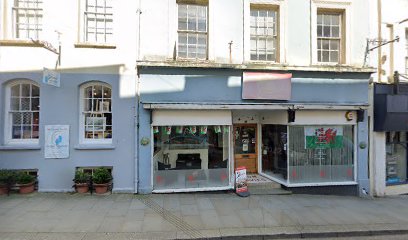
Explore Pinkcatshop.Com in Haverfordwest for unique gifts and local handmade treasures that capture the spirit of the region.
West of Wales Art Supplies
12.1 km
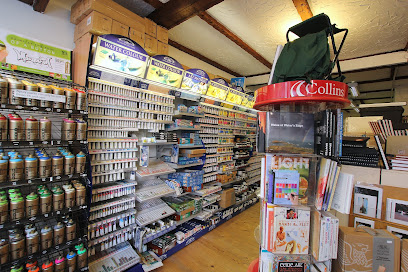
Your friendly local art supply store in historic Haverfordwest, offering quality materials and expert advice for artists of all levels.
Sycamore Stores
12.6 km
Friendly local convenience store in Haverfordwest offering fresh local snacks, essentials, and extended daily hours for all your quick shopping needs.

Essential bars & hidden hideouts

Hwb
4.4 km
Lively bar in Narberth with vibrant art, quality drinks, and a warm, casual atmosphere reflecting Pembrokeshire’s community spirit.

Cresselly Arms
11.0 km
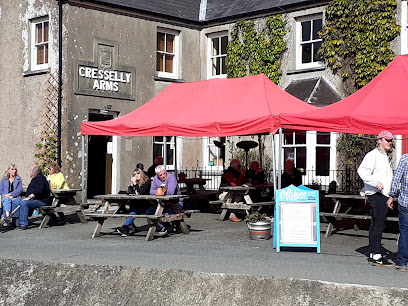
A charming waterside pub in Cresswell Quay offering hearty fare and scenic estuary views in a relaxed, rustic setting.
Lost Coins
11.4 km
A cozy family-friendly pub near Haverfordwest serving elegant pub classics and real ales in a warm, welcoming setting.
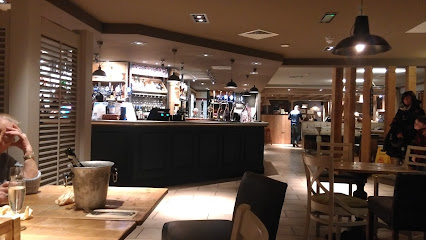
The Milford Arms
11.7 km
A welcoming traditional Welsh pub in Cartlett, Haverfordwest, blending hearty home-cooked meals with cozy rooms and friendly local charm.
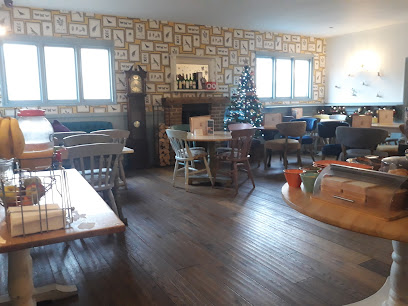
The Bristol Trader
11.9 km
Historic riverside pub and restaurant in Haverfordwest offering scenic dining, hearty classics, and lively events by the tranquil Cleddau River.
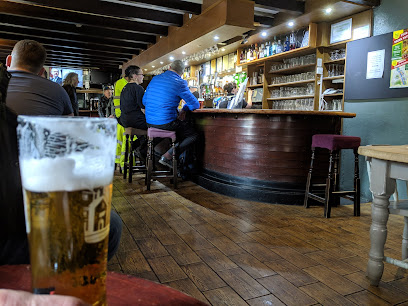
Labirynth
11.9 km
Experience Haverfordwest’s energetic nightlife at Labirynth Bar, a lively and affordable nightclub with a raw, unpretentious vibe.

Friars Vaults
11.9 km
Historic and welcoming pub in Haverfordwest serving hearty British fare with great value and a lively local atmosphere.
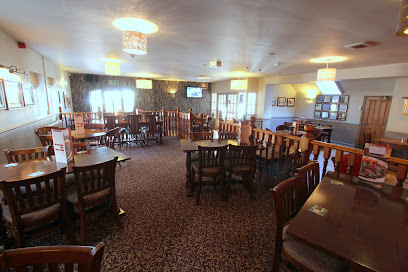
Tafarn Sinc.
12.0 km
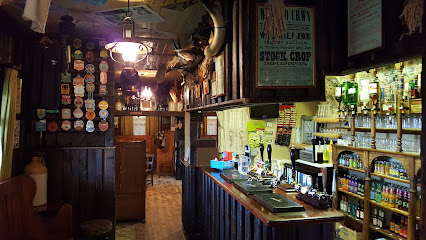
Historic community-owned pub in Rosebush offering a quirky atmosphere, diverse drinks, and vegan-friendly dining in scenic Pembrokeshire.
The Corner Piece Inn
12.3 km
Cozy dog-friendly pub in Rudbaxton serving hearty home-cooked meals and renowned Sunday roasts with warm, attentive hospitality.
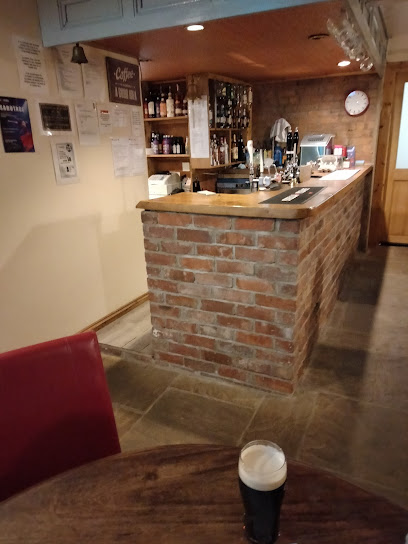
Stonemasons Arms
12.6 km
Cozy Welsh pub in Haverfordwest offering local ales, hearty meals, and a warm, welcoming atmosphere in the heart of Pembrokeshire.
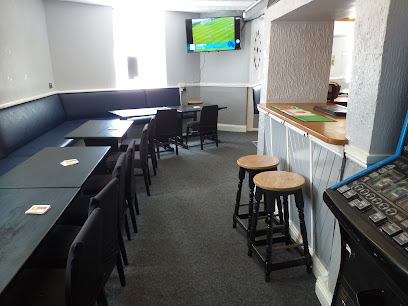
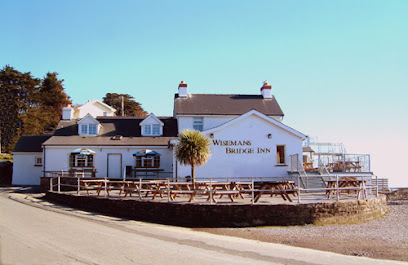
Wisemans Bridge Inn
13.4 km
Traditional Welsh coastal inn with a unique sitting room bar, beachside charm, and warm hospitality in the heart of Wisemans Bridge.
Templebar Inn
13.7 km
Charming seaside gastropub in Amroth offering hearty meals, stunning sea views, and a warm, dog-friendly atmosphere.
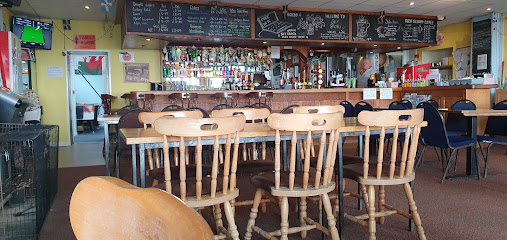
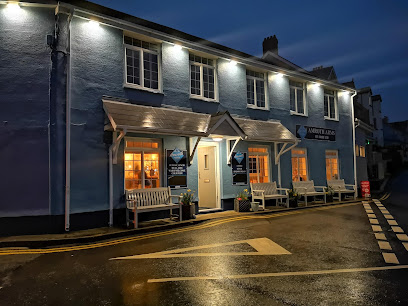
Amroth Arms
13.8 km
Charming seaside pub in Amroth with stunning coastal views, hearty local fare, and warm Welsh hospitality.
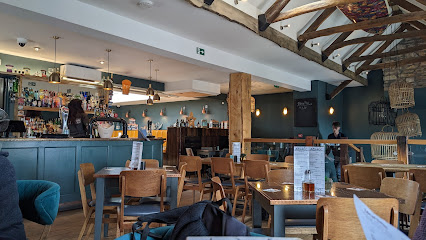
HARBWR Bar & Kitchen
14.0 km
Relaxed coastal dining with award-winning local ales and stunning harbour views in the heart of Saundersfoot.
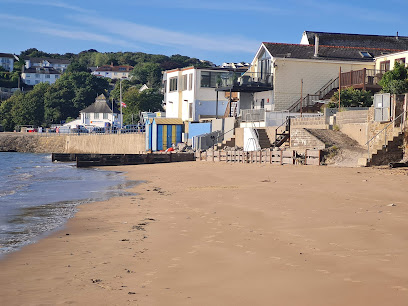
The Old Chemist Inn
14.0 km
Seaside charm meets hearty pub fare at The Old Chemist Inn, a friendly Saundersfoot spot with beach views and a welcoming atmosphere.
Nightclubs & after hour spots

Eddie Rocks
11.9 km
A vibrant multi-floor nightclub in Haverfordwest offering energetic nights, diverse music, and a welcoming atmosphere by the waterfront.

Sands Nightclub
14.1 km
Saundersfoot’s lively nightclub with dance, drinks, and a vibrant atmosphere near the beach.

Comlongon
16.7 km
Experience vibrant nightlife in the charming village of St Florence with Comlongon, Tenby’s energetic nightclub gem.
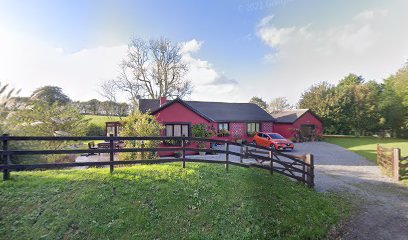
Prince Of Wales
18.0 km
Tenby’s iconic late-night nightclub blending lively music, classic charm, and a spirited atmosphere in the heart of Town Wall Arcade.
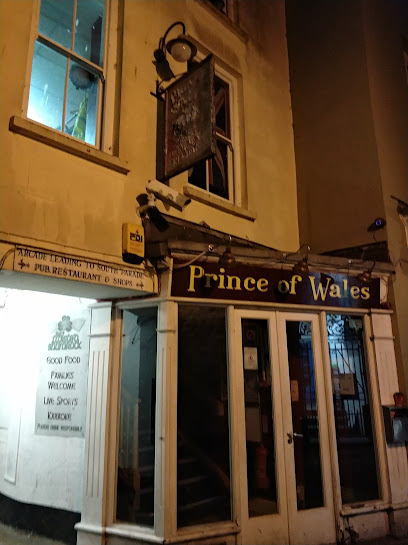
Paddles
18.2 km
Experience Pembroke’s vibrant nightlife at Paddles, the go-to nightclub for late-night music, drinks, and social energy in the town center.

Boulevard Show Bar
20.5 km
Experience vibrant cabaret, live shows, and lively nightlife at Boulevard Show Bar, Milford Haven’s premier entertainment venue.
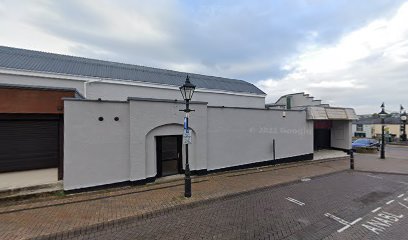
The Basement
20.6 km
Discover the energetic nightlife of Milford Haven at The Basement, where music, dancing, and vibrant gatherings create unforgettable experiences.
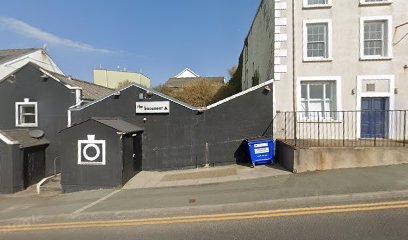
Savannah's Night Club
33.6 km
Experience Carmarthen’s vibrant nightlife at Savannah's Night Club—where music, dance, and stylish vibes create unforgettable Saturday nights.
The Cliff Hotel & Spa
33.8 km
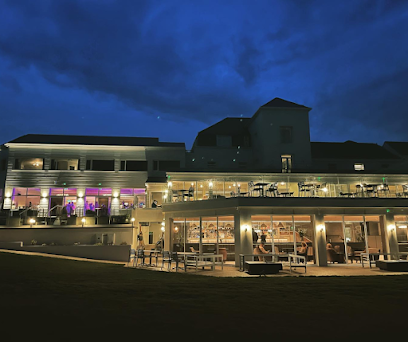
Discover unparalleled relaxation and coastal beauty at The Cliff Hotel & Spa, where luxury meets adventure in Cardigan, Wales.
The Gremlin Club
33.9 km
Vibrant nightlife and lively open mic nights in the heart of Carmarthen’s social scene.

Club Mambo
34.0 km
Discover the energetic vibe of Club Mambo, a lively bar in Carmarthen offering delicious drinks and an unforgettable nightlife experience.

Lucifer's Nightlife
34.0 km
Experience Carmarthen's vibrant nightlife and fast food fusion at Lucifer's Nightlife, where music, dancing, and late-night bites come alive on Queen Street.

The Rainbow Rooms Bar & Club
55.3 km
Experience lively nights and vibrant music at The Rainbow Rooms Bar & Club, Gorseinon’s premier destination for unforgettable nightlife.

Sin City
62.6 km
Energetic Swansea nightclub with live music, affordable drinks, and a lively atmosphere on Dillwyn Street.

Cuba Escape
62.7 km
Experience Swansea’s vibrant nightlife at Cuba Escape, where live music, energetic crowds, and a colorful atmosphere come together for unforgettable nights.

For the vibe & atmosphere seeker
- Scenic
- Tranquil
- Unique
- Adventurous
For the design and aesthetic lover
- Rustic Designs
- Historic
For the architecture buff
- Historic
- Landmarks
- Viewpoints
For the view chaser and sunset hunter
- Iconic Views
- Panoramas
For the social media creator & influencer
- Photo Spots
- Architectural Shots
For the eco-conscious traveler
- Protected Area
- Low Impact
- Locally Managed
For the kind of experience you’re after
- Cultural Heritage
- Photowalk
- Nature Escape
- Day Trip
For how adventurous you want the journey to be
- Easy Access
- Requires Hike
Location Audience
- Family Friendly
- Senior Friendly
- Solo Friendly
- Couple Friendly
- Pet Friendly


