Fishguard Fort, Pembrokeshire Travel Guide
Historic 18th-century coastal fort overlooking Fishguard Bay, key to Britain’s last invasion and Welsh maritime defense.
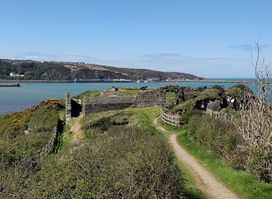
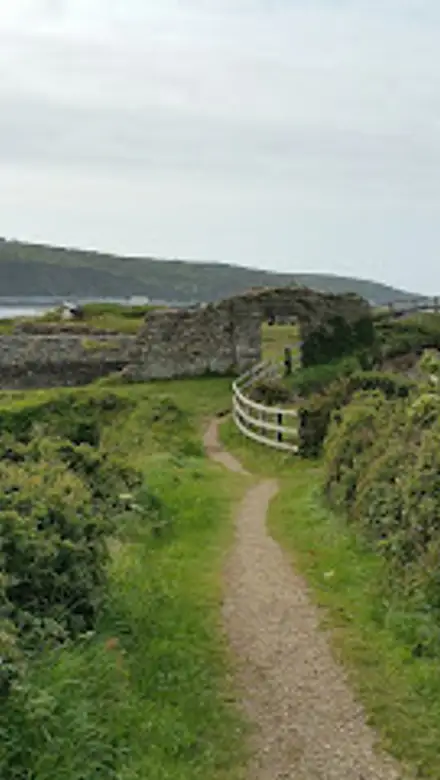
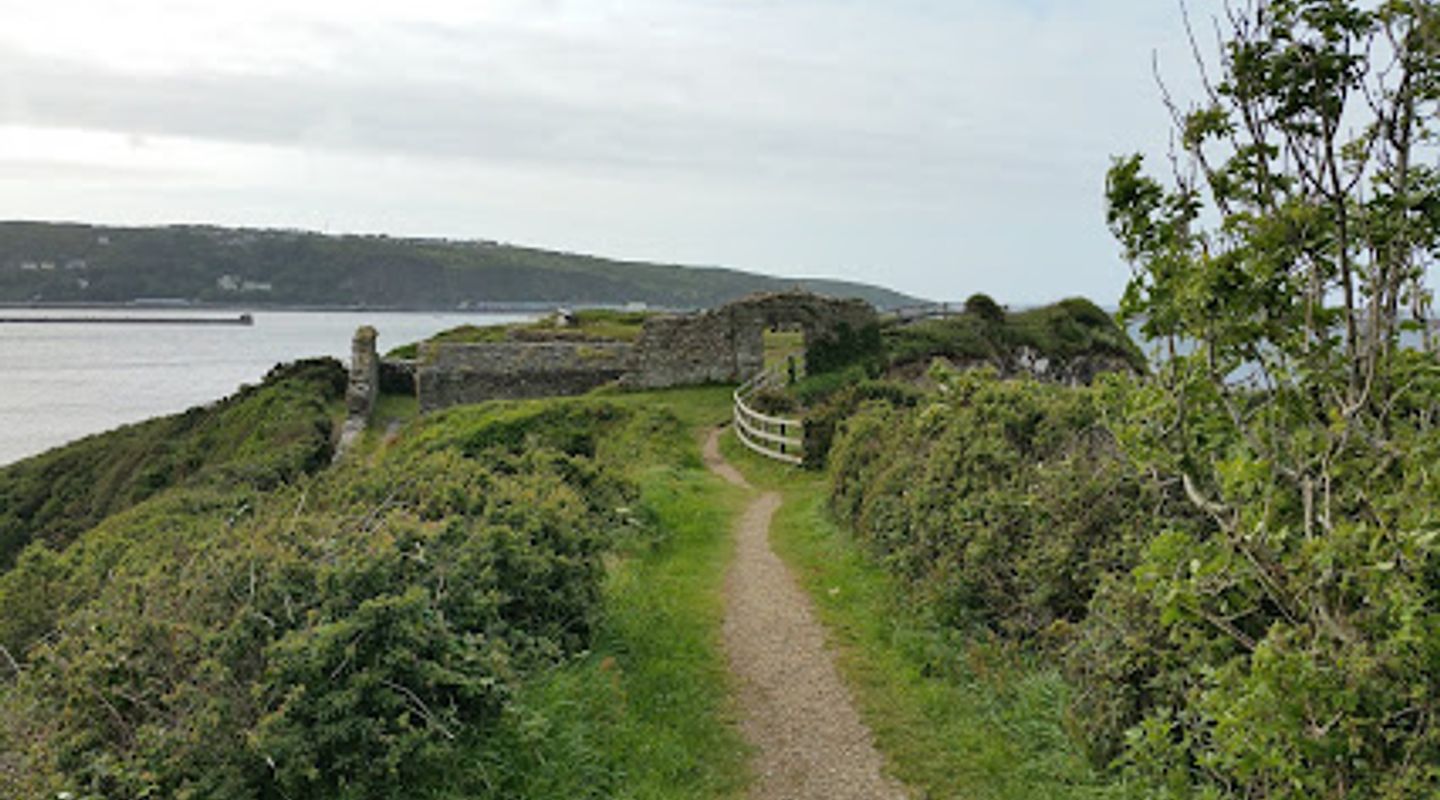
Fishguard Fort is an 18th-century coastal artillery fort perched on a headland overlooking Fishguard Bay in Pembrokeshire, Wales. Built between 1781 and 1783 to defend the bustling port town from privateers and foreign invasions, it played a key role during the Last Invasion of Britain in 1797. Today, the fort’s stone remains and reconstructed cannon emplacements offer panoramic views and a tangible connection to Welsh maritime history.
A brief summary to Fishguard Fort
- Fishguard, GB
- Click to display
- Duration: 0.5 to 2 hours
- Free
-
 Outdoor
- Mobile reception: 4 out of 5

Know before you go
Hi, I'm Eve. Here are a few practical things to know before exploring Fishguard Fort.
- Visit during clear weather for the best panoramic views across Fishguard Bay and Goodwick harbour.
- Wear sturdy footwear for the coastal path walk from the car park to the fort ruins.
- Bring a camera to capture the historic cannon emplacements and scenic coastal landscapes.
- Check local tide times to see the medieval fish traps visible in the bay at low tide.
Do you manage this location?
Take control to get all the benefits, like improved information, better appearance, and stronger visibility across AI-powered discovery. Learn more about listing your business on Evendo
Activate your presenceOther nearby places you may find interesting
The closest places of the same kind, if this one is not quite what you had in mind.

Explore Fishguard Fort on the Map
A handpicked selection of must-see spots near Fishguard Fort, mapped for you.
Getting There
-
Bus
Take the local bus service from Fishguard town center to the Newport area, which runs approximately every 30 minutes. From the bus stop, a 10-minute walk uphill leads to the car park near Fishguard Fort. Tickets cost around £2-£4 one way.
-
Car
Drive from Fishguard town center to the Newport side of Fishguard, where a small car park is available near the fort. The drive takes about 10 minutes. Parking is free but limited in spaces.
-
Walking
For active visitors, a scenic 30-40 minute walk along the Pembrokeshire Coast Path from Fishguard town center to the fort offers coastal views and gentle terrain. Suitable for most fitness levels but includes some uphill sections.
For the on-the-go comforts that matter to you
-
 Restrooms
-
 Seating Areas
-
 Trash Bins
-
 Information Boards
Discover more about Fishguard Fort
The Strategic Birth of Fishguard Fort
Fishguard Fort was constructed in the early 1780s in response to escalating threats from American privateers and French naval forces during the American War of Independence. The prosperous port of Fishguard, vital for herring trade and other maritime commerce, had suffered attacks, notably from the American ship Black Prince under French commission. Following a bold attack and ransom demand in 1779, the townspeople petitioned the Privy Council for artillery support. The council agreed on condition that the locals build a fort to house the cannons. Completed in 1781 on Castle Point, the fort measured roughly 30 by 25 meters, built of stone, and armed with eight nine-pounder cannons manned by a mix of London gunners and local volunteers.Role in the Last Invasion of Britain
Fishguard Fort’s most famous moment came during the French invasion attempt of 1797, known as the Last Invasion of Britain. When a French fleet of about 1,400 men entered Fishguard Harbour, the fort’s gunners fired warning shots—blanks—deterring the fleet from landing directly at the town. Instead, the French landed a few miles west at Carreg Wastad. The local militia, bolstered by civilians including women in traditional Welsh dress, quickly mobilized, creating a psychological advantage that contributed to the French surrender within days. Although the fort itself saw limited direct combat, its presence was a crucial part of the coastal defense network and a symbol of local resilience.Later Military Uses and Preservation
After the Napoleonic Wars, the fort gradually fell into disrepair as its strategic necessity waned. However, it was reactivated during the Second World War as a lookout and searchlight battery to protect against German seaplane attacks attempting to mine the harbour. Concrete bases of wartime Nissen huts remain visible today. Coastal erosion has claimed parts of the original structure, but Fishguard Fort remains a scheduled monument and Site of Special Scientific Interest, reflecting its cultural and environmental importance.Exploring the Fort Today
Visitors to Fishguard Fort can explore the ruins and cannon emplacements while enjoying sweeping views across Fishguard Bay and towards Goodwick harbour. The fort is accessible via a short walk from a nearby car park on the Newport side of Fishguard, situated along the Pembrokeshire Coast Path. The peaceful setting invites reflection on centuries of maritime history and local defense. While original cannons are no longer present, replicas help convey the fort’s former military role.Local Legends and Cultural Significance
The fort and its surrounding area are steeped in local lore, including stories of the French mistaking Welsh women in traditional costume for British soldiers, which helped hasten the invaders’ surrender. Fishguard’s name derives from Norse origins meaning 'fishtrap,' referencing medieval fishing techniques still visible at low tide. The fort stands as a testament to the community’s determination to protect their home and heritage through turbulent historical periods.Natural and Historical Context
Set against the dramatic backdrop of the Pembrokeshire coastline, Fishguard Fort is part of a wider landscape rich in archaeological and natural heritage. Nearby sites include Iron Age hill forts and medieval castles, while the coastal environment supports diverse wildlife and is protected under conservation designations. This blend of history and nature makes Fishguard Fort a compelling destination for those interested in Welsh culture, military history, and scenic coastal walks.












Your all‑in‑one travel companion app
Explore expert travel guides, compare and book tours, experiences, hotels, and more—all from the palm of your hand. Download now for seamless trip planning wherever your wanderlust takes you.


Explore More of Pembrokeshire
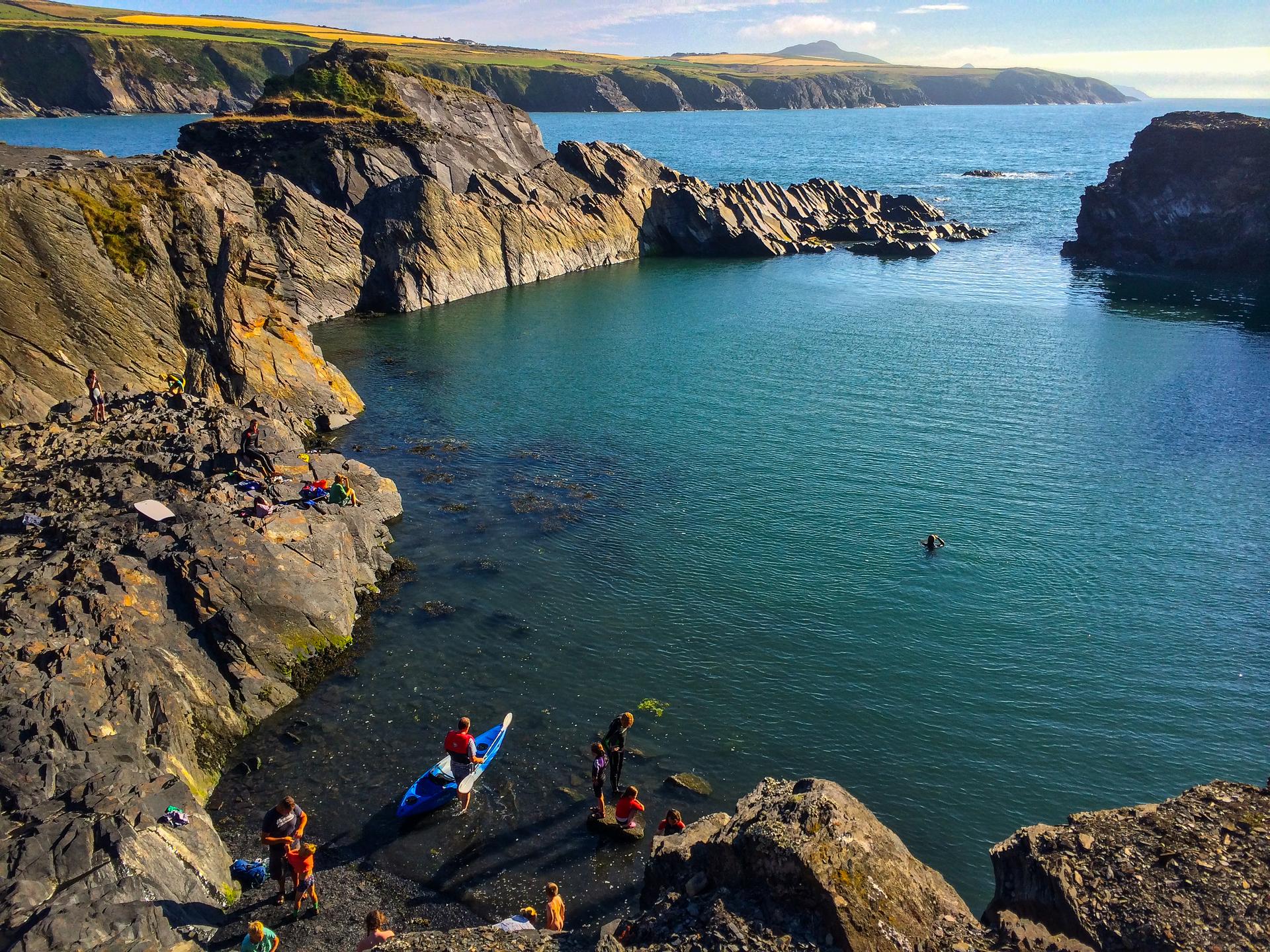
Looking beyond Fishguard Fort? Discover Pembrokeshire for broader travel guides, local hot-spots, and regional highlights.
Explore Pembrokeshire