
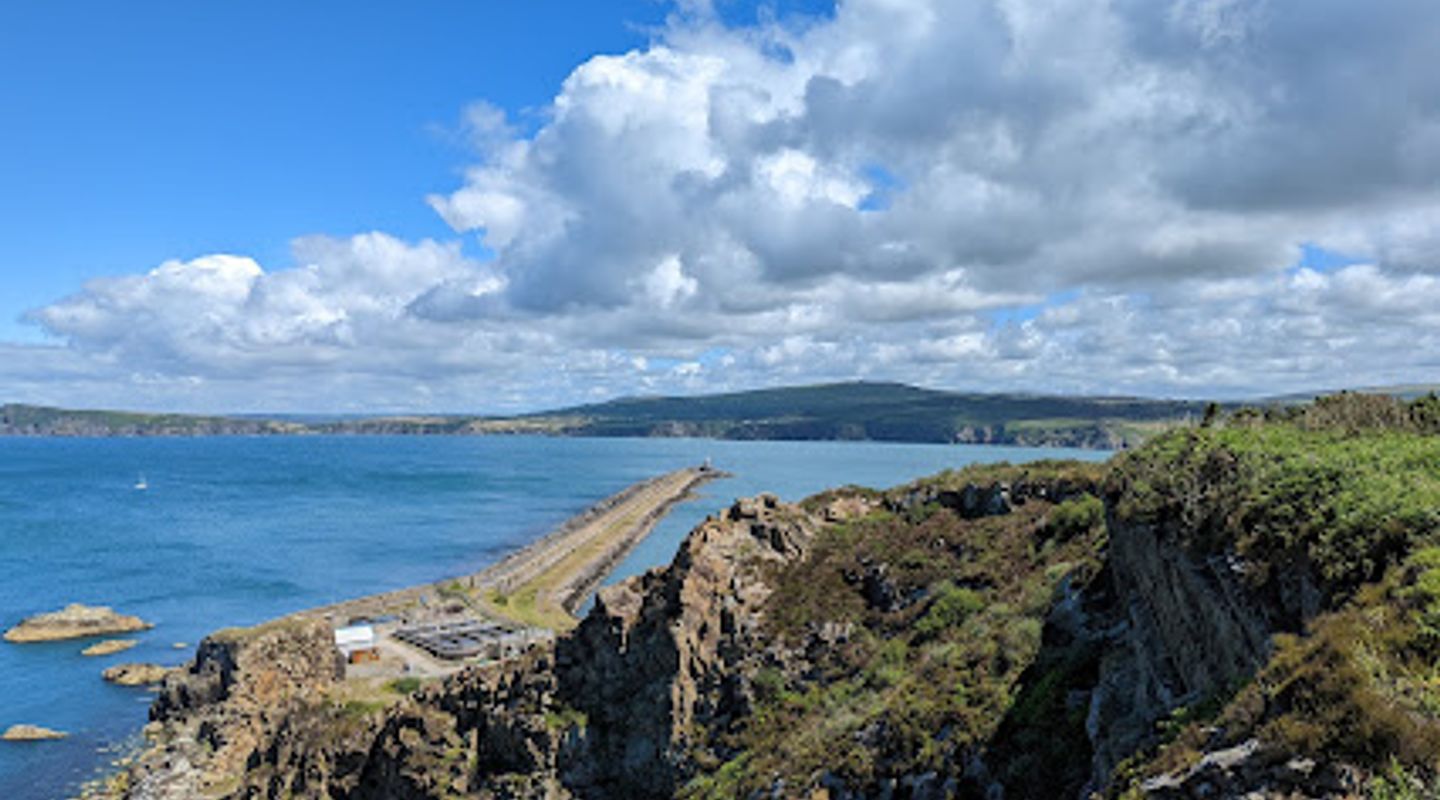
Garn Wen, Pembrokeshire Travel Guide
Explore the evocative Neolithic burial chambers of Garn Wen, a serene prehistoric site nestled in Goodwick’s historic landscape.
Garn Wen is a remarkable Neolithic site in Goodwick, Pembrokeshire, featuring three well-preserved chambered tombs dating from around 4400 to 2900 BC. These ancient burial chambers, set beside a rocky outcrop overlooking Fishguard harbour, offer a rare glimpse into prehistoric funerary practices and Welsh heritage. Despite their proximity to modern houses, the site retains a mysterious and evocative atmosphere.
A brief summary to Garn Wen
- 47 Harbour Village, Goodwick, SA64 0DY, GB
- Click to display
- Duration: 0.5 to 1.5 hours
- Free
-
 Outdoor
- Mobile reception: 4 out of 5

Know before you go
Hi, I'm Eve. Here are a few practical things to know before exploring Garn Wen.
- Visit in dry weather to safely explore inside the chambers and avoid slippery surfaces.
- Wear sturdy footwear due to uneven terrain and possible debris along the public footpath.
- Bring a camera to capture the contrast of ancient stones against the modern housing backdrop.
- Respect the site’s archaeological importance by not climbing on fragile stones or disturbing the area.
Do you manage this location?
Take control to get all the benefits, like improved information, better appearance, and stronger visibility across AI-powered discovery. Learn more about listing your business on Evendo
Activate your presenceOther nearby places you may find interesting
The closest places of the same kind, if this one is not quite what you had in mind.
Explore Garn Wen on the Map
A handpicked selection of must-see spots near Garn Wen, mapped for you.
Getting There
-
Public Bus
Take the local bus service from Fishguard town center to Goodwick, which runs approximately every 30 minutes. The journey takes about 15-20 minutes. From the bus stop, a 10-minute walk along a public footpath leads to the site. Tickets cost around £3-£5 one way.
-
Car
Driving from Fishguard or nearby towns takes about 10-15 minutes. Limited street parking is available near Harbour Village in Goodwick. Note that the site is accessed via a footpath behind residential houses, so park considerately. There is no dedicated parking lot.
-
Walking
For those staying in Goodwick or Fishguard, a 30-40 minute walk along coastal and village paths offers a scenic approach. Terrain is uneven in places and includes footpaths through residential areas, so sturdy shoes are recommended.
For the on-the-go comforts that matter to you
-
 Information Boards
Discover more about Garn Wen
Ancient Origins and Archaeological Significance
Garn Wen is a Neolithic chambered tomb complex dating from approximately 4400 to 2900 BC, representing some of the earliest monumental funerary architecture in southwest Wales. The site comprises three main burial chambers, sometimes referred to as cromlechs, which are partially rock-cut and partially constructed with large upright stones supporting massive capstones. These tombs were used for collective burials, reflecting complex prehistoric rituals and social structures during the Neolithic period.Distinctive Features of the Burial Chambers
The southernmost chamber, locally known as Carreg Samson, is the largest and best-preserved. It features a white quartz capstone measuring roughly 10 by 6 feet, supported on three upright stones, with additional stones nearby that may have served as gateposts or supports. The middle and northern chambers are smaller but still impressive, with the northern chamber’s capstone covered in ivy and the middle chamber resting near a prominent rock outcrop. The chambers are set in a line spanning about 50 meters along the eastern side of a fissured serpentine rock outcrop.The Site’s Setting and Modern Context
Garn Wen lies just behind a row of houses in Goodwick, creating a striking contrast between ancient and modern life. The site overlooks the sheltered bay of Fishguard harbour, offering scenic views that would have been significant to its builders. Though once overgrown and neglected, the area is now accessible via a public footpath, though visitors should be aware of uneven terrain and occasional debris. The site’s understated setting belies its archaeological importance and the mysteries it holds about prehistoric life in Wales.Historical Accounts and Interpretations
Historical descriptions from the early 19th century note the presence of rocking stones and multiple cromlechs, suggesting Garn Wen was once part of a larger ceremonial landscape. Archaeological surveys have debated whether the chambers were covered by individual round barrows or a single mound, but current surface evidence supports separate small barrows. The site may have originally included additional tombs, some now lost or demolished, indicating a more extensive Neolithic cemetery.Visiting Garn Wen Today
Visitors to Garn Wen can explore the three main burial chambers, crawl beneath the capstones, and imagine the rituals performed thousands of years ago. The proximity to residential areas adds a unique dimension, reminding visitors of the continuity of human presence in the area. While the site is open year-round, it is best visited in dry weather to avoid slippery conditions inside the chambers. The surrounding landscape invites reflection on the deep history embedded in Pembrokeshire’s coastline.Preservation and Cultural Heritage
Garn Wen is a protected ancient monument, valued for its contribution to understanding Neolithic funerary customs and Welsh prehistoric heritage. Efforts to maintain the site focus on balancing public access with conservation, ensuring that this remarkable link to the distant past remains intact for future generations. The site’s quiet dignity and evocative atmosphere continue to inspire curiosity and respect for the ancient peoples who built it.












Your all‑in‑one travel companion app
Explore expert travel guides, compare and book tours, experiences, hotels, and more—all from the palm of your hand. Download now for seamless trip planning wherever your wanderlust takes you.


Explore More of Pembrokeshire

Looking beyond Garn Wen? Discover Pembrokeshire for broader travel guides, local hot-spots, and regional highlights.
Explore Pembrokeshire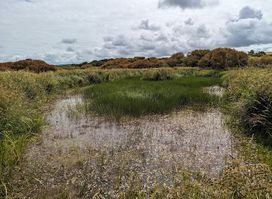
Explore one of Wales' largest floodplain wetlands, a tranquil haven for rare birds, mammals, and diverse wetland habitats in scenic Pembrokeshire.
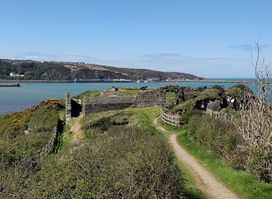
Historic coastal fort guarding Fishguard Bay, site of Britain’s last invasion and a gateway to stunning Pembrokeshire coastal walks.
