
Gilnockie Tower, Perthshire Travel Guide
Explore Gilnockie Tower, the restored 16th-century Border stronghold of the Armstrong Clan, rich with history, legend, and stunning rural views.
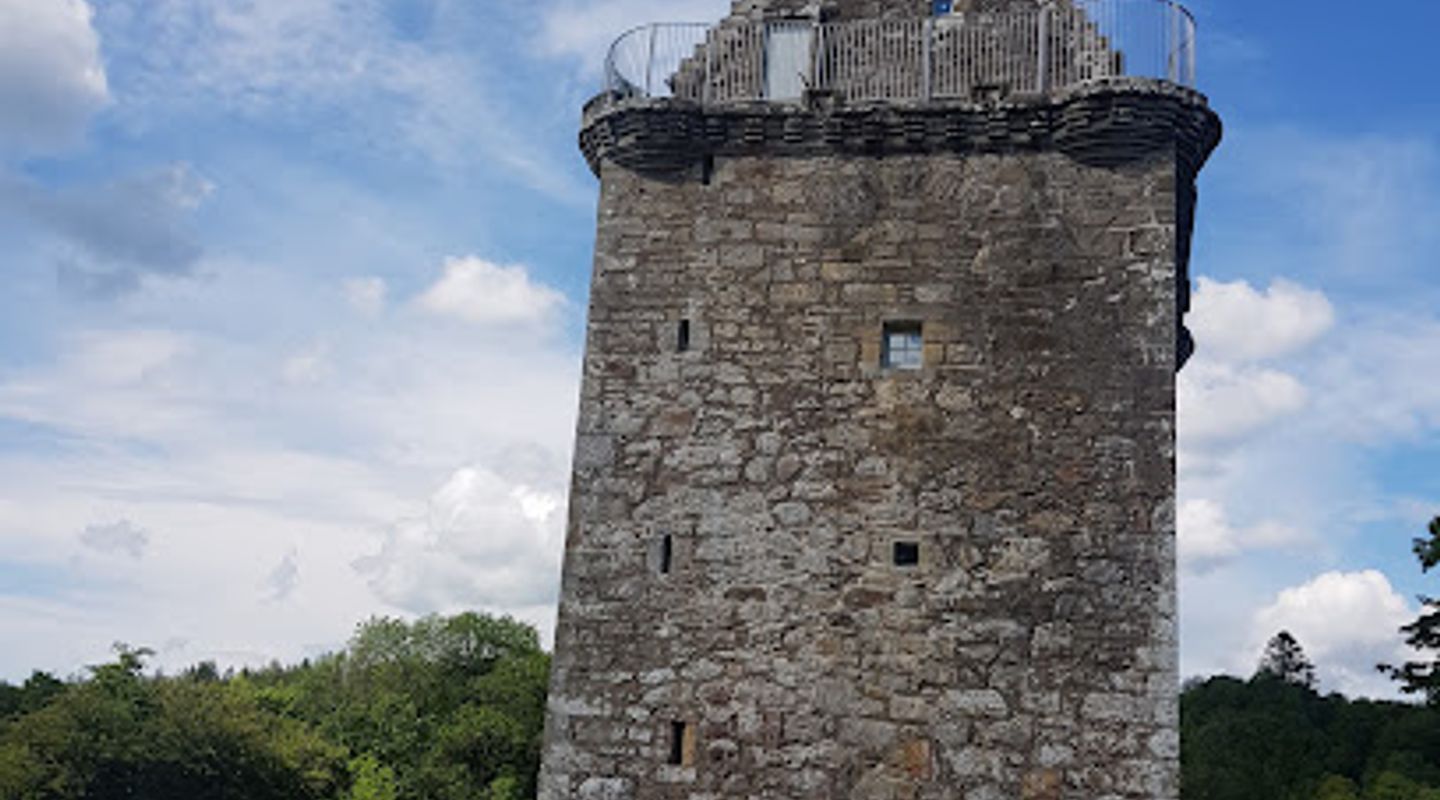
Gilnockie Tower, also known as Hollows Tower, is a restored 16th-century Scottish Border tower house near Canonbie, Dumfriesshire. Once home to the infamous Border Reiver Johnnie Armstrong, it stands on the west bank of the River Esk in the historic 'Debatable Lands.' The tower now houses the Clan Armstrong Centre and museum, featuring artefacts and exhibits that celebrate the clan’s turbulent history and legacy. Visitors can explore its vaulted chambers, grand hall, and spiral staircases, all set in tranquil countryside steeped in legend.
A brief summary to Gilnockie Tower
- The Hollows, Canonbie, DG14 0XD, GB
- Click to display
- Click to display
- Duration: 1 to 2 hours
- Mid ranged
-
 Outdoor
- Mobile reception: 4 out of 5
- Monday 10 am-4 pm
- Tuesday 10 am-4 pm
- Wednesday 10 am-4 pm
- Thursday 10 am-4 pm
- Friday 10 am-4 pm
- Saturday 10 am-4 pm
- Sunday 10 am-4 pm

Know before you go
Hi, I'm Eve. Here are a few practical things to know before exploring Gilnockie Tower.
- Book a guided tour to fully appreciate the detailed history and artefacts of the Clan Armstrong Centre.
- Wear sturdy footwear for climbing the spiral staircase and rooftop walkway to enjoy panoramic views.
- Visit the onsite café in the barrel-vaulted undercroft for refreshments amid historic surroundings.
- Allow 1.5 to 2 hours to explore the tower, museum, and exhibits comfortably.
Do you manage this location?
Take control to get all the benefits, like improved information, better appearance, and stronger visibility across AI-powered discovery. Learn more about listing your business on Evendo
Activate your presenceOther nearby places you may find interesting
The closest places of the same kind, if this one is not quite what you had in mind.
Explore Gilnockie Tower on the Map
A handpicked selection of must-see spots near Gilnockie Tower, mapped for you.
Getting There
-
Car
Driving from central Canonbie, the tower is approximately a 5-minute drive (about 3 km) via the A7. Limited free parking is available near the site. Note that parking spaces are limited, so arriving early is recommended.
-
Bus
Local bus services connect Canonbie with nearby towns such as Langholm and Annan. From Canonbie, a taxi or a 30-minute walk along rural roads leads to Gilnockie Tower. Bus frequency varies, so check local timetables in advance.
-
Walking
For active visitors, a scenic 30-40 minute walk from Canonbie village to the tower follows quiet country lanes and footpaths. Terrain is mostly flat but may be muddy in wet weather, so suitable footwear is advised.
For the on-the-go comforts that matter to you
-
 Restrooms
-
 Drink Options
-
 Food Options
-
 Seating Areas
-
 Information Boards
-
 Visitor Center
Discover more about Gilnockie Tower
Historic Roots of a Border Stronghold
Gilnockie Tower, originally called Hollows Tower, was constructed around 1519-1520 in the lawless region known as the Debatable Lands, where the sovereignty between Scotland and England was contested. Built from cream sandstone rubble, this five-story pele tower was the fortified home of Johnnie Armstrong, a notorious Border Reiver famed for his daring raids and leadership. The tower witnessed violent episodes, including its burning by English forces in 1528 and Armstrong’s betrayal and execution by King James V in 1530. Despite repeated damage from raids, the tower was rebuilt with defensive features such as a parapet walkway and a beacon stance for signaling approaching threats.Architectural Features and Restoration
The tower exemplifies a Medieval Scottish Tower House with thick stone walls, vaulted chambers, and a spiral staircase connecting its floors. A remarkable feature is a large carved stone in the basement, believed to date back to the Bronze Age, bearing ancient spiral and key-like symbols. After centuries of ruin and abandonment, Gilnockie Tower underwent significant restoration starting in the late 20th century and again in major repairs completed in 2018. These efforts restored it to near its 16th-century appearance while meeting modern safety standards, allowing visitors to experience an authentic clan leader’s residence with a furnished Grand Hall and Master Bedroom.The Clan Armstrong Centre and Museum
Today, Gilnockie Tower serves as the Clan Armstrong Centre, showcasing the heritage and history of the Armstrong family and Border Reivers. The museum displays a vast collection of artefacts, including weaponry, personal items, and archival documents. A special section honors Neil Armstrong, the first man on the Moon, who traced his ancestry to the Armstrong clan and visited the tower in 1972. The centre offers an immersive journey through 500 years of turbulent border history, highlighting the clan’s resilience and cultural significance.Setting and Surroundings
Situated on the west bank of the River Esk, the tower is surrounded by peaceful rural landscapes that contrast with its violent past. The nearby earthworks of Gilnockie Castle, located just 500 meters southeast, hint at earlier medieval fortifications in the area. The tranquil environment today invites reflection on the harshness of Border life centuries ago. The site includes visitor amenities such as a café and gift shop housed in the tower’s barrel-vaulted undercroft, originally used for storage and livestock.Visitor Experience and Significance
Visitors to Gilnockie Tower can explore the historic rooms, climb the spiral staircase to the rooftop walkway for panoramic views, and engage with the stories of the Border Reivers through guided tours and audio guides. The tower’s designation as a Category A listed building underscores its architectural and historical importance. It stands as one of the finest examples of a 16th-century Scottish Tower House and a symbol of the turbulent Anglo-Scottish border history.Legacy of the Border Reivers
The Armstrongs were among the most powerful families in the Border Reivers era, a time marked by clan feuds, raids, and shifting allegiances. The tower embodies this legacy, telling tales of survival and defiance, including Johnnie Armstrong’s famous last words before his execution. The clan’s history is intertwined with broader Scottish and English politics, and Gilnockie Tower remains a focal point for those interested in this dramatic period. Its preservation allows visitors to connect with a vivid chapter of Scotland’s past.












Your all‑in‑one travel companion app
Explore expert travel guides, compare and book tours, experiences, hotels, and more—all from the palm of your hand. Download now for seamless trip planning wherever your wanderlust takes you.


Explore More of Perthshire
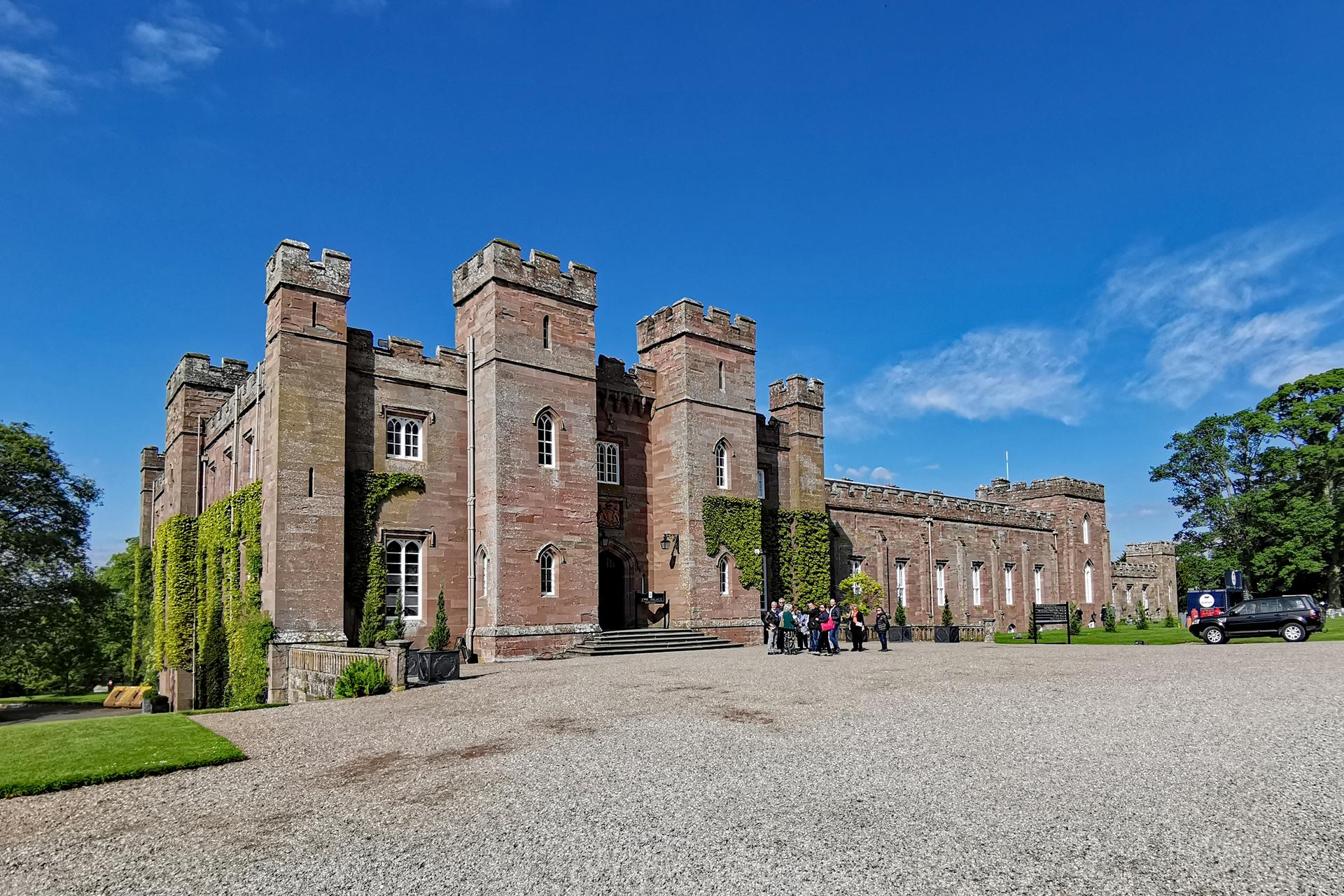
Looking beyond Gilnockie Tower? Discover Perthshire for broader travel guides, local hot-spots, and regional highlights.
Explore Perthshire
Explore Hermitage Castle, a haunting 14th-century fortress guarding Scotland’s bloodiest valley with tales of treason, romance, and relentless border wars.

Explore the heart-shaped Courtship Maze in Gretna Green, a playful and romantic symbol of love’s journey in the UK’s iconic wedding village.
