
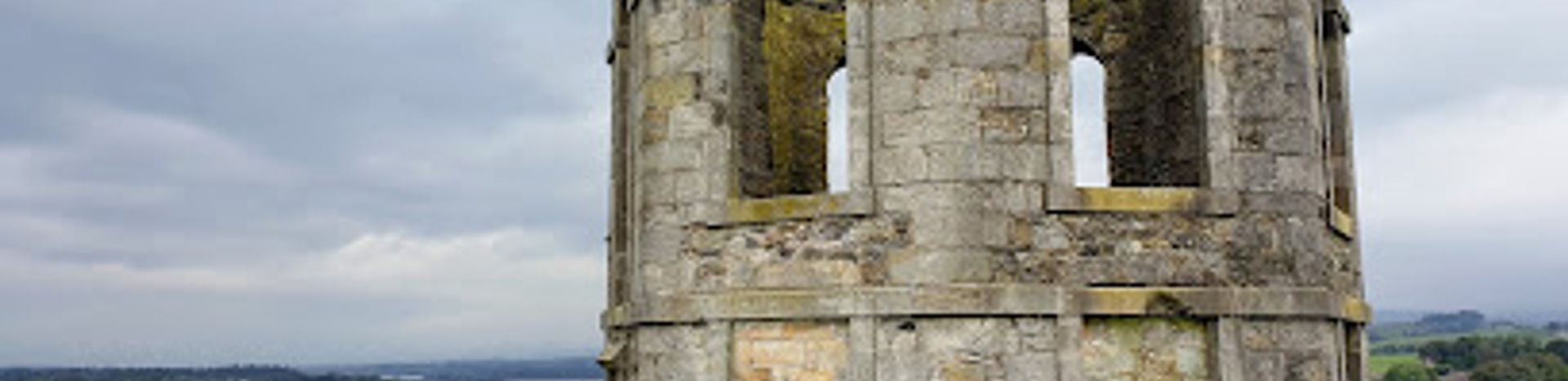
Kenmure Hill Temple: Historic Folly Overlooking Castle Semple Loch
An evocative 18th-century octagonal folly offering stunning views over Castle Semple Loch and Renfrewshire’s historic landscape.
Kenmure Hill Temple is an evocative octagonal stone ruin perched atop Kenmure Hill near Johnstone, Scotland. Built in the 18th century as a landscape folly on the former Clan Semple estate, it offers spectacular panoramic views over Castle Semple Loch and the surrounding Renfrewshire countryside. The site blends historical intrigue with tranquil natural beauty, making it a compelling destination for history buffs and nature lovers alike.
A brief summary to Kenmure Hill Temple
- Johnstone, GB
- Duration: 1 to 3 hours
- Free
-
 Outdoor
- Mobile reception: 4 out of 5
- Monday 12 am-12 am
- Tuesday 12 am-12 am
- Wednesday 12 am-12 am
- Thursday 12 am-12 am
- Friday 12 am-12 am
- Saturday 12 am-12 am
- Sunday 12 am-12 am
Local tips
- Visit on a clear day to fully enjoy panoramic views over Castle Semple Loch and the surrounding countryside.
- Wear sturdy footwear as trails can be muddy and uneven, especially after rain.
- Combine your visit with a walk to nearby Castle Semple Collegiate Church and other estate landmarks.
- Bring a camera for capturing the temple’s unique octagonal structure and scenic vistas.

For the on-the-go comforts that matter to you
- Restrooms
- Drink Options
- Food Options
- Seating Areas
- Information Boards
- Visitor Center
Getting There
-
Public Bus
Take the Stagecoach bus service from Johnstone town center to Lochwinnoch, approximately 20-30 minutes. From Lochwinnoch, a moderate 3 km walk on marked trails leads to Kenmure Hill Temple through Clyde Muirshiel Regional Park. Bus fares range from £3 to £5 one way. Service frequency varies, so check schedules in advance.
-
Car
Driving from Johnstone to the Castle Semple Visitor Centre near Lochwinnoch takes about 15 minutes. Parking is available at the Visitor Centre for a small fee of around £2-£4. From there, follow the walking trails to Kenmure Hill Temple, a 2-3 km moderate hike. Note that parking can be limited during peak seasons.
-
Walking
For experienced walkers, a 5.5-mile (8.9 km) circular route starts and ends at Castle Semple Visitor Centre, passing through woodland, open hills, and estate landmarks including the temple. The terrain includes grassy and dirt trails, which can be muddy when wet. Allow 2-3 hours for the full walk.
Kenmure Hill Temple location weather suitability
-
 Any Weather
-
 Rain / Wet Weather
-
 Clear Skies
-
 Mild Temperatures
Discover more about Kenmure Hill Temple
A Storied Landmark on Kenmure Hill
Kenmure Hill Temple stands as a striking octagonal ruin crowning Kenmure Hill, a prominent feature of the historic Castle Semple estate in Renfrewshire. Constructed in the early 18th century, shortly after the building of Castle Semple House, the temple was originally conceived as a folly—a decorative architectural feature designed to enhance the landscape. Its octagonal form and stone construction give it a distinct silhouette visible for miles around. Though roofless today, the structure once included a fireplace and chimney, suggesting it was used as a sheltered retreat in all seasons.Historical Context and Purpose
The temple was built by Captain William McDowall, the estate owner, in the 1770s. While its exact original function remains somewhat mysterious, local lore and historical research propose several theories: it may have served as a viewing pavilion for the aristocracy to enjoy the deer park and loch vistas, a meeting place before hunts, or even a romantic trysting spot. The temple’s design, including blocked lower windows and ornate carvings at certain levels, hints at a carefully planned social and aesthetic role within the Georgian-era designed landscape.Scenic Vistas and Natural Surroundings
From its elevated position, Kenmure Hill Temple commands breathtaking views over Castle Semple Loch, the surrounding lochs, and the rolling Renfrewshire countryside. The hill itself is encircled by a traditional deer dyke, a stone-faced boundary ditch known as a ha-ha, cleverly designed to keep deer enclosed without disrupting sightlines. Visitors can appreciate the harmony of natural and man-made beauty, with the temple acting as a focal point amid wooded trails, open fields, and water bodies.Access and Walking Trails
The temple is accessible via a moderate hike through Clyde Muirshiel Regional Park, Scotland’s largest regional park. Trails include a mix of grassy paths, whin dust trails, and some tarmac sections. Visitors often start from Castle Semple Visitor Centre and follow routes that pass other estate features like the Collegiate Church and cascades. The walk offers a rewarding blend of woodland, open hilltop, and historical landmarks, with the temple as a highlight.Architectural and Cultural Significance
As a folly, Kenmure Hill Temple exemplifies 18th-century landscape design trends where ornamental buildings were integrated into estates to create picturesque scenes. Its octagonal shape is unusual and visually compelling, contributing to its status as a local landmark. The temple also connects visitors to the legacy of the Clan Semple, whose ancestral lands shaped much of the area’s history and culture.Preservation and Visitor Experience
Though now a ruin, the temple remains a protected historical site within the park. Its evocative remains invite contemplation of past eras and the relationship between nature and architecture. Visitors often find the site peaceful and inspiring, enhanced by the sweeping views and the quiet of the surrounding landscape. The temple’s location and setting encourage photography, reflection, and a sense of connection to Scotland’s heritage.Iconic landmarks you can’t miss

Coats Paisley
9.9 km
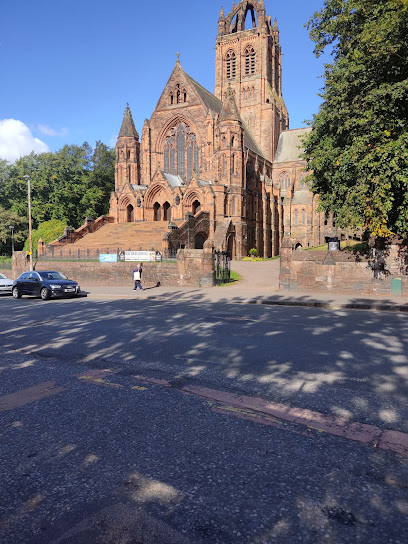
Historic wedding and events venue on Paisley’s High Street, blending heritage charm with cinematic interiors and versatile celebration spaces.
Walkinshaw Brickworks
10.2 km
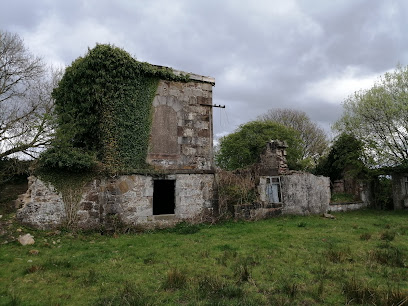
Explore the historic site of Walkinshaw Brickworks, a cornerstone of Renfrew’s industrial past and Scottish brickmaking heritage.
Paisley Town Hall
10.6 km
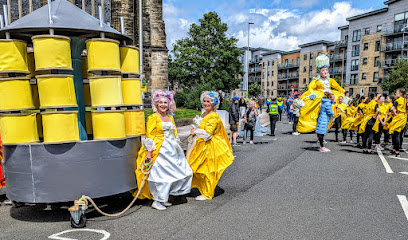
A majestic Victorian landmark at Paisley’s heart, blending historic grandeur with vibrant arts, events, and festive celebrations.

Renfrewshire House
10.7 km
Explore the architectural beauty and rich history of Renfrewshire House, a key landmark in the vibrant town of Paisley, Scotland.
Blantyre Monument
12.8 km
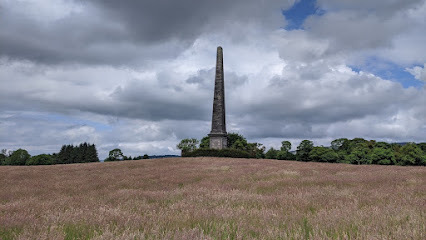
An 80-foot obelisk in Bishopton honoring Major-General Robert Walter Stuart, the 11th Lord Blantyre, and his Napoleonic War legacy.
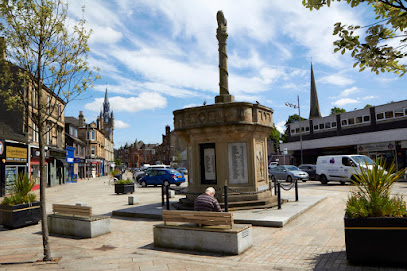
Renfrew War Memorial
14.0 km
A dignified Scottish mercat cross memorial in Renfrew honoring the brave who served and sacrificed in world conflicts.
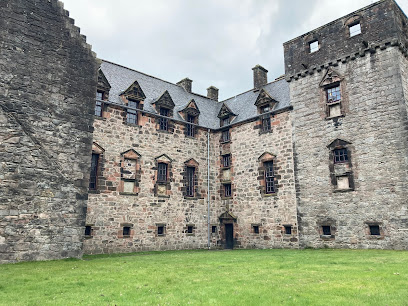
Historic Scotland
15.2 km
Discover the architectural beauty and historical significance of Historic Scotland in Port Glasgow, a perfect destination for history enthusiasts and nature lovers alike.
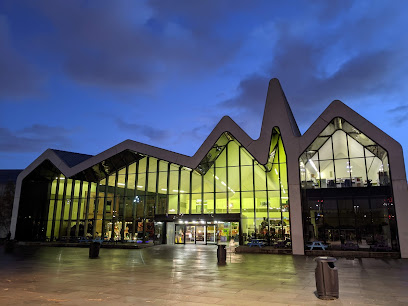
Riverside Museum
18.1 km
Uncover Glasgow's maritime legacy at the stunning Riverside Museum, showcasing transport history and unique artifacts along the River Clyde.
Greenock Cut Visitor Centre
18.1 km
Experience the beauty of Scotland's landscapes and rich history at the Greenock Cut Visitor Centre, your gateway to adventure and natural wonders.
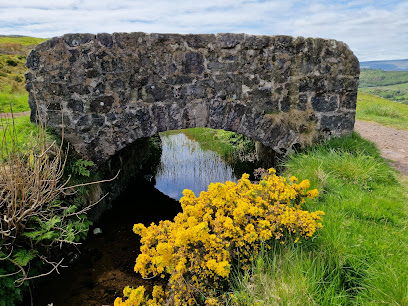
Whitelee Windfarm Visitor Centre
18.3 km
Explore the beauty and innovation of renewable energy at the Whitelee Windfarm Visitor Centre, a unique destination for eco-conscious travelers near Glasgow.
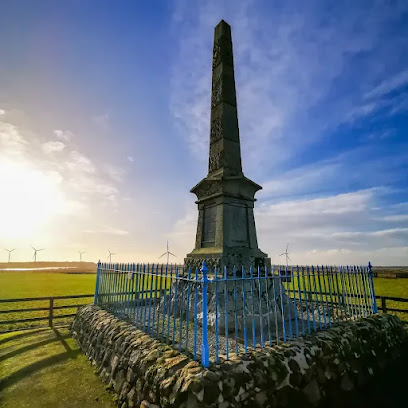
Maxwell Park
18.3 km
Experience the tranquility of Maxwell Park in Glasgow’s South Side, a perfect escape for nature lovers and families alike.
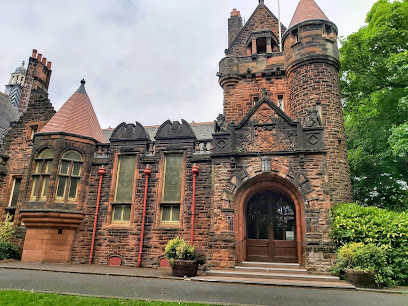
Geilston Garden
18.4 km
Explore the serene beauty of Geilston Garden, a botanical paradise filled with vibrant flowers and peaceful landscapes in Scotland.
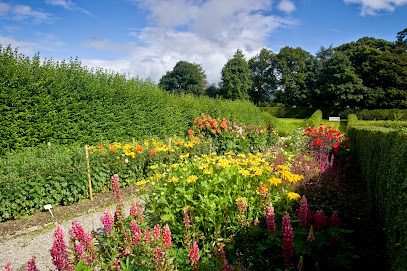
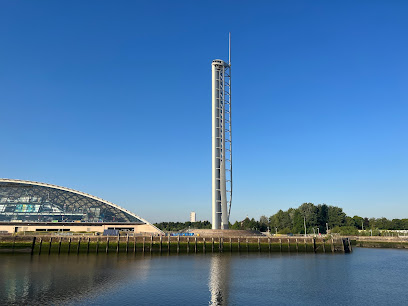
Glasgow Science Centre Tower
18.4 km
Explore the Glasgow Science Centre Tower for breathtaking views and interactive science exhibits, perfect for families and curious minds.
Newlands Park
18.5 km
Experience the beauty and tranquility of Newlands Park, Glasgow's serene green space perfect for relaxation and outdoor activities.

Glasgow Science Centre
18.6 km
Explore the exciting world of science and technology at Glasgow Science Centre, a must-visit destination for curious minds and families alike.

Unmissable attractions to see

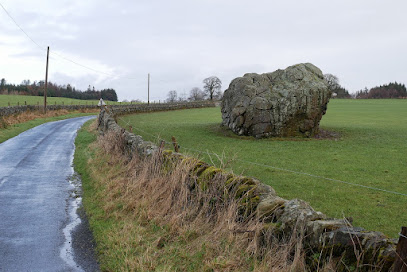
Clochoderick Stone
1.5 km
Explore the ancient mysteries of Clochoderick Stone, a historical landmark in Johnstone, Scotland, surrounded by scenic beauty and rich folklore.
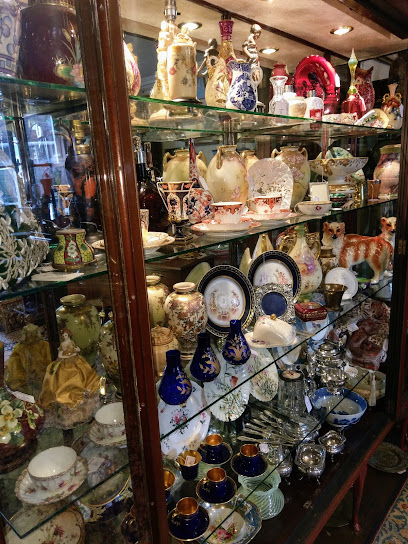
Gardners Antiques
2.5 km
Discover timeless antiques in the charming historic village of Kilbarchan at Gardners Antiques, a treasure trove set in a unique and beautiful setting.
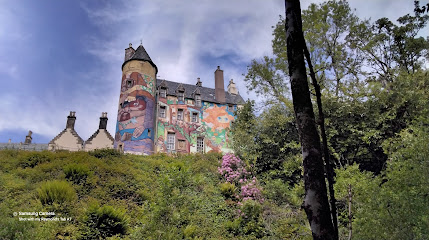
Clyde Muirshiel Regional Park
3.0 km
Explore Scotland’s largest regional park with scenic hills, lochs, wildlife, and family-friendly trails in a tranquil natural setting.
Castle Semple Country Park
3.2 km
Explore tranquil loch shores, woodland trails, and inclusive outdoor adventures in Scotland’s scenic Castle Semple Country Park.
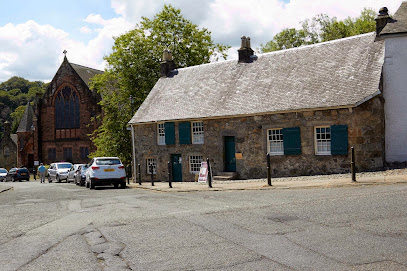
Weaver's Cottage
3.3 km
Step back into 18th-century Kilbarchan to explore the last working handloom and rich weaving heritage at Weaver’s Cottage.
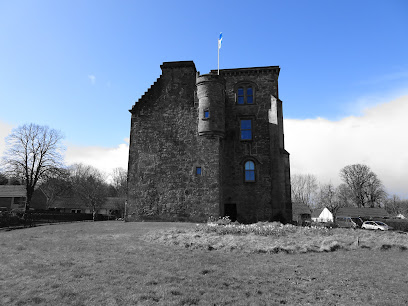
Johnstone Castle
4.8 km
Explore the captivating Johnstone Castle, a historical landmark that embodies Scotland's rich heritage and breathtaking natural beauty.
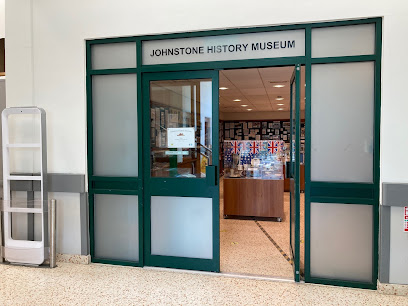
Johnstone History Museum
5.2 km
Discover Johnstone’s rich industrial and social heritage in a unique museum nestled inside a local supermarket.
William Wallace Monument & Birthplace - Elderslie
6.3 km
Discover the traditional birthplace of Scotland’s legendary hero Sir William Wallace in the historic village of Elderslie.
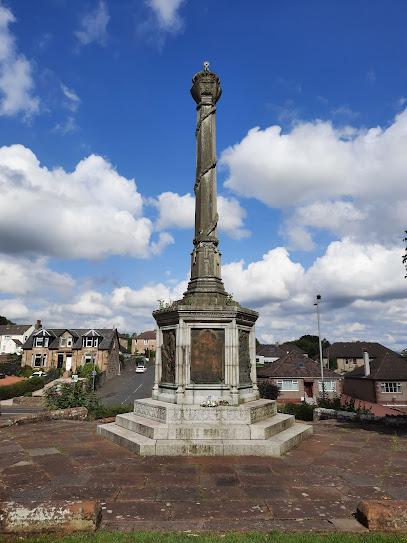
Gleniffer Braes Country Park
7.7 km
Explore scenic woodlands, waterfalls, and panoramic views at Gleniffer Braes Country Park—Paisley’s vast natural retreat with free-roaming Highland cattle.
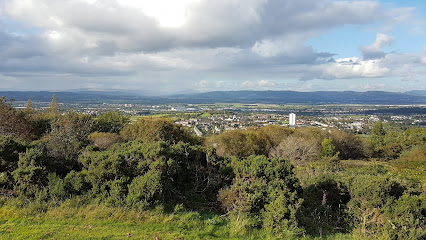
The Lord Lounsdale
8.9 km
A friendly British bar and grill in Paisley offering classic pub fare, vegan options, and a welcoming community atmosphere.
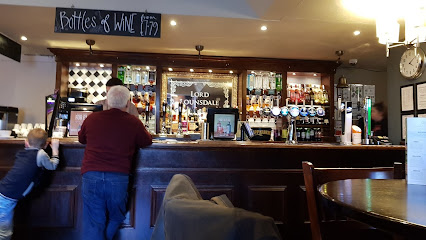
Craigie Linn (Waterfall)
8.9 km
Discover the serene beauty and rich history of Craigie Linn Waterfall, a captivating natural retreat nestled in Paisley’s lush Glen Burn.
Reino Unido
10.0 km
Discover Reino Unido, an inspiring painting gallery in Paisley’s vibrant cultural scene at 29 Calside, showcasing diverse artworks in a serene setting.
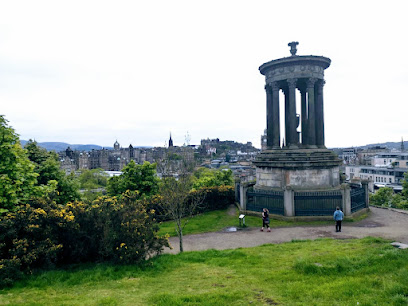
Coats Observatory
10.0 km
Discover Scotland’s oldest public observatory, a Victorian scientific gem undergoing transformation to inspire stargazers and history lovers alike.
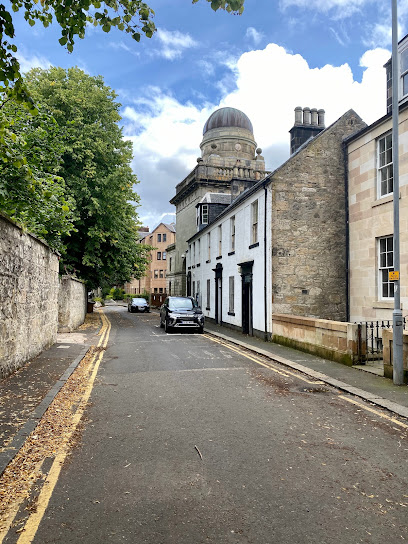
Paisley Museum & Art Gallery
10.0 km
Where Paisley's iconic pattern and textile legacy come alive in a reimagined world-class museum.

The Number 1 Bead Shop
10.1 km
Explore one of the UK’s largest bead and jewellery supply shops in a charming converted church in Paisley, offering quality materials and creative workshops.
Essential places to dine

Boat Yard
3.4 km
Relax and dine with panoramic loch views at Boat Yard, Lochwinnoch’s family-friendly restaurant offering fresh, seasonal Scottish cuisine all day.
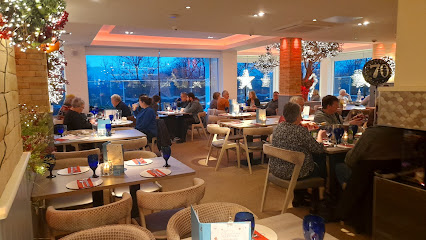
De Buddha Restaurant & Bar
5.1 km
Authentic Nepalese flavors and warm Himalayan hospitality await you daily at Dé Buddha in Johnstone.
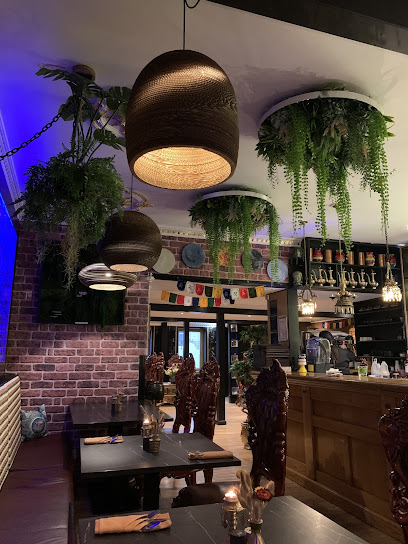
Amaretto Italian Kitchen & Bar
5.1 km
A cozy and modern Italian kitchen and bar in Bridge of Weir, blending authentic flavors with a welcoming village atmosphere.
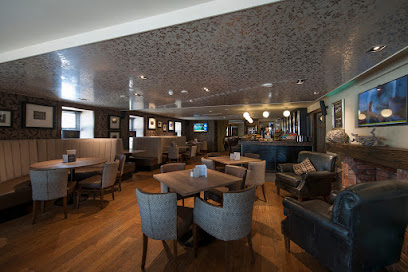
Trattoria Roma
5.2 km
Authentic Italian warmth and generous portions in the heart of Johnstone town centre.
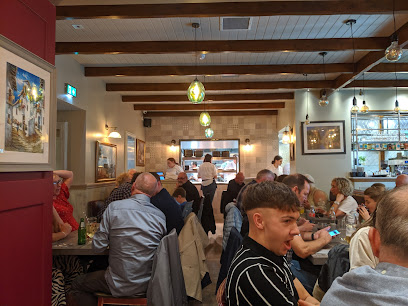
The Coach House
5.3 km
Charming gastropub in Bridge of Weir blending rustic charm with modern flavors and a welcoming atmosphere.
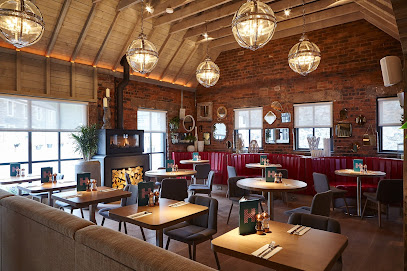
River Inn
6.1 km
A community-focused Scottish bistro and lively sports bar offering fresh local cuisine, vibrant events, and riverside relaxation in Crosslee.
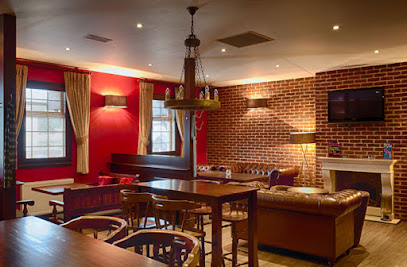
Butchers Steak & Grill
6.8 km
Savor expertly sourced steaks and warm hospitality at Butchers Steak & Grill, Elderslie’s top destination for meat lovers.
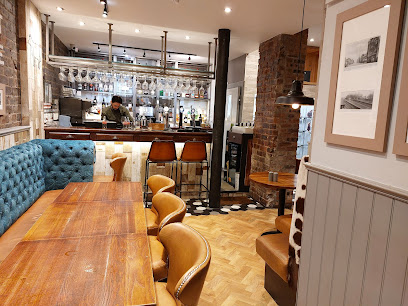
Linwood Farm - Farmhouse Inns
7.5 km
Family-friendly pub in Paisley offering hearty carvery roasts, generous portions, and a lively atmosphere with indoor and outdoor play areas.
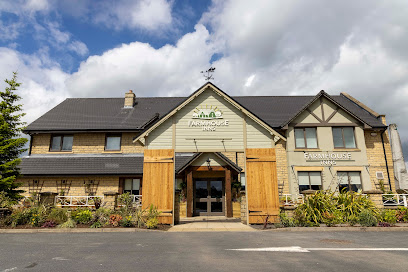
Royal Taj
9.3 km
Experience authentic Indian flavors and warm hospitality in the heart of Paisley at Royal Taj.
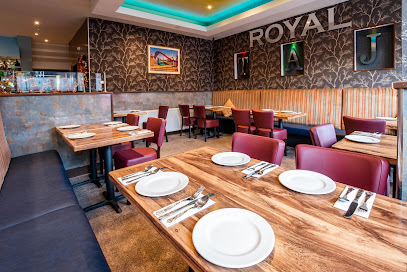
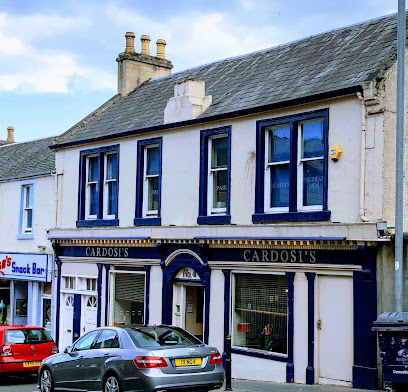
Cardosi's
10.1 km
A Paisley institution serving hearty, authentic Italian food in a warm, family-run setting – perfect for families, couples and groups.
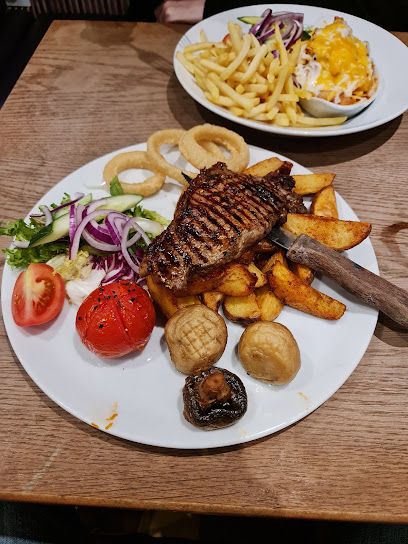
Jam Jar Paisley
10.2 km
A lively and welcoming restaurant in Paisley serving hearty Italian comfort food with attentive service and a homely atmosphere.
Grand Fusion
10.4 km
A vibrant Asian fusion restaurant in Paisley blending traditional flavours with modern dining in a stylish setting.

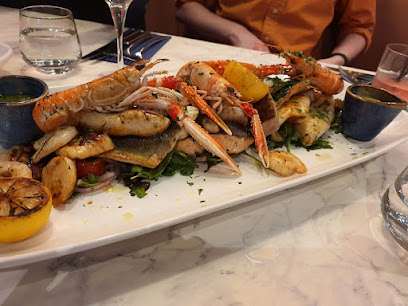
Il Pescatore
10.5 km
Experience premium Italian seafood and vibrant dishes with scenic views in the heart of Paisley at Il Pescatore.
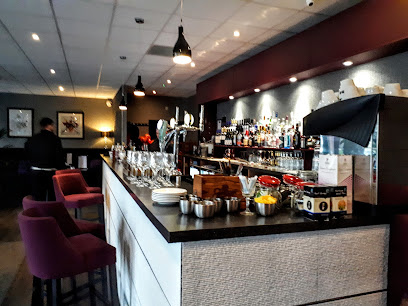
Pendulum Bar & Grill
10.6 km
Stylish Scottish dining with vegan delights and stunning views of Paisley Abbey in a warm, modern setting.
Japan Street Food
10.8 km
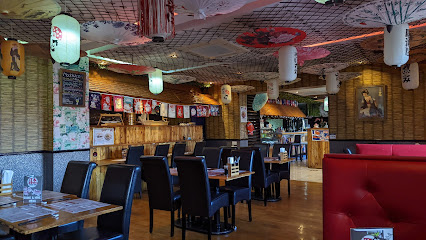
Authentic Japanese street food in the heart of Paisley, where fresh ingredients meet traditional technique.
Markets, malls and hidden boutiques

The Howwood Village Store
1.3 km
Discover local treasures and delightful snacks at The Howwood Village Store, your friendly village convenience store in the heart of Howwood.

Totally Tartan
5.1 km
Discover authentic Scottish tartan treasures and personalized textile gifts in the cozy village setting of Bridge of Weir.
Emporium of Forgotten Dreams
5.5 km
Explore the Emporium of Forgotten Dreams, an antique shop in Johnstone, filled with vintage treasures and stories waiting to be discovered.

No.8 Johnstone - Artisan Crafts & Gifts
5.6 km
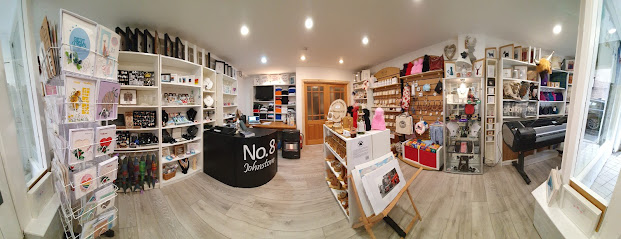
Discover authentic Scottish artisan crafts and unique gifts at No.8 Johnstone, a charming boutique in the heart of Johnstone town.
Aquarius Crystals & Gifts
9.5 km
Discover a curated collection of crystals and spiritual gifts in Paisley’s welcoming and mindful shop.

Bailey's Antiques
10.2 km
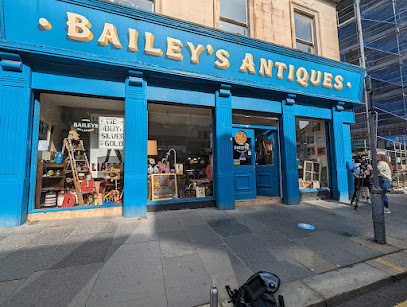
Discover timeless vintage treasures and antiques in the heart of Paisley’s historic High Street.
Gift World
10.3 km
Discover unique gifts and local treasures at Gift World, a charming shop in Paisley, perfect for souvenirs and special occasions.

KeyStore
10.7 km
Explore KeyStore in Paisley for all your convenience needs, from snacks to exquisite wines, in a friendly and welcoming environment.

Ivad Gifts
10.8 km
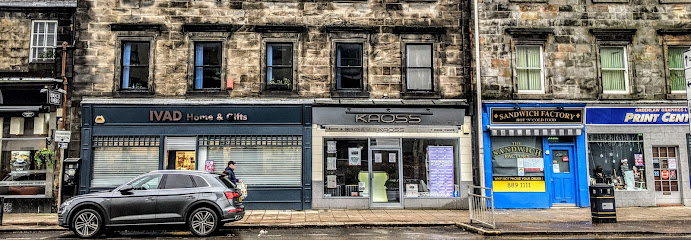
Discover unique and pampering gifts with a personal touch at IVAD Gifts, Paisley’s charming boutique on Gauze Street.
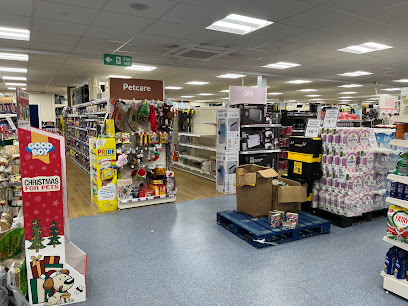
The Range, Paisley
11.0 km
A versatile homeware and lifestyle store in Paisley Retail Park offering extensive products, accessible amenities, and convenient hours.
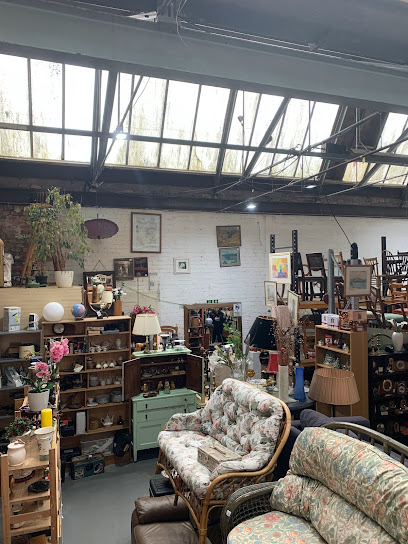
Warehouse 4 Ltd
11.2 km
Discover unique antique furniture and vintage treasures in Paisley’s welcoming Warehouse 4 Ltd, where history meets charm.
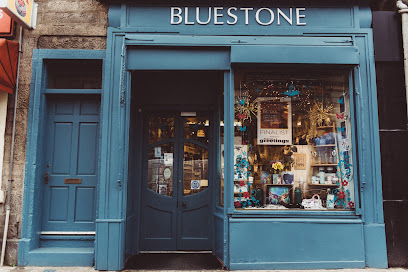
Bluestone Gift Shops
11.3 km
Discover unique gifts and local crafts at Bluestone Gift Shops in Barrhead, Glasgow - the perfect place for memorable souvenirs.
Experience Gift Scotland
11.3 km
Discover Scotland’s largest collection of unforgettable adventure and experience gifts in Paisley’s welcoming gift shop.

Shop Local
11.4 km
Explore a treasure trove of local crafts and artisanal products at Shop Local in Paisley—your gateway to authentic Scottish shopping.
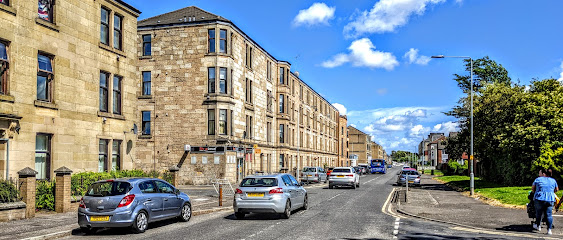
Abbotsinch Shopping Park
11.5 km
A premier retail park in Paisley offering extensive home furniture, DIY stores, and convenient shopping hours for all your renovation needs.

Essential bars & hidden hideouts

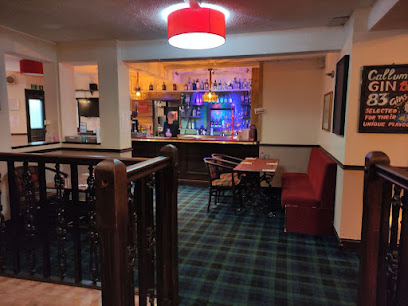
Callum's Bar & Kitchen
5.2 km
A lively and welcoming bar in Johnstone offering hearty meals, friendly service, and a vibrant local atmosphere from morning till late night.
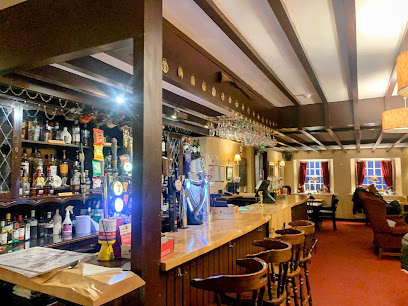
Fox & Hounds
6.8 km
Traditional Scottish pub with rich history, award-winning cuisine, extensive whisky selection, and vibrant community spirit in Houston, Johnstone.
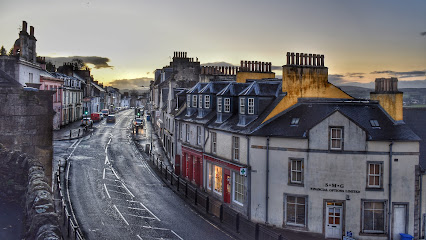
Eglinton Inn
7.6 km
Cozy and friendly pub in Beith offering great food, cocktails, and a welcoming atmosphere for locals and visitors alike.
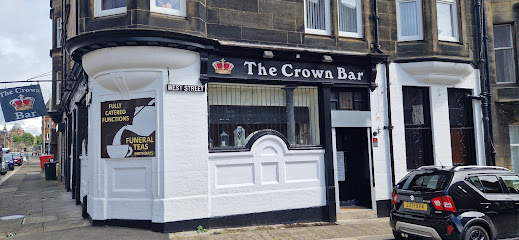
The Woodside Tavern (Formerly The Crown Bar)
9.3 km
A friendly and inviting local bar in Paisley offering drinks, snacks, and a lively atmosphere with a community spirit.
Jaybee's Bar
9.3 km
A friendly and lively local pub in Paisley offering great service, casual charm, and a welcoming atmosphere for all.
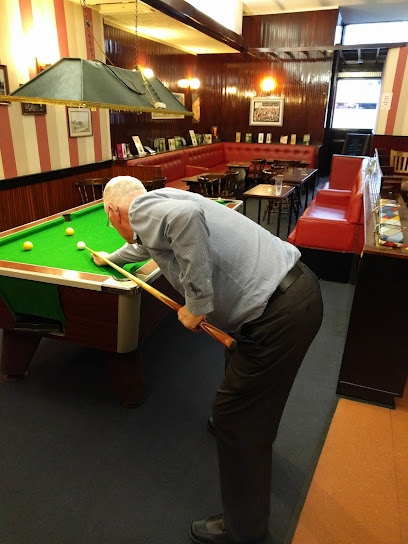
The Clachan Bar
10.0 km
A welcoming traditional Scottish pub in Paisley, blending local history with a cozy, friendly atmosphere.
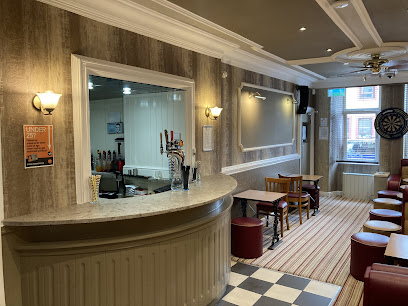
Balnagowan Arms
10.1 km
Cozy and lively pub in Paisley offering traditional Scottish fare, local craft beers, and a warm community atmosphere with live events.

The Wee Howff
10.2 km
A cozy, historic pub in Paisley blending traditional Scottish charm with a vibrant community spirit and rich textile heritage.
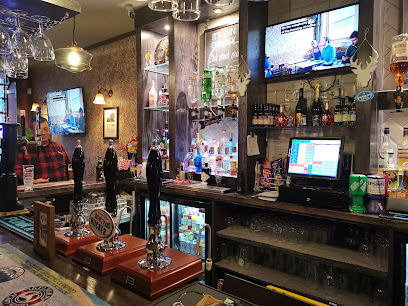
The Ugly Duck
10.2 km
Quirky bar with disco balls and a welcoming vibe, offering diverse menu options and lively social atmosphere in the heart of Paisley.
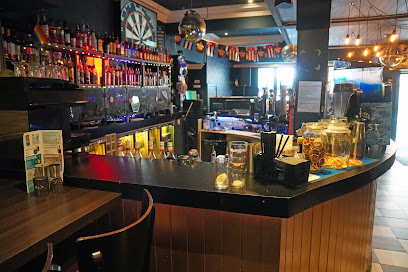
Gantry
10.2 km
Gantry blends expert cocktail craftsmanship with a relaxed vibe, offering Paisley a unique and welcoming bar experience.
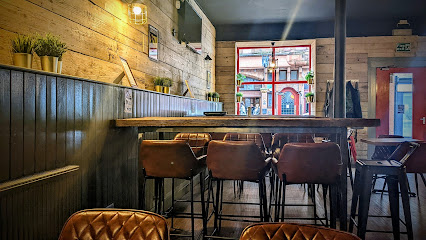
Hashtag Bar
10.2 km
Experience Paisley’s vibrant nightlife with expertly crafted cocktails, friendly vibes, and lively entertainment at Hashtag Bar.

Bull Inn
10.3 km
Historic Scottish pub in Paisley with vintage charm, original stained glass, cozy snugs, and a lively, welcoming atmosphere.
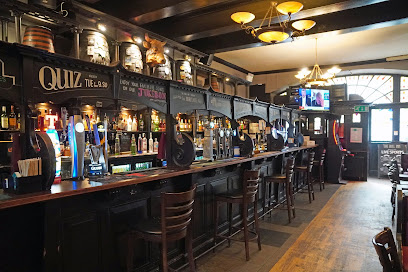
The Cave
10.3 km
A lively Paisley pub renowned for live music, open mic nights, and a welcoming atmosphere in the heart of town.
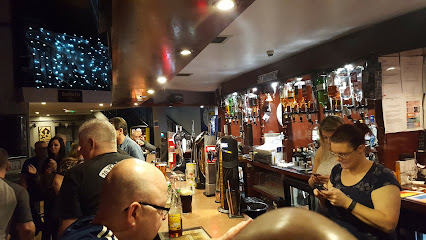
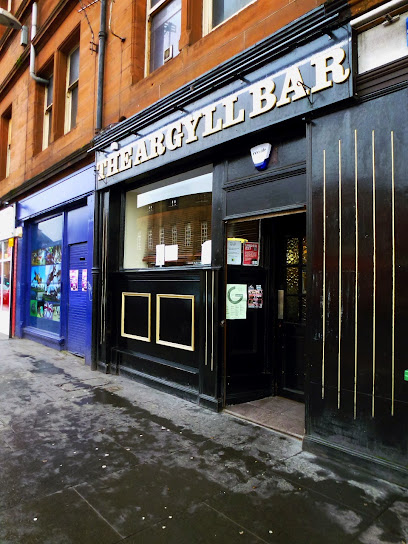
The Argyll Bar
10.4 km
A welcoming Paisley pub with great beers, lively karaoke nights, and a friendly, traditional atmosphere on Old Sneddon Street.
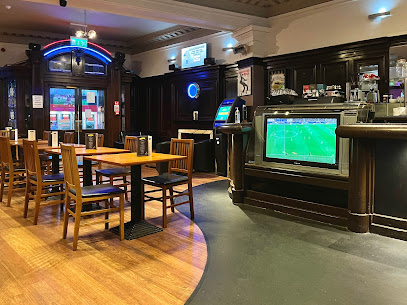
The Bankhouse
10.4 km
Experience warm Scottish hospitality and traditional flavors at The Bankhouse, Paisley's charming pub and cafe near the railway station.
Nightclubs & after hour spots

Vienna's Nightclub
10.2 km
Experience Paisley’s vibrant nightlife at Vienna's Nightclub, where energetic music and lively crowds come alive every weekend.
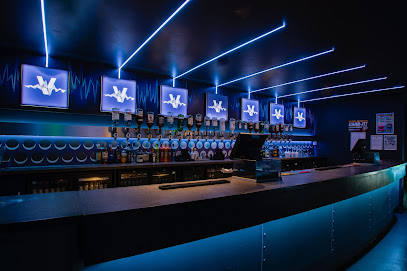
Fantoosh
10.2 km
A lively, intimate nightclub in Paisley’s heart, perfect for energetic nights with friends and local beats.

Club 69 Paisley
10.7 km
Dive into Paisley’s legendary underground techno scene at Club 69, where pulsating beats and vibrant vibes keep the night alive.
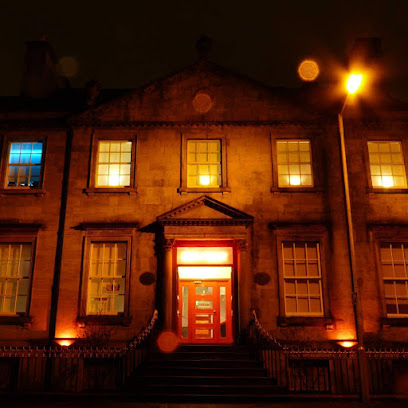
Red
18.8 km
Experience Greenock’s vibrant nightlife at Red Nightclub, where intimate vibes meet lively dance floors and affordable fun every weekend.

The Shed
18.9 km
Dive into Shawlands' glitzy two-floor nightclub where chart bangers, R&B, hip-hop, and 80s cheese anthems fuel unpretentious Southside partying till the early hours.

Word Up
19.5 km
Experience Greenock's revitalized nightlife at Word Up, a modern nightclub with vibrant energy and a welcoming atmosphere.

The Berkeley Suite
20.1 km
Discover Glasgow’s hidden vintage nightclub with top DJs, retro vibes, and an intimate dancehall atmosphere beneath a 1940s ballroom.
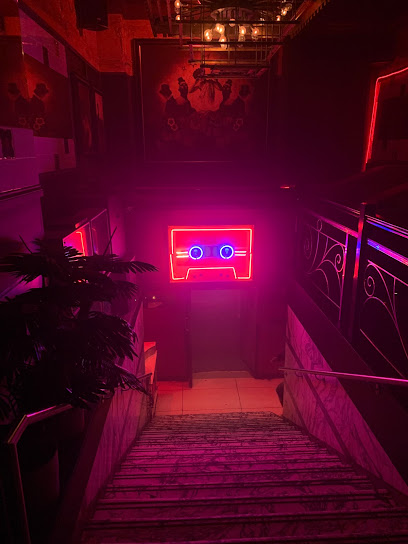
Seventh Heaven Lap Dancing Club
20.2 km
Discover the vibrant nightlife of Glasgow at Seventh Heaven Lap Dancing Club, where entertaining performances meet a lively atmosphere.

Firewater
20.5 km
Dive into Glasgow's indie nightlife at Firewater, where two rooms blast alternative anthems, cheap entry fuels the fun, and Sauchiehall Street's energy ignites until 2:30am Thu-Sat.
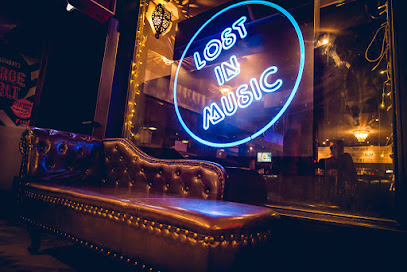
Saint Judes After Dark
20.6 km
Glasgow's electrifying after-dark escape: pulsating DJ beats, craft cocktails, and retro club vibes fuel nights until 3am on Bath Street.

Buff Club
20.7 km
Dive into Glasgow's funky basement beats at The Buff Club, where soul, disco, and 80s grooves light up the night under disco ball magic.
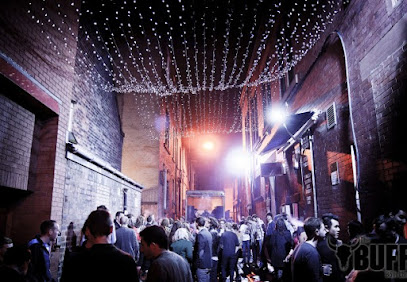
Sub Club
20.7 km
Glasgow’s legendary underground nightclub, Sub Club, pulses with cutting-edge sound and authentic dance culture in an intimate basement setting.
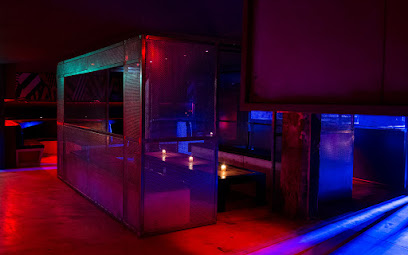
Classic Grand
20.7 km
Glasgow's ultimate electronic music haven in a reborn cinema, where thunderous beats and euphoric crowds collide until dawn.

142B Lounge
20.8 km
Glasgow's premier spot for Afrobeats, Amapiano, and African flavors—dance, dine, and vibe in luxury VIP style until dawn.
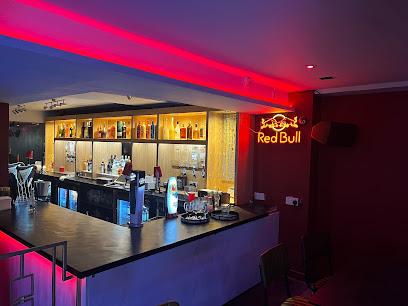
Cathouse Rock Club
20.8 km
Glasgow's unrelenting rock fortress since 1990—metal riffs, live gigs, and alternative fury across three pounding rooms.

For the vibe & atmosphere seeker
- Tranquil
- Scenic
- Relaxing
- Unique
For the design and aesthetic lover
- Rustic Designs
- Vintage Styles
For the architecture buff
- Historic
- Landmarks
- Heritage Neighborhoods
For the view chaser and sunset hunter
- Iconic Views
- Panoramas
- Sunset Spots
For the social media creator & influencer
- Instagrammable
- Photo Spots
- Selfie Spots
For the eco-conscious traveler
- Eco-Friendly
- Protected Area
- Public-Transport Accessible
- Leave-No-Trace Critical
- Locally Managed
For the kind of experience you’re after
- Cultural Heritage
- Nature Escape
- Photowalk
- Day Trip
- Weekend Getaway
For how adventurous you want the journey to be
- Easy Access
- Requires Hike
Location Audience
- Family Friendly
- Senior Friendly
- Child Friendly
- Teen Friendly
- Wheelchair Access
- Pet Friendly
- Couple Friendly
- Solo Friendly
- Vegetarian Friendly
- Vegan Friendly


