

Paisley Abbey: Cradle of Scotland’s Royal Heritage
Historic 12th-century abbey in Paisley, birthplace of the Stewart dynasty, blending stunning Romanesque and Gothic architecture with royal heritage.
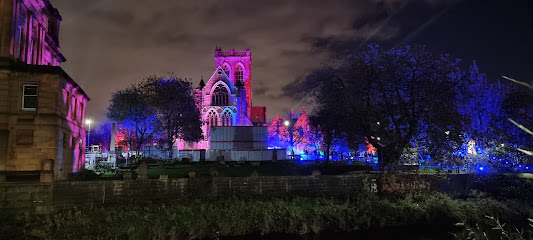
Founded in 1163 by Walter Fitzalan, Paisley Abbey is a historic Cluniac monastery turned Church of Scotland parish church, renowned as the cradle of the Royal House of Stewart. Blending Romanesque and Gothic architecture, it houses royal tombs, ancient relics like the Barochan Cross, and stunning stained glass. Visitors experience a serene atmosphere steeped in centuries of Scottish religious, cultural, and royal history.
A brief summary to Paisley Abbey
- Abbey Cl, Paisley, PA1 1JG, GB
- +441418897654
- Visit website
- Duration: 1 to 2 hours
- Free
-
 Indoor
- Mobile reception: 4 out of 5
- Tuesday 10:30 am-3:30 pm
- Wednesday 10:30 am-3:30 pm
- Thursday 10:30 am-3:30 pm
- Friday 10:30 am-3:30 pm
- Saturday 10:30 am-3:30 pm
Local tips
- Attend a guided tour on Tuesdays or Thursdays at 2pm for in-depth historical insights; tickets cost £5 and support the Abbey’s upkeep.
- Visit on weekday mornings to enjoy a peaceful atmosphere with fewer crowds and better photo opportunities.
- Explore the Barochan Cross inside the Abbey, a rare 9th-century Celtic artifact offering a glimpse into early Scottish Christianity.
- Take time to admire the stained-glass windows and unique gargoyle carvings, including the quirky ‘alien gargoyle’ on the upper tier.
- Stop by the Cloisters Coffee Shop for refreshments and the gift shop for traditional and contemporary souvenirs.

For the on-the-go comforts that matter to you
- Restrooms
- Drink Options
- Food Options
- Seating Areas
- Trash Bins
- Information Boards
- Visitor Center
Getting There
-
Train and Walk
From Glasgow Central Station, take a train to Paisley Gilmour Street, a journey of approximately 15–20 minutes. From the station, it is about a 15-minute walk on mostly flat terrain to Paisley Abbey. Trains run frequently with tickets costing around £5–£8 one way.
-
Bus
Local bus services from Paisley town center and surrounding areas stop near Abbey Cl, with travel times varying from 5 to 20 minutes depending on origin. Bus fares typically range from £1.50 to £3.00. Check local timetables for schedules and accessibility.
-
Car
Driving to Paisley Abbey is possible with parking available in nearby public car parks. Travel times from Glasgow city center are about 25–35 minutes depending on traffic. Parking fees vary but expect around £3–£6 for a few hours. Note that the Abbey itself has no dedicated parking.
Paisley Abbey location weather suitability
-
 Any Weather
-
 Rain / Wet Weather
-
 Clear Skies
-
 Mild Temperatures
Discover more about Paisley Abbey
Founding and Early Spiritual Significance
Paisley Abbey’s origins date back to 1163 when Walter Fitzalan, the first High Steward of Scotland, founded a Cluniac priory on land he owned in Renfrewshire. Thirteen monks arrived from Much Wenlock in Shropshire to establish the monastery on the site of an earlier Celtic church founded by St. Mirin in the 6th century. By 1245, the priory was elevated to abbey status, becoming directly answerable to the Pope in Rome. Dedicated to St. Mary, St. James, St. Mirin, and St. Milburga, the Abbey quickly became a major religious center and pilgrimage site, drawing visitors seeking spiritual solace and enlightenment.Royal Connections and Historical Legacy
Paisley Abbey is famously known as the cradle of the Royal House of Stewart. It is the burial place of Princess Marjorie Bruce, daughter of King Robert the Bruce, who died following a riding accident in 1316. Her unborn child survived and became King Robert II, the first Stewart monarch, establishing a dynasty that would shape Scottish and British history. The Abbey also holds the tombs of six High Stewards of Scotland and King Robert III, whose memorial was commissioned by Queen Victoria. These royal connections underscore the Abbey’s significance as a symbol of Scottish heritage and monarchy.Architectural Evolution and Artistic Treasures
The Abbey’s architecture is a remarkable blend of Romanesque and Gothic styles, reflecting centuries of construction, destruction, and restoration. Notable features include the 12th-century Romanesque west door, the grand nave rebuilt after damage in 1307 by English forces, and the choir area, once the most sacred part of the church. The Abbey also houses the ancient Barochan Cross, a rare 9th-century Celtic artifact, and exquisite stained-glass windows that illuminate the interior with vibrant colors. Animal carvings on choir pews and a unique 'alien gargoyle' add to the Abbey’s quirky charm.Impact of the Scottish Reformation and Restoration Efforts
The Scottish Reformation of 1560 led to the disbanding of the monastic community and the transfer of Abbey lands to the Hamilton family. The central tower collapsed mid-16th century, destroying the transepts and choir, which were walled off and fell into ruin. The nave was converted into the parish church of Paisley, a function it retains today. Restoration efforts in the late 19th and early 20th centuries revived much of the Abbey’s former grandeur, preserving it as one of Scotland’s finest historic churches and a living monument to its medieval past.Modern-Day Role and Visitor Experience
Today, Paisley Abbey remains an active place of worship within the Church of Scotland and a heritage attraction welcoming visitors from around the world. It hosts orchestral and choral concerts, cultural events, and guided tours that deepen appreciation of its rich history and architecture. The Abbey’s shop and café provide refreshments and souvenirs, enhancing the visitor experience. Its tranquil atmosphere invites reflection amid the echoes of centuries of faith, royalty, and community life.Unique Features and Cultural Significance
Among its many treasures, the Abbey’s Barochan Cross offers a rare glimpse into early Christian Scotland, while the royal tombs connect visitors to the nation’s storied past. The Abbey’s role as a center of medieval learning and manuscript production further enriches its cultural legacy. Its blend of solemn history and quirky details, such as the alien gargoyle, make Paisley Abbey a uniquely captivating destination for history enthusiasts, architecture lovers, and spiritual seekers alike.Iconic landmarks you can’t miss

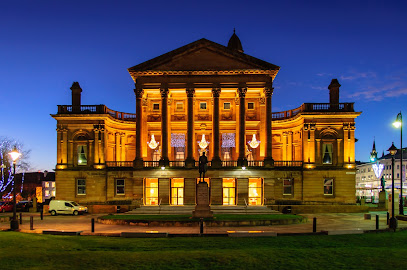
Paisley Town Hall
0.1 km
A majestic Victorian landmark at Paisley’s heart, blending historic grandeur with vibrant arts, events, and festive celebrations.
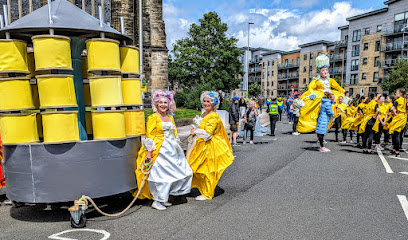
Renfrewshire House
0.1 km
Explore the architectural beauty and rich history of Renfrewshire House, a key landmark in the vibrant town of Paisley, Scotland.
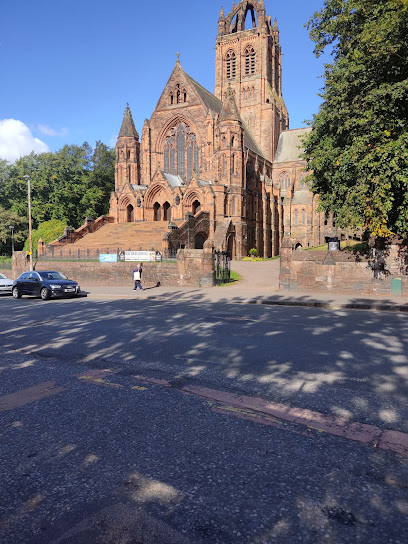
Coats Paisley
0.8 km
Historic wedding and events venue on Paisley’s High Street, blending heritage charm with cinematic interiors and versatile celebration spaces.
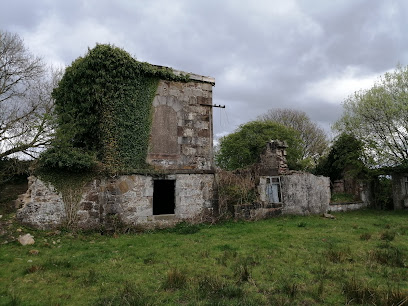
Walkinshaw Brickworks
3.6 km
Explore the historic site of Walkinshaw Brickworks, a cornerstone of Renfrew’s industrial past and Scottish brickmaking heritage.
Renfrew War Memorial
4.2 km
A dignified Scottish mercat cross memorial in Renfrew honoring the brave who served and sacrificed in world conflicts.
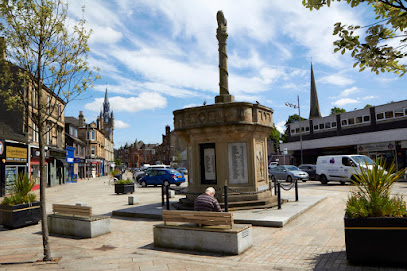
SEC Armadillo
8.5 km
Discover the SEC Armadillo, Glasgow's iconic events venue, where music, culture, and an unforgettable atmosphere come together.

Kelvingrove Art Gallery and Museum
8.5 km
Explore the Kelvingrove Art Gallery and Museum, a vibrant cultural hub in Glasgow, showcasing thousands of art pieces and historical artifacts for all ages.
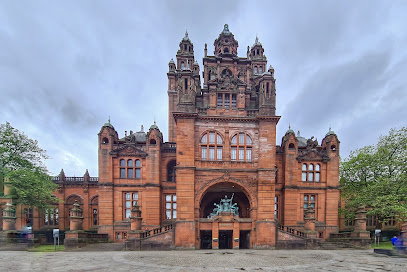
Finnieston Crane
8.6 km
Glasgow's iconic industrial sentinel—a 175-ton testament to engineering brilliance and maritime heritage.

Wonder World Soft Play Glasgow
8.6 km
Explore endless fun and adventure at Wonder World Soft Play Glasgow, the ultimate indoor amusement center for children and families.
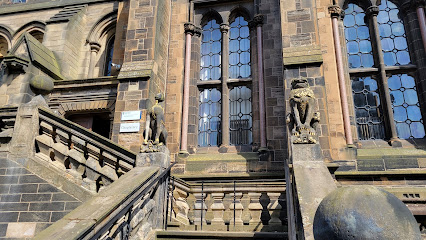
The Lion and Unicorn Staircase
8.6 km
Explore the intricate beauty of The Lion and Unicorn Staircase at the University of Glasgow, a stunning blend of art and history in the heart of the city.
The Clyde Arc
8.7 km
Glasgow’s Squinty Bridge: A modern architectural icon spanning the River Clyde with stunning views and vibrant urban energy.
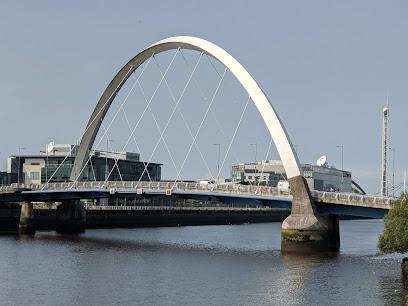
Golden Hill Antonine Wall Fort
8.8 km
Discover the ancient history at Golden Hill Antonine Wall Fort in Clydebank, a UNESCO World Heritage Site showcasing Roman military architecture.
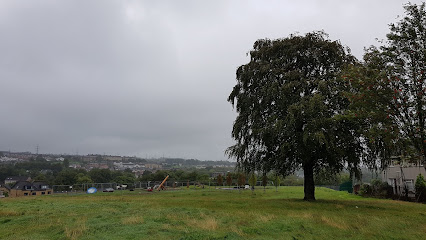
Statue of Lord Kelvin
8.8 km
Explore the Statue of Lord Kelvin in Glasgow, an iconic tribute to scientific achievement surrounded by beautiful parkland.
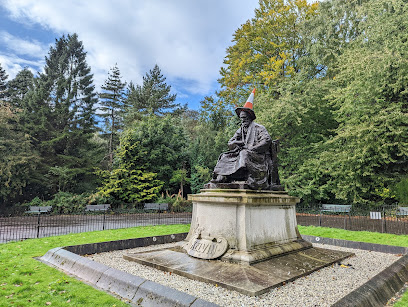
The Suffragette Oak
8.9 km
Discover the Suffragette Oak in Glasgow, a historic tree symbolizing the fight for women's rights, surrounded by serene nature and rich history.
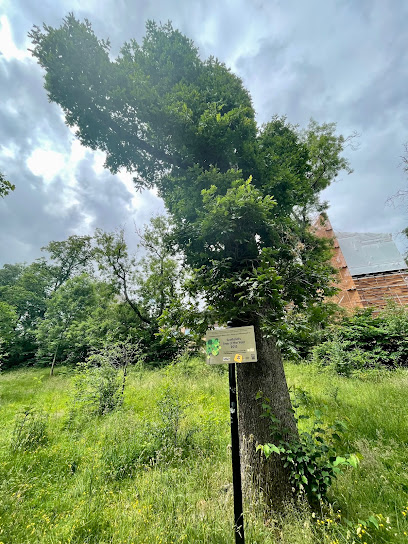
Kelvingrove Park
9.0 km
Explore the serene beauty and cultural treasures of Kelvingrove Park, a stunning urban oasis in Glasgow's vibrant West End.

Unmissable attractions to see

Barochan Cross
0.0 km
Explore the Barochan Cross, a magnificent early medieval Celtic monument embodying the power and artistry of the ancient Kingdom of Strathclyde.
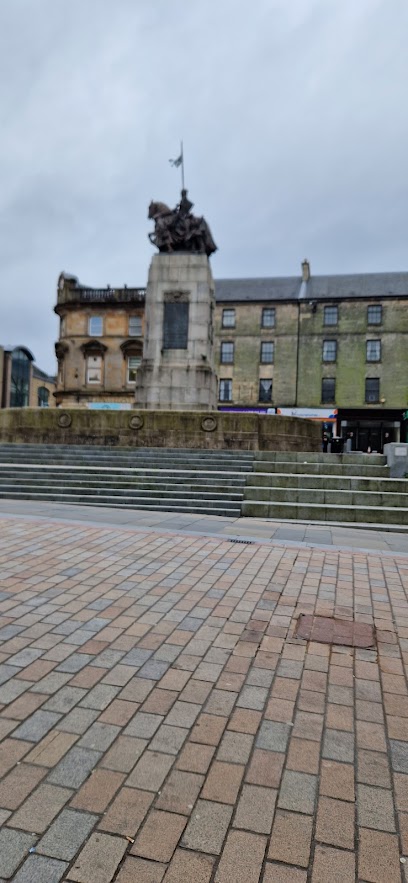
Paisley.is
0.1 km
Renfrewshire House, Paisley: The dynamic center of local governance and community services in Renfrewshire.
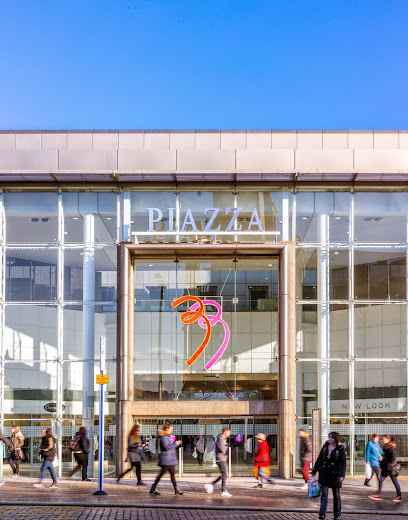
Piazza Shopping Centre
0.2 km
A vibrant and accessible shopping hub in Paisley with diverse stores, excellent transport links, and convenient parking for a complete retail experience.
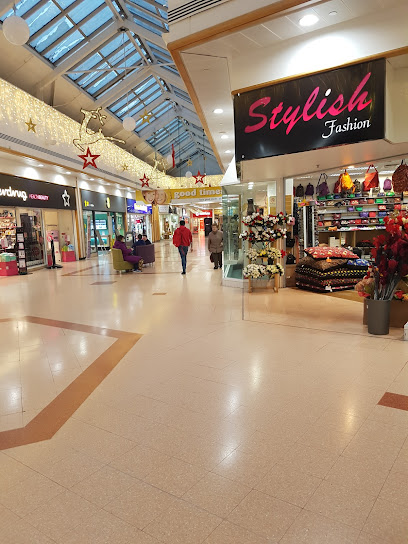
The Paisley Centre
0.3 km
A vibrant three-level shopping centre in Paisley’s historic heart, blending high street brands with local charm and convenient access.
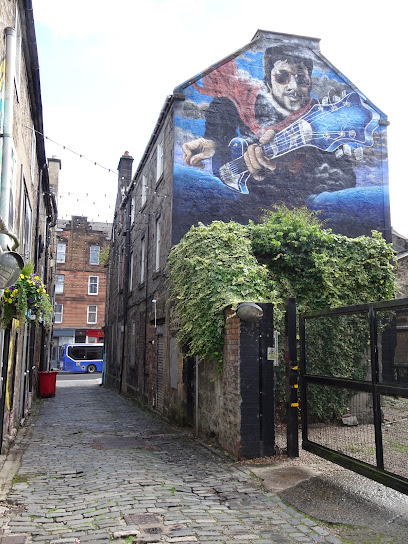
Gerry Rafferty Mural
0.4 km
A vibrant mural in Paisley honoring Gerry Rafferty’s musical legacy and deep roots in the town’s cultural heritage.
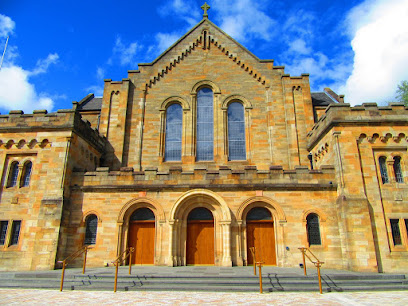
St Mirin's RC Cathedral Paisley
0.4 km
Historic Gothic cathedral in Paisley, the spiritual and community heart of the Diocese of Paisley since the 1930s.
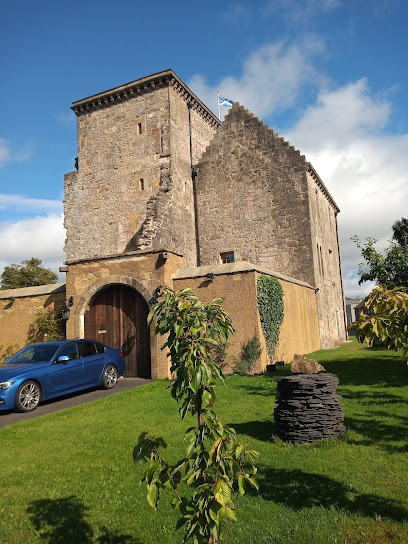
Sma' Shot Cottages
0.4 km
Explore authentic 18th-century weavers’ homes in Paisley, where history, craft, and community come alive in charming heritage cottages.
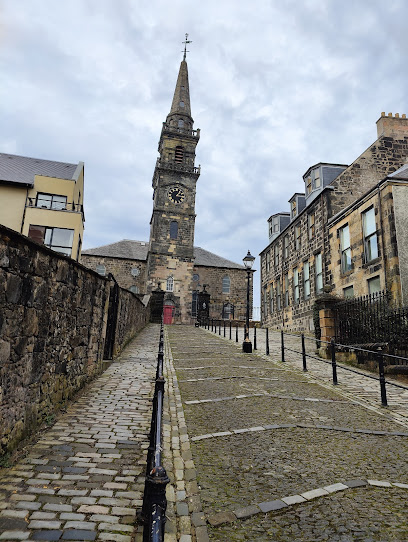
Oakshaw Trinity Church Oakshaw Suite
0.5 km
Discover Oakshaw Trinity Church, a historic 18th-century landmark in Paisley blending architectural beauty with ecumenical community spirit.
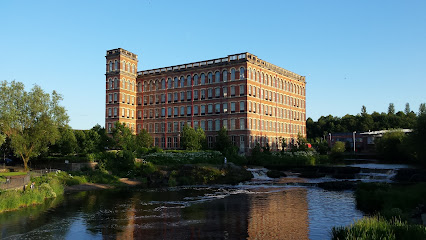
Paisley Thread Mill Museum
0.6 km
Discover Paisley’s thread-making heritage at this volunteer-run museum within the historic Mile End Mill, celebrating a global textile legacy.
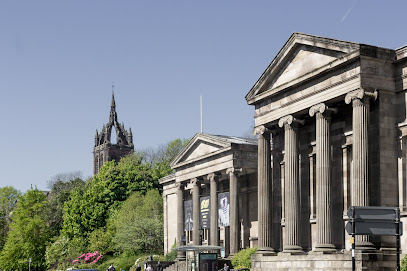
Paisley Museum & Art Gallery
0.6 km
Where Paisley's iconic pattern and textile legacy come alive in a reimagined world-class museum.
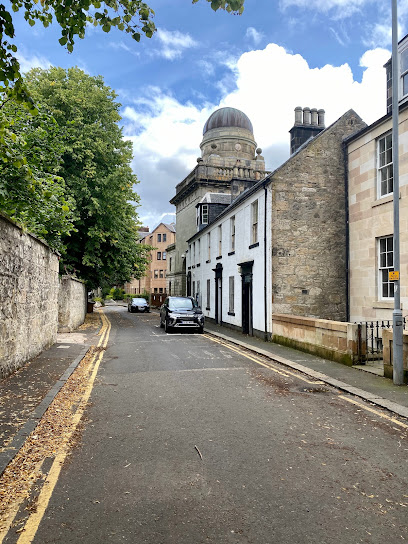
Coats Observatory
0.7 km
Discover Scotland’s oldest public observatory, a Victorian scientific gem undergoing transformation to inspire stargazers and history lovers alike.
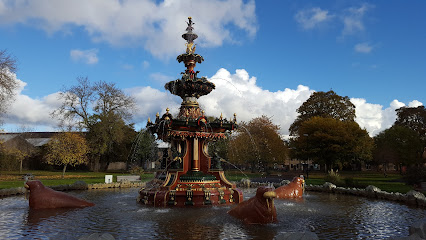
Fountain Gardens
0.8 km
Historic Fountain Gardens in Paisley: Scotland’s urban gem centered around a majestic Grade A-listed cast-iron fountain and serene green spaces.
The Number 1 Bead Shop
0.9 km
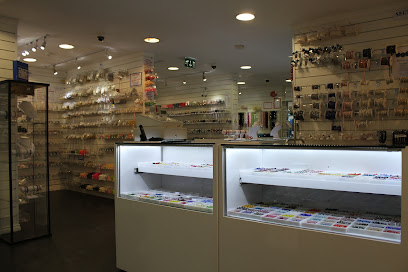
Explore one of the UK’s largest bead and jewellery supply shops in a charming converted church in Paisley, offering quality materials and creative workshops.
Reino Unido
0.9 km
Discover Reino Unido, an inspiring painting gallery in Paisley’s vibrant cultural scene at 29 Calside, showcasing diverse artworks in a serene setting.
Barshaw Park
1.6 km
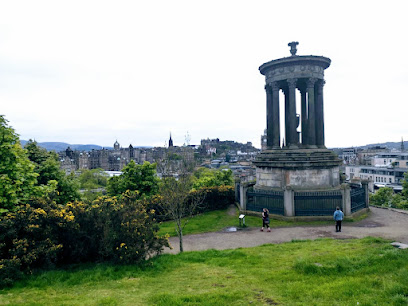
Historic and family-friendly Barshaw Park offers playgrounds, a peaceful pond, model railway rides, and beautiful gardens in the heart of Paisley.

Essential places to dine

Pendulum Bar & Grill
0.1 km
Stylish Scottish dining with vegan delights and stunning views of Paisley Abbey in a warm, modern setting.
Il Pescatore
0.2 km
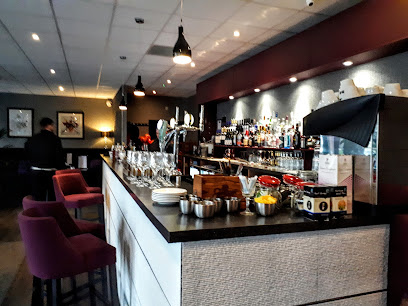
Experience premium Italian seafood and vibrant dishes with scenic views in the heart of Paisley at Il Pescatore.
Grand Fusion
0.3 km
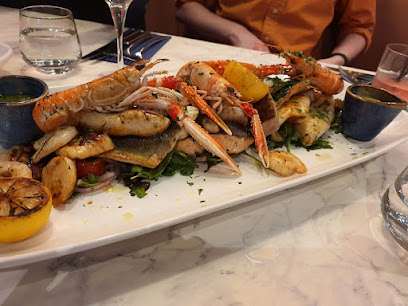
A vibrant Asian fusion restaurant in Paisley blending traditional flavours with modern dining in a stylish setting.

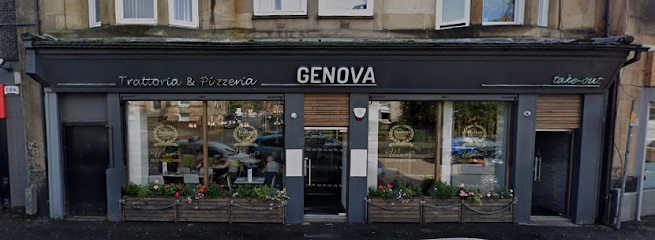
Trattoria Genova
0.4 km
Experience authentic Italian dining with fresh, homemade dishes and a welcoming atmosphere in the heart of Paisley.
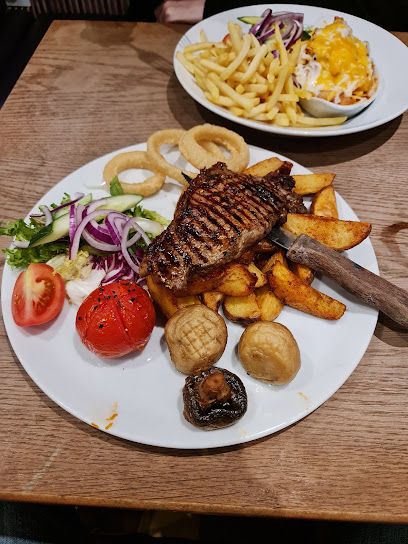
Jam Jar Paisley
0.4 km
A lively and welcoming restaurant in Paisley serving hearty Italian comfort food with attentive service and a homely atmosphere.
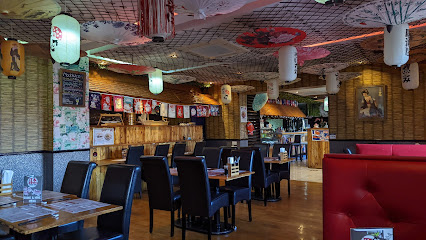
Japan Street Food
0.4 km
Authentic Japanese street food in the heart of Paisley, where fresh ingredients meet traditional technique.
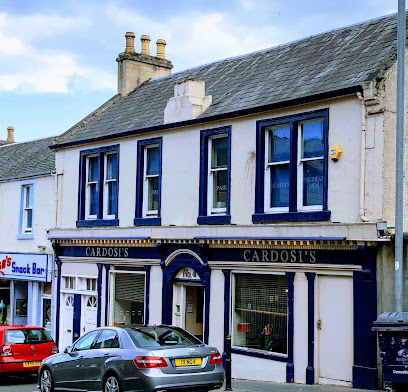
Cardosi's
0.5 km
A Paisley institution serving hearty, authentic Italian food in a warm, family-run setting – perfect for families, couples and groups.
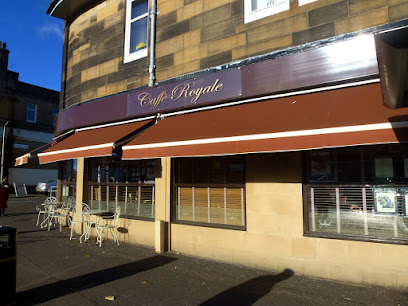
Caffé Royale
0.9 km
Authentic Italian cuisine and exceptional breakfasts in the heart of Paisley.
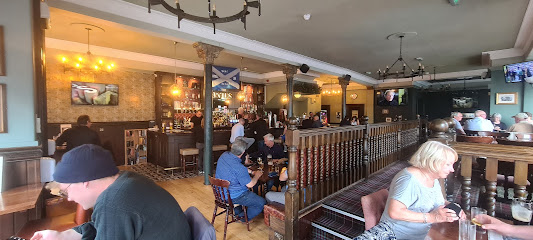
Harvies Bar
1.0 km
Enjoy grilled delights and fine wines at Harvies Bar in Paisley – your cozy retreat for great food and company.
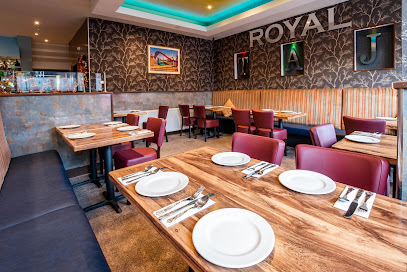
Royal Taj
1.3 km
Experience authentic Indian flavors and warm hospitality in the heart of Paisley at Royal Taj.
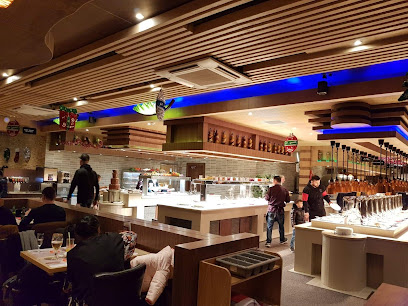
Beijing Banquet
2.1 km
Savor authentic Chinese buffet delights in Renfrew’s welcoming and spacious Beijing Banquet, where fresh flavors meet attentive service.
Bird & Signet Bar
2.3 km
A modern Scottish pub experience at Glasgow Airport, blending local flavors with traveler convenience and welcoming atmosphere.
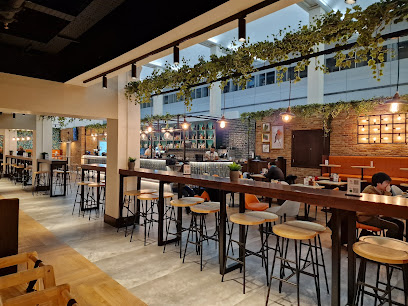
Vino's Cafe
3.3 km
Experience authentic Italian cuisine and warm hospitality at Vino's Cafe, a beloved culinary gem in the heart of Renfrew.

Flying Scotsman
3.3 km
A traditional Scottish pub in Renfrew serving hearty food, local ales, and live entertainment in a warm, community-focused setting.
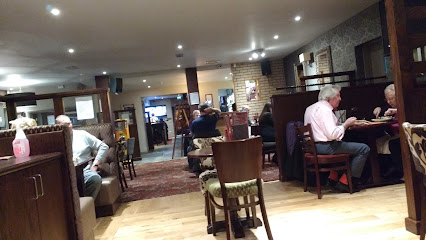
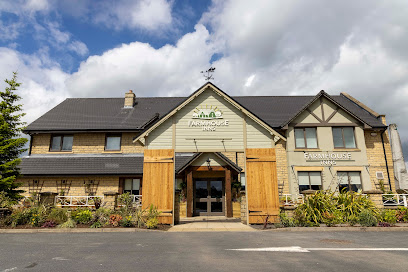
Linwood Farm - Farmhouse Inns
3.3 km
Family-friendly pub in Paisley offering hearty carvery roasts, generous portions, and a lively atmosphere with indoor and outdoor play areas.
Markets, malls and hidden boutiques

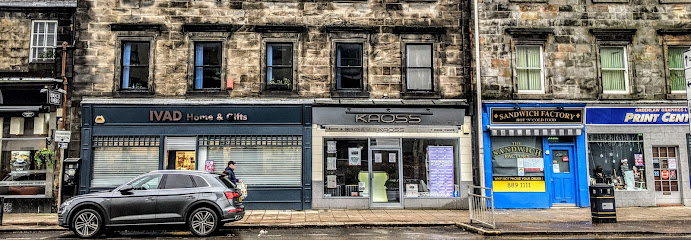
Ivad Gifts
0.2 km
Discover unique and pampering gifts with a personal touch at IVAD Gifts, Paisley’s charming boutique on Gauze Street.
Gift World
0.3 km
Discover unique gifts and local treasures at Gift World, a charming shop in Paisley, perfect for souvenirs and special occasions.

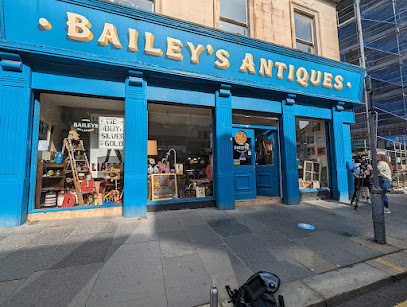
Bailey's Antiques
0.4 km
Discover timeless vintage treasures and antiques in the heart of Paisley’s historic High Street.
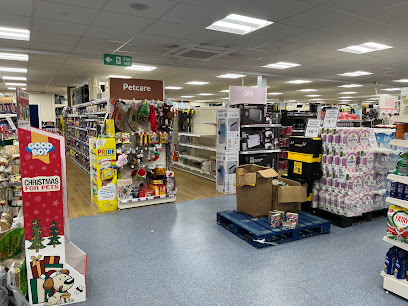
The Range, Paisley
0.6 km
A versatile homeware and lifestyle store in Paisley Retail Park offering extensive products, accessible amenities, and convenient hours.
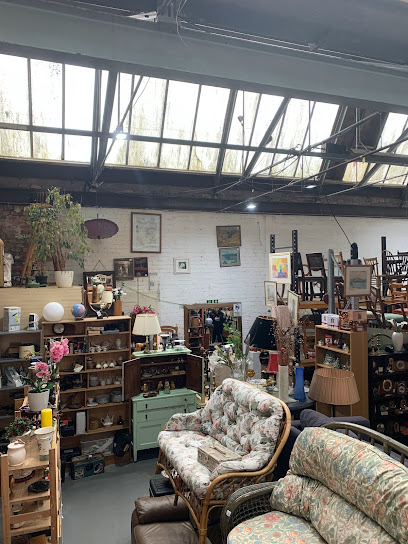
Warehouse 4 Ltd
0.7 km
Discover unique antique furniture and vintage treasures in Paisley’s welcoming Warehouse 4 Ltd, where history meets charm.
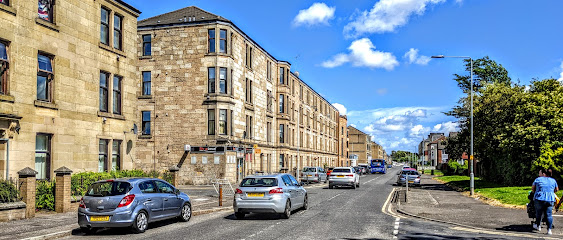
Shop Local
0.9 km
Explore a treasure trove of local crafts and artisanal products at Shop Local in Paisley—your gateway to authentic Scottish shopping.
Aquarius Crystals & Gifts
1.1 km
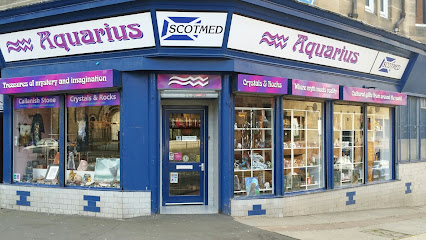
Discover a curated collection of crystals and spiritual gifts in Paisley’s welcoming and mindful shop.
KeyStore
1.3 km
Explore KeyStore in Paisley for all your convenience needs, from snacks to exquisite wines, in a friendly and welcoming environment.

Abbotsinch Shopping Park
1.8 km
A premier retail park in Paisley offering extensive home furniture, DIY stores, and convenient shopping hours for all your renovation needs.

Experience Gift Scotland
3.4 km
Discover Scotland’s largest collection of unforgettable adventure and experience gifts in Paisley’s welcoming gift shop.

The Hidden Wool Shop
4.4 km
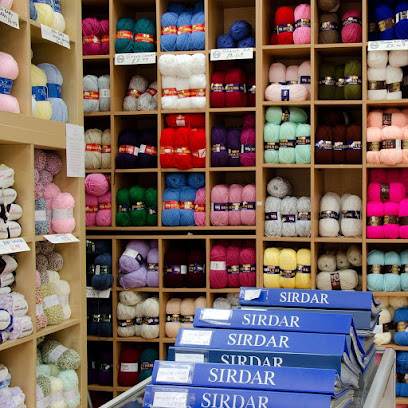
Discover quality wools and community crafting spirit at The Hidden Wool Shop, Renfrew’s cozy destination for knitters and crafters.
Ozzys Store
4.5 km
Discover unique treasures and local crafts at Ozzys Store in Renfrew, a charming shop that embodies the spirit of the community.
Menkind
4.9 km
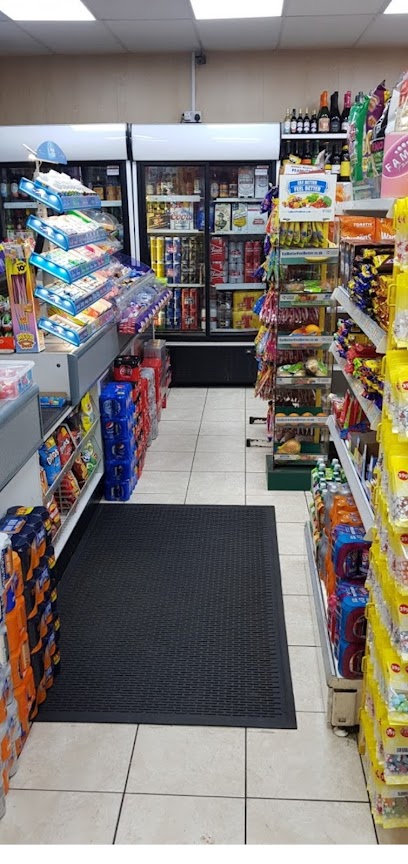
Discover a vibrant selection of unique, fun gifts and gadgets for men at Menkind Glasgow Braehead, your go-to spot for memorable presents.
Bluestone Gift Shops
5.2 km
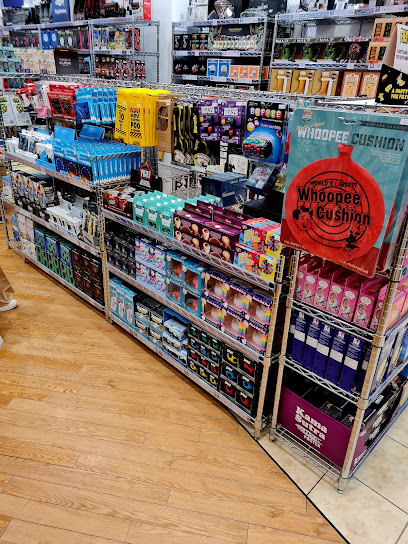
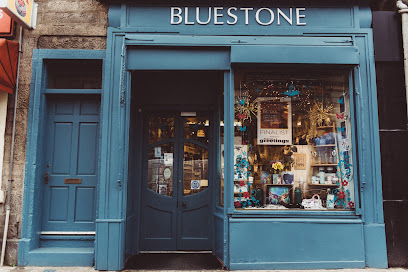
Discover unique gifts and local crafts at Bluestone Gift Shops in Barrhead, Glasgow - the perfect place for memorable souvenirs.
No.8 Johnstone - Artisan Crafts & Gifts
5.3 km
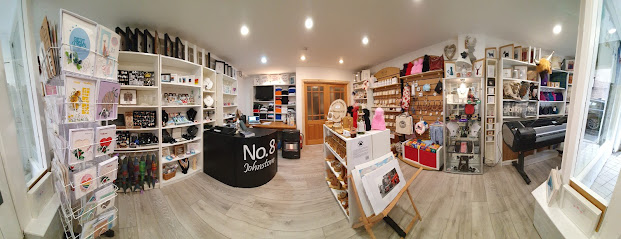
Discover authentic Scottish artisan crafts and unique gifts at No.8 Johnstone, a charming boutique in the heart of Johnstone town.
Essential bars & hidden hideouts

The Anchor Bar
0.2 km
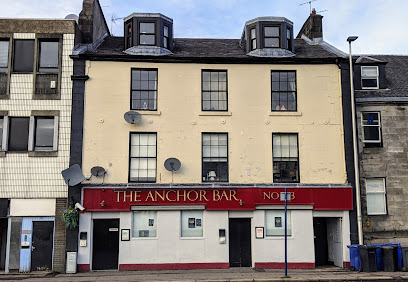
A vibrant traditional pub in Paisley offering great food, lively karaoke nights, and a warm Scottish welcome just steps from Paisley Abbey.
The Tile Bar
0.2 km
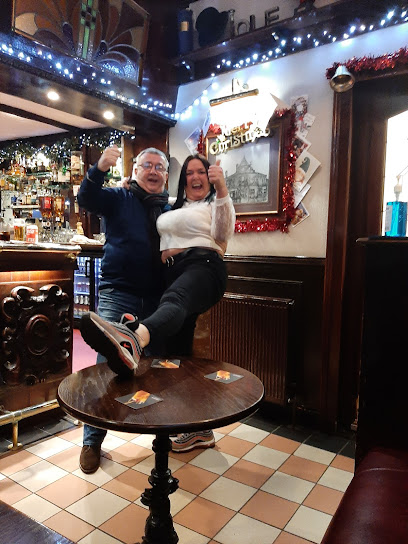
A cozy, affordable pub in Paisley offering friendly vibes, great drinks, and a welcoming local atmosphere.
Old Swan Inn
0.2 km
Historic Paisley pub with lively live music, a large covered beer garden, and a welcoming atmosphere for all seasons.
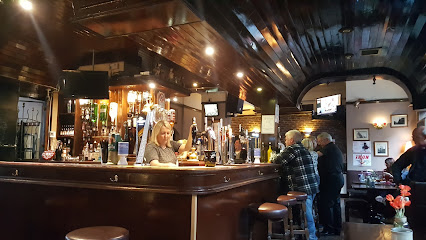
The Bankhouse
0.3 km
Experience warm Scottish hospitality and traditional flavors at The Bankhouse, Paisley's charming pub and cafe near the railway station.
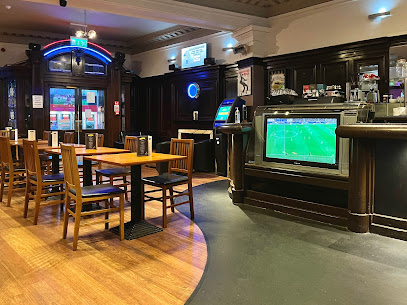
The Cave
0.3 km
A lively Paisley pub renowned for live music, open mic nights, and a welcoming atmosphere in the heart of town.
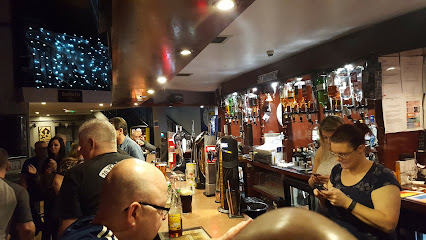
The Patter Bar
0.3 km
A vibrant, friendly bar in Paisley offering affordable drinks, live entertainment, and a welcoming atmosphere for locals and visitors alike.
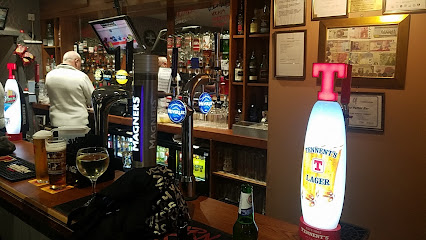
Bull Inn
0.4 km
Historic Scottish pub in Paisley with vintage charm, original stained glass, cozy snugs, and a lively, welcoming atmosphere.
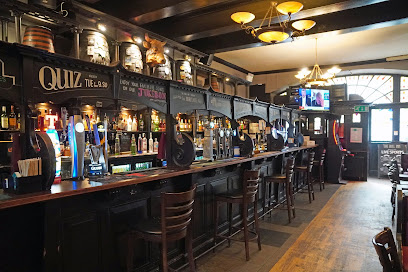
Hashtag Bar
0.4 km
Experience Paisley’s vibrant nightlife with expertly crafted cocktails, friendly vibes, and lively entertainment at Hashtag Bar.

Gantry
0.4 km
Gantry blends expert cocktail craftsmanship with a relaxed vibe, offering Paisley a unique and welcoming bar experience.
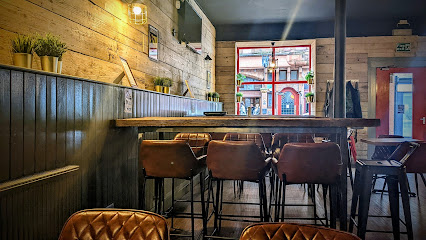
The Argyll Bar
0.4 km
A welcoming Paisley pub with great beers, lively karaoke nights, and a friendly, traditional atmosphere on Old Sneddon Street.
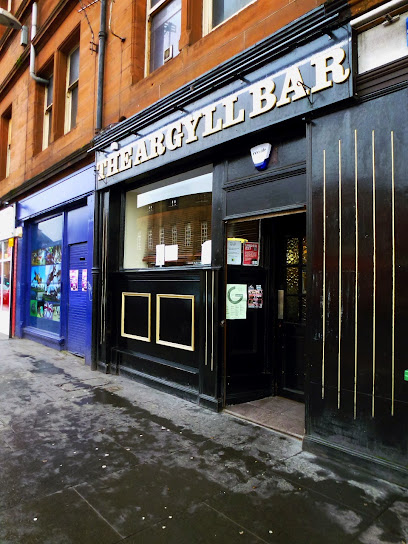
The Ugly Duck
0.5 km
Quirky bar with disco balls and a welcoming vibe, offering diverse menu options and lively social atmosphere in the heart of Paisley.
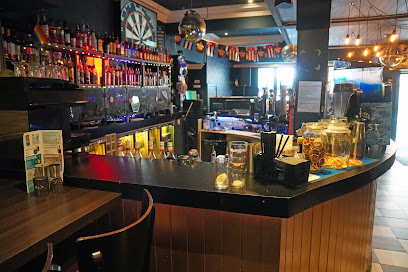
The Wee Howff
0.5 km
A cozy, historic pub in Paisley blending traditional Scottish charm with a vibrant community spirit and rich textile heritage.
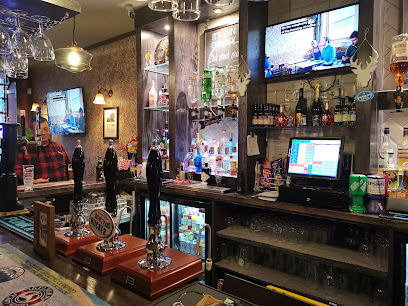
Burgh Bar
0.8 km
Lively local pub in Paisley offering freshly cooked pub grub, vibrant tribute nights, and a welcoming atmosphere for all.
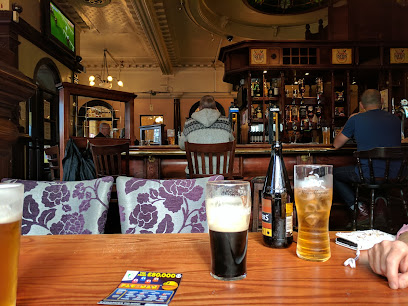
Balnagowan Arms
1.1 km
Cozy and lively pub in Paisley offering traditional Scottish fare, local craft beers, and a warm community atmosphere with live events.
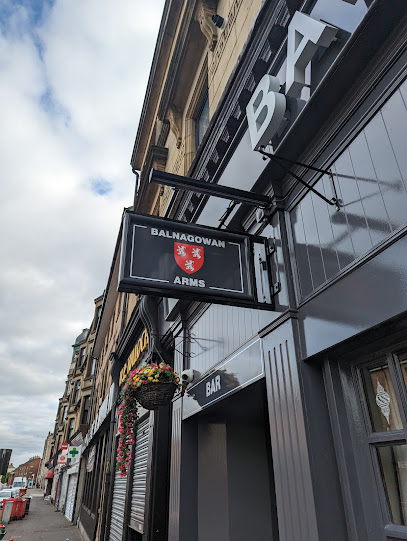
Jaybee's Bar
1.3 km
A friendly and lively local pub in Paisley offering great service, casual charm, and a welcoming atmosphere for all.
Nightclubs & after hour spots

Fantoosh
0.4 km
A lively, intimate nightclub in Paisley’s heart, perfect for energetic nights with friends and local beats.
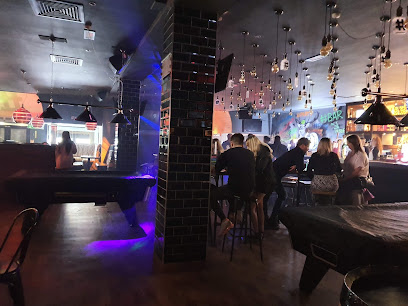
Vienna's Nightclub
0.4 km
Experience Paisley’s vibrant nightlife at Vienna's Nightclub, where energetic music and lively crowds come alive every weekend.
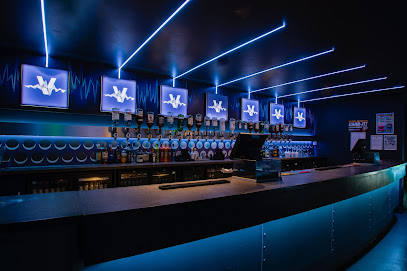
Club 69 Paisley
0.6 km
Dive into Paisley’s legendary underground techno scene at Club 69, where pulsating beats and vibrant vibes keep the night alive.
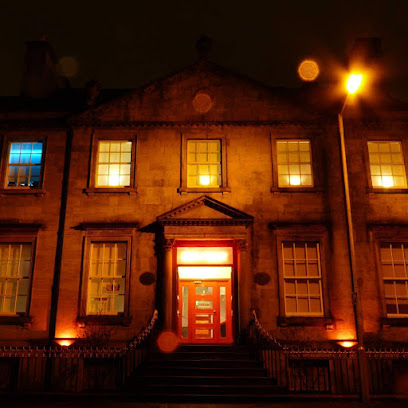
The Shed
9.0 km
Dive into Shawlands' glitzy two-floor nightclub where chart bangers, R&B, hip-hop, and 80s cheese anthems fuel unpretentious Southside partying till the early hours.

The Berkeley Suite
9.5 km
Discover Glasgow’s hidden vintage nightclub with top DJs, retro vibes, and an intimate dancehall atmosphere beneath a 1940s ballroom.
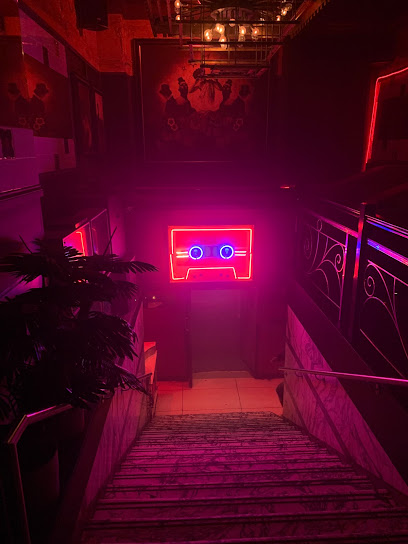
Seventh Heaven Lap Dancing Club
9.6 km
Discover the vibrant nightlife of Glasgow at Seventh Heaven Lap Dancing Club, where entertaining performances meet a lively atmosphere.

Firewater
9.9 km
Dive into Glasgow's indie nightlife at Firewater, where two rooms blast alternative anthems, cheap entry fuels the fun, and Sauchiehall Street's energy ignites until 2:30am Thu-Sat.
Saint Judes After Dark
10.1 km
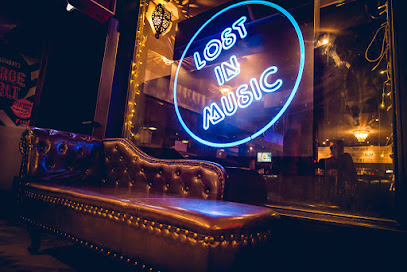
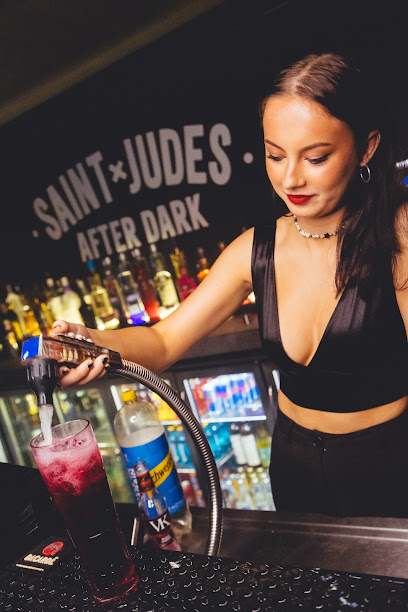
Glasgow's electrifying after-dark escape: pulsating DJ beats, craft cocktails, and retro club vibes fuel nights until 3am on Bath Street.
Buff Club
10.2 km
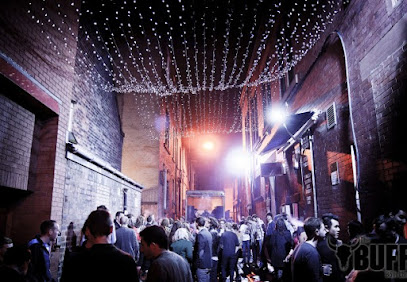
Dive into Glasgow's funky basement beats at The Buff Club, where soul, disco, and 80s grooves light up the night under disco ball magic.
142B Lounge
10.3 km
Glasgow's premier spot for Afrobeats, Amapiano, and African flavors—dance, dine, and vibe in luxury VIP style until dawn.
Sub Club
10.3 km
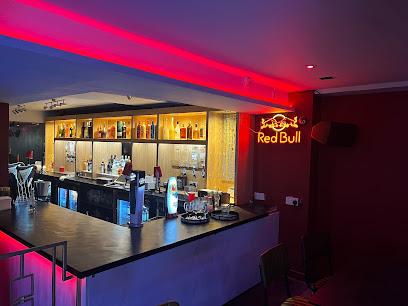
Glasgow’s legendary underground nightclub, Sub Club, pulses with cutting-edge sound and authentic dance culture in an intimate basement setting.
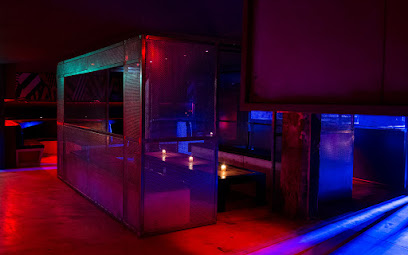
The Plug Glasgow
10.3 km
Experience Glasgow’s premier Afrobeat nightclub where Nigerian wedding vibes meet luxury nightlife and vibrant celebration.
Classic Grand
10.3 km
Glasgow's ultimate electronic music haven in a reborn cinema, where thunderous beats and euphoric crowds collide until dawn.
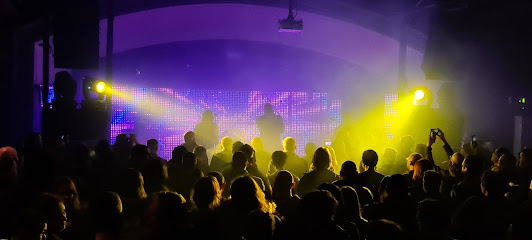
Cathouse Rock Club
10.3 km
Glasgow's unrelenting rock fortress since 1990—metal riffs, live gigs, and alternative fury across three pounding rooms.
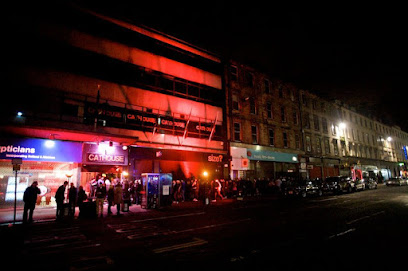
Club Tropicana & Venga
10.3 km
Two-room retro nightclub in central Glasgow with themed ’80s/’90s nights, booth bookings and a high-energy weekend atmosphere.
For the vibe & atmosphere seeker
- Tranquil
- Scenic
- Unique
- Relaxing
For the design and aesthetic lover
- Vintage Styles
For the architecture buff
- Historic
- Landmarks
- Sacred Sites
For the view chaser and sunset hunter
- Iconic Views
For the social media creator & influencer
- Instagrammable
- Photo Spots
- Aesthetic Corners
For the eco-conscious traveler
- Public-Transport Accessible
- Locally Managed
For the kind of experience you’re after
- Cultural Heritage
- Photowalk
- Day Trip
- Weekend Getaway
- Festival / Event Nearby
For how adventurous you want the journey to be
- Easy Access
Location Audience
- Family Friendly
- Senior Friendly
- Child Friendly
- Teen Friendly
- Wheelchair Access
- Pet Friendly
- Solo Friendly
- Couple Friendly
- Vegetarian Friendly
- Vegan Friendly


