
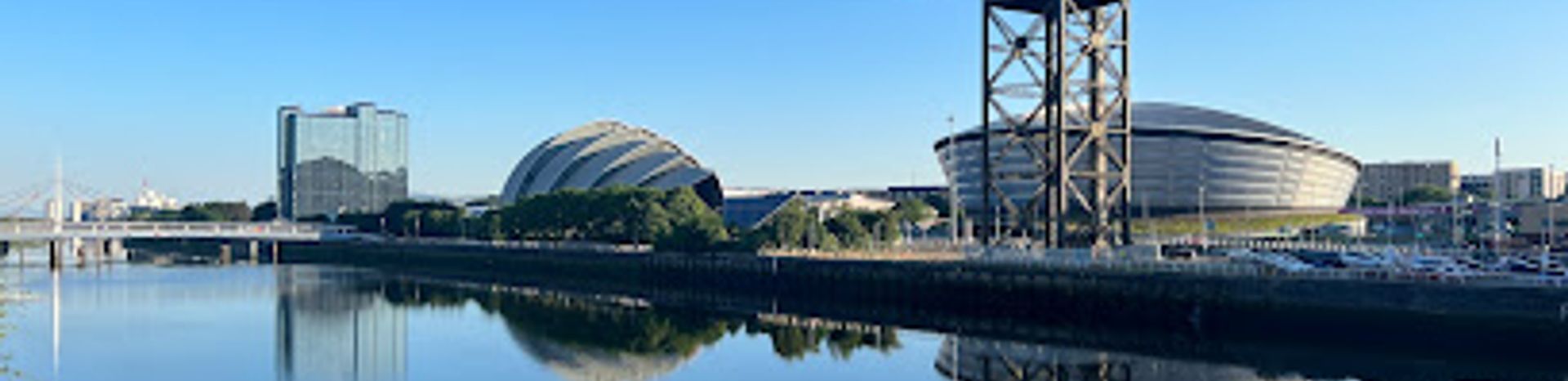
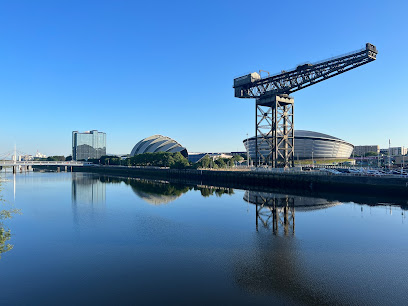
Finnieston Crane
Glasgow's iconic industrial sentinel—a 175-ton testament to engineering brilliance and maritime heritage.
The Finnieston Crane, officially known as Stobcross Crane or Clyde Navigation Trustees Crane #7, is a monumental 175-ton cantilever crane dominating Glasgow's riverfront. Built in 1931 and operational from 1932 until 1988, this engineering marvel once lifted steam locomotives and heavy machinery onto cargo vessels bound for the British Empire. Now a listed building and enduring symbol of Glasgow's industrial heritage, the crane stands sentinel over the transformed Clyde, juxtaposed against modern landmarks like the Armadillo and SSE Hydro. Its iconic silhouette appears regularly in Scottish television broadcasts and remains a powerful testament to the city's shipbuilding legacy.
A brief summary to Finnieston Crane
- Finnieston Quay, Glasgow, G3 8HN, GB
- Visit website
- Duration: 0.5 to 2 hours
- Free
-
 Outdoor
- Mobile reception: 5 out of 5
Local tips
- Visit during golden hour at sunset for the most dramatic photography, when light catches the crane's steel structure and reflects off the Clyde. The crane faces southeast, making late afternoon ideal for backlighting.
- Combine your visit with nearby attractions: the Armadillo, SSE Hydro, and Glasgow Science Centre are all within walking distance, allowing you to experience the full transformation of the Clyde waterfront in a single outing.
- Explore the crane's role in contemporary art by researching George Wyllie's installations and Bill Fontana's sound art project. Understanding these artistic interventions adds profound depth to your appreciation of the structure.
- The crane appears frequently in Scottish television broadcasts—watch episodes of Reporting Scotland beforehand to understand how deeply embedded it is in Glasgow's visual identity and cultural consciousness.
- Bring binoculars to examine the intricate engineering details of the lattice steel girder tower and the cantilever arm, which reveal the sophistication of 1930s mechanical design up close.

For the on-the-go comforts that matter to you
- Seating Areas
- Information Boards
- Nearby Food Options
- Nearby Restrooms
Getting There
-
Train
Exhibition Centre railway station is the nearest major station, located approximately 400 meters from the crane. Trains from Glasgow Central Station take approximately 5–7 minutes to reach Exhibition Centre. Services run regularly throughout the day (typically every 10–15 minutes during peak hours). A single journey ticket costs approximately £1.75–£2.50 depending on your starting point. The station exit places you within easy walking distance of the crane along the Clyde waterfront.
-
Bus
Multiple bus routes serve the Finnieston Quay area, including routes 100, 26, and X19. Journey times vary depending on your starting location but typically range from 15–30 minutes from central Glasgow. Bus fares are approximately £1.75–£2.00 for a single journey. Buses stop near the crane, making this an accessible and frequent option throughout the day.
-
Walking
From Glasgow city centre (near George Square), the crane is approximately 1.2 kilometers away via a scenic riverside walk along the Clyde. The walk takes approximately 15–20 minutes and follows relatively flat, well-maintained paths with good signage. The route passes through the transformed Clyde waterfront, offering views of modern developments alongside historic industrial architecture. This is the most atmospheric approach, allowing you to experience the area's character firsthand.
-
Car
Finnieston Quay is accessible by car, with limited street parking available in the immediate vicinity (typically £1.50–£2.50 per hour, with restrictions varying by zone). The postcode G3 8HN can be entered into navigation systems. Parking can be challenging during peak times and weekends; consider using nearby multi-story car parks such as the SECC car park (approximately 200 meters away) which charges approximately £3–£5 for up to 2 hours. The crane itself is not drivable to; you must park and walk the final distance.
Finnieston Crane location weather suitability
-
 Any Weather
Discover more about Finnieston Crane
A Monument to Glasgow's Industrial Dominance
The Finnieston Crane represents far more than a disused piece of machinery—it embodies an entire era when Glasgow stood as one of the world's greatest industrial powerhouses. Commissioned in June 1928 by the Clyde Navigation Trust and completed in 1931, this 175-ton cantilever crane became the last giant crane of its kind ever built on the River Clyde. Its tower was constructed by Cowans, Sheldon & Company of Carlisle, while the cantilever arm was engineered by Cleveland Bridge & Engineering Company, with the entire project costing £69,000—equivalent to over £4.5 million in modern currency. The crane commenced operation in 1932, immediately becoming essential to Glasgow's export economy.Engineering Marvel and Technical Innovation
What distinguished the Finnieston Crane from its contemporaries was its remarkable engineering sophistication. The structure featured a 152-foot-long jib capable of completing a full revolution in just three and a half minutes, an extraordinary feat for the era. Most remarkably, it was the only British cantilever crane ever fitted with a personnel lift within its lattice steel girder tower, and the sole example equipped with a horizontal rail for the jigger hoist to handle lighter loads. These innovations reflected the cutting-edge mechanical thinking of 1930s British engineering. The crane's lifting capacity of 175 tons allowed it to handle the heaviest industrial products Glasgow's factories produced, from massive boilers and engines destined for new ships to the locomotives that would define an age of global transportation.The Lifeblood of Glasgow's Export Trade
Connected to a spur of the Stobcross Railway, the crane's primary purpose was lifting heavy machinery—particularly steam locomotives—onto vessels for worldwide export. The scale of this operation was staggering: approximately 25 percent of all locomotives manufactured globally during the industrial era came from Glasgow's St Rollox works in Springburn. Of the 28,000 locomotives built there, 18,000 were exported around the world. Whole streets would come to a halt as trains made their slow journey from Springburn down to the Clyde, where the Finnieston Crane would lift these massive machines into cargo vessels. This daily spectacle illustrated the vital role the crane played in sustaining Glasgow's economy and international reputation as an engineering center.From Industrial Workhorse to Cultural Icon
Queen's Dock closed in 1969, marking the beginning of the end for the crane's operational life. By 1988, the Finnieston Crane ceased functioning, yet its final major task proved symbolically profound. In 1987, Glasgow artist George Wyllie commissioned the crane to lift his straw locomotive sculpture during Mayfest, a symbolic tribute to Springburn's railway heritage. Two years later, in May 1989, the crane lifted Wyllie's Paper Boat into the Clyde, further cementing its role as a canvas for artistic expression. These installations transformed the crane from mere industrial relic into a living cultural symbol, demonstrating how Glasgow's past could speak to its present and future.Protected Heritage and Contemporary Relevance
Recognizing its irreplaceable historical value, Glasgow granted the Finnieston Crane listed building status in 1989, ensuring its preservation for future generations. The crane has since become a fixture of Glasgow's cultural landscape, appearing regularly in the background of television broadcasts including Reporting Scotland and serving as a backdrop for countless artistic endeavors. In 2013, American sound artist Bill Fontana transformed it into a musical instrument and 'giant ear to Glasgow' as part of Glasgow's UNESCO City of Music commissions. The following year, it was illuminated to coincide with the MTV European Music Awards ceremony, demonstrating its continued relevance as a venue for contemporary cultural expression. Urban explorers, abseilers, political activists, and even BMX stunt cyclist Danny MacAskill have engaged with the structure, each adding new layers of meaning to this industrial monument.A Symbol Recontextualized
Today, the Finnieston Crane stands as a powerful juxtaposition against Glasgow's transformed riverfront. Surrounded by modern architectural achievements—the Armadillo, the SSE Hydro, the Glasgow Science Centre, and BBC Scotland headquarters—the crane serves as a tangible link between Glasgow's proud industrial past and its ambitious future. It remains one of only four giant cantilever cranes still standing on the River Clyde and one of merely eleven such cranes surviving worldwide, making it an exceptionally rare engineering artifact. The crane's static pose, now facing southeast toward the city centre, invites contemplation of the thousands of workers whose labor once animated this structure and the global networks of trade it facilitated.Iconic landmarks you can’t miss

Finnieston Crane
0.0 km
Glasgow's iconic industrial sentinel—a 175-ton testament to engineering brilliance and maritime heritage.
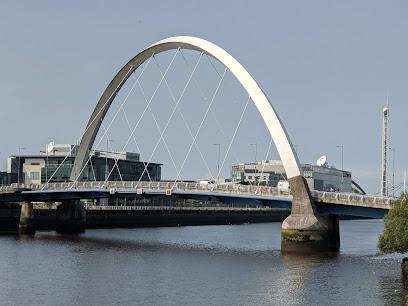
The Clyde Arc
0.2 km
Glasgow’s Squinty Bridge: A modern architectural icon spanning the River Clyde with stunning views and vibrant urban energy.
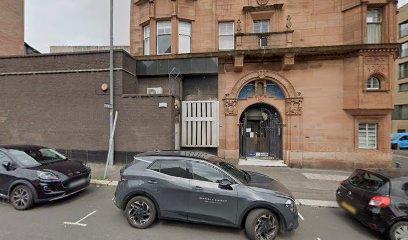
Savings Bank of Glasgow building
0.8 km
A Victorian banking landmark symbolizing Glasgow's rise to financial prominence in 19th-century Britain.
Statue of Light and Life
1.1 km
Gilded guardian of Glasgow’s skyline, the Statue of Light and Life shines atop 95 Morrison Street, symbolizing guidance and vitality.
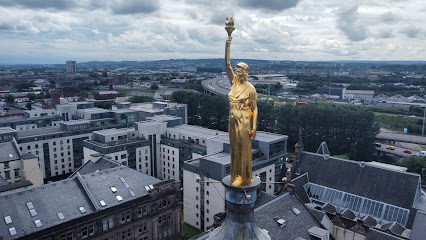
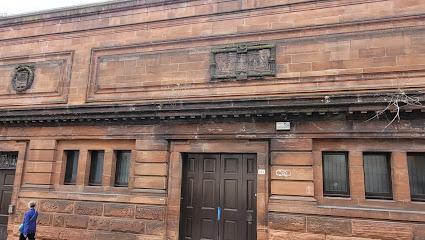
McLellan Galleries
1.6 km
Victorian art gallery turned creative workspace, preserving Glasgow's 19th-century cultural ambitions.
ToursByLocals - Glasgow
1.7 km
Discover Glasgow's rich culture and hidden gems through personalized tours with local experts at ToursByLocals.
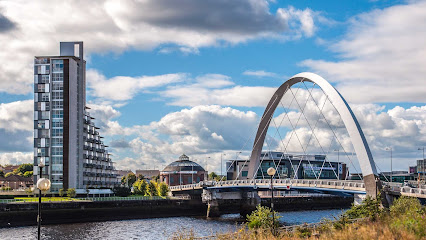
glasgow south side
1.7 km
Discover the cultural heart of Glasgow's South Side, where vibrant art, historic landmarks, and local cuisine create an unforgettable experience.
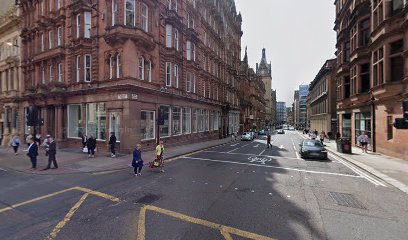
Visit West End
1.7 km
Discover Glasgow's West End: A vibrant cultural hub filled with stunning architecture, art galleries, unique shops, and a lively atmosphere.
La Pasionaria
1.7 km
Discover La Pasionaria in Glasgow, a powerful sculpture symbolizing resilience and passion, capturing the essence of the city's rich history and culture.
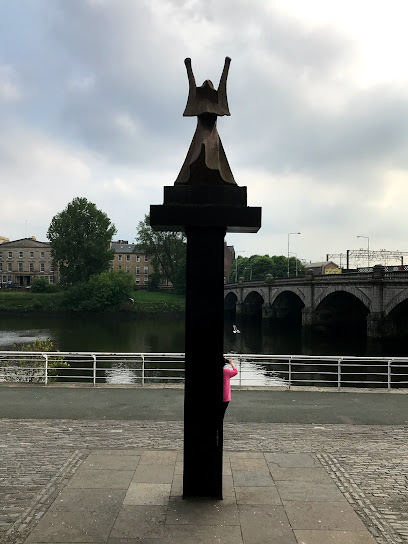
The Lighthouse
1.8 km
Experience the blend of historic architecture and contemporary art at The Lighthouse, Glasgow's premier cultural destination.
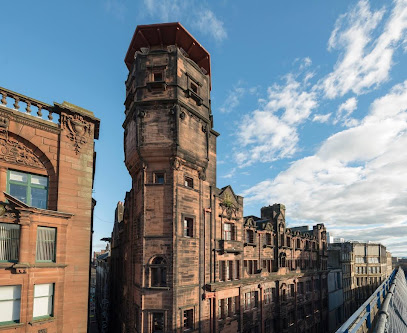
Caledonian Mansions
1.9 km
Discover Glasgow’s Victorian charm at Caledonian Mansions, a stunning landmark showcasing intricate stonework and historic grandeur on Great Western Road.
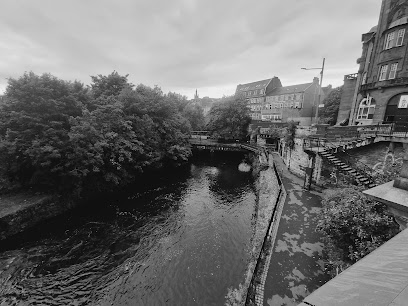
Good as Gold Street Art
1.9 km
Explore Good as Gold Street Art in Glasgow - a vibrant open-air gallery showcasing stunning murals and street art that reflect the city's creative spirit.
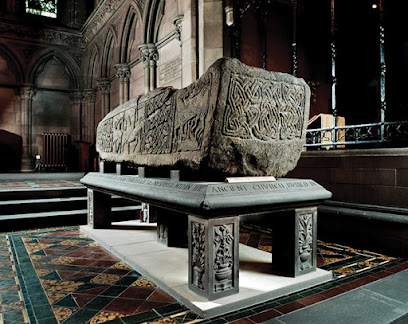
The Govan Stones
1.9 km
Explore the captivating medieval Govan Stones museum in Glasgow, a hidden gem showcasing Scotland’s rich historical heritage.
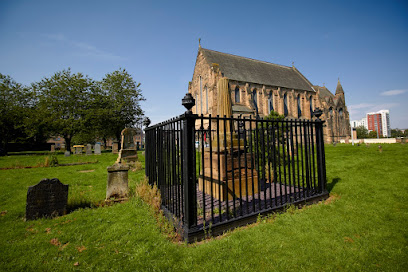
Govan Old Church
1.9 km
Explore the enchanting Govan Old Church, a historical landmark in Glasgow, rich with ancient relics, cultural heritage, and serene beauty.
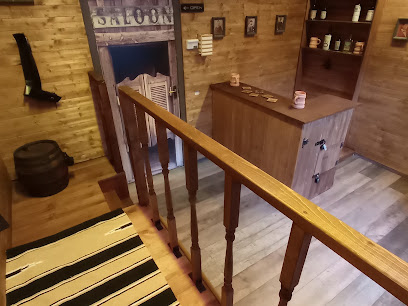
Riddle Rooms Glasgow
1.9 km
Experience the thrill of escape rooms in Glasgow, where adventure awaits around every corner with engaging puzzles and immersive themes.
Unmissable attractions to see

SEC Armadillo
0.2 km
A striking Glasgow auditorium shaped like ship hulls, blending maritime heritage with cutting-edge design and versatile event spaces.
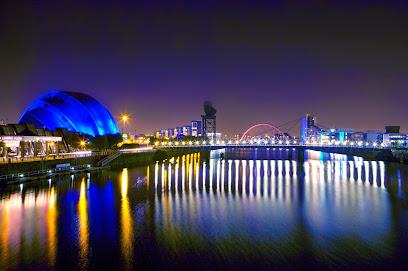
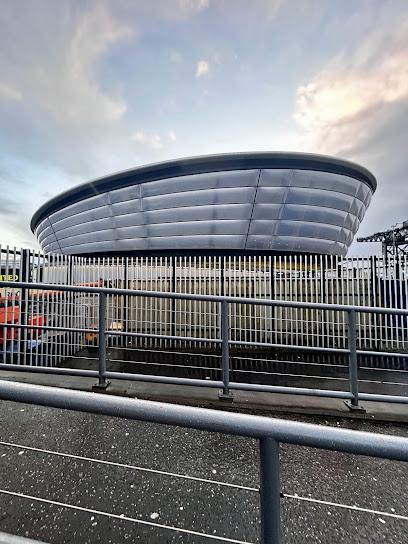
Scottish Event Campus
0.3 km
Scotland’s largest integrated venue for world-class exhibitions, concerts, and conferences on Glasgow’s vibrant River Clyde waterfront.
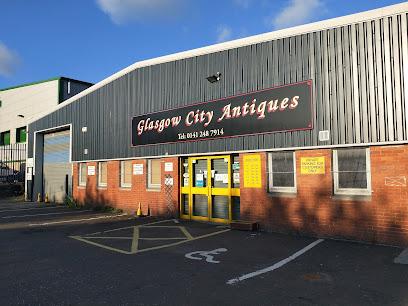
Glasgow City Antiques
0.5 km
Explore Glasgow City Antiques, a vast warehouse of quality vintage furniture and unique collectibles in the heart of Glasgow’s vibrant antique scene.
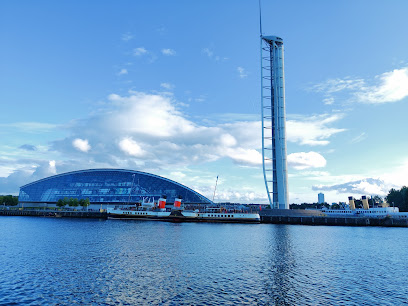
Glasgow Science Centre
0.6 km
Explore science hands-on with interactive exhibits, a planetarium, and Scotland’s tallest rotating tower on the scenic banks of the River Clyde.
The wild pork statue
0.7 km
A whimsical bronze wild boar sculpture celebrating Glasgow’s creative spirit in the heart of Finnieston.
Paddle Steamer Waverley
0.7 km
Step aboard the world’s last seagoing paddle steamer for a nostalgic cruise along Scotland’s stunning west coast and beyond.
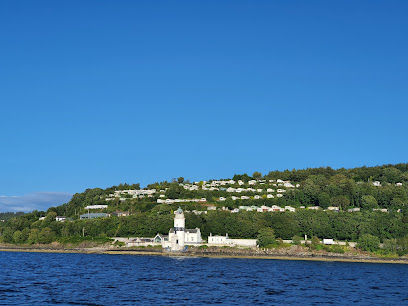
Glasgow Science Centre Tower
0.7 km
Experience Scotland’s tallest rotating tower with breathtaking panoramic views and cutting-edge engineering on the banks of the River Clyde.
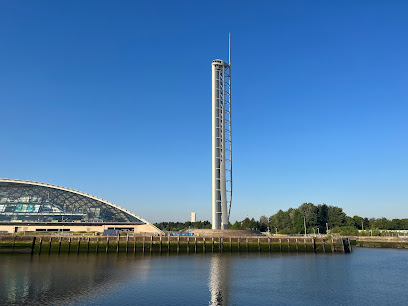
Wonder World Soft Play Glasgow
0.9 km
Glasgow’s expansive indoor play centre with thrilling slides, toddler zones, and a volcano-themed adventure for family fun all year round.
The Clydeside Distillery
0.9 km
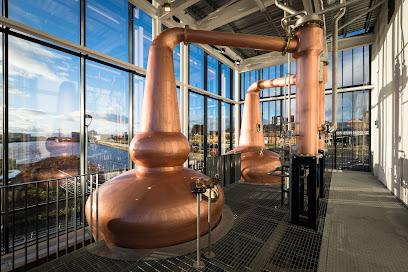
Discover Glasgow’s whisky heritage revived at The Clydeside Distillery, where history, craft, and riverside charm blend into a unique tasting experience.
Box Hub
1.0 km
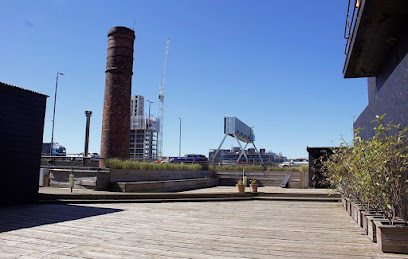
Versatile Glasgow venue blending live music, stylish events, and unforgettable celebrations under a stunning glass roof.
Railway Arches Murals
1.1 km
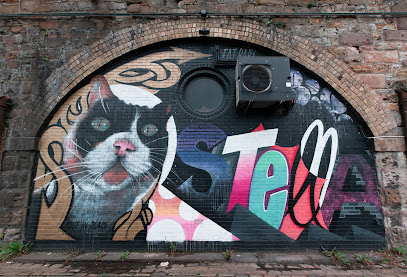
Discover Glasgow’s vibrant culture and history expressed through ever-changing murals beneath the iconic railway arches on Pointhouse Road.
The Mitchell Library
1.1 km
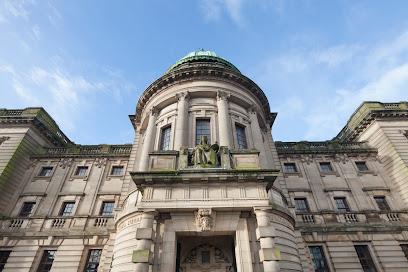
Discover Glasgow’s iconic Mitchell Library, a grand cultural hub blending vast collections, stunning architecture, and vibrant community life.
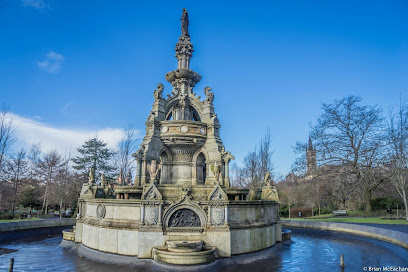
Stewart Memorial Fountain
1.1 km
A Victorian Gothic masterpiece in Kelvingrove Park honoring Glasgow’s water pioneer, Robert Stewart, and the gift of clean water.
Seventh Heaven Lap Dancing Club
1.2 km
Glasgow’s premier lap dancing club offering vibrant nightlife, sensual performances, and exclusive VIP experiences until 4am nightly.

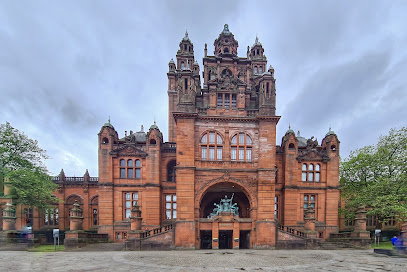
Kelvingrove Art Gallery and Museum
1.2 km
Explore Glasgow’s iconic Kelvingrove Art Gallery and Museum, home to world-class art, historic artifacts, and captivating exhibits in a stunning historic setting.
Essential places to dine

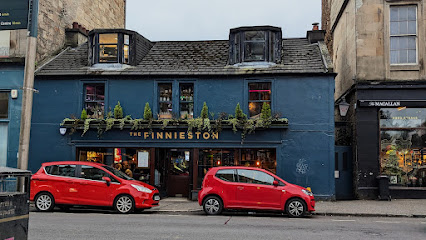
The Finnieston
0.7 km
A stylish seafood haven paired with an award-winning gin bar in the heart of Glasgow’s vibrant Finnieston district.
Fanny Trollopes
0.7 km
Seasonal Scottish bistro in Glasgow’s Finnieston, blending rustic charm with fine dining and crafted cocktails in an intimate setting.
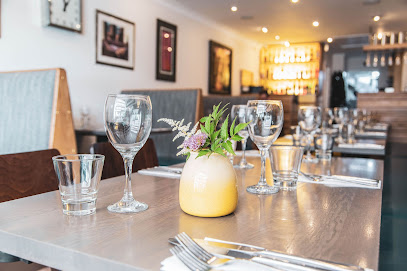
Porter & Rye
0.7 km
Discover Glasgow’s premier steakhouse in Finnieston, where expertly dry-aged Scottish beef meets rustic charm and impeccable service.
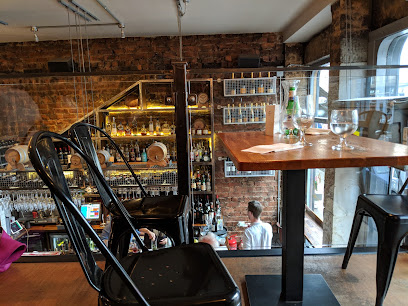
The Gannet
0.7 km
A stylish Finnieston restaurant blending modern Scottish flavors with sustainable sourcing and refined fine dining elegance.
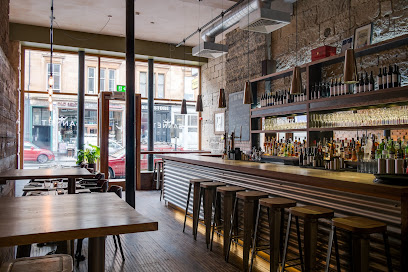
Big Slope
0.8 km
Cozy Finnieston basement bar serving top-tier pub grub, craft cocktails, and dog-friendly vibes in a shabby-chic haven with summer beer garden bliss.
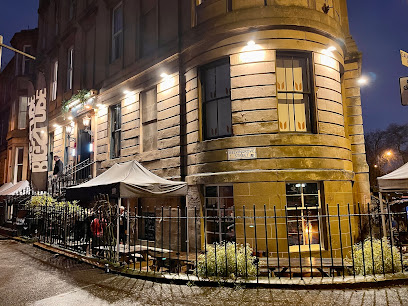
UNALOME by Graeme Cheevers
0.8 km
Michelin-starred fine dining in Glasgow’s vibrant Finnieston, blending seasonal Scottish seafood with warm, elegant service in a relaxed setting.
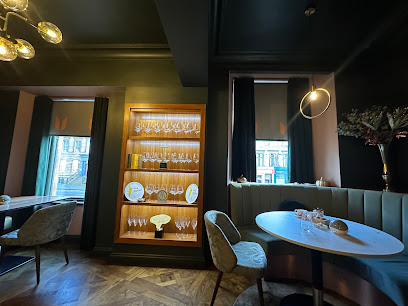
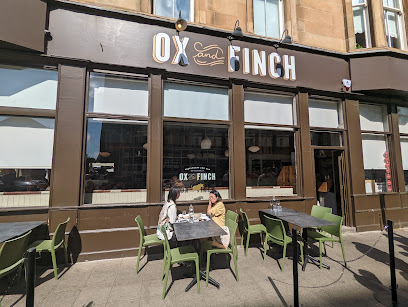
Ox and Finch
0.8 km
Michelin-recognised sharing plates in Glasgow's most vibrant foodie neighbourhood, where seasonal simplicity meets culinary craft.
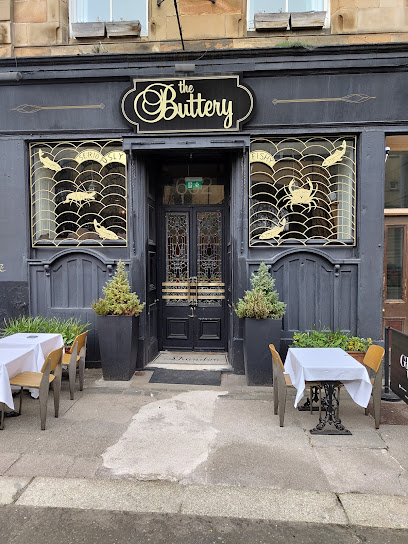
The Buttery
0.9 km
Experience classic Scottish cuisine in a warm, elegant setting at Glasgow’s historic and beloved The Buttery.
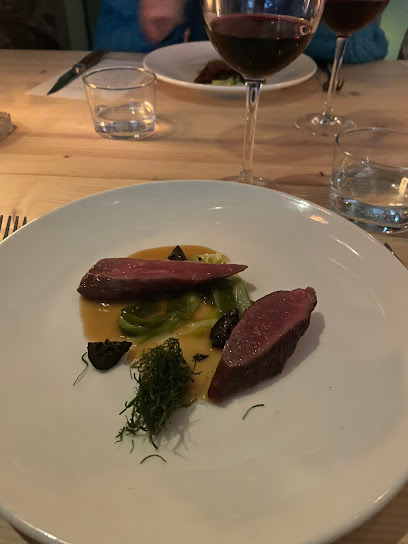
Fallachan Kitchen
1.1 km
Experience Scotland’s finest seasonal tasting menu at Fallachan Kitchen’s intimate 12-seat chef’s table in a unique Glasgow railway arch.
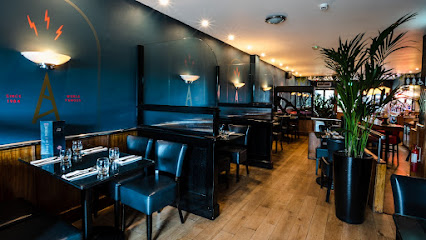
Baby Grand Bar & Grill
1.2 km
Live piano music, refined British cuisine, and timeless elegance in Glasgow's city centre.
Mini Grill Steakhouse - Glasgow
1.4 km
Cozy Glasgow steakhouse serving expertly cooked Scottish steaks with warm hospitality and classic sides in a relaxed, intimate setting.
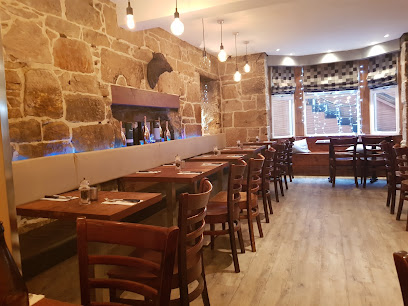
Piccolo Mondo
1.4 km
Experience authentic Italian flavors and warm hospitality in the heart of Glasgow at Piccolo Mondo, a city centre gem.
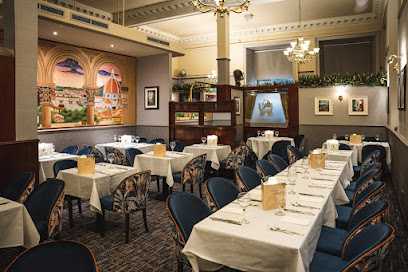
Chillies West End
1.4 km
Experience authentic Indian cuisine in Glasgow’s West End with fresh flavors, a lively atmosphere, and friendly BYOB dining at Chillies West End.
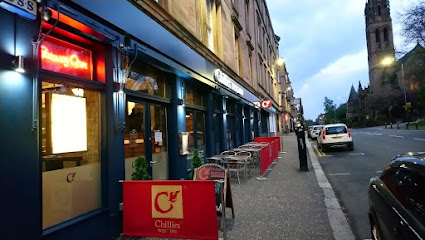
Meat Joint Scottish Steakhouse
1.4 km
Savor expertly cooked Scottish steaks in a cozy, family-owned steakhouse on Glasgow’s lively Sauchiehall Street.
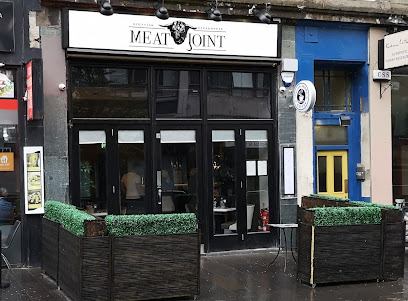
Bath Street Palomino
1.5 km
A stylish Italian restaurant and cocktail bar in Glasgow’s city centre, blending modern design with exceptional food and drinks.
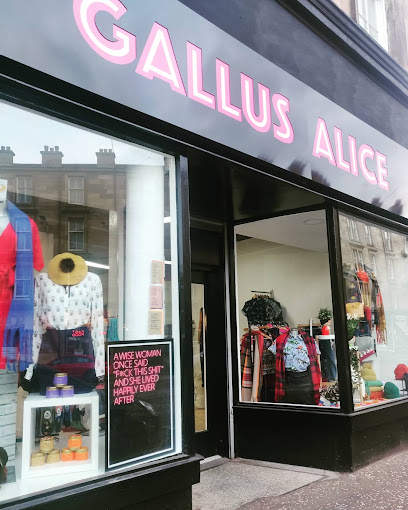
Markets, malls and hidden boutiques

Gallus Alice
0.6 km
A stylish boutique in Glasgow’s vibrant Finnieston offering unique fashion with a bold local flair and a curated shopping experience.
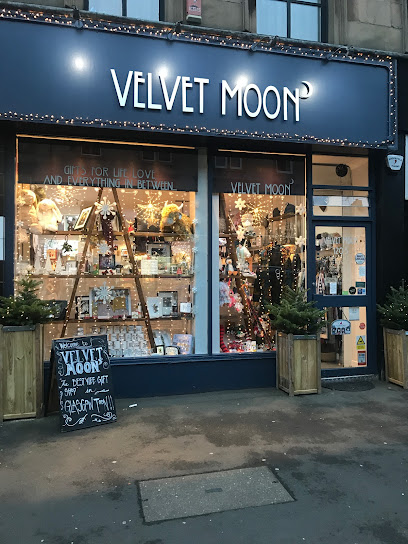
VELVET MOON
0.8 km
Discover unique handmade gifts and local treasures in the charming and characterful Velvet Moon gift shop in Glasgow’s Finnieston.
McLay's Gift Shop
1.0 km
Discover handcrafted treasures and unique gifts with a personal touch at McLay's Gift Shop in Glasgow’s vibrant Hilton district.
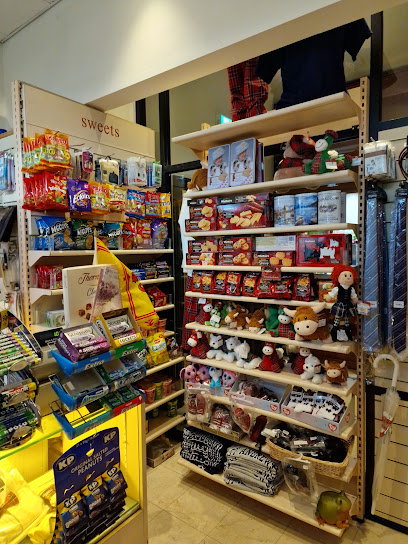
Braw Wee Emporium
1.5 km
Celebrate Scottish creativity with handmade gifts from independent designers and makers.
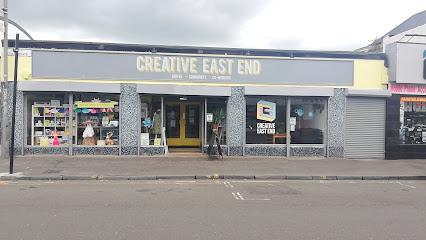
University of Glasgow Gift Shop
1.5 km
Discover official University of Glasgow merchandise and authentic Scottish gifts in a lively, accessible shop nestled beneath the Hunterian Museum.
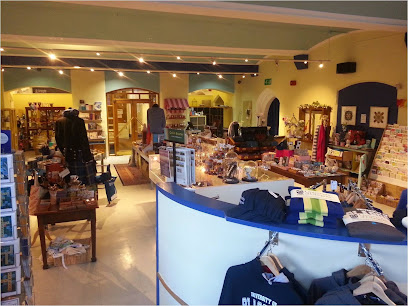
Geek Retreat Glasgow
1.8 km
Discover Geek Retreat Glasgow, where gaming culture meets community in a cozy café atmosphere filled with boards, books, and brews.
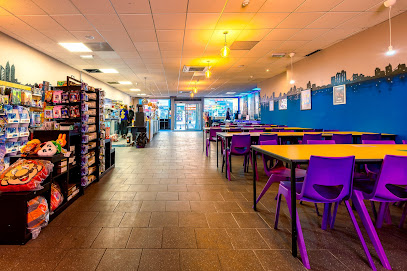
Decadent Riot
1.8 km
A quirky Glasgow boutique offering unique gifts, artistic cards, and a warm, welcoming shopping experience for those seeking something truly distinctive.
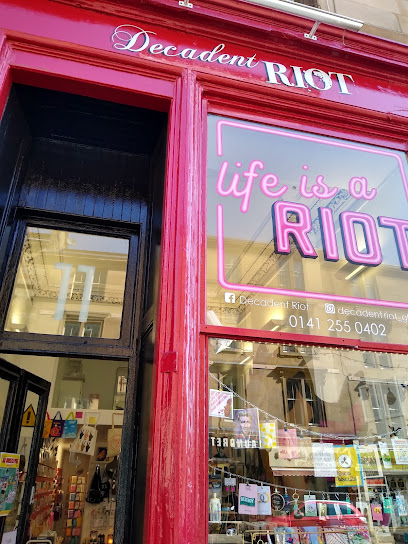
Taste of Scotland
1.8 km
Discover authentic Scottish gifts and rare whiskies in the heart of Glasgow at Taste of Scotland, your gateway to Scotland’s rich heritage.
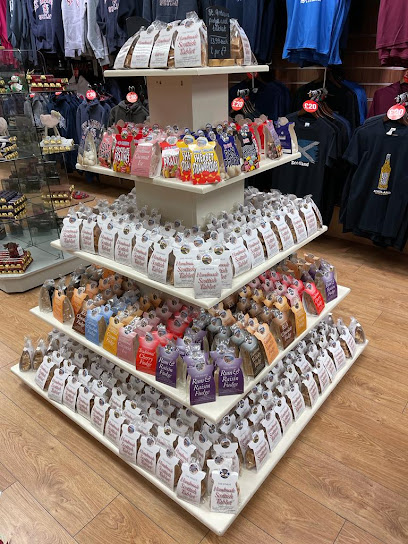
The Vintage Scene Glasgow
1.8 km
Discover timeless vintage fashion treasures and sustainable style at The Vintage Scene, Glasgow’s premier vintage clothing shop in St Enoch Square.
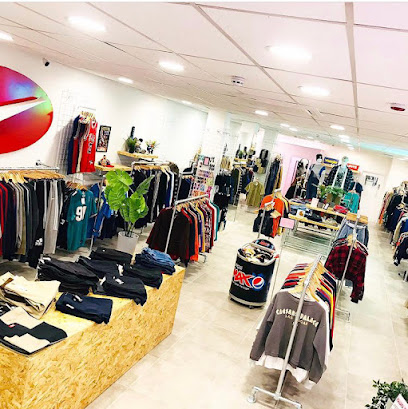
House Of Cashmere Glasgow
1.8 km
Discover authentic Scottish cashmere craftsmanship and timeless luxury in the heart of Glasgow’s vibrant city centre.
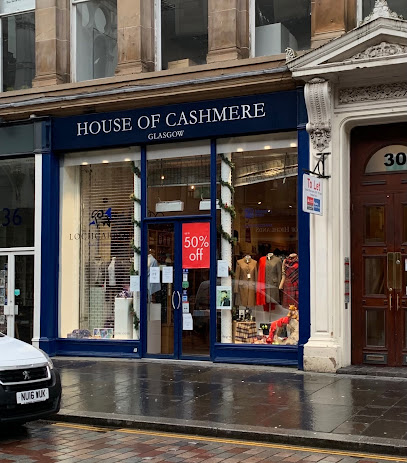
Downstair Design Co.
1.8 km
Compact West End gift shop showcasing curated cards, jewellery and design-led presents in a cosy, maker-focused setting.
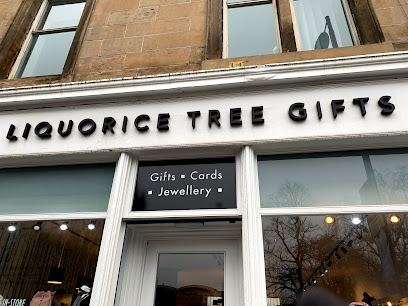
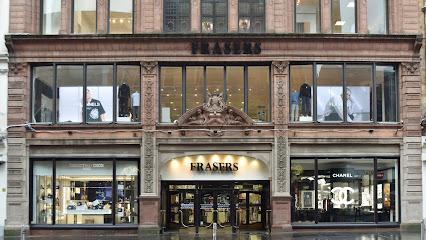
House of Fraser
1.8 km
Discover Glasgow’s historic House of Fraser on Buchanan Street, a vibrant hub for fashion, beauty, and homewares since 1849.
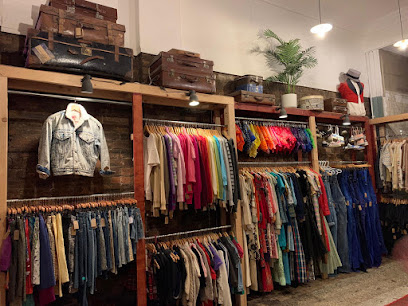
The Glasgow Vintage Co
1.9 km
Discover curated vintage fashion treasures at The Glasgow Vintage Co, a stylish hub for timeless apparel in Glasgow’s West End.
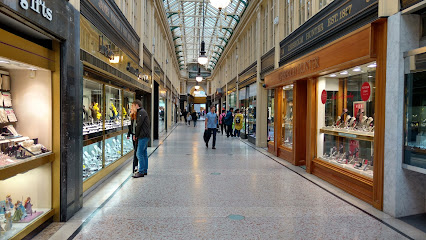
Argyll Arcade
1.9 km
Explore the historical beauty and unique shopping experience of Argyll Arcade in Glasgow, where vintage meets contemporary in a stunning architectural setting.
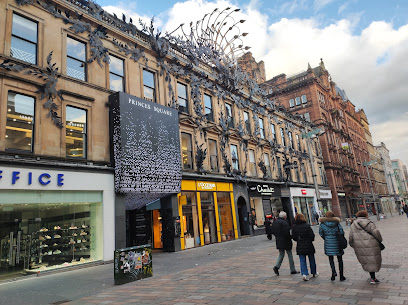
Princes Square Shopping Centre
1.9 km
Experience the best of fashion and dining at Princes Square Shopping Centre, a premier shopping destination in Glasgow's vibrant heart.
Essential bars & hidden hideouts

Red Sky Bar
0.1 km
Glasgow’s vibrant rooftop bar with panoramic city views, creative cocktails, and a lively atmosphere in the heart of Finnieston Quay.
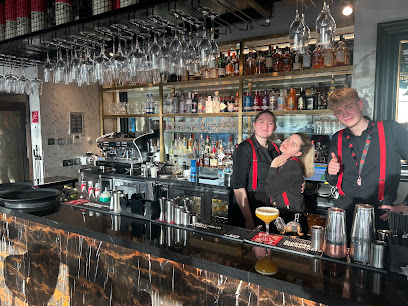
The Dirty Duchess
0.7 km
A cozy, contemporary pub on Argyle Street blending traditional charm with lively cocktails and a dog-friendly vibe.
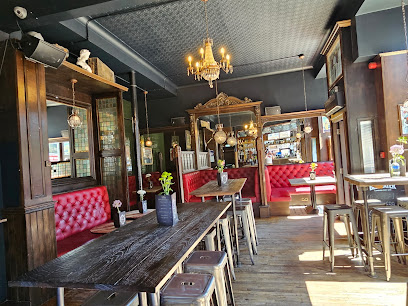
The Ben Nevis
0.7 km
Cozy Scottish pub in Finnieston with a vast whisky selection, rustic charm, and lively Celtic music nights.
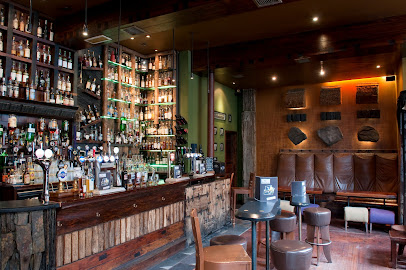
The Park Bar
0.9 km
Experience Glasgow’s vibrant traditional music scene and warm local hospitality at The Park Bar, a historic Scottish pub in Finnieston.
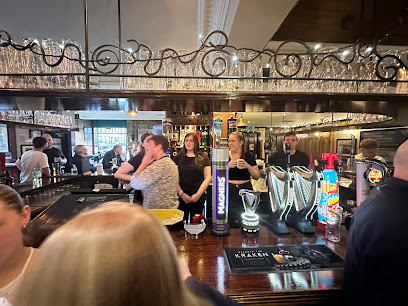
The Islay Inn
0.9 km
Experience Glasgow’s spirited whisky culture and hearty pub fare at The Islay Inn, a vibrant hub of friendly service and live music on Argyle Street.
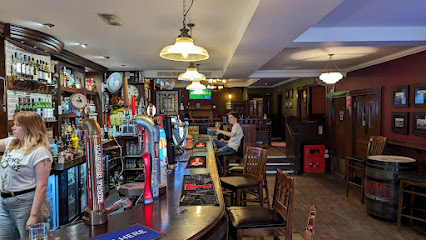
The Bon Accord
1.0 km
Discover Glasgow’s Bon Accord, a legendary pub boasting over 900 beers and an award-winning whisky bar in a vibrant, historic setting.
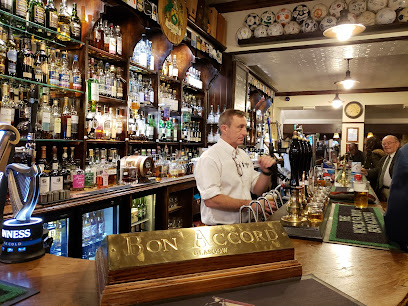
Dukes Bar
1.1 km
A cozy and welcoming West End pub in Glasgow, blending relaxed vibes with quality drinks and friendly service.
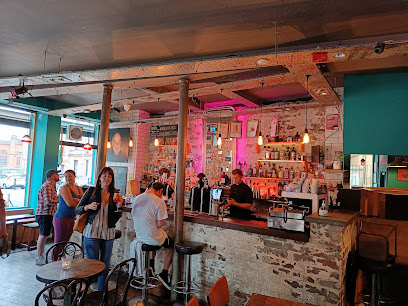
The Duke's Umbrella
1.3 km
Cozy Glasgow gastropub blending fine-dining comfort food, live music, and rustic charm in a lively, welcoming atmosphere.
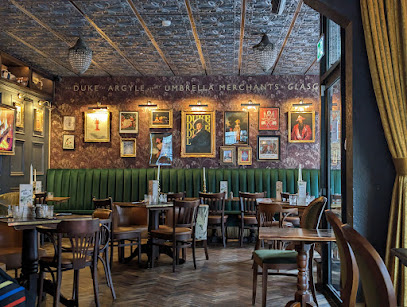
Tiki Bar & Kitsch Inn
1.5 km
Glasgow’s vibrant tropical escape blending exotic cocktails, authentic Thai cuisine, and a lively beer garden in the heart of the city.
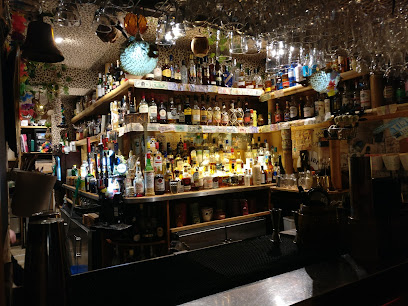
Slouch: Live Music, Kitchen & Late Night Venue
1.5 km
A stylish Glasgow gastropub blending live jazz, blues, and rock with hearty food and creative cocktails in a cozy, speakeasy-inspired setting.
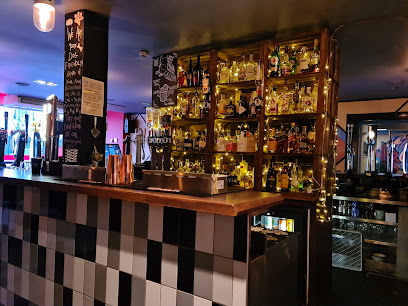
EightySix
1.6 km
Cozy Glasgow cocktail bar famed for creative drinks like the red wine float and margaritas, perfect for relaxed evening socializing.
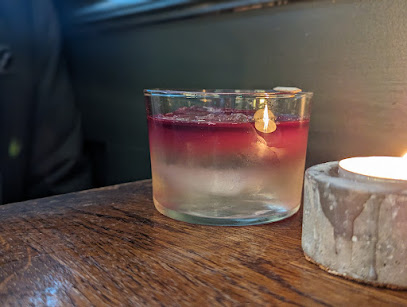
The Record Factory
1.7 km
A West End bar with dive‑bar energy, a large beer garden and DJs that keep the party rolling late into the night.
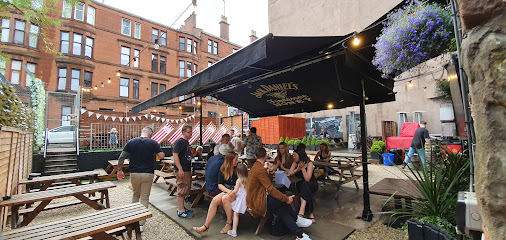
Stereo
1.7 km
Glasgow’s vibrant vegan café, bar, and live music venue nestled in a historic Rennie Mackintosh building on Renfield Lane.
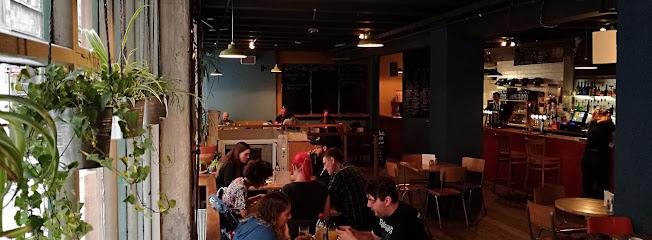
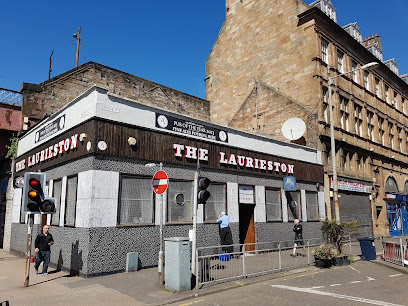
Laurieston Bar
1.7 km
Glasgow's 1960s time-capsule pub: flawless pints, diverse crowds, and unyielding Southside soul in the heart of Gorbals.
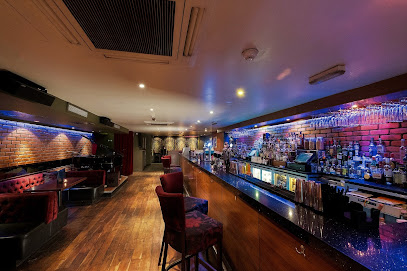
Blue Dog
1.8 km
Glasgow's chic cocktail haven with live piano, masterful mixes, and cozy vibes for unforgettable nights out in the city center.
Nightclubs & after hour spots

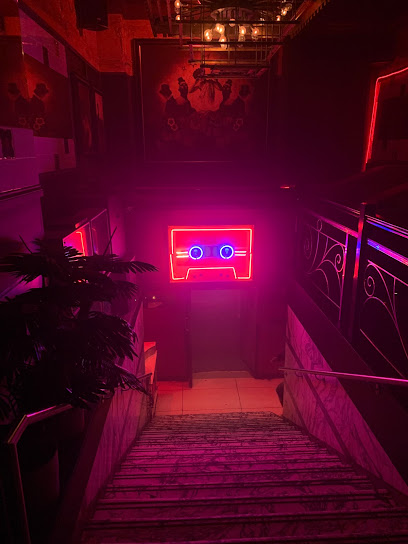
The Berkeley Suite
1.2 km
Discover Glasgow’s hidden vintage nightclub with top DJs, retro vibes, and an intimate dancehall atmosphere beneath a 1940s ballroom.
Firewater
1.4 km
Dive into Glasgow's indie nightlife at Firewater, where two rooms blast alternative anthems, cheap entry fuels the fun, and Sauchiehall Street's energy ignites until 2:30am Thu-Sat.
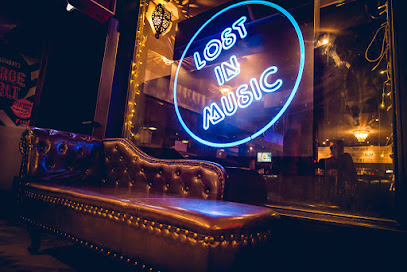
Saint Judes After Dark
1.6 km
Glasgow's electrifying after-dark escape: pulsating DJ beats, craft cocktails, and retro club vibes fuel nights until 3am on Bath Street.
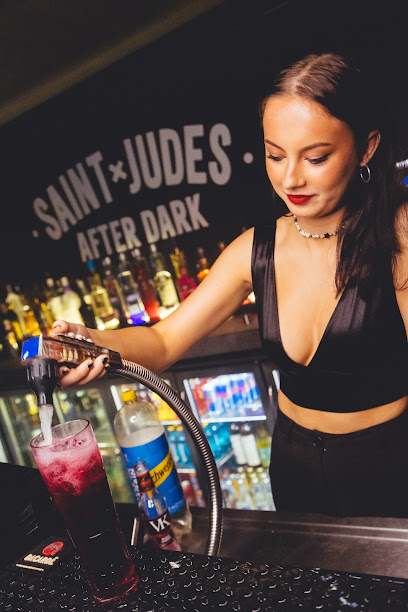
Buff Club
1.6 km
Dive into Glasgow's funky basement beats at The Buff Club, where soul, disco, and 80s grooves light up the night under disco ball magic.
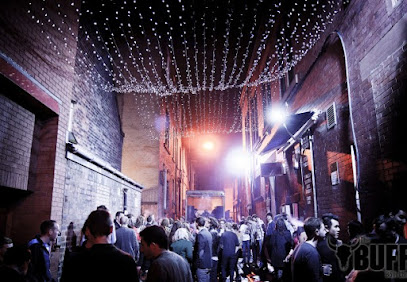
142B Lounge
1.7 km
Glasgow's premier spot for Afrobeats, Amapiano, and African flavors—dance, dine, and vibe in luxury VIP style until dawn.
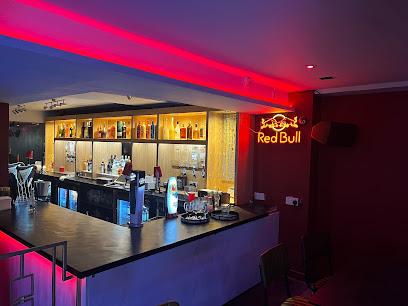
Sub Club
1.7 km
Glasgow’s legendary underground nightclub, Sub Club, pulses with cutting-edge sound and authentic dance culture in an intimate basement setting.
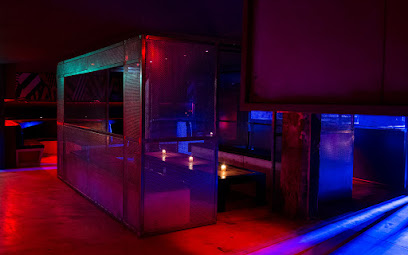
Classic Grand
1.7 km
Glasgow's ultimate electronic music haven in a reborn cinema, where thunderous beats and euphoric crowds collide until dawn.
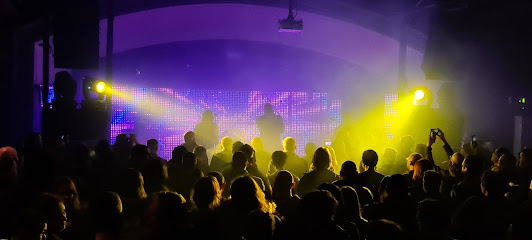
Cathouse Rock Club
1.7 km
Glasgow's unrelenting rock fortress since 1990—metal riffs, live gigs, and alternative fury across three pounding rooms.
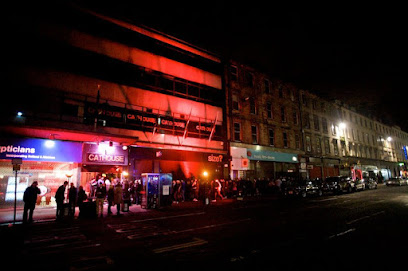
Club Tropicana & Venga
1.7 km
Two-room retro nightclub in central Glasgow with themed ’80s/’90s nights, booth bookings and a high-energy weekend atmosphere.
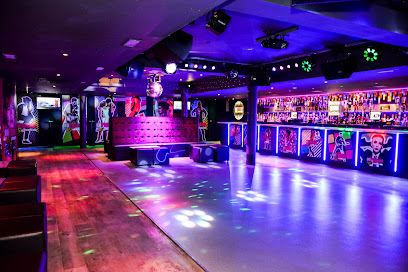
The Plug Glasgow
1.8 km
Experience Glasgow’s premier Afrobeat nightclub where Nigerian wedding vibes meet luxury nightlife and vibrant celebration.
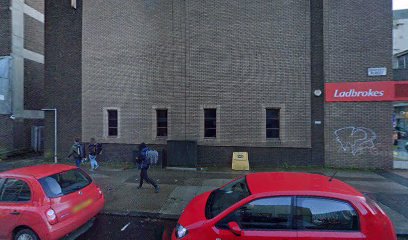
Platinum Lace Glasgow
1.8 km
Glasgow’s premier gentlemen’s club with stunning dancers, VIP luxury, and an electric nightlife atmosphere in the city centre.
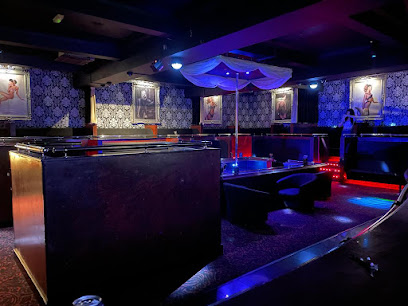
The Savoy
1.8 km
Experience Glasgow’s vibrant weekend nightlife at The Savoy, a lively nightclub on Sauchiehall Street pulsing with music and energy until dawn.

Kokomo Glasgow
1.8 km
Kokomo Glasgow was a late-night nightclub and bar known for its energetic vibe and central city location on West Regent Street.
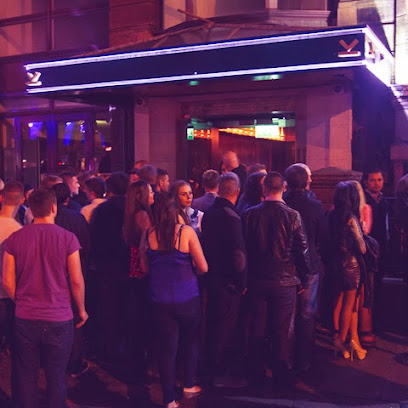
Bamboo
1.8 km
Glasgow’s energetic three-room basement nightclub offering affordable drinks and diverse music for a lively student crowd.
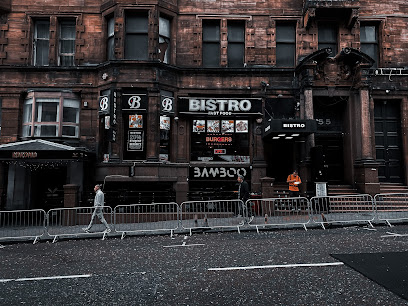
Popworld Glasgow
1.8 km
Dive into a whirlwind of 80s-00s pop anthems, retro props, and cocktail-fueled dance marathons at Glasgow's ultimate cheesy nightclub escape.
For the vibe & atmosphere seeker
- Scenic
- Unique
- Adventurous
For the design and aesthetic lover
- Industrial Designs
- Vintage Styles
For the architecture buff
- Historic
- Landmarks
- Industrial
For the view chaser and sunset hunter
- Iconic Views
- Panoramas
- Waterfront
- Skyline
For the social media creator & influencer
- Instagrammable
- Photo Spots
- Architectural Shots
- Iconic Views
For the eco-conscious traveler
- Protected Area
- Locally Managed
For the kind of experience you’re after
- Cultural Heritage
- Photowalk
- Adventure Photo Shoot
- Day Trip
For how adventurous you want the journey to be
- Easy Access
Location Audience
- Family Friendly
- Solo Friendly
- Couple Friendly
- Senior Friendly
- Wheelchair Access


