Scottish Canals Travel Guide
Free Guide: Explore Scotland’s historic canals—waterways of engineering marvels, scenic beauty, and vibrant cultural heritage.


A brief summary of Scottish Canals
Explore Scotland’s historic canals—waterways of engineering marvels, scenic beauty, and vibrant cultural heritage.
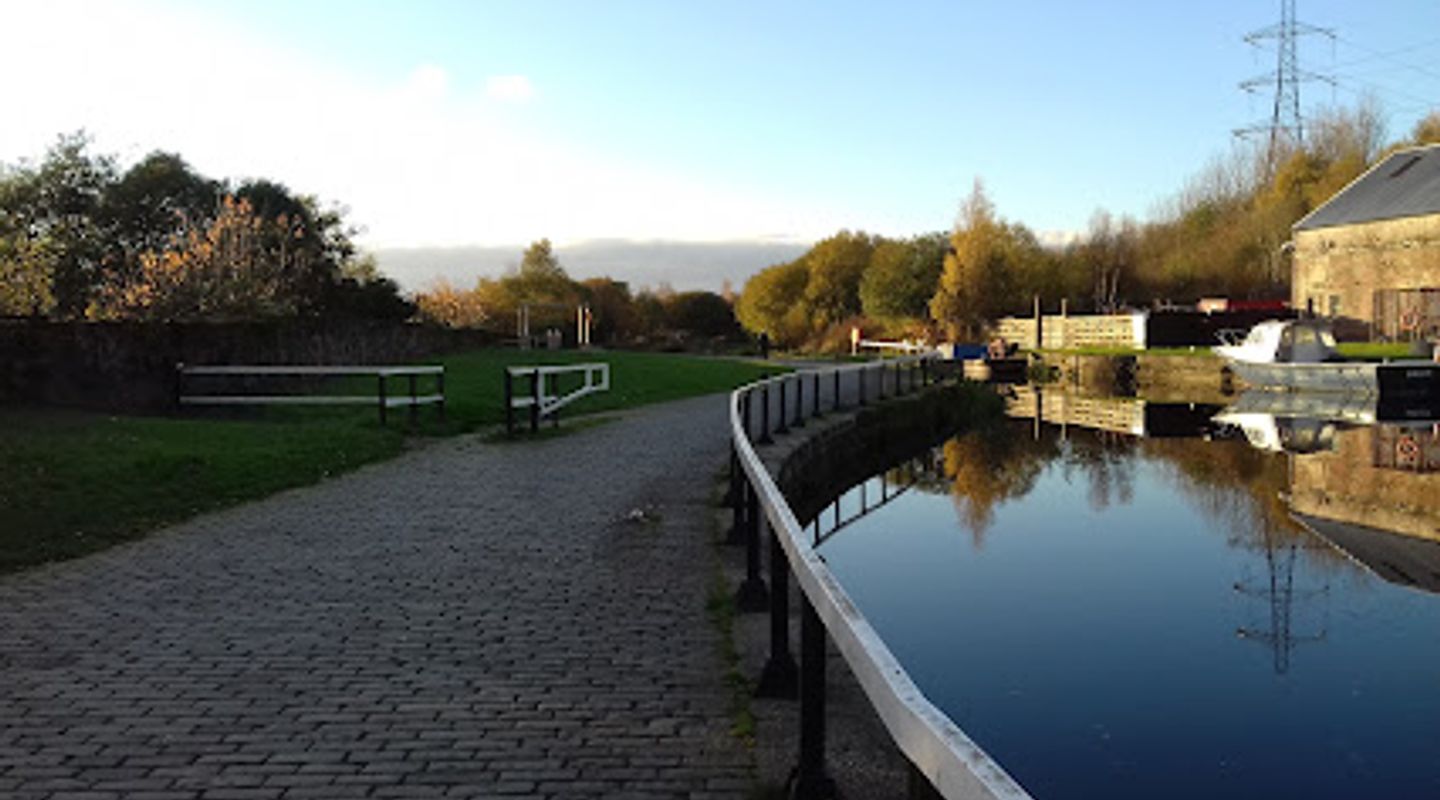
Scottish Canals manages and preserves Scotland’s extensive network of historic canals, including the iconic Caledonian, Forth & Clyde, Union, Crinan, and Monkland canals. Spanning over 137 miles, these waterways offer scenic routes through urban centers, tranquil countryside, and dramatic Highland landscapes. Visitors can enjoy boating, walking, cycling, and cultural heritage experiences along the canals, with key attractions such as the Falkirk Wheel, The Kelpies, and Neptune’s Staircase enriching the journey.
On-site amenities
 Restrooms
 Drink options
 Food options
 Seating areas
 Information boards
 Visitor centre
Opening hours
- Mon9 am–5 pm
- Tue9 am–5 pm
- Wed9 am–5 pm
- Thu9 am–5 pm
- Fri9 am–5 pm
- SatClosed
- SunClosed
Opening hours as listed on the venue’s Google Business Profile. Hours can change for services and special events, so check with the venue before you go.
- Address
- Canal House, 1 Applecross St, Glasgow G4 9SP
- Phone
- Website
Getting there
Public Transport
Car
Walking and Cycling
Discover more about Scottish Canals
Scotland’s Waterway Heritage and Management
Scottish Canals is the public body responsible for the stewardship and development of Scotland’s five main canals: the Caledonian, Forth & Clyde, Union, Crinan, and Monkland canals. These waterways, constructed between the late 18th and early 19th centuries, played a pivotal role in Scotland’s industrial growth by facilitating the transport of coal, iron, and goods across the country. Today, Scottish Canals manages over 137 miles of navigable waterways, including 88 locks, 235 bridges, and 19 reservoirs supplying 332 million litres of water daily. Their remit extends beyond navigation, encompassing the care of iconic structures such as the Falkirk Wheel and The Kelpies sculptures, as well as the surrounding natural and built environment.
Iconic Canals and Engineering Marvels
Among the most celebrated waterways is the Caledonian Canal, a 60-mile route linking Fort William to Inverness through the Great Glen. This canal combines man-made channels with natural lochs, including Loch Ness, offering spectacular scenery and a rich cultural backdrop. The Forth & Clyde Canal, completed in 1790, connects the east and west coasts and passes through Scotland’s industrial heartland. The Union Canal, restored as part of the Millennium Link project, connects Edinburgh with the Forth & Clyde Canal at Falkirk, featuring the engineering wonder of the Falkirk Wheel—a rotating boat lift that raises vessels 24 meters between canals. The Crinan Canal, known as Britain’s most beautiful shortcut, and the historically significant Monkland Canal complete the network.
Visitor Experiences and Activities
Scottish Canals offers a diverse range of activities for visitors, from leisurely boat trips and canal holidays to walking, cycling, and fishing along towpaths that traverse urban, rural, and Highland landscapes. The canals provide peaceful routes ideal for nature escapes and photowalks, while cultural heritage is celebrated through visitor centers like the Caledonian Canal Centre in Fort Augustus. This centre features local artisan products, exhibitions on canal history, and opportunities to watch boats navigating the locks. Events such as charity races, flotillas, and festivals animate the waterways throughout the year, making the canals vibrant community spaces.
Environmental Stewardship and Sustainability
Scottish Canals is committed to sustainable management practices that protect wildlife habitats and maintain the ecological health of the waterways. The network includes protected areas and nature reserves, with policies emphasizing low-impact use and conservation. The canals’ reservoirs and water management systems are vital for maintaining water levels and supporting biodiversity. Public transport accessibility and car-free towpaths encourage eco-friendly visitation, aligning with Scotland’s broader environmental goals.
Facilities and Accessibility
The canals are supported by visitor amenities such as information boards, restrooms, seating areas, and visitor centers located at key points like Canal House in Glasgow and the Caledonian Canal Centre. While many towpaths and canalside routes offer easy access suitable for families, seniors, and casual visitors, some sections require moderate walking or cycling effort. Boaters can access moorings and passage assistance through Scottish Canals’ offices, with advanced booking required for lock and bridge operations during peak seasons.
Living History and Cultural Significance
The Scottish canals are living museums of Scotland’s industrial past and natural beauty. They embody engineering ingenuity from the era of Thomas Telford and others, blending functionality with stunning landscapes. The canals continue to inspire with their blend of historic infrastructure and vibrant present-day use, connecting communities and visitors alike to Scotland’s rich heritage and scenic wonders.
Evendo Review Centre
 Google
Guest reviews
Best time to go
Quietest: Jan, Feb & Dec · before 6am or at 9pm
Busy times are Evendo estimates for a typical year, to help you plan. Actual crowds vary with events, school holidays and the weather.
Explore Scottish Canals on the map
A handpicked selection of must-see spots near Scottish Canals, mapped for you.
Get your free copy of our complete guide to Scottish Canals, delivered straight to you.
Everything on this page, from opening hours and how to get there to Eve’s tips and the best time to go, in one PDF you can read offline, print or share.
Already have an account? Sign in
Your Scottish Canals guide is ready.
We'll send it to · Not you? Sign out

Getting your guide ready…
We are putting together a fresh copy of the Scottish Canals guide. This can take up to a minute.
This can take a few moments. If your browser asks, choose Allow so the download can start. You'll find the guide in your Downloads folder.
Nothing happened? Download it again
Sorry, the guide is taking longer than usual. Please try again in a minute, or get it by email instead.
Other nearby places you may find interesting
The closest places of the same kind, if this one is not quite what you had in mind.
-
-
-
-
-


Swipe for more places
More to explore near Scottish Canals

 Best experiences near Scottish Canals
 Best hotels near Scottish Canals
 Best landmarks near Scottish Canals
 Best attractions near Scottish Canals
 Best shops near Scottish Canals
 Best restaurants near Scottish Canals
 Best bars near Scottish Canals
Do you manage this location?
Take control to get all the benefits, like improved information, better appearance, and stronger visibility across AI-powered discovery.
Explore more

Explore more of Renfrewshire
Discover Renfrewshire: Scotland's blend of history, culture, and natural beauty, from ancient abbeys to scenic parks.
Explore Renfrewshire
Explore more of United Kingdom
Discover the United Kingdom: A blend of rich history, stunning landscapes, and vibrant cities, offering a unique travel experience for every visitor.
Explore United Kingdom