

Savings Bank of Glasgow Building
A Victorian banking landmark symbolizing Glasgow's rise to financial prominence in 19th-century Britain.
A landmark Victorian banking hall designed by John Burnet in the Italianate style, the Savings Bank of Glasgow building stands as a testament to 19th-century Scottish financial enterprise and architectural ambition. Opened in 1866 on Ingram Street, this iconic structure housed the headquarters of what became the largest savings bank in Britain by 1870. Though no longer in operation, the building remains a striking example of period design and a symbol of Glasgow's banking heritage.
A brief summary to Savings Bank of Glasgow building
- Glasgow, VP6G+P8, GB
- Duration: 0.5 to 1.5 hours
- Free
-
 Outdoor
- Mobile reception: 5 out of 5
Local tips
- The building is no longer operational as a bank, but its exterior Italianate architecture remains visible from Ingram Street. Observe the refined stonework and proportions that reflect John Burnet's design philosophy.
- Combine your visit with exploration of nearby Ingram Street and the Merchant City district, which contains numerous Victorian commercial buildings and galleries reflecting Glasgow's 19th-century prosperity.
- Research the branch buildings scattered across Glasgow, particularly the Parkhead branch designed by John Keppie, to understand the bank's expansion strategy and architectural evolution.
- Visit Glasgow's Mitchell Library or City Archives to access historical records, photographs, and documents detailing the bank's operations and architectural commissions.

For the on-the-go comforts that matter to you
- Information Boards
- Seating Areas
Getting There
-
Public Transport
From Glasgow Central Station, take the Subway (SPT Clockwork Orange line) toward Ibrox or Govan and exit at Buchanan Street station. Walk approximately 8–10 minutes northeast through the city centre toward Ingram Street. The building is located on Ingram Street in the Merchant City district. Journey time is approximately 15–20 minutes total. Single fare costs around £1.75 GBP.
-
Walking from City Centre
If you are already in Glasgow's city centre near George Square or Buchanan Street, walk northeast toward Ingram Street, which is approximately 10–15 minutes on foot. The route is straightforward through pedestrian-friendly streets. The building is situated prominently on Ingram Street and is easily identifiable by its distinctive Italianate architecture.
-
Taxi or Ride-Share
Taxis and ride-share services (Uber, Bolt) operate throughout Glasgow. Request transport to Ingram Street in the Merchant City district. Journey time from Glasgow Central Station is approximately 5–10 minutes depending on traffic. Typical fare ranges from £6–12 GBP.
-
Cycling
Glasgow has an expanding cycle network. From the city centre, cycle northeast toward Ingram Street via pedestrian-friendly routes. The journey is approximately 2–3 km and takes 10–15 minutes. Bike parking is available throughout the Merchant City district.
Savings Bank of Glasgow building location weather suitability
-
 Any Weather
Discover more about Savings Bank of Glasgow building
From Humble Beginnings to Banking Dominance
The Savings Bank of Glasgow was established in 1836, emerging from a movement to provide working-class Glaswegians with secure savings facilities. Alexander Gray, a progressive accountant, championed the cause by publishing a pamphlet endorsing the Savings Bank Act of 1835 and organizing a meeting of prominent civic leaders in March 1836. The bank opened that July in modest circumstances, occupying just two rooms within Hutcheson's Hospital, accepting deposits ranging from one shilling to £30. The response was extraordinary: within four years, the institution had accumulated 12,000 accounts and £155,000 in deposits, demonstrating the hunger for accessible financial services among Glasgow's population.Architectural Ambition and Physical Growth
As the bank's influence expanded, so too did its physical presence across the city. In 1843, larger premises were secured in Merchants' House Buildings, followed in 1853 by the acquisition of the institution's first purpose-built property on Wilson Street. The defining moment came in 1866 when the bank commissioned renowned architect John Burnet to design a new head office on Ingram Street. Burnet's Italianate design reflected the bank's status and aspirations, creating a building of considerable presence and refinement that would serve as the institution's flagship for generations. The structure exemplified Victorian confidence in financial institutions and the architectural language of commercial respectability.Expansion Beyond the City Centre
Recognizing that a single office could not serve Glasgow's growing population, the bank pioneered a branch network strategy in 1869. The first suburban branch opened at Bridgeton Cross, followed by three additional locations in 1871 and 1872 positioned strategically across the west, north, and south of the city. These branches, designed by architects including John Keppie, featured distinctive landmark towers and combined banking halls with residential tenement flats, creating economically efficient buildings that anchored important corner sites. The Parkhead branch, completed in 1908, exemplified this approach with its baroque design, domed banking hall, and prominent tower, becoming an architectural statement in its own right.Consolidation and Dominance
By 1870, the Glasgow Savings Bank had achieved an extraordinary milestone: it was the largest savings bank not only in Scotland but in the entire United Kingdom. This success prompted further innovation, including the establishment of an investment department in 1871 that offered enhanced returns to long-standing depositors. Following World War I, the bank pursued an aggressive acquisition strategy, absorbing smaller regional savings banks including the Motherwell Savings Bank in 1929 and six additional institutions throughout the 1930s. By 1935, Glasgow remained comfortably the largest savings bank in Britain, commanding twice the deposits of its nearest rival, the Edinburgh Savings Bank.Legacy and Historical Significance
The Savings Bank of Glasgow building on Ingram Street stands as a physical embodiment of 19th-century Scottish enterprise, financial innovation, and architectural ambition. Though the institution no longer operates, the structure endures as a landmark testament to the era when Glasgow was a global financial and industrial powerhouse. The building's Italianate design, executed by one of Scotland's most respected architects, reflects the confidence and prosperity of the Victorian banking age. The broader network of branch buildings scattered across Glasgow, many designed by prominent local architects, collectively represent an important chapter in the city's architectural and social history.Iconic landmarks you can’t miss

Savings Bank of Glasgow building
0.0 km
A Victorian banking landmark symbolizing Glasgow's rise to financial prominence in 19th-century Britain.
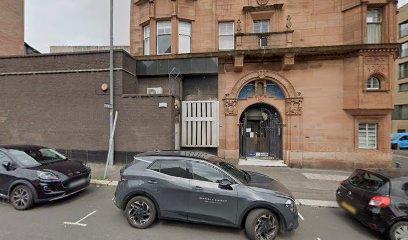
Finnieston Crane
0.8 km
Glasgow's iconic industrial sentinel—a 175-ton testament to engineering brilliance and maritime heritage.
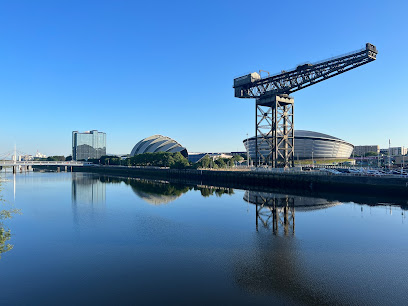
The Clyde Arc
0.8 km
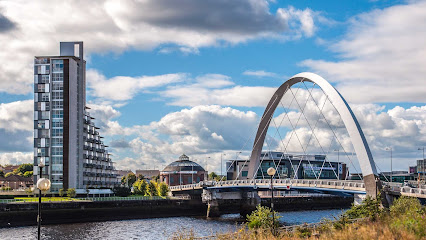
Glasgow’s Squinty Bridge: A modern architectural icon spanning the River Clyde with stunning views and vibrant urban energy.
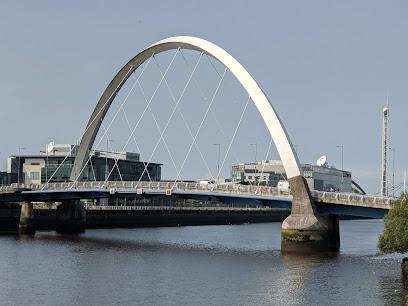
McLellan Galleries
0.9 km
Victorian art gallery turned creative workspace, preserving Glasgow's 19th-century cultural ambitions.
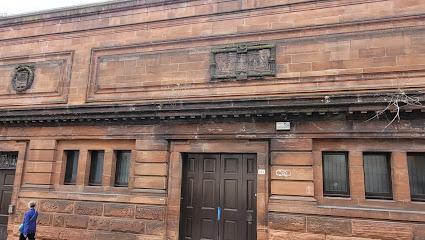
Statue of Light and Life
0.9 km
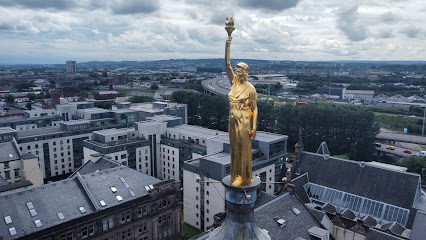
Gilded guardian of Glasgow’s skyline, the Statue of Light and Life shines atop 95 Morrison Street, symbolizing guidance and vitality.
ToursByLocals - Glasgow
1.0 km
Discover Glasgow's rich culture and hidden gems through personalized tours with local experts at ToursByLocals.
St George's Tron Church of Scotland
1.2 km
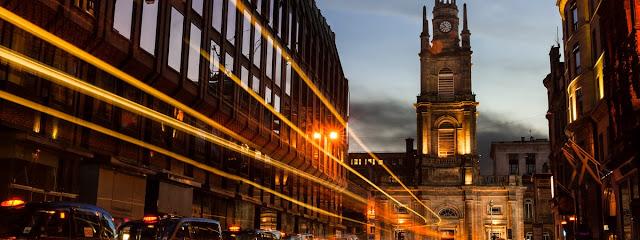
Historic Presbyterian church with iconic Baroque tower, rooted in Glasgow’s evangelical heritage and vibrant city centre life.
Bronze 3D Map of City Centre
1.3 km
Explore Glasgow's heart through the captivating Bronze 3D Map of City Centre, a stunning sculpture and guide to the city's rich heritage.
Good as Gold Street Art
1.3 km
Explore Good as Gold Street Art in Glasgow - a vibrant open-air gallery showcasing stunning murals and street art that reflect the city's creative spirit.
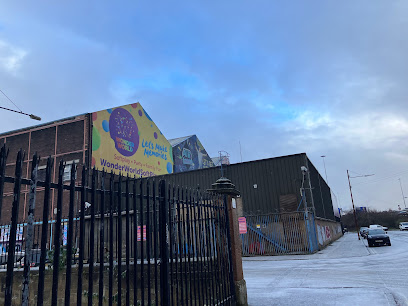
Wonder World Soft Play Glasgow
1.3 km
Explore endless fun and adventure at Wonder World Soft Play Glasgow, the ultimate indoor amusement center for children and families.
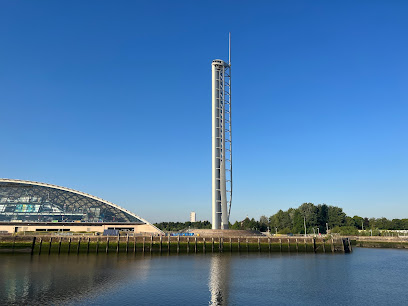
Glasgow Science Centre Tower
1.4 km
Explore the Glasgow Science Centre Tower for breathtaking views and interactive science exhibits, perfect for families and curious minds.
Royal Exchange Square
1.4 km
Discover the lively Royal Exchange Square in Glasgow, a cultural landmark renowned for its stunning architecture, art exhibitions, and vibrant atmosphere.
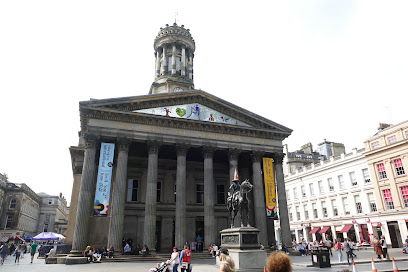
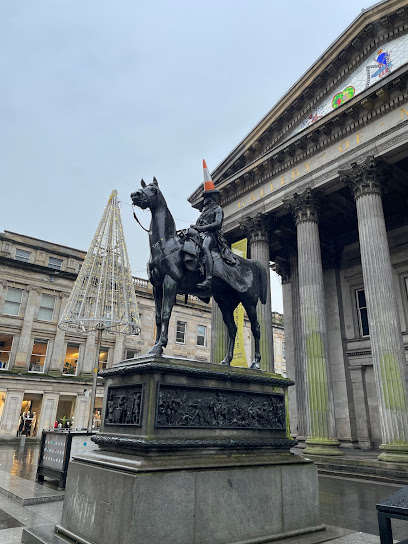
Equestrian statue of the Duke of Wellington, Glasgow
1.4 km
Discover the Equestrian Statue of the Duke of Wellington in Glasgow, a quirky landmark that merges history with local humor.
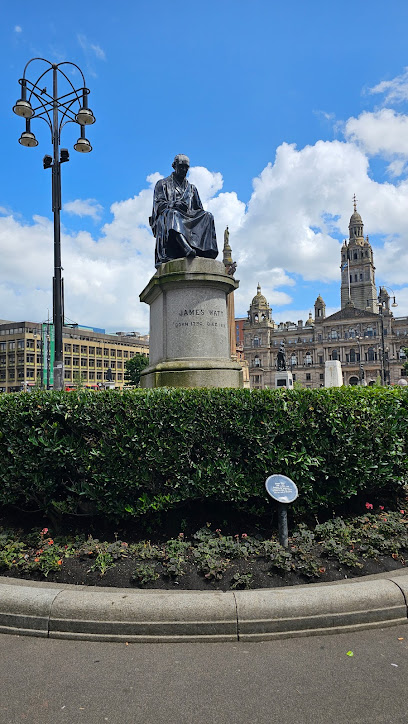
James Watt Statue
1.4 km
Discover the James Watt Statue in George Square, Glasgow - a tribute to innovation and the Industrial Revolution's pioneer, celebrating Scotland's engineering legacy.
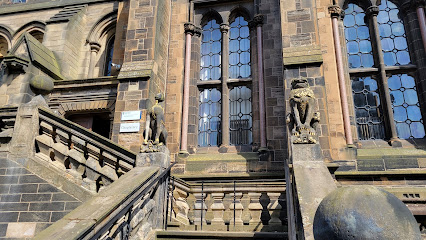
The Lion and Unicorn Staircase
1.4 km
Explore the intricate beauty of The Lion and Unicorn Staircase at the University of Glasgow, a stunning blend of art and history in the heart of the city.
Unmissable attractions to see

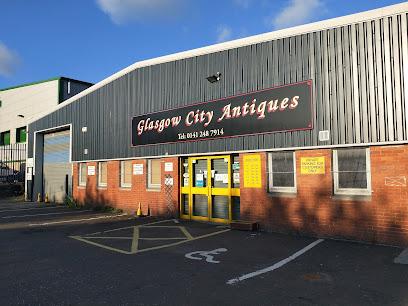
Glasgow City Antiques
0.4 km
Explore Glasgow City Antiques, a vast warehouse of quality vintage furniture and unique collectibles in the heart of Glasgow’s vibrant antique scene.
Seventh Heaven Lap Dancing Club
0.4 km
Glasgow’s premier lap dancing club offering vibrant nightlife, sensual performances, and exclusive VIP experiences until 4am nightly.

Box Hub
0.5 km
Versatile Glasgow venue blending live music, stylish events, and unforgettable celebrations under a stunning glass roof.
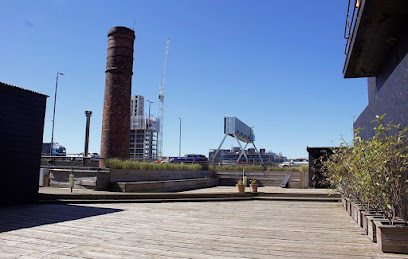
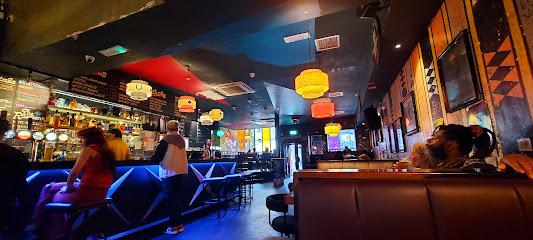
Nice N Sleazy
0.6 km
Discover the vibrant nightlife of Glasgow at Nice N Sleazy, a lively live music venue and bar that perfectly captures the city's artistic spirit.
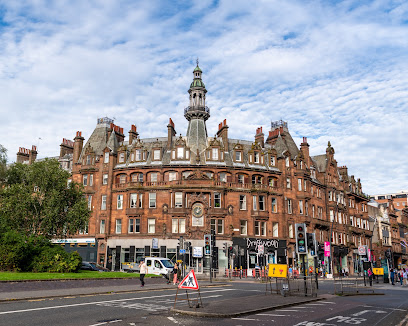
Charing Cross Mansions
0.6 km
Explore Glasgow’s grandest red sandstone tenement, a Victorian architectural jewel blending history with vibrant city life.
Royal Highland Fusiliers Regimental Museum
0.6 km
Explore centuries of Highland military heritage in Glasgow’s historic Royal Highland Fusiliers Museum, where stories of valor come alive.
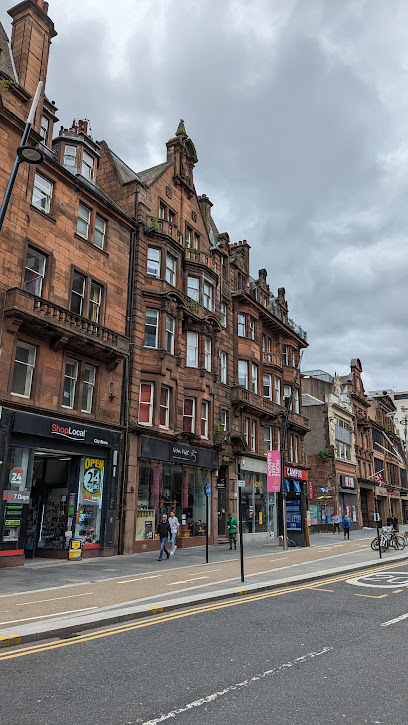
King Tut's Wah Wah Hut
0.6 km
Discover Glasgow’s iconic live music venue where legends are born and intimate gigs create unforgettable memories.
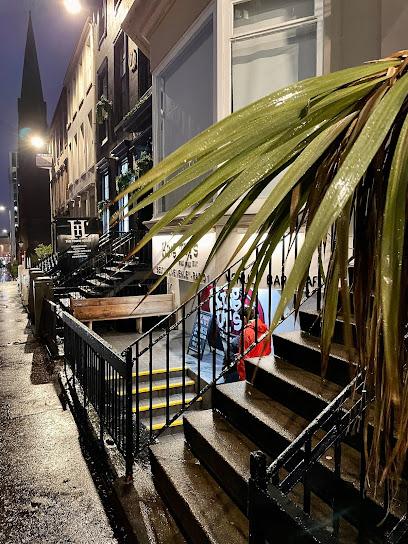
Dead Famous Cities Ltd
0.6 km
Cozy industrial café in Glasgow’s Garnethill offering homemade breads, vegan-friendly brunch, and a strong eco-conscious ethos.
The wild pork statue
0.7 km
A whimsical bronze wild boar sculpture celebrating Glasgow’s creative spirit in the heart of Finnieston.
Blythswood Square
0.7 km
A serene Georgian square in Glasgow blending historic elegance, artistic heritage, and vibrant city life in a lush garden setting.
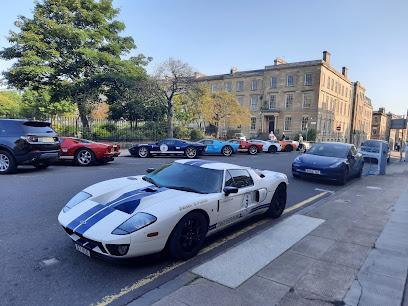
OVO Hydro
0.7 km
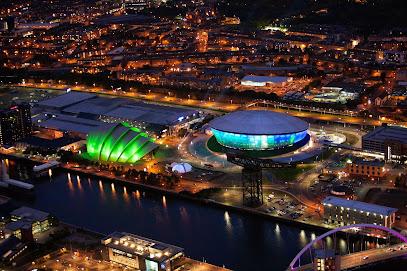
Scotland’s premier live arena, the OVO Hydro dazzles with iconic design and world-class events for over 14,000 spectators.
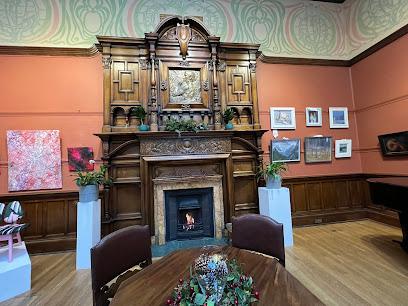
The Glasgow Art Club
0.8 km
Historic Georgian club and gallery showcasing Charles Rennie Mackintosh’s art legacy with vibrant exhibitions and exclusive dining in central Glasgow.
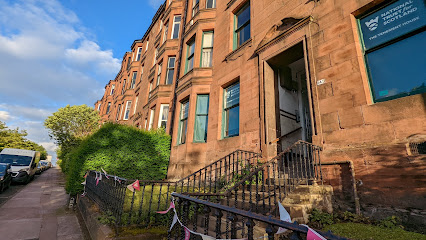
The Tenement House
0.8 km
Step into a perfectly preserved early 20th-century Glasgow flat and experience the life of Agnes Toward, an independent working woman.
The Glasgow School of Art
0.8 km
Experience the artistic brilliance of The Glasgow School of Art, a stunning architectural gem and a cultural hub in Glasgow, Scotland.

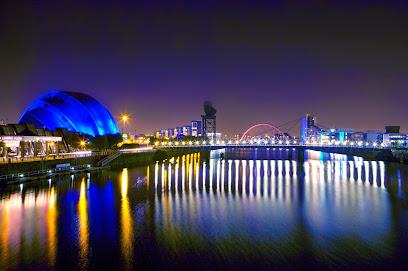
SEC Armadillo
0.8 km
A striking Glasgow auditorium shaped like ship hulls, blending maritime heritage with cutting-edge design and versatile event spaces.
Essential places to dine

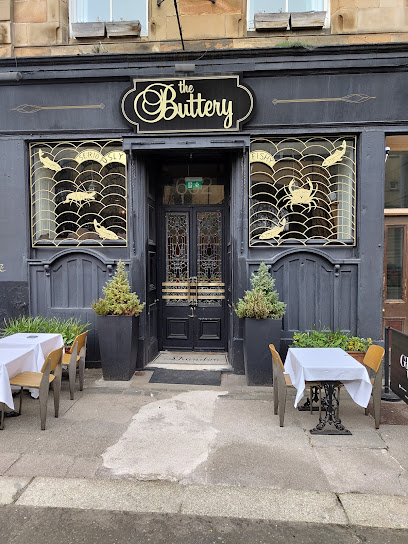
The Buttery
0.2 km
Experience classic Scottish cuisine in a warm, elegant setting at Glasgow’s historic and beloved The Buttery.
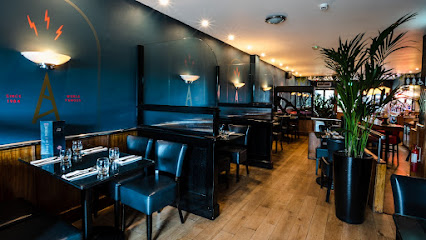
Baby Grand Bar & Grill
0.4 km
Live piano music, refined British cuisine, and timeless elegance in Glasgow's city centre.
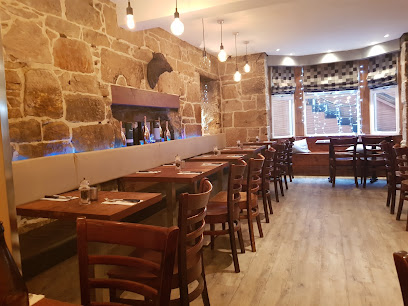
Mini Grill Steakhouse - Glasgow
0.6 km
Cozy Glasgow steakhouse serving expertly cooked Scottish steaks with warm hospitality and classic sides in a relaxed, intimate setting.
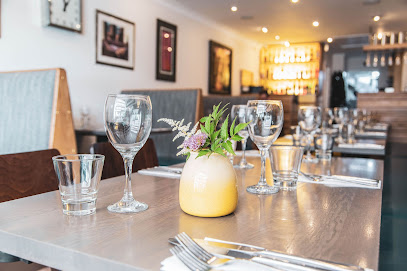
Fanny Trollopes
0.6 km
Seasonal Scottish bistro in Glasgow’s Finnieston, blending rustic charm with fine dining and crafted cocktails in an intimate setting.
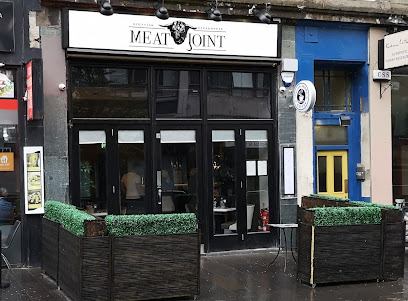
Meat Joint Scottish Steakhouse
0.7 km
Savor expertly cooked Scottish steaks in a cozy, family-owned steakhouse on Glasgow’s lively Sauchiehall Street.
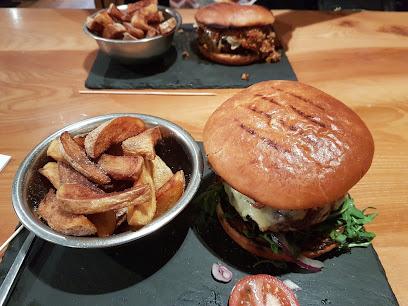
Bath Street Palomino
0.7 km
A stylish Italian restaurant and cocktail bar in Glasgow’s city centre, blending modern design with exceptional food and drinks.
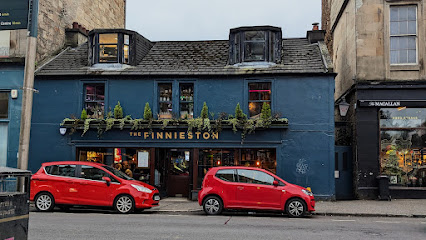
The Finnieston
0.7 km
A stylish seafood haven paired with an award-winning gin bar in the heart of Glasgow’s vibrant Finnieston district.
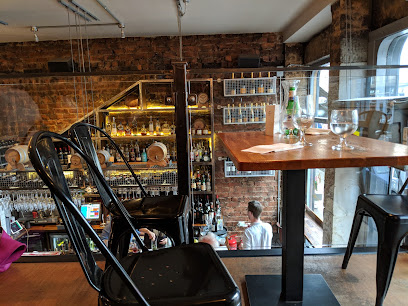
Porter & Rye
0.7 km
Discover Glasgow’s premier steakhouse in Finnieston, where expertly dry-aged Scottish beef meets rustic charm and impeccable service.
Big Slope
0.7 km
Cozy Finnieston basement bar serving top-tier pub grub, craft cocktails, and dog-friendly vibes in a shabby-chic haven with summer beer garden bliss.
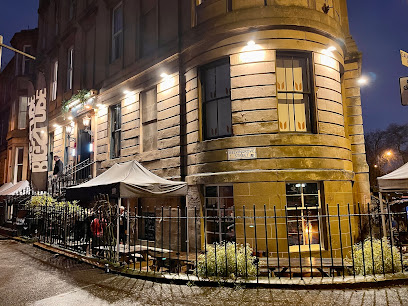
UNALOME by Graeme Cheevers
0.7 km
Michelin-starred fine dining in Glasgow’s vibrant Finnieston, blending seasonal Scottish seafood with warm, elegant service in a relaxed setting.
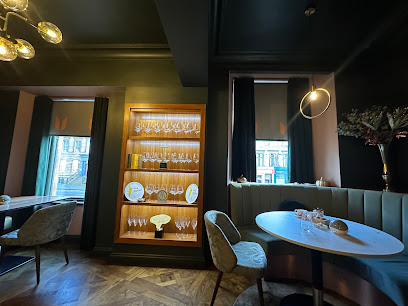
The Gannet
0.8 km
A stylish Finnieston restaurant blending modern Scottish flavors with sustainable sourcing and refined fine dining elegance.
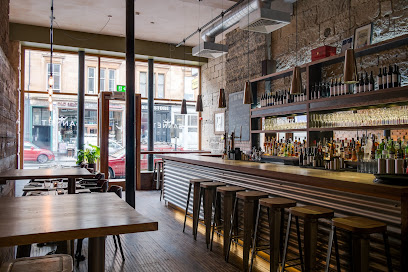
iasg
0.8 km
Refined Scottish seafood dining in a stylish hotel setting with fresh flavors, elegant design, and warm hospitality in Glasgow’s heart.
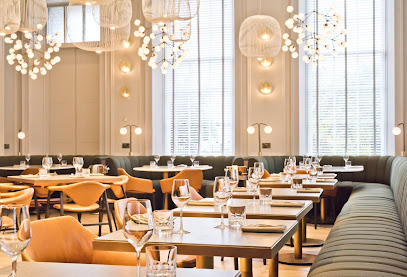
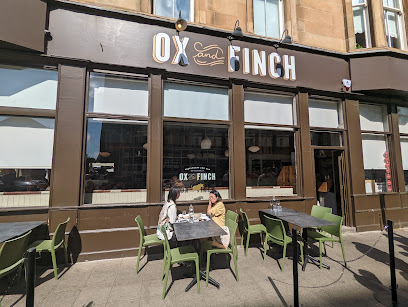
Ox and Finch
0.8 km
Michelin-recognised sharing plates in Glasgow's most vibrant foodie neighbourhood, where seasonal simplicity meets culinary craft.
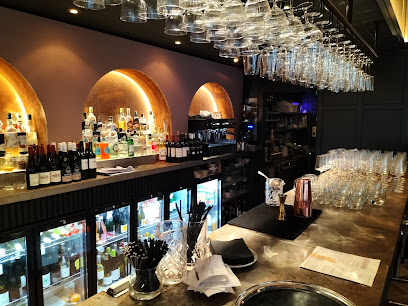
Gōst
0.8 km
Discover Gōst, Glasgow’s elegant bar and restaurant where smoky flavors meet sustainable Angus beef in a cozy, speakeasy setting.
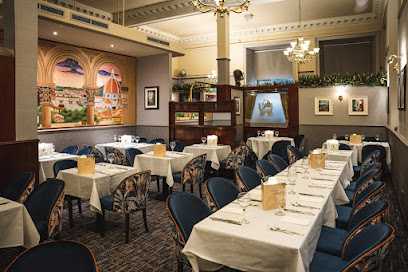
Piccolo Mondo
0.8 km
Experience authentic Italian flavors and warm hospitality in the heart of Glasgow at Piccolo Mondo, a city centre gem.
Markets, malls and hidden boutiques

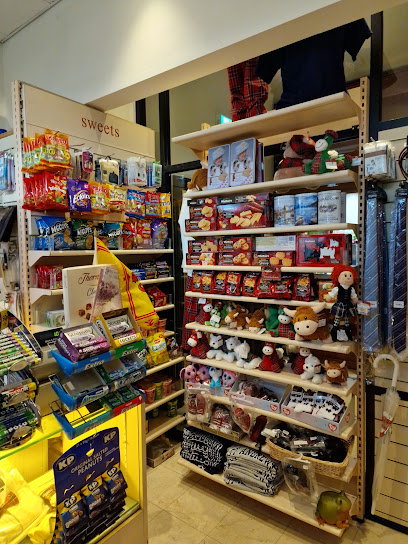
McLay's Gift Shop
0.3 km
Discover handcrafted treasures and unique gifts with a personal touch at McLay's Gift Shop in Glasgow’s vibrant Hilton district.
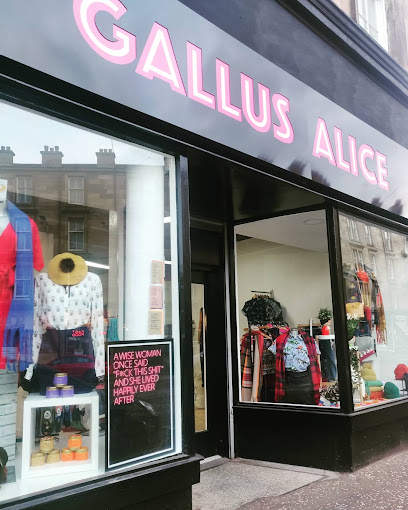
Gallus Alice
0.5 km
A stylish boutique in Glasgow’s vibrant Finnieston offering unique fashion with a bold local flair and a curated shopping experience.
Braw Wee Emporium
0.8 km
Celebrate Scottish creativity with handmade gifts from independent designers and makers.
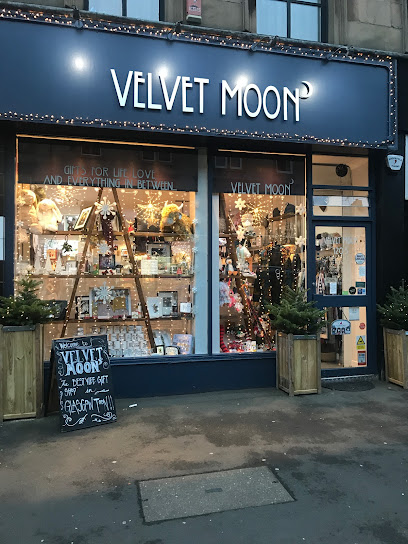
VELVET MOON
0.9 km
Discover unique handmade gifts and local treasures in the charming and characterful Velvet Moon gift shop in Glasgow’s Finnieston.
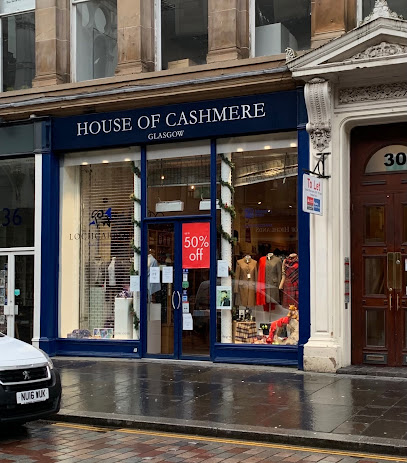
House Of Cashmere Glasgow
1.2 km
Discover authentic Scottish cashmere craftsmanship and timeless luxury in the heart of Glasgow’s vibrant city centre.
Taste of Scotland
1.2 km
Discover authentic Scottish gifts and rare whiskies in the heart of Glasgow at Taste of Scotland, your gateway to Scotland’s rich heritage.
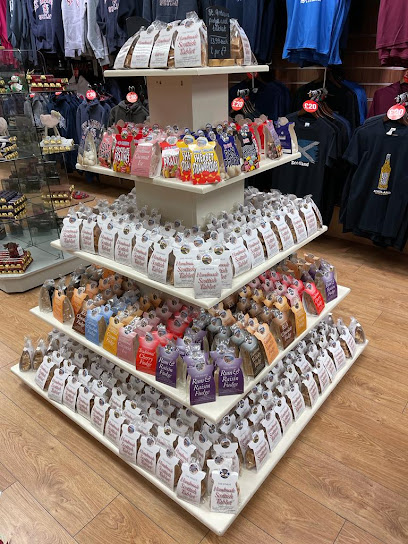
MAIA GIFTS
1.2 km
Discover Glasgow’s award-winning independent gift shop with unique, quirky, and handpicked treasures for every special occasion.
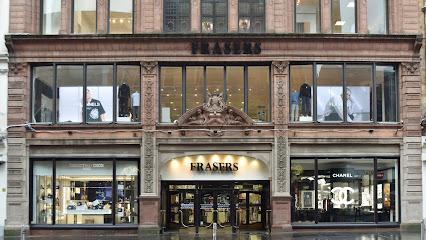
House of Fraser
1.2 km
Discover Glasgow’s historic House of Fraser on Buchanan Street, a vibrant hub for fashion, beauty, and homewares since 1849.
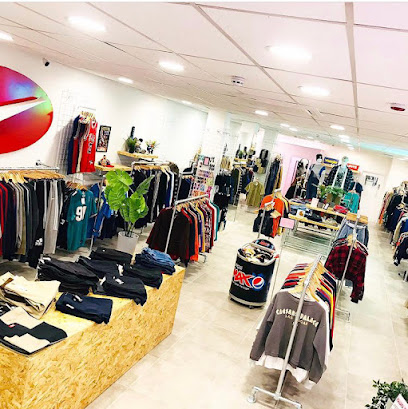
The Vintage Scene Glasgow
1.3 km
Discover timeless vintage fashion treasures and sustainable style at The Vintage Scene, Glasgow’s premier vintage clothing shop in St Enoch Square.
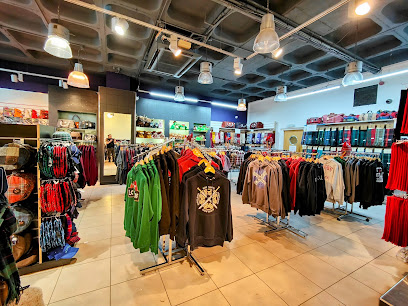
Glasgow Gifts
1.3 km
Discover authentic Scottish souvenirs and unique gifts at Glasgow Gifts, nestled in the vibrant heart of Sauchiehall Street.
Wee scottish shop
1.3 km
Discover authentic Scottish gifts and handmade treats in the heart of Glasgow’s vibrant Buchanan Street.
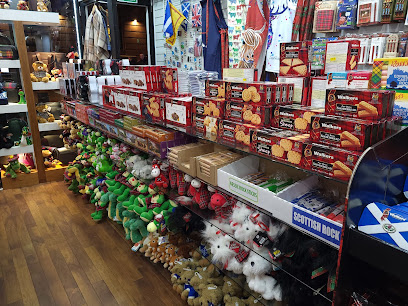
The Shop Network
1.3 km
A diverse urban retail destination in Glasgow’s city centre offering gifts, accessories, clothing, and tech essentials all under one roof.
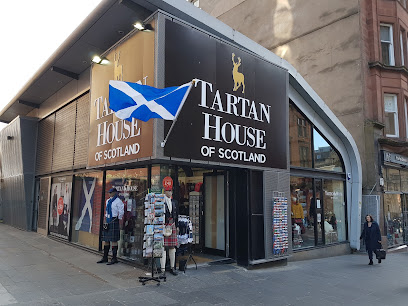
Tartan House of Scotland
1.3 km
Authentic Scottish tartans and souvenirs in the heart of Glasgow’s vibrant Buchanan Street shopping district.
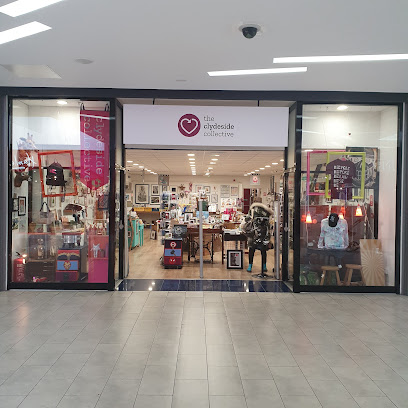
The Clydeside Collective
1.4 km
Explore Glasgow’s creative heart at The Clydeside Collective, a vibrant gift shop showcasing unique handcrafted arts and crafts by local artisans.
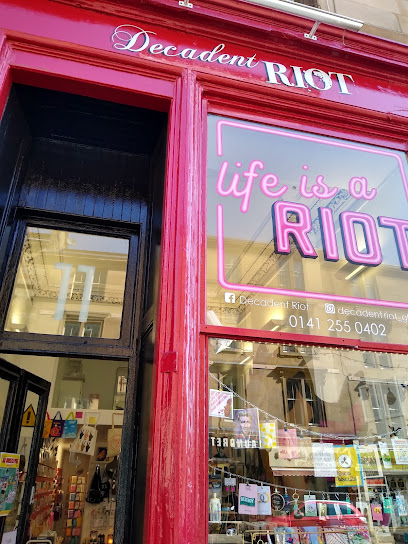
Decadent Riot
1.4 km
A quirky Glasgow boutique offering unique gifts, artistic cards, and a warm, welcoming shopping experience for those seeking something truly distinctive.
Essential bars & hidden hideouts

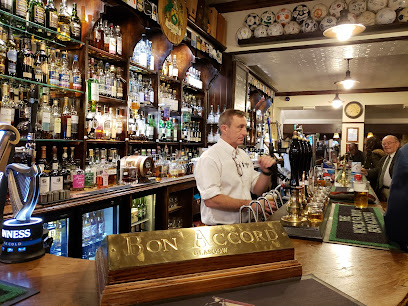
The Bon Accord
0.3 km
Discover Glasgow’s Bon Accord, a legendary pub boasting over 900 beers and an award-winning whisky bar in a vibrant, historic setting.
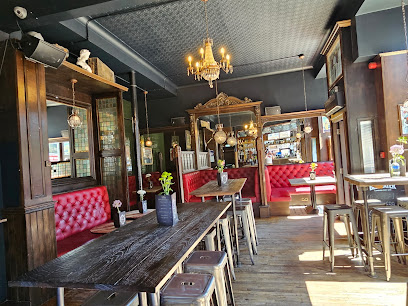
The Dirty Duchess
0.6 km
A cozy, contemporary pub on Argyle Street blending traditional charm with lively cocktails and a dog-friendly vibe.
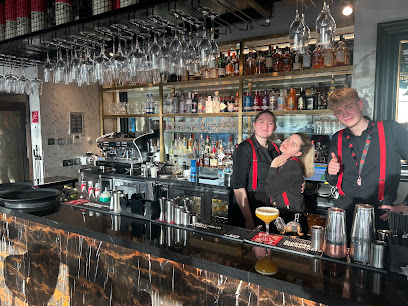
Red Sky Bar
0.6 km
Glasgow’s vibrant rooftop bar with panoramic city views, creative cocktails, and a lively atmosphere in the heart of Finnieston Quay.
Tiki Bar & Kitsch Inn
0.7 km
Glasgow’s vibrant tropical escape blending exotic cocktails, authentic Thai cuisine, and a lively beer garden in the heart of the city.
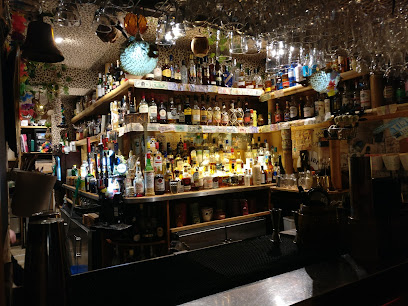
Slouch: Live Music, Kitchen & Late Night Venue
0.7 km
A stylish Glasgow gastropub blending live jazz, blues, and rock with hearty food and creative cocktails in a cozy, speakeasy-inspired setting.
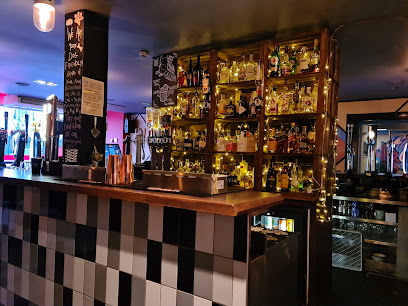
The Duke's Umbrella
0.7 km
Cozy Glasgow gastropub blending fine-dining comfort food, live music, and rustic charm in a lively, welcoming atmosphere.
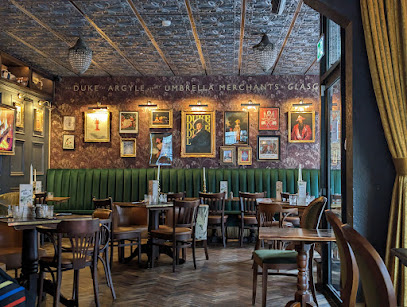
The Ben Nevis
0.8 km
Cozy Scottish pub in Finnieston with a vast whisky selection, rustic charm, and lively Celtic music nights.
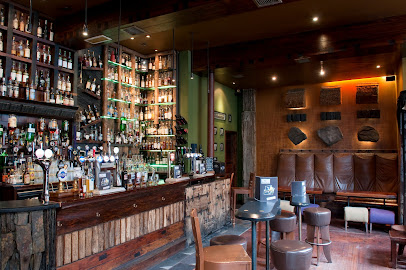
The Park Bar
0.9 km
Experience Glasgow’s vibrant traditional music scene and warm local hospitality at The Park Bar, a historic Scottish pub in Finnieston.
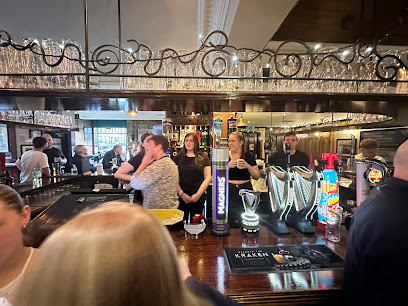
The Howlin' Wolf: Bar, Kitchen, Juke Joint
1.0 km
Glasgow's ultimate blues juke joint: live music daily, soul food till 2am, whiskey flows, and rock 'n' roll vibes in a Mississippi-inspired den.
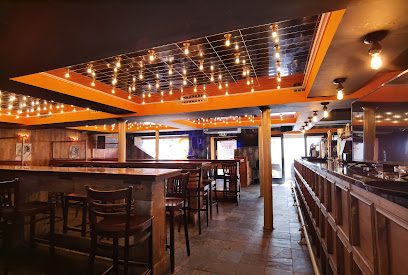
Blue Dog
1.0 km
Glasgow's chic cocktail haven with live piano, masterful mixes, and cozy vibes for unforgettable nights out in the city center.
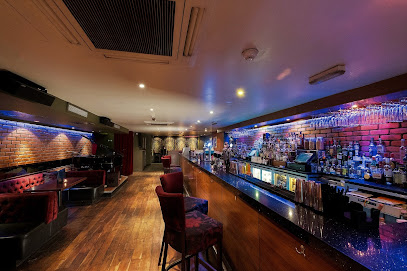
The Islay Inn
1.1 km
Experience Glasgow’s spirited whisky culture and hearty pub fare at The Islay Inn, a vibrant hub of friendly service and live music on Argyle Street.
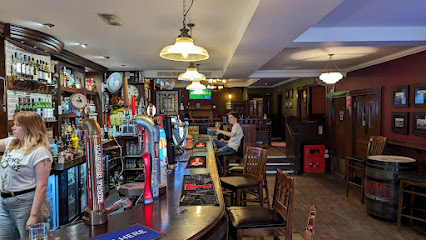
Drum & Monkey Glasgow
1.1 km
Traditional Glasgow gastropub in a historic bank building, famed for its ales, hearty pies, and welcoming city centre vibe.
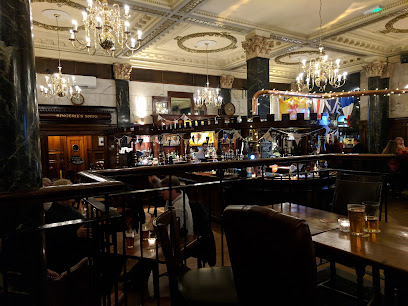
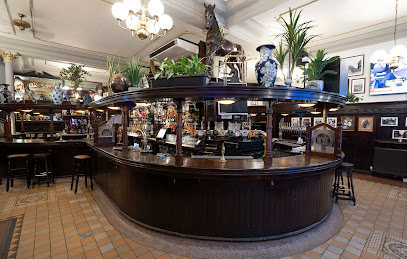
Horseshoe Bar Glasgow
1.1 km
Historic Victorian pub with Britain’s longest horseshoe-shaped bar, lively karaoke, live sports, and warm Glaswegian hospitality in the city centre.
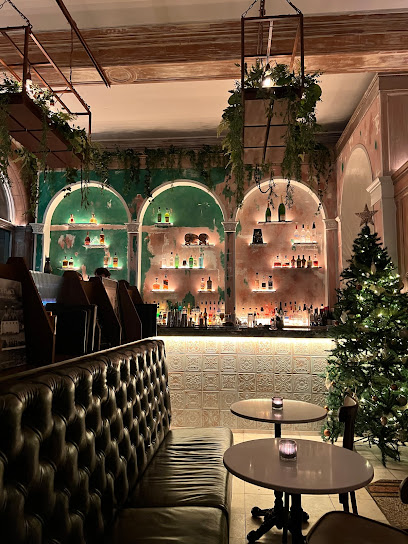
Devil of Brooklyn
1.1 km
A chic speakeasy cocktail bar in Glasgow’s city centre, blending Italianate elegance with creative drinks and a warm, intimate vibe.
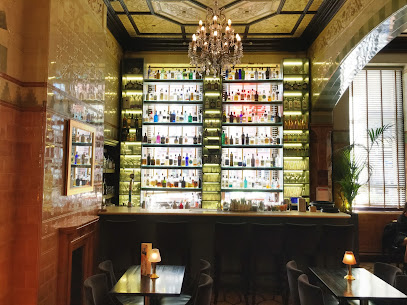
Gin71
1.1 km
Discover Glasgow’s elegant gin sanctuary with exotic vibes, expert cocktails, and a vibrant social atmosphere on Renfield Street.
Nightclubs & after hour spots

The Berkeley Suite
0.5 km
Discover Glasgow’s hidden vintage nightclub with top DJs, retro vibes, and an intimate dancehall atmosphere beneath a 1940s ballroom.
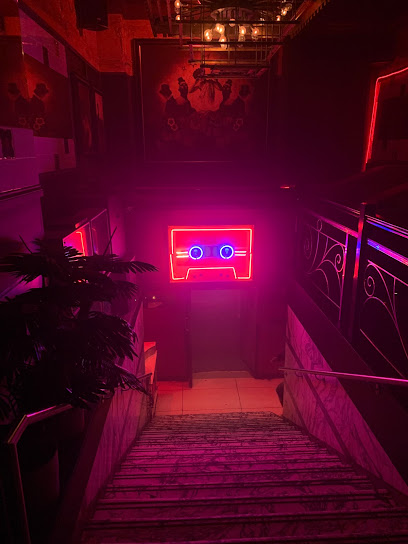
Firewater
0.7 km
Dive into Glasgow's indie nightlife at Firewater, where two rooms blast alternative anthems, cheap entry fuels the fun, and Sauchiehall Street's energy ignites until 2:30am Thu-Sat.
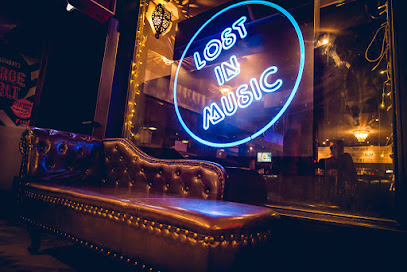
Saint Judes After Dark
0.8 km
Glasgow's electrifying after-dark escape: pulsating DJ beats, craft cocktails, and retro club vibes fuel nights until 3am on Bath Street.
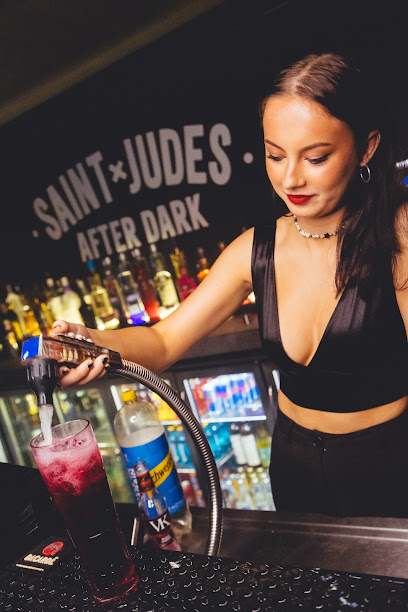
Buff Club
0.9 km
Dive into Glasgow's funky basement beats at The Buff Club, where soul, disco, and 80s grooves light up the night under disco ball magic.
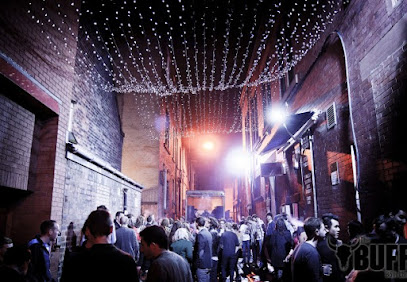
142B Lounge
1.0 km
Glasgow's premier spot for Afrobeats, Amapiano, and African flavors—dance, dine, and vibe in luxury VIP style until dawn.
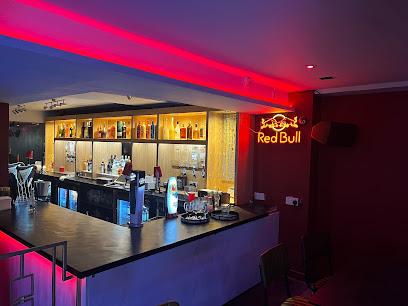
The Plug Glasgow
1.0 km
Experience Glasgow’s premier Afrobeat nightclub where Nigerian wedding vibes meet luxury nightlife and vibrant celebration.
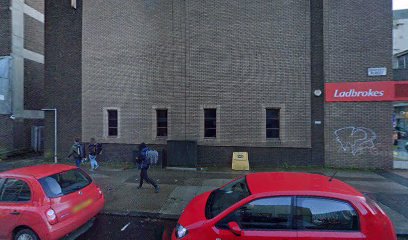
The Savoy
1.1 km
Experience Glasgow’s vibrant weekend nightlife at The Savoy, a lively nightclub on Sauchiehall Street pulsing with music and energy until dawn.

Club Tropicana & Venga
1.1 km
Two-room retro nightclub in central Glasgow with themed ’80s/’90s nights, booth bookings and a high-energy weekend atmosphere.
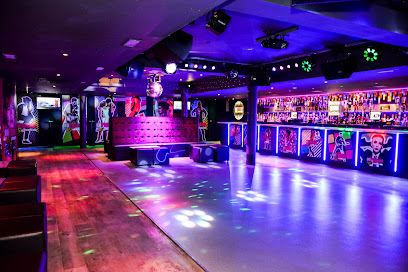
Kokomo Glasgow
1.1 km
Kokomo Glasgow was a late-night nightclub and bar known for its energetic vibe and central city location on West Regent Street.
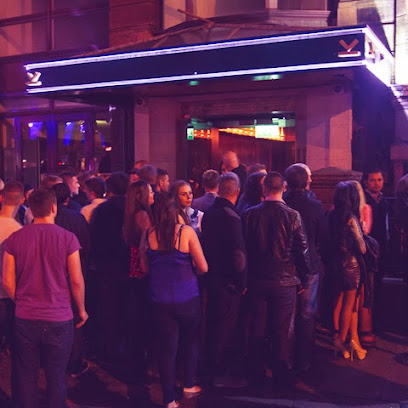
Bamboo
1.1 km
Glasgow’s energetic three-room basement nightclub offering affordable drinks and diverse music for a lively student crowd.
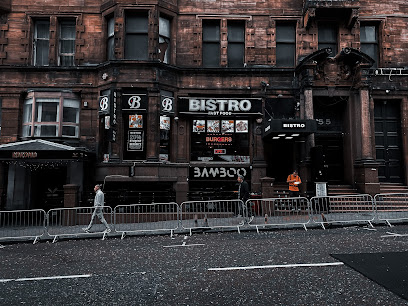
Cathouse Rock Club
1.1 km
Glasgow's unrelenting rock fortress since 1990—metal riffs, live gigs, and alternative fury across three pounding rooms.
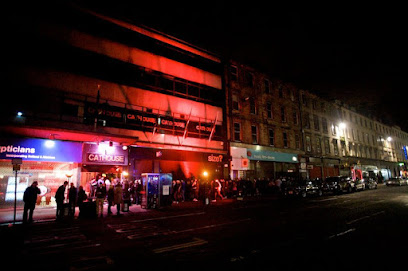
Popworld Glasgow
1.1 km
Dive into a whirlwind of 80s-00s pop anthems, retro props, and cocktail-fueled dance marathons at Glasgow's ultimate cheesy nightclub escape.
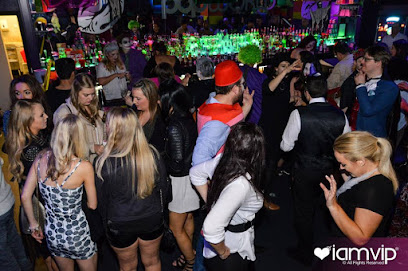
Platinum Lace Glasgow
1.1 km
Glasgow’s premier gentlemen’s club with stunning dancers, VIP luxury, and an electric nightlife atmosphere in the city centre.
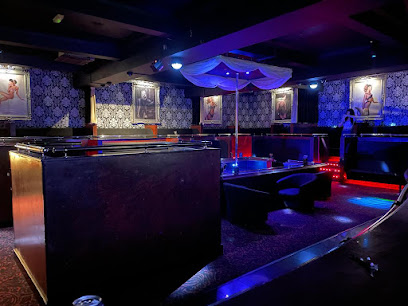
Classic Grand
1.1 km
Glasgow's ultimate electronic music haven in a reborn cinema, where thunderous beats and euphoric crowds collide until dawn.
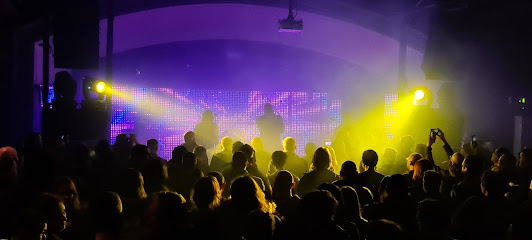
Sub Club
1.1 km
Glasgow’s legendary underground nightclub, Sub Club, pulses with cutting-edge sound and authentic dance culture in an intimate basement setting.
For the vibe & atmosphere seeker
- Historic
- Scenic
- Unique
For the design and aesthetic lover
- Vintage Styles
For the architecture buff
- Historic
- Landmarks
- Heritage Neighborhoods
For the view chaser and sunset hunter
- Iconic Views
- Architectural Shots
For the social media creator & influencer
- Instagrammable
- Photo Spots
- Architectural Shots
For the eco-conscious traveler
- Protected Area
For the kind of experience you’re after
- Cultural Heritage
- Photowalk
- Day Trip
For how adventurous you want the journey to be
- Easy Access
Location Audience
- Family Friendly
- Solo Friendly
- Senior Friendly
- Wheelchair Access


