Johnstone Castle Travel Guide
Free Guide: Explore the historic remnants of Johnstone Castle, a 16th-century Scottish tower house transformed into a neo-Gothic mansion and now a protected landmark.


A brief summary of Johnstone Castle
Explore the historic remnants of Johnstone Castle, a 16th-century Scottish tower house transformed into a neo-Gothic mansion and now a protected landmark.
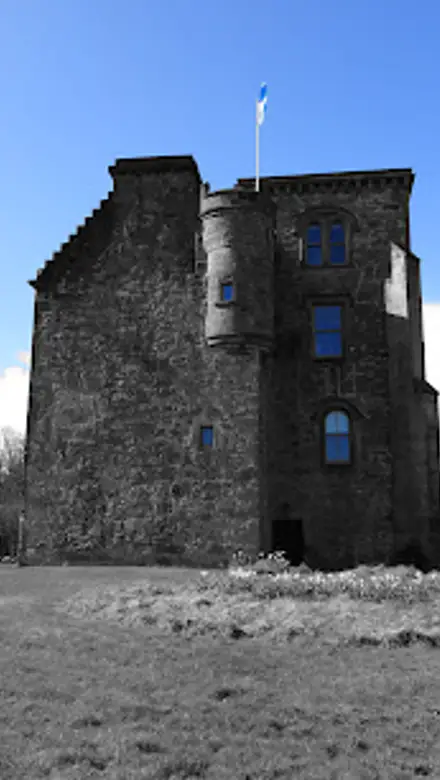
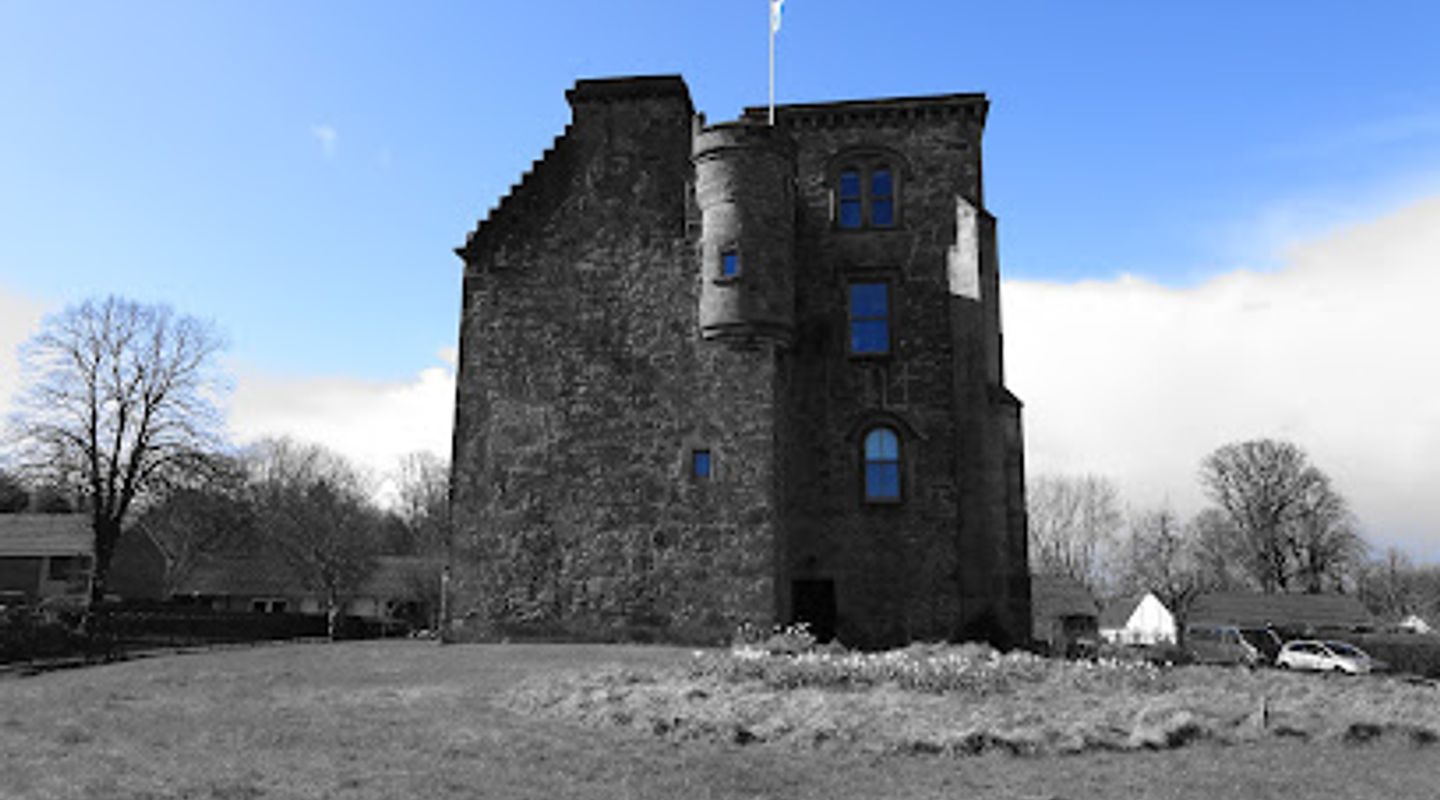
Johnstone Castle, located in Johnstone, Renfrewshire, Scotland, is a historic tower house with origins dating back to the 16th century. Once a grand mansion expanded in the 18th and 19th centuries by the Houston family, much of the structure was demolished mid-20th century. Today, the remaining tower stands as a protected category B listed building and private residence, offering a glimpse into Scotland’s architectural and social history amidst a modern housing development.
On-site amenities
 Seating areas
 Information boards
- Address
- Tower Rd, Johnstone PA5 0AE
Getting there
Train
Bus
Car
Discover more about Johnstone Castle
Origins and Architectural Evolution
Johnstone Castle traces its roots to the 16th century as a traditional Scottish tower house. The estate was acquired by the Houstons of Milliken in 1773, who substantially enlarged and remodelled the structure in 1771 and 1812, transforming it into a castellated mansion with notable features such as a turret and barrel-vaulted ground-floor rooms. The design possibly involved architect James Gillespie Graham, known for his Gothic revival style. The castle’s exterior was marked by battlemented decoration and a distinctive rope-styled string course, reflecting its blend of medieval and neo-Gothic aesthetics.
Historical Significance and Ownership
The castle was historically significant as the seat of the Houston family and a symbol of local power. It was visited by the composer Frederic Chopin in 1848, adding cultural prestige to its history. Over time, the growth of the town of Johnstone encroached upon the estate, leading to the reduction of its grounds. By the mid-20th century, much of the mansion was demolished, and the surrounding land was repurposed for housing developments. Despite this, the central square tower and a crow-stepped bartizaned section remain, preserving the legacy of the original estate.
Modern Day Status and Preservation
Today, Johnstone Castle’s remaining tower lies within a post-war housing area and is a private residence. It is designated as a category B listed building, recognizing its architectural and historic importance. The tower had fallen into disrepair but was purchased in 2001 and has since been maintained to preserve its structure. Although not open to the public, the castle’s silhouette and remnants provide a tangible connection to the region’s past and the evolution of Scottish tower houses into grander mansions.
Setting and Surroundings
Situated on Tower Road in Johnstone, the castle is surrounded by a modern residential neighborhood that grew as the town expanded in the 20th century. The area reflects the industrial and urban development of Renfrewshire, contrasting with the castle’s historic and rural origins. The nearby Black Cart Water and remnants of old estates hint at the landscape that once supported the castle’s prominence.
Architectural Features and Legacy
The surviving tower showcases classic elements of Scottish tower houses, including thick stone walls, battlements, and bartizans—small overhanging turrets used for defense. The barrel-vaulted rooms on the ground floor are particularly notable for their craftsmanship. These features illustrate the castle’s dual role as a fortified residence and a status symbol for the Houstons. The rope-styled string course adds a unique decorative touch uncommon in many similar structures.
Johnstone Castle’s Place in Scottish Heritage
Though much diminished, Johnstone Castle remains a significant marker of Scotland’s architectural and social history. It embodies the transition from medieval defensive towers to the more comfortable and stylistically ambitious mansions of the 18th and 19th centuries. Its story is intertwined with the growth of Johnstone town and the industrial era’s impact on historic estates. The castle’s preservation as a listed building ensures that this heritage endures for future generations to appreciate.
Evendo Review Centre
 Google
Guest reviews
Best time to go
Quietest: Jan, Feb & Dec · before 6am or at 10pm
Busy times are Evendo estimates for a typical year, to help you plan. Actual crowds vary with events, school holidays and the weather.
Explore Johnstone Castle on the map
A handpicked selection of must-see spots near Johnstone Castle, mapped for you.
Get your free copy of our complete guide to Johnstone Castle, delivered straight to you.
Everything on this page, from opening hours and how to get there to Eve’s tips and the best time to go, in one PDF you can read offline, print or share.
Already have an account? Sign in
Your Johnstone Castle guide is ready.
We'll send it to · Not you? Sign out

Getting your guide ready…
We are putting together a fresh copy of the Johnstone Castle guide. This can take up to a minute.
This can take a few moments. If your browser asks, choose Allow so the download can start. You'll find the guide in your Downloads folder.
Nothing happened? Download it again
Sorry, the guide is taking longer than usual. Please try again in a minute, or get it by email instead.
Other nearby places you may find interesting
The closest places of the same kind, if this one is not quite what you had in mind.
-
-
-
-
-


Swipe for more places
More to explore near Johnstone Castle

 Best experiences near Johnstone Castle
 Best hotels near Johnstone Castle
 Best landmarks near Johnstone Castle
 Best attractions near Johnstone Castle
 Best shops near Johnstone Castle
 Best restaurants near Johnstone Castle
 Best bars near Johnstone Castle
Do you manage this location?
Take control to get all the benefits, like improved information, better appearance, and stronger visibility across AI-powered discovery.
Explore more

Explore more of Renfrewshire
Discover Renfrewshire: Scotland's blend of history, culture, and natural beauty, from ancient abbeys to scenic parks.
Explore Renfrewshire
Explore more of United Kingdom
Discover the United Kingdom: A blend of rich history, stunning landscapes, and vibrant cities, offering a unique travel experience for every visitor.
Explore United Kingdom