Brow Well, Roxburghshire Travel Guide
Discover the historic iron-rich spring where Robert Burns sought healing waters beside the tranquil Solway Firth in Dumfries and Galloway.
Brow Well, near Ruthwell in Dumfries and Galloway, is a historic iron-rich spring famed for its healing waters, notably visited by Robert Burns in 1796 seeking relief from rheumatic fever. Nestled beside the Solway Firth and surrounded by rural landscapes, this modest but culturally significant site offers a glimpse into 18th-century health practices and Burns’ personal history.
A brief summary to Brow Well
- Brow Burn, Dumfries, GB
- Click to display
- Click to display
- Duration: 0.5 to 1.5 hours
- Free
-
 Outdoor
- Mobile reception: 4 out of 5

Know before you go
Hi, I'm Eve. Here are a few practical things to know before exploring Brow Well.
- Visit early in the day to avoid limited parking congestion at the small roadside layby.
- Explore nearby Caerlaverock Nature Reserve for additional scenic walks and wildlife viewing.
- Bring a camera to capture the unique iron-stained water and peaceful rural surroundings.
- Read about Robert Burns’ final months and his connection to the well to enrich your visit.
Do you manage this location?
Take control to get all the benefits, like improved information, better appearance, and stronger visibility across AI-powered discovery. Learn more about listing your business on Evendo
Activate your presenceOther nearby places you may find interesting
The closest places of the same kind, if this one is not quite what you had in mind.

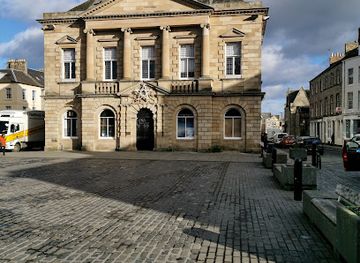
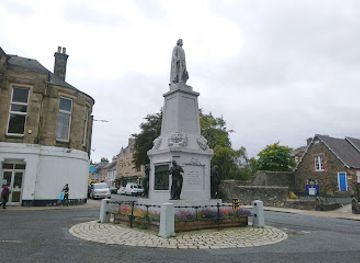
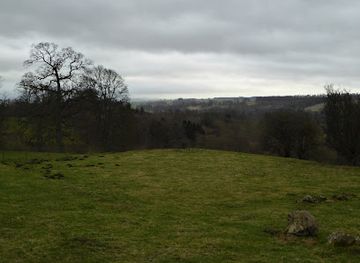
Explore Brow Well on the Map
A handpicked selection of must-see spots near Brow Well, mapped for you.
Getting There
-
Car
Driving from Dumfries to Brow Well takes approximately 20-30 minutes via the B725. Parking is limited to a small layby near the site, so early arrival is recommended. No parking fees apply.
-
Bus
Local bus services run from Dumfries to Ruthwell, with a 30-40 minute journey. From Ruthwell, the well is about a 15-minute walk. Bus frequency may be limited on weekends.
-
Walking
For those staying in Ruthwell or nearby cottages, a gentle 15-20 minute walk along rural roads and footpaths leads to Brow Well. Terrain is flat and accessible but lacks dedicated sidewalks.
For the on-the-go comforts that matter to you
-
 Information Boards
-
 Restrooms
Discover more about Brow Well
Origins and Historical Significance of Brow Well
Brow Well has been celebrated since the 1700s for its naturally iron-rich waters, believed to possess therapeutic properties. Local residents of Dumfries and the surrounding region frequented the spring, hoping to benefit from its healing qualities. The well’s fame was further cemented by the visit of Scotland’s national poet, Robert Burns, who came in July 1796 on medical advice to drink from the spring and bathe in the nearby Solway Firth to alleviate symptoms of what is now understood as rheumatic fever. This visit marked one of the final chapters in Burns’ life, as he passed away later that year in Dumfries.Setting and Natural Environment
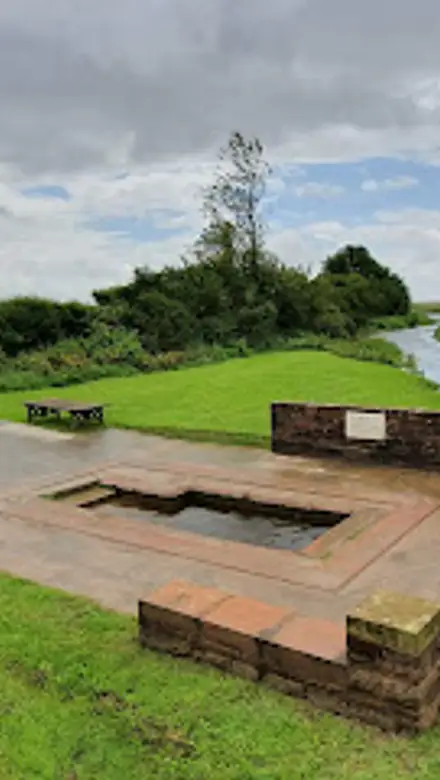
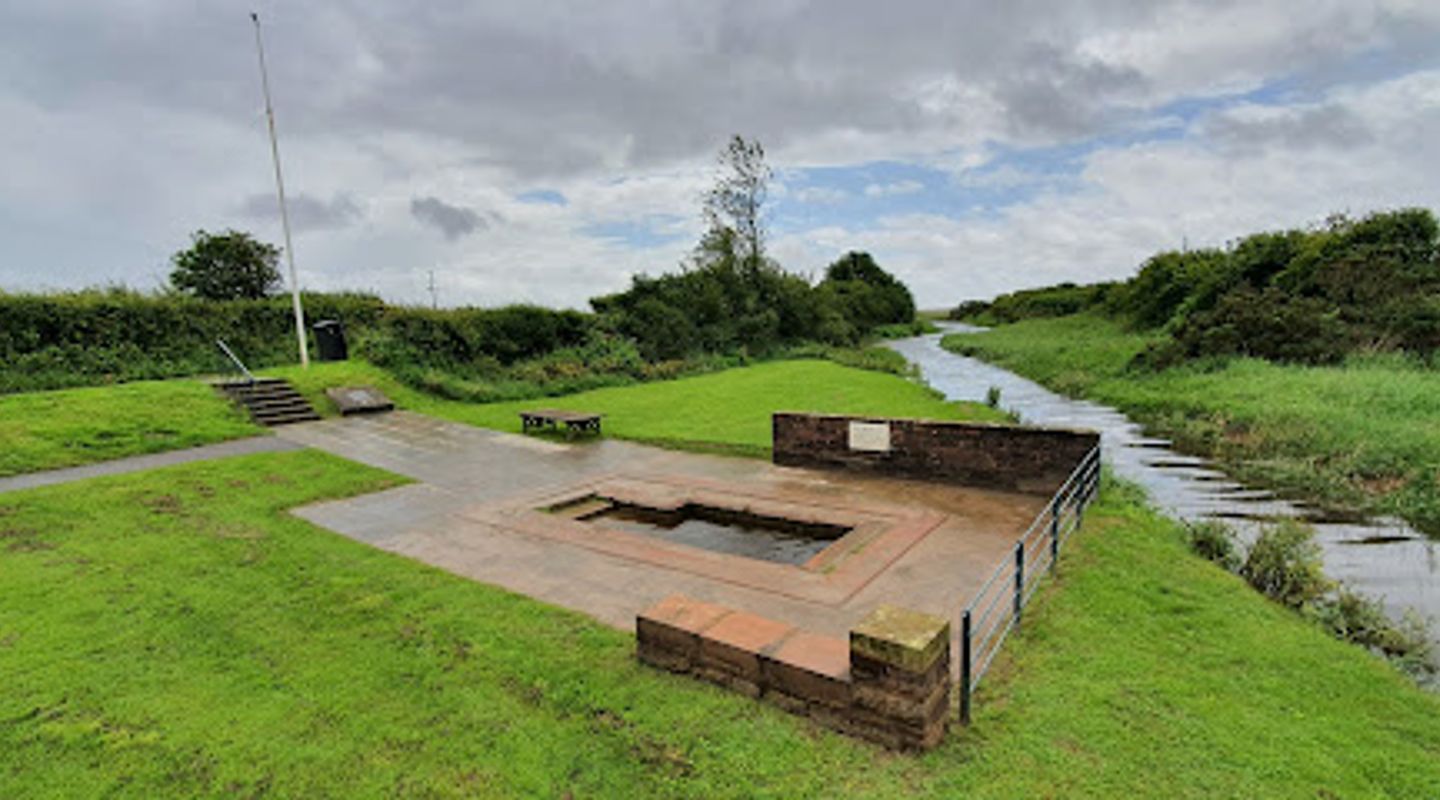
Situated beside the Brow Burn and close to the Solway Firth, the well is surrounded by tranquil rural farmland and coastal landscapes. The iron salts in the water give it a distinctive brownish hue, a natural marker of its mineral content. The area around the well remains peaceful, with nearby nature reserves such as Caerlaverock offering further opportunities to explore the diverse local flora and fauna. The modest size of the site and its proximity to the water create a serene atmosphere for visitors interested in history and nature alike.Cultural Legacy and Burns’ Connection
Robert Burns’ stay at the nearby Brow Inn (demolished in 1863) during his final illness has become a poignant part of the well’s story. His letters and the documented medical advice from Dr. William Maxwell highlight the importance of the well in 18th-century healing traditions. Today, the site serves as a tangible link to Burns’ life and the folk medicine practices of his time, attracting literary enthusiasts and cultural historians. Interpretive signage helps visitors understand the well’s significance in Scottish heritage.Visitor Experience and Site Features
The Brow Well site is accessible from the B725 road, with a small layby for parking nearby. The well itself is modest and unassuming but well maintained, with information boards that provide context on its history and Burns’ association. The surrounding landscape invites gentle walks, including routes toward the Merseside Nature Reserve and views of the Solway Firth. While the car parking area is limited and can be challenging, the quiet rural setting offers a reflective environment away from busier tourist spots.Nearby Attractions and Accommodation
Close to Brow Well, visitors can explore the hamlet of Ruthwell, known for its historic savings bank and rural charm. The Solway Estuary and Caerlaverock Nature Reserve offer additional natural and wildlife experiences. Accommodation options range from cozy rural cottages to hotels in nearby Dumfries and Annan, including well-regarded establishments such as Hetland Hall Hotel and The Powfoot Hotel, providing comfortable bases for exploring the region.Preservation and Contemporary Relevance
Brow Well remains a protected site, valued for both its natural mineral spring and its cultural heritage. Efforts to maintain the well and its surroundings ensure that visitors can continue to experience this unique intersection of natural history and literary legacy. The site exemplifies Scotland’s rich tradition of healing waters and the enduring influence of Robert Burns on national identity.












Your all‑in‑one travel companion app
Explore expert travel guides, compare and book tours, experiences, hotels, and more—all from the palm of your hand. Download now for seamless trip planning wherever your wanderlust takes you.


Explore More of Roxburghshire
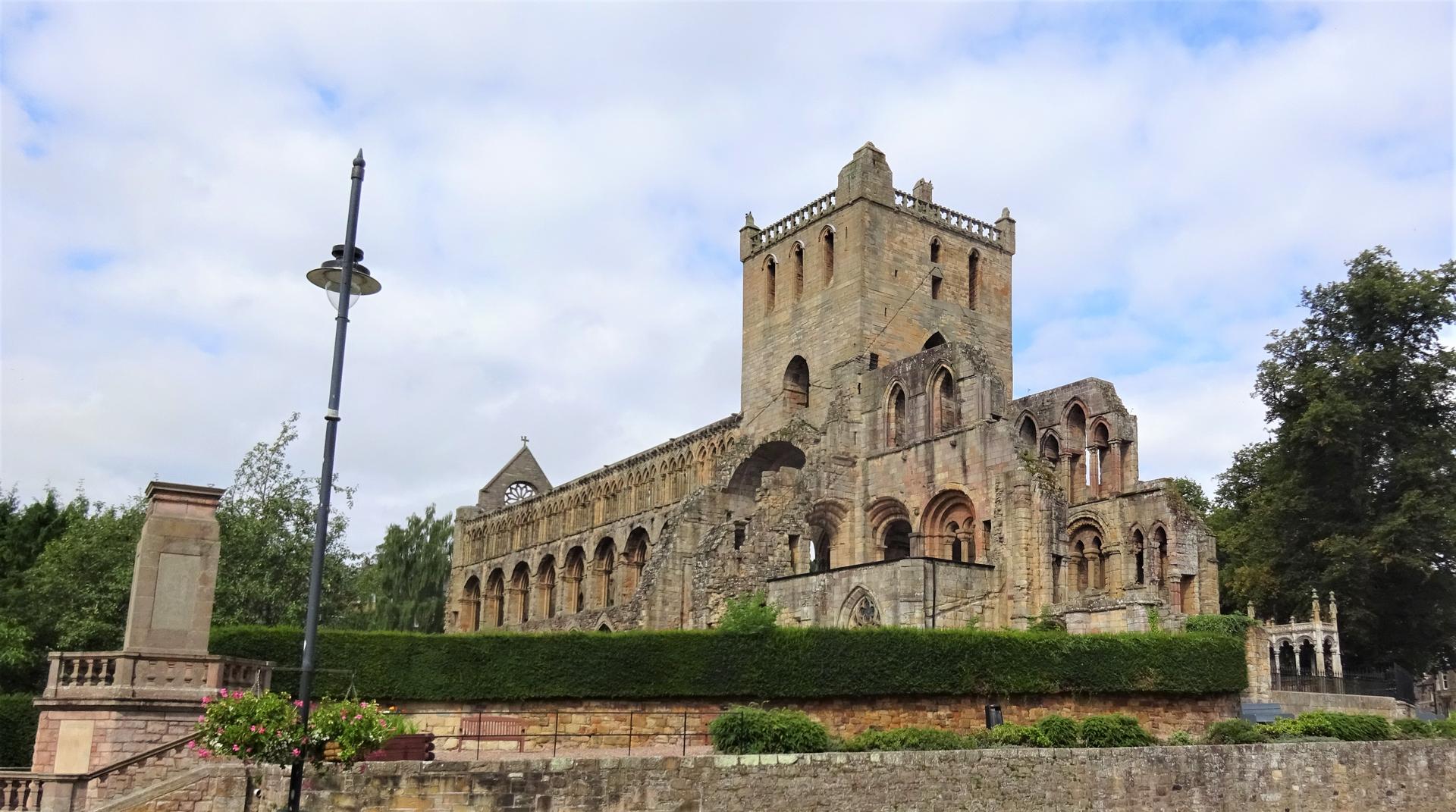
Looking beyond Brow Well? Discover Roxburghshire for broader travel guides, local hot-spots, and regional highlights.
Explore Roxburghshire