Elibank Castle, Scotland Travel Guide
Discover the evocative ruins of Elibank Castle, a 16th-century Scottish Borders fortress steeped in history and commanding valley views.
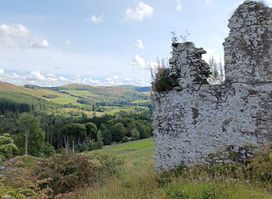
Elibank Castle is a late 16th-century ruined fortified house located near Walkerburn in the Scottish Borders. Originally established on lands granted by King James IV in 1511, it was extensively remodeled by Sir Gideon Murray in the 1590s. The castle sits on an artificial plateau with commanding views over the Tweed valley, featuring vaulted basements, arrow-slit windows, and remnants of elaborate gardens. Though now a ruin, it offers a glimpse into the region’s turbulent history and aristocratic heritage.
A brief summary to Elibank Castle
- Walkerburn, GB
- Click to display
- Duration: 0.5 to 2 hours
- Free
-
 Outdoor
- Mobile reception: 3 out of 5

Know before you go
Hi, I'm Eve. Here are a few practical things to know before exploring Elibank Castle.
- Wear sturdy footwear as the castle ruins are accessed via uneven terrain and grassy slopes.
- Bring binoculars to fully appreciate the expansive views of the Tweed valley from the castle’s elevated position.
- Visit during clear weather to enjoy the best visibility and photographic opportunities.
- Respect the fragile ruins by staying on designated paths and avoiding climbing on unstable structures.
Do you manage this location?
Take control to get all the benefits, like improved information, better appearance, and stronger visibility across AI-powered discovery. Learn more about listing your business on Evendo
Activate your presenceOther nearby places you may find interesting
The closest places of the same kind, if this one is not quite what you had in mind.
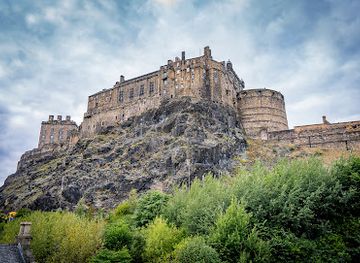


Explore Elibank Castle on the Map
A handpicked selection of must-see spots near Elibank Castle, mapped for you.
Getting There
-
Car
Driving from central Walkerburn, the castle is approximately a 10-minute drive via local rural roads. Parking is limited near the site, so be prepared to park nearby and walk on uneven paths. No parking fees apply.
-
Public Transport
Take a bus from Peebles to Walkerburn, which takes around 20-30 minutes. From Walkerburn, a 3 km walk or taxi ride is required to reach the castle ruins. Bus services run several times daily but check schedules in advance. Walking terrain is moderately challenging.
-
Walking
For those who enjoy hiking, a 3 km walk from Walkerburn to Elibank Castle follows country paths with some inclines. The walk takes about 45-60 minutes and requires good footwear and moderate fitness.
For the on-the-go comforts that matter to you
-
 Information Boards
-
 Seating Areas
-
 Trash Bins
Discover more about Elibank Castle
Origins and Early Foundations of Elibank Castle
Elibank Castle, originally known as Eliburn, traces its origins back to 1511 when King James IV granted the lands of Aleburne to Catherine Douglas and her son John Liddale. The charter required the construction of a substantial stone and lime house complete with essential domestic and agricultural buildings. While the precise form of this initial structure is uncertain, it likely included a rectangular tower that formed the nucleus of the later castle. The site was chosen for its strategic position on the lower slopes of Elibank Law, overlooking the Tweed valley with expansive views to the northwest and southeast.The Murray Family and Architectural Transformation
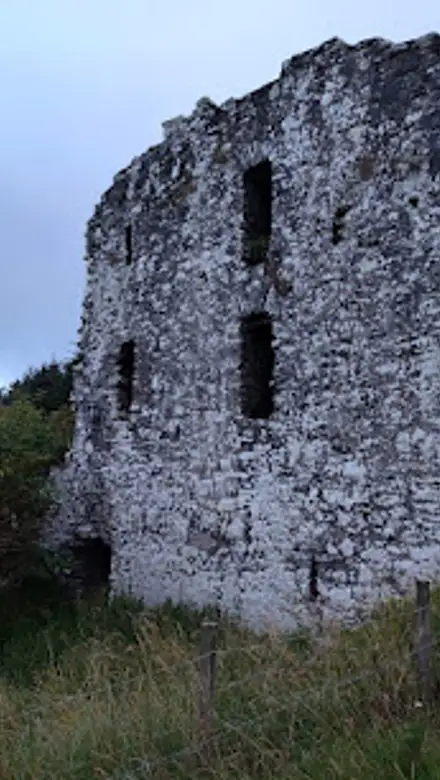
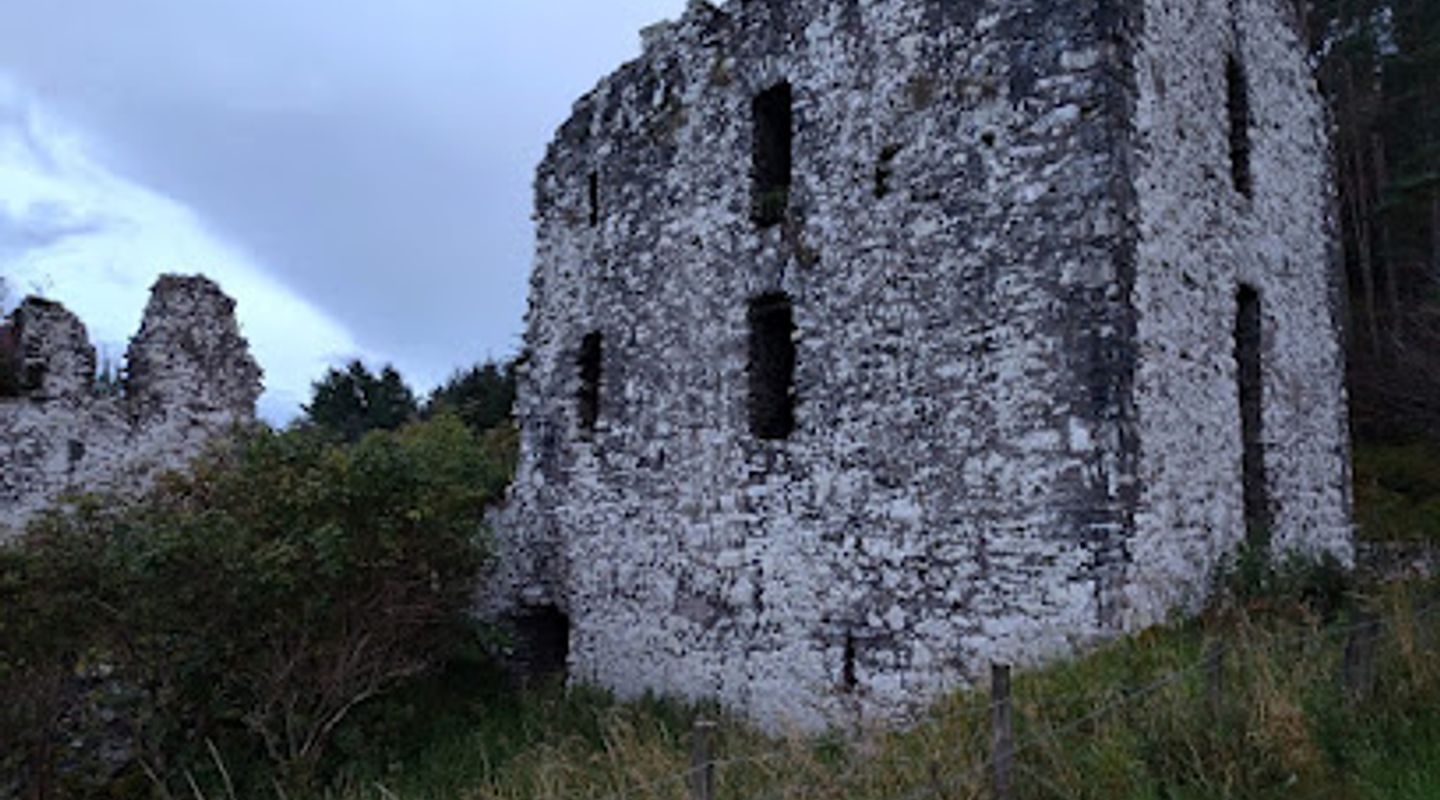
In the late 16th century, Sir Gideon Murray acquired the estate and renamed it Elibank. He undertook significant remodeling, creating the castle’s main block aligned northwest to southeast, measuring approximately 21 by 6.9 meters, with a distinctive L-plan formed by a projecting wing. The castle’s basement features vaulted chambers illuminated by narrow arrow-slit windows, characteristic of defensive architecture of the period. The northern tower, largely intact to the second floor, is believed to be the oldest surviving section, possibly dating from the Liddell era. The castle’s layout reflects both residential comfort and defensive needs, typical of Scottish fortified houses of its time.Landscape and Gardens Reflecting Status
Surrounding the castle, the hillside was terraced and landscaped, creating elaborate gardens and a walled lane that signaled the status of Sir Gideon Murray. These grounds enhanced the castle’s imposing presence and provided cultivated vistas over the Tweed valley. The estate remained in the Murray family, with Patrick Murray becoming the first Baronet of Elibank in 1628 and later Lord Elibank. By the late 18th century, however, the castle had fallen into ruin, its grandeur faded but its historical significance preserved in the remains.Historical Significance and Local Legends
Elibank Castle stands as a testament to the turbulent history of the Scottish Borders, an area marked by clan rivalries and border conflicts. The castle was home to several generations of the Murray family, influential in regional politics and society. Local folklore includes tales such as that of “Muckle Mou’ed Meg,” a legendary figure associated with the castle. These stories enrich the cultural tapestry surrounding the ruins, inviting visitors to imagine the lives and dramas that unfolded within its walls.Present-Day Experience and Setting
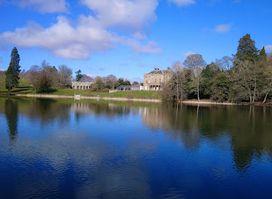
Today, Elibank Castle is a ruin set within a tranquil rural landscape near Walkerburn. Visitors can explore the remains of the stone walls, vaulted basements, and the tower, while enjoying sweeping views over the Tweed valley. The site’s peaceful ambiance and evocative ruins make it a compelling destination for history enthusiasts and those seeking a scenic escape into Scotland’s past. The castle’s elevated position and surrounding natural beauty offer a quiet, reflective atmosphere amid the rolling hills of the Borders.Conservation and Cultural Heritage
Recognized for its national importance, Elibank Castle exemplifies the architecture and lifestyle of a late 16th- or early 17th-century residence of a man of means. Though largely ruined, it remains protected as a historic monument, illustrating the evolution of Scottish fortified houses and the social history of the region. Efforts to preserve the site ensure that this evocative landmark continues to tell the story of the Borders’ rich heritage for future generations.












Your all‑in‑one travel companion app
Explore expert travel guides, compare and book tours, experiences, hotels, and more—all from the palm of your hand. Download now for seamless trip planning wherever your wanderlust takes you.


Explore More of Scotland
Looking beyond Elibank Castle? Discover Scotland for broader travel guides, local hot-spots, and regional highlights.
Explore Scotland