
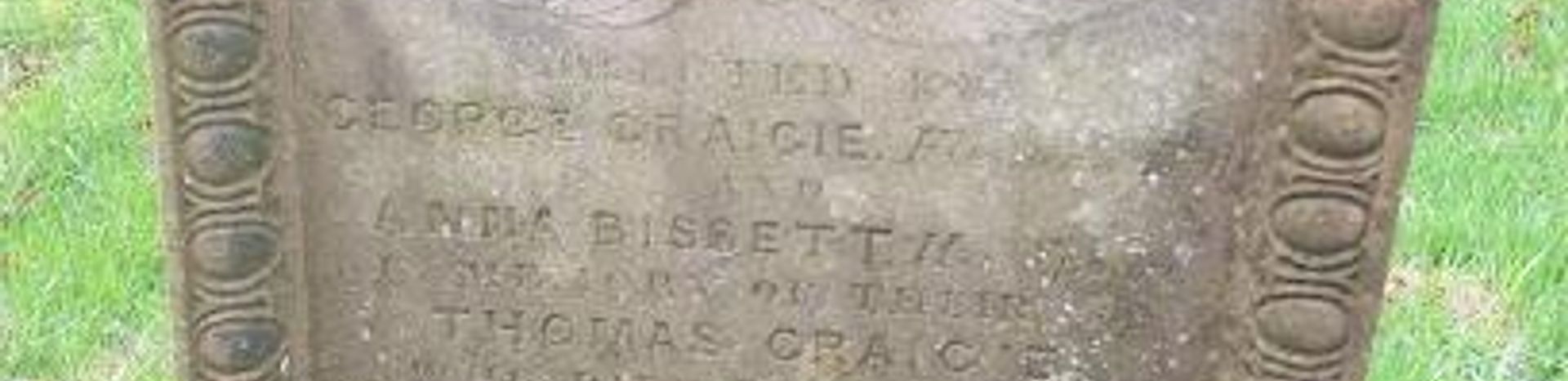
Greyfriars Burial Ground, Perth
Four centuries of Perth's history carved in stone, where a medieval monastery became a sanctuary of remembrance.
A Category A listed cemetery in Perth, Scotland, established in 1580 on the grounds of a former Franciscan monastery. Home to one of Scotland's finest collections of historic gravestones, including the oldest stone dating to 1580, Greyfriars Burial Ground offers visitors a window into centuries of Perth's social and cultural history. The cemetery closed to new burials in 1978 and remains a peaceful testament to medieval and post-Reformation Scotland.
A brief summary to Greyfriars Burial Ground
- Perth, Perth, GB
- Duration: 0.75 to 2 hours
- Free
-
 Outdoor
- Mobile reception: 4 out of 5
Local tips
- Visit on a weekday morning for a quieter, more contemplative experience. The cemetery is less crowded before midday, allowing you to study the gravestones and their inscriptions in peace.
- Examine the thirteen earliest gravestones sheltered under the protective canopy at the southern end. The information boards provide historical context for each stone, including the oldest gravestone from 1580.
- Exercise caution around older gravestones, as some have become unstable. Stay on designated paths and avoid leaning on or climbing on any stones to prevent damage and injury.
- Bring a camera or sketchbook to document the intricate stonework and memento mori symbols. The varied artistic styles across centuries provide excellent subjects for photography and artistic study.
- Combine your visit with a walk along nearby Tay Street to appreciate the cemetery's relationship to Perth's riverside setting and the railway bridge that now borders the southern boundary.

For the on-the-go comforts that matter to you
- Information Boards
- Seating Areas
- Trash Bins
Getting There
-
Walking from City Centre
From Perth city centre, walk toward Tay Street (the main riverside thoroughfare). The cemetery entrance is located at the eastern end of Canal Street, near its junction with Tay Street. The walk from the High Street takes approximately 10–15 minutes depending on your starting point. The route is flat and follows well-lit urban streets. No special equipment or permits are required.
-
Parking and Vehicle Access
A paid car park is located directly adjacent to the cemetery entrance, providing convenient access for visitors arriving by car. Parking charges apply; typical rates range from £1.50 to £3.00 per hour depending on duration. The car park is open during the cemetery's operating hours (8 AM to 4 PM daily). From the car park, the cemetery entrance is a short walk of less than one minute.
-
Public Transport
Perth's main bus station is located in the city centre, approximately 1 km from the cemetery. Multiple local bus routes serve the area; journey time from the bus station to Tay Street is typically 5–10 minutes depending on the route. Bus fares are approximately £1.50 to £2.50 per journey. Alternatively, Perth railway station is about 1.5 km away; a taxi from the station costs approximately £6–8 and takes 5–10 minutes.
-
Accessibility Considerations
The cemetery grounds are accessible on foot via the main entrance gate. The paths within the cemetery are uneven in places due to the age of the site and the presence of gravestones. Visitors with mobility challenges should be aware that some areas may be difficult to navigate. There are no dedicated wheelchair ramps, though the main entrance and central pathways are relatively accessible. Visitors are advised to wear sturdy footwear and to proceed carefully, particularly around older gravestones which may be unstable.
Greyfriars Burial Ground location weather suitability
-
 Any Weather
-
 Rain / Wet Weather
-
 Cold Weather
-
 Mild Temperatures
Discover more about Greyfriars Burial Ground
From Monastery to Sacred Ground
Greyfriars Burial Ground occupies the former site of the Greyfriars Monastery, a Franciscan friary founded by Laurence Oliphant, 1st Lord Oliphant, in 1496. The monastery stood for over sixty years until the Scottish Reformation of the 1560s brought about its destruction in 1559. Following the dissolution of religious houses across Scotland, the land was repurposed as Perth's town graveyard from 1580 onwards, transforming a place of monastic contemplation into a repository of civic memory. Archaeological investigations conducted in 1997 by the Scottish Urban Archaeological Trust uncovered the original monastery wall foundations, revealing a succession of wall replacements and repairs undertaken during the monastery's lifespan, each raising the ground level incrementally.A Treasury of Stonework and Memorials
The cemetery's collection of gravestones is considered among the finest in Scotland, showcasing centuries of evolving artistic and memorial traditions. The oldest gravestone in the burial ground dates to 1580 and bears the name Buchan. Thirteen of the earliest stones have been carefully moved and preserved under a protective roofed canopy at the cemetery's southern end, allowing visitors to examine their intricate details and historical inscriptions without exposing them to further weathering. The gravestones display remarkable craftsmanship, featuring memento mori symbols, elaborate inscriptions, and the names of Perth's most prominent citizens and influential figures. Each stone tells a story of loss, achievement, and the passage of time across four centuries.Landscape and Physical Setting
Located at the eastern end of Canal Street near its junction with Tay Street, the cemetery occupies a central position within Perth's urban fabric. The grounds have been extended southward on two occasions, and the southern boundary now abuts the railway bridge carrying the Perth-to-Dundee section of the Scottish railway network. A burn once ran along the burial ground's southern wall but was later covered with soil during the cemetery's development. The site's topography reflects its layered history: medieval pottery discovered during archaeological work hints at the soil of a lower garden that once adjoined the original monastery wall. The cemetery's eastern wall underwent restoration proposals in 1997, during which test pits revealed the complex stratigraphy of occupation and rebuilding across centuries.Closure and Ongoing Stewardship
The cemetery closed to new burials in 1978, marking the end of nearly four centuries of continuous use as Perth's primary burial ground. Today it is owned and maintained by Perth and Kinross Council and holds Category A listed status in recognition of its historical and architectural significance. The grounds remain accessible to the public, offering a contemplative space for reflection and historical study. Visitors are encouraged to exercise care around the gravestones, some of which have become unstable over time, and to respect the sacred nature of the site as an active memorial to Perth's past inhabitants.Historical Documentation and Records
Documentation dating to 1911 provides insight into the cemetery's governance and burial regulations. According to these records, burial was generally restricted to persons who at the time of death resided within the old parish, with exceptions made for widowers, widows, and unmarried sons and daughters of parishioners. A superintendent was employed to oversee the grounds, attending each morning between 10 and 11 AM and again between 11 AM and 1 PM at the nearby Wellshill Cemetery. These administrative practices reflect the formal structures that governed burial practices and cemetery maintenance during the early twentieth century.Iconic landmarks you can’t miss

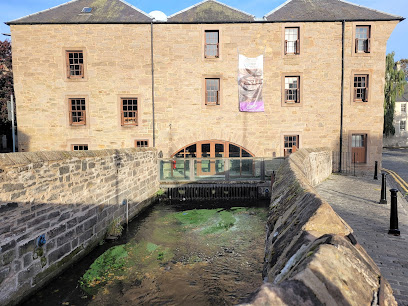
Perth & Kinross Heritage Trust
0.5 km
Explore the Perth & Kinross Heritage Trust - a cultural gem showcasing Scotland's rich history and community heritage.
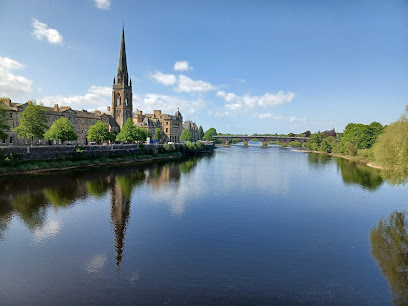
Smeaton's Bridge
0.6 km
Historic 18th-century stone bridge spanning the River Tay in Perth, blending engineering brilliance with scenic charm and rich heritage.
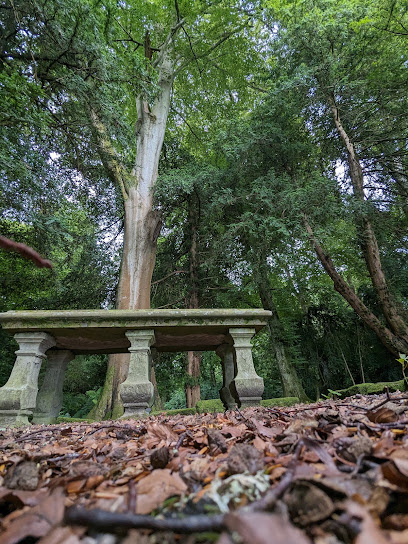
Tomb Of The Minister Of Scone & Family
3.5 km
A solemn mausoleum nestled within Scone Palace grounds, honoring the minister and family amidst Scotland’s royal and religious heritage.
Ballathie House Hotel
13.7 km
Historic Scottish country house hotel with award-winning dining and tranquil river views on a vast Perthshire estate.

Birnam Oak
20.8 km
An ancient oak on the banks of the River Tay, believed to be the last survivor of Shakespeare’s Birnam Wood – a living piece of Scottish and literary history.
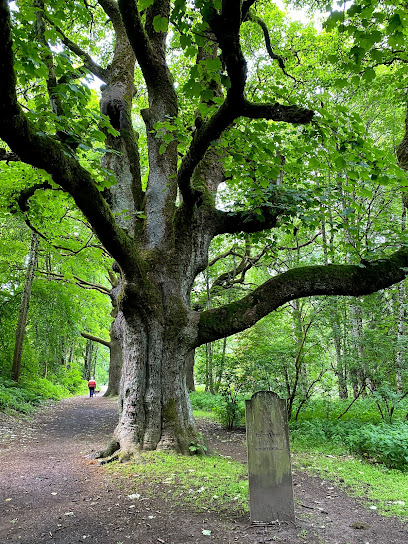
Ruins of Kincardine Castle
21.2 km
Explore the evocative 13th-century ruins of Kincardine Castle, a royal Scottish fortress steeped in medieval history and surrounded by tranquil farmland.
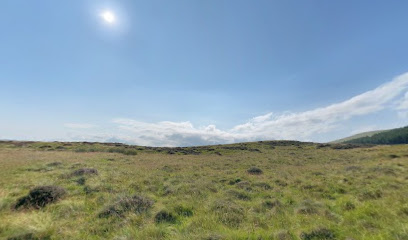
Dunkeld Bridge
21.3 km
Historic Thomas Telford-designed stone bridge gracefully spanning the River Tay, linking Dunkeld’s rich heritage with Highland landscapes.
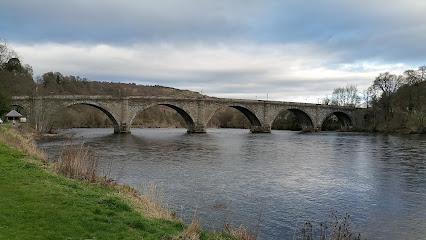
Kirkgate Park
21.4 km
Explore Kirkgate Park, a tranquil retreat in Kinross, Scotland, featuring beautiful gardens, a serene loch, and rich historical significance.
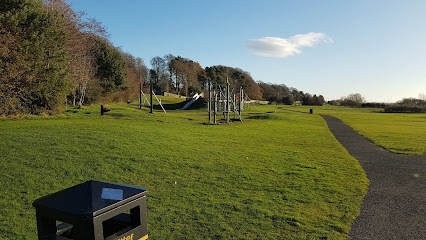
Loch Leven Castle Viewpoint
21.5 km
Explore the scenic Loch Leven Heritage Trail in Kinross, where history meets breathtaking landscapes and outdoor adventures await.
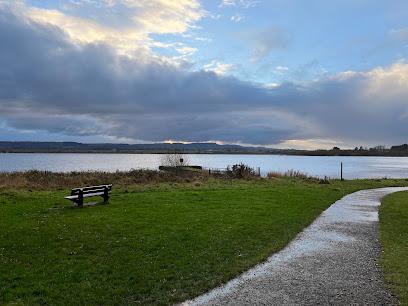
Lochleven Castle
21.5 km
Experience the rich history and stunning views of Lochleven Castle, an enchanting Scottish landmark set on a serene island in Loch Leven.
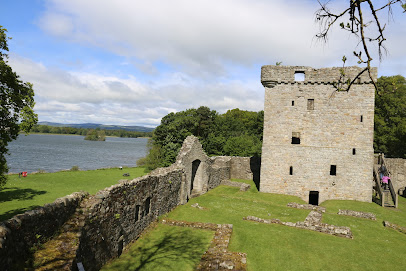
Dunkeld Cathedral
21.5 km
Discover the architectural grandeur and serene beauty of Dunkeld Cathedral, a celebrated landmark of Scotland's rich ecclesiastical heritage.
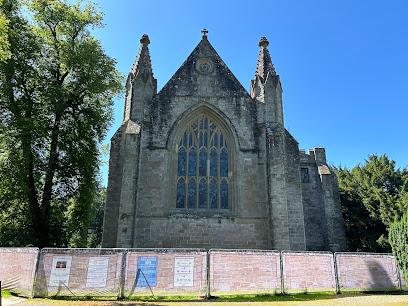
The Hermitage
21.6 km
Discover the breathtaking beauty and rich history of The Hermitage, a national forest in Scotland, perfect for nature lovers and outdoor adventurers.
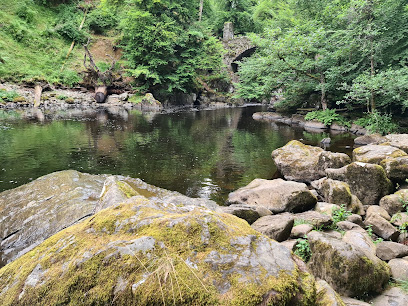
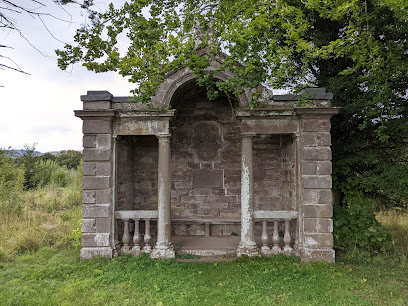
Inchbrakie Monument
21.9 km
A serene Scottish landmark honoring the vanished Inchbrakie estate, its ancient yew, and storied past.
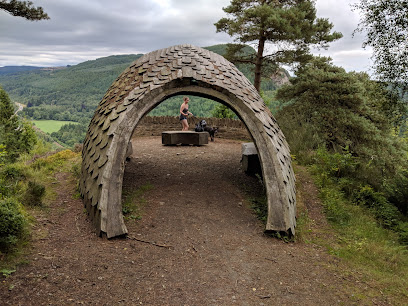
Pine Cone Point
22.5 km
Experience the serene beauty of Pine Cone Point in Dunkeld, a scenic haven perfect for nature lovers and photographers alike.
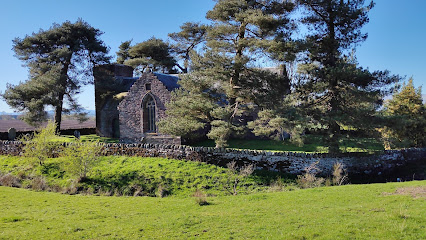
Tullibardine Chapel
23.2 km
Discover Tullibardine Chapel, a captivating site in Auchterarder, where stunning architecture meets rich Scottish heritage in a tranquil setting.
Unmissable attractions to see

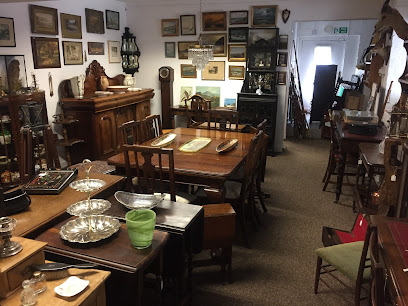
Vectran Vintage
0.1 km
Discover timeless antiques and vintage guitars in the heart of Perth at Vectran Vintage, a haven for collectors and nostalgia lovers alike.
Rodney Gardens
0.3 km
A free riverside garden sanctuary with vibrant seasonal blooms and peaceful pathways along the River Tay.
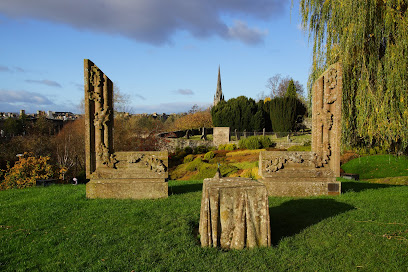
Perth Museum
0.3 km
Discover Scotland’s royal heritage and iconic Stone of Destiny in Perth’s beautifully restored Edwardian museum.
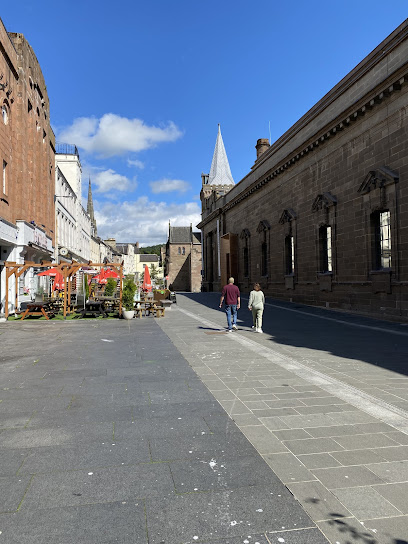
Norie-Miller Walk
0.3 km
A peaceful riverside park in Perth blending natural beauty, artistic sculptures, and seasonal festivities along the River Tay.
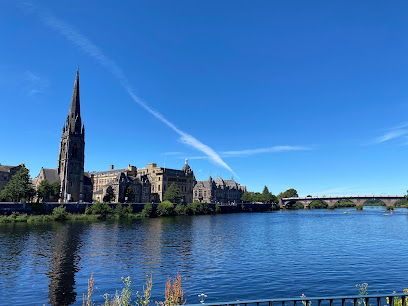
The Fair Maid of Perth
0.4 km
Celebrate Scotland’s rich history and storytelling tradition through the evocative Fair Maid of Perth sculpture in the heart of Perth’s historic High Street.
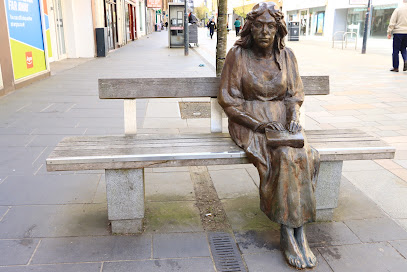
St John's Shopping Centre
0.4 km
Perth's premier shopping destination with 30+ retailers in a bright, welcoming city-centre mall.
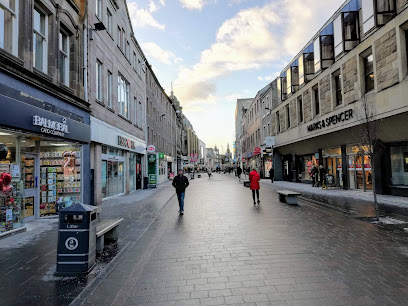
VisitScotland Perth iCentre
0.4 km
Your essential starting point for exploring Perth’s rich heritage, vibrant culture, and scenic surroundings with expert local advice.
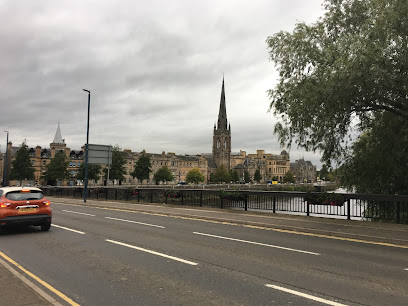
Perth Art Gallery
0.5 km
Discover Scotland’s rich artistic heritage at Perth Art Gallery, home to iconic modern Scottish art and family-friendly interactive exhibits.
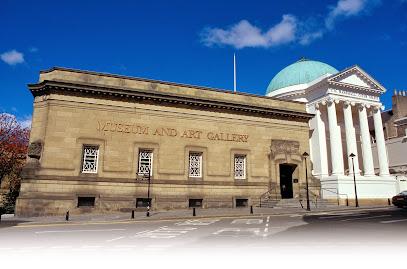
Perth Concert Hall
0.5 km
A modern, flexible events centre in central Perth, hosting concerts, theatre, comedy, conferences and community events in a bright, accessible steel-and-glass building.
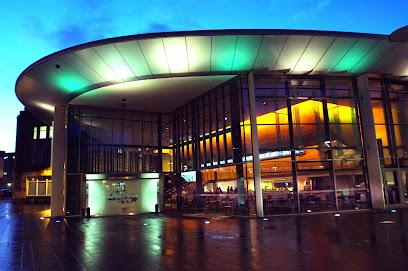
South Inch
0.6 km
Expansive green park with sports, events, and historic charm just minutes from Perth city centre.
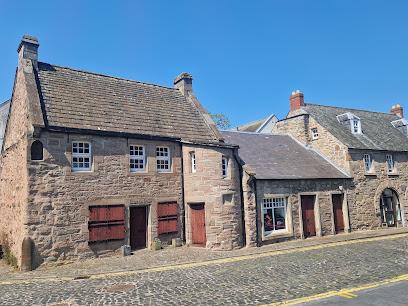
The Fair Maid's House Visitor Centre
0.6 km
Delve into Perth's rich heritage at The Fair Maid's House Visitor Centre, where history and culture come alive in the heart of Scotland.
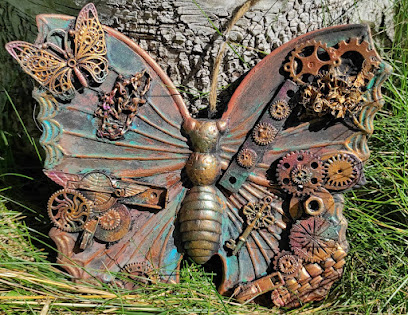
The Art Attic - Gallery, Gift Shop, Craft Supplies, Workshops
0.6 km
Discover unique artworks, craft supplies, and inspiring workshops in the heart of Perth’s historic St Paul's Square.
Branklyn Garden
0.8 km
Discover rare plants and serene hillside beauty at Branklyn Garden, a botanical treasure overlooking Perth.
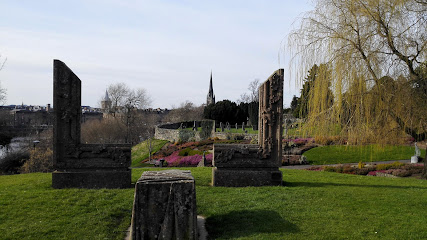
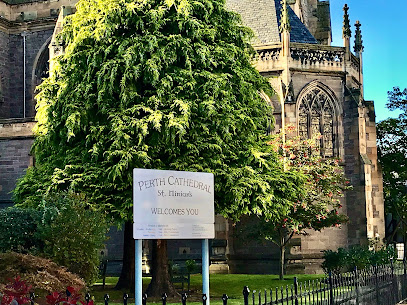
Perth Cathedral, St Ninian's
0.8 km
Discover Perth Cathedral, St Ninian's—a Gothic Revival masterpiece blending rich history, spiritual warmth, and stunning stained glass in Scotland’s heart.
The Black Watch Castle & Museum
1.3 km
Scotland's military heritage preserved in a historic castle overlooking Perth's North Inch.
Essential places to dine

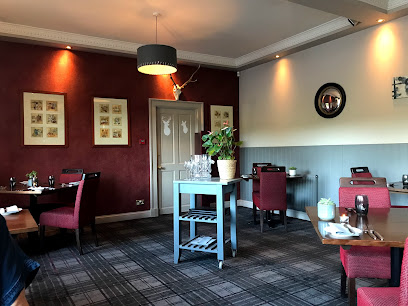
63 Tay Street Restaurant
0.1 km
Modern Scottish fine dining on the banks of the River Tay, where local ingredients meet creative flair in an intimate, elegant setting.
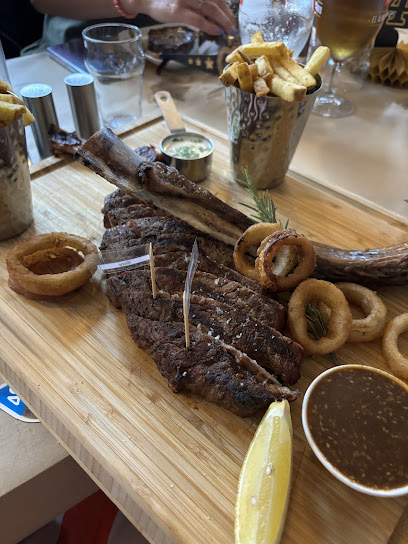
Nicoll's Steak House
0.1 km
A no-frills Perth favourite serving generous, perfectly cooked steaks in a relaxed, family-run setting.
Cardo
0.2 km
A vibrant, family-friendly eatery in Perth serving fresh, artisanal pizzas, pasta, and bakery delights in a welcoming, lively atmosphere.
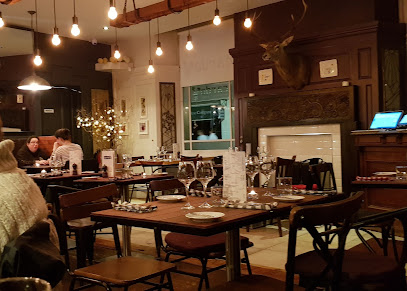
Cafe Tabou
0.3 km
Experience authentic French brasserie charm with seasonal Scottish ingredients in Perth’s lively cafe quarter.
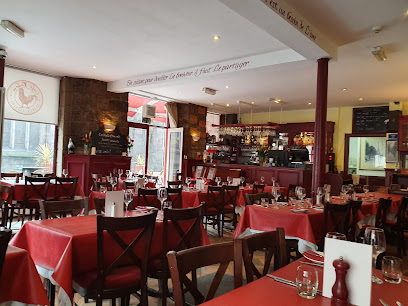
Cridos Restaurant
0.3 km
Experience authentic Mediterranean seafood and steakhouse delights in a cozy, welcoming atmosphere in the heart of Perth.
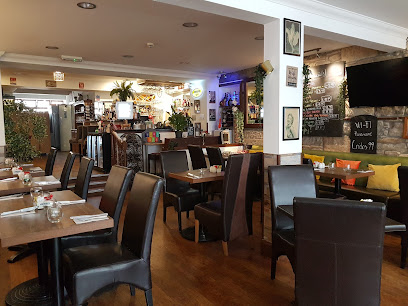
The Giddy Goose
0.3 km
A vibrant and casual restaurant in Perth blending bold British and Italian flavors with a lively atmosphere and late-night hours.
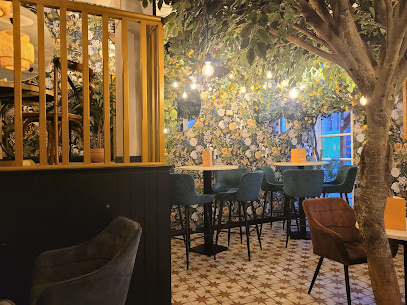
Breizh
0.4 km
Experience authentic French cuisine with a lively atmosphere and attentive service in the heart of Perth’s historic High Street.
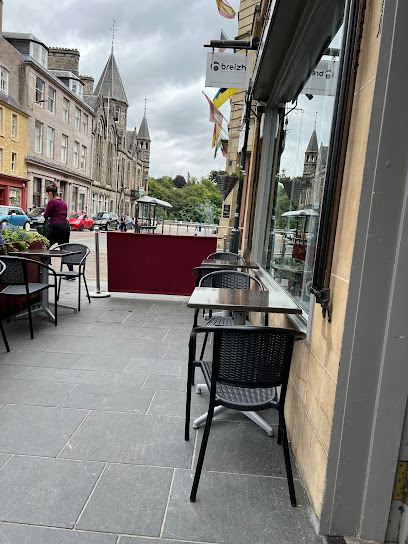
Broth3rs Restaurant
0.4 km
Experience authentic Italian and Mediterranean flavours with fresh, seasonal ingredients and a warm, lively atmosphere in the heart of Perth.
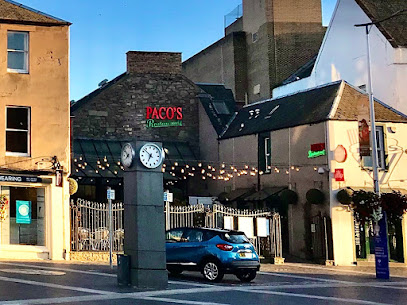
Paco's Restaurant
0.5 km
Lively family-friendly restaurant in Perth offering diverse American, Italian, Mexican, and seafood dishes with a welcoming atmosphere.
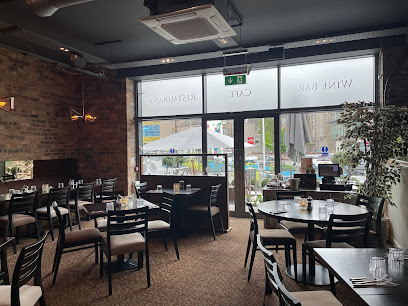
Kisa's
0.5 km
Stylish all-day dining in central Perth, perfect for breakfast, lunch, dinner, or drinks before a show at the nearby concert hall.
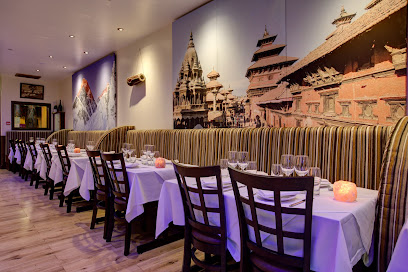
Everest Inn
0.5 km
Experience authentic Nepalese and Indian flavors in Perth’s stylish and welcoming Everest Inn, where tradition meets modern dining.
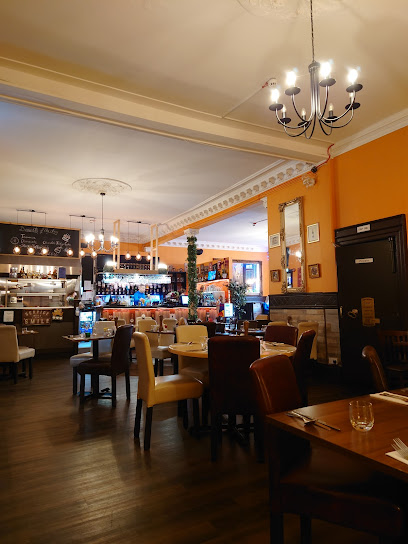
Bothy Perth
0.5 km
Cozy Scottish restaurant and bar in Perth offering seasonal dishes, rustic event spaces, and a warm, inviting atmosphere.
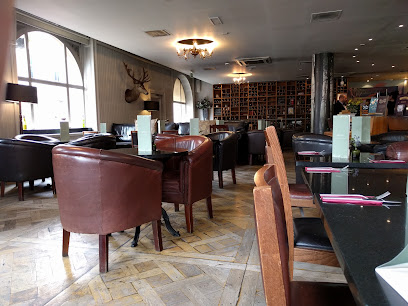
North Port Scottish Restaurant
0.6 km
A warm, historic cottage in Perth serving modern Scottish dishes made with local, seasonal produce and a strong sense of place.
Deans Restaurant
0.7 km
Chic fine dining in Perth with quirky interiors and a focus on local Scottish produce, offering elegant tasting menus in a stylish setting.
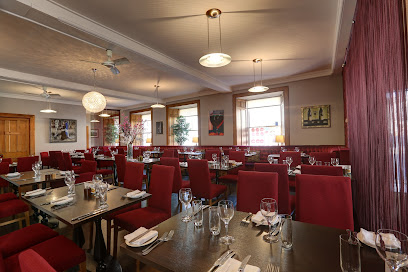
Atholl Restaurant
0.8 km
A welcoming Perth eatery serving fresh, local Scottish dishes in a relaxed atmosphere with a fine selection of wines and whiskies.
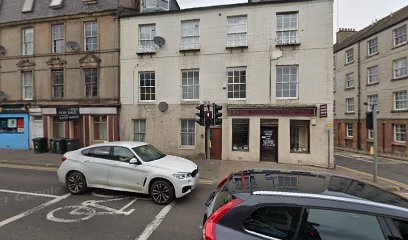
Markets, malls and hidden boutiques

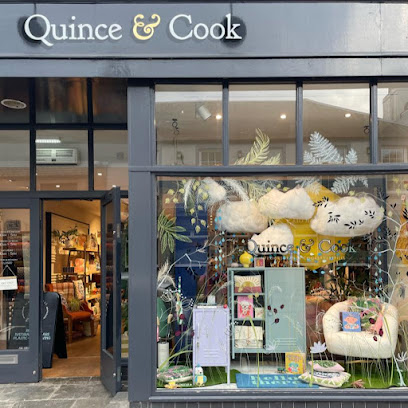
Quince & Cook
0.1 km
Discover Perth’s family-run boutique with curated kitchenware, homewares, eco-friendly products, and unique gifts in a warm, welcoming setting.
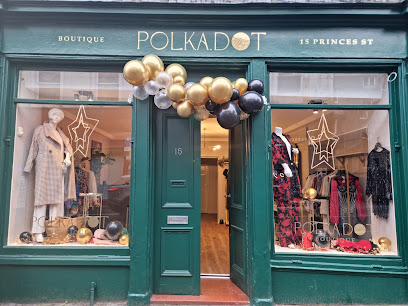
PolkaDot Boutique Perth
0.2 km
A chic independent clothing boutique in central Perth, offering contemporary women’s fashion with a personal touch.
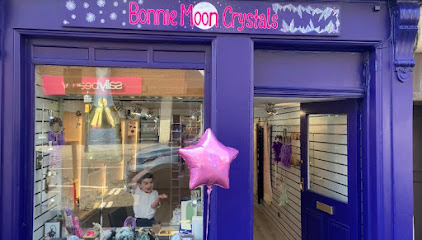
Bonnie Moon Crystals
0.3 km
Discover the magic of crystals and mindful treasures at Bonnie Moon Crystals, Perth’s serene boutique of natural beauty and healing energy.
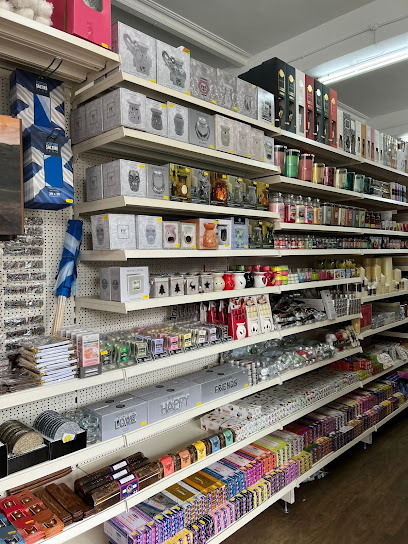
Highland Homeware
0.3 km
Discover Highland Homeware in Perth—a unique blend of homewares, DIY supplies, confectionery, and local charm all under one roof.
The Perth Gift Card
0.4 km
Discover unique souvenirs and local crafts at The Perth Gift Card, a charming gift shop in Perth offering a vibrant selection of treasures.
Bonmarché
0.4 km
Stylish and affordable ladies’ fashion for mature women in the heart of Perth’s St Johns Centre.

Hell Yeah
0.4 km
Discover Perth’s colourful vegan gift shop blending indie creativity with eco-friendly, cruelty-free treasures on High Street.
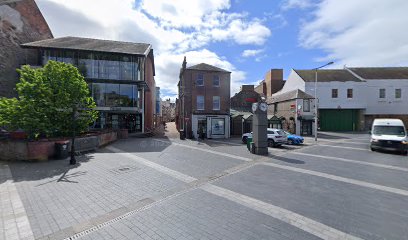
The Works
0.4 km
Affordable books, crafts, toys, and stationery inspiring creativity and screen-free fun in the heart of Perth.
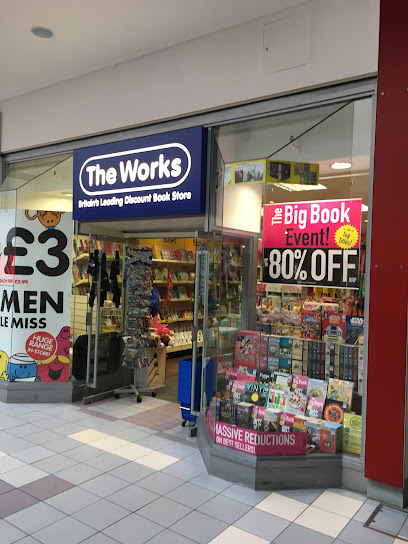
Whispers Of The Past
0.4 km
Explore Whispers Of The Past, an antique shop in Perth filled with unique treasures and rich histories that transport you back in time.
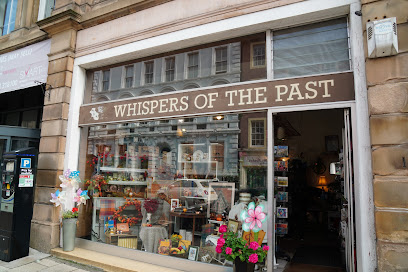
Begg Shoes
0.4 km
Discover timeless style and expert service at Begg Shoes, Perth’s go-to boutique for quality footwear and leather accessories.
Precious Sparkle
0.5 km
Discover sustainable fashion, unique jewellery, and stylish homewares at Precious Sparkle, Perth’s boutique treasure trove of handpicked delights.
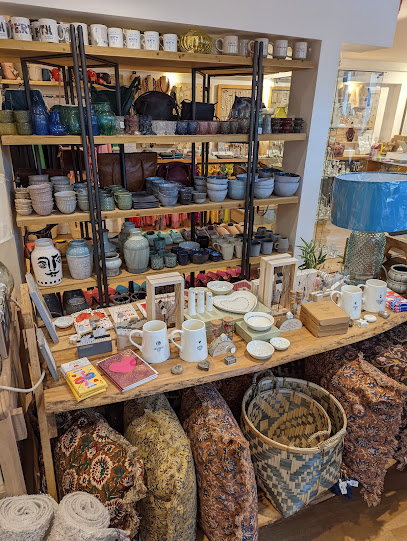
Evalucia
0.5 km
Discover curated fashion and accessories at Evalucia Boutique, Perth’s stylish destination for everyday and special occasion wear.
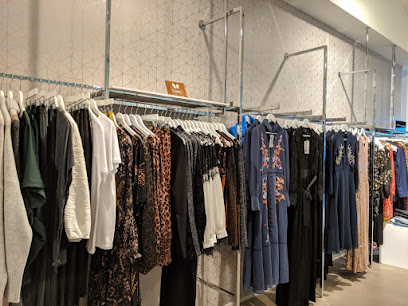
Fun Junction
0.6 km
Independent toy shop in Perth offering quality toys, games, and educational supplies with friendly family-run service.
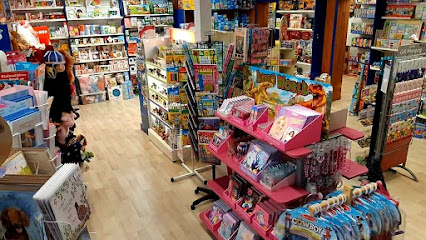
Loretta's Collections Boutique Perth
0.6 km
Discover stylish women's apparel at Loretta's Collections Boutique, Perth’s elegant destination for timeless and contemporary fashion.
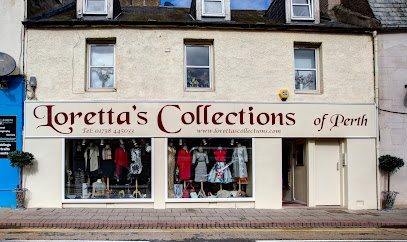
Marians Of Perth
0.7 km
Marian's of Perth: Over 40 years of elegant, inclusive ladies' fashion and personalized service in the heart of Scotland’s historic city.
Essential bars & hidden hideouts

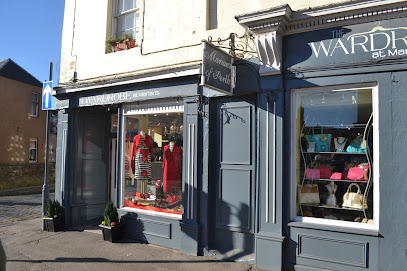
The Malt House Bar & Grill
0.1 km
A beloved traditional bar and grill in Perth, famed for its exceptional steaks and warm, inviting atmosphere.
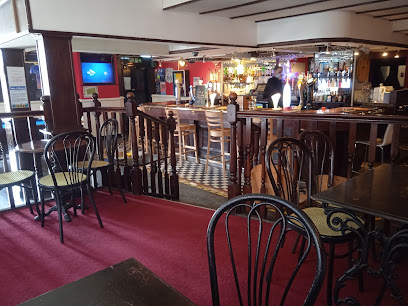
Greyfriars Bar
0.2 km
Experience authentic Scottish warmth and traditional pub charm at Greyfriars Bar, a cozy hub for local craft beers and hearty fare in Perth.
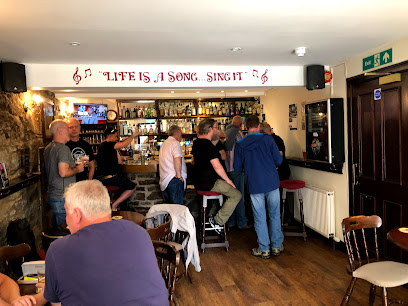
The Grill Bar
0.2 km
Discover Perth’s cozy hidden pub with friendly vibes, affordable drinks, and a welcoming local atmosphere tucked away in Fleshers' Vennel.
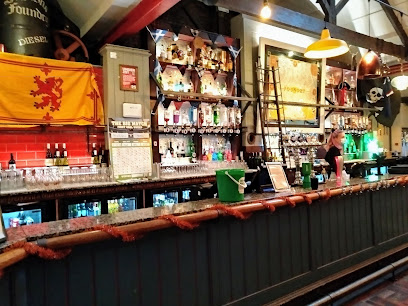
The Auld Hoose
0.3 km
A welcoming traditional Scottish pub in Perth famed for its friendly vibe, excellent single malts, and lively social events.
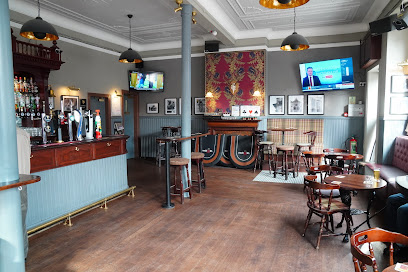
The Venue
0.3 km
A vibrant cocktail bar and restaurant in Perth offering lively atmosphere, quality drinks, and casual dining in the heart of the city.
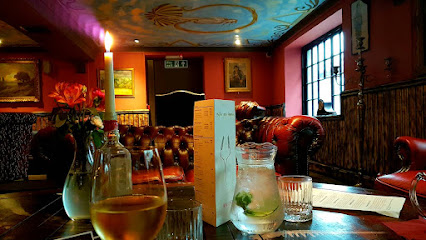
Slàinte Bar
0.3 km
Historic and friendly Perth pub offering hearty home-cooked meals, great service, and a welcoming atmosphere in the city center.
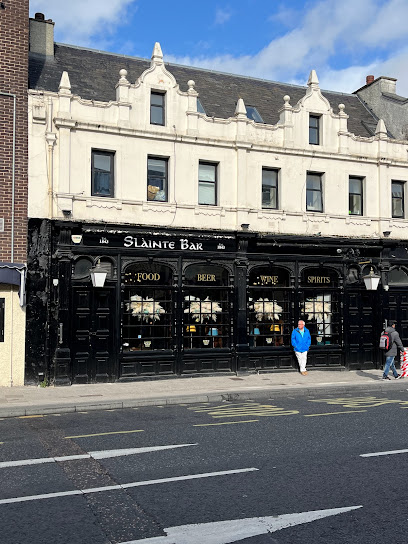
Kirkside Bar
0.3 km
Experience the warm, traditional charm of Kirkside Bar, Perth’s beloved city-centre pub with great ales and a welcoming atmosphere.
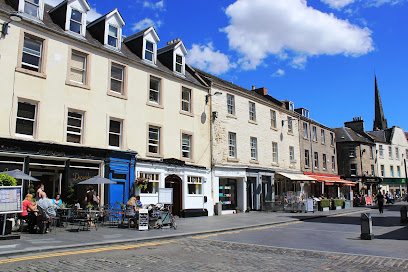
The Twa Tams
0.3 km
Experience Perth’s vibrant live music scene and gastropub charm at The Twa Tams, a welcoming city centre venue with great drinks and atmosphere.
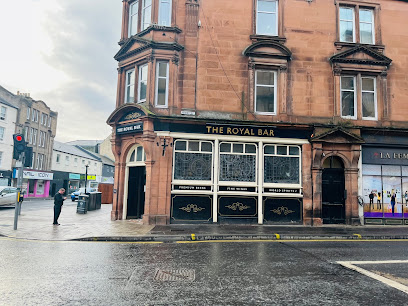
Royal Bar
0.4 km
Experience authentic Scottish pub culture with friendly service, fine malt whiskies, and a lively atmosphere in the heart of Perth.
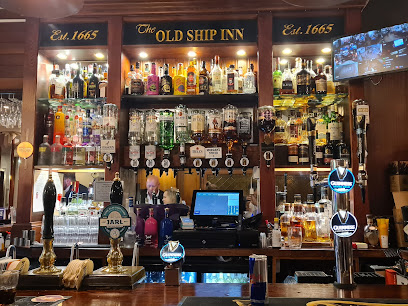
The Old Ship Inn
0.4 km
Historic and welcoming traditional pub in Perth’s city centre, offering a cozy atmosphere and excellent selection of ales and whiskies.
That Bar Lounge
0.4 km
A vibrant city-centre lounge in Perth offering extensive whiskies, creative cocktails, and a friendly, pet-welcoming atmosphere since 1997.
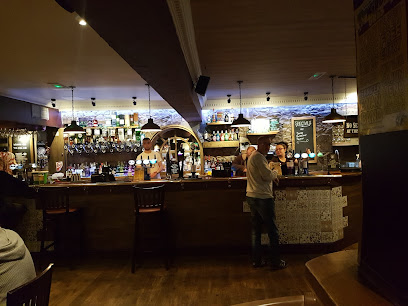
The Bunker Lounge & Bar
0.5 km
A cozy and inviting lounge bar in Perth offering tapas, quality drinks, and a warm atmosphere for relaxed socializing.
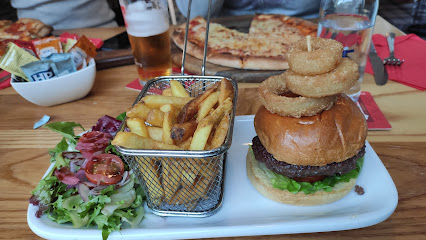
The Silvery Tay
0.5 km
Historic charm meets local ales and live music in Perth’s beloved Silvery Tay pub on South Street.
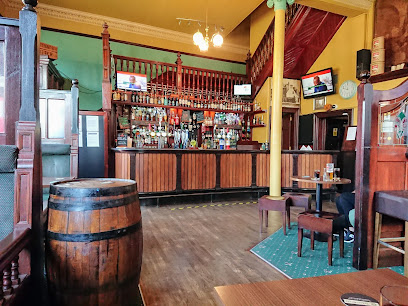
BrewDog Perth
0.5 km
Discover BrewDog Perth, a vibrant craft beer bar with 28 taps, delicious pizzas, live music, and a welcoming atmosphere in Scotland’s cultural heart.
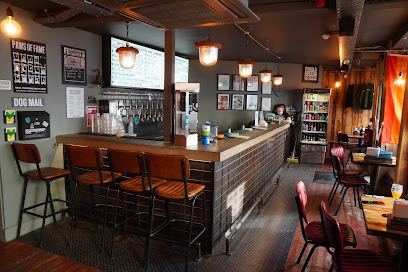
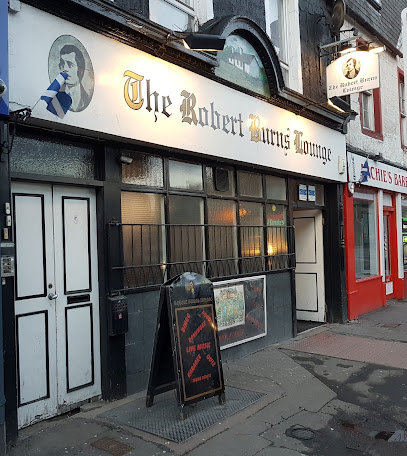
Robert Burns Lounge
0.5 km
Cozy Scottish pub in Perth with lively karaoke nights, friendly service, and a warm community atmosphere.
Nightclubs & after hour spots

Club One
0.3 km
Experience Perth’s vibrant nightlife at Club One, a lively nightclub offering late-night and daytime parties in the city center.
Loft Nightclub
0.4 km
Perth’s energetic nightclub with six bars, late-night dancing, and a lively social scene on South Street.
Ego Nightclub - Perth
0.6 km
Experience Perth’s vibrant nightlife at Ego Nightclub, where quality music and positive energy unite after dark.
Ice Factory Perth
0.6 km
Perth’s energetic nightclub and live music hotspot, blending dance, DJs, and vibrant weekend nights in a modern setting.

The Gig
22.5 km
Experience Blairgowrie’s vibrant nightlife at The Gig, a welcoming and affordable nightclub in the heart of this scenic Scottish town.
The Schofies Residence 1
26.0 km
A lively nightclub nestled in Glenrothes, offering a vibrant social scene and memorable nights in Scotland’s welcoming town.
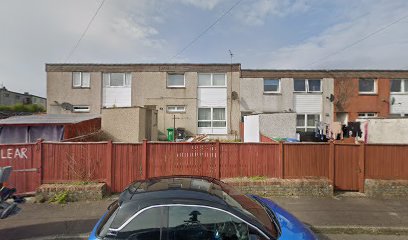
Afro Beats
28.5 km
Experience Dundee’s vibrant nightlife with pulsating Afrobeats, stylish vibes, and unforgettable late-night energy at Afro Beats nightclub.
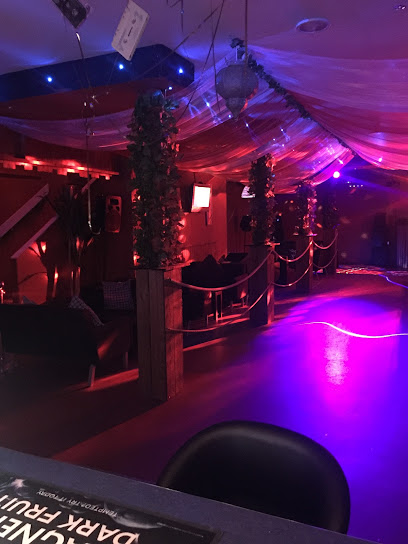
AURA Nightclub
28.7 km
Dundee’s vibrant AURA Nightclub pulses with chart hits, themed parties, and a welcoming atmosphere for unforgettable nights out.

Underground
28.7 km
Dundee’s vibrant nightclub and live music venue where dancing, live bands, and late-night fun come alive every weekend.
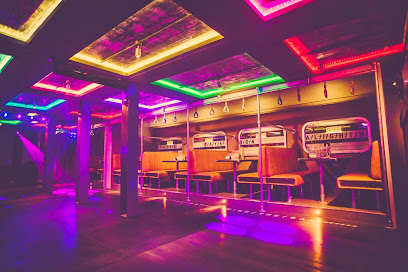
Fat Sams
28.7 km
Experience Dundee’s vibrant nightlife at Fat Sam's, a legendary club blending live music, themed rooms, and nostalgic beats in a lively urban setting.
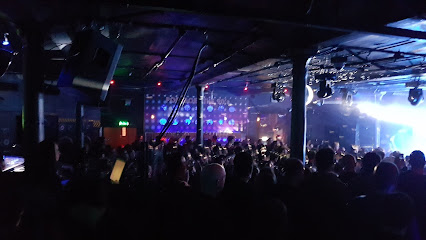
Club Tropicana & Venga
28.7 km
Step into Dundee’s ultimate 80s nightclub for nostalgic beats, vibrant dance floors, and unforgettable retro nights at Club Tropicana & Venga.
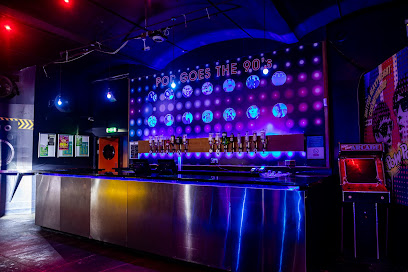
Private Eyes
28.8 km
Experience Dundee’s vibrant nightlife with live pole dance shows, VIP lounges, and a lively atmosphere at Private Eyes nightclub.
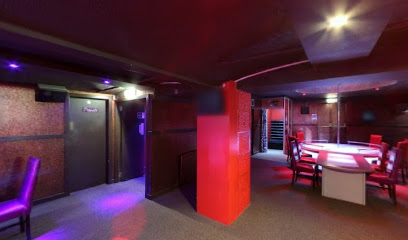
Decades Bar & Nightclub
29.0 km
Step back in time with Decades Bar & Nightclub, Dundee’s vibrant retro hotspot playing the best hits from the 70s, 80s, and 90s.
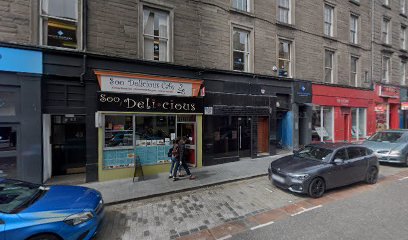
Rewind dundee
29.3 km
Experience Dundee’s vibrant retro club nights and live local music at Rewind, a welcoming hub of nostalgia and nightlife energy.

Pout Bar and Nightclub
29.3 km
Dundee's vibrant gay nightclub offering great music, welcoming vibes, and late-night dancing in the heart of the city.
For the vibe & atmosphere seeker
- Tranquil
- Scenic
- Unique
- Romantic
For the design and aesthetic lover
- Vintage Styles
- Rustic Designs
For the architecture buff
- Historic
- Sacred Sites
- Heritage Neighborhoods
For the view chaser and sunset hunter
- Iconic Views
- Panoramas
For the social media creator & influencer
- Instagrammable
- Photo Spots
- Architectural Shots
For the eco-conscious traveler
- Protected Area
- Locally Managed
- Leave-No-Trace Critical
For the kind of experience you’re after
- Cultural Heritage
- Myth & Legends
- Photowalk
- Mindfulness
For how adventurous you want the journey to be
- Easy Access
Location Audience
- Family Friendly
- Senior Friendly
- Solo Friendly
- Couple Friendly
- History Enthusiasts


