

Inchbrakie Monument: Echoes of a Scottish Legacy
A serene Scottish landmark honoring the vanished Inchbrakie estate, its ancient yew, and storied past.
The Inchbrakie Monument in Perth and Kinross stands as a poignant tribute to the vanished mansion and castle of Inchbrakie, once home to the influential Graeme family. Set amidst rolling Scottish fields, the monument is crafted from stones of the demolished 18th-century mansion, near the site of the 16th-century castle destroyed by Oliver Cromwell. Nearby, a remarkable ancient yew tree reputedly sheltered the Marquis of Montrose, adding layers of history and legend to this serene rural landmark.
A brief summary to Inchbrakie Monument
- Perth, and, Kinross, GB
- Duration: 0.5 to 2 hours
- Free
-
 Outdoor
- Mobile reception: 3 out of 5
Local tips
- Visit during daylight hours to fully appreciate the monument and surrounding landscape.
- Bring a camera for photos of the ancient yew tree and the rustic stone monument.
- Wear sturdy footwear as the terrain around the monument is rural and may be uneven.
- Combine your visit with nearby historical sites around Crieff for a fuller experience of Perthshire’s heritage.

For the on-the-go comforts that matter to you
- Seating Areas
- Information Boards
- Trash Bins
Getting There
-
Car
Driving from Crieff town center takes approximately 10 to 15 minutes via local rural roads. Parking is limited near the monument, so plan to park thoughtfully without obstructing farm access. No parking fees apply.
-
Bus
Local bus services connect Crieff to nearby villages; however, the monument is located in a rural area requiring a 20-minute walk over uneven terrain from the nearest stop. Bus fares range from £3 to £7 depending on starting location.
-
Walking
For active visitors, a scenic 3-mile walk from Crieff offers an immersive countryside experience. The path includes some uneven fields and minor inclines, suitable for those with moderate fitness and sturdy footwear.
Inchbrakie Monument location weather suitability
-
 Any Weather
-
 Clear Skies
-
 Mild Temperatures
-
 Rain / Wet Weather
Discover more about Inchbrakie Monument
Heritage of the Graeme Estate
The Inchbrakie Monument commemorates the historic estate once dominated by the Graeme family, whose roots trace back to Scottish nobility. The original Inchbrakie Castle, built or expanded in 1519 by Patrick Graham, was a fortified structure with a moat and drawbridge, symbolizing the power and status of its owners. This castle was destroyed in 1651 by Oliver Cromwell’s forces during the tumultuous civil wars, marking a dramatic chapter in Scottish history. The later mansion, constructed between 1733 and 1739 and extended in the 19th century, reflected the evolving architectural tastes and social standing of the family until its demolition in 1888.Monument and Landscape Setting
Today’s monument is a carefully assembled bower of stones salvaged from the demolished mansion, standing quietly amidst the gently rolling fields near Crieff. It marks the site where once grand residences stood, now reduced to evocative ruins and earthworks. The surrounding landscape is quintessentially Scottish, with expansive farmland and open skies that provide a tranquil backdrop, inviting reflection on the passage of time and the legacy of the land’s former inhabitants.The Ancient Yew and Local Legends
One of Inchbrakie’s most remarkable features is the ancient yew tree nearby, reputed to be the second largest in Scotland. This venerable tree is steeped in local lore, famously said to have concealed the Marquis of Montrose during his flight before capture and execution. The yew’s thick, dark foliage and gnarled branches evoke a sense of mystery and endurance, linking natural history with the human stories that unfolded here.Historical Resonance and Symbolism
The monument and its environs embody the layered history of Scotland’s political and social upheavals, from medieval clan power struggles to the civil wars of the 17th century. Inchbrakie’s ruins symbolize resilience and transformation, preserving the memory of a site that witnessed significant events and figures. The remains of the moat and the enduring yew tree serve as silent witnesses to centuries of change, offering visitors a tangible connection to Scotland’s past.Visitor Experience and Atmosphere
Visiting Inchbrakie Monument is a contemplative experience set in a peaceful rural environment. The site’s modest scale and natural surroundings encourage quiet exploration and appreciation of Scotland’s heritage beyond the well-trodden tourist paths. The monument’s rustic charm and the evocative presence of the yew tree create an atmosphere of reverence and timelessness, ideal for history enthusiasts and nature lovers alike.Preservation and Legacy
Although little remains of the original buildings, the monument stands as a testament to the importance of preserving historical memory through landscape and stone. It invites reflection on the changing fortunes of noble families and the impact of national events on local communities. Inchbrakie continues to inspire curiosity and respect for Scotland’s rich cultural tapestry, linking past and present through its enduring symbols.Iconic landmarks you can’t miss

Inchbrakie Monument
0.0 km
A serene Scottish landmark honoring the vanished Inchbrakie estate, its ancient yew, and storied past.
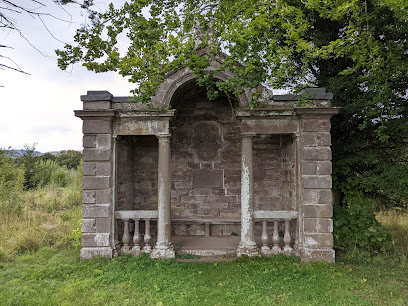
Ruins of Kincardine Castle
11.8 km
Explore the evocative 13th-century ruins of Kincardine Castle, a royal Scottish fortress steeped in medieval history and surrounded by tranquil farmland.
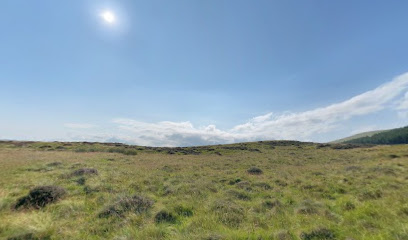
Melville Monument
13.4 km
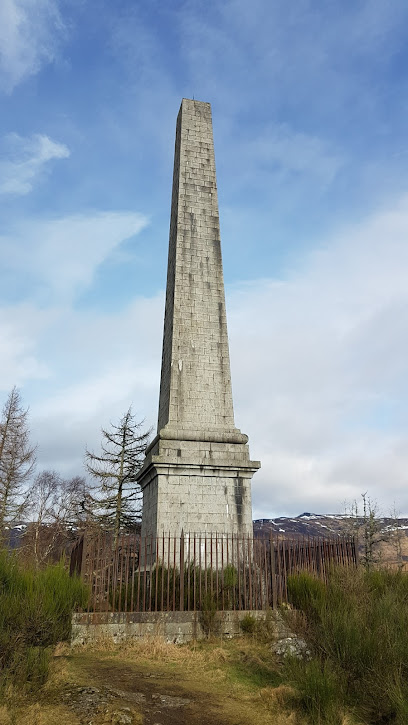
A commanding granite obelisk atop Dun More hill, honoring Henry Dundas with breathtaking views over Perthshire’s scenic landscapes.
Perthshire Treks
18.0 km
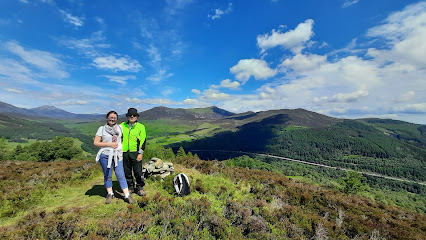
Explore the stunning landscapes of Perthshire with guided hiking tours from Perthshire Treks, perfect for nature lovers and adventure seekers.
Perth & Kinross Heritage Trust
21.9 km
Explore the Perth & Kinross Heritage Trust - a cultural gem showcasing Scotland's rich history and community heritage.
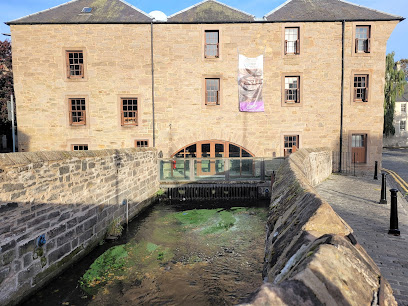
Smeaton's Bridge
22.1 km
Historic 18th-century stone bridge spanning the River Tay in Perth, blending engineering brilliance with scenic charm and rich heritage.
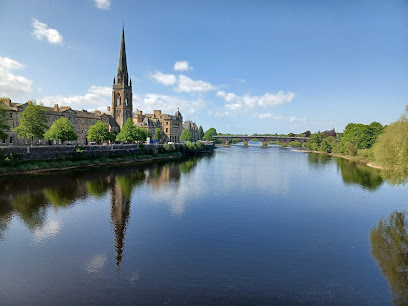
Tomb Of The Minister Of Scone & Family
22.1 km
A solemn mausoleum nestled within Scone Palace grounds, honoring the minister and family amidst Scotland’s royal and religious heritage.
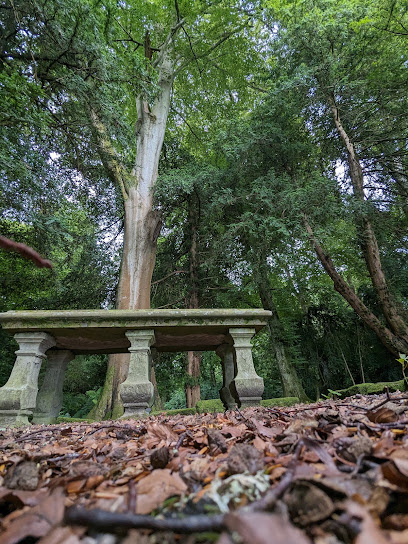
Dunkeld Bridge
24.1 km
Historic Thomas Telford-designed stone bridge gracefully spanning the River Tay, linking Dunkeld’s rich heritage with Highland landscapes.
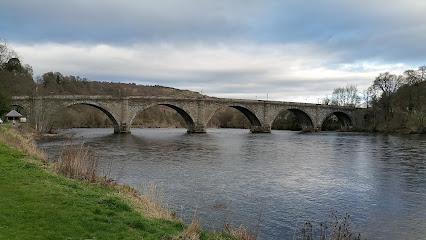
Birnam Oak
24.1 km
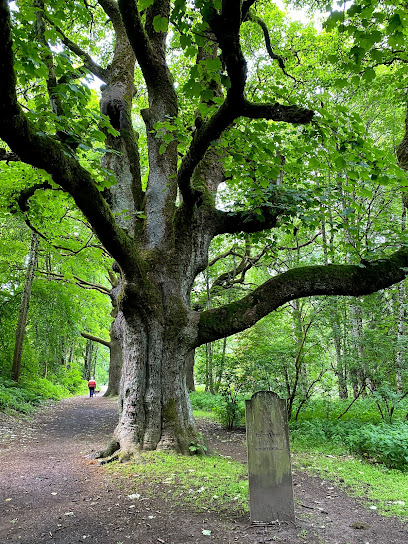
An ancient oak on the banks of the River Tay, believed to be the last survivor of Shakespeare’s Birnam Wood – a living piece of Scottish and literary history.
Stone circle
24.4 km
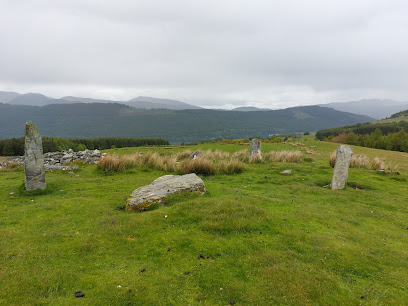
Discover the ancient Neolithic Croft Moraig Stone Circle near Easdale, a serene and mysterious prehistoric landmark in Perthshire’s countryside.
Tomnadashan Mine AKA Cave of Caerbannog
26.1 km
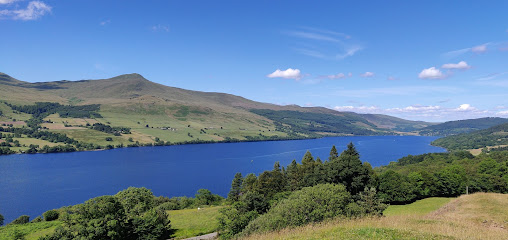
Explore the mysterious Tomnadashan Mine, the Cave of Caerbannog, where history meets Scottish folklore in a breathtaking setting.
Sauchie Tower
26.2 km
Explore the rich history and stunning architecture of Sauchie Tower, a medieval castle in Alloa, Scotland, surrounded by breathtaking landscapes.
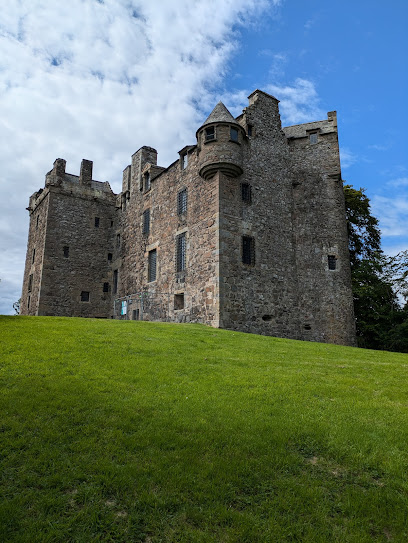
Elcho Castle
26.3 km
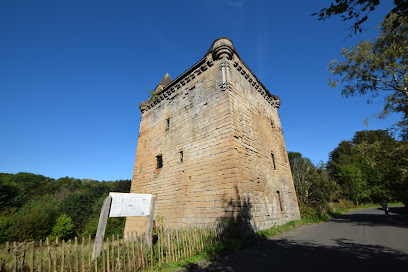
Explore the historic Elcho Castle near Perth, a stunning 16th-century fortress showcasing Scotland's rich heritage and breathtaking landscapes.
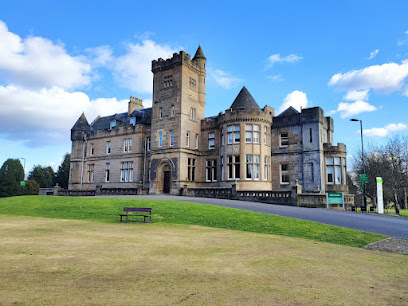
Airthrey Castle
26.7 km
Discover the enchanting Airthrey Castle, a historical gem in Stirling, surrounded by stunning gardens and rich Scottish heritage.
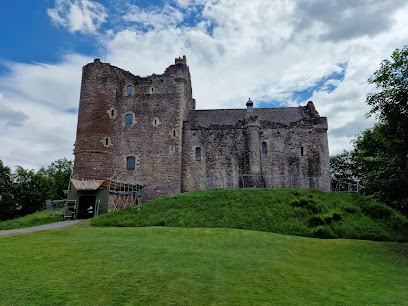
Doune Castle
27.0 km
Discover the medieval charm of Doune Castle, a historic fortress steeped in Scottish history and surrounded by stunning natural beauty.
Unmissable attractions to see

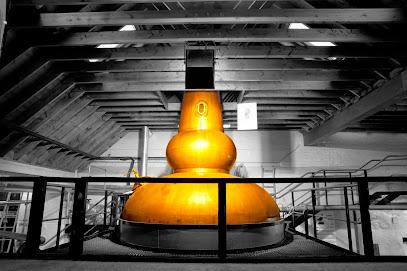
The Glenturret Distillery
4.6 km
Scotland’s oldest working distillery, blending centuries-old craft with world-class whisky and Michelin-starred dining in scenic Perthshire.
Caithness Glass
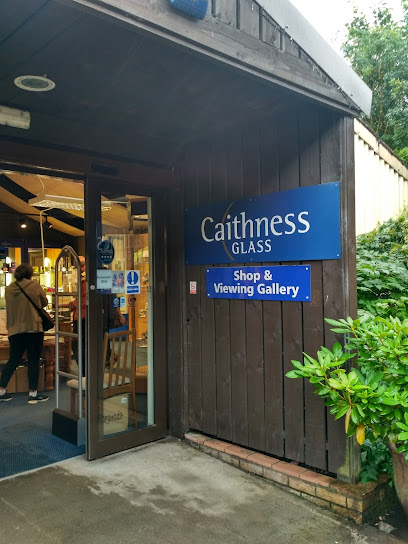
4.6 km
Experience the artistry of Scottish glassmaking and explore unique gifts at Caithness Glass within Crieff Visitor Centre.
Drummond Castle Gardens
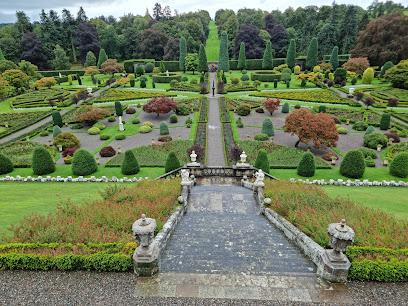
5.3 km
Explore Scotland’s finest Renaissance gardens with stunning terraces, historic trees, and cinematic charm near Crieff.
Perthshire Views
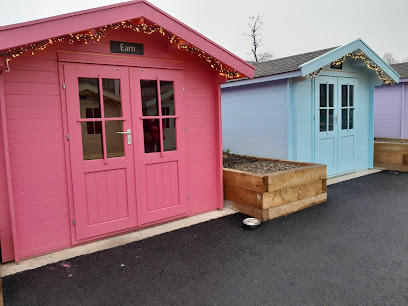
8.1 km
Tranquil self-catering accommodation in scenic Crieff, offering a peaceful gateway to Perthshire’s natural beauty and cultural treasures.
Tullibardine Chapel
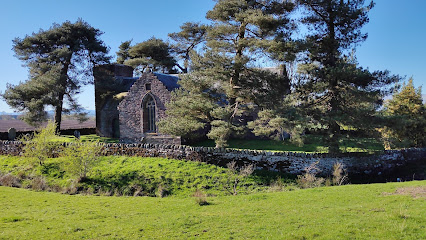
8.5 km
Discover Tullibardine Chapel, a rare, unaltered medieval Scottish church steeped in history, family legacy, and serene beauty amid Perthshire’s tranquil farmland.
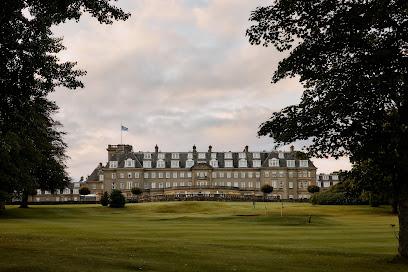
The Gleneagles Hotel
10.6 km
Experience timeless Scottish luxury and world-class golf in the breathtaking Perthshire countryside at The Gleneagles Hotel.
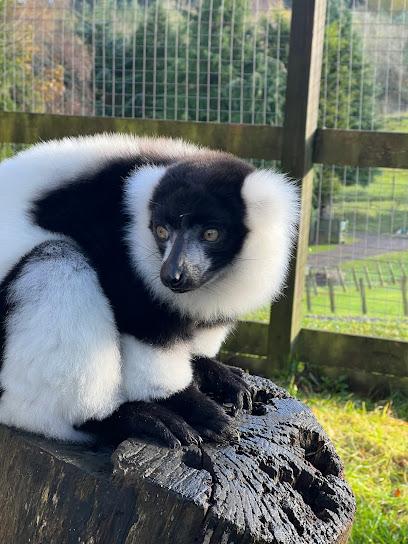
Auchingarrich Wildlife Park
11.6 km
Discover wildlife wonders and family adventures in the scenic Perthshire hills at Auchingarrich Wildlife and Adventure Park.
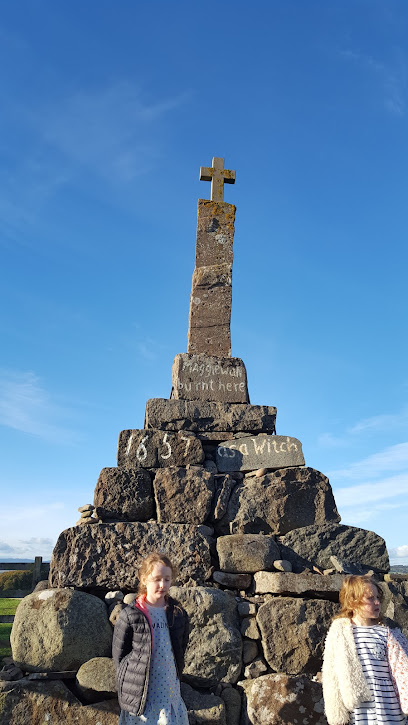
Maggie Wall Witch Monument
13.1 km
Explore the Maggie Wall Witch Monument in Dunning, a haunting tribute to Scotland's witch trials and a reflection on societal change.
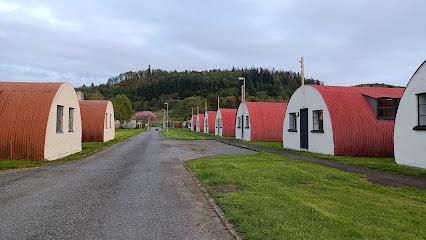
Cultybraggan Camp
13.2 km
Explore Scotland’s last WWII prisoner of war camp, a site of intense history, community revival, and preserved heritage near Comrie.
St Serf's Church & Dupplin Cross
14.0 km
Explore St Serf's Church and the Dupplin Cross, a stunning blend of medieval architecture and Pictish heritage in the heart of Perthshire.
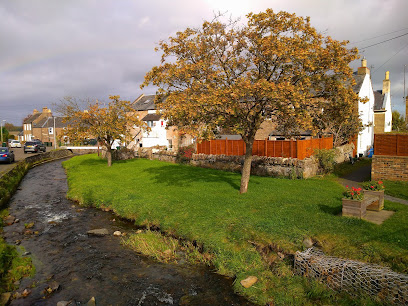
Gloagburn Farm Shop
14.6 km
Experience authentic Scottish farm life with fresh homemade food, local produce, and family-friendly fun in the heart of Perthshire.
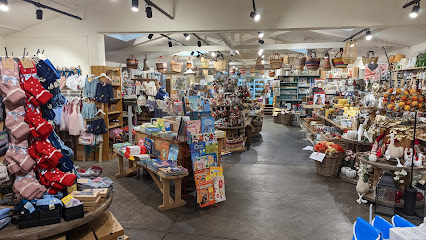
Strath Allan
16.4 km
Discover the serene beauty and rich wildlife of Strath Allan, a tranquil ravine near historic Dunblane in central Scotland.

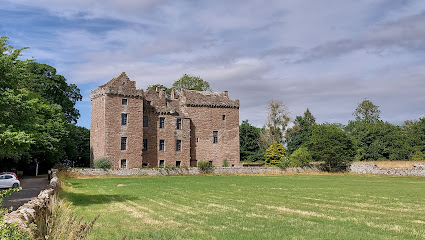
Huntingtower Castle
18.4 km
Discover Huntingtower Castle’s twin towers, royal intrigues, and one of Scotland’s oldest painted ceilings near Perth.
The Black Watch Castle & Museum
21.5 km
Scotland's military heritage preserved in a historic castle overlooking Perth's North Inch.
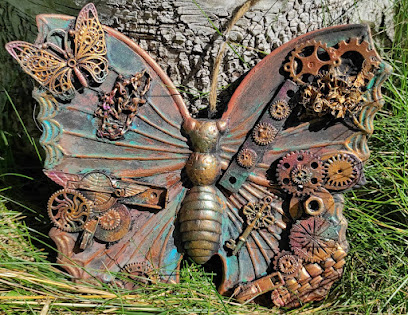
The Art Attic - Gallery, Gift Shop, Craft Supplies, Workshops
21.5 km
Discover unique artworks, craft supplies, and inspiring workshops in the heart of Perth’s historic St Paul's Square.
Essential places to dine

The Glenturret Lalique Restaurant
4.5 km
Experience Michelin-starred fine dining in an intimate setting within Scotland’s oldest whisky distillery, blending heritage, luxury, and innovative cuisine.
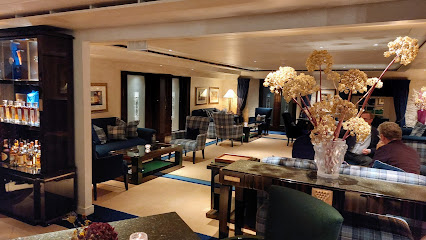
Coorie Inn Restaurant & Rooms, Crieff
5.9 km
Cosy boutique inn near Crieff offering seasonal Scottish cuisine, elegant rooms, and warm hospitality in a tranquil village setting.
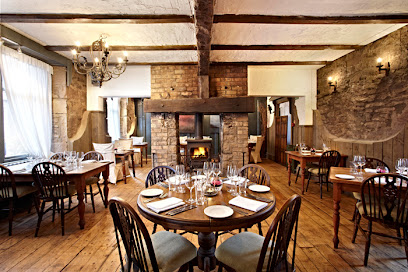
Restaurant Andrew Fairlie
10.6 km
Scotland’s only two-Michelin-star restaurant, blending exquisite local ingredients with warm, refined service in Gleneagles’ elegant setting.
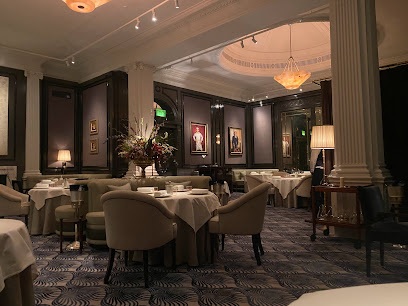
The Kirkstyle Inn
14.0 km
Experience authentic Scottish cuisine at The Kirkstyle Inn in Dunning - where tradition meets taste in a cozy setting.
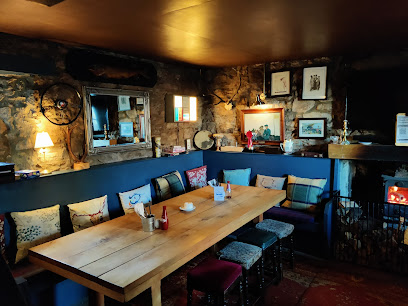
Broxden Farm - Dining & Carvery
18.3 km
A charming Scottish pub in Perth offering hearty carvery meals and warm hospitality in a cozy, family-friendly setting.
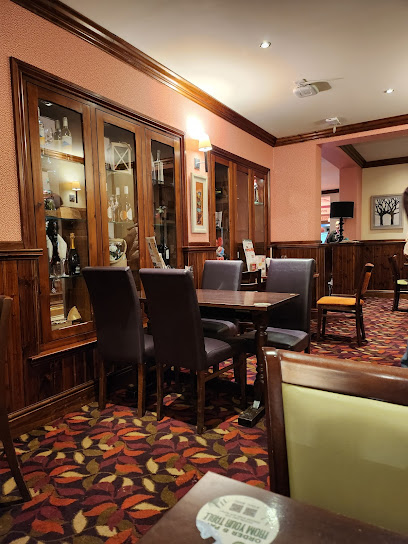
The Maltings - Pub & Grill
20.1 km
A modern pub and grill in Perth offering flame-grilled classics, gluten-free options, and a welcoming atmosphere for casual dining.
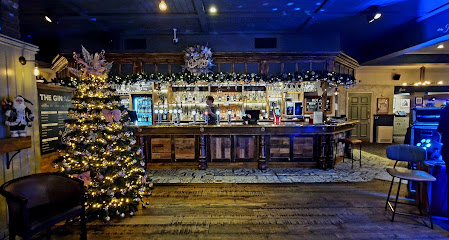
Everest Inn
21.5 km
Experience authentic Nepalese and Indian flavors in Perth’s stylish and welcoming Everest Inn, where tradition meets modern dining.
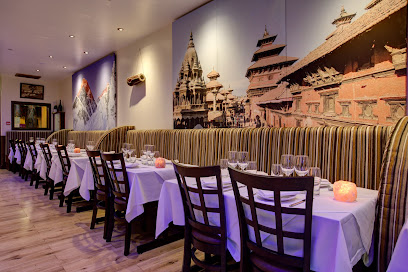
Atholl Restaurant
21.6 km
A welcoming Perth eatery serving fresh, local Scottish dishes in a relaxed atmosphere with a fine selection of wines and whiskies.
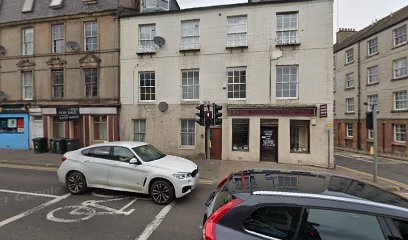
Bothy Perth
21.7 km
Cozy Scottish restaurant and bar in Perth offering seasonal dishes, rustic event spaces, and a warm, inviting atmosphere.
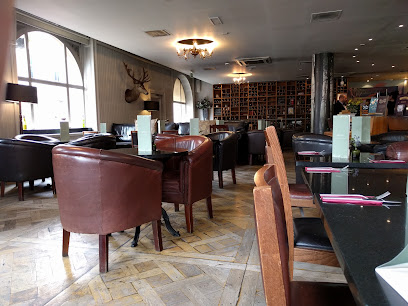
Deans Restaurant
21.7 km
Chic fine dining in Perth with quirky interiors and a focus on local Scottish produce, offering elegant tasting menus in a stylish setting.
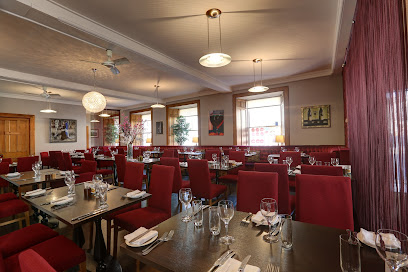
The Giddy Goose
21.8 km
A vibrant and casual restaurant in Perth blending bold British and Italian flavors with a lively atmosphere and late-night hours.
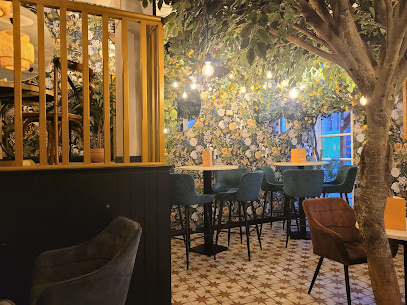
Nicoll's Steak House
21.8 km
A no-frills Perth favourite serving generous, perfectly cooked steaks in a relaxed, family-run setting.
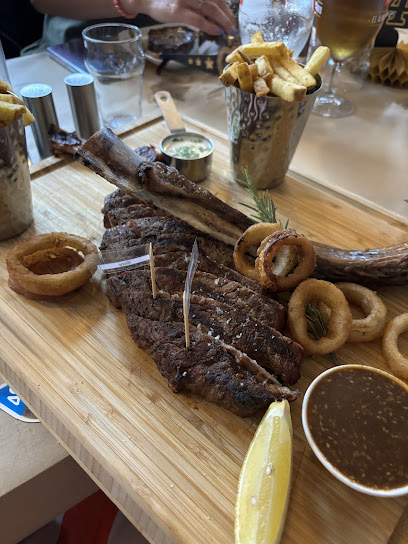
Kisa's
21.9 km
Stylish all-day dining in central Perth, perfect for breakfast, lunch, dinner, or drinks before a show at the nearby concert hall.
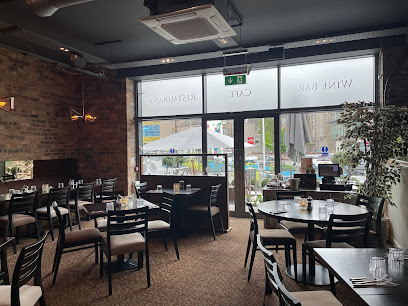
North Port Scottish Restaurant
21.9 km
A warm, historic cottage in Perth serving modern Scottish dishes made with local, seasonal produce and a strong sense of place.
Cridos Restaurant
21.9 km
Experience authentic Mediterranean seafood and steakhouse delights in a cozy, welcoming atmosphere in the heart of Perth.
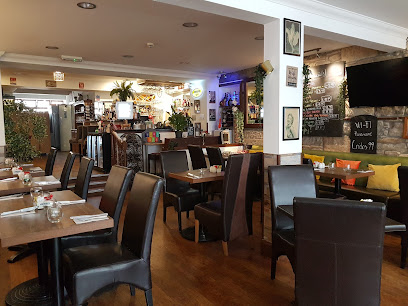
Markets, malls and hidden boutiques

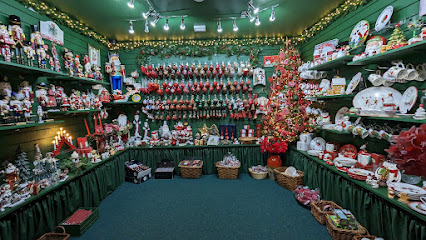
Nutcracker
4.5 km
A year‑round Christmas wonderland in Crieff, packed with festive decorations, ornaments, and holiday magic for every season.
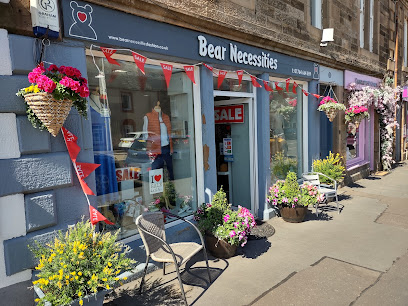
Bear Necessities
10.1 km
A personalized fashion boutique in Auchterarder offering stylish clothing and accessories for everyday and special occasions.
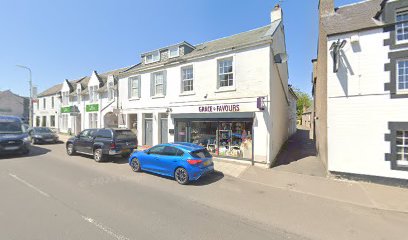
Grace & Favours
10.1 km
Discover unique gifts and warm hospitality at Grace & Favours, a charming boutique in the heart of Auchterarder’s High Street.
1097
21.3 km
Explore a unique shopping destination in Perth, featuring handmade crafts and local treasures that showcase the beauty of Scottish artistry.
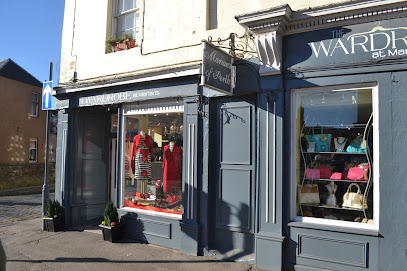
Fun Junction
21.5 km
Independent toy shop in Perth offering quality toys, games, and educational supplies with friendly family-run service.

Marians Of Perth
21.5 km
Marian's of Perth: Over 40 years of elegant, inclusive ladies' fashion and personalized service in the heart of Scotland’s historic city.
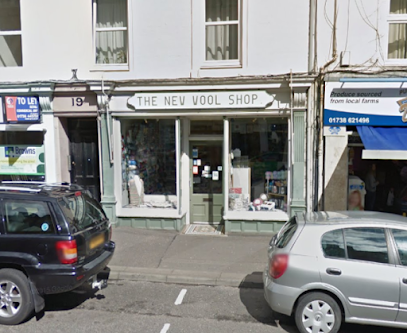
The New Wool Shop
21.5 km
A welcoming wool and needlecraft shop in Perth offering quality yarns, expert advice, and a vibrant crafting community.
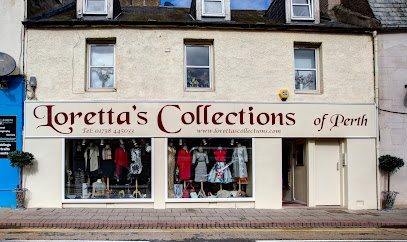
Loretta's Collections Boutique Perth
21.5 km
Discover stylish women's apparel at Loretta's Collections Boutique, Perth’s elegant destination for timeless and contemporary fashion.
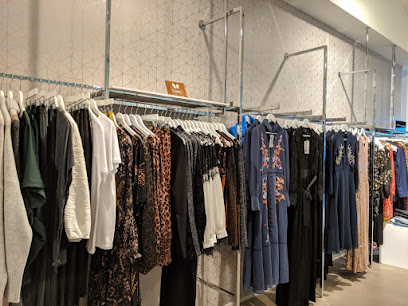
Evalucia
21.6 km
Discover curated fashion and accessories at Evalucia Boutique, Perth’s stylish destination for everyday and special occasion wear.
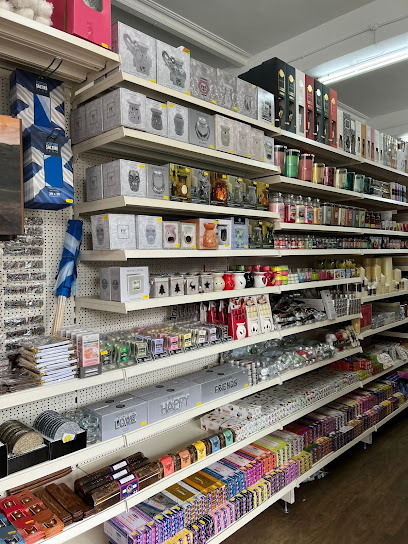
Highland Homeware
21.6 km
Discover Highland Homeware in Perth—a unique blend of homewares, DIY supplies, confectionery, and local charm all under one roof.
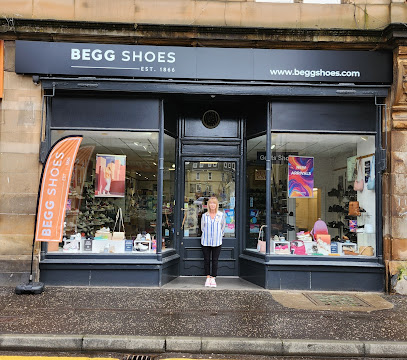
Begg Shoes
21.7 km
Discover timeless style and expert service at Begg Shoes, Perth’s go-to boutique for quality footwear and leather accessories.
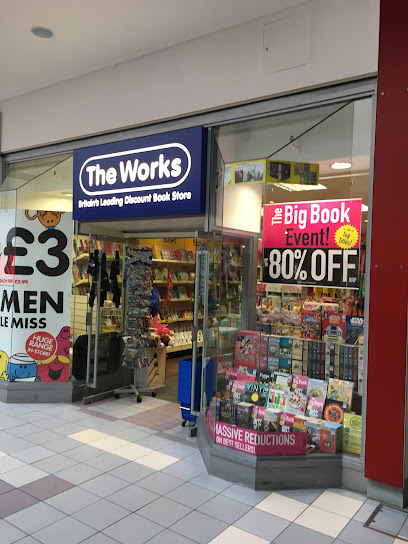
The Works
21.7 km
Affordable books, crafts, toys, and stationery inspiring creativity and screen-free fun in the heart of Perth.
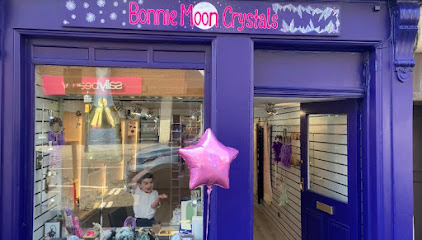
Bonnie Moon Crystals
21.7 km
Discover the magic of crystals and mindful treasures at Bonnie Moon Crystals, Perth’s serene boutique of natural beauty and healing energy.
Bonmarché
21.7 km
Stylish and affordable ladies’ fashion for mature women in the heart of Perth’s St Johns Centre.

The Perth Gift Card
21.8 km
Discover unique souvenirs and local crafts at The Perth Gift Card, a charming gift shop in Perth offering a vibrant selection of treasures.
Essential bars & hidden hideouts

The Glover Arms
18.5 km
Historic Scottish pub with hearty fare, cozy fires, and a lively beer garden in Perth’s Huntingtower Park.
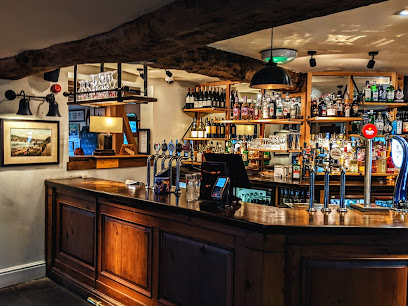
Cherrybank Inn
20.0 km
Cozy pub and hotel offering local flavors, comfortable rooms, and outdoor tennis courts in a friendly Perth suburb setting.
Abbotsford Lounge Bar
21.1 km
A cozy, friendly local bar in Craigie, Perth, offering great drinks, light lunches, and a welcoming community atmosphere.
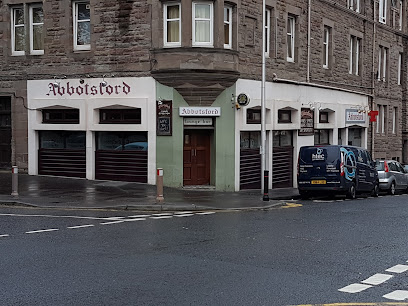
Ormonds
21.4 km
A friendly Perth pub serving hearty, affordable Scottish classics with generous portions and a welcoming atmosphere.
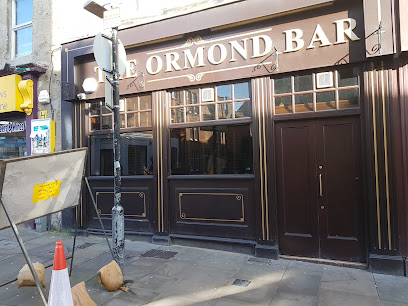
Robert Burns Lounge
21.5 km
Cozy Scottish pub in Perth with lively karaoke nights, friendly service, and a warm community atmosphere.
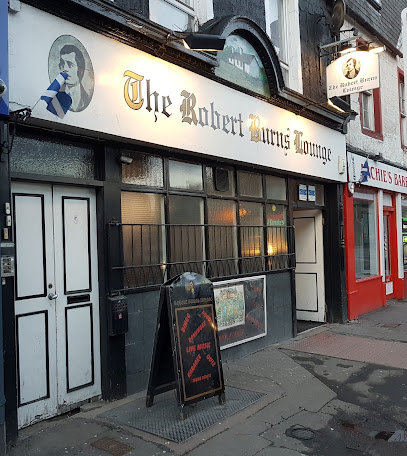
The Silvery Tay
21.5 km
Historic charm meets local ales and live music in Perth’s beloved Silvery Tay pub on South Street.
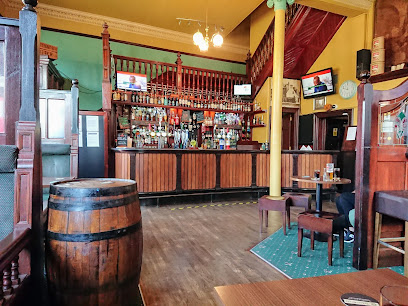
The Bunker Lounge & Bar
21.5 km
A cozy and inviting lounge bar in Perth offering tapas, quality drinks, and a warm atmosphere for relaxed socializing.
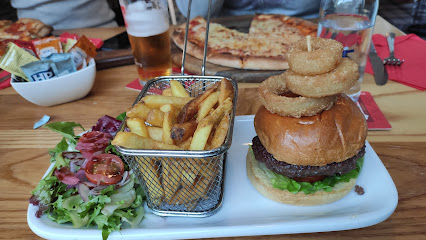
The Bee Bar
21.5 km
Authentic Scottish dive bar in Perth’s town centre, known for live local music, friendly vibe, and a welcoming community spirit.
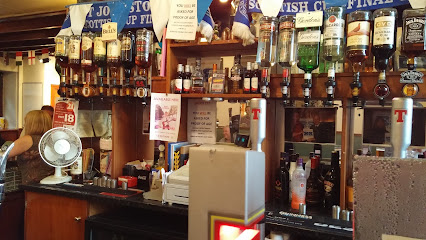
The Half Moon Bar
21.5 km
A friendly and spacious local pub in Perth offering great drinks, big sports screens, and a welcoming atmosphere for all.
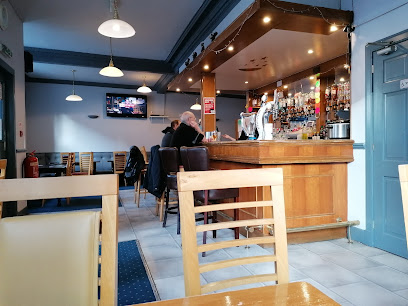
The Caledonian
21.6 km
A vibrant, friendly pub in Perth’s city center, offering great drinks, a welcoming atmosphere, and authentic local charm.
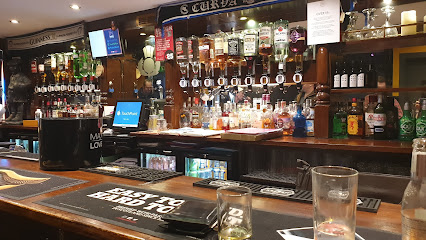
The BANK Bar & Beer Garden
21.6 km
A vibrant gastropub and beer garden in Perth’s city centre, perfect for casual drinks and lively socializing.
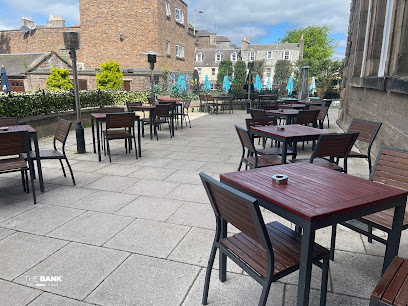
The Twa Tams
21.6 km
Experience Perth’s vibrant live music scene and gastropub charm at The Twa Tams, a welcoming city centre venue with great drinks and atmosphere.
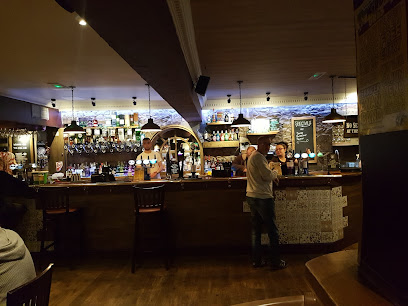
That Bar Lounge
21.6 km
A vibrant city-centre lounge in Perth offering extensive whiskies, creative cocktails, and a friendly, pet-welcoming atmosphere since 1997.
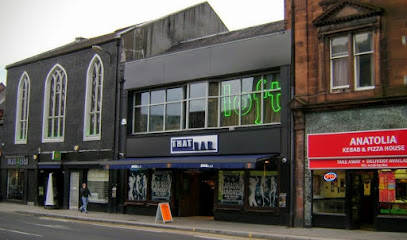
The Foundry
21.6 km
A lively pub and restaurant in Perth offering hearty fare, friendly service, and a vibrant social atmosphere in the city center.
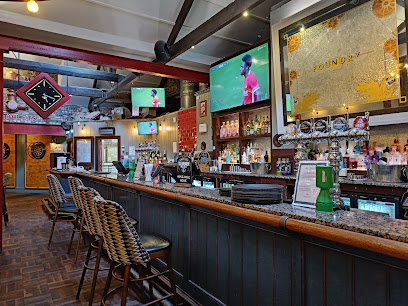
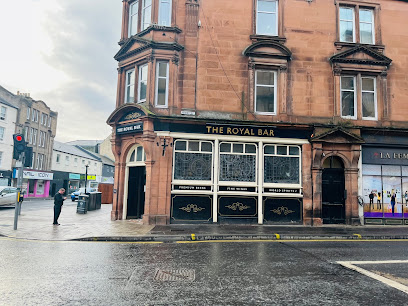
Royal Bar
21.6 km
Experience authentic Scottish pub culture with friendly service, fine malt whiskies, and a lively atmosphere in the heart of Perth.
Nightclubs & after hour spots

Ego Nightclub - Perth
21.6 km
Experience Perth’s vibrant nightlife at Ego Nightclub, where quality music and positive energy unite after dark.
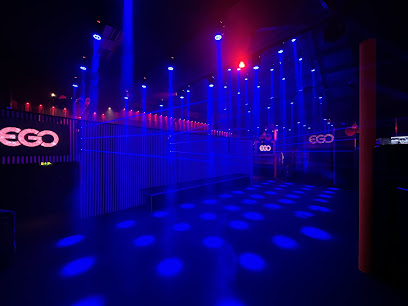
Loft Nightclub
21.6 km
Perth’s energetic nightclub with six bars, late-night dancing, and a lively social scene on South Street.
Ice Factory Perth
21.9 km
Perth’s energetic nightclub and live music hotspot, blending dance, DJs, and vibrant weekend nights in a modern setting.

Club One
21.9 km
Experience Perth’s vibrant nightlife at Club One, a lively nightclub offering late-night and daytime parties in the city center.
Backstage at The Green
29.0 km
Discover the heart of Kinross' nightlife at Backstage at The Green, a premier live music venue showcasing diverse musical talent.
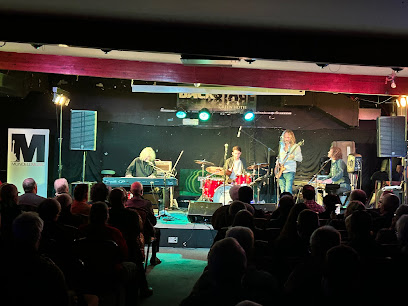
Mundell Music
29.0 km
Discover the heartbeat of Kinross at Mundell Music, where unforgettable live performances and a welcoming atmosphere await every music lover.
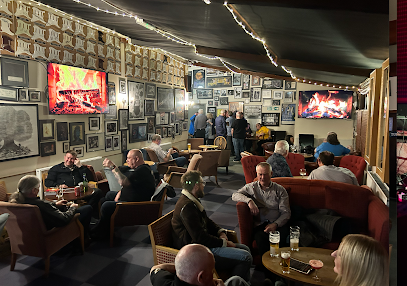
Fubar Nightclub
30.1 km
Experience Stirling’s energetic student nightlife at Fubar Nightclub, where music, lights, and lively crowds come alive late into the night.
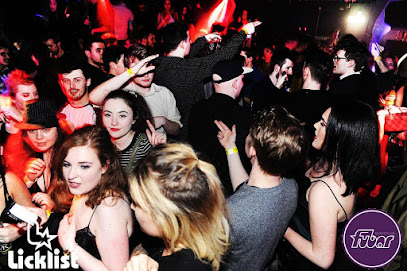
Castle Leisure Group
30.3 km
Discover the lively atmosphere of Castle Leisure Group in Stirling – a perfect blend of dining, nightlife, and entertainment for tourists.
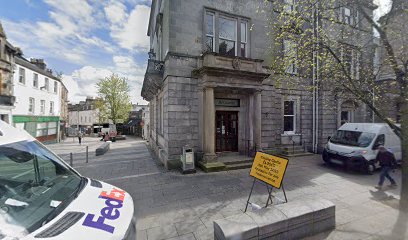
Slanj-A-Va
30.5 km
Discover Slanj-A-Va: Stirling's premier live music venue offering an unforgettable night out filled with diverse musical experiences.
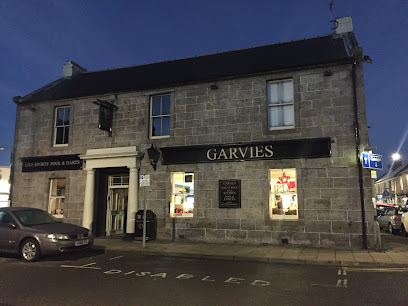
Garvies
34.6 km
Experience the heart of Kincardine at Garvies, where friendly service and local brews await in a cozy pub atmosphere.
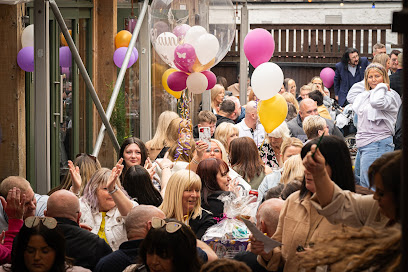
The Gig
36.0 km
Experience Blairgowrie’s vibrant nightlife at The Gig, a welcoming and affordable nightclub in the heart of this scenic Scottish town.
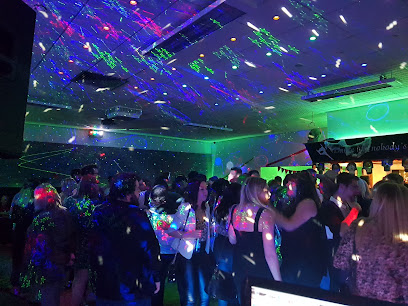
LIFE
39.3 km
Experience vibrant nightlife and late-night fun at LIFE, Dunfermline’s energetic nightclub with a welcoming atmosphere and great music.
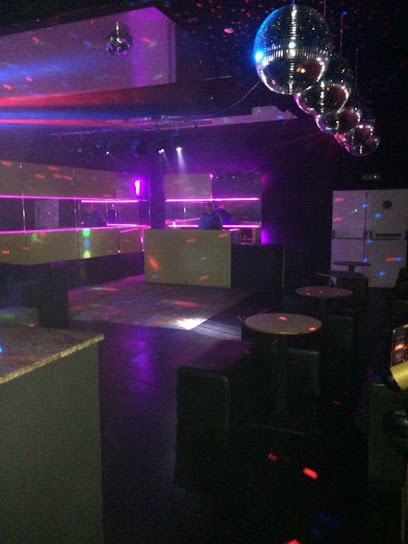
Lourenzos
39.5 km
Experience Dunfermline's nightlife at Lourenzos, a lively bar and nightclub known for its exceptional cocktails and welcoming atmosphere.
The Schofies Residence 1
41.3 km
A lively nightclub nestled in Glenrothes, offering a vibrant social scene and memorable nights in Scotland’s welcoming town.
XOXO
41.8 km
Central Scotland’s largest nightclub offering vibrant nightlife, pool hall fun, and private event spaces in the heart of Falkirk.
For the vibe & atmosphere seeker
- Tranquil
- Scenic
- Unique
- Relaxing
For the design and aesthetic lover
- Rustic Designs
- Vintage Styles
For the architecture buff
- Historic
- Heritage Neighborhoods
For the view chaser and sunset hunter
- Iconic Views
- Panoramas
For the social media creator & influencer
- Instagrammable
- Photo Spots
For the eco-conscious traveler
- Low Impact
- Public-Transport Accessible
- Leave-No-Trace Critical
For the kind of experience you’re after
- Cultural Heritage
- Nature Escape
- Day Trip
- Photowalk
For how adventurous you want the journey to be
- Easy Access
Location Audience
- Family Friendly
- Senior Friendly
- Child Friendly
- Solo Friendly
- Couple Friendly


