Fort George, Scottish Highlands Travel Guide
Explore Fort George, an immense 18th-century star fort near Inverness, blending military history, panoramic views, and active army heritage.
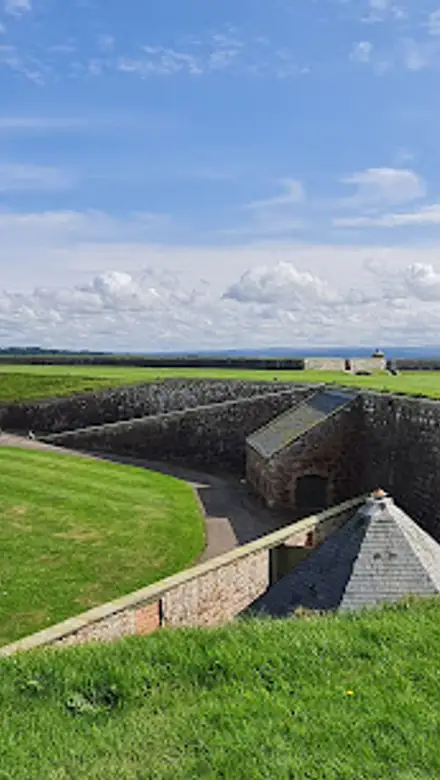
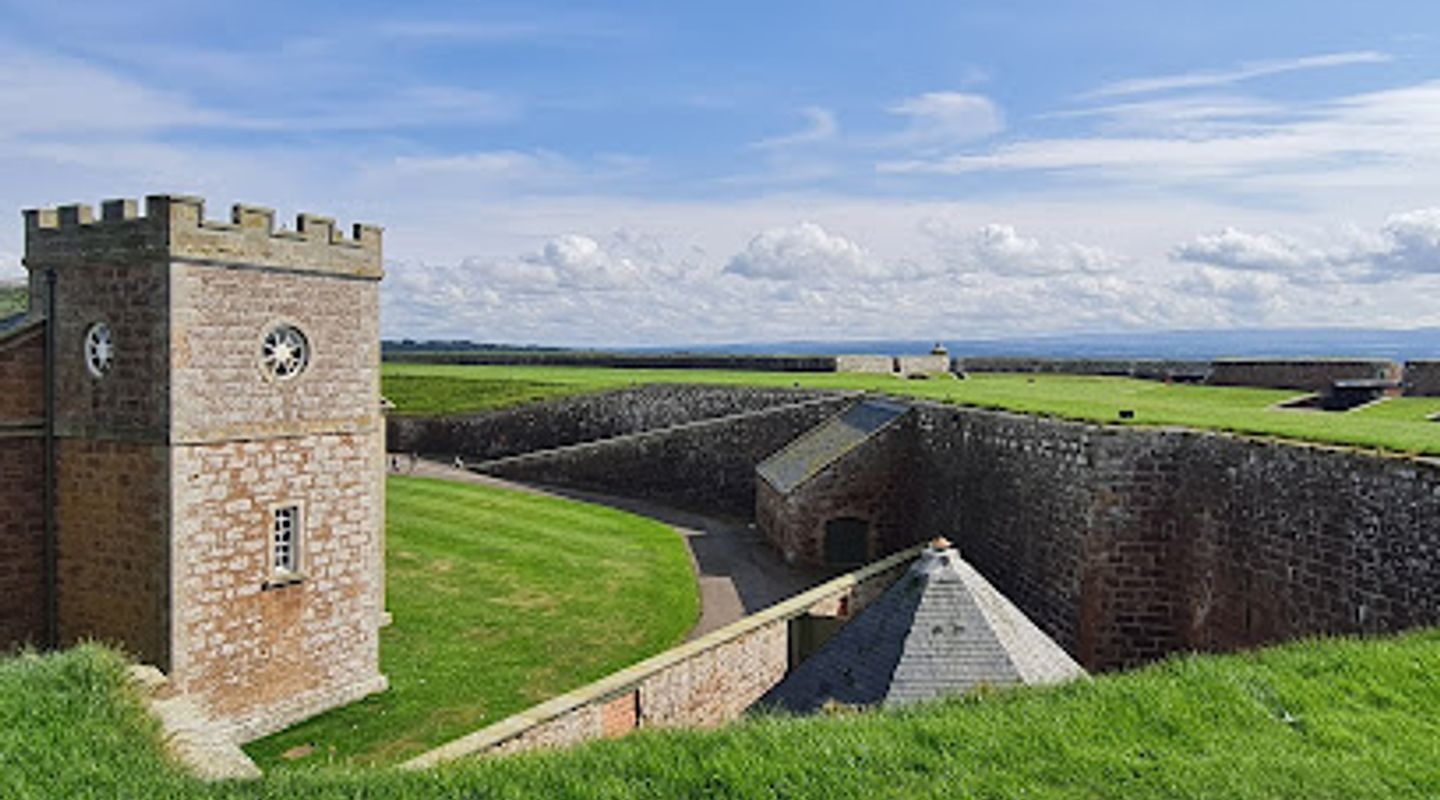
Fort George, near Ardersier and Inverness, is an immense 18th-century star-shaped fortress built between 1748 and 1769 to secure the Highlands after the Jacobite uprising. Covering 42 acres with massive ramparts, bastions, and extensive barracks, it remains an active army base and a premier historic attraction showcasing military architecture, the Highlanders' Regimental Museum, and panoramic views of the Moray Firth.
A brief summary to Fort George
- Near, Inverness, Ardersier, IV2 7TD, GB
- Click to display
- Click to display
- Duration: 2 to 4 hours
- Mid ranged
-
 Outdoor
- Mobile reception: 4 out of 5
- Monday 9:30 am-5:30 pm
- Tuesday 9:30 am-5:30 pm
- Wednesday 9:30 am-5:30 pm
- Thursday 9:30 am-5:30 pm
- Friday 9:30 am-5:30 pm
- Saturday 9:30 am-5:30 pm
- Sunday 9:30 am-5:30 pm

Know before you go
Hi, I'm Eve. Here are a few practical things to know before exploring Fort George.
- Use the detailed audio guides available onsite to enrich your visit with stories and historical context for each part of the fort.
- Plan for at least 3 to 4 hours to fully explore the fort, its museum, and the extensive ramparts.
- Bring binoculars or a camera to try spotting bottlenose dolphins in the Moray Firth from the fort’s ramparts.
- Visit on weekdays for a quieter experience and more peaceful exploration of the site.
- Check opening hours in advance; the fort is open daily from 9:30 AM to 5:30 PM during peak season.
Do you manage this location?
Take control to get all the benefits, like improved information, better appearance, and stronger visibility across AI-powered discovery. Learn more about listing your business on Evendo
Activate your presenceOther nearby places you may find interesting
The closest places of the same kind, if this one is not quite what you had in mind.



Explore Fort George on the Map
A handpicked selection of must-see spots near Fort George, mapped for you.
Unlock the Best of Fort George
Buy tickets
-
No tickets available
Book tours with entry


Getting There
-
Bus
Take the Stagecoach bus service from Inverness city center to Ardersier, with a journey time of approximately 45 to 60 minutes. Buses run several times daily but check schedules ahead as frequency varies. The stop is about 1 km from the fort, requiring a short walk over flat terrain.
-
Car
Driving from Inverness to Fort George takes around 20 to 30 minutes via the A96 and local roads. Parking is available near the fort entrance. Note that parking can be limited during peak season, so early arrival is recommended. No parking fees apply.
-
Taxi
A taxi from Inverness to Fort George typically takes 20 to 30 minutes and costs approximately £20 to £30. This is a convenient option if traveling with luggage or in a group. Availability depends on local taxi services.
For the on-the-go comforts that matter to you
-
 Restrooms
-
 Drink Options
-
 Food Options
-
 Seating Areas
-
 Trash Bins
-
 Information Boards
Discover more about Fort George
A Strategic Bastion Born from Conflict
Fort George was conceived in the wake of the 1745 Jacobite Rising and the decisive Battle of Culloden, designed as a formidable military fortress to suppress future rebellions in the Scottish Highlands. Located on a defensible spit of land jutting into the Moray Firth near Ardersier, about 11 miles northeast of Inverness, its site was chosen for both strategic control and natural protection. Construction began in 1748 under Lieutenant-General William Skinner, with the Adam family of architects overseeing the build. The fort took 22 years to complete, finally finishing in 1769, well over budget and behind schedule, but resulting in one of the most advanced artillery fortifications in Europe.Architectural Grandeur and Military Innovation
Fort George’s design is a masterpiece of 18th-century military engineering, featuring a star-shaped layout with massive grass-covered ramparts over a mile in length, bastions bristling with more than 80 guns, and deep defensive ditches. The fort’s walls housed accommodation for a governor, officers, an artillery detachment, and a garrison of up to 1,600 infantry soldiers. Inside, facilities included a chapel, bakehouse, brewhouse, powder magazine capable of storing thousands of gunpowder barrels, and ordnance stores. Casemates within the walls served as underground bunkers to protect the garrison from artillery fire, reflecting sophisticated defensive planning.Living History and Regimental Heritage
Visitors can explore the historic barrack rooms, which vividly recreate the daily life of soldiers stationed at the fort during the 18th and 19th centuries. The Highlanders' Regimental Museum, housed within the fort, offers a rich collection of artifacts, uniforms, and weaponry from the Seaforth Highlanders and Queen’s Own Highlanders, telling the story of Highland military service. The peaceful regimental chapel and the grand magazine, now a weapons collection, provide further insight into the fort’s operational history and cultural significance.An Active Military Base with Public Access
Remarkably, Fort George remains an active army barracks, currently home to the Black Watch, 3rd Battalion The Royal Regiment of Scotland. This ongoing military presence adds a unique dimension to the site, blending living history with heritage preservation. The fort’s vast grounds and ramparts offer panoramic views over the Moray Firth, where visitors may spot bottlenose dolphins. Audio guides enhance the experience by providing detailed narratives of the fort’s features and history.Visitor Experience and Surroundings
The fort covers an area comparable to 40 football fields, inviting extended exploration of its extensive defensive works and internal buildings. Well-maintained grounds, clean facilities, and a café contribute to visitor comfort. The site’s location offers scenic views and a tranquil atmosphere, making it a compelling destination for history enthusiasts, families, and those interested in military architecture and Scottish heritage.Legacy of Power and Peace
Though Fort George was built as a ruthless instrument of control following a turbulent period of rebellion, it has never been attacked in anger. Instead, it stands as a testament to military innovation and the complex history of the Highlands. Its preservation and continued use reflect the enduring legacy of Scotland’s martial past and its evolving role within the United Kingdom’s defense.












Your all‑in‑one travel companion app
Explore expert travel guides, compare and book tours, experiences, hotels, and more—all from the palm of your hand. Download now for seamless trip planning wherever your wanderlust takes you.


Explore More of Scottish Highlands
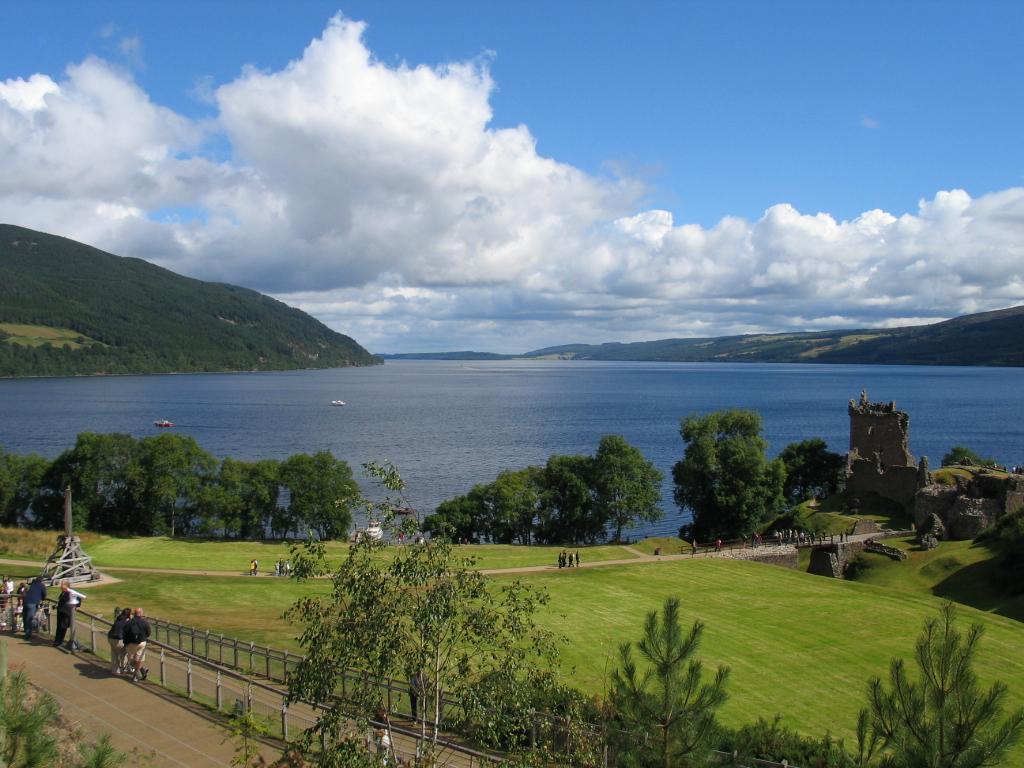
Looking beyond Fort George? Discover Scottish Highlands for broader travel guides, local hot-spots, and regional highlights.
Explore Scottish Highlands
Discover the mystical Munlochy Clootie Well, where ancient Celtic healing rituals and colorful clooties entwine in Scotland’s enchanting Black Isle woods.
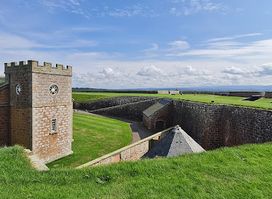
Explore Fort George, a monumental 18th-century fortress near Inverness, blending military history, stunning coastal views, and living heritage.