Cromarty beach Travel Guide
Free Guide: Explore Cromarty Beach’s serene shores and ancient fossils where Scotland’s prehistoric past meets stunning coastal beauty.


A brief summary of Cromarty beach
Explore Cromarty Beach’s serene shores and ancient fossils where Scotland’s prehistoric past meets stunning coastal beauty.
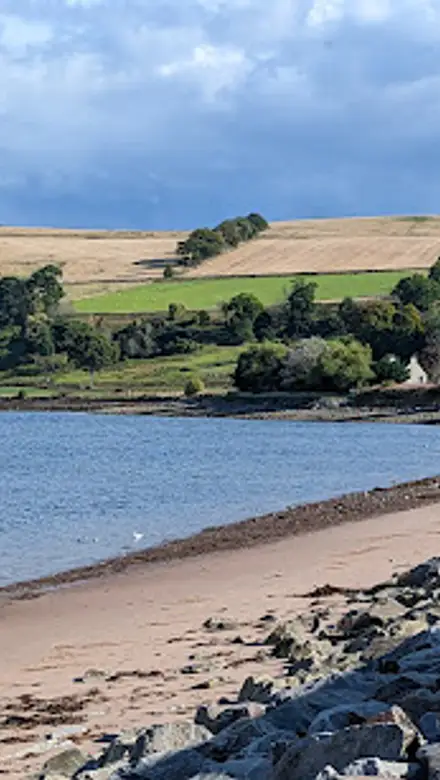
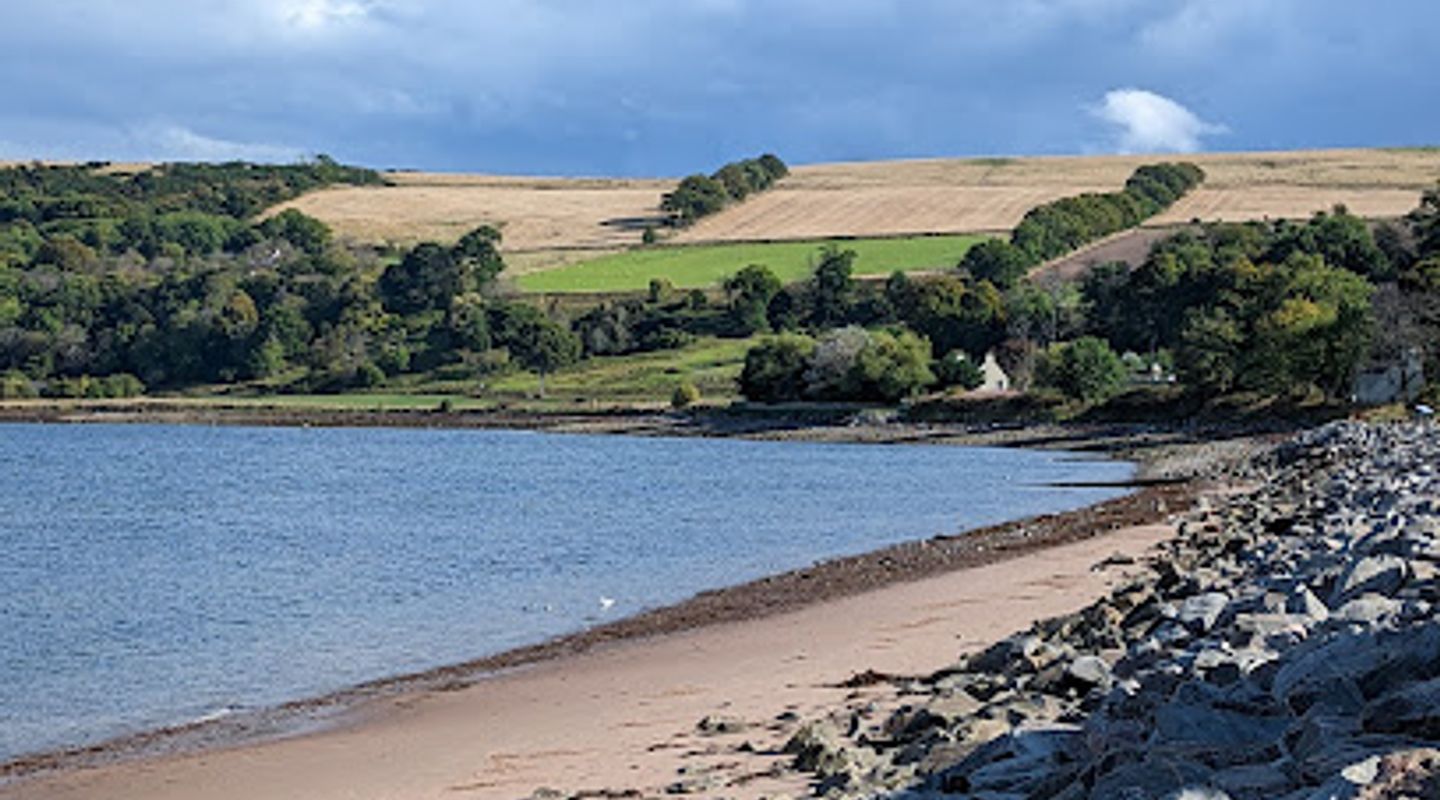
Cromarty Beach, located at the mouth of the Cromarty Firth on the Black Isle in Scotland, is a long, tranquil stretch of mixed sand and shingle renowned for its clear waters and fossil-rich sandstone. This scenic beach offers a peaceful escape with unique geological significance, where visitors can explore ancient Devonian fossils and enjoy expansive views of the Highland coastline.
On-site amenities
 Restrooms
 Drink options
 Food options
 Seating areas
 Information boards
Opening hours
- Every dayOpen 24 hours
Opening hours as listed on the venue’s Google Business Profile. Hours can change for services and special events, so check with the venue before you go.
- Address
- Barkly House, Braehead, Cromarty IV11 8YQ
- Website
Getting there
Bus
Car
Walking
Discover more about Cromarty beach
Geological Heritage and Fossil Discoveries
Cromarty Beach is famed not only for its natural beauty but also for its remarkable geological history. The beach’s shoreline is composed of the Old Red Sandstone, a sedimentary rock formation dating back approximately 385 million years to the Devonian period. This era, often called the 'Age of Fishes,' saw a vast diversification of fish species, many of which have left fossilized remains embedded in the sandstone here. The fossils found on Cromarty Beach are over 140 million years older than the first dinosaurs, offering a fascinating glimpse into prehistoric life. Hugh Miller, a pioneering 19th-century geologist and writer, famously studied these fossils, helping to popularize geology in Scotland. Today, fossil hunting remains a popular activity, with ongoing research supported by local institutions inviting visitors to participate in citizen science projects.
Natural Setting and Coastal Environment
Nestled at the mouth of the Cromarty Firth, the beach stretches long and relatively uncrowded, presenting a mixture of sand and shingle that glistens under the Highland sun. The water here is notably clear, making it an inviting spot for swimming and coastal walks. The beach begins near the harbour area of Cromarty town and extends outward, offering panoramic views across the firth and beyond. The surrounding landscape is characterized by gentle slopes and open skies, with the distant Highland mountains providing a dramatic backdrop. Limited parking is available along the seafront, preserving the beach’s tranquil atmosphere.
Community and Visitor Experience
The town of Cromarty, adjacent to the beach, enhances the visitor experience with its charming historic buildings and local amenities. While the beach itself remains largely natural and undeveloped, the nearby village offers essential facilities such as cafes and small shops. The area is ideal for leisurely strolls, fossil hunting excursions, and enjoying peaceful moments by the sea. The beach’s calm and scenic environment makes it suitable for families, solo travelers, and anyone seeking a quiet nature escape.
Seasonal and Environmental Considerations
Cromarty Beach is accessible year-round, with its mild coastal climate allowing for visits in most weather conditions. The beach’s open exposure means it can be windy, especially outside the summer months, but the clear skies and crisp air contribute to its refreshing character. Visitors should be prepared for changing weather and bring suitable clothing. Conservation efforts focus on maintaining the beach’s natural state and protecting the fossil sites, encouraging responsible tourism and ‘leave no trace’ principles.
Significance in Scottish Natural History
Beyond its recreational appeal, Cromarty Beach holds an important place in Scotland’s natural heritage. It serves as a living museum of Devonian geology and paleontology, attracting scientists and enthusiasts alike. The discoveries made here have contributed significantly to understanding Earth’s ancient environments and the evolution of early vertebrates. The beach’s connection to Hugh Miller adds cultural depth, linking the site to Scotland’s scientific legacy. Educational programs and fossil walks continue to engage the public, making Cromarty Beach a unique blend of natural beauty and scientific intrigue.
Evendo Review Centre
 Google
Guest reviews
Best time to go
Quietest: Jan, Feb & Dec · before 6am or at 9pm
Busy times are Evendo estimates for a typical year, to help you plan. Actual crowds vary with events, school holidays and the weather.
Explore Cromarty beach on the map
A handpicked selection of must-see spots near Cromarty beach, mapped for you.
Get your free copy of our complete guide to Cromarty beach, delivered straight to you.
Everything on this page, from opening hours and how to get there to Eve’s tips and the best time to go, in one PDF you can read offline, print or share.
Already have an account? Sign in
Your Cromarty beach guide is ready.
We'll send it to · Not you? Sign out

Getting your guide ready…
We are putting together a fresh copy of the Cromarty beach guide. This can take up to a minute.
This can take a few moments. If your browser asks, choose Allow so the download can start. You'll find the guide in your Downloads folder.
Nothing happened? Download it again
Sorry, the guide is taking longer than usual. Please try again in a minute, or get it by email instead.
Other nearby places you may find interesting
The closest places of the same kind, if this one is not quite what you had in mind.
-
-
-
-
-


Swipe for more places
More to explore near Cromarty beach

 Best experiences near Cromarty beach
 Best hotels near Cromarty beach
 Best landmarks near Cromarty beach
 Best attractions near Cromarty beach
 Best shops near Cromarty beach
 Best restaurants near Cromarty beach
 Best bars near Cromarty beach
Do you manage this location?
Take control to get all the benefits, like improved information, better appearance, and stronger visibility across AI-powered discovery.
Explore more

Explore more of Ross-shire
Discover the natural beauty and rich history of Ross-shire, a hidden gem in the Scottish Highlands perfect for nature lovers and history enthusiasts.
Explore Ross-shire
Explore more of United Kingdom
Discover the United Kingdom: A blend of rich history, stunning landscapes, and vibrant cities, offering a unique travel experience for every visitor.
Explore United Kingdom