Beauchief Abbey, Sheffield Travel Guide
Free Guide: Discover Beauchief Abbey, a serene medieval monastic site blending rich history, ancient ruins, and tranquil parkland in Sheffield’s southern suburbs.


A brief summary of Beauchief Abbey
Discover Beauchief Abbey, a serene medieval monastic site blending rich history, ancient ruins, and tranquil parkland in Sheffield’s southern suburbs.
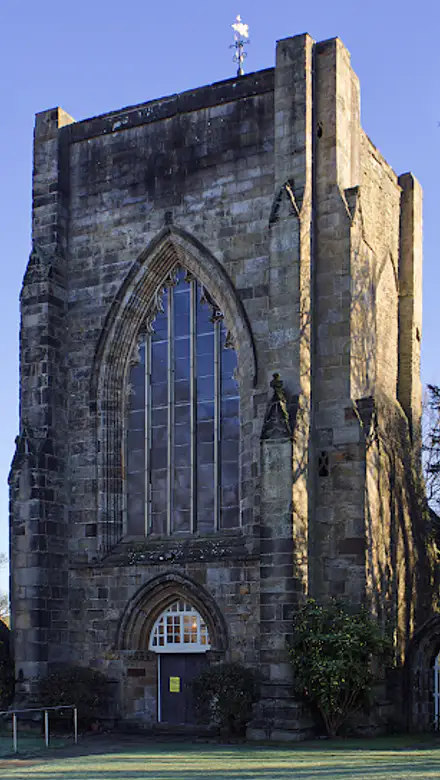
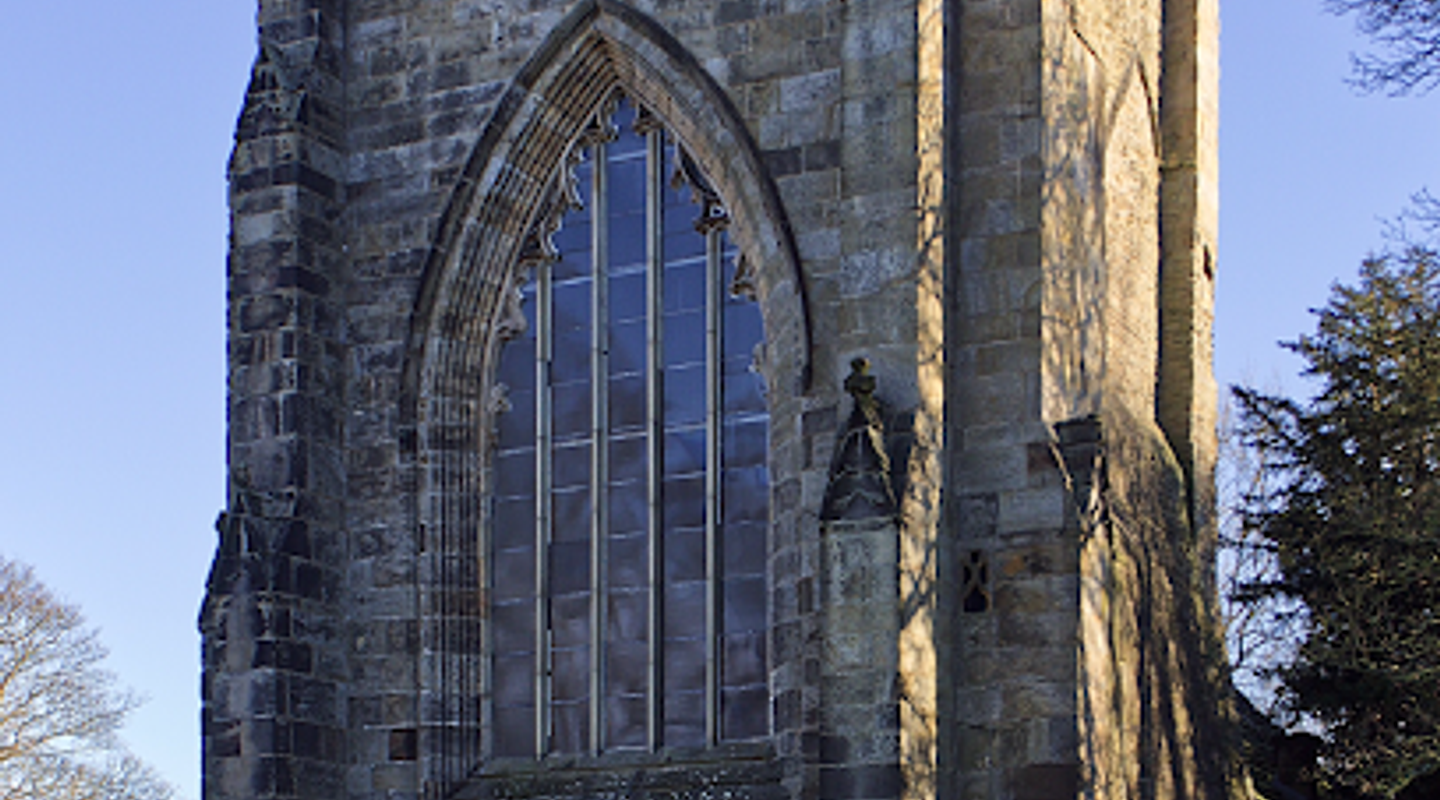
Beauchief Abbey, founded around 1176 by Robert FitzRanulph, is a historic Premonstratensian monastery located in the southern suburbs of Sheffield. Once a thriving religious and industrial center, the abbey now serves as a parish church, retaining ruins and ancient tombstones that reflect its rich medieval heritage. Surrounded by parkland with traces of medieval farming, it offers visitors a tranquil glimpse into England’s monastic past.
On-site amenities
 Restrooms
 Seating areas
 Information boards
- Address
- Beauchief Abbey House, Beauchief Abbey Ln, Beauchief, Sheffield S8 7BD
- Phone
- Website
Getting there
Bus
Car
Train and Walk
Discover more about Beauchief Abbey
Founding and Historical Roots of Beauchief Abbey
Beauchief Abbey was established in the late 12th century, around 1176, by Robert FitzRanulph, Lord of Alfreton. It was founded as a daughter house of Welbeck Abbey and dedicated to Saint Mary and Saint Thomas Becket, whose martyrdom in 1170 deeply influenced the abbey’s spiritual identity. The abbey belonged to the Premonstratensian order, also known as the White Canons, founded by Saint Norbert in France. This religious community combined monastic life with pastoral duties, and Beauchief was home to about a dozen canons and lay brothers.
Monastic Life and Economic Activities
The abbey was more than a religious institution; it was an important local economic hub. It managed extensive farming estates and controlled industries such as iron smelting, coal mining, tanning, and lead smelting. The River Sheaf, bordering the abbey’s lands, provided water for fish ponds and powered mills, highlighting the abbey’s integration with the natural landscape. The abbey complex included all typical monastic buildings: church, cloisters, chapter house, dormitory, and refectory, reflecting a self-sufficient community.
Architectural Heritage and Ruins
Though dissolved in 1537 during the Dissolution of the Monasteries, parts of Beauchief Abbey survive as evocative ruins alongside a parish church that continues to serve the community. The abbey once housed an alabaster altarpiece depicting the death of Thomas Becket, a significant relic that linked the site to its spiritual patron. Stone from the ruined abbey was later reused in nearby Beauchief Hall, built in the 17th century. Visitors can explore ancient tombstones and remnants of medieval architecture that convey the abbey’s enduring presence.
Landscape and Surrounding Parkland
The abbey is set within parkland that preserves elements of medieval ridge and furrow farming, a testament to its agricultural past. The River Sheaf marks historical boundaries between parishes and counties and was once the dividing line between the Anglo-Saxon kingdoms of Mercia and Northumbria. The surrounding woodland and green spaces offer a peaceful environment that contrasts with the urban expansion of Sheffield, providing a scenic and tranquil setting for reflection and exploration.
Cultural and Spiritual Significance Today
Today, Beauchief Abbey functions as a parish church, maintaining its religious role while welcoming visitors interested in history, architecture, and nature. The site embodies centuries of spiritual devotion, economic enterprise, and community life. Its ancient tombstones and ruins invite contemplation of the past, while the surrounding parkland offers a quiet retreat from modern life. The abbey remains a cherished landmark in Sheffield’s heritage landscape.
Preservation and Visitor Experience
Managed with care, the abbey and its grounds are accessible for visitors seeking to immerse themselves in medieval history and the natural beauty of the area. Informational displays and the preserved ruins provide educational insights, while the peaceful ambience encourages mindfulness and appreciation of England’s monastic traditions. The abbey’s connection to Saint Thomas Becket and its role in regional industry enrich its story, making it a unique destination for cultural heritage enthusiasts.
Evendo Review Centre
 Google
Guest reviews
Best time to go
Quietest: Jan, Feb & Dec · before 6am or at 10pm
Busy times are Evendo estimates for a typical year, to help you plan. Actual crowds vary with events, school holidays and the weather.
Explore Beauchief Abbey on the map
A handpicked selection of must-see spots near Beauchief Abbey, mapped for you.
Get your free copy of our complete guide to Beauchief Abbey, delivered straight to you.
Everything on this page, from opening hours and how to get there to Eve’s tips and the best time to go, in one PDF you can read offline, print or share.
Already have an account? Sign in
Your Beauchief Abbey guide is ready.
We'll send it to · Not you? Sign out

Getting your guide ready…
We are putting together a fresh copy of the Beauchief Abbey guide. This can take up to a minute.
This can take a few moments. If your browser asks, choose Allow so the download can start. You'll find the guide in your Downloads folder.
Nothing happened? Download it again
Sorry, the guide is taking longer than usual. Please try again in a minute, or get it by email instead.
Other nearby places you may find interesting
The closest places of the same kind, if this one is not quite what you had in mind.
-
-
-
-
-


Swipe for more places
More to explore near Beauchief Abbey

 Best experiences near Beauchief Abbey
 Best hotels near Beauchief Abbey
 Best landmarks near Beauchief Abbey
 Best attractions near Beauchief Abbey
 Best shops near Beauchief Abbey
 Best restaurants near Beauchief Abbey
 Best bars near Beauchief Abbey
Do you manage this location?
Take control to get all the benefits, like improved information, better appearance, and stronger visibility across AI-powered discovery.
Explore more

Explore more of Sheffield
Discover Sheffield: A dynamic city where industrial heritage meets abundant green spaces, thriving culture, and culinary delights in the heart of the UK.
Explore Sheffield
Explore more of United Kingdom
Discover the United Kingdom: A blend of rich history, stunning landscapes, and vibrant cities, offering a unique travel experience for every visitor.
Explore United Kingdom