Background

The Bear Pit at Sheffield Botanical Gardens

Historic Bear Pit at Sheffield Botanical Gardens: A Victorian zoological relic transformed into a captivating garden sculpture and tranquil retreat.

4.5

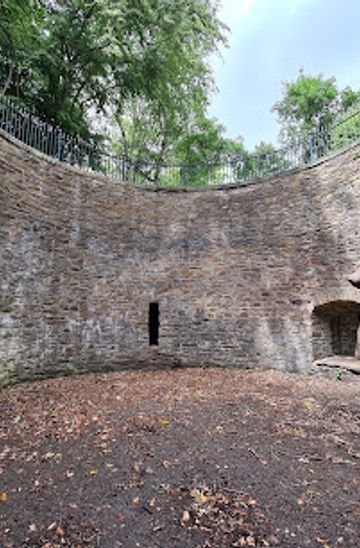
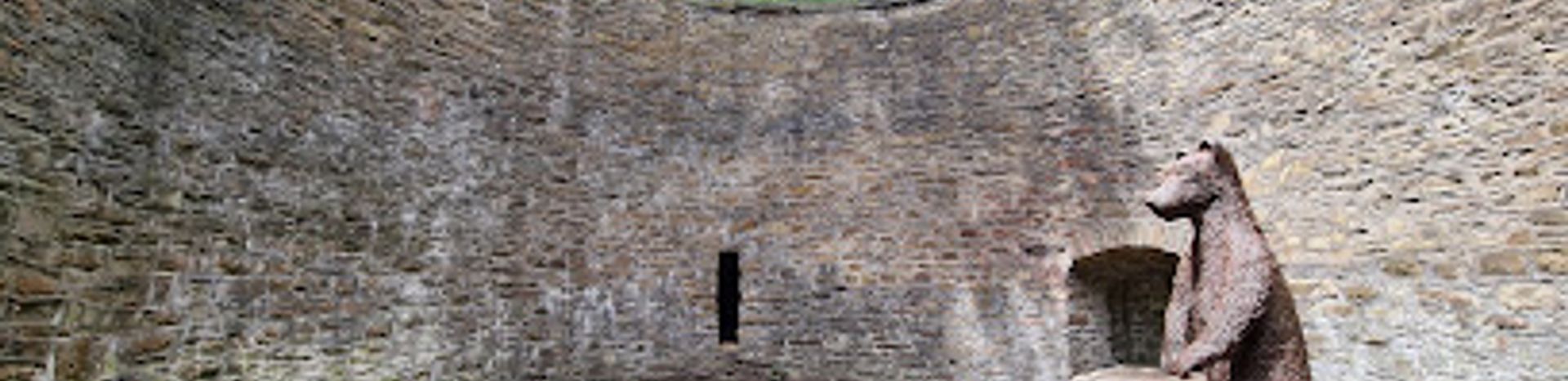
Nestled within Sheffield Botanical Gardens, the Bear Pit is a historic Grade II listed structure originally built in 1836 as a zoological exhibit space. Once home to a black bear and other animals, it now features a striking 8-foot steel bear sculpture. Surrounded by Mediterranean and Himalayan gardens, the Bear Pit offers a unique glimpse into Victorian-era garden design and animal exhibition, blending natural beauty with intriguing history.

A brief summary to Bear pit

  • Bear Pit, Sheffield, Broomhall, S10 3FW, GB
  • Visit website
  • Duration: 0.5 to 1.5 hours
  • Free
  • Environment icon Outdoor
  • Mobile reception: 4 out of 5

Local tips

  • Visit during daylight hours to fully appreciate the Bear Pit’s architectural details and surrounding gardens.
  • Explore the nearby Mediterranean and Himalayan gardens to complement your visit to the Bear Pit.
  • Look out for the 8-foot steel bear sculpture installed in 2005 as a tribute to the original animal inhabitant.
  • Combine your visit with a walk through the wider Sheffield Botanical Gardens, which are free to enter.
widget icon

Getting There

  • Bus

    Take the Sheffield Supertram to the Botanical Gardens stop, followed by a 10-15 minute walk through the gardens to reach the Bear Pit. Tram tickets cost approximately £3-£5, with frequent services running every 10-15 minutes.

  • Car

    Drive to Sheffield Botanical Gardens via Clarkehouse Road; parking is available nearby but limited, especially on weekends. Expect a 10-20 minute drive from Sheffield city centre. Parking fees typically range from £2 to £5 depending on duration.

  • Walking

    From Sheffield city centre, a 30-40 minute walk along well-maintained urban paths leads to the Botanical Gardens. The terrain is gently sloping but accessible, suitable for most fitness levels.

Bear pit location weather suitability

  • Weather icon Any Weather
  • Weather icon Clear Skies
  • Weather icon Mild Temperatures
  • Weather icon Rain / Wet Weather

Unlock the Best of Bear pit

Buy tickets

    No tickets available

Book tours with entry

    No tours available

Book tours without entry

    No tours available

Discover more about Bear pit

A Unique Victorian Zoological Legacy

The Bear Pit at Sheffield Botanical Gardens stands as a rare surviving example of a 19th-century zoological exhibition space. Constructed between 1834 and 1836, it was designed to house a black bear during the grand opening of the gardens in 1836. Unlike the cruel bear-baiting pits of earlier centuries, this pit was intended for public display and education, reflecting Victorian interests in natural history and exotic animals. Over the years, the pit also housed monkeys, deer, foxes, parrots, and eagles, blending zoological exhibits with botanical collections.

Transformation Through Time

By 1839, the combination of animals and plants proved problematic due to noise and odors, disrupting the tranquility essential to botanical gardens. The Bear Pit was repurposed as a lumber storage area and later transformed into a romantic retreat filled with evergreens by 1848. It briefly returned to housing bears in the 1850s but was soon abandoned as an animal enclosure. Since then, the pit has undergone restoration, including replaced railings and structural repairs, preserving its historic character within the gardens.

Artistic Tribute and Present-Day Significance

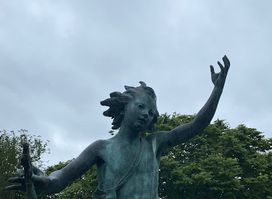
In January 2005, a striking 8-foot tall bear sculpture crafted from mild steel by sculptor David Mayne was installed in the pit. The sculpture’s natural rusting process gives it a warm, ‘bear brown’ patina, symbolizing respect and remembrance for the original inhabitant. Today, the Bear Pit is a contemplative and atmospheric feature nestled between the Mediterranean and Himalayan gardens, inviting visitors to reflect on the intersection of nature, history, and art.

Setting Within Sheffield Botanical Gardens

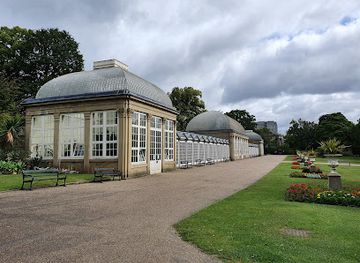
The Bear Pit is located in the Broomhall area of Sheffield, within the wider Botanical Gardens complex known for its diverse themed gardens including the Rose, Himalayan, Asian, and Evolution gardens. The gardens themselves are a blend of horticultural beauty and historic structures, offering visitors a rich sensory experience with varied plant collections, sculptures, and tranquil woodland walks. The Bear Pit adds a unique historic dimension to this vibrant green space.

Curious Legends and Historical Myths

Despite its name and history, the Bear Pit was never used for bear-baiting, a cruel practice outlawed before its construction. A local legend about a bear killing a child appears to have originated from a misremembered story dating back to the 1930s, with no contemporary evidence supporting the event. This myth adds a layer of folklore to the site, enhancing its enigmatic allure.

Visiting Experience and Atmosphere

Visitors to the Bear Pit can appreciate its architectural features, historic iron railings, and the evocative steel bear sculpture. The surrounding gardens provide a peaceful backdrop, with the Mediterranean and Himalayan gardens framing the pit. The site offers a blend of history, art, and nature, making it a memorable stop for those exploring Sheffield Botanical Gardens and seeking a glimpse into Victorian garden heritage.

Busiest months of the year

Busiest hours of the day

Popular Experiences near Bear pit

Popular Hotels near Bear pit

Select Currency