
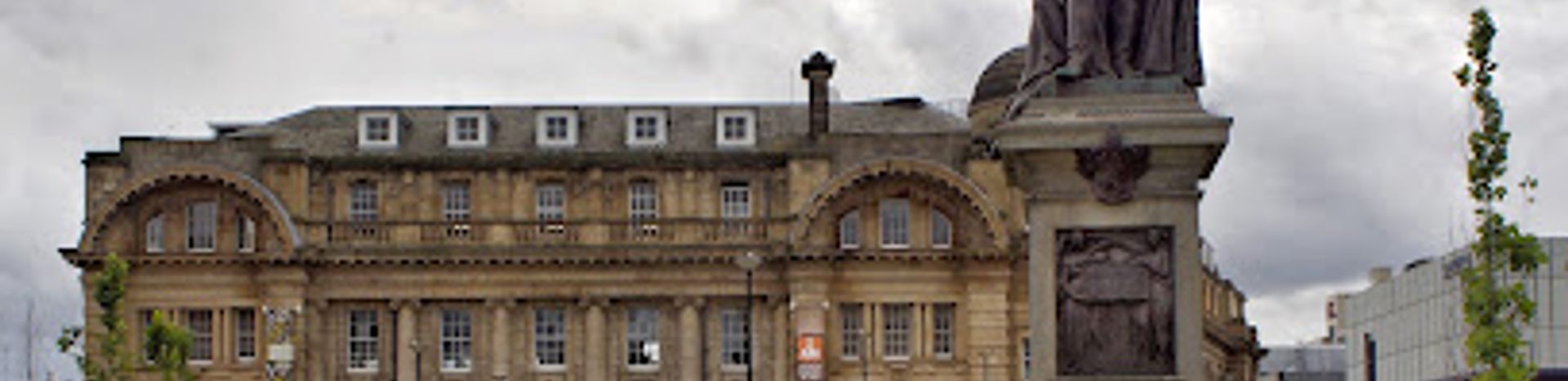
King Edward VII Statue in Fitzalan Square, Sheffield
A majestic 1913 bronze tribute to King Edward VII, standing proudly in Sheffield’s historic Fitzalan Square with rich allegorical reliefs.
The King Edward VII Statue, a Grade II listed bronze monument by Alfred Drury, stands proudly in Sheffield’s Fitzalan Square. Erected in 1913, it commemorates the British monarch who reigned from 1901 to 1910. The statue features intricate bronze relief panels symbolizing Fame, Truth, Peace, Philanthropy, and Unity, reflecting Edward VII’s legacy. Set on a robust Aberdeen Kemnay Granite plinth, it has endured Sheffield’s industrial past and remains a historic city centre landmark.
A brief summary to King Edward VII Statue
- Fitzalan Sq, Sheffield, Sheffield City Centre, S1 2AY, GB
- Visit website
- Duration: 0.25 to 1 hours
- Free
-
 Outdoor
- Mobile reception: 5 out of 5
Local tips
- Visit in early morning or late afternoon for the best natural light to photograph the statue and its detailed bronze panels.
- Take time to study the four bronze relief panels on the plinth, each depicting themes like Fame, Peace, Philanthropy, and Unity.
- Combine your visit with nearby Sheffield landmarks such as Victoria Hall and the Sheffield Christmas Markets for a full cultural experience.
- Enjoy the ambiance of Fitzalan Square, especially during local events or markets that enliven the surrounding area.

For the on-the-go comforts that matter to you
- Seating Areas
- Trash Bins
- Information Boards
Getting There
-
Bus
Take Sheffield’s city centre bus services to the stop at Fitzalan Square, with frequent routes running every 10-15 minutes. A short walk on paved streets leads directly to the statue. Single fares cost approximately £2.50 GBP.
-
Train
From Sheffield Railway Station, a 15-minute walk along well-signposted city streets brings you to Fitzalan Square. The route is mostly flat and accessible, suitable for wheelchairs and strollers.
-
Walking
If staying nearby in Sheffield City Centre, walking to Fitzalan Square takes about 5-10 minutes on mostly flat, paved urban terrain, accessible for most visitors.
King Edward VII Statue location weather suitability
-
 Any Weather
-
 Rain / Wet Weather
-
 Clear Skies
-
 Mild Temperatures
Discover more about King Edward VII Statue
A Monument Honouring a Monarch
The King Edward VII Statue in Fitzalan Square was unveiled in October 1913 as Sheffield’s tribute to the king who ruled the British Empire from 1901 until his death in 1910. Designed by renowned sculptor Alfred Drury, the bronze statue stands 2.9 metres tall atop a 4.27-metre high Aberdeen Kemnay Granite plinth, chosen for its durability against Sheffield’s notorious industrial pollution. The statue depicts King Edward VII in a dignified standing pose, his bare head sharply defined and his hands by his sides, embodying regal composure and authority.Symbolic Bronze Reliefs Depicting Ideals
Encircling the granite plinth are four bronze panels rich with allegorical meaning. The front panel features Fame, winged and soaring, alongside a serene figure of Truth, holding the inscription “Edward VII 1841-1910.” Another panel represents Peace, crowned by Gratitude and accompanied by figures symbolizing Liberty, Rest, and Contentment—reflecting the king’s aspiration for harmony. Philanthropy is illustrated through a compassionate woman presenting the Crippled Children’s Institute to a figure embodying Labour, surrounded by grateful beneficiaries. The final panel celebrates Unity, with figures representing India, China, North America, New Zealand, and Australia, symbolizing the British Empire’s diverse peoples united under Edward VII’s reign.Historical Context and Legacy
The statue was erected during a period of civic renewal in Sheffield, replacing earlier structures in Fitzalan Square. Its unveiling by the Duke of Norfolk attracted thousands, marking a rare occasion for public statuary in the city, which then had only a few monuments. Funded in part by a generous donation tied to the establishment of a home and school for disabled children, the statue not only commemorates the monarch but also connects to local philanthropic efforts. Over the decades, it has witnessed the city’s transformation, surviving wartime bombings and industrial decline, now standing restored and illuminated as a cherished heritage landmark.Fitzalan Square’s Urban Fabric
Fitzalan Square itself has a layered history as Sheffield’s historic market quarter, named after the Fitzalan family, major local landowners. The square’s early 20th-century redevelopment included the statue’s installation, which remains its defining feature. Recent renovations have enhanced the square’s public space with new paving, lighting, and seating, allowing the statue to be appreciated day and night amid the city centre’s bustle. The statue’s presence anchors the square’s identity, linking Sheffield’s industrial past with its cultural heritage.Artistic Merit and Craftsmanship
Alfred Drury, a sculptor of national repute, brought refined artistry to the statue, blending classical allegory with Edwardian sensibilities. The choice of bronze and granite materials ensured longevity and visual impact. The detailed reliefs demonstrate skillful narrative sculpture, each figure carefully composed to convey complex ideals. The integration of symbolic elements—such as the olive branch, winged Liberty, and diverse cultural figures—reflects the era’s imperial worldview and the king’s role as a unifying figure.Enduring Symbol and Cultural Touchstone
Today, the King Edward VII Statue remains a prominent historical landmark in Sheffield, offering visitors a tangible connection to early 20th-century civic pride and monarchy. Its location in a vibrant urban square invites reflection on the city’s social history, artistic heritage, and evolving public spaces. The statue’s intricate symbolism and commanding presence continue to inspire curiosity and respect, making it a must-see for those exploring Sheffield’s cultural landscape.Iconic landmarks you can’t miss

Crucible Stack
0.3 km
Explore Sheffield’s iconic Crucible Stack, a rare industrial landmark embodying the city’s pioneering steelmaking heritage and architectural resilience.
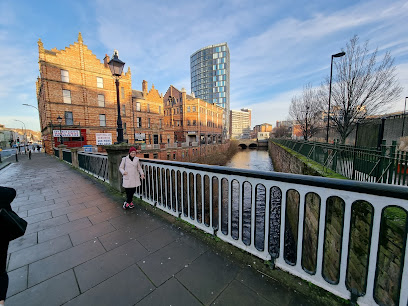
The Museum
0.4 km
Discover the vibrant atmosphere at The Museum, Sheffield's beloved pub and restaurant, where local flavors meet a lively social scene.
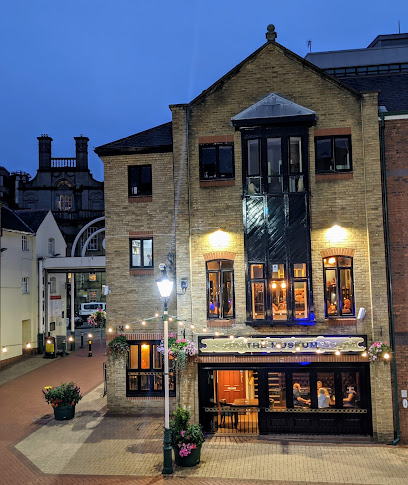
Green Police Box
0.4 km
Sheffield’s unique green and white police box, a charming relic of early 20th-century policing, stands proudly outside the Town Hall as a symbol of local heritage.
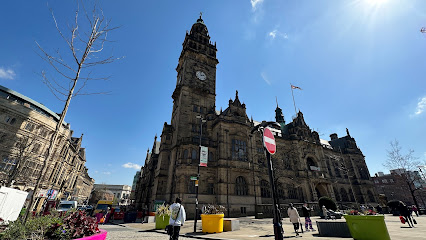
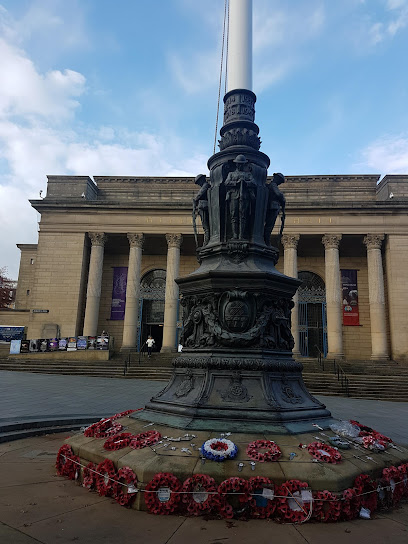
Sheffield War Memorial
0.6 km
A solemn and iconic Grade II* listed cenotaph in Sheffield city centre, honoring the city's wartime sacrifices with striking sculptures and historic symbolism.
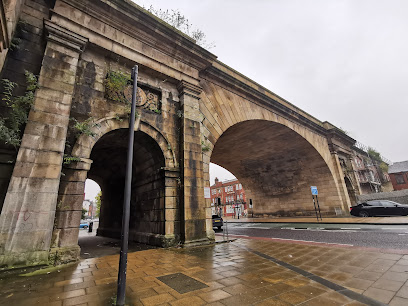
Wicker Arches
0.7 km
A dramatic Victorian railway viaduct running beneath Sheffield city centre, now home to workshops, bars and street art in a gritty, atmospheric urban space.
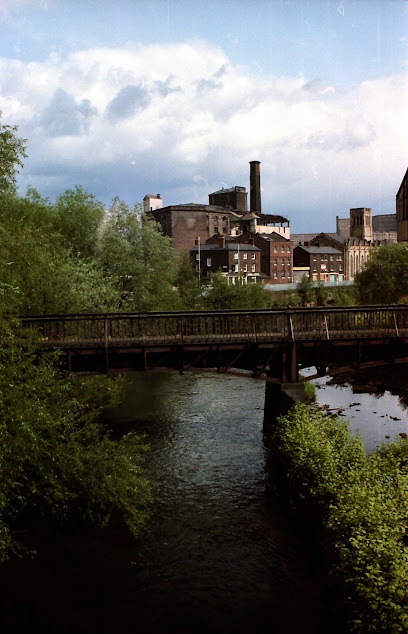
Iron Bridge
0.7 km
Explore Sheffield’s iconic Iron Bridge, a stunning early 20th-century iron landmark offering rich industrial heritage and scenic riverside views.
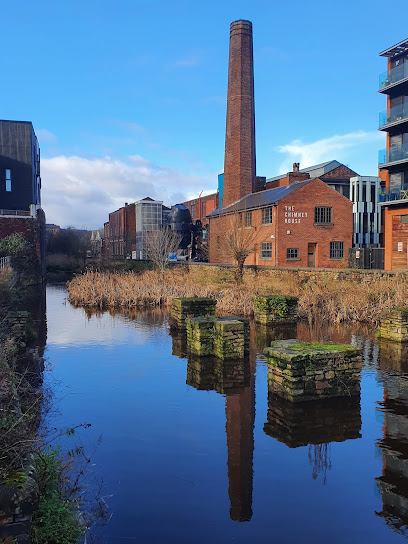
The Chimney House
0.9 km
Award-winning industrial-chic venue in Kelham Island offering intimate events with exceptional food and warm hospitality in Sheffield.
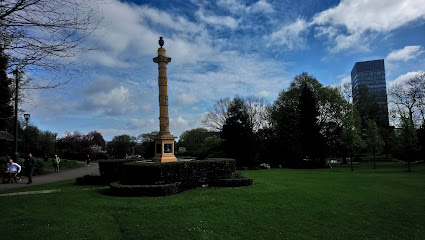
Godfrey Sykes Memorial
1.7 km
Victorian design genius immortalised in terracotta—Sheffield's tribute to a master craftsman.
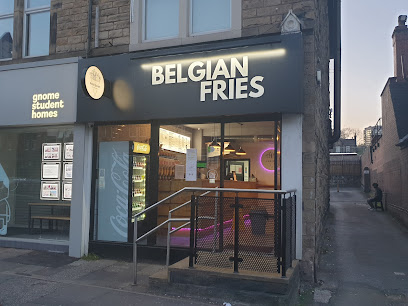
Friesday Belgian Fries
2.1 km
Savor authentic Belgian fries in a cozy diner atmosphere at Friesday Belgian Fries, the perfect quick bite in Sheffield.
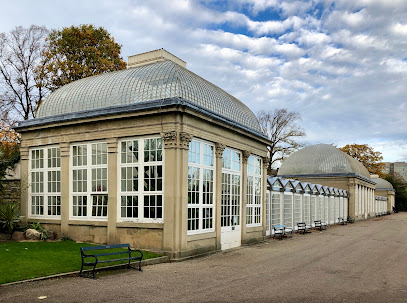
The Glass Pavilions
2.5 km
Explore the enchanting beauty of The Glass Pavilions in Sheffield, a botanical paradise full of vibrant plant life and tranquil escapes.
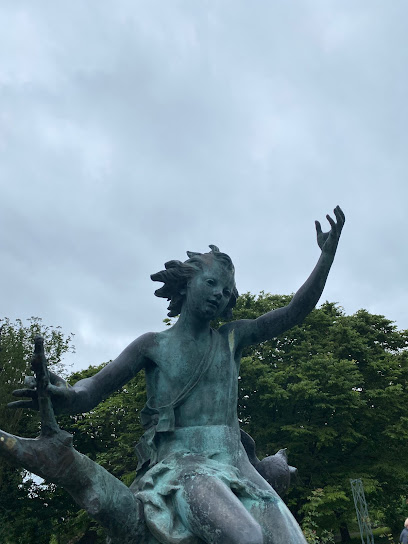
Rose Garden
2.6 km
Experience the tranquil beauty of Sheffield's Rose Garden, a lush oasis of vibrant blooms and serene pathways perfect for relaxation and exploration.
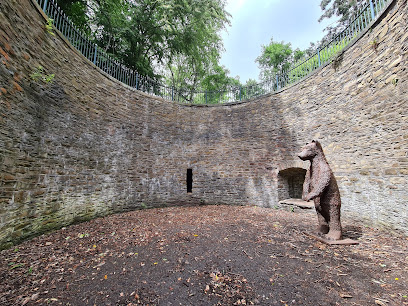
Bear pit
2.6 km
Victorian heritage meets natural history at Sheffield's finest surviving bear pit, a Grade II listed landmark within beloved botanical gardens.
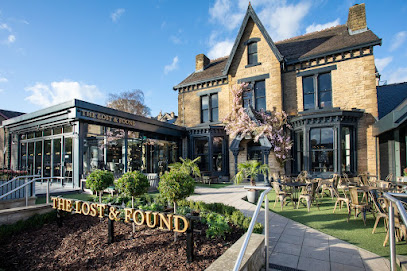
Lost & Found Sheffield
2.7 km
Experience the vibrant nightlife at Lost & Found Sheffield, a charming bar and pub with creative cocktails, delicious food, and a welcoming atmosphere.
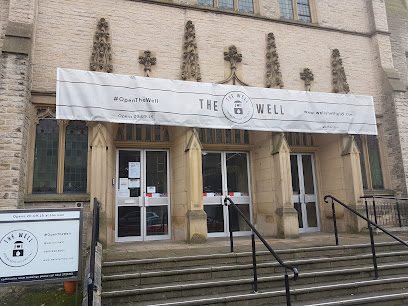
The Well Sheffield
2.8 km
Explore The Well Sheffield, a vibrant Baptist church in Sharrow, blending rich community spirit with stunning architecture and cultural events.
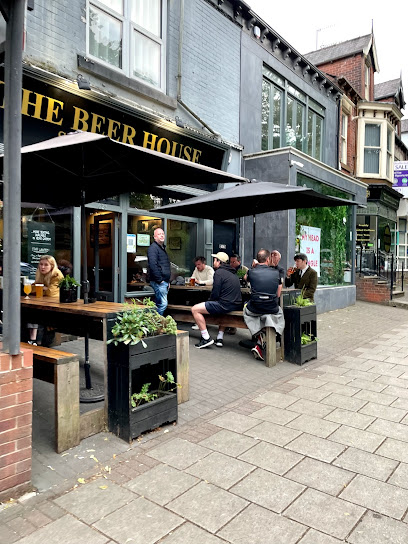
The Beer House
2.9 km
Experience the vibrant atmosphere and extensive beer selection at The Beer House, Sheffield's favorite pub for locals and visitors alike.
Unmissable attractions to see

The National Videogame Museum
0.1 km
The UK’s only museum dedicated to videogames, where you can play over 100 games, explore gaming history, and even make your own – in the heart of Sheffield.
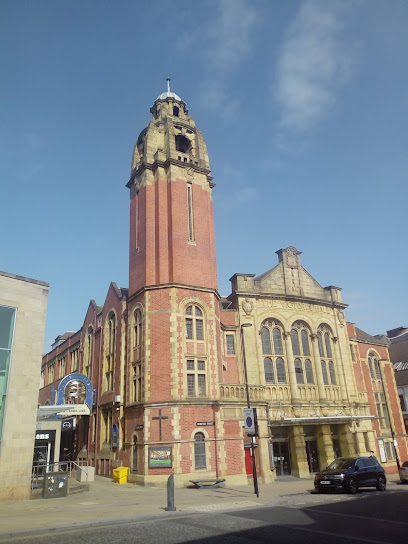
Victoria Hall
0.2 km
Historic Methodist landmark and vibrant events venue at Sheffield city centre’s cultural heart on Norfolk Street.
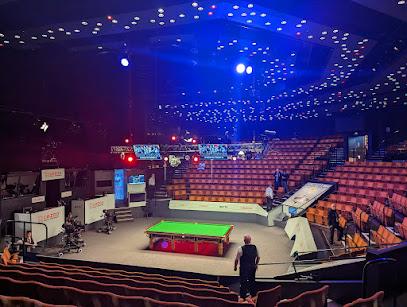
Crucible Theatre
0.3 km
Experience world-class theatre and iconic snooker in Sheffield’s intimate and historic Crucible Theatre.
Sheffield Christmas Markets
0.3 km
Sheffield's festive celebration of local traders, alpine charm, and seasonal magic across the city centre.
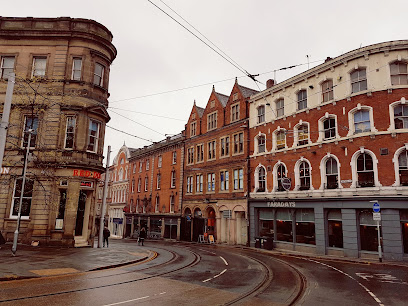
Fargate
0.3 km
Sheffield’s vibrant pedestrian precinct blending historic charm, lively markets, and modern urban culture in the city centre.
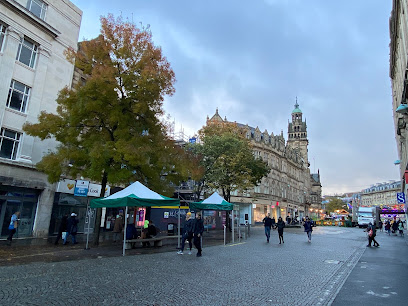
St Marie's Cathedral, Sheffield
0.3 km
Discover Sheffield’s Gothic Revival masterpiece, St Marie's Cathedral, a serene sanctuary rich in history, art, and community spirit.
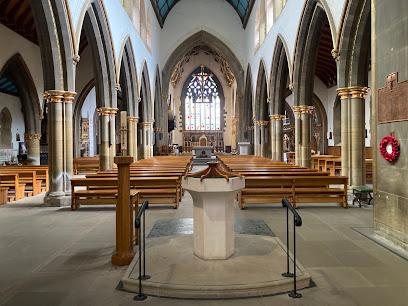
Sheffield Cathedral
0.3 km
Discover over 1,000 years of history, faith, and art in Sheffield’s oldest building, a welcoming cathedral at the city’s heart.
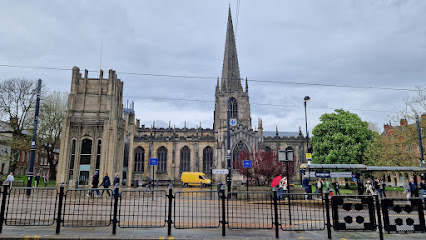
Cutlers' Hall Hospitality
0.3 km
Victorian grandeur meets modern event excellence in Sheffield's most prestigious banquet hall.

Graves Gallery
0.3 km
Free art sanctuary above Sheffield's Central Library, showcasing centuries of British and European masterpieces in peaceful contemplation.

Starbucks Coffee
0.4 km
A welcoming Starbucks coffeehouse in Sheffield’s Tudor Square, blending global brand comfort with local cultural vibrancy.
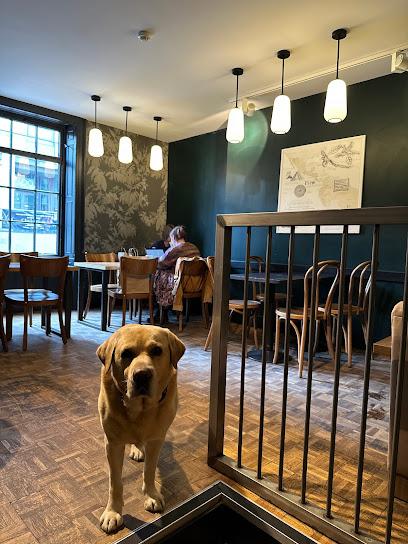
Fronteer Gallery
0.4 km
Independent artist-led gallery showcasing thought-provoking contemporary art in Sheffield City Centre.
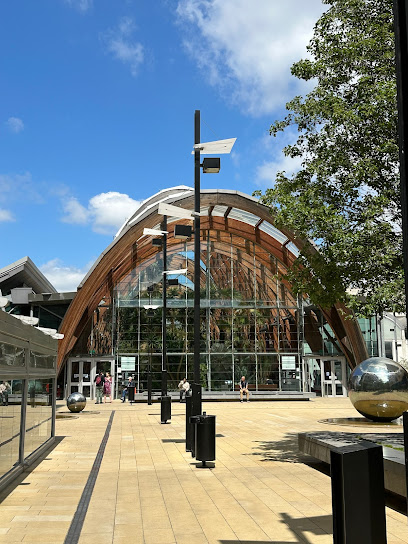
Winter Garden
0.4 km
A verdant urban sanctuary: Europe's largest glasshouse brings tropical paradise to Sheffield's heart.
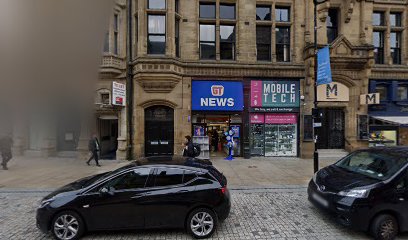
The Chocolate Factory
0.4 km
Discover Yorkshire’s first bean-to-bar craft chocolate factory where artisan passion meets rich cacao heritage in Sheffield’s vibrant Harvest Works.
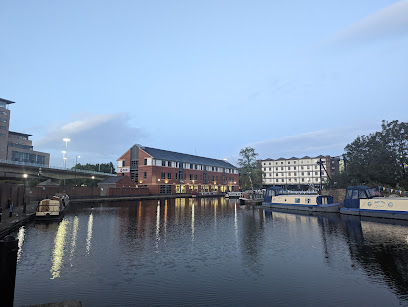
Victoria Quays
0.4 km
Discover Victoria Quays, Sheffield’s historic canal basin blending Victorian heritage with vibrant waterfront culture and scenic waterside leisure.
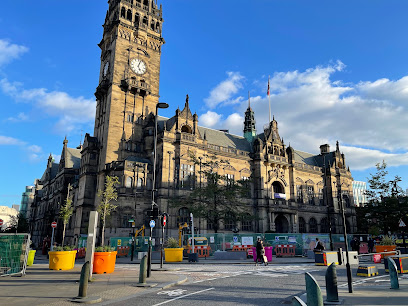
The Montgomery
0.4 km
A vibrant Sheffield City Centre theatre and art centre offering diverse performances and cultural exhibitions in a charming architectural setting.
Essential places to dine

The Chakra Lounge
0.0 km
A vibrant vegan café in Sheffield city centre serving fresh Indo-Western fusion dishes in a cozy, colorful setting with a welcoming community vibe.
VeroGusto
0.3 km
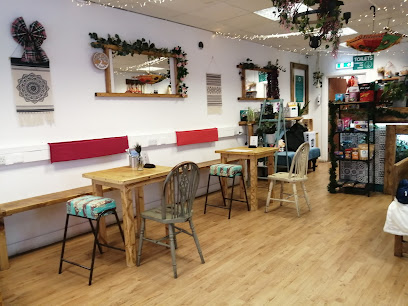
Experience authentic Italian fine dining in a cozy Georgian townhouse with exquisite homemade dishes and an exceptional wine list in Sheffield.
Mama’s & Leonies
0.3 km
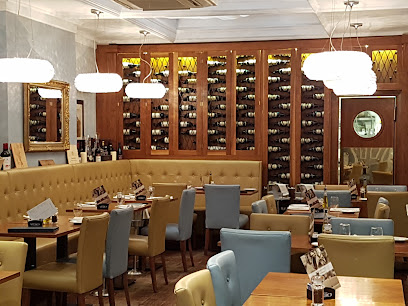
Experience hearty Italian classics and warm hospitality in the heart of Sheffield City Centre at Mama’s & Leonies.
Miller & Carter Sheffield City
0.4 km
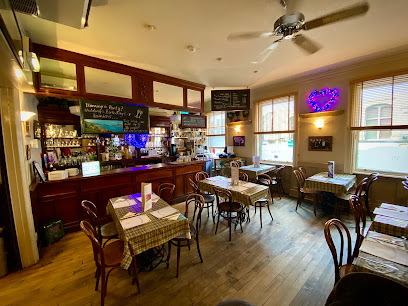
Experience premium British steakhouse dining with expert cuts, elegant ambiance, and attentive service in Sheffield’s vibrant city centre.
Ego Mediterranean Restaurant & Bar, Sheffield
0.4 km
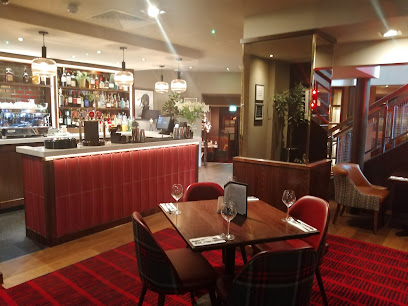
Modern Mediterranean dining with gluten-free and vegan options, friendly service, and a vibrant bar in Sheffield City Centre.
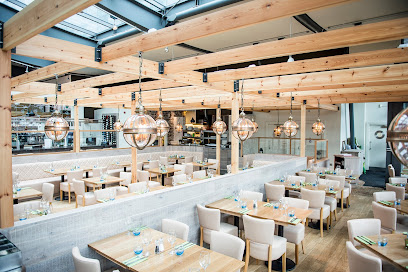
Caffe Piazza
0.4 km
Authentic Italian pizzas and Mediterranean dishes served fresh daily in Sheffield’s vibrant city centre cafe.
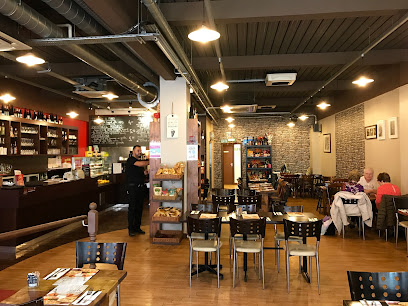
Humpit- The Hummus & Pita Bar
0.4 km
Affordable vegan Mediterranean delights in Sheffield’s city centre, specializing in hummus, pita, and falafel with generous portions and fresh flavors.
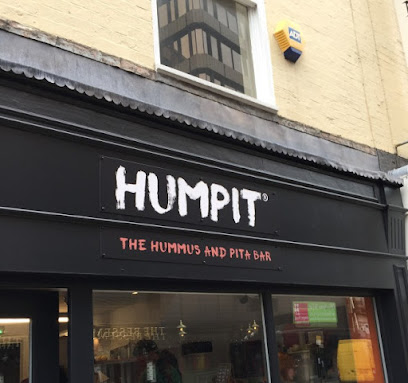
Grazie
0.5 km
Experience authentic Southern Italian flavors with fresh handmade pasta and warm hospitality in the heart of Sheffield City Centre.
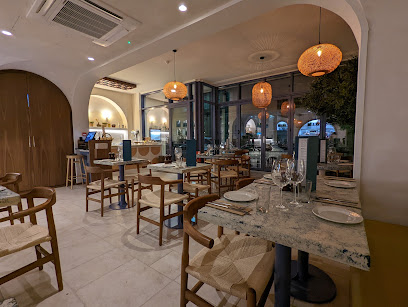
La Bottega
0.5 km
Experience authentic Italian craftsmanship and artisanal flavors in the heart of Sheffield City Centre at La Bottega.
wagamama sheffield city centre
0.5 km
Discover fresh, bold Asian flavours and a welcoming communal vibe at Wagamama in Sheffield’s vibrant Leopold Square.
Piccolino Sheffield
0.5 km
Experience authentic Italian flavors and chic alfresco dining in the heart of Sheffield’s Millennium Square at Piccolino.
Cubana Tapas Bar
0.5 km
Experience authentic Cuban tapas, vibrant Latin music, and lively salsa dancing in the heart of Sheffield’s city centre.
COSMO All You Can Eat World Buffet Restaurant | Sheffield
0.5 km
Explore over 150 dishes from around the world at COSMO Sheffield’s vibrant all-you-can-eat buffet in the city centre.
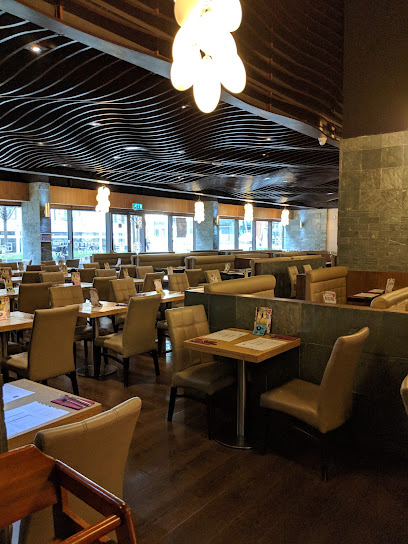
The Botanist Sheffield
0.5 km
A lush, botanical-themed bar and restaurant in Sheffield city centre offering inventive cocktails, hearty meals, live music, and a vibrant social scene.
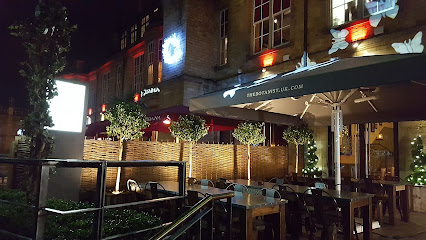
Bella Italia - Sheffield St Paul's
0.5 km
Classic Italian dining with warm service and diverse menu options in Sheffield’s vibrant city centre.
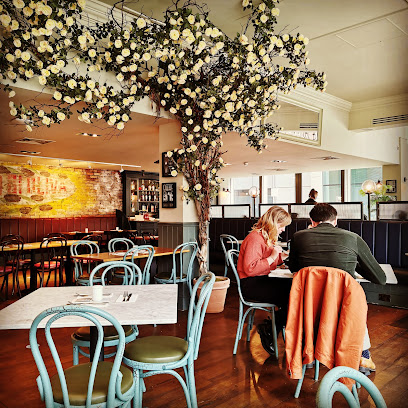
Markets, malls and hidden boutiques

Bird’s Yard Sheffield
0.2 km
A compact, owner-curated Aladdin’s cave of local makers and quirky design-led gifts in the heart of Sheffield.
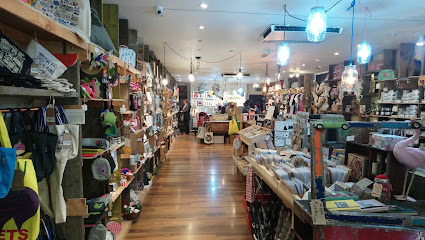
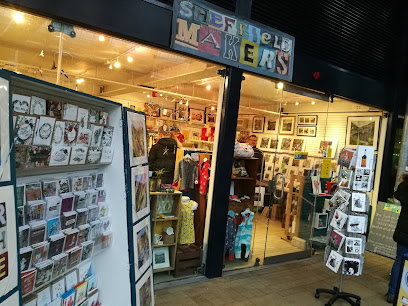
Sheffield Makers
0.4 km
Discover Sheffield's handmade soul in the Winter Garden: unique gifts from local makers, blending craft heritage with fresh creativity.
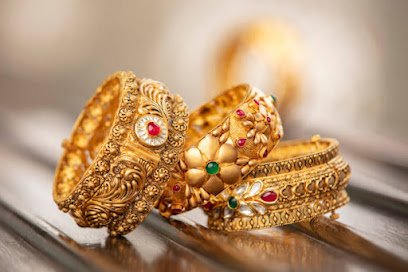
skytrend
0.4 km
Explore Sheffield's Skytrend Jewellery Store for exquisite craftsmanship and unique pieces that capture the essence of elegance.
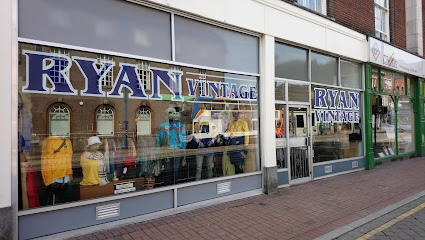
Ryan Vintage
0.7 km
Discover timeless style and sustainable fashion treasures at Ryan Vintage, Sheffield’s premier vintage clothing boutique in the city centre.
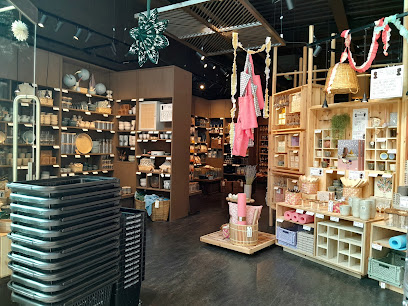
Søstrene Grene
0.7 km
Discover Scandinavian charm and creative inspiration at Søstrene Grene, Sheffield’s boutique for art supplies, home décor, and unique gifts.
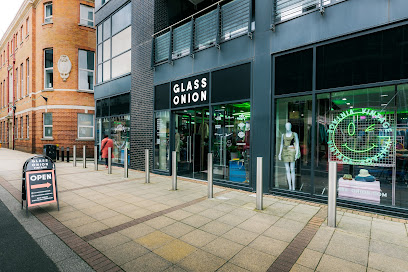
Glass Onion Sheffield
0.8 km
Explore Sheffield’s premier vintage clothing store blending sustainable fashion with stylish, curated collections in a unique urban setting.
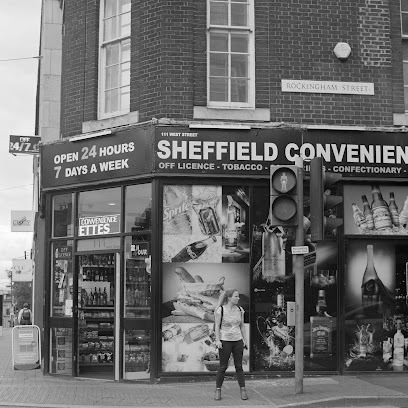
Sheffield Convenience Store
0.8 km
Your go-to convenience store in Sheffield City Centre for snacks, drinks, and travel essentials, open late night for all your needs.
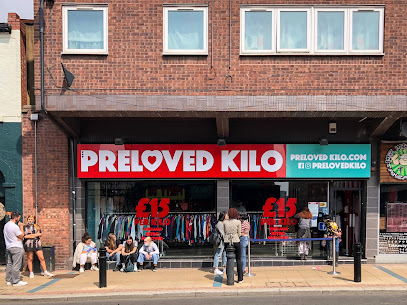
Preloved Kilo
0.8 km
Discover vintage treasures priced by weight at Preloved Kilo, Sheffield’s vibrant hub for sustainable and stylish pre-loved clothing.
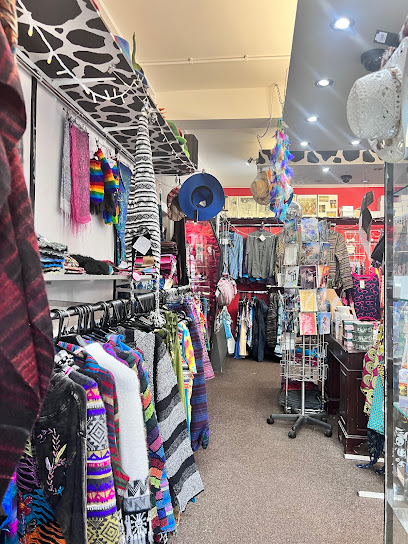
Mint (New name coming soon)
0.8 km
Discover Sheffield City Centre’s eclectic boutique blending fashion, jewelry, and unique local treasures on vibrant Division Street.
Rocky Horrors
0.8 km
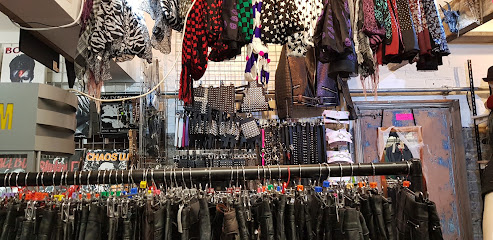
Discover bold rock-inspired boots and shoes at Rocky Horrors, Sheffield’s iconic alternative footwear shop in the city centre.
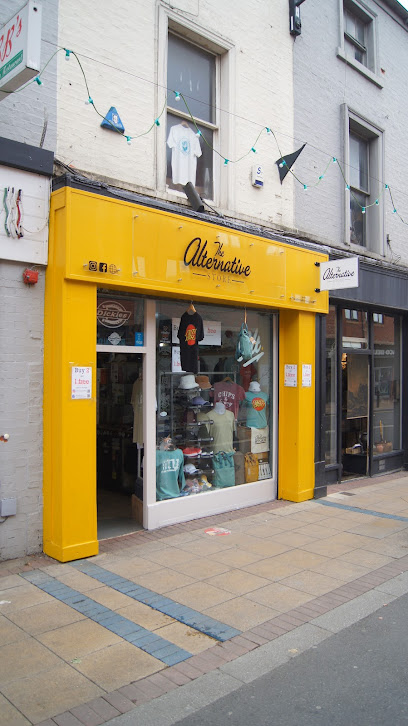
The Alternative Store
0.9 km
Sheffield's fiercely independent hub for unique streetwear, hats, and jewellery since 1992—quality alternative fashion with local flair and eco-conscious craft.
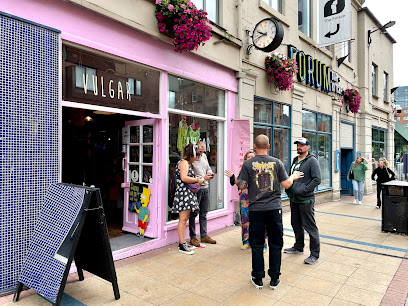
Vulgar
0.9 km
Explore Sheffield’s vibrant vintage scene at Vulgar, a uniquely decorated shop with friendly service and eclectic fashion finds.
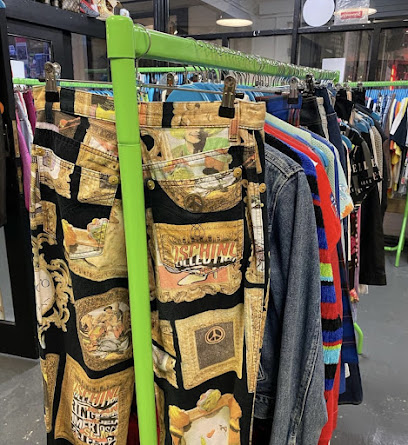
The Savage Sister
0.9 km
Discover rare vintage designer treasures from the '90s and '00s in Sheffield’s stylish and sustainable boutique, The Savage Sister.
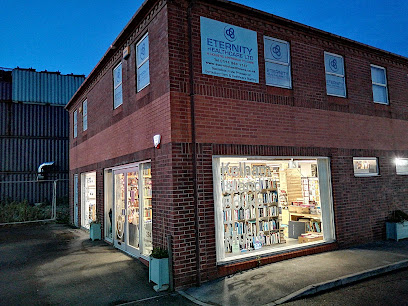
Kelham Island Books + Music
0.9 km
An intimate second‑hand book and vinyl shop on Shalesmoor, full of eclectic titles, records, posters and locally minded finds.
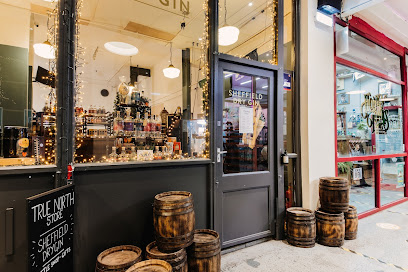
True North Store
0.9 km
Discover Sheffield’s craft spirit heritage at True North Store, a hub for artisan gins and unique local gifts in the heart of the city centre.
Essential bars & hidden hideouts

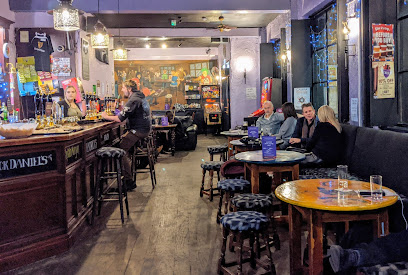
The Dove & Rainbow
0.2 km
Sheffield’s vibrant rock pub with live music, cold ales, and an inclusive atmosphere in the heart of the city centre.
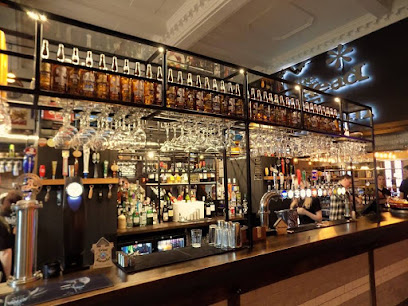
The Head of Steam Sheffield
0.3 km
A converted Victorian bank turned busy craft‑beer pub on Tudor Square — big beer list, good vegan choices and a social, theatre‑friendly vibe.
Cheap Dates
0.4 km
Affordable cocktails and lively vibes await at Sheffield’s beloved dive bar, Cheap Dates, in the heart of Orchard Square.
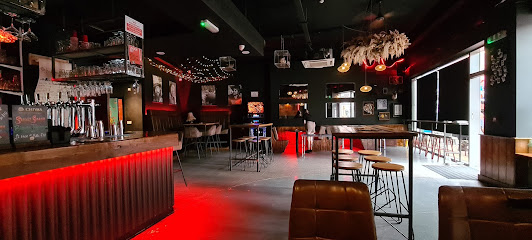
Public
0.4 km
Quirky underground cocktail haven in a repurposed Victorian toilet—creative drinks, intimate vibes, and Sheffield's inventive spirit in every sip.
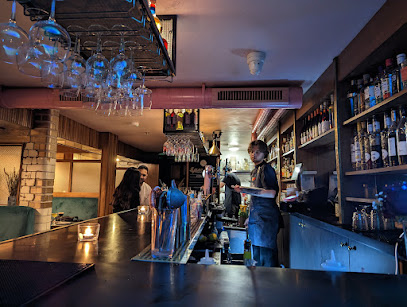
The Champagne Bar
0.4 km
A stylish city centre champagne bar offering classic cocktails and fine wines in Sheffield’s vibrant heart.
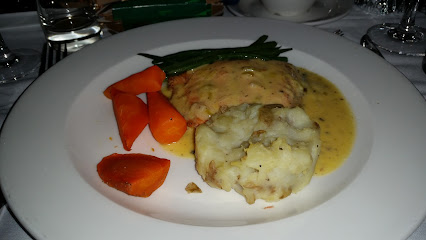
All Bar One Sheffield
0.4 km
Stylish Sheffield wine bar on Leopold Street for tapas, cocktails, brunch, and urban vibes near theatres and shops.
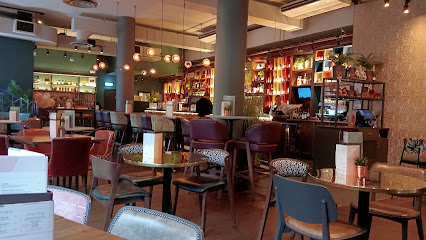
The Three Tuns, S1
0.5 km
A vibrant traditional pub in Sheffield City Centre, famed for excellent ales, hearty food, and lively karaoke and comedy nights.
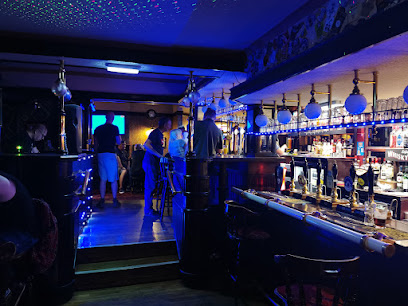
Bamboo Door
0.5 km
A vibrant tiki-themed cocktail bar in Sheffield City Centre, famed for exotic rum drinks and lively late-night vibes.
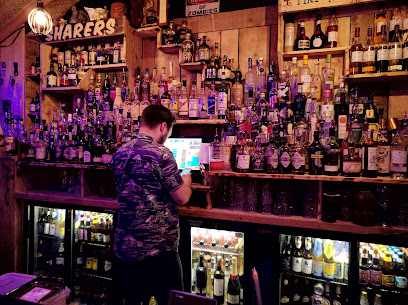
Kuckoo Sheffield
0.5 km
Inventive cocktails and pulsating beats define this Leopold Square gem, where Sheffield's nightlife ignites in a whirlwind of creativity and energy.
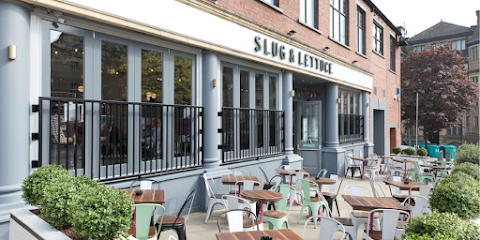
Slug & Lettuce - Sheffield
0.6 km
Vibrant Sheffield cocktail bar where every hour feels like happy hour—brunch by day, cocktails and dancing by night in stylish city centre surrounds.
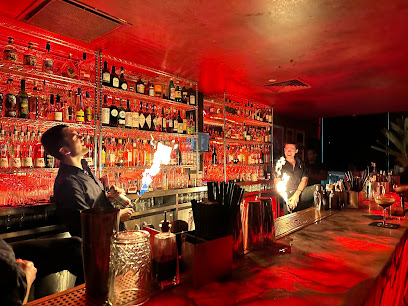
Yates - Sheffield
0.6 km
Sheffield's all-day dynamo: daytime pub grub and sports, nighttime DJ beats and cocktails in the city centre buzz.
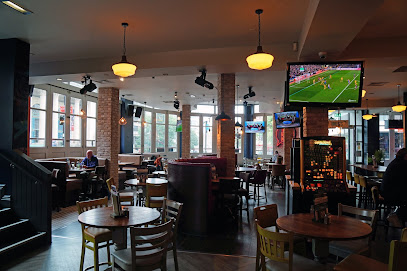
Trippets Lounge Bar
0.7 km
Sheffield's intimate jazz lounge where live music, gins, and tapas-style plates create an unforgettable evening retreat in the city centre.
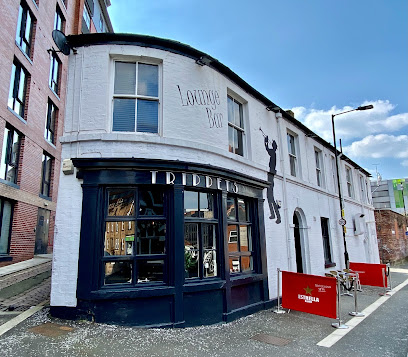
Rutland Arms
0.7 km
Sheffield’s beloved city centre pub offering world-class craft beers, inventive pub grub, and a vibrant, inclusive atmosphere.
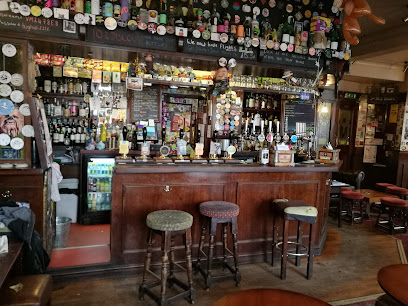
Kelham Island Tavern
0.8 km
Sheffield's CAMRA-acclaimed real ale haven with 13 cask pumps, cozy rooms, beer garden, quizzes, and folk nights in historic Kelham Island.
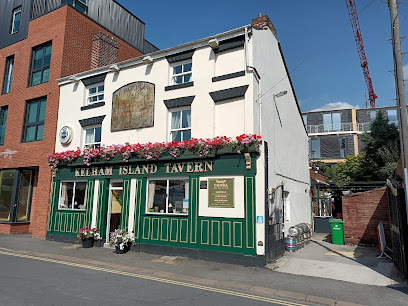
The Fat Cat
0.8 km
Sheffield's original real ale haven in Kelham Island, pouring cask classics, hearty pies, and community spirit since 1981.
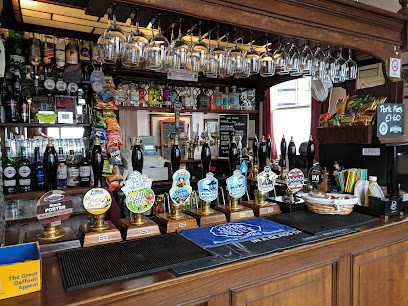
Nightclubs & after hour spots

Plot 22
0.2 km
Immerse in Sheffield's underground beats at Plot 22: no phones, pure rave energy, techno to jungle in an intimate 120-cap haven.
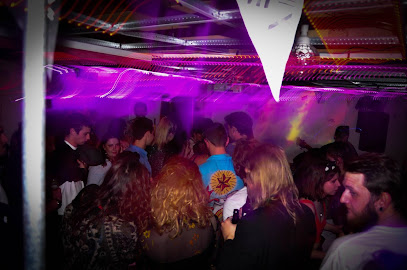
Tank
0.3 km
A gritty, late‑night underground club on Arundel Gate — loud sound, house and techno nights, and a compact, rave‑style dancefloor.
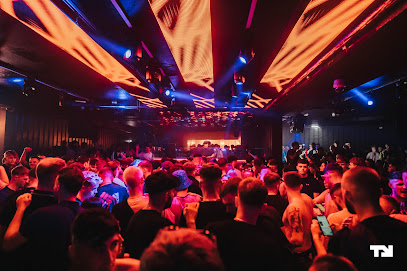
The Viper Rooms
0.7 km
Sheffield's stylish split-level nightclub: upscale cocktails on the terrace lounge, eclectic beats on the dancefloor—dress sharp for urban nights that pulse till dawn.
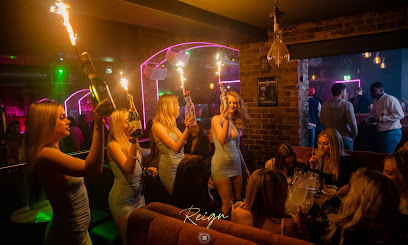
Al Ahsa Night Club
0.7 km
Dance the night away at Al Ahsa Night Club, Sheffield's premier disco destination for unforgettable nightlife experiences.
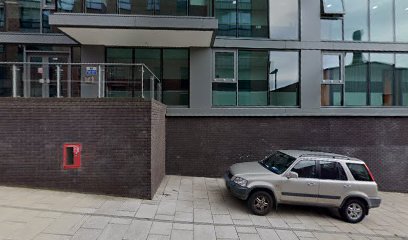
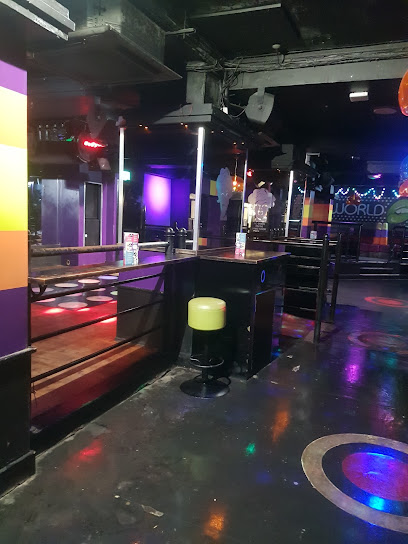
Popworld - Sheffield
0.7 km
A vibrant nightclub in Sheffield city centre, Popworld offers lively pop beats, affordable drinks, and a welcoming party atmosphere every weekend.
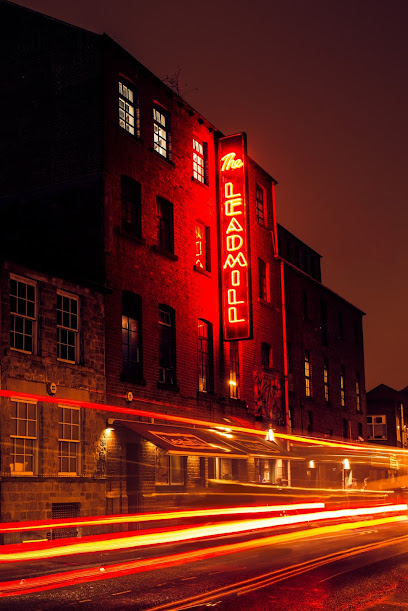
The Leadmill
0.7 km
Sheffield's 40-year heartbeat of live music, club nights, and comedy in a gritty, immersive venue near the station—where crowds roar and nights ignite.
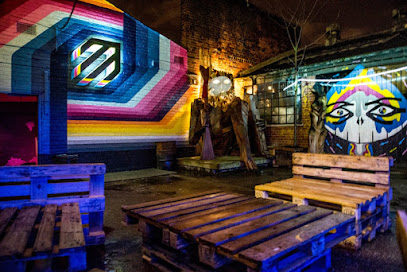
The Night Kitchen
0.8 km
Dive into Sheffield's industrial heartbeat at The Night Kitchen, where former cutlery factory walls pulse with electronic beats until dawn in a raw, inclusive nightlife haven.
ONYX Nightclub Sheffield
0.8 km
Dive into Sheffield's raucous nightlife at ONYX, where neon quirks, bass-heavy beats, and cheap thrills fuel epic nights till dawn in the city centre.
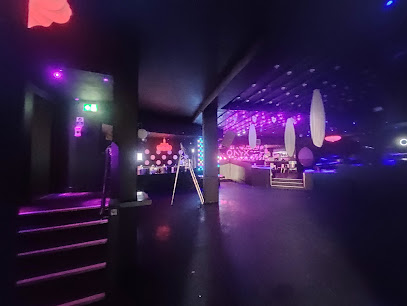
Code Sheffield
0.8 km
Sheffield's ultimate nightclub: massive dance floor, six bars, LED lights, and epic nights till 6am—student favorites and global DJs collide in city-centre chaos.
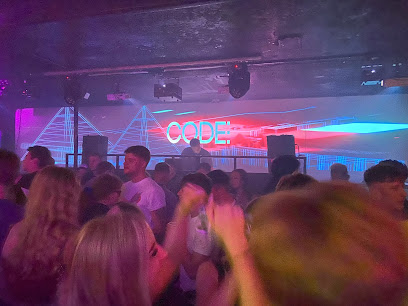
Fez Sheffield
0.8 km
Dive into Sheffield’s vibrant electronic dance scene at Fez, the city centre’s intimate nightclub with pulsating beats and dazzling laser shows.
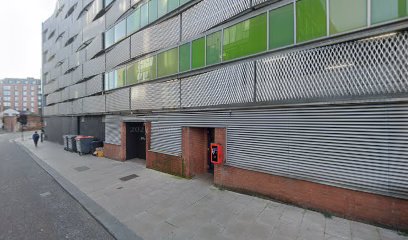
Corporation
1.0 km
Sheffield’s iconic nightclub with non-stop dance beats and an electric atmosphere in the heart of the city centre.
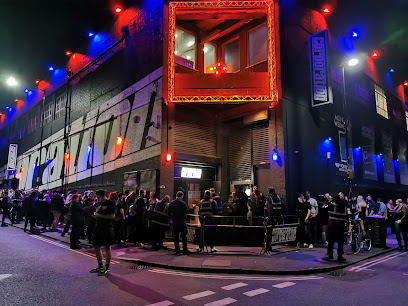
Temple Sheffield
1.1 km
Dive into Sheffield's underground heartbeat at Temple Nightclub, where beats thump till 6am, drinks flow affordably, and nights ignite with raw energy.
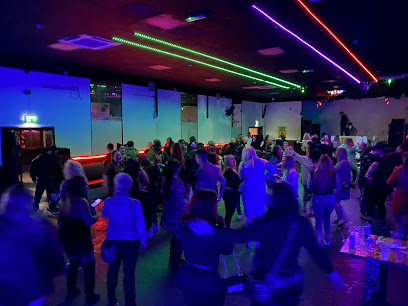
Dempseys Bar and Club
1.2 km
Sheffield's enduring gay bar and club: two floors of drinks, dances, karaoke, and late-night energy from noon till dawn in the city centre.
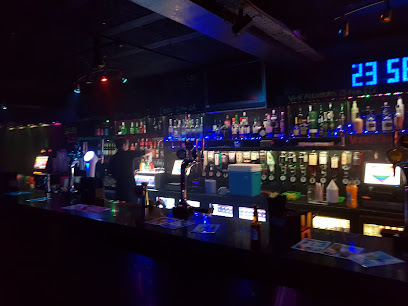
Waikiki Beach Bar
16.5 km
Experience the vibrant nightlife at Waikiki Beach Bar, Derbyshire's go-to destination for dancing, drinks, and unforgettable memories.
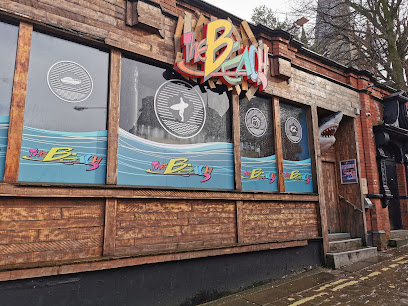
Volt Nightclub
18.8 km
Experience Barnsley's vibrant nightlife at Volt Nightclub, where lively music, dazzling lights, and affordable drinks create unforgettable nights.
For the vibe & atmosphere seeker
- Historic
- Scenic
- Relaxing
- Unique
- Casual
For the design and aesthetic lover
- Vintage Styles
For the architecture buff
- Historic
- Landmarks
For the view chaser and sunset hunter
- Iconic Views
For the social media creator & influencer
- Instagrammable
- Photo Spots
- Architectural Shots
For the eco-conscious traveler
- Public-Transport Accessible
For the kind of experience you’re after
- Cultural Heritage
- Photowalk
- Day Trip
For how adventurous you want the journey to be
- Easy Access
Location Audience
- Family Friendly
- Senior Friendly
- Child Friendly
- Teen Friendly
- Wheelchair Access
- Solo Friendly
- Couple Friendly


