Bear pit, Sheffield Travel Guide
Victorian heritage meets natural history at Sheffield's finest surviving bear pit, a Grade II listed landmark within beloved botanical gardens.
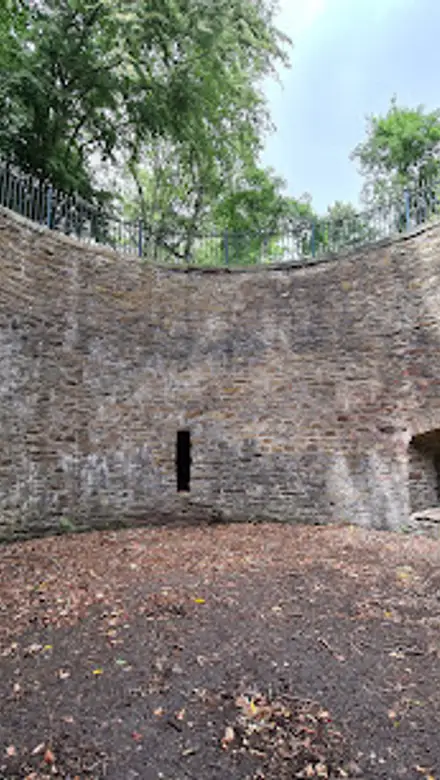
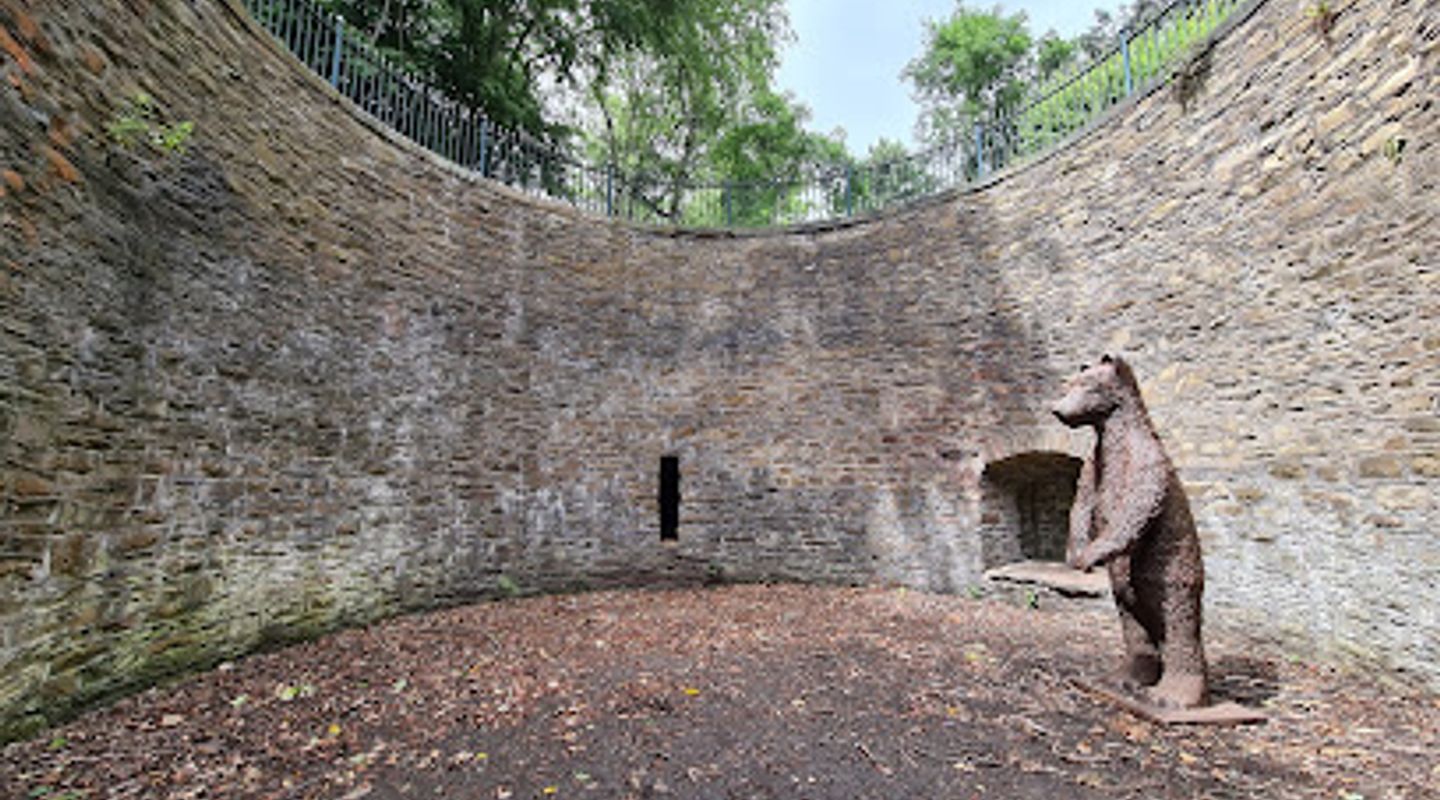
Nestled within Sheffield Botanical Gardens, the Bear Pit stands as a Victorian-era marvel and the finest surviving example of its kind in the United Kingdom. Originally constructed in 1836 when the gardens opened, this historic enclosure once housed Bruin, an American Black Bear known for his reluctance to climb. Today, the Bear Pit remains a captivating focal point for visitors, particularly families, offering a tangible connection to Sheffield's botanical heritage and Victorian entertainment culture. Located between the Mediterranean and Himalayan Gardens, this Grade II listed feature invites exploration and reflection on the evolving relationship between humans and wildlife.
A brief summary to Bear pit
- Bear Pit, Sheffield, Broomhall, S10 3FW, GB
- Click to display
- Duration: 0.5 to 1.5 hours
- Free
-
 Outdoor
- Mobile reception: 4 out of 5

Know before you go
Hi, I'm Eve. Here are a few practical things to know before exploring Bear pit.
- Visit during weekday mornings (8am-10am) for a quieter experience, as weekends see higher visitor numbers, particularly families with children.
- Combine your Bear Pit visit with exploration of the adjacent Mediterranean and Himalayan Gardens for a comprehensive understanding of the gardens' geographical themes.
- Bring a camera or smartphone; the Bear Pit's Victorian stonework and surrounding garden landscapes provide excellent photographic opportunities, especially during golden hour.
- Check the Sheffield Botanical Gardens website before visiting, as the gardens occasionally close for special events; the Bear Pit's accessibility may vary.
- If visiting with children, pair the Bear Pit with the Riddle Trail devised by poet Berlie Doherty, which offers interactive engagement throughout the gardens.
Do you manage this location?
Take control to get all the benefits, like improved information, better appearance, and stronger visibility across AI-powered discovery. Learn more about listing your business on Evendo
Activate your presenceOther nearby places you may find interesting
The closest places of the same kind, if this one is not quite what you had in mind.


Explore Bear pit on the Map
A handpicked selection of must-see spots near Bear pit, mapped for you.
Getting There
-
Bus from Sheffield City Centre
Services 51 and 52 depart from Sheffield city centre and travel along Ecclesall Road, stopping near the gardens' Thompson Road entrance. Journey time approximately 15–20 minutes depending on traffic. Single fare approximately £1.50–£2.00. Buses run regularly throughout the day; check Stagecoach or local transit information for current timetables.
-
Walking from Sheffield City Centre
A 30–35 minute walk from Sheffield city centre, following Ecclesall Road southwestward for approximately 1.5 km, then turning onto Thompson Road to reach the gardens' secondary entrance. The route is relatively flat with good pedestrian infrastructure. The main entrance on Clarkehouse Road is slightly further but equally accessible via alternative routes through residential areas.
-
Private Vehicle with Parking
Limited roadside parking available on Clarkehouse Road and Thompson Road near the gardens' entrances, including designated disabled spaces. A Pay and Display car park operates across Ecclesall Road in front of Tesco Metro, approximately 100 metres from the Thompson Road entrance. Parking charges typically £0.80–£1.20 per hour. The site is gently sloping with accessible routes throughout.
-
Taxi or Ride-Share Service
Taxis and ride-share services can deliver visitors directly to either the main entrance on Clarkehouse Road (S10 2LN) or the Thompson Road entrance (S11 8RB). Estimated fare from Sheffield city centre approximately £8–£12 depending on traffic and service provider. Journey time 10–15 minutes from the city centre.
For the on-the-go comforts that matter to you
-
 Restrooms
-
 Drink Options
-
 Food Options
-
 Seating Areas
-
 Information Boards
-
 Trash Bins
Discover more about Bear pit
A Window into Victorian Botanical Culture
When Sheffield Botanical Gardens opened in 1836 to a crowd of 12,000 visitors, the Bear Pit was among its most celebrated attractions. This Victorian-era feature represents a fascinating chapter in the history of public gardens, when exotic animals were considered essential components of botanical collections. The pit once housed Bruin, an American Black Bear whose legendary reluctance to climb became part of local folklore. Today, the Bear Pit survives as the finest example of its kind remaining in the United Kingdom, a testament to both Victorian engineering and the gardens' commitment to preserving their historical character.Architectural Significance and Heritage Status
The Bear Pit holds Grade II listed status, recognizing its architectural and historical importance within Sheffield's cultural landscape. This designation reflects not merely its age but its role as a rare surviving structure that illuminates Victorian attitudes toward nature, entertainment, and public recreation. The pit's design and construction exemplify the craftsmanship of the 1830s, and its preservation demonstrates the gardens' dedication to maintaining authentic heritage features alongside modern horticultural practice. The structure sits within the broader context of Sheffield Botanical Gardens, itself a Grade II listed site of specific historical and architectural interest.Location and Visitor Experience
Positioned strategically between the Mediterranean and Himalayan Gardens, the Bear Pit occupies a natural gathering point within the 19-acre landscape. Its placement encourages visitors to explore the surrounding themed garden areas while providing a memorable landmark that anchors the visitor experience. The pit's accessibility and prominence make it particularly appealing to families with children, who find the historical narrative and physical presence of the structure engaging and educational. The surrounding gardens offer diverse botanical displays that complement the historical interest of the pit itself.Integration Within the Broader Gardens
The Bear Pit functions as more than an isolated curiosity; it exists as an integral component of Sheffield Botanical Gardens' mosaic of over 18 themed garden areas. Visitors moving through the Evolution Garden, Rock and Water Garden, or Rosarium encounter the Bear Pit as a natural waypoint in their exploration. The pit's presence reinforces the gardens' educational mission, offering tangible evidence of how public spaces and attitudes toward wildlife have transformed over nearly two centuries. Its survival alongside contemporary horticultural collections creates a dialogue between past and present.Historical Context and Legacy
The Bear Pit's origins trace to the gardens' founding in 1836, emerging from land that once formed part of a tobacco farmer's estate. The Wilson family, having separated from their cousins' snuff business, sold the land that would become these celebrated gardens. The Bear Pit's inclusion from the gardens' inception reflects Victorian priorities and entertainment values. Though the practice of keeping bears in public gardens has long ceased, the pit remains as a historical artifact, inviting contemporary visitors to reflect on changing ethical standards, conservation practices, and the evolving purpose of public green spaces.












Your all‑in‑one travel companion app
Explore expert travel guides, compare and book tours, experiences, hotels, and more—all from the palm of your hand. Download now for seamless trip planning wherever your wanderlust takes you.


Explore More of Sheffield
Looking beyond Bear pit? Discover Sheffield for broader travel guides, local hot-spots, and regional highlights.
Explore Sheffield