

Mousa Broch: Scotland’s Best-Preserved Iron Age Tower
Explore the tallest, best-preserved Iron Age broch in Europe, a 2,300-year-old coastal fortress steeped in history and Norse legend.
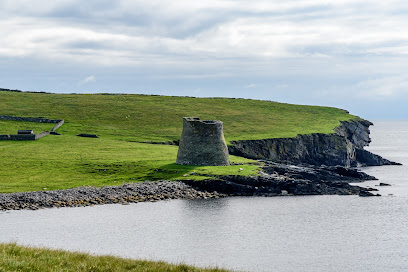
Mousa Broch, located on the island of Mousa in Shetland, Scotland, is the tallest and best-preserved Iron Age broch in Europe. Built around 300 BC, this remarkable drystone tower rises 13 meters high with walls nearly 5 meters thick. It offers a rare glimpse into prehistoric life, featuring a narrow spiral staircase and commanding views over Mousa Sound. Accessible by boat from Sandwick, the broch is steeped in history and Norse sagas, making it a captivating archaeological site and cultural treasure.
A brief summary to Broch of Mousa
- Shetland, ZE2 9HP, GB
- Duration: 2 to 4 hours
- Budget
-
 Outdoor
- Mobile reception: 3 out of 5
- Monday 12 am-12 am
- Tuesday 12 am-12 am
- Wednesday 12 am-12 am
- Thursday 12 am-12 am
- Friday 12 am-12 am
- Saturday 12 am-12 am
- Sunday 12 am-12 am
Local tips
- Visit between April and September when the broch is open and ferry services operate.
- Wear sturdy footwear for walking the island’s rough grass paths and climbing the narrow broch staircase.
- Bring binoculars to enjoy birdwatching, especially for storm petrels at dusk in summer.
- Check weather forecasts before visiting, as ferry services and site access can be affected by adverse conditions.

For the on-the-go comforts that matter to you
- Information Boards
- Seating Areas
- Restrooms
Getting There
-
Ferry
Take the ferry from Sandsayre in Sandwick, Shetland, to Mousa Island. The crossing takes about 15 minutes and operates from April to September. Bookings are recommended during peak season. Ferry prices typically range around £15–£20 for a return trip. Weather conditions can affect service availability.
-
Walking
Once on Mousa Island, follow the well-marked, rough grass path to the broch, approximately a 1 km walk that takes 15–20 minutes. The terrain is uneven but manageable with sturdy footwear. The walk offers scenic coastal views and opportunities for wildlife spotting.
-
Private Boat
Visitors with access to private boats can reach Mousa Island directly, anchoring near the broch. This option requires good weather and local knowledge of tides and landing spots. No formal mooring facilities are available.
Broch of Mousa location weather suitability
-
 Any Weather
-
 Clear Skies
-
 Rain / Wet Weather
-
 Windy Conditions
-
 Mild Temperatures
Discover more about Broch of Mousa
An Enduring Testament to Iron Age Engineering
Mousa Broch stands as a towering relic of Iron Age Scotland, constructed approximately 2,300 years ago around 300 BC. This drystone round tower reaches about 13 meters (43 feet) in height, making it the tallest broch still standing and one of the best-preserved prehistoric buildings in Europe. Its walls are exceptionally thick—up to 5 meters (16 feet) at the base—and taper as they rise, providing remarkable structural stability that has allowed it to withstand millennia of harsh coastal weather and human activity. The broch’s double-wall construction encloses a narrow spiral staircase winding to the top, a unique architectural feature that reveals the ingenuity of its builders.Strategic Coastal Location and Defensive Purpose
Situated on the western shore of Mousa Island, the broch overlooks Mousa Sound and the North Sea, offering expansive views across the water to nearby islands. This coastal position was likely chosen for both practical and defensive reasons: it provided early warning of approaching vessels and potential threats, while also granting access to marine resources vital for fishing and trade. The broch’s low, narrow entrance passage suggests a design focused on defense, possibly serving as a fortified home for a local chieftain or a refuge during times of conflict. Its imposing presence and robust construction underscore its role as both a stronghold and a symbol of status.Myth, History, and Norse Connections
Mousa Broch is woven into the fabric of Norse sagas, adding layers of myth and romance to its history. Egil’s Saga recounts how an eloping couple shipwrecked in Shetland took refuge inside the broch around AD 900, while the Orkneyinga Saga describes a siege in 1153, highlighting its reputation as a formidable fortress. Beyond these tales, the broch has served various roles over centuries—from Iron Age residence to a Pictish-era wheelhouse site and even a smuggler’s hideout in the 19th century. Its continuous presence through Scotland’s turbulent history makes it a cultural landmark and a tangible link to the past.Visitor Experience and Natural Surroundings
Today, visitors access Mousa Broch via a short ferry ride from Sandwick on Shetland’s mainland during the summer months (April to September). Upon arrival, the broch’s sheer size and craftsmanship impress immediately. Visitors can climb the narrow spiral staircase inside to reach the top, where panoramic views stretch across the sea and island landscapes. The island itself offers a rugged natural environment, with opportunities to see seals, seabirds—including storm petrels at dusk in summer—and unique coastal flora. Walking paths circle the island, providing a tranquil setting that complements the ancient monument.Preservation and Cultural Significance
Managed by Historic Environment Scotland as a scheduled monument, Mousa Broch is protected for its archaeological and historical importance. Unlike many other brochs that have been dismantled or fallen into ruin, Mousa’s remote location and robust construction have preserved it almost intact. This exceptional state allows scholars and visitors alike to study and appreciate Iron Age architecture firsthand. The broch remains a symbol of Scotland’s prehistoric heritage and continues to inspire fascination with its mysterious origins and enduring presence.A Living Legacy of Scotland’s Past
Mousa Broch is not just a static ruin but a living legacy that connects modern visitors to ancient times. Its walls have witnessed centuries of human stories, from Iron Age communities to Viking settlers and later generations. The broch’s unique combination of architectural mastery, historical depth, and scenic coastal setting makes it a must-visit site for those interested in archaeology, history, and natural beauty. Standing within its walls, one can almost hear the echoes of the past and feel the timeless spirit of Shetland’s rugged shores.Iconic landmarks you can’t miss

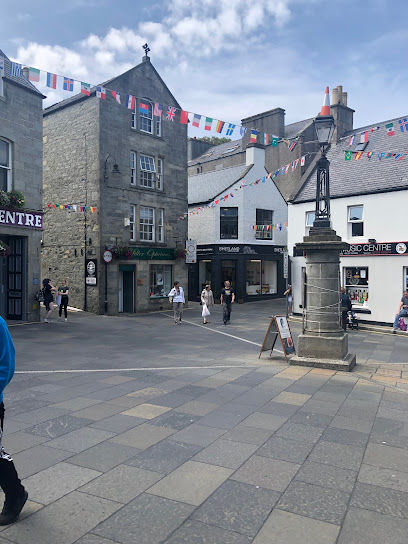
Market Cross
17.7 km
Historic Market Cross in Lerwick, the symbolic heart of Shetland’s trade, community, and civic life.
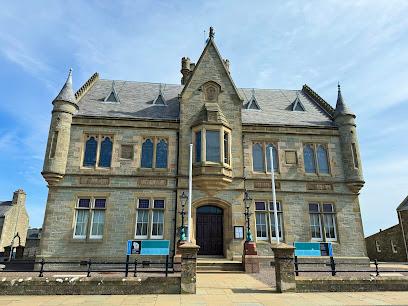
Lerwick Town Hall
17.8 km
Victorian civic masterpiece with breathtaking stained glass windows telling Shetland's historical narrative
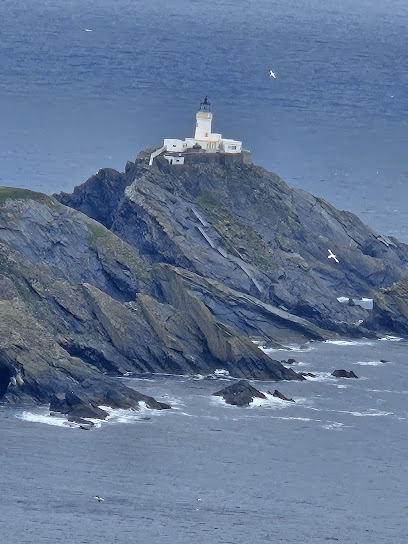
Northernmost Point Of UK
97.7 km
Explore Skaw on Unst, the UK’s northernmost point, where rugged coastline meets rich Viking heritage and iconic maritime landmarks.
Unmissable attractions to see

RSPB Mousa
0.5 km
A 2,000-year-old Iron Age broch and sanctuary for 6,800 storm-petrels on a wild, uninhabited Shetland island.
The Shetland Crofthouse Museum
10.8 km
Step inside a traditional 19th-century Shetland crofthouse and experience the authentic rhythms of island life amid coastal gardens and peat fires.
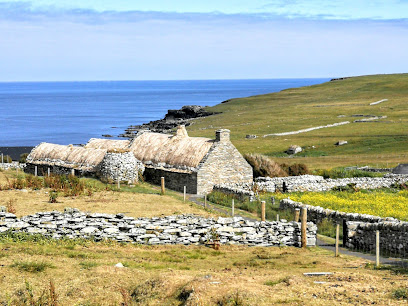
Giant's Leg, Bressay
13.5 km
Explore the Giant's Leg, a stunning natural sea arch on Bressay’s rugged southern coast, blending geology, wildlife, and wartime history.
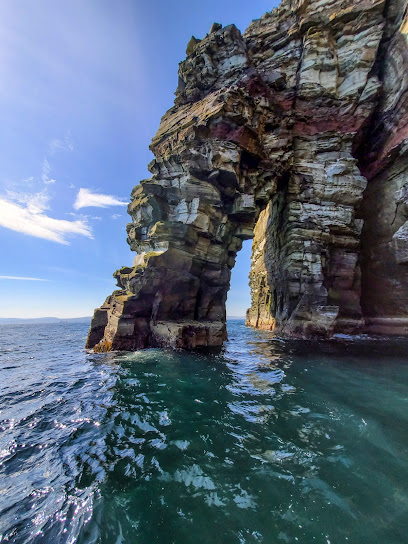
Old Scatness Broch & Iron Age Village
14.6 km
Explore Shetland’s best-preserved Iron Age broch and village, a living heritage site revealing 2,000 years of history and culture.
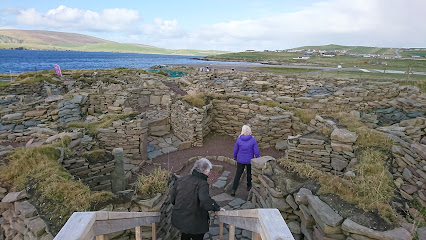
Jarlshof Prehistoric and Norse Settlement
15.3 km
Explore 4,000 years of Shetland history through Neolithic homes, Iron Age wheelhouses, Norse longhouses, and a 16th-century laird’s house at Jarlshof.
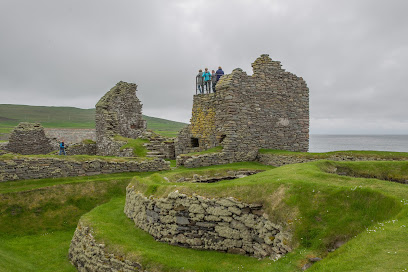
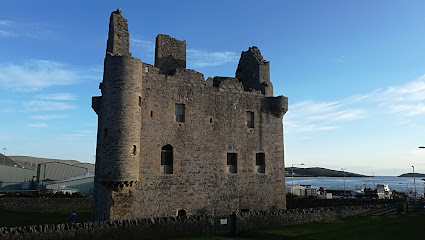
Scalloway Castle
16.4 km
Explore the haunting ruins of Scalloway Castle, a formidable 1600 tower house symbolizing Shetland’s turbulent past and the legacy of ‘Black Patie’.
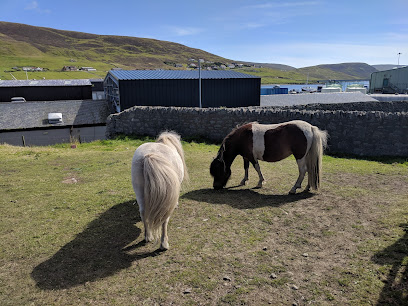
Scalloway Museum
16.4 km
Discover Shetland’s history and heroic wartime tales at Scalloway Museum, a vibrant community hub near the iconic castle.
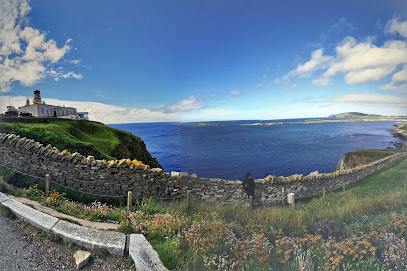
Sumburgh Head Lighthouse, Visitor Centre & Nature Reserve
16.5 km
Historic lighthouse and immersive nature reserve perched on Shetland’s southern cliffs, rich in wildlife, heritage, and dramatic coastal views.
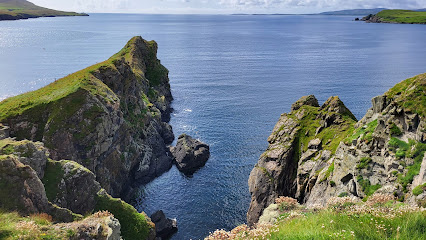
The Knab
16.9 km
A scenic coastal headland in Lerwick blending rich history, natural beauty, and visionary community development on Shetland’s shores.
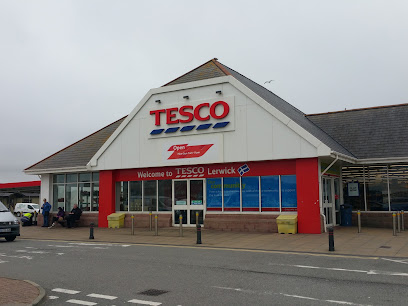
Tesco Superstore
16.9 km
A comprehensive Tesco Superstore in Lerwick offering groceries, fresh produce, clothing, and extended hours for convenient island shopping.
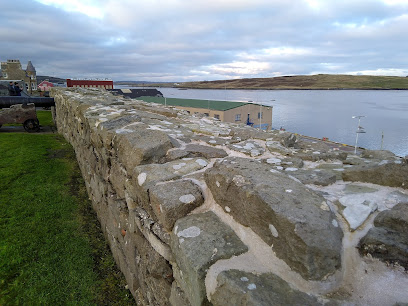
Fort Charlotte
17.9 km
An 18th-century artillery fort above Lerwick harbour, offering panoramic views and centuries of military history in a free-to-enter historic site.
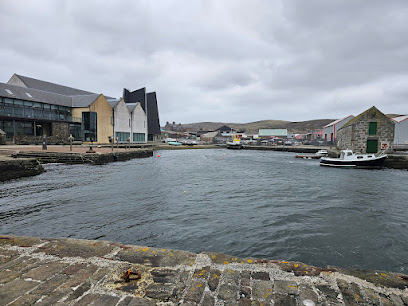
Shetland Museum & Archives
18.2 km
Discover Shetland’s rich heritage through captivating exhibits and archives in a historic dockside setting in Lerwick.
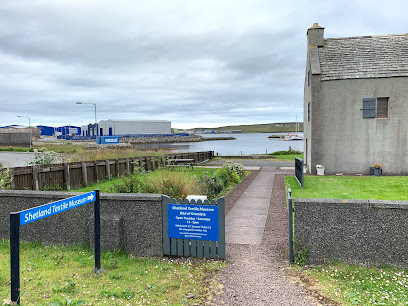
Shetland Textile Museum
19.4 km
Discover Shetland’s rich textile heritage through vibrant exhibitions, live craft demonstrations, and authentic local artistry in Lerwick.
Scord of Weisdale Viewpoint
27.9 km
A serene roadside viewpoint offering sweeping views over Weisdale Voe and Shetland’s rugged west coast landscapes.
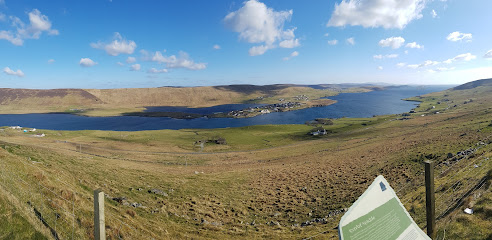
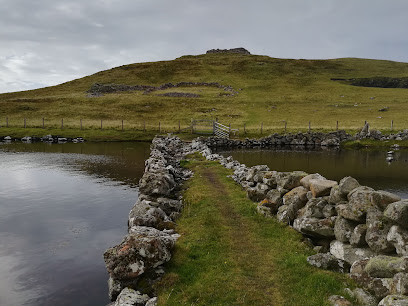
Culswick Broch
29.3 km
Explore Culswick Broch, an ancient Iron Age tower perched on Shetland’s wild west coast, offering rugged beauty and evocative history.
Essential places to dine

Da Haaf Restaurant
16.4 km
Savor fresh Shetland seafood and traditional Scottish dishes with stunning harbor views at Da Haaf Restaurant in Scalloway.
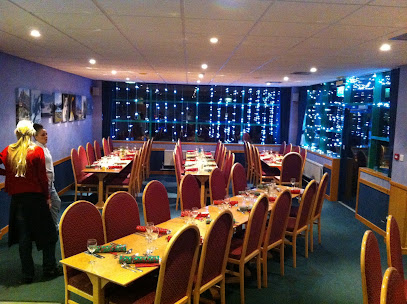
The Bay Brasserie
17.3 km
Savor fresh local flavors with stunning bay views at Lerwick’s welcoming Bay Brasserie, blending scenic charm and diverse dining.
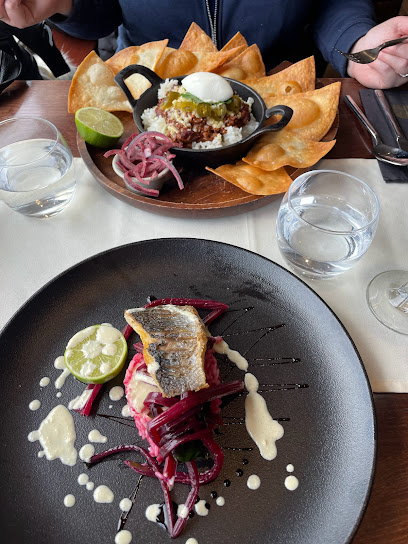
Da Steak Hoose
17.7 km
A cozy, no-frills steakhouse in Lerwick serving juicy cuts, crisp chips, and hearty meals in a warm, local atmosphere.
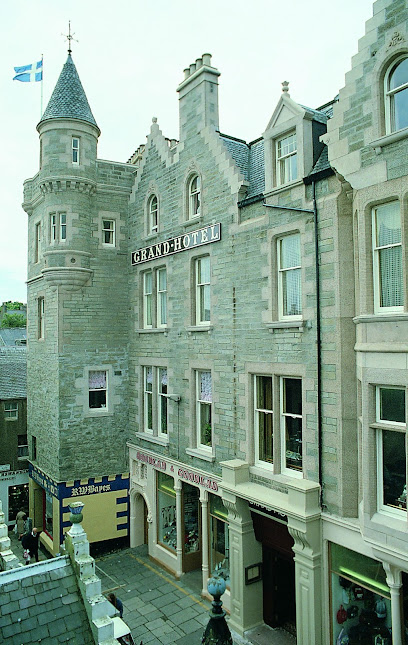
The Grand Hotel
17.8 km
Historic charm and warm hospitality meet in the heart of Lerwick at The Grand Hotel, your gateway to Shetland’s vibrant culture and stunning landscapes.
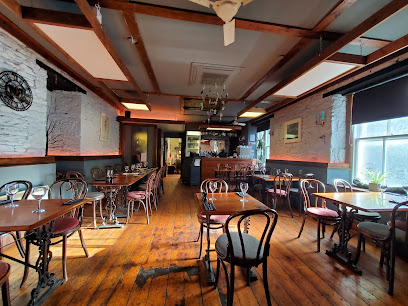
No 88 Kitchen and Bar
17.8 km
Savor Shetland’s freshest seafood and local lamb in a cozy, modern British restaurant at the heart of Lerwick’s vibrant dining scene.
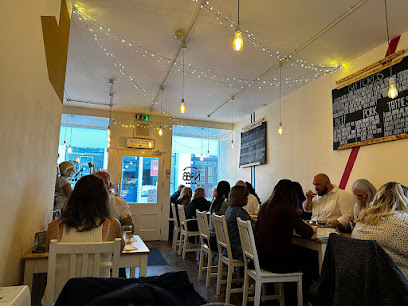
The Dowry
17.8 km
Quirky Lerwick gem serving inventive island cuisine in a warm, welcoming atmosphere.
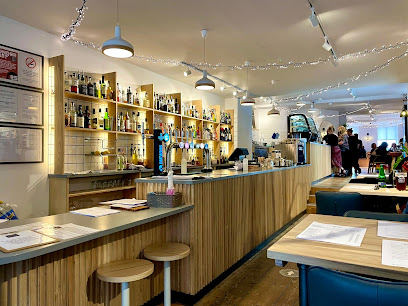
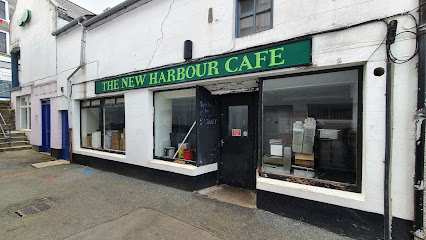
The New Harbour Cafe
17.8 km
Cozy cafe in Lerwick serving traditional Scottish breakfasts and Shetland specialties in a warm, inviting atmosphere.
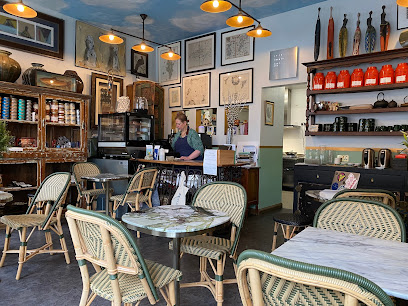
C’est la Vie
17.9 km
Cozy French bistro in Lerwick serving authentic Basque-style cuisine with warm hospitality and a charming eclectic interior.
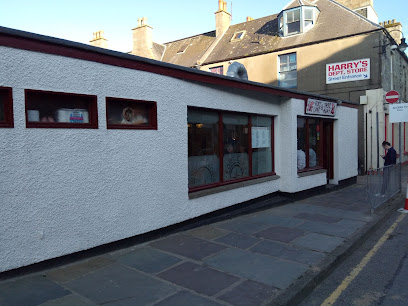
Fort Cafe & Take Away
17.9 km
Savor Shetland’s freshest fish and chips with friendly service at Lerwick’s beloved Fort Cafe & Take Away, a local culinary gem.
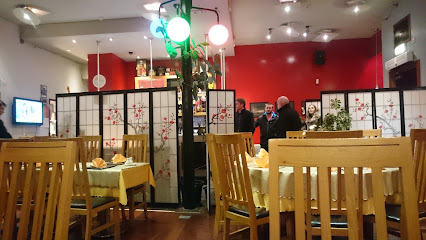
Golden Coach
18.0 km
Savor fresh, authentic Chinese cuisine in a welcoming, spacious setting at Golden Coach, Lerwick’s favorite for traditional flavors and friendly service.
Saffron
18.1 km
Saffron brings authentic Nepalese and Indian flavors to Lerwick with warm hospitality and a relaxed dining atmosphere.
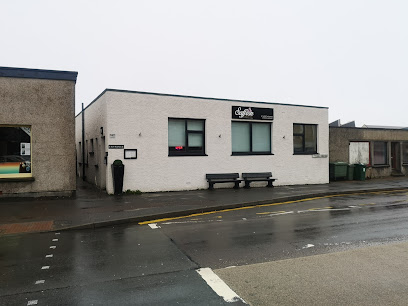
Gurkha Kitchen
18.1 km
Award-winning Nepali and Indian cuisine in the heart of Lerwick, where authentic Himalayan flavors meet island warmth.
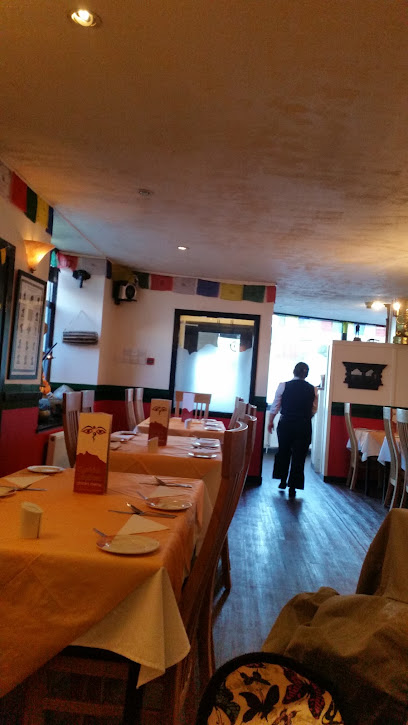
Téamoré
18.1 km
Cozy café and restaurant in Lerwick offering local seafood, Asian-inspired dishes, and homemade treats in a warm, inviting atmosphere.
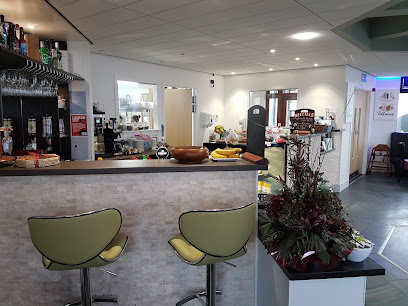
The Great Wall
18.1 km
Experience authentic Cantonese flavors at The Great Wall, Lerwick’s largest and most accessible Chinese restaurant in the heart of Shetland.
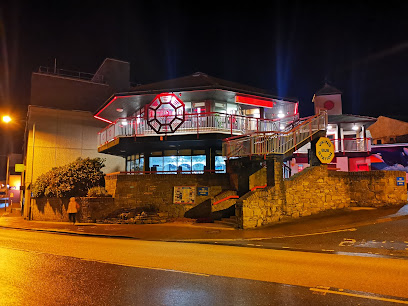
The Olive Tree
18.1 km
A cozy British café in Lerwick’s Toll Clock Shopping Centre, offering fresh, gluten-free-friendly dishes and a rich tea selection.
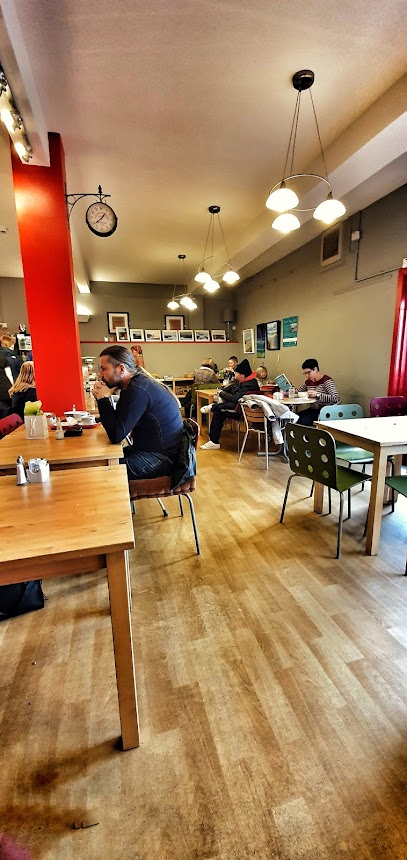
Markets, malls and hidden boutiques

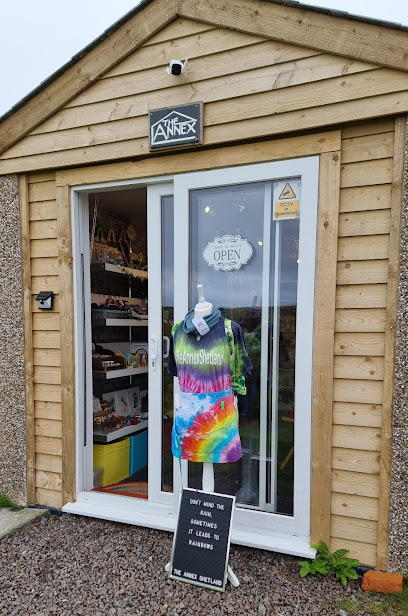
The Annex
15.5 km
Explore The Annex in Shetland for unique gifts and clothing that embody the spirit of the islands, perfect for souvenirs and memories.
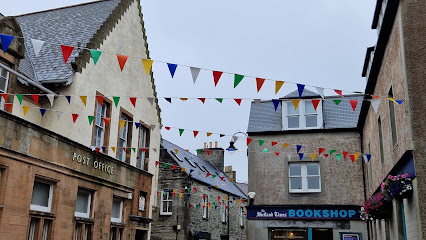
The Shetland Times Bookshop
17.7 km
Explore Britain’s most northerly bookshop, a cultural gem in Lerwick offering rich Shetland literature and a welcoming browsing experience.
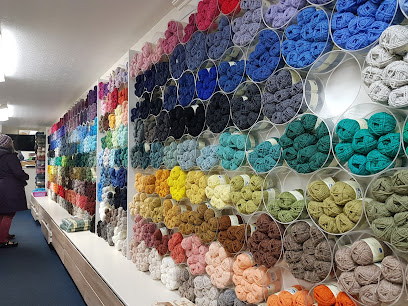
Jamieson's of Shetland
17.7 km
Discover authentic Shetland wool and heritage knitwear at Jamieson's, Lerwick’s treasured wool shop on Commercial Street.
Peerie Isles
17.7 km
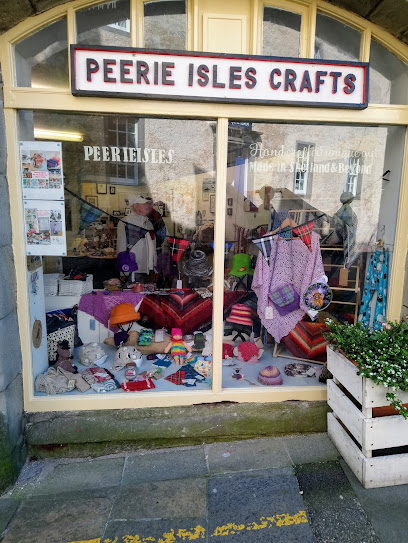
Discover authentic Shetland crafts and gifts in the heart of Lerwick’s historic town centre at Peerie Isles.
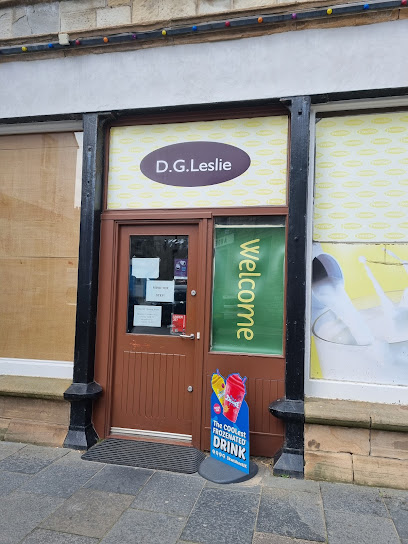
Ellesmere Stores
17.7 km
A welcoming convenience store in Lerwick’s heart, offering fresh local products and everyday essentials with a community spirit.
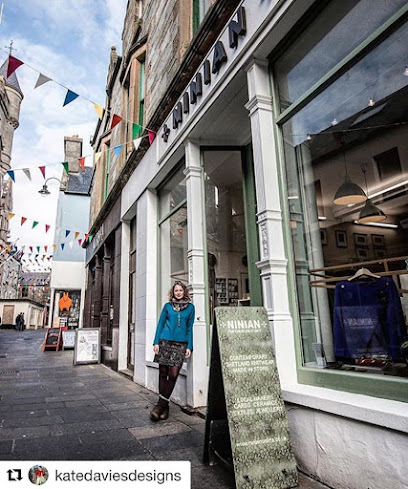
Ninian
17.7 km
Discover authentic Shetland craftsmanship with a modern twist at Ninian, Lerwick’s charming gift shop for exquisite knitwear and home furnishings.
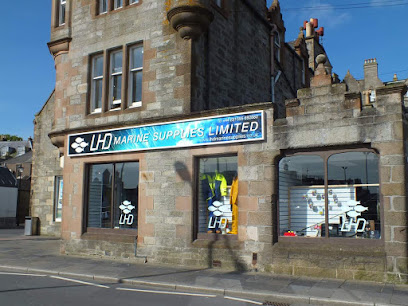
LHD Shop
17.8 km
LHD Shop in Lerwick offers trusted workwear, marine supplies, and outdoor gear tailored to Shetland’s rugged lifestyle and maritime heritage.
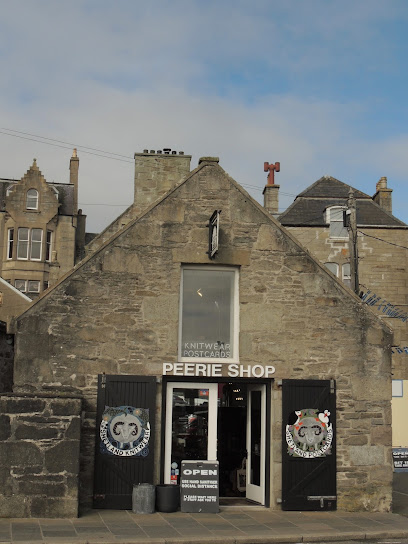
Peerie Shop
17.8 km
Discover unique Shetland gifts and cozy café delights in the heart of Lerwick’s historic town centre.
Boots
17.8 km
Your trusted local pharmacy and beauty destination in the heart of Lerwick, offering health, wellness, and personal care essentials.

The Puffin Republic
17.8 km
Discover authentic Shetland gifts and local artistry at The Puffin Republic in the heart of Lerwick’s vibrant commercial district.
The Bop Shop
18.0 km
Discover Shetland’s beloved monthly vinyl haven and creative hub where music, community, and culture intertwine in Lerwick’s heart.
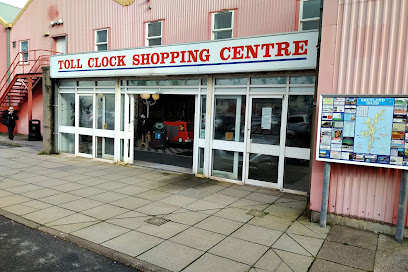
Toll Clock Shopping Centre
18.1 km
A vibrant indoor shopping hub in Lerwick offering local crafts, daily essentials, eateries, and community spirit in the heart of Shetland.
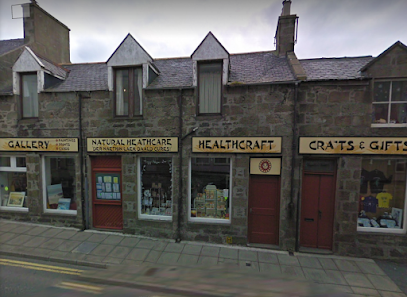
Health Craft
18.1 km
Discover Shetland’s finest health foods and crafts at Health Craft, Lerwick’s welcoming hub for wellness and local artistry.
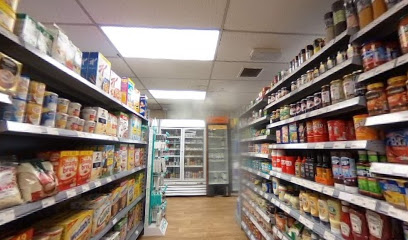
Bolts Minimarket
18.1 km
A friendly, well-stocked local minimarket in Lerwick offering Shetland flavors and essentials with welcoming service and convenient hours.
The Co-Operative Lerwick
18.3 km
Discover Shetland's flavors at The Co-Operative Lerwick, your go-to convenience store for fresh produce and local goods.

Essential bars & hidden hideouts

Scalloway Hotel
16.7 km
Experience Shetland’s charm with stylish sea-view rooms, fresh local seafood, and warm hospitality at Scalloway Hotel on the waterfront.

The Kiln Bar
16.7 km
A historic Shetland pub blending Viking heritage, local ales, and warm hospitality in Scalloway’s heart.
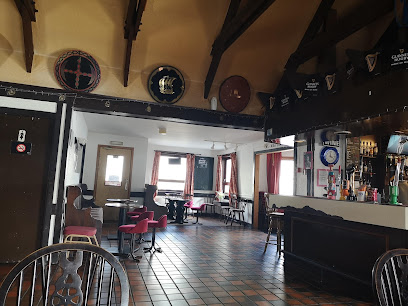
Fjarå Café Bar
16.9 km
Coastal charm meets local flavors at Lerwick’s Fjarå Café Bar, where sea views and seasonal dishes create an unforgettable dining escape.
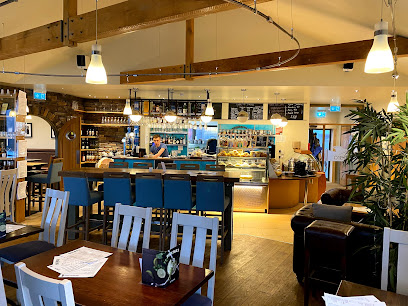
The Lounge Bar
17.7 km
A lively Lerwick pub famed for live traditional music, local camaraderie, and a wide selection of drinks in the heart of Shetland.
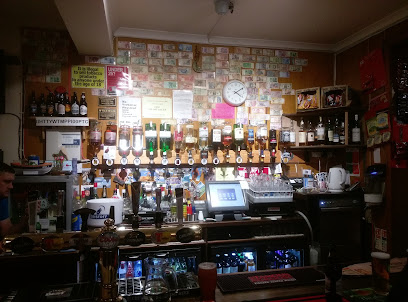
Thule Bar
17.8 km
Historic harbourfront pub in Lerwick offering local brews, lively vibes, and a cozy spot to unwind by the sea.
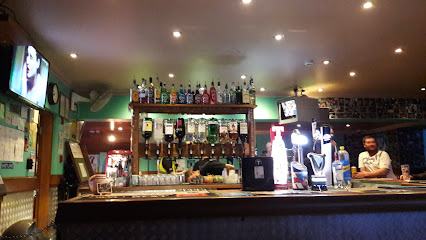
Trench bar and nightclub
18.1 km
Lerwick’s only nightclub open till 3 AM, offering vibrant late-night entertainment in the heart of Shetland’s capital.
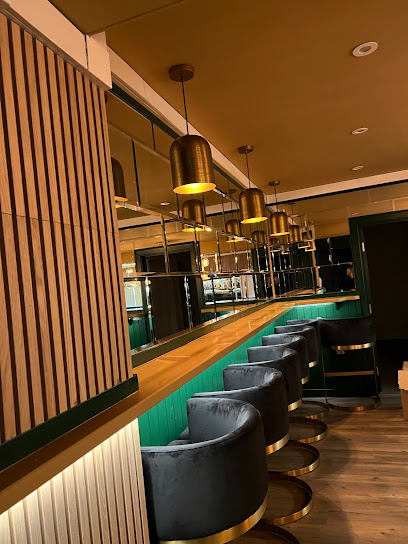
Douglas Arms
18.1 km
Cozy and welcoming, the Douglas Arms is Lerwick’s beloved traditional pub, offering local drinks, live music, and genuine Shetland hospitality.
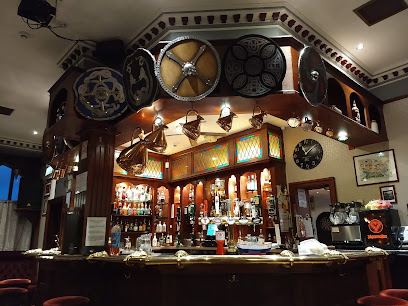
Maryfield House Hotel
18.4 km
Charming family-run hotel on Bressay Island with stunning sea views, local seafood dining, and easy ferry access to Shetland’s capital.
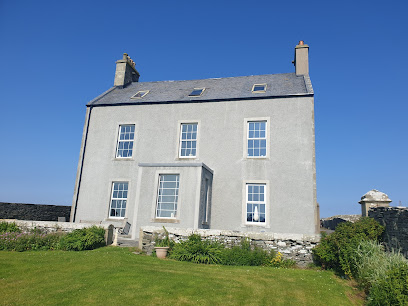
Busta House Hotel
44.5 km
Historic coastal retreat in Shetland with warm hospitality, local cuisine, and stunning North Atlantic views.
Brae Hotel
45.0 km
Comfortable and friendly hotel in Brae, Shetland, offering excellent local dining and a welcoming atmosphere for exploring the northern isles.
Mid Brae Inn
45.4 km
Cozy country pub in Brae, Shetland, serving hearty homemade food with warm local hospitality at moderate prices.
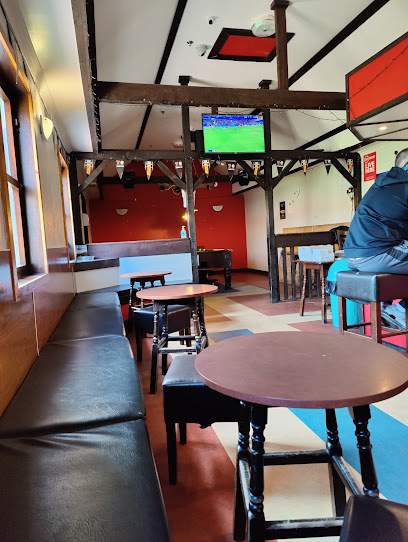
Welcome Inn
51.9 km
A welcoming Shetland pub and live music venue where community spirit and local culture come alive in Mossbank.
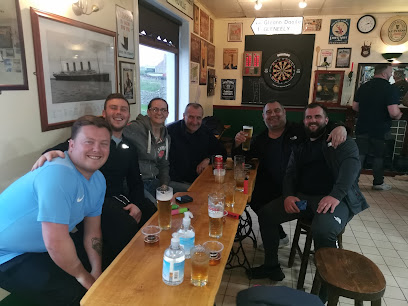
Balta Light
88.3 km
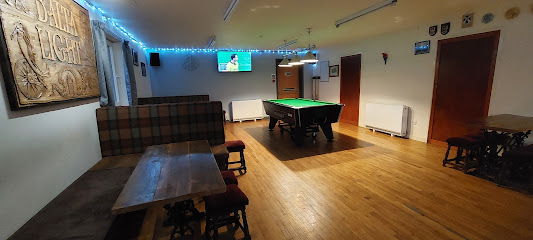
Experience authentic Shetland hospitality at Balta Light, the UK's northernmost pub nestled in Baltasound, Unst.
For the vibe & atmosphere seeker
- Tranquil
- Scenic
- Unique
- Relaxing
For the design and aesthetic lover
- Rustic Designs
For the architecture buff
- Historic
- Landmarks
For the view chaser and sunset hunter
- Iconic Views
- Panoramas
- Waterfront
- Sunset Spots
For the social media creator & influencer
- Instagrammable
- Photo Spots
- Selfie Spots
For the eco-conscious traveler
- Protected Area
- Public-Transport Accessible
- Leave-No-Trace Critical
- Locally Managed
- Wildlife Habitat
For the kind of experience you’re after
- Cultural Heritage
- Nature Escape
- Day Trip
- Photowalk
- Myth & Legends
- Weekend Getaway
For how adventurous you want the journey to be
- Easy Access
Location Audience
- Family Friendly
- Senior Friendly
- Child Friendly
- Teen Friendly
- Solo Friendly
- Couple Friendly
- Vegetarian Friendly
- Vegan Friendly
- Pet Friendly


