Acton Burnell Castle, Shropshire Travel Guide
Explore the serene ruins of Acton Burnell Castle, a medieval fortified manor that twice hosted early English Parliaments and shaped political history.
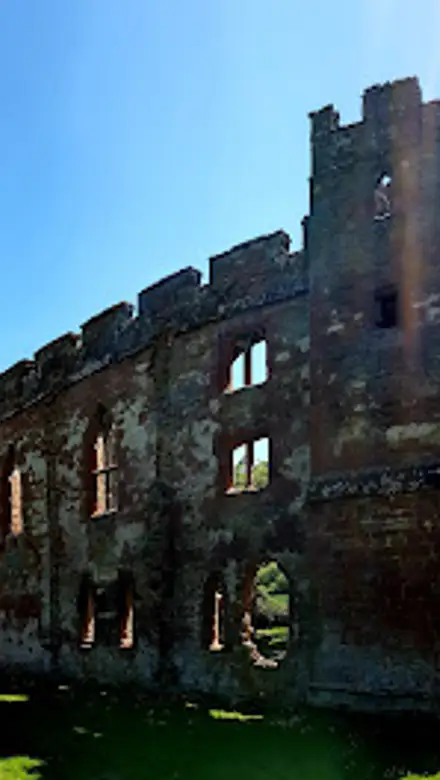
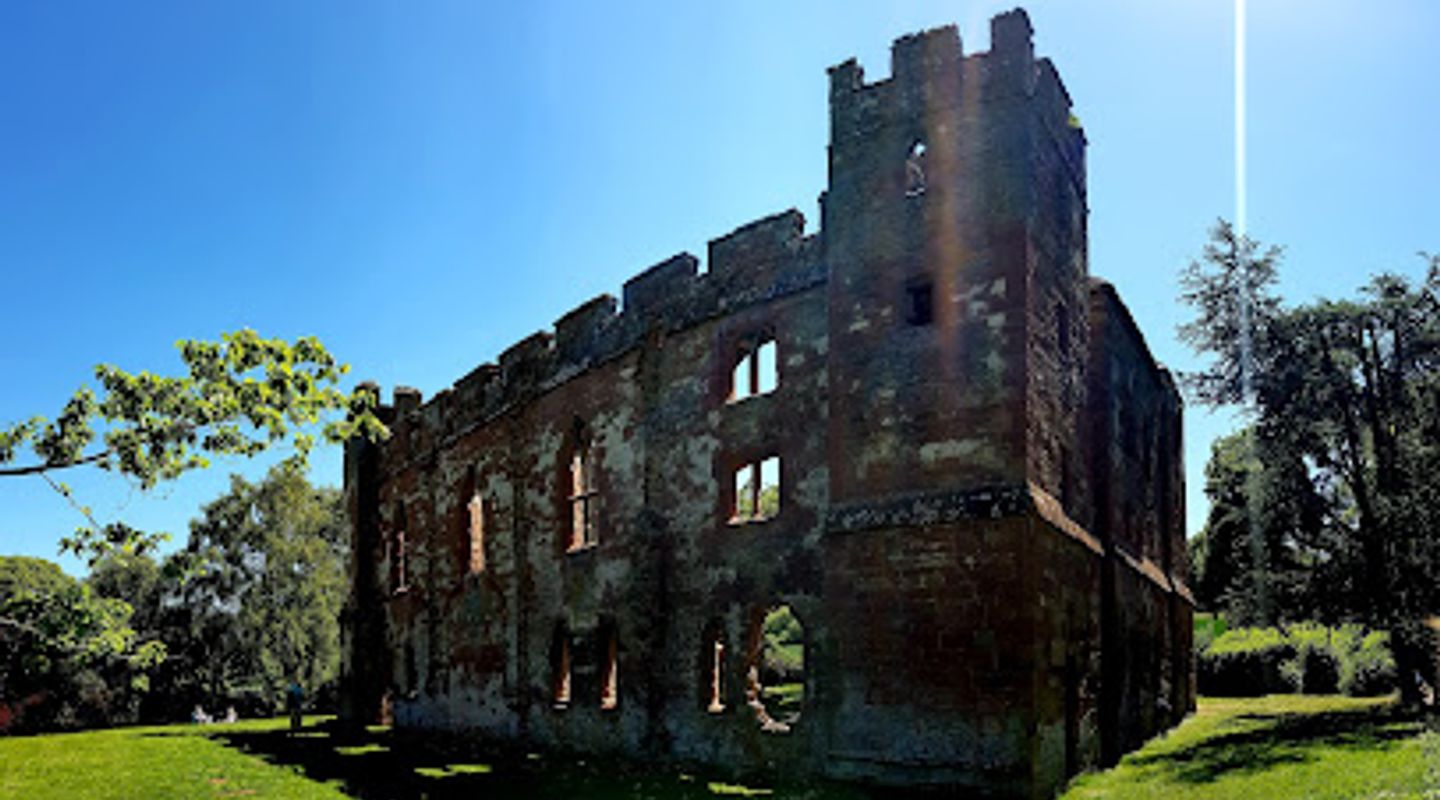
Nestled in Shropshire’s quiet village of Acton Burnell, this red sandstone castle is a late 13th-century fortified manor house built by Robert Burnell, Chancellor of England and close advisor to King Edward I. It hosted two historic English Parliaments in 1283 and 1285, notable for the early inclusion of commoners. Though now a ruin, it remains an impressive example of medieval architecture and political heritage, surrounded by woodland and open grassland.
A brief summary to Acton Burnell Castle
- Old Walls, Shrewsbury, SY5 7PE, GB
- Click to display
- Click to display
- Duration: 0.5 to 1.5 hours
- Free
-
 Outdoor
- Mobile reception: 4 out of 5
- Monday 10 am-6 pm
- Tuesday 10 am-6 pm
- Wednesday 10 am-6 pm
- Thursday 10 am-6 pm
- Friday 10 am-6 pm
- Saturday 10 am-6 pm
- Sunday 10 am-6 pm

Know before you go
Hi, I'm Eve. Here are a few practical things to know before exploring Acton Burnell Castle.
- Visit during daylight hours as the access gate closes at dusk; the castle is open any reasonable time during the day.
- Wear comfortable shoes for the short wooded walk from the car park to the castle ruins.
- Bring a picnic to enjoy on the grassy areas surrounding the castle, as there are no food facilities on site.
- Explore nearby St Mary’s Church and the remains of the tithe barn to deepen your understanding of the site’s history.
- Dogs on leads are welcome, making it a great spot for a family outing with pets.
Do you manage this location?
Take control to get all the benefits, like improved information, better appearance, and stronger visibility across AI-powered discovery. Learn more about listing your business on Evendo
Activate your presenceOther nearby places you may find interesting
The closest places of the same kind, if this one is not quite what you had in mind.
Explore Acton Burnell Castle on the Map
A handpicked selection of must-see spots near Acton Burnell Castle, mapped for you.
Getting There
-
Car
Driving from Shrewsbury to Acton Burnell Castle takes approximately 20 to 30 minutes via the A49 and local roads. Free parking is available on site for five cars and one minibus, but spaces are limited, so plan accordingly.
-
Bus
Local bus services run from Shrewsbury to Acton Burnell village with a journey time of around 40 to 50 minutes. From the village, a 10-minute walk through a short wooded path leads to the castle. Check current schedules as service frequency may vary.
-
Walking
For those staying nearby, a gentle 15 to 20-minute walk from Acton Burnell village center to the castle is possible via quiet country lanes and a short wooded trail. The terrain is mostly flat and suitable for most fitness levels.
For the on-the-go comforts that matter to you
-
 Parking
-
 Information Boards
Discover more about Acton Burnell Castle
Origins and Historical Significance
Acton Burnell Castle was constructed between 1284 and 1293 by Robert Burnell, Bishop of Bath and Wells and Chancellor of England under King Edward I. Burnell was a powerful royal official whose influence extended to hosting two early English Parliaments on the site, in 1283 and 1285. These parliaments are historically significant as they included representation from commoners, marking a pivotal moment in the evolution of English governance. The castle’s location near the ancient Roman Watling Street highlights its strategic importance on the Welsh Marches during a turbulent medieval period.Architectural Features and Layout
The castle is built primarily from warm red sandstone, characteristic of the region. Its design resembles a Norman keep, featuring a double-storeyed living area with large, ornately traceried windows that emphasize comfort and status over military defense. Four battlemented corner towers project from the main structure, with one converted into a dovecote in the 18th century, crowned by a distinctive pyramidal roof. The ground floor originally housed storage and service rooms, while the entrance was on the east side, connecting to now-lost timber-framed ancillary buildings. The remains of a tithe barn and foundations of other domestic structures lie nearby, illustrating the scale of the medieval manor complex.The Castle’s Decline and Preservation
By 1420, Acton Burnell Castle was abandoned as a residence and gradually fell into ruin. Unlike many castles altered or rebuilt over centuries, it remained largely untouched, preserving its medieval form. In the 18th century, a new house—Acton Burnell Hall—was built adjacent to the ruins, further marking the transition from fortified manor to country estate. Today, the castle is a scheduled monument and Grade I listed building, protected for its architectural and historical value. It is maintained by English Heritage and accessible to the public as a picturesque ruin surrounded by woodland and open grass.Visitor Experience and Setting
Visitors approach the castle via a short, atmospheric walk through woodland, which enhances the sense of discovery and seclusion. The site is flat and grassy, ideal for exploration and picnicking, with informative English Heritage boards that contextualize the ruins and their significance. Although there are no facilities on site, the nearby market town of Shrewsbury offers amenities. Dogs on leads are welcome, and the peaceful environment makes it a tranquil spot for history enthusiasts and families alike.Legacy of Robert Burnell and Political Heritage
Robert Burnell’s legacy extends beyond architecture; his role in shaping medieval English politics is embodied in the castle’s history. The Statute of Acton Burnell, passed during the 1283 parliament, was an important legal reform. The castle and its associated tithe barn symbolize the early parliamentary system’s development, where commoners gained a voice alongside nobles. This connection gives Acton Burnell Castle a unique place in the story of democracy’s roots in England.Surrounding Attractions and Context
The castle’s rural setting near Acton Burnell village offers additional historical and cultural points of interest, including St Mary’s Church, built with the same red sandstone, and the remnants of the tithe barn where parliament was held. Nearby sites such as Langley Chapel and Wroxeter Roman City provide further exploration opportunities for visitors interested in England’s layered history. The castle’s quiet location makes it a restful retreat from busier tourist destinations.












Your all‑in‑one travel companion app
Explore expert travel guides, compare and book tours, experiences, hotels, and more—all from the palm of your hand. Download now for seamless trip planning wherever your wanderlust takes you.


Explore More of Shropshire
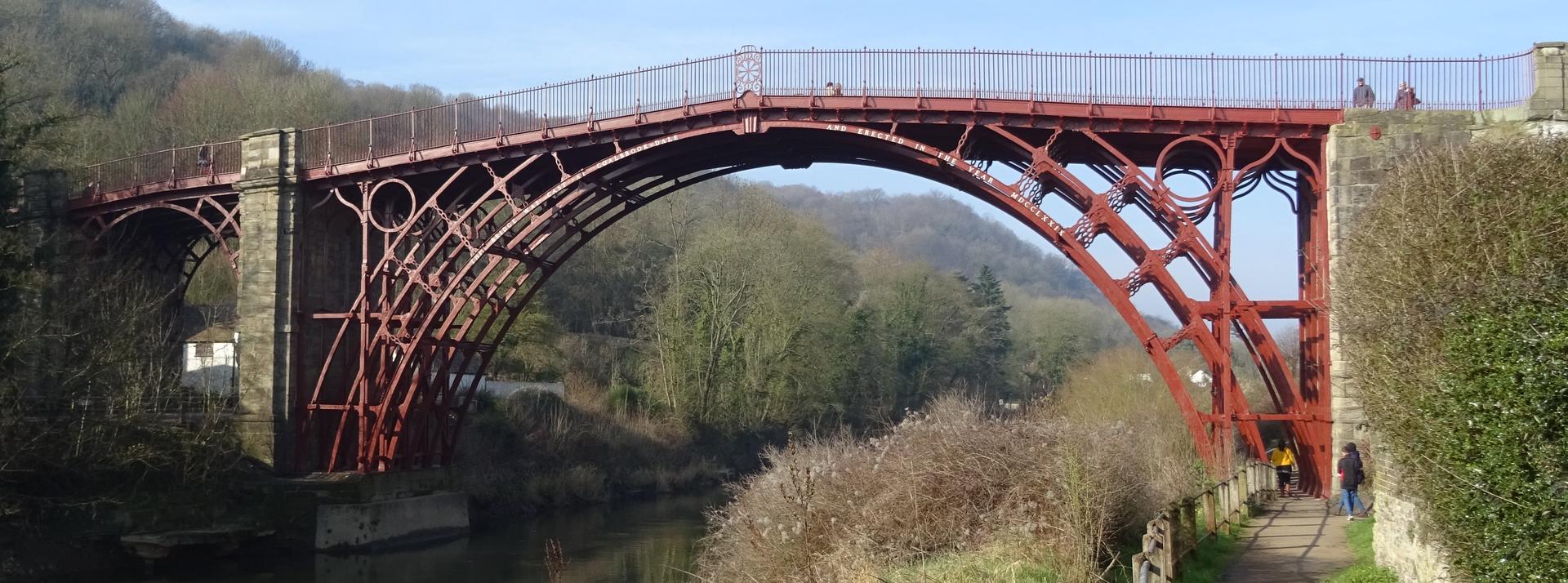
Looking beyond Acton Burnell Castle? Discover Shropshire for broader travel guides, local hot-spots, and regional highlights.
Explore Shropshire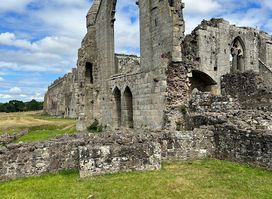
Explore the evocative ruins of Haughmond Abbey, a serene Augustinian monastery nestled in Shropshire’s tranquil woodlands near Shrewsbury.
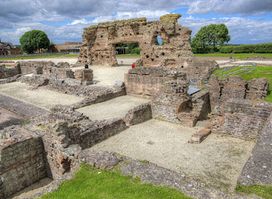
Step into the ruins of Wroxeter Roman City, Britain’s ancient urban marvel with immersive history and stunning archaeological remains.