
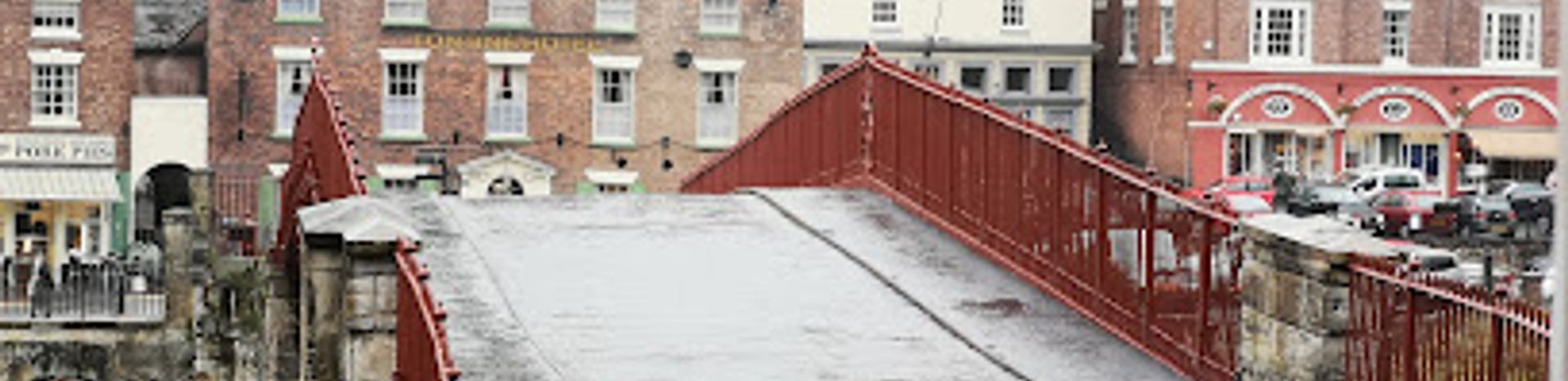
Iron Bridge Tollhouse
Walk the world's first cast-iron bridge, a 1779 engineering triumph and symbol of the Industrial Revolution.
Step into the world's first cast-iron bridge, built in 1779 and a defining symbol of the Industrial Revolution. The Iron Bridge Tollhouse, housed in the original toll collection building, offers free entry to explore exhibitions about this engineering marvel. Walk across the historic structure, enjoy panoramic views of the Ironbridge Gorge and River Severn, and discover the fascinating story of how Abraham Darby III and architect Thomas Farnolls Pritchard revolutionized construction with cast iron. A UNESCO World Heritage Site that remains a working pedestrian crossing after more than 240 years.
A brief summary to Iron Bridge Tollhouse
- Telford, Ironbridge, TF8 7JP, GB
- +441952433424
- Visit website
- Duration: 0.75 to 1.5 hours
- Free
-
 Outdoor
- Mobile reception: 4 out of 5
Local tips
- The bridge and Tollhouse are free to visit. The bridge is always accessible as a public pedestrian crossing, even when the Tollhouse is closed.
- Visit the Tollhouse during opening hours to see exhibitions about the bridge's construction and history. Opening times vary seasonally; check ahead as winter hours are reduced.
- Bring a camera for selfies on the bridge and panoramic shots of the Ironbridge Gorge and River Severn from multiple vantage points.
- Allow 45 minutes to an hour for a complete visit including the bridge walk and Tollhouse exploration. Nearby cafés and pubs offer refreshments.
- Explore the riverside walk along the Severn for additional views of the bridge and surrounding valley landscape.

For the on-the-go comforts that matter to you
- Restrooms
- Drink Options
- Food Options
- Seating Areas
- Information Boards
- Visitor Center
Getting There
-
Train and Bus
From Telford Central Railway Station, take the Gorge Connect bus service, which operates weekends and bank holidays from April through October, with service to Ironbridge Gorge and the town centre. Journey time approximately 20–30 minutes. Outside this period, alternative bus services from Telford town centre serve the area with varying frequency. Fare approximately £2–4 per journey.
-
Car
From Telford town centre, drive approximately 8 kilometres south to Ironbridge, following signs to the town centre. Station Yard Car Park offers pay-and-display parking near the bridge; fees apply. Journey time approximately 15–20 minutes depending on traffic. Parking charges typically £1–3 for short stays.
-
Walking from Ironbridge Town Centre
The Iron Bridge and Tollhouse are located in the heart of Ironbridge town centre. From most accommodation or amenities in town, the site is within a 5–10 minute walk on flat, accessible paths. The bridge itself is easily reached from the High Street and Tontine Hill area.
-
Taxi or Ride-Share
Taxis and ride-share services operate from Telford Central Railway Station and Telford town centre to Ironbridge. Journey time approximately 15–20 minutes. Estimated fare £12–18 depending on exact pickup location and service provider.
Iron Bridge Tollhouse location weather suitability
-
 Any Weather
-
 Clear Skies
-
 Mild Temperatures
Discover more about Iron Bridge Tollhouse
A Revolutionary Monument in Cast Iron
The Iron Bridge stands as one of the greatest symbols of the Industrial Revolution, representing a pivotal moment when engineering ambition transformed architecture forever. Completed in 1779, it was the world's first bridge constructed entirely from cast iron, a material that had previously been considered unsuitable for such large-scale structural applications. Designed by architect Thomas Farnolls Pritchard and built by Abraham Darby III, manager of the Coalbrookdale Company ironworks, the bridge emerged from a practical need: as industry flourished in the Ironbridge Gorge, transporting goods and people across the River Severn became increasingly challenging. The solution was revolutionary, and the bridge's success sparked a global transformation in how cast iron would be used in construction for centuries to come.Crossing History on Foot
Today, the Iron Bridge remains a fully functional pedestrian crossing, still bearing the weight of visitors who journey here to experience this engineering triumph firsthand. Walking across its elegant arches, you can feel the solidity of cast iron beneath your feet while absorbing the remarkable achievement it represents. The bridge's delicate beauty belies its true strength—a paradox that has captivated millions of tourists since its opening. The structure dominates the small town that takes its name, creating an unmistakable silhouette against the surrounding landscape. From the bridge itself, you gain spectacular views of the Ironbridge Gorge and the River Severn winding through the valley below, offering photographers and visitors alike unforgettable vistas of this UNESCO World Heritage Site.The Tollhouse: Gateway to Understanding
The original Tollhouse, positioned on the south side of the River Severn, once served as the collection point for crossing fees—a vital revenue stream that helped finance the bridge's maintenance and operation. Today, this historic building functions as a tourist information centre and small museum, providing free entry to visitors eager to learn more about the bridge's construction and significance. Inside, exhibitions reveal the engineering challenges overcome, the visionary thinking behind the project, and the broader context of industrial innovation that defined the era. A board displayed outside the Tollhouse shows historical toll rates, offering a tangible connection to the bridge's working past. The Tollhouse also hosts a temporary display commemorating the 80th anniversary of Victory in Europe Day, featuring letters from local servicemen, toy soldiers produced by the Greenwood & Ball company, and photographs of the munitions workers known as the 'Bomb Girls'.Riverside Setting and Natural Beauty
The Iron Bridge and Tollhouse occupy a spectacular natural setting within the Ironbridge Gorge, where the River Severn carves through dramatic landscape. A riverside walk along the Severn provides stunning views of the bridge from multiple angles, revealing how the structure integrates with its environment. The surrounding valley, with its steep banks and wooded slopes, creates an atmospheric backdrop that enhances the bridge's visual impact. This natural amphitheatre has drawn visitors for over two centuries, each generation discovering anew the interplay between human engineering and the landscape it spans. The site's designation as a UNESCO World Heritage Site recognises both the bridge's architectural significance and the broader industrial heritage of the Gorge.A Living Monument to Industrial Progress
Unlike many historical structures relegated to museums or preserved behind barriers, the Iron Bridge remains an active part of daily life in Ironbridge. It continues to serve its original purpose as a bridge, welcoming pedestrians and pets across its cast-iron span. This living history distinguishes it from purely commemorative monuments, allowing visitors to experience the bridge not as a relic but as a functioning structure that has endured for over 240 years. The bridge's resilience speaks to the quality of its design and construction, validating the bold decision to use cast iron in such an ambitious way. For visitors, this means experiencing not just a historical artifact but an ongoing testament to human ingenuity and the durability of well-engineered solutions.Iconic landmarks you can’t miss

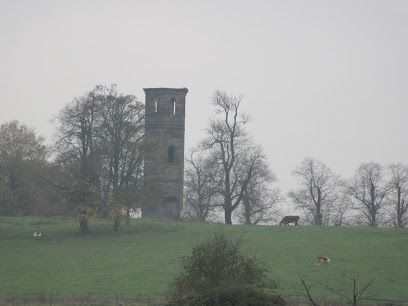
Portobello Tower
27.7 km
An evocative 18th-century folly commemorating a historic naval victory, standing as a haunting landmark in Featherstone’s rural landscape.
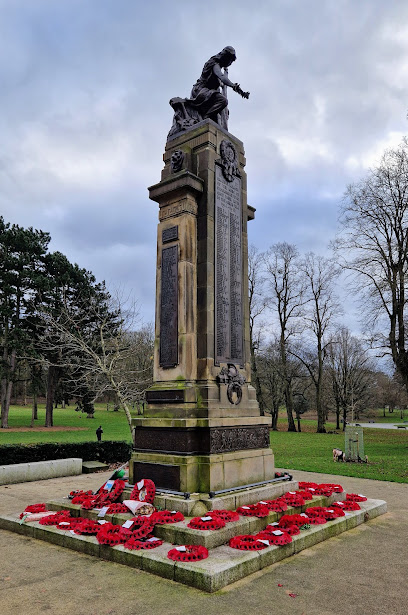
War Memorial
30.0 km
A solemn and artistically rich memorial in Mary Stevens Park honoring Stourbridge’s fallen heroes of the World Wars.
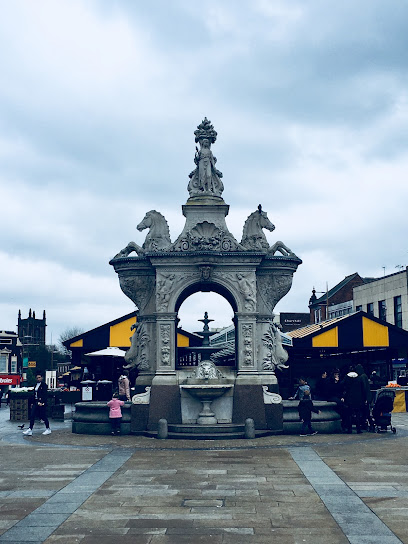
The Fountain
30.2 km
Discover The Fountain, Dudley’s iconic historical landmark nestled in the vibrant Market Place, where heritage meets lively community spirit.
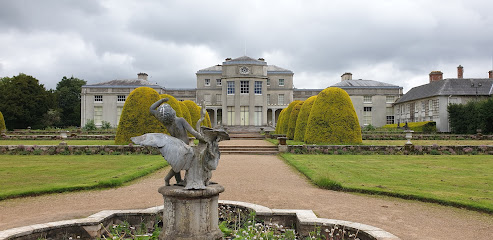
National Trust Shugborough Estate
36.7 km
Explore the National Trust Shugborough Estate, a historical gem in Staffordshire featuring stunning gardens, rich history, and breathtaking architecture.
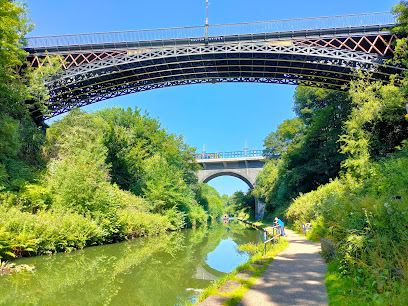
Galton Bridge
36.9 km
Explore Galton Bridge, a pioneering 1829 cast-iron marvel by Thomas Telford, standing proudly in Smethwick’s historic Galton Valley.
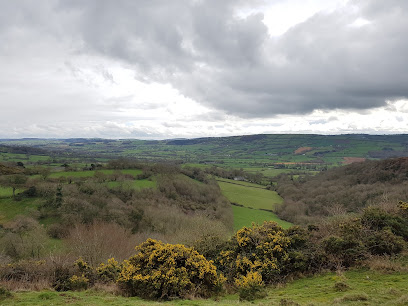
Roundton Hill National Nature Reserve
38.8 km
Discover the breathtaking beauty of Roundton Hill National Nature Reserve, a tranquil haven for nature lovers and outdoor enthusiasts in Montgomery, Wales.
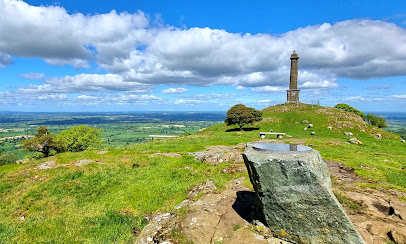
Admiral Rodney’s Pillar
39.2 km
A towering 18th-century monument celebrating Admiral Rodney’s naval victories, set atop scenic Breidden Hill with panoramic valley views.
Bury Ditches
39.5 km
Experience the historic allure and breathtaking views of Bury Ditches, a serene escape into nature and England's rich heritage.
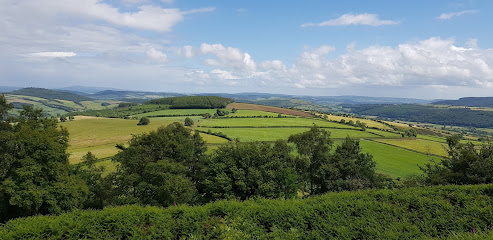
Witley Court & Gardens
39.6 km
Explore the grandeur of Witley Court & Gardens, where history, architecture, and nature unite in a stunning English estate experience.
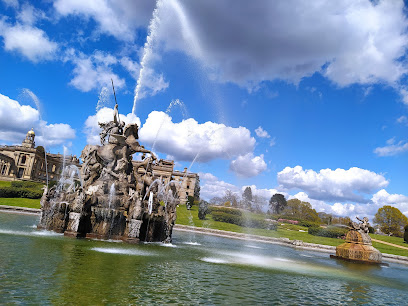
Soho House Museum
40.6 km
Explore Soho House Museum, the elegant Georgian home of industrial pioneer Matthew Boulton and a birthplace of the Industrial Revolution.
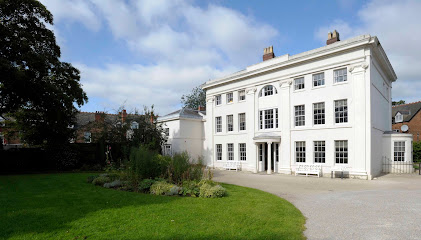
Trentham Monkey Forest
40.8 km
Discover the Trentham Monkey Forest, a unique wildlife sanctuary where Barbary macaques roam free amidst the stunning natural beauty of Trentham Estate.
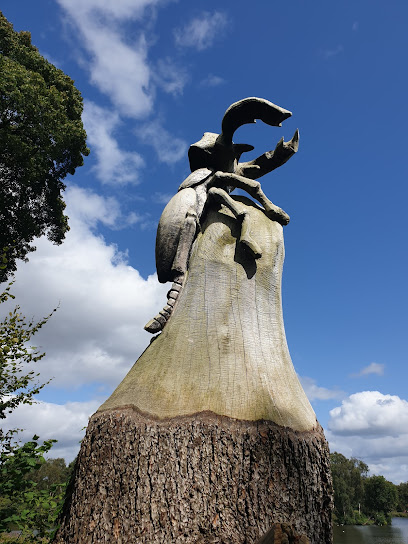
Edgbaston Waterworks Tower
40.9 km
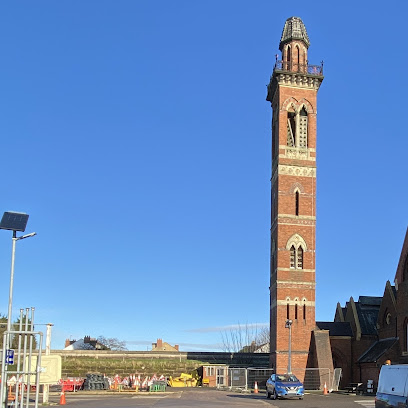
Discover Birmingham’s Victorian Waterworks Tower, a striking industrial landmark and rumored inspiration for Tolkien’s legendary Two Towers.
Perrott's Folly
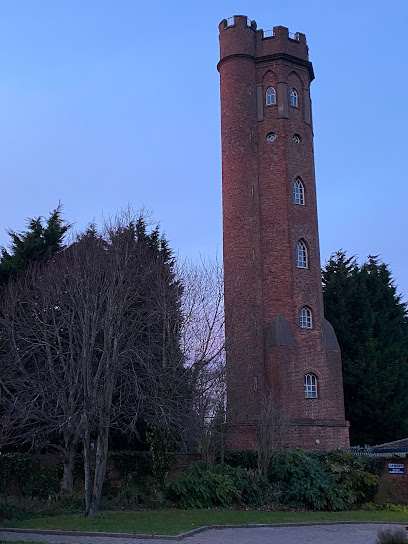
41.1 km
An 18th-century tower in Birmingham, steeped in history and Tolkien lore, now a cultural beacon for art and community.
Gem Buildings
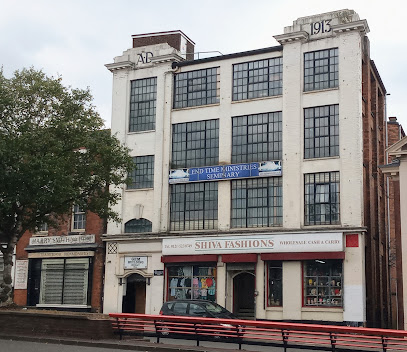
41.5 km
Historic Gem Buildings on Key Hill showcase Birmingham's rich jewelry industry heritage and early 20th-century industrial architecture.
Jewellery Quarter
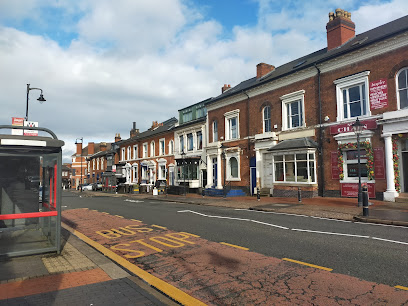
41.5 km
Explore the historic Jewellery Quarter in Birmingham, where craftsmanship meets culture in a vibrant, artistic atmosphere filled with unique shops and dining options.
Unmissable attractions to see

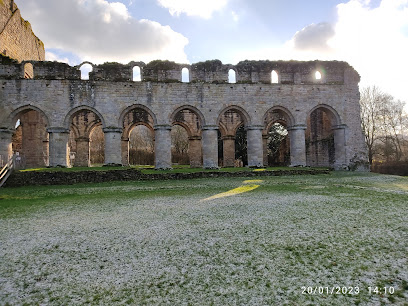
Buildwas Abbey
3.1 km
Explore the peaceful, well-preserved ruins of a 12th-century Cistercian abbey nestled beside the River Severn near Ironbridge Gorge.
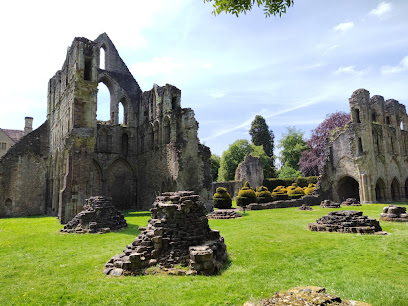
Wenlock Priory
5.7 km
Explore the serene medieval ruins of Wenlock Priory, a historic Cluniac monastery nestled in the picturesque Shropshire countryside.
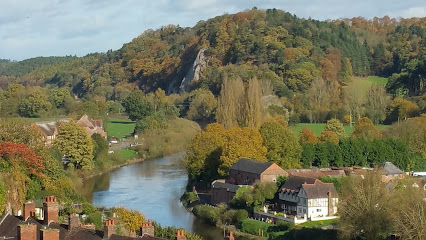
Bridgnorth Castle and Gardens
11.4 km
Discover the dramatic ruins and tranquil gardens of Bridgnorth Castle, crowned by a leaning tower with stunning views over the Severn Valley.
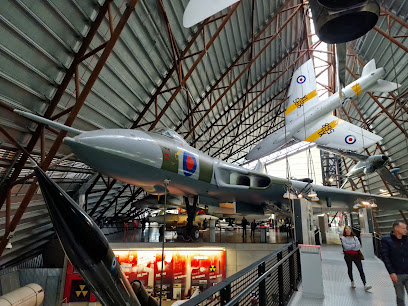
Royal Air Force Museum Midlands
11.7 km
Explore historic aircraft, immersive Cold War exhibits, and family-friendly aviation fun at this free-entry museum in Shropshire.
Hoo Zoo and Dinosaur World
11.7 km
Discover wildlife wonders and prehistoric thrills in Telford’s family-friendly Hoo Zoo and Dinosaur World, where conservation meets adventure.

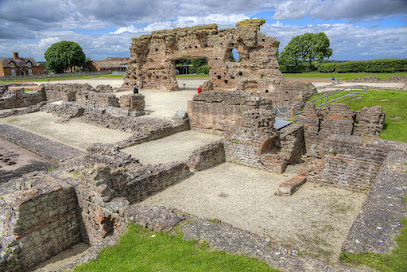
Wroxeter Roman City
11.9 km
Step into the ruins of Wroxeter Roman City, Britain’s ancient urban marvel with immersive history and stunning archaeological remains.
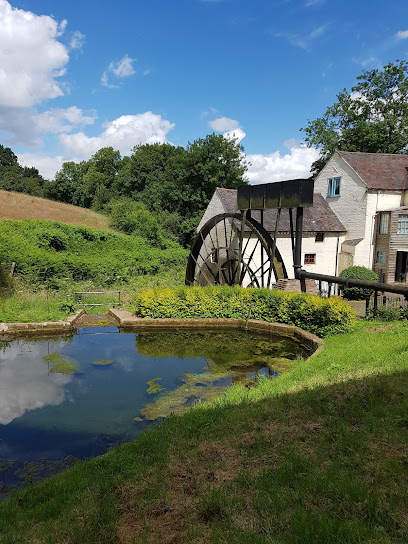
Daniels Mill
12.5 km
England's largest working watermill, where 18th-century heritage and steam trains converge in a wooded Shropshire valley.
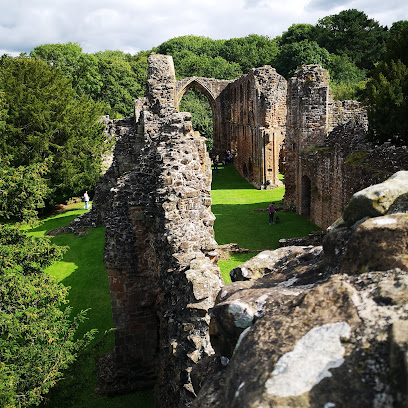
Lilleshall Abbey
12.6 km
Explore the serene ruins of a 12th-century Augustinian abbey nestled in tranquil Shropshire countryside, rich with history and stunning medieval architecture.
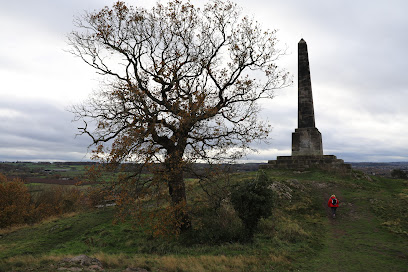
Lilleshall Monument
13.5 km
Historic 70-foot obelisk atop Lilleshall Hill offering sweeping panoramic views across Shropshire’s countryside and rich local heritage.
National Trust - Attingham Park Estate: Cronkhill
13.8 km
Explore Attingham Park’s grand Regency mansion, historic landscapes by Humphry Repton, and the charming Italianate folly of Cronkhill in scenic Shropshire.
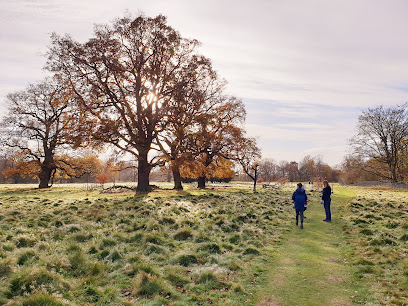
Acton Burnell Castle
13.9 km
Explore the serene ruins of Acton Burnell Castle, a medieval fortified manor that twice hosted early English Parliaments and shaped political history.
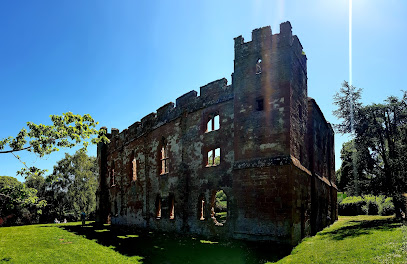
National Trust - Attingham Park
14.2 km
Explore the grandeur of an 18th-century Georgian mansion and 4,000 acres of stunning parkland at Attingham Park, a National Trust treasure near Shrewsbury.
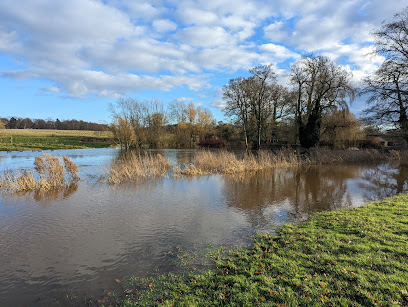
Jones Of Shropshire
14.2 km
Discover timeless antiques and charming garden statues at Jones Of Shropshire, a welcoming treasure trove in Pattingham near Wolverhampton.
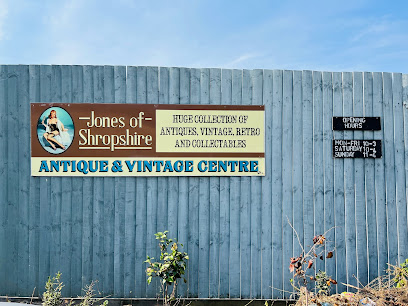
Weston Park
15.2 km
Explore Weston Park’s majestic estate, enchanting gardens, thrilling woodland adventures, and luxurious accommodations on 1,000 acres of English heritage.
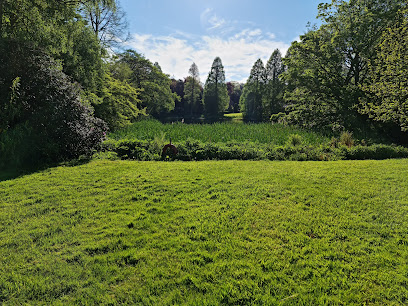
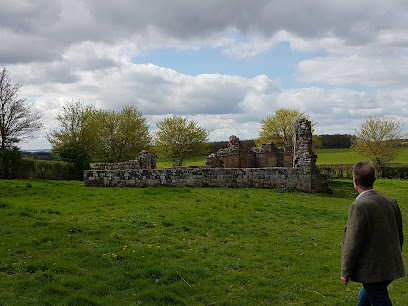
White Ladies Priory
15.9 km
Explore the evocative ruins of a 12th-century Augustinian priory, famed for sheltering Charles II during his dramatic 1651 escape.
Essential places to dine

Chez Maw Restaurant
0.9 km
Refined modern British dining in the historic heart of Ironbridge, blending local flavors with elegant service and a welcoming atmosphere.
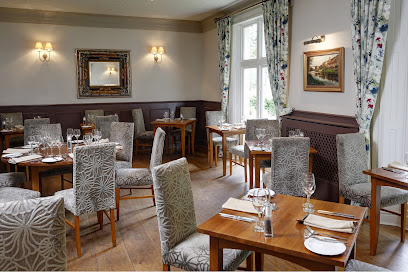
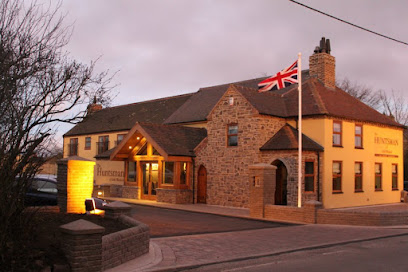
The Huntsman of Little Wenlock
4.4 km
Charming country inn in Little Wenlock offering hearty British classics, cozy fires, and warm hospitality in Shropshire’s scenic countryside.
Latimer's of Shifnal
8.7 km
A vibrant Mediterranean tapas and cocktail bar in Shifnal’s historic market place, blending superb food with warm hospitality.
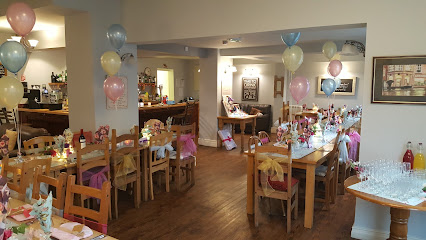
Riverside Inn
10.3 km
Charming riverside pub and restaurant in Shrewsbury’s Cound village offering classic British fare, cozy rooms, and scenic views by the River Severn.
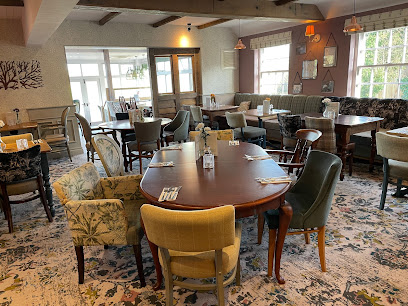
The Pheasant Inn
10.4 km
Experience authentic British dining at The Pheasant Inn in Admaston - where great food meets warm hospitality.
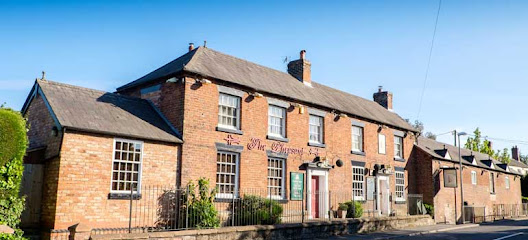
Oscars Restaurant
11.6 km
Modern British dining in Telford with a warm atmosphere, quality food, and attentive service at moderate prices.
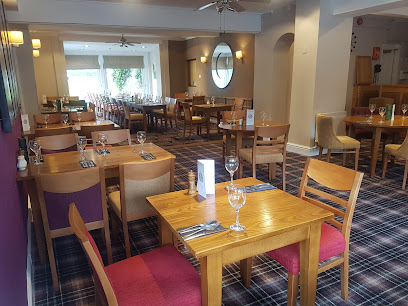
The Haughmond
14.7 km
A historic 17th-century coaching inn offering fine dining, stylish rooms, and tranquil gardens in the peaceful village of Upton Magna near Shrewsbury.
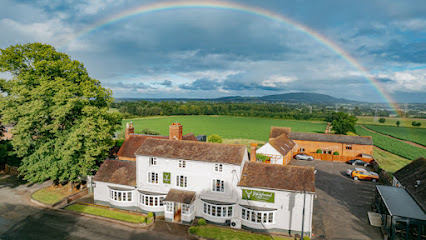
Old Hall Restaurant
19.3 km
Experience authentic Persian cuisine and warm hospitality in the historic charm of Dorrington’s Old Hall Restaurant.
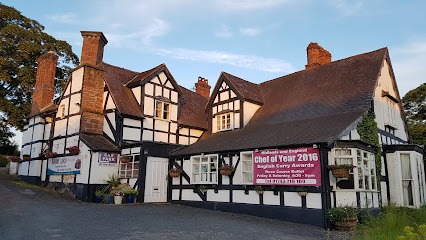
The Peach Tree
19.6 km
A charming Shrewsbury restaurant blending classic British flavors with warm hospitality in a historic setting.
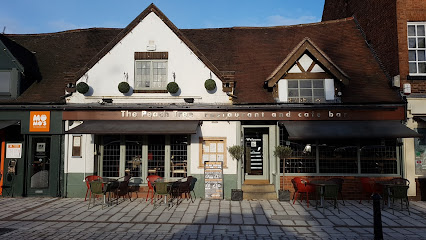
Lion + Pheasant Hotel
19.8 km
Elegant Georgian boutique hotel in Shrewsbury offering refined dining, cozy rooms, and a peaceful garden in the town’s historic heart.

The Clock Tower
19.9 km
Historic elegance meets modern luxury at The Clock Tower, a landmark of Netley Hall’s exclusive wedding and events estate in scenic Shropshire.
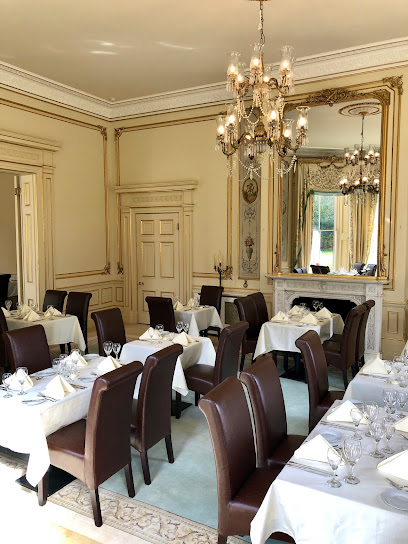
The Hayward Restaurant
20.0 km
Classic British dining with a modern touch in Shrewsbury’s historic Lion Hotel on charming Wyle Cop.
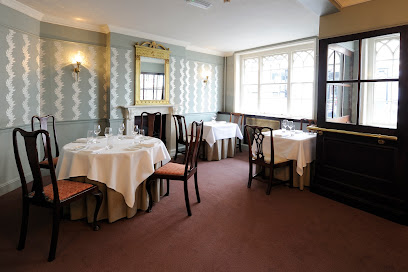
Bombos
20.0 km
Experience vibrant Asian fusion cuisine and crafted cocktails in the heart of historic Shrewsbury at Bombos, a lively spot for dining and socializing.
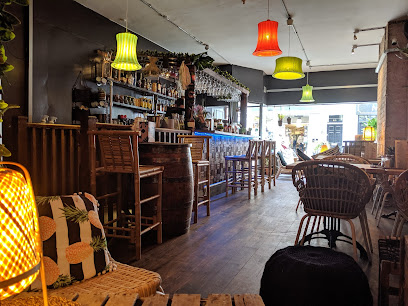
La Lanterna at the Old Vestry
20.0 km
Authentic Italian dining in Shrewsbury’s historic square, blending rustic charm with delicious cuisine and warm hospitality.
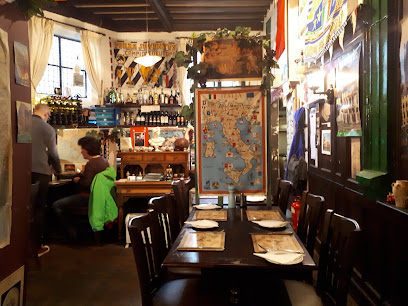
Chambers Restaurant
20.1 km
Chambers Restaurant offers traditional English dining in a historic oak-panelled setting, blending hearty cuisine with warm, family-run hospitality.
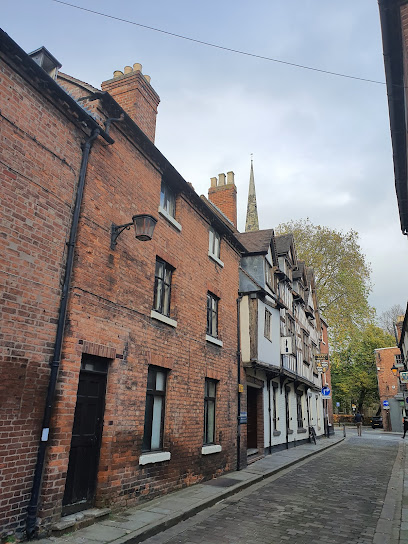
Markets, malls and hidden boutiques

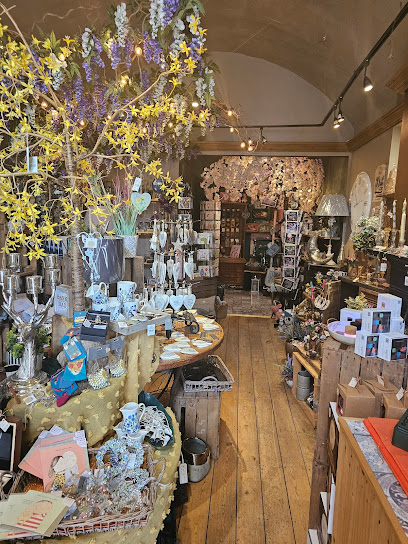
Copper Fox
0.1 km
Unique gifts and homewares in the heart of Ironbridge's UNESCO World Heritage Site.
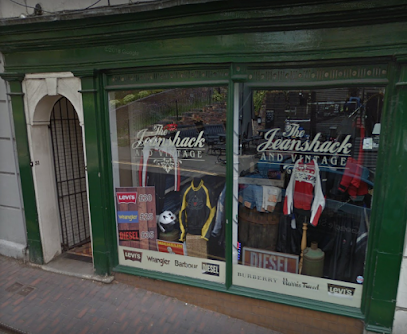
The Jeanshack and Vintage
0.1 km
Discover timeless style and quality vintage apparel at Ironbridge’s friendly and affordable Jeanshack and Vintage boutique.
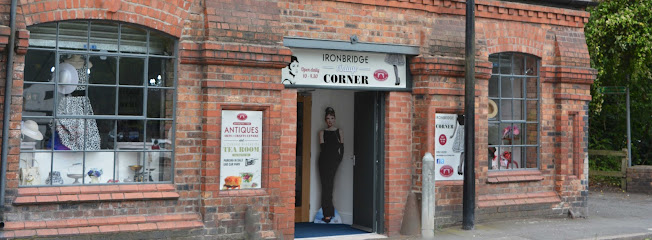
Ironbridge Vintage Corner
0.7 km
Discover timeless vintage fashion in the historic heart of Coalbrookdale at Ironbridge Vintage Corner.
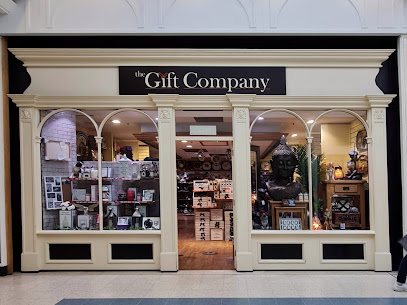
Gift Company TELFORD
5.9 km
A cheerful, budget-friendly gift shop in Telford Shopping Centre, packed with fun presents, seasonal decorations, and affordable home items.
Telford Centre
6.1 km
A comprehensive shopping and leisure destination in Telford with over 160 stores and seamless access to entertainment at Southwater.
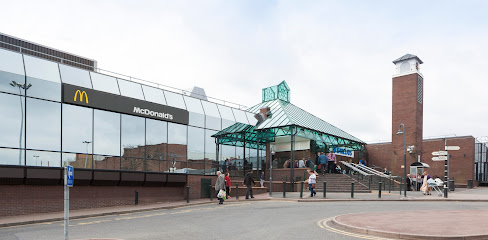
Menkind
6.1 km
Discover quirky gadgets, unique gifts, and playful novelties at Menkind in Telford Shopping Centre, the ultimate destination for fun and original presents.

The Forge Retail Park
6.5 km
A vibrant and convenient outdoor shopping destination in Telford with diverse stores and ample parking for all your retail needs.

Fab Little Gift Shop
11.7 km
Discover unique, quirky treasures and thoughtful gifts at Fab Little Gift Shop, Telford’s charming independent boutique.
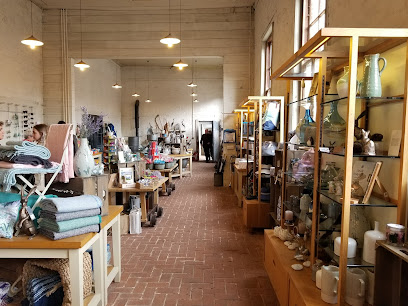
National Trust Gift Shop
14.1 km
Discover unique local crafts and heritage gifts at the National Trust Gift Shop within the historic Attingham Park estate.
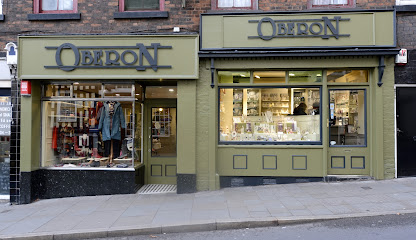
Oberon
19.9 km
Discover Oberon, Shrewsbury’s boutique for artisanal leather goods and shoes, blending historic charm with quality craftsmanship.
La Vie
19.9 km
Discover unique vintage treasures and exquisite homewares in the heart of Shrewsbury’s historic Wyle Cop.
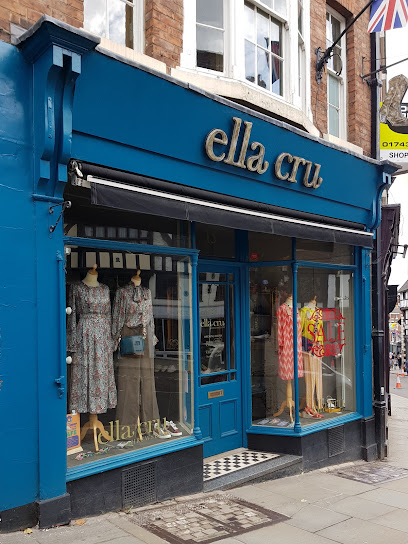
Ella Cru
20.0 km
Discover curated women's fashion and footwear in a charming medieval boutique on Shrewsbury’s historic Wyle Cop.
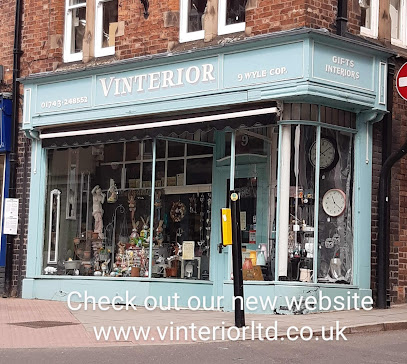
Vinterior
20.0 km
Discover unique vintage furniture and sustainable gifts in the heart of historic Shrewsbury at Vinterior.
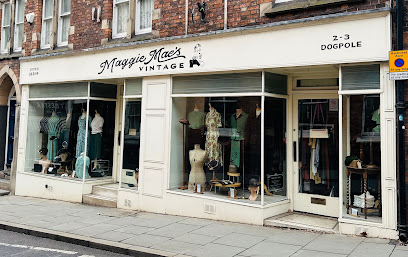
Maggie Mae's Vintage
20.0 km
Discover timeless vintage fashion treasures and expert styling at Maggie Mae's Vintage, Shrewsbury’s premier vintage clothing destination.
The Parade Shops
20.0 km
Discover Shrewsbury’s hidden gem: a charming Georgian shopping centre with unique boutiques and scenic river views.
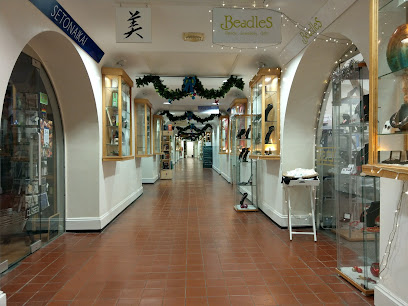
Essential bars & hidden hideouts

The Mytton & Mermaid
14.3 km
Historic riverside pub and hotel blending traditional charm with modern comfort and fresh, high-end cuisine in scenic Atcham.
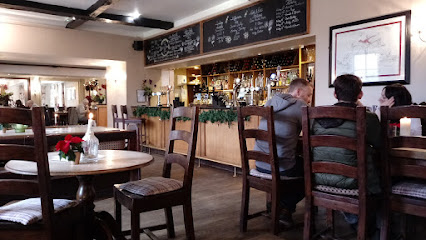
White Horse
18.6 km
A lively, quirky pub in Shrewsbury offering great food, friendly service, and a welcoming atmosphere for all tastes and occasions.
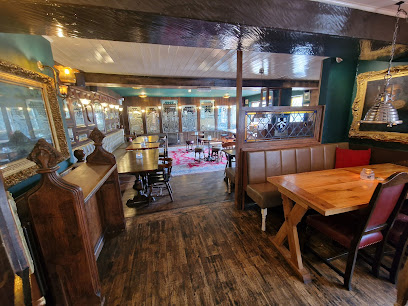
House of Grain
19.9 km
Historic corn warehouse turned lively independent bar with craft ales, cocktails, and vibrant entertainment in the heart of Shrewsbury.
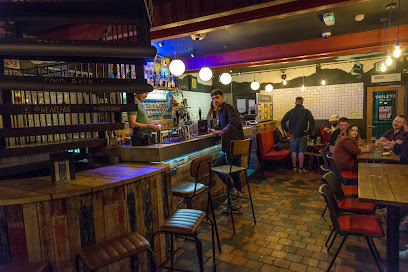
The Nag’s Head
19.9 km
Historic Tudor pub on Shrewsbury’s Wyle Cop, famed for its timber framing, cosy rooms, large beer garden, and rich local heritage.
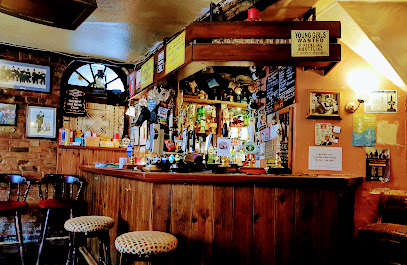
Telegraph Vaults
19.9 km
A lively historic pub in Shrewsbury offering hand-pulled beers, live music, and a welcoming atmosphere near the town centre and train station.
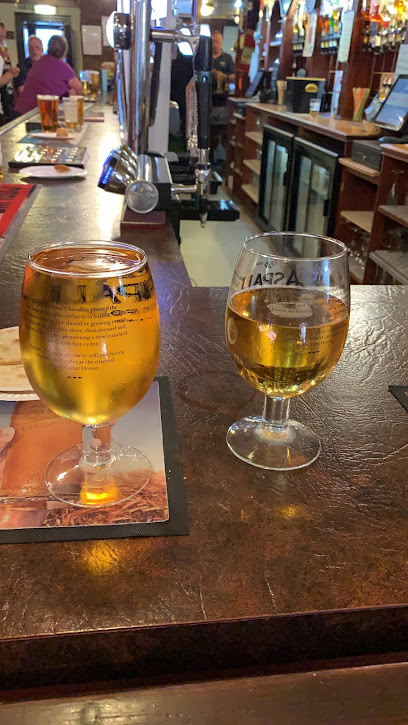
Henry Tudor Inn
20.0 km
Historic charm and creative pub dining come together in Shrewsbury’s Henry Tudor Inn, a lively spot famed for unique decor and traditional British fare.
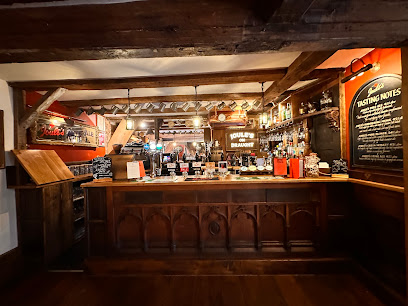
Dog & Pheasant
20.0 km
A cosy, dog-friendly real ale pub in Shrewsbury with a lively atmosphere, great value drinks, and a welcoming community spirit.
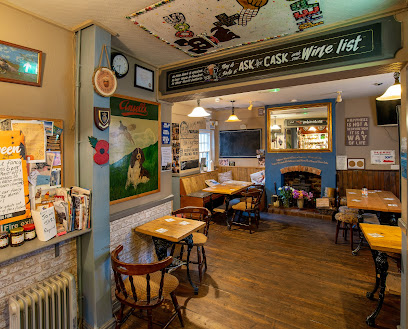
Cromwell's Tap House
20.0 km
Historic Shrewsbury pub and boutique inn offering creative British fare, craft drinks, and cozy accommodation in a quirky, character-filled setting.
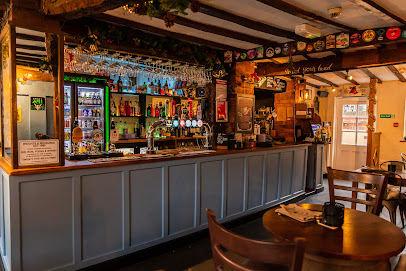
Wheatsheaf
20.1 km
Historic charm meets lively dining and live music in the heart of Shrewsbury’s vibrant High Street pub scene.
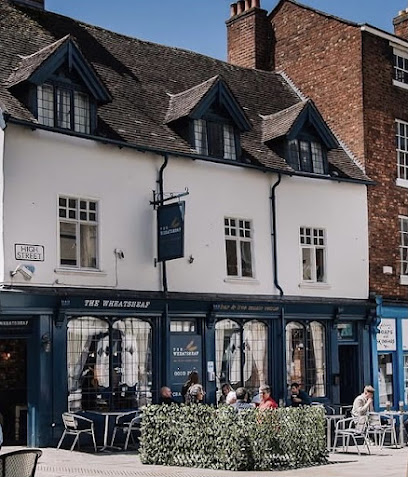
Loggerheads
20.1 km
Historic 18th-century pub in Shrewsbury offering cozy rooms, quality ales, live music, and a welcoming dog-friendly atmosphere.
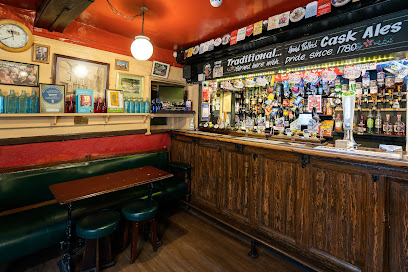
St Nicholas Bar & Grill
20.1 km
Historic church transformed into a lively bar and grill offering quality British cuisine, cocktails, and a unique Shrewsbury dining experience.
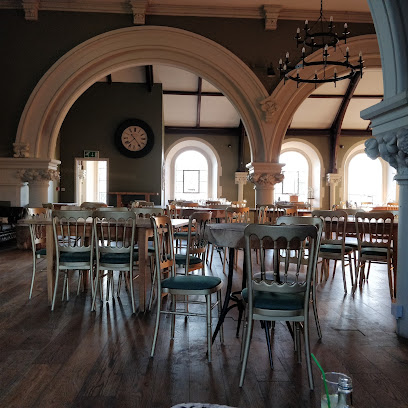
Oil
20.1 km
A lively Shrewsbury bar offering craft beers, quirky seating, and a warm, welcoming atmosphere in the heart of the historic town.
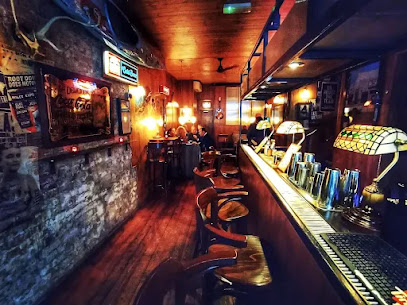
The Libertine
20.2 km
Quirky and stylish cocktail bar in Shrewsbury offering expertly crafted drinks, cozy vintage charm, and warm, attentive service.
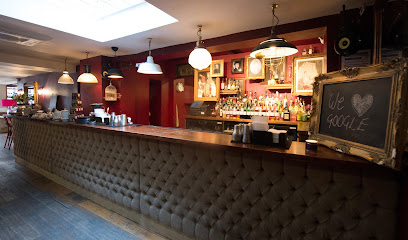
The Alb
20.3 km
A lively cocktail bar and welcoming hotel in Shrewsbury’s centre, known for creative drinks, friendly service, and comfortable stays.
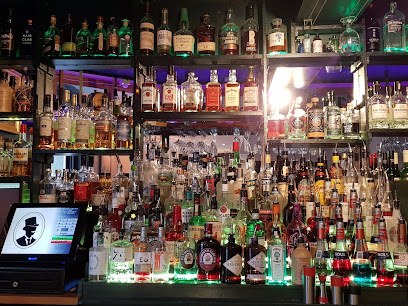
The Hole In The Wall
20.3 km
A traditional Shrewsbury pub offering great beer, hearty food, live music, and sports in a warm, historic setting.
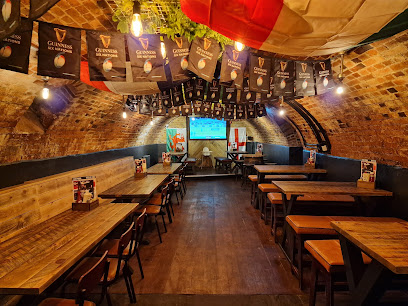
Nightclubs & after hour spots

We Love Oldskool Nights
5.7 km
Experience the vibrant energy of classic 90s and 2000s R’n’B and hip-hop at We Love Oldskool Nights, the ultimate dance club for nostalgic partygoers.
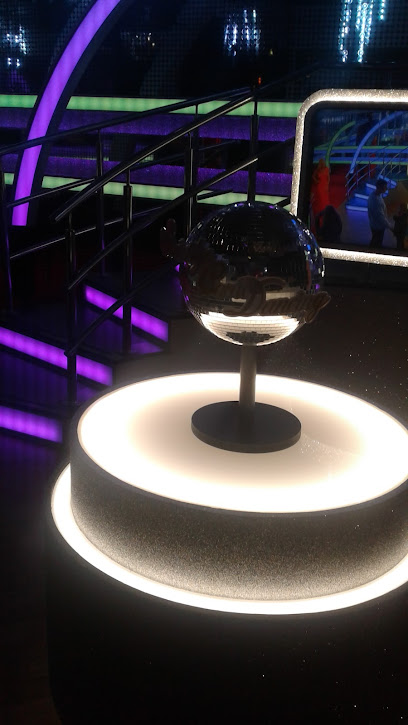
757 Night Club & Laluna events venue
8.4 km
A vibrant nightclub and events venue in Wellington, Telford, blending modern style with lively weekend entertainment.

Mainstreet Nightclub
17.4 km
Experience Newport’s vibrant nightlife at Mainstreet Nightclub, where music, dancing, and a lively crowd create unforgettable late-night memories.
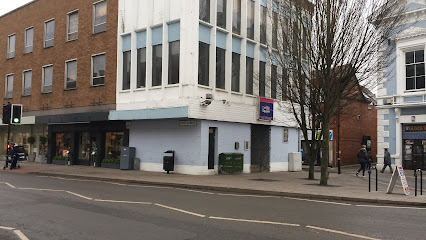
Havana Republic
19.6 km
Experience the vibrant Latin-inspired nightlife of Havana Republic, Shrewsbury’s hotspot for cocktails, music, and late-night fun.
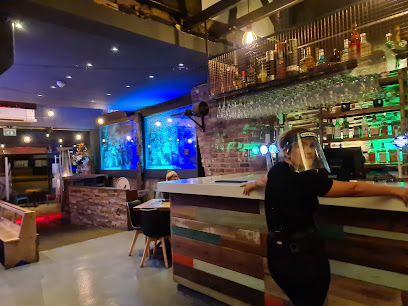
The Buttermarket
20.1 km
Shrewsbury’s iconic Grade II listed venue, The Buttermarket, offers vibrant live music, club nights, and diverse entertainment across three dynamic floors.
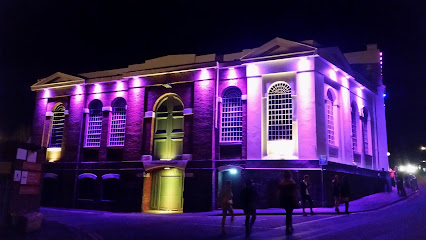
Boutique - Shrewsbury
20.5 km
A vibrant 90s-inspired nightclub in Shrewsbury offering lively nights, stylish booths, and a nostalgic yet modern clubbing experience.
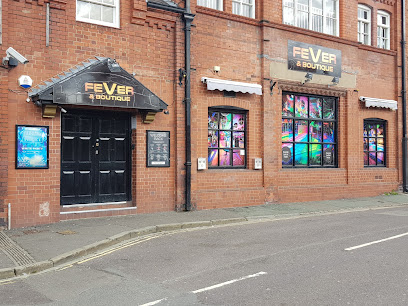
PAVO Birmingham
41.8 km
Vibrant African fusion lounge and nightclub in Birmingham's Jewellery Quarter, where bold flavors meet electrifying beats until 4am on weekends.
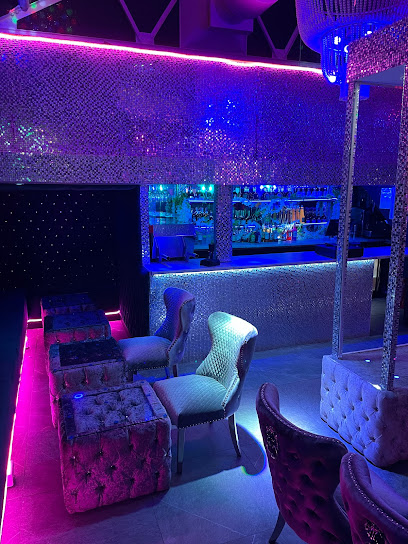
DIAMOND SPARKLEZ
41.9 km
Ignite your night in Birmingham's diamond district at this glittering nightclub, where top DJs, stunning lights, and electric crowds create pure nightlife magic.

Dreams Night club and Shisha
42.0 km
Birmingham's Jewellery Quarter gem fusing aromatic shisha clouds with thumping club beats until 5am—pure late-night energy on Barr Street.
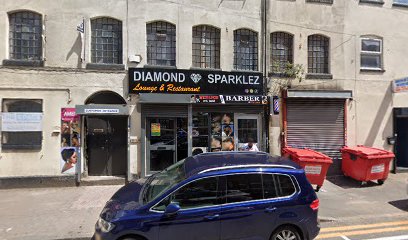
Snobs
42.2 km
Birmingham's 40-year indie-retro nightclub legend: cheap drinks, themed dance floors, and non-stop beats on Broad Street.
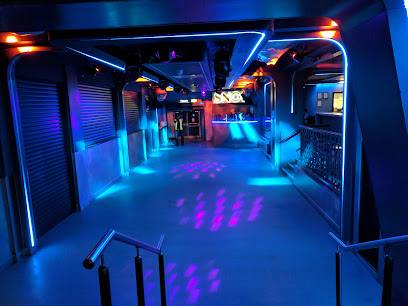
Popworld - Birmingham
42.2 km
Broad Street's ultimate pop party hub: 90s-00s hits, neon dance floors, cocktails, and celebration packages until 3am.

Reflex - Birmingham
42.2 km
Spin into 80s-00s nostalgia at Reflex Birmingham: revolving dance floor, karaoke booths, neon vibes, and epic sing-alongs on Broad Street's party strip.
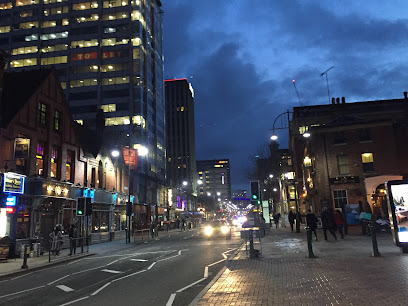
Rosies - Birmingham
42.3 km
Birmingham's ultimate super club: five themed rooms, killer cocktails, and non-stop beats on Broad Street for epic nights out.
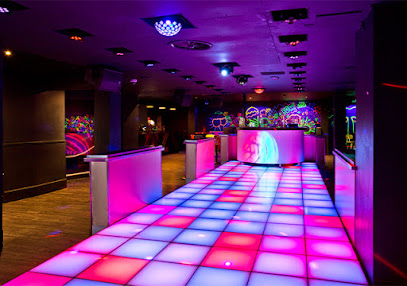
Tunnel Club Birmingham
42.4 km
Dive under Birmingham's arches into Tunnel Club's seven-room warehouse wonderland, where house, techno, and hip-hop fuel all-night dances amid pounding bass and vivid lights.
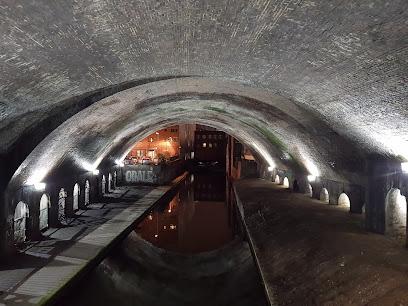
What do you mean
42.8 km
Dive into Birmingham’s vibrant nightlife at What Do You Mean, a premier nightclub known for electrifying music, creative cocktails, and an unforgettable party vibe.
For the vibe & atmosphere seeker
- Scenic
- Unique
- Adventurous
- Romantic
For the design and aesthetic lover
- Industrial Designs
- Vintage Styles
For the architecture buff
- Historic
- Landmarks
- Heritage Neighborhoods
For the view chaser and sunset hunter
- Iconic Views
- Panoramas
- Waterfront
For the social media creator & influencer
- Instagrammable
- Photo Spots
- Selfie Spots
- Architectural Shots
For the eco-conscious traveler
- Protected Area
- Car-Free Access
- Public-Transport Accessible
For the kind of experience you’re after
- Cultural Heritage
- Photowalk
- Day Trip
- Myth & Legends
For how adventurous you want the journey to be
- Easy Access
Location Audience
- Family Friendly
- Senior Friendly
- Child Friendly
- Solo Friendly
- Couple Friendly
- Pet Friendly
- Wheelchair Access


